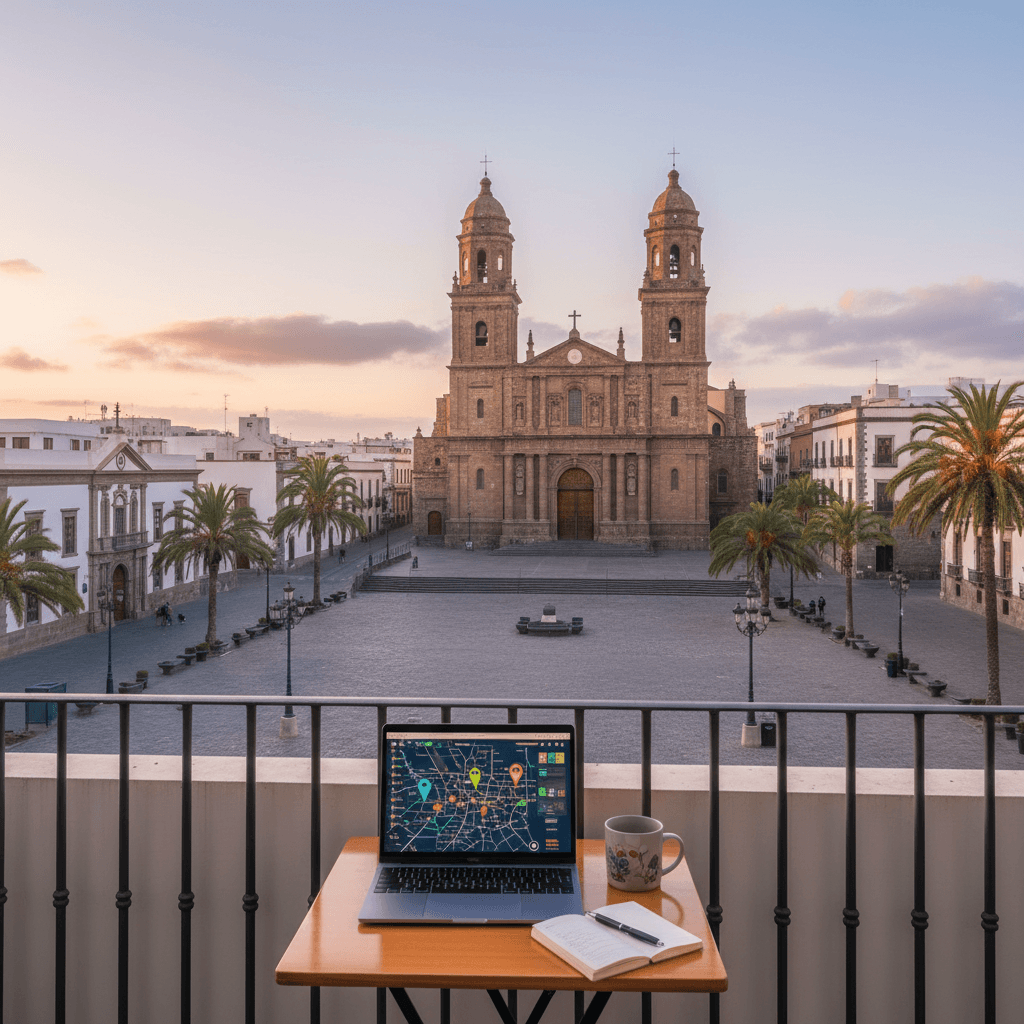
Las Palmas de Gran Canaria
🇪🇸 Spain
The City-Beach Paradox
Las Palmas isn't your typical island escape. It's a gritty, functional Spanish city that just happens to be draped over a world-class beach. While the south of Gran Canaria is packed with resort-goers, the capital belongs to the locals and a massive community of remote workers who've turned it into Europe's unofficial winter headquarters. You'll find a lifestyle defined by the "eternal spring" weather, where 21°C in January is the norm rather than the exception.
The magic here is the transition from deep focus to total relaxation. Most nomads spend their mornings in top-tier hubs like ReStation or The House, then walk five minutes to Playa Las Canteras for a sunset surf or a swim. It’s an urban island vibe where the internet is fast, the coffee is strong, and the social calendar is perpetually full, especially if you’re into the Thursday night tapas crawl in the old town.
What It Costs
Living here is significantly more affordable than London or Berlin, though prices have crept up as its popularity exploded. A mid-range budget of €2,000 to €2,800 per month allows for a private apartment and a very active social life. If you're staying for a month or two, colivings like Coliving 1907 are the gold standard for instant community, with private rooms starting around €600 to €850.
- Rent: Expect to pay €800 to €1,200 for a one-bedroom near the beach. Vegueta and Triana offer better value at €600 to €900.
- Dining: A casual lunch at Regina or Panaria costs €10 to €15. For a cheap thrill, head to Mercado del Puerto for €1 to €2 tapas.
- Transport: The yellow GuaGua buses are reliable at €1.50 per ride, or €50 for a monthly pass. Most people just walk or use BiciPalmas bikes for €10 a day.
The Neighborhood Breakdown
Choosing your base depends on whether you want the sound of waves or the smell of old stone and history. Most nomads stick to the north end of the city where the action is concentrated.
Las Canteras
- Best for: Beach lovers and first-time nomads.
- The Vibe: High energy, surf shops, and beachfront cafes like La Bikina.
- Pros: You’re seconds from the sand and the biggest nomad hubs.
- Cons: It gets crowded in peak winter and rents are the highest in the city.
Vegueta & Triana
- Best for: Culture seekers and long-termers.
- The Vibe: Sophisticated, historic, and architecturally stunning.
- Pros: Amazing food scene, walkable cobblestone streets, and a more authentic Spanish feel.
- Cons: It’s a bus ride away from the beach.
Puerto de la Luz
- Best for: Budget-conscious travelers.
- The Vibe: Industrial and up-and-coming.
- Pros: Close to the port and cheaper housing.
- Cons: Lacks the greenery and charm of the historic center.
Productivity & Connection
You won't struggle for WiFi here. Fiber optic is standard, and the coworking scene is one of the most developed in the Atlantic. Soppa de Azul attracts the creative crowd, while Talleres Palermo offers one of the coolest industrial-chic workspaces you'll ever see, typically costing €150 to €250 a month. If you prefer working from cafes, The Couple and Dara Feeling Good are nomad favorites that won't kick you out for opening a laptop.
Safety is rarely a concern. The city feels secure at all hours, though you should keep your wits about you in crowded tourist spots to avoid pickpockets. Healthcare is excellent; the Hospital Universitario Insular meets high EU standards, and pharmacies are on almost every corner for minor needs.
The emotional payoff of Las Palmas is the ease of it all. You can be deep in a spreadsheet at 3:00 PM and hiking the volcanic trails of Roque Nublo or the dunes of Maspalomas by the weekend. It’s a place that rewards those who show up, join the Facebook groups, and say yes to a post-work beer on the sand.
The Price of Paradise
Living in Las Palmas is famously affordable compared to major European hubs like London or Paris, but prices are rising as its popularity as a winter sanctuary grows. Most nomads find they can live comfortably on €2,000 to €2,800 a month. This mid range budget covers a private one bedroom apartment, a desk at a top tier coworking space, and plenty of dinners out at spots like Regina or La Bikina.
If you are on a tighter budget, you can make it work for €1,200 to €1,800. This usually means staying in a shared coliving space, sticking to local tapas markets for most meals, and using the city bus system instead of taxis. For those who want the high life with a beachfront penthouse and upscale dining, expect to spend €3,000 or more.
Housing and Neighborhoods
Rent is your biggest variable. If you want to be right on the sand at Las Canteras, you will pay a premium. A studio or one bedroom here typically runs between €800 and €1,200. It is the heart of the nomad scene, so you are paying for the community and the snorkeling access.
For a more historic, local feel, Vegueta and Triana offer beautiful architecture and a quieter vibe. Prices here are slightly lower, ranging from €600 to €900 for a decent flat. If you are staying for several months, locals recommend searching on Idealista rather than Airbnb to find better rates. Coliving is also a massive trend here; Coliving 1907 near the beach offers shared rooms starting at €400 and private setups for around €850.
Eating and Drinking
The food scene is a major perk. You can grab tapas or street food for €1 to €2 at the Mercado del Puerto, which is a favorite Friday night hangout. A standard lunch at a cafe usually costs between €10 and €15. If you are heading out for a nice dinner with wine, you will likely spend about €25 per person.
- Coffee: €1.50 to €2.50
- Beer: €2.50 to €4.00
- Weekly groceries: €40 to €60
- Thursday night tapas: €2 per plate in the old town
Work and Connectivity
Since you are likely working, a coworking membership is a standard expense. Expect to pay between €150 and €250 per month. ReStation is the go to for many because of its social events, while Talleres Palermo offers a more creative, industrial atmosphere. If you prefer cafes, The Couple and Panaria have solid WiFi, though some smaller spots in the south of the island can be hit or miss for video calls.
Getting Around
Las Palmas is a very walkable city, especially if you stay in the northern hub. For longer trips, the GuaGua buses are reliable. A single ride is about €1.50, but frequent travelers should grab a monthly card for €50. Just remember to wave at the driver to stop the bus; otherwise, they might drive right past you. Taxis are also plentiful and relatively cheap, usually costing about €1 per kilometer. If you are coming from the airport, the #1 or #60 bus will get you to the city center for just €2.70.
Practical Essentials
Healthcare is excellent and meets all EU standards. If you need a doctor, the Hospital Universitario Insular is the main facility. For your phone, a local SIM from Vodafone or Movistar will cost you €10 to €20 a month, though many nomads now just use a Holafly eSIM for convenience. Most shops and bars accept cards, but it is smart to keep a few Euros in cash for the smaller tapas bars in Vegueta.
For the Beach-Obsessed Nomad: Las Canteras
If you want to roll out of bed and be on the sand in three minutes, Las Canteras is your base. This is the heart of the nomad scene in Las Palmas. It's built around a three kilometer golden sand beach that stays swimmable year round thanks to a natural volcanic reef that keeps the water calm.
The vibe here is productive but laid back. You'll find the highest concentration of coliving spaces like ReStation and Coliving 1907, where private rooms go for €600 to €850 a month. For work, you can grab a desk at Playachicawork right on the water or join the community at Soppa de Azul. Most nomads spend their mornings surfing or snorkeling and their evenings at Mercado del Puerto for tapas and local wine.
- Rent: €800 to €1,200 for a 1BR apartment.
- Best for: Surfers, social butterflies, and anyone who hates commuting.
- Coworking: ReStation, Soppa de Azul, and other local spaces.
For History Buffs and Solo Travelers: Vegueta
Vegueta is the oldest part of the city, and it feels like stepping back in time with its cobblestone streets and Spanish colonial architecture. Solo travelers often prefer this area because it feels more intimate and less like a dense urban jungle. It's walkable, full of character, and hosts the famous Thursday night tapas sessions where you can grab a bite and a beer for about €2.
While it's further from the beach, the cultural trade off is worth it. You're steps away from the Santa Ana Cathedral and the Casa de Colón museum. It's a quieter neighborhood than the port area, though it does get a bit touristy during the day when the cruise ships are in town. For work, you're close to The House Coworking, which has plenty of space and a great rooftop.
- Rent: €600 to €900 for a studio or 1BR.
- Best for: Culture seekers and those who prefer a quiet night over a beach party.
- Top Tip: Head to Regina or Panaria for reliable WiFi and a solid coffee.
For Long-Term Expats and Urbanites: Triana
Just north of Vegueta lies Triana, the city's main commercial and social hub. This is where many long term expats settle because it feels like a real city rather than a resort. The main pedestrian street, Calle Triana, is lined with shops and cafes like Dara Feeling Good, where the internet is fast and the food is healthy.
The social scene here is vibrant. You'll find more locals than tourists, and the coworking options are among the best in the city. Talleres Palermo is a favorite for its creative atmosphere and industrial design. It's a bit noisier than the old town, but you're perfectly positioned between the historical center and the beach, with great bus connections to the rest of the island via the San Telmo station.
- Rent: €700 to €1,000 for a modern apartment.
- Best for: People who want to be in the middle of the action and shop like a local.
- Getting Around: Use the BiciPalmas app to rent a bike for about €10 a day to zip between Triana and the beach.
For Families and Peace Seekers: Mogán
If the urban density of Las Palmas feels a bit too intense, families often head south to Mogán. It's a significant shift in pace. While Las Palmas is a bustling city, Mogán is focused on relaxation and outdoor life. It's much quieter, the weather is often a few degrees warmer, and the water is incredibly calm for kids.
The downside is that you're further from the nomad hubs and the big city amenities. You'll likely want to rent a car for about €25 to €40 a day to get back into Las Palmas for major events. However, for those looking for a "slow life" experience with high quality healthcare and safe parks, it's a top choice. Internet is still reliable, but you'll likely be working from home rather than a dedicated coworking space.
- Rent: Prices vary wildly, but expect €1,000+ for family sized villas.
- Best for: Parents with young children and remote workers who want total silence.
- Transport: A 45 minute drive to the capital or a €30 taxi ride.
Staying connected in Las Palmas is rarely a headache. The city is a fiber optic fortress, and you'll find high speed internet is the standard rather than the exception. Most apartments and coliving spaces come equipped with reliable WiFi that handles video calls without a stutter. If you're venturing out, local 4G and 5G coverage is excellent across the urban center, though it can get spotty if you head deep into the volcanic interior for a weekend hike.
The Coworking Scene
The city has matured into one of Europe's premier remote work hubs, and the coworking options reflect that. You aren't just paying for a desk here; you're paying for a social entry point into the community. Prices generally hover between €150 and €250 per month for a full time desk, with daily passes available for those just passing through.
- ReStation: Located near the iconic Las Canteras beach, this is the heart of the nomad community. It functions as both a coliving and coworking space, frequently hosting social events that make it easy to meet people. Expect to pay around €200 per month.
- The House Coworking: A favorite for those who prefer a more professional, spacious environment in the downtown area. It's known for its bright interior and solid community of long term expats.
- Soppa de Azul: If you're a creative, this is your spot. Located in the Farray neighborhood, it blends a workspace with an art gallery and workshop vibe.
- Talleres Palermo: A stunningly designed space in a converted carpentry workshop. It feels like a Brooklyn loft dropped into the Atlantic, featuring a great cafe and an industrial aesthetic.
- Coworking C: A smaller, eco-conscious space that focuses on a quiet, productive atmosphere for people who need to get deep work done.
Work-Friendly Cafes
While the coworking spaces are excellent, Las Palmas has a thriving cafe culture where laptops are welcomed. Just remember the local etiquette: don't hog a four person table for six hours during the lunch rush on a single espresso. Most nomads find that the areas around Las Canteras and Triana have the best density of "laptop friendly" spots.
- Regina: A classic choice with multiple locations. The coffee is excellent, and the WiFi is usually fast enough for most tasks.
- The Couple: Situated right on the Las Canteras boardwalk. It's perfect for a morning session where you can look up from your screen and see the surfers.
- Dara Feeling Good: Great for health conscious workers. They serve fantastic organic food and provide a bright, airy environment for a few hours of typing.
- La Bikina: Another beachside gem. It gets busy, but the energy is infectious and the items on the menu are a great mid day reward.
- Panaria: A reliable chain with plenty of power outlets and consistent internet, making it a safe fallback if your first choice is full.
Connectivity & SIM Cards
Don't rely on roaming unless you have a generous EU plan. Local SIM cards are cheap and easy to find. Most expats recommend heading to a Vodafone or Movistar store in Triana to grab a prepaid card. You can usually get a solid data package for €10 to €20 per month. If you want to hit the ground running the moment you land at Gando Airport, a Holafly eSIM is a popular choice for unlimited data without the need to swap physical cards.
For those staying longer, look into the BiciPalmas app for getting between work spots. It's the city's bike sharing program and costs about €10 for a short term pass, which is often faster than the bus for short hops between Triana and the beach. If you do use the GuaGua buses, remember to wave them down at the stop, otherwise they might sail right past you.
Stay Safe and Stay Healthy in the City
Las Palmas is one of the safest urban environments you'll find in Southern Europe. Most nomads feel comfortable walking the streets at any hour, especially in well lit hubs like Vegueta, Triana, and along the Las Canteras promenade. The vibe is overwhelmingly laid back, focusing more on sunset beers and surf sessions than big city grit.
While violent crime is extremely rare, petty theft exists as it does in any major tourist destination. Keep an eye on your belongings at the beach while you're swimming and stay alert in crowded markets like Mercado del Puerto. Expats generally recommend avoiding isolated, poorly lit spots in the far southern outskirts of the city late at night, but within the main nomad neighborhoods, you'll rarely feel uneasy.
Healthcare Standards and Facilities
The healthcare system in Gran Canaria is excellent and meets all EU standards. If you're an EU citizen, your European Health Insurance Card (EHIC) covers most necessary treatments. For non-EU nomads, private health insurance is a must, though out of pocket costs for a standard GP visit are quite reasonable compared to North American prices.
The city is home to top tier facilities like the Hospital Universitario Insular and Hospital Universitario de Gran Canaria Doctor Negrín. These are modern, high tech hospitals capable of handling everything from minor injuries to specialized surgeries. For private care, many expats head to Hospital Perpetuo Socorro near the port, where you're more likely to find English speaking staff and shorter wait times.
- Pharmacies: Look for the glowing green crosses (farmacias). They are everywhere and can handle minor ailments or provide over the counter meds.
- Emergency Number: Dial 112 for all emergencies. It is free and operators usually speak English.
- Police: Dial 091 for the National Police if you need to report a theft for insurance purposes.
Practical Wellness for Nomads
The biggest health "risk" you'll likely face is the intense Atlantic sun. Even on cloudy days, the UV index stays high. Locals suggest buying high quality sunscreen from a pharmacy rather than a souvenir shop. The tap water in Las Palmas is technically safe to drink but has a heavy desalinated taste that most people dislike. Most nomads stick to 5-liter or 8-liter jugs of bottled water from local supermarkets like HiperDino or Spar to stay hydrated.
If you're looking to stay active, the city is your gym. You'll see locals and nomads alike using the outdoor workout stations along the north end of Playa Las Canteras. For a more structured environment, many remote workers join GoFit or smaller crossfit boxes in the Guanarteme area, which typically cost between €40 and €60 per month.
Language and Communication
In medical settings and pharmacies within Las Canteras or Triana, you'll find a high level of English proficiency. However, having a translation app like DeepL or Google Translate on your phone is a smart move for explaining specific symptoms or understanding prescription instructions. Most doctors in the private sector speak English well, but administrative staff at public clinics might only speak Spanish, so bringing a local friend or using a translation app can save you a lot of stress.
The Yellow and the Blue
Moving through Las Palmas feels less like navigating a major metro and more like drifting through a series of interconnected beach towns. The city is surprisingly compact, and if you're staying in nomad hotspots like Las Canteras or Vegueta, your own two feet will be your primary mode of transport. The walk from the historic streets of the old town up to the northern surf breaks takes about 45 to 60 minutes, but most people opt for the breeze of the seaside promenade.
When you need to cover ground faster, look for the Guaguas Municipales. These bright yellow buses are the lifeblood of the city. They're reliable, clean, and frequent. A single ride costs €1.40, but if you're staying for a month or more, grab a Bono Residente or a top-up card to bring costs down to around €50 for unlimited monthly travel. Just remember the local etiquette: you must wave to the driver as the bus approaches, or they'll cruise right past the stop. If you're already on board and don't want to get off, a quick shake of the head tells the driver to keep moving.
For trips outside the city limits to places like the Maspalomas dunes or the airport, you'll switch to the blue Global buses. These inter-city lines are just as efficient. Getting from LPA Airport to the city center via Bus #1 or #60 is a breeze, costing about €2.30 and taking roughly 30 minutes.
Wheels and Apps
While Las Palmas is walkable, the local bike-sharing program, Sitycleta, is a favorite for nomads commuting between ReStation and the cafes in Triana. Daily rentals hover around €10, and the city has been steadily adding dedicated bike lanes to keep cyclists away from the heavier traffic. If you prefer electric power, several scooter apps operate in the city, though parking regulations have become stricter lately, so stick to designated zones.
Ride-hailing isn't what you're used to in London or New York. Uber and Bolt have a very limited presence here. Instead, the city relies on a robust fleet of white taxis. They're everywhere, they use meters, and they're relatively cheap at roughly €1 per kilometer. A cross-town hop rarely exceeds €7 or €8. You can hail them on the street or use the Pidetaxi app if you're tucked away in a quiet residential corner.
Island Exploration
If you're planning a weekend trek to Roque Nublo or the volcanic interiors, you'll want a car. Most nomads recommend Cicar or Autoreisen for rentals; they're local favorites because they usually include full insurance and don't have the hidden fees common with international chains. Expect to pay €30 to €50 per day for a basic manual car.
- Airport Transfer: Yellow/Blue Bus (€2.30) or Taxi (€25 to €30).
- City Bus: €1.40 per ride; €50 monthly pass.
- Cycling: Sitycleta for short urban bursts.
- Car Rental: Best for reaching the central mountains and southern beaches.
The beauty of the Las Palmas layout is the lack of urgency. Whether you're catching a bus to Talleres Palermo for a work session or strolling to Mercado del Puerto for Friday night tapas, the infrastructure supports a lifestyle where you're never truly stuck in traffic. It's an urban system that actually encourages you to slow down.
The Local Linguistic Landscape
In Las Palmas de Gran Canaria, Spanish is the undisputed king. However, it's not the peninsular Spanish you might hear in Madrid. Local residents speak the Canarian dialect, characterized by a softer, more melodic tone and the aspiration of the letter "s" at the end of words. It sounds a bit closer to Caribbean Spanish than the sharp accents of mainland Spain.
If you're sticking to the nomad bubbles of Las Canteras or the coworking hubs in Triana and Vegueta, you'll find English proficiency is quite high. Most staff in cafes like Regina or The Couple speak enough English to handle your order and then some. In professional environments like ReStation or The House Coworking, English is often the default language for networking and community events.
Once you venture into the more local neighborhoods or the smaller villages in the north, English levels drop significantly. This is where a little effort goes a long way. Locals are incredibly warm and patient, but they appreciate when you attempt the basics. Travelers often say that even a clumsy "Hola" or "Gracias" can shift the vibe of an interaction from transactional to friendly.
Essential Phrases for the Island
While you don't need to be fluent to survive, having a few phrases in your back pocket makes daily life smoother. Use these for your morning coffee run or when catching the bus:
- Hola, ¿qué tal? (Hello, how are things?)
- ¿Dónde está...? (Where is...?)
- La cuenta, por favor. (The bill, please.)
- ¿Tienes WiFi? (Do you have WiFi?)
- Gracias / De nada. (Thank you / You're welcome.)
Communication Tools and Apps
Digital nomads here rely heavily on technology to bridge the gap. Google Translate and DeepL are the gold standards for translating menus or complex documents. Most residents use WhatsApp for everything; from booking a haircut to communicating with your landlord, it's the primary way people stay in touch.
For data, many nomads opt for a Holafly eSIM for immediate connectivity upon arrival. If you're staying longer, picking up a local SIM from Vodafone or Movistar is more cost effective, usually running between €10 and €20 per month. This gives you a local number, which is sometimes required for registering for the GuaGua bus card or signing up for local gym memberships.
Social Etiquette and Non-Verbal Cues
Understanding the local communication style is just as important as the words themselves. Life moves at a slower pace here. When you enter a small shop or a bus, it's common practice to offer a general "Buenos días" or "Buenas tardes" to the room. It’s a small gesture that marks you as a respectful visitor rather than just another tourist.
When waiting for the GuaGua (the local term for bus), remember the unspoken rule: you must wave at the driver as the bus approaches to signal you want to board. If you're standing at the stop and don't want that specific bus, a quick shake of the head lets the driver know they don't need to pull over. It’s these small, local nuances that help you blend into the rhythm of the city.
In social settings like the Thursday tapas nights in the old town, communication is loud, lively, and often involves a bit of physical proximity. Don't be surprised if conversations feel more animated than what you might be used to back home. It's all part of the "city plus beach" energy that makes Las Palmas such a magnetic spot for remote workers.
The Land of Eternal Spring
Las Palmas isn't just a beach town; it's a geographic anomaly that keeps the thermometer hovering between 18°C and 25°C almost every day of the year. Locals call it the "eternal spring," and they aren't exaggerating. You won't find the sweltering heat of the Spanish mainland or the biting frost of Northern Europe here. Instead, you get a consistent, mild climate that makes packing a breeze and outdoor work sessions a daily reality.
The city's weather is influenced by the trade winds, which act as a natural air conditioner. While the south of Gran Canaria can get quite hot, Las Palmas stays comfortably tempered. You might encounter the "Panza de Burro" (donkey's belly), a local phenomenon where a layer of clouds sits over the city during summer mornings, but it usually burns off by the afternoon, leaving you with perfect beach weather at Playa Las Canteras.
When to Touch Down
Choosing when to visit depends on whether you're chasing the sun or the nomad community vibe. Here is how the seasons break down for remote workers and travelers:
- Winter (December to March): This is the absolute peak season for digital nomads. When the rest of Europe freezes, the community here explodes. Coworking spaces like ReStation and The House are at their liveliest, and you'll find the most social events, from Thursday night tapas in Vegueta to weekend hikes at Roque Nublo. Expect daytime highs around 21°C.
- Spring (April to June): Many nomads consider this the sweet spot. The winter crowds thin out, but the weather stays glorious. It's the driest time of year, making it perfect for exploring the interior mountains or learning to surf without dodging as many tourists in the water.
- Summer (July to September): Temperatures rarely climb above 27°C, but the humidity can rise. It's a popular time for Spanish mainlanders to visit, so the city feels more like a local vacation hub. It can get windy, which windsurfers love, but it might make your rooftop laptop session a bit chaotic.
- Autumn (October to November): The ocean is at its warmest during these months, often reaching 23°C. You might see a few short, sharp rain showers, particularly in November, but they rarely last long enough to ruin your day.
The Best Time for Your Budget
If you're watching your wallet, aim for the shoulder seasons of May, June, or October. During the winter peak, short term rental prices on platforms like Idealista or Airbnb can spike by 20% to 30% because demand from "sun-seekers" is so high. Booking a private room at a coliving space like Coliving 1907 during the summer or late spring can often land you a better rate than the €850 monthly price tag common in January.
Most travelers find that the "worst" time to visit doesn't really exist, though the city can feel a bit crowded and "busy" during the height of the winter nomad migration. If you prefer a quieter pace, avoid the major festival dates like Carnival in February, when the streets of Triana and Santa Catalina turn into a massive, loud, and expensive party for weeks on end.
Practical Weather Tips
- The North-South Divide: If it's cloudy in Las Palmas, grab a €3 bus ride on the GuaGua to Maspalomas in the south. It's almost always sunny there, even when the north is overcast.
- Layer Up: Even if it's 22°C during the day, temperatures can drop to 15°C once the sun goes down, especially near the ocean. A light jacket is a nomad staple here.
- Microclimates: If you're heading into the mountains for a hike, the temperature can be 10 degrees lower than at the beach. Check the local forecast apps before you leave the city.
Getting Around the City
Las Palmas is a surprisingly walkable city, especially if you stick to the coastal stretch of Las Canteras or the historic streets of Vegueta. For longer trips, the yellow GuaGua buses are your best friend. They're reliable and cover almost every corner of the city for about €1.50 a ride.
If you're staying for a month or more, grab a resident bus card to bring your costs down to around €50 for unlimited monthly travel. Just remember a local quirk: you need to wave to the driver to get the bus to stop, or give a firm shake of your head if you're standing at the stop but don't want that specific line. For quick cross-town trips, BiciPalmas offers bike and scooter rentals through their app for around €10 a day.
Cost of Living Breakdown
Your budget here depends heavily on how close you want to be to the surf. Most nomads find a comfortable middle ground between €2,000 and €2,800 per month, which covers a private apartment and frequent dinners out.
- Budget Tier (€1,200 to €1,800): Expect to stay in a shared coliving space like Coliving 1907, eat mostly from local markets like Mercado del Puerto, and use the bus system exclusively.
- Mid-Range (€2,000 to €2,800): This covers a private 1BR apartment, a dedicated desk at a coworking space like ReStation, and regular meals at spots like Regina or La Bikina.
- Comfortable (€3,000+): You'll be looking at high-end beachfront rentals in Las Canteras, upscale dining, and frequent weekend trips or car rentals to explore the southern dunes.
Where to Set Up Your Desk
The internet infrastructure is top-tier. Fiber optic is the standard, and you'll find reliable speeds even in older neighborhoods. For a professional environment, The House Coworking is a favorite for its spacious layout, while Soppa de Azul caters to a more creative, artistic crowd. Expect to pay between €150 and €250 a month for a hot desk.
If you prefer the "laptop and a latte" lifestyle, cafes like The Couple and Dara Feeling Good are nomad-friendly. Just be aware that some smaller cafes in the less touristy parts of the city aren't always keen on people camping out for four hours on a single espresso.
Safety and Health
Las Palmas feels very safe, even late at night. Standard urban awareness applies, watch your pockets in the crowded areas of Triana or during the busy Thursday Tapas Nights in the old town. If you do run into trouble, the emergency number is 112.
The healthcare system is excellent and meets full EU standards. Hospital Universitario Insular is the main facility, and you'll find a farmacia on almost every second block for minor ailments. Most nomads use an eSIM from Holafly for immediate data, though picking up a local Vodafone or Movistar SIM for €15 is the better move for longer stays.
Social Life and Language
Spanish is the main tongue, and while English is widely spoken in the coworking hubs and beachfront hotels, learning a few basics will go a long way in the local tapas bars. Locals are generally welcoming, especially if you join the weekly social rituals.
- Thursday Night Tapas: Head to Vegueta for €1 to €2 snacks and a lively street atmosphere.
- Weekend Vibes: Mercado del Puerto is the place to be on Saturday afternoons for vermouth and fresh seafood.
- Community: Join the Gran Canaria Digital Nomads Facebook group or check Meetup for beach volleyball sessions at Playa Las Canteras.
Weather Realities
They call it the city of eternal spring for a reason. Temperatures usually hover between 18°C and 25°C all year. While the south of the island is desert-dry, Las Palmas gets the occasional "Panza de Burro" (donkey's belly), a thick cloud cover that keeps the city cool in the summer. December to March is the peak nomad season, as everyone flees the northern European winter for the 21°C January afternoons.
Need visa and immigration info for Spain?
🇪🇸 View Spain Country GuideNomad Haven
Your home away from home
Monthly Budget Estimates
More cities in Spain
Bilbao
🇪🇸 Spain
San Sebastián
🇪🇸 Spain
Coruña
🇪🇸 Spain