Lalitpur (Patan)
🇳🇵 Nepal
The Soul of the Valley
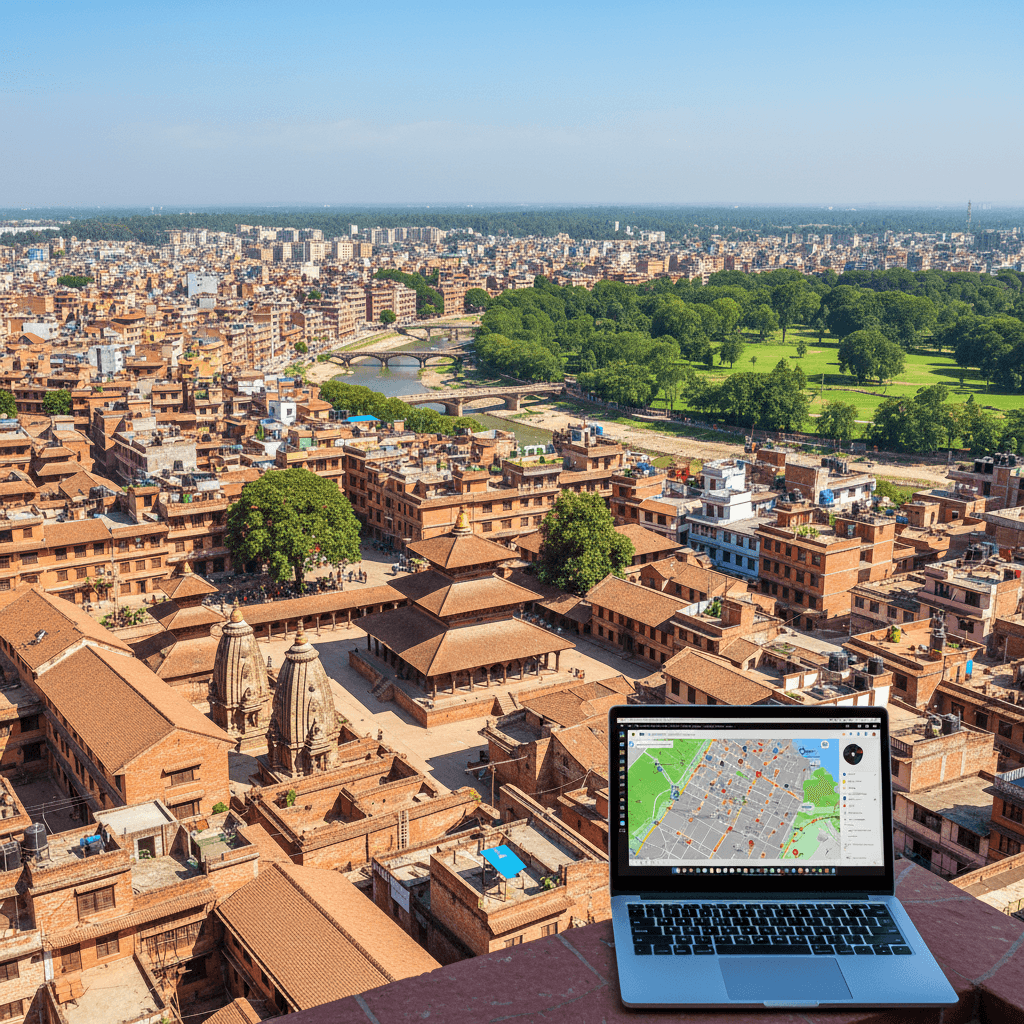
Lalitpur, still known by many as Patan, isn't just a suburb of Kathmandu; it is the spiritual and artistic heartbeat of the valley. Founded in 299 CE, this city was designed in the shape of the Buddhist Dharma Chakra, and that ancient intentionality still breathes through its narrow, brick paved alleys. While Kathmandu can feel like a frantic scramble, Patan offers a slower, more deliberate pace that appeals to nomads who want to actually live in Nepal rather than just pass through it.
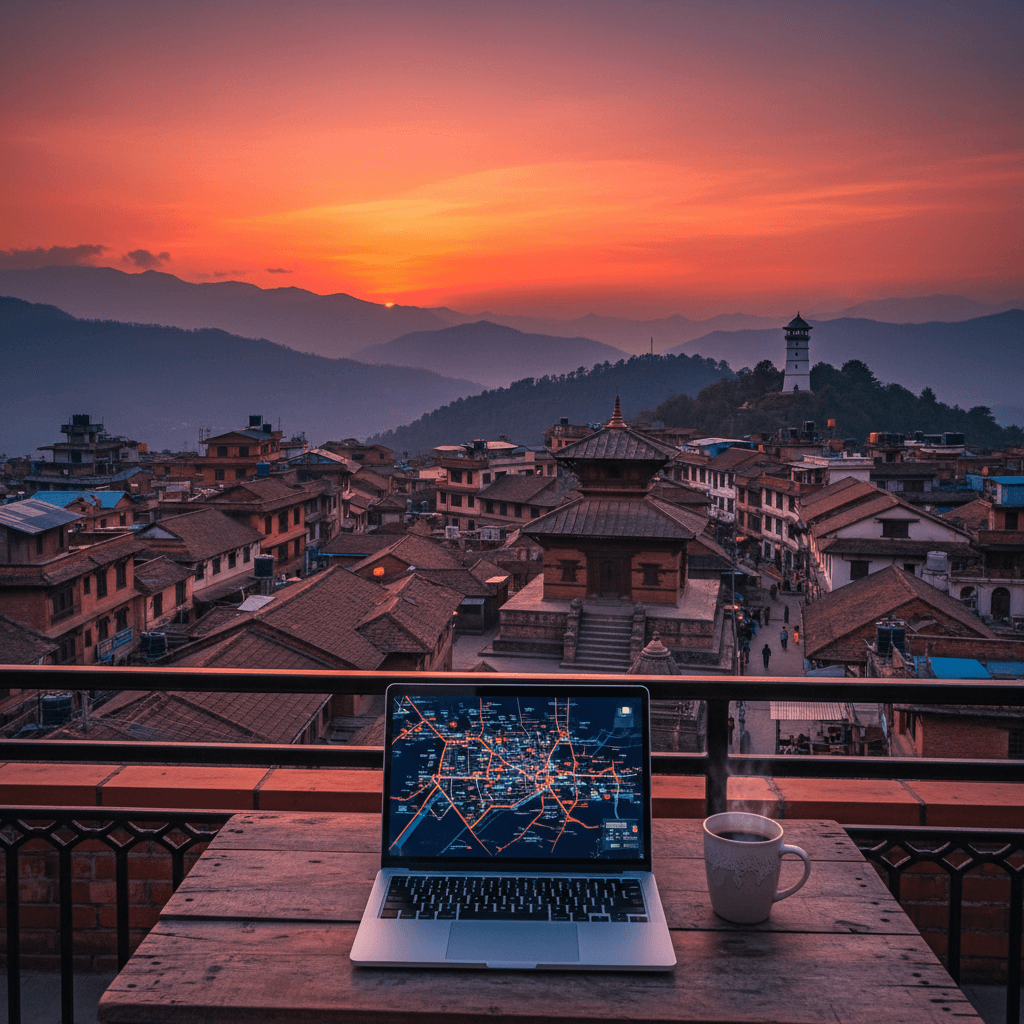
The vibe here is defined by the clinking of metal chisels and the smell of incense. You'll find yourself working from a rooftop cafe overlooking the Krishna Mandir, watching artisans hand carve statues just as their ancestors did during the Malla dynasty. It is a place where religious harmony isn't a concept but a daily reality, with Hindu temples and Buddhist bahals sharing the same courtyards. For those who find the chaos of Thamel exhausting, Lalitpur is the sophisticated, grounded alternative.
Where to Plant Your Flag
Choosing a neighborhood in Lalitpur depends on how much you want to trade modern convenience for old world charm. Most nomads gravitate toward these specific pockets:
Patan Old Town
- Best for: Cultural immersion and walking everywhere.
- The Experience: You are steps away from Durbar Square and the Golden Temple. It is incredibly atmospheric but can get loud and dusty during peak tourist hours.
- Rent: Expect to pay $220 to $370 (NPR 30,000 to 50,000) for a decent one bedroom in a traditional building.
Pulchowk
- Best for: Modern comforts and the expat social scene.
- The Experience: This is the "hipster" hub. It is packed with third wave coffee shops, international restaurants, and the best infrastructure for remote work. It is more expensive and feels more urban, but it is the easiest place to find a community.
- Rent: Upscale apartments can easily top $450 (NPR 60,000+).
Jawalakhel
- Best for: Long term stays and quiet nights.
- The Experience: Known for its handicraft centers and Tibetan carpet weaving, this area is greener and calmer. It feels like a proper residential neighborhood rather than a tourist zone.
- Rent: Budget friendly options start around $110 to $180 (NPR 15,000 to 25,000) for simple setups.
The Digital Reality
Living here requires a bit of patience. While fiber internet is becoming the standard, power cuts and occasional connectivity drops still happen. Most nomads rely on Ncell or Nepal Telecom SIM cards as a backup, which cost about $15 (NPR 2,000) for a 50GB monthly data pack. You won't find massive, corporate coworking spaces here; instead, people congregate at local cafes in Pulchowk that are friendly to laptop users.
Getting around is an adventure in itself. You will likely become a power user of the Pathao or Tootle apps, which are the local versions of Uber. A quick motorbike ride across town usually costs between $1.50 and $3.00 (NPR 200 to 400). If you are feeling brave, the microbuses from Lagankhel to Kathmandu are a dirt cheap $0.25 (NPR 35), though they are often packed to the rafters.
Cost of Living & Lifestyle
Lalitpur remains remarkably affordable. A monthly budget of $600 to $900 allows for a very comfortable lifestyle. You can grab a plate of momos or a bowl of spicy Newari choila on the street for under $2, while a full Newari thali at a mid range restaurant will set you back about $5. It is one of the few places left where you can live in a UNESCO world heritage environment without a premium price tag.
The trade off is the infrastructure. The traffic crossing the Bagmati River into Kathmandu is notorious, and the air quality can be tough during the dry season. But when the sun sets over the brick temples and the local "chiya" shops fill with people sharing stories, those frustrations tend to fade. It is a city that rewards those who are willing to slow down and match its ancient rhythm.
The Bottom Line on Lalitpur Living
Lalitpur, or Patan as locals usually call it, is one of the most budget friendly hubs for digital nomads in South Asia. While prices have seen a slight uptick following the 2025 tourism surge, your dollar still goes incredibly far here. Most remote workers find they can live comfortably on $800 to $1,200 per month without feeling like they are pinching pennies.
The city is generally cheaper than Kathmandu across the river, though the gap is closing in trendy spots like Pulchowk. You are trading some of the capital's convenience for a slower pace and a deeper immersion into Newari craftsmanship. Expect to pay in Nepalese Rupees (NPR), and keep a stash of cash handy; while cafes take cards, the best street food and local markets are strictly cash only.
Monthly Budget Tiers
- The Budget Nomad ($500 to $800): This lifestyle involves staying in outer areas like Lagankhel or Jawalakhel. You will be eating mostly local fare like momos for NPR 150 and using public microbuses for NPR 30 a ride. Rent for a basic studio in these areas averages NPR 15,000 to 25,000.
- The Mid-Range Professional ($800 to $1,500): This is the sweet spot for most. You can snag a nice one bedroom apartment in the heart of the Old Town for NPR 30,000 to 50,000. You will likely mix home cooking with mid range restaurant meals costing around NPR 700 and rely on Pathao rides for transport.
- The High End Resident ($1,500+): For those wanting luxury, upscale apartments near Durbar Square or modern condos in Pulchowk can run NPR 60,000 and up. This budget covers daily specialty coffee, coworking memberships, and frequent fine dining where a meal might top NPR 1,500.
Neighborhood Breakdown
Patan Old Town
- Best for: Cultural immersion and walkability.
- Rent: NPR 35,000 to 55,000 for nomad friendly setups.
- The Vibe: You are living inside a UNESCO World Heritage site. It is loud, crowded, and dusty, but you have the Golden Temple and Krishna Mandir as your neighbors.
Pulchowk
- Best for: Expats and "hipster" amenities.
- Rent: NPR 45,000 to 70,000 for modern builds.
- The Vibe: This is the closest Lalitpur gets to a modern city center. It is packed with third wave coffee shops and international restaurants, making it the easiest place to work from.
Jawalakhel
- Best for: Long term stays and families.
- Rent: NPR 20,000 to 40,000.
- The Vibe: Famous for its handicraft centers and Tibetan carpet weaving shops. It is quieter than the Old Town and has a more residential, community feel.
Connectivity and Coworking
Internet reliability has improved significantly with the rollout of fiber optics. Most nomads see speeds between 20 and 50 Mbps in dedicated workspaces. While Lalitpur lacks a massive "mega hub" for coworking, many people use the laptop friendly cafes scattered around Pulchowk.
For mobile data, grab a SIM card from Ncell or Nepal Telecom (NTel) at a shop in Lagankhel. A starter kit is usually under NPR 1,000, and a beefy 50GB data package will set you back about NPR 2,000 per month. It is a smart backup for when the local power grid decides to take an unscheduled break.
Transport and Practicalities
Getting around is cheap if you use the right tools. Download the Pathao or Tootle apps immediately. They are the local equivalent of Uber or Grab and will save you from haggling with taxi drivers. A cross town ride usually costs between NPR 150 and 300. If you are brave enough to tackle the traffic yourself, scooter rentals in Pulchowk go for about NPR 800 a day, though walking is often faster in the narrow alleys of the Old Town.
Healthcare is accessible and affordable. Patan Hospital is the go to for most expats needing reliable care. For basic issues, generic medications at local pharmacies are incredibly cheap, often costing between NPR 100 and 500. Just remember to stick to bottled water to avoid the most common health tax nomads pay here: the dreaded stomach bug.
Digital Nomads: Pulchowk and Patan Old Town
If you're coming to Lalitpur to work, Pulchowk is your best bet. It feels like the modern heart of the city, where the urban sprawl of Kathmandu starts to give way to a more curated, hipster vibe. You'll find the highest density of cafes with reliable WiFi here, and it's close enough to the south Kathmandu border that you can hop across the river easily if you need a change of scenery. Expect to pay around $220 to $370 for a decent one bedroom apartment in this area.
For those who want to wake up and see a 17th century temple out their window, Patan Old Town near Durbar Square is the place to be. It's incredibly walkable and packed with artisan shops and Newari architecture. Nomads often choose this area for the sheer cultural immersion, though you'll deal with more tourist foot traffic and slightly higher rents. Most remote workers here rely on Ncell or Nepal Telecom SIM cards with 50GB data packages for about $15 a month to stay connected when cafe WiFi fluctuates.
- Top Spot: Pulchowk for the cafe culture and proximity to the Nepal Digital Nomad Basecamp.
- Vibe: Fast paced but creative, with a heavy focus on "work from anywhere" logistics.
- Transportation: Use the Pathao app for quick scooter rides, usually costing between NPR 150 and 300.
Expats: Jawalakhel
Jawalakhel is the neighborhood of choice for long term residents who want a bit of breathing room. It’s famous for its handicraft centers and Tibetan carpet weaving, giving it a more residential and grounded feel than the tourist heavy center. It’s quieter at night, which is a major plus if you're staying for several months and want to avoid the noise of the old town’s narrow streets.
The cost of living here is quite manageable. You can find studio apartments in the outer reaches of Jawalakhel for as low as $110 to $180 a month. Expats appreciate the local markets and the sense of community that develops when you're buying your groceries from the same stalls every morning. It’s less about the nightlife and more about the quality of life.
- Rent: NPR 15,000 to 25,000 for basic apartments; higher for modern builds.
- Healthcare: Close proximity to Patan Hospital, which is the go to for many foreigners for basic medical needs.
- Shopping: Excellent for sourcing local textiles and high quality souvenirs without the Durbar Square markup.
Solo Travelers: Lagankhel
Solo travelers on a tight budget usually gravitate toward Lagankhel. It’s a major transport hub, which makes it incredibly easy to catch a microbus to Kathmandu or other parts of the valley for just NPR 20 to 50. The infrastructure here is more basic, and it can be a bit noisier due to the bus park, but the savings are significant.
You’ll find plenty of local eateries serving momos or Newari thali sets for under $2. While it lacks the "polished" feel of Pulchowk, it’s safe and puts you right in the middle of local life. Solo travelers often report that the area feels secure for walking during the day, though it's wise to stick to well lit main roads after dark.
- Food: Street food like chaat and momos for NPR 100 to 200.
- Accessibility: Best access to the Bagmati River area and the main transit lines.
- Safety: Moderate; keep an eye on your pockets in the crowded market areas.
Families: Sanepa and Southern Jawalakhel
While often grouped with Pulchowk, the quieter pockets of Sanepa and southern Jawalakhel are where families tend to settle. These areas offer more space and are further removed from the pollution and traffic chaos of the main intersections. You’ll find more upscale housing options here, with comfortable apartments starting around $450 and going up significantly for premium amenities.
The area is dotted with small parks and is close to several international schools and community centers. Families often prefer the "City of Beauty" charm of Lalitpur over the more frantic energy of Kathmandu proper. It's a place where you can find a balance between modern comforts and the traditional Newari culture that makes the city unique.
- Lifestyle: Slower pace with better air quality than the city center.
- Dining: Plenty of mid range restaurants where a full family meal will cost around $25 to $40.
- Convenience: Pharmacies are abundant, and grocery stores carry more international brands than the local markets in Lagankhel.
Connectivity and Speeds
Lalitpur has come a long way from the days of frequent "load shedding" and dial-up speeds. Today, the city is a viable base for remote work, though it requires a bit more preparation than a typical digital nomad hub in Southeast Asia. You can expect fiber optic connections to deliver between 20 Mbps and 50 Mbps in most modern apartments and cafes. While these speeds are reliable enough for Zoom calls and standard workflows, the infrastructure can still be temperamental during the monsoon season or heavy traffic hours.
Most nomads find the local WiFi sufficient, but it's smart to have a backup. Power outages are less frequent than they used to be, but they still happen. If your work is time-sensitive, look for accommodations or coworking spaces that explicitly mention "power backup" or "inverter systems." It's the difference between a productive afternoon and an awkward apology to your boss.
Coworking Spaces and Communities
Lalitpur doesn't have a massive density of dedicated coworking brands like Kathmandu does, but the scene is growing. The city offers several professional hubs that provide a stable environment for deep work, making it a great spot to meet others who are balancing trekking schedules with client deadlines.
For a more casual vibe, the Pulchowk and Patan Durbar Square areas are packed with "hipster" cafes that are very welcoming to laptop users. These spots often have better coffee and more reliable routers than the older guesthouses. Travelers often recommend setting up shop in the afternoon when the morning tourist rush at the temples has died down and the cafes are quieter.
Mobile Data and SIM Cards
Getting a local SIM card is the first thing you should do after dropping your bags. It's cheap, fast, and serves as your primary safety net for internet. You can pick up a SIM from Ncell or Nepal Telecom (NTel) at small shops in Lagankhel or near the Jawalakhel roundabout. You'll need your passport and a couple of passport-sized photos to get registered.
- Starter Kits: Usually cost between NPR 500 and NPR 1,000.
- Monthly Data: A generous 50GB+ data package will run you roughly NPR 2,000.
- Coverage: Ncell generally has better 4G coverage within the city limits, while NTel is often preferred by those heading into the mountains for treks.
Top Work-Friendly Cafes
If you prefer the hum of a coffee shop over the silence of an office, Lalitpur has several reliable options. The cafe culture here is distinct from Kathmandu; it's a bit more relaxed and less frantic. Most places won't mind if you stay for a few hours as long as you're ordering the occasional Himalayan java or a plate of momos.
- Pulchowk Area: This neighborhood is the unofficial expat capital, filled with modern cafes that have stable power and plenty of outlets. Expect to pay NPR 300 to NPR 500 for a good latte and a snack.
- Patan Old Town: Working here gives you a view of ancient Newari architecture, though the WiFi can be hit or miss in the older brick buildings. Stick to the newer rooftop spots overlooking the square.
- Jhamsikhel: Often called "Jhamel," this area is adjacent to Pulchowk and features high-end eateries and quiet spots perfect for focused sessions.
Expats recommend using the Pathao or Tootle apps to get between these spots. A ride across town usually costs between NPR 150 and NPR 300, making it easy to hop from a morning coworking session to a sunset dinner near the temples.
Staying Safe in the City of Beauty
Lalitpur is generally a very safe base for digital nomads, often described as having a more relaxed, community focused atmosphere than central Kathmandu. While violent crime is rare, the most common issues are petty theft and environmental hazards. You'll want to keep a close eye on your belongings in crowded spots like Patan Durbar Square or the busy markets of Lagankhel, where pickpockets occasionally operate in the throngs of tourists and locals.
Most nomads feel comfortable walking the streets at night, but it's smart to stick to well lit areas. The narrow alleys of the old town can become pitch black after dark due to limited street lighting. If you're heading back to your apartment late, use ride hailing apps rather than walking alone through unfamiliar residential blocks. Travelers also advise staying away from the Bagmati River banks after heavy monsoon rains, as the water levels can be unpredictable and the surrounding paths become quite muddy and unstable.
Healthcare and Medical Services
If you get sick, you're in one of the better spots in Nepal for medical care. Patan Hospital is the primary facility here; it is well regarded by the expat community and capable of handling most routine issues and emergencies. For specialized care, many nomads also cross the bridge into Kathmandu, but for day to day needs, Lalitpur is self sufficient.
- Patan Hospital: The go to for emergencies and general consultations. It's centrally located and used to dealing with international patients.
- Pharmacies: You'll find "Chemist" shops every few blocks in Jawalakhel and Pulchowk. Most basic medications and generics are available over the counter for between NPR 100 and NPR 500.
- Emergency Numbers: Dial 100 for police and 102 for an ambulance.
- Tourist Police: There is a dedicated unit stationed near the old town entrance to help travelers with theft reports or directions.
The Real Danger: Traffic and Pollution
The biggest threat to your well being in Lalitpur isn't crime; it's the chaotic traffic and air quality. The transition from the quiet courtyards of the Golden Temple to the main roads can be jarring. Pedestrians do not have the right of way here, and motorcycles often weave through tight gaps in the crowds. Always look twice before stepping into the street, even in areas that seem pedestrian friendly.
Pollution is another factor to manage. During the dry season, the dust and smog in the Kathmandu Valley can trigger respiratory issues. Many long term residents wear N95 masks while commuting or walking near major intersections in Pulchowk. If you have asthma or sensitive lungs, it's worth checking the daily air quality index before planning a long outdoor walking tour.
Practical Wellness Tips
To stay healthy, nomads recommend sticking to bottled or filtered water, as tap water is never safe to drink. Be cautious with street food like momo or chaat; while delicious and cheap at NPR 100 to NPR 200, your stomach might need a few weeks to adjust. Start with busier stalls where the turnover is high to ensure the food is fresh. Most cafes in the Pulchowk area cater to international tastes and follow stricter hygiene standards, making them a safe bet for your first few weeks in the city.
The Walking City
Lalitpur, particularly the historic core of Patan, is a place where your feet are your best assets. The ancient Newari streets were designed long before the internal combustion engine, resulting in a maze of narrow alleys and courtyards that are impossible to explore by car. Most nomads find that staying within the old town or the Pulchowk corridor makes daily life almost entirely walkable. You can wander from the Golden Temple to a hipster cafe in minutes, though you'll need to stay alert for the occasional motorbike buzzing through the brick lanes.
Ride-Hailing and Apps
When you need to cross the Bagmati River into Kathmandu or head to the airport, skip the traditional street taxis. They'll almost always overcharge you unless you're a master negotiator. Instead, do what the locals do and download Pathao or Tootle. These are the dominant ride-hailing apps in the valley. You can choose between a car or a motorbike pillion ride, which is often the only way to beat the notorious traffic jams near the bridge.
- Pathao Motorbike: Expect to pay NPR 150 to NPR 300 for most trips within the city or to southern Kathmandu. It's fast, cheap, and a bit of an adrenaline rush.
- Pathao Car: These usually cost between NPR 400 and NPR 800 depending on the distance and surge pricing.
- Airport Runs: A ride from Tribhuvan International Airport to Lalitpur typically takes about 45 minutes and costs between NPR 800 and NPR 1,500.
Public Transport: Micros and Tempos
For the true local experience (and the lowest possible cost), look for the microbuses and electric "Safaa" tempos. Lagankhel serves as the primary transport hub for Lalitpur. From here, you can catch a microbus to almost anywhere in the valley for NPR 20 to NPR 50. These vehicles are often cramped and don't follow a strict schedule, but they run constantly. Just listen for the conductor shouting destinations out the door; if you hear "Ratna Park," that's your ticket to central Kathmandu.
Two-Wheeled Freedom
Many long term expats choose to rent their own wheels. While the traffic looks like organized chaos, having a scooter gives you the freedom to explore outskirts like the handicraft centers in Jawalakhel or take day trips to Bhaktapur and Nagarkot. You can find rental shops near the hotels in Pulchowk. Expect to pay NPR 500 to NPR 1,000 per day, though you can negotiate significantly better rates for monthly rentals. Just be aware that pollution is a real factor; a high quality face mask is a standard piece of driving gear here.
Navigating the Chaos
Traffic in the valley can be overwhelming at first. There are few traffic lights, and right of way is often determined by vehicle size and sheer confidence. If you're walking, cross the street with a group of locals or wait for a clear gap. Outside of the pedestrian friendly Durbar Square area, the infrastructure can be hit or miss. Sidewalks often disappear or are blocked by construction, so keep your eyes on the ground to avoid uneven paving stones or loose bricks.
The Linguistic Landscape
While Nepali is the national language, Lalitpur is the historic heart of the Newari people. In the narrow alleys of the old town, you'll frequently hear Nepal Bhasa, the indigenous Newari language. It's a distinct tongue with its own script, and while you aren't expected to speak it, learning a few words like Jwajalapa (a respectful greeting) goes a long way with local artisans and shopkeepers in Patan Durbar Square.
For most nomads, English is the primary tool for getting by. In neighborhoods like Pulchowk and Jawalakhel, English proficiency is high among younger residents, cafe owners, and hospitality staff. Most menus in the expat-friendly cafes are printed in English, and you'll find that university students are often eager to practice their conversational skills with travelers.
Essential Phrases for Daily Life
Even though English is widely understood in tourist hubs, knowing some basic Nepali helps when you're haggling at the Lagankhel markets or giving directions to a Pathao driver. Here are the basics to keep in your back pocket:
- Namaste: The universal greeting. Use it for hello, goodbye, and thank you.
- Dhanyabaad: Thank you.
- Mitho chha: It is delicious (guaranteed to get a smile from a momo vendor).
- Hunchha / Hudaina: Yes (it's okay) / No (it's not okay).
- Kati ho?: How much?
- Pugyo: That's enough (useful when someone is overfilling your plate or overcharging for a taxi).
Digital Communication and Connectivity
You shouldn't rely on your home roaming plan here; it's expensive and often unreliable. As soon as you arrive, head to a small communication shop in Lagankhel or near the Patan gate to grab a local SIM card. You'll need a passport photo and a copy of your visa to register.
Ncell and Nepal Telecom (NTel) are the two main providers. Most nomads prefer Ncell for its slightly better data speeds in urban areas, though NTel often has better coverage if you're planning to head into the hills for a weekend trek. Expect to pay around NPR 500 to 1,000 for a starter kit, with around NPR 1000-1500 for high-volume monthly data packs.
For messaging, WhatsApp is the standard for talking to landlords and tour guides. However, if you're using ride-hailing apps like Pathao or Tootle, be prepared for the "confirmation call." Drivers almost always call you the second you book a ride to verify your location, even if they can see your GPS pin. If your Nepali is nonexistent, just say the name of a nearby landmark like Labim Mall or Krishna Mandir.
Navigating Cultural Nuances
Communication in Lalitpur is as much about body language as it is about words. You'll quickly notice the "Nepali head shake," a gentle side-to-side tilt that usually means "yes" or "I understand." It can be confusing for Westerners who mistake it for a "no," but in the context of a conversation, it's a sign of active listening.
When it comes to social etiquette, remember that the left hand is traditionally considered unclean. Use your right hand (or both) when giving or receiving money and food. If you're invited into a local home in the old city, it's customary to remove your shoes before entering. Most locals are incredibly forgiving of tourists, but making these small efforts shows you respect the Newari heritage that makes this city so special.
The Best Windows for Your Stay
Lalitpur follows the classic Himalayan rhythm, which means your experience depends entirely on the timing of the monsoon and the clarity of the mountain air. Most nomads aim for the October to November window. This is the sweet spot where the rains have just scrubbed the dust from the air, leaving the atmosphere crisp and the views of the distant peaks sharp. It is also festival season, so expect the brick alleys of the old town to be alive with processions and local Newari celebrations.
The second peak window runs from March to May. Spring brings warmer temperatures and the blooming of rhododendrons in the surrounding hills. It is the best time if you are planning to use Patan as a base for weekend treks in Langtang or Nagarkot. Just be aware that as May approaches, some pre-monsoon haze can settle over the valley, occasionally obscuring the mountain silhouette.
Monsoon and the Off-Season
From June to August, the monsoon arrives. You will face heavy daily downpours that can turn the narrow streets of Lagankhel and the old town into muddy streams. Humidity spikes, and the clouds usually hide the Himalayas entirely. While it is the cheapest time to find a long-term apartment, the dampness and potential for power flickers make it a challenge for those on a tight work schedule. Most travelers avoid this period unless they enjoy the lush, green landscape and lower tourist numbers.
Winter, from December to February, is dry and sunny during the day but surprisingly cold once the sun drops. Since many traditional Newari buildings lack central heating, you will find yourself working from cafes in Pulchowk just to stay warm. Daytime temperatures hover around 15°C to 18°C (59°F to 64°F), but nights can dip near freezing. If you visit now, pack high-quality thermals and a solid down jacket.
What to Expect by Season
- Autumn (Oct to Nov): Peak season. Perfect 20°C to 25°C days. Ideal for hiking and outdoor coworking in courtyard cafes. Expect higher prices for short-term rentals near Durbar Square.
- Spring (Mar to May): Great for nature lovers. Temperatures are comfortable, though the air quality can dip slightly before the rains start.
- Winter (Dec to Feb): Clear blue skies but chilly. Many nomads find this the best time for deep work, provided their accommodation has a reliable space heater and thick blankets.
- Monsoon (Jun to Sep): Rain is frequent and heavy. Great for budget hunters, but be prepared for high humidity and the occasional infrastructure lag.
A Practical Note on Air Quality
The Kathmandu Valley faces significant air quality issues, particularly in the dry winter months and the tail end of spring. Dust from construction and traffic exhaust can get trapped in the valley bowl. Many long-term expats keep an eye on AQI levels and wear masks during their commute between Lalitpur and Kathmandu. If you have respiratory sensitivities, the post-monsoon clarity of October is your safest bet for a comfortable stay.
Regardless of when you arrive, the pace in Lalitpur remains noticeably slower than its neighbor across the river. While Kathmandu feels like a frantic hub, Patan retains a village-like soul that makes even the hottest or coldest days feel manageable. Most nomads find that a simple NPR 200 Pathao ride can get them to a climate-controlled cafe or a breezy rooftop when the weather demands a change of scenery.
Cost of Living
Lalitpur remains one of the most affordable hubs for remote workers in the region, generally running $500 to $800 a month for those on a budget. If you are looking for a more comfortable lifestyle with a private apartment in a prime area, expect to budget between $1,200 and $1,500. While prices have ticked up slightly following the recent tourism surge, your dollar still goes incredibly far here compared to Southeast Asian nomad hotspots.
- Housing: A basic studio or one bedroom apartment in outer areas like Jawalakhel costs between NPR 15,000 and 25,000 ($110 to $180). In the heart of the Old Town, traditional Newari style apartments with modern upgrades range from NPR 30,000 to 50,000 ($220 to $370).
- Food: Local street food like momos or chaat will set you back NPR 100 to 200 ($0.75 to $1.50). A mid range Newari thali set at a sit down restaurant typically costs NPR 500 to 800 ($3.70 to $6).
- Utilities: High speed fiber internet and electricity usually run around NPR 5,000 to 10,000 a month if not included in your rent.
Neighborhood Guide
Choosing where to drop your bags depends on whether you want ancient history at your doorstep or a quiet place to focus. Most nomads gravitate toward the southern side of the Bagmati River to escape the heavier chaos of Kathmandu proper.
Patan Old Town
- Best For: Immersion and photographers.
- Pros: You are steps away from Krishna Mandir and the Golden Temple. It is highly walkable and filled with traditional artisan workshops.
- Cons: It gets crowded with tourists during the day, and the older buildings can be drafty or noisy.
Pulchowk
- Best For: Modern comforts and "hipster" vibes.
- Pros: This is the center for trendy cafes and expat hangouts. It has the best infrastructure for remote work and is close to the main road for easy transport.
- Cons: Traffic can be heavy, and it feels more like a standard city than a historic village.
Jawalakhel
- Best For: Long term stays and families.
- Pros: It is home to handicraft centers and local markets. It is significantly quieter than the Old Town and feels more residential.
- Cons: Limited nightlife and a longer commute if you frequently head into Kathmandu.
Internet and Connectivity
While Nepal has a reputation for power cuts, most cafes and guesthouses in Lalitpur now use solar backups or generators. Fiber internet has improved significantly, with average speeds hitting 20 to 50 Mbps in dedicated workspaces. For a reliable mobile backup, grab a SIM card from Ncell or Nepal Telecom (NTel) at a shop in Lagankhel. A 50GB data package costs roughly NPR 2,000 ($15) per month.
Dedicated coworking spaces are still growing in Lalitpur. Many nomads find a corner in the many cafes around Pulchowk. These spots offer free WiFi for the price of a coffee, though it is polite to order a meal if you stay for several hours.
Getting Around
The narrow alleys of the Old Town are best explored on foot, but for longer distances, you should download the Pathao or Tootle apps. These are the local versions of Uber and are much cheaper and faster than standard taxis. A short ride across town usually costs NPR 150 to 300. If you are brave enough to tackle the traffic, scooter rentals are available in Pulchowk for about NPR 500 to 1,000 per day. For trips to the airport, a taxi will cost around NPR 800 to 1,500 depending on your haggling skills.
Safety and Health
Lalitpur is generally very safe for solo travelers. Violent crime is rare, though you should keep an eye on your belongings in the crowded Durbar Square. The biggest "danger" is often the uneven pavement and aggressive traffic. For medical needs, Patan Hospital is the go to facility for expats and locals alike. It provides quality care for basic ailments and emergencies. Pharmacies are everywhere in Jawalakhel and Lagankhel, where you can pick up most generic medications without a prescription for a few dollars.
Need visa and immigration info for Nepal?
🇳🇵 View Nepal Country GuideEasy Landing
Settle in, no stress
Monthly Budget Estimates
More cities in Nepal
Kathmandu
🇳🇵 Nepal
Bhaktapur
🇳🇵 Nepal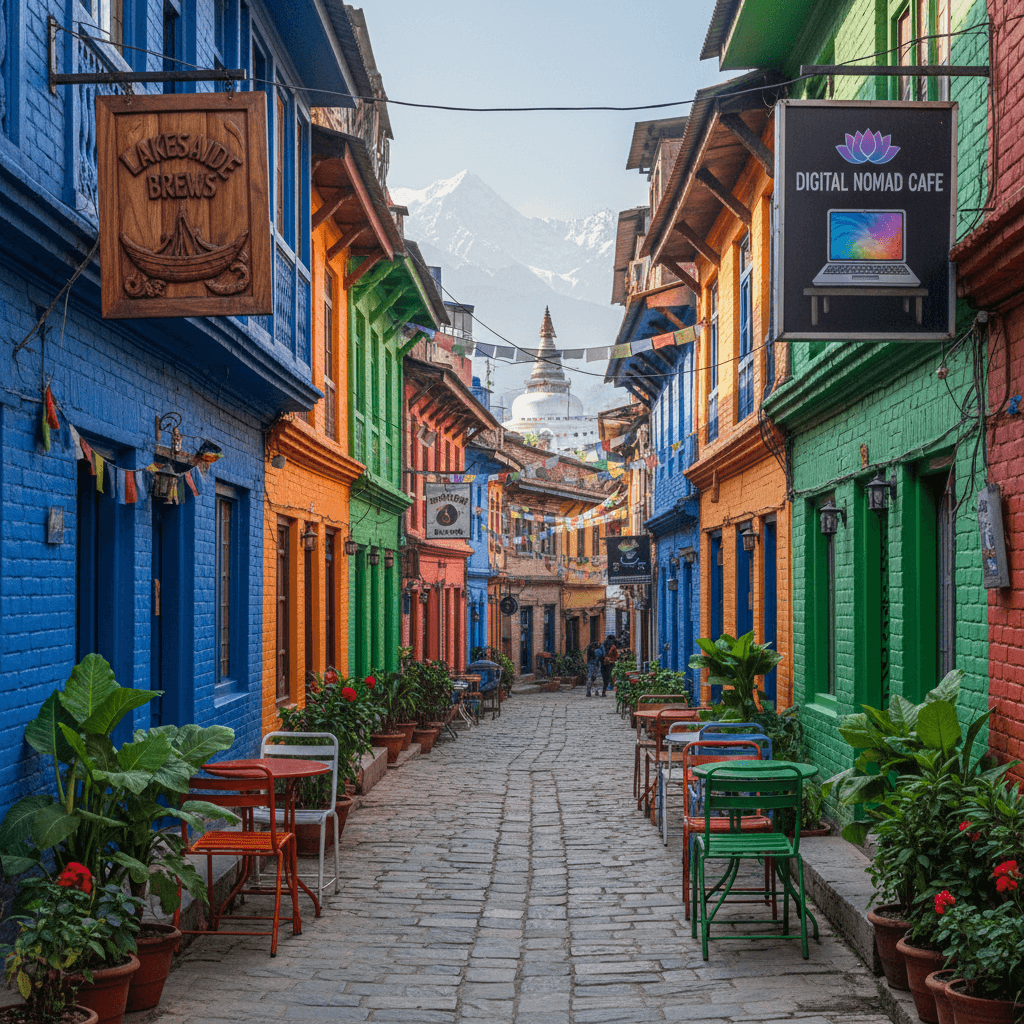
Pokhara
🇳🇵 Nepal