Lagos
🇳🇬 Nigeria
The Pulse of the Continent
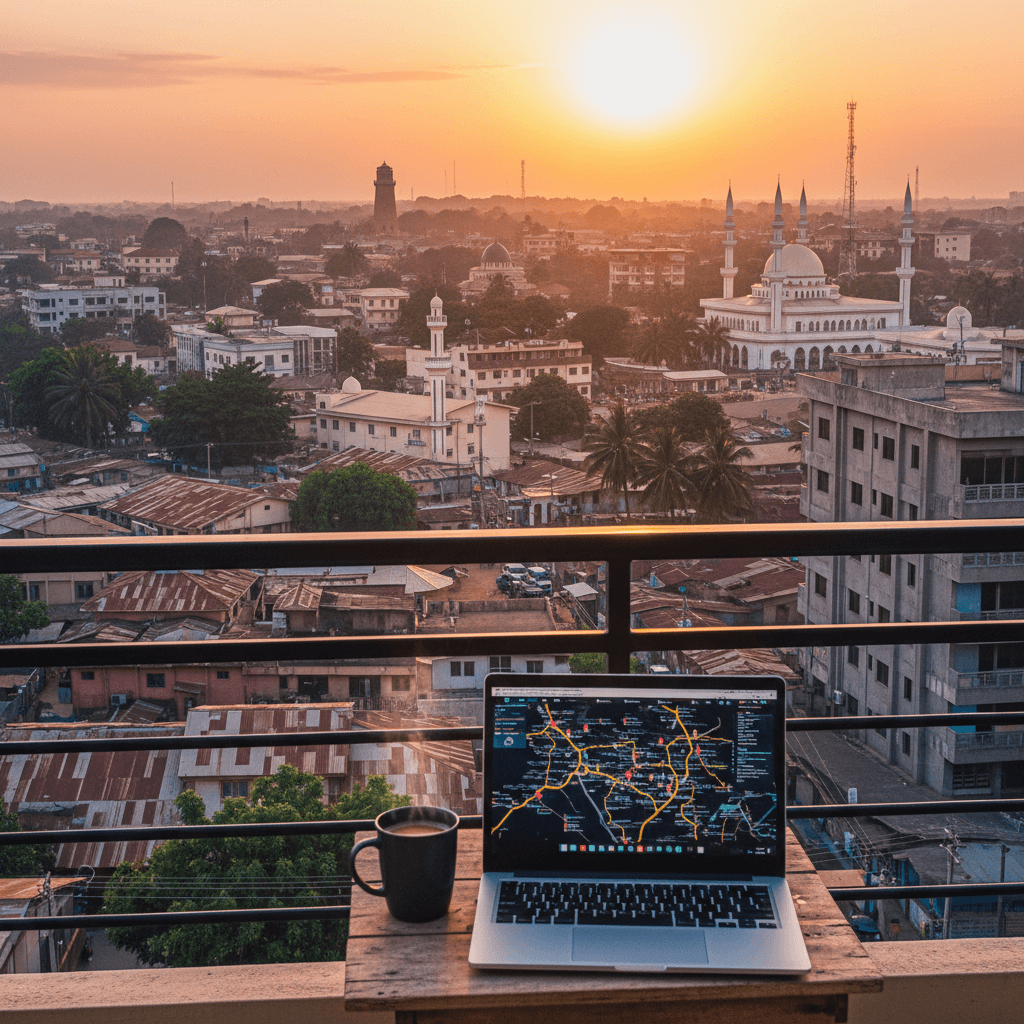
Lagos isn't a city you visit to relax. It's a city you visit to be consumed by an intensity you won't find anywhere else in Africa. Often called the Gidi or Lasgidi by locals, this is a high stakes, high reward metropolis where the entrepreneurial drive is almost tangible. If you're a nomad who thrives on networking, tech innovation, and a social scene that never sleeps, you'll find your tribe here quickly.
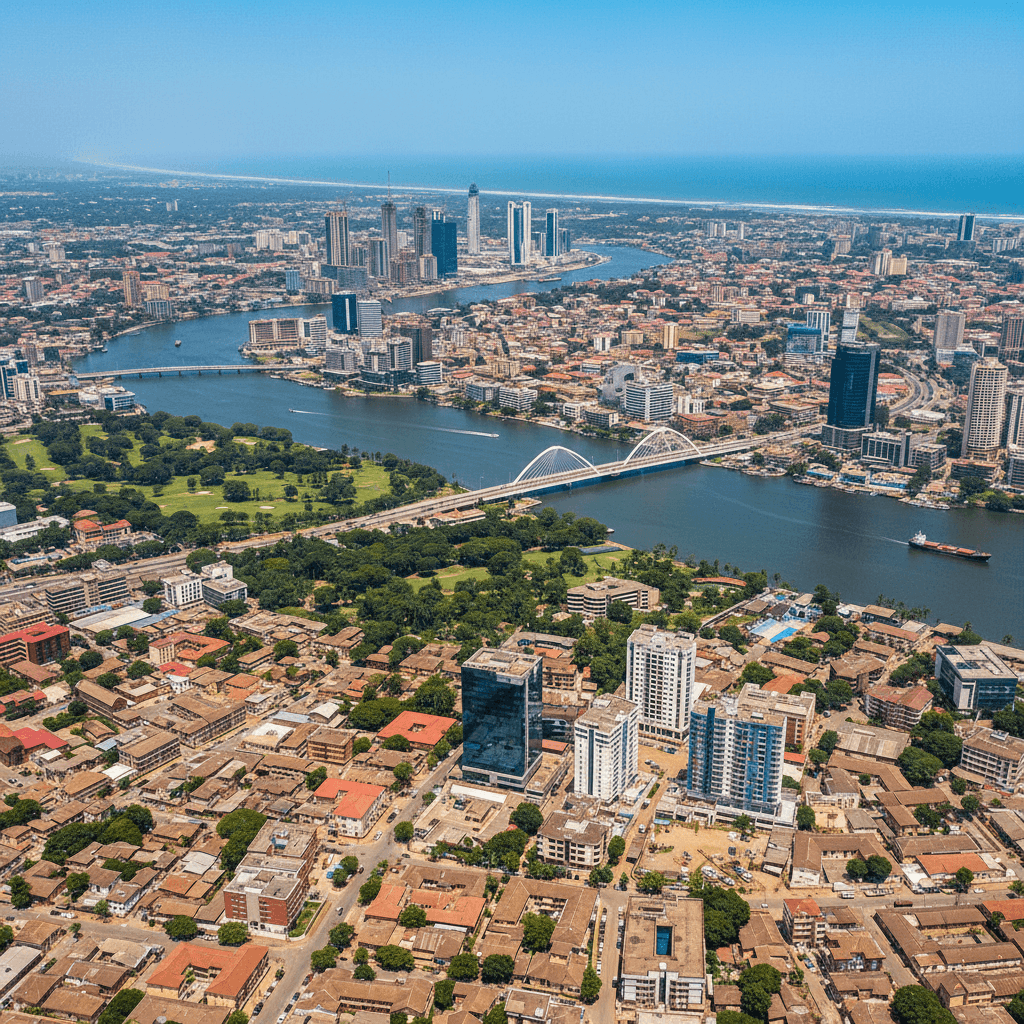
The experience is a study in contrasts. You might spend your morning in a glass walled coworking space in Victoria Island, overlooking the Atlantic, and your evening eating spicy suya by the roadside while Afrobeats blasts from a nearby car. It's loud, chaotic, and occasionally frustrating due to infrastructure hiccups, but the sheer ambition of the people makes it addictive. You come here for the professional stimulation and the legendary Detty December parties, staying for the connections that could define your career.
What It Costs
Living well in Lagos requires a solid budget, especially if you want the comforts that make remote work sustainable, like 24/7 power and gated security. Most expats find they need between 2.5 to 4 million Naira per month (roughly $1,600 to $2,600 USD) to live comfortably in the preferred Island neighborhoods.
- Budget Tier (~1 to 1.5M Naira): Usually involves a basic studio on the Mainland, eating local street food, and using Bolt for transport.
- Mid-range Tier (~1.5 to 2.5M Naira): Includes a one bedroom apartment in Lekki Phase 1, frequenting mid-range restaurants, and a dedicated desk at a coworking space.
- Comfortable Tier (2.5 to 4M+ Naira): Upscale living in Ikoyi or Victoria Island, private transfers, and dining at international standard restaurants.
Where to Plant Your Flag
The city is split between the Mainland and the Island. While the Mainland is the heart of the city's authentic culture, most nomads and expats stick to the Island for better security and more reliable services.
Ikoyi
- Best For: Families and established expats.
- The Vibe: Quiet, leafy streets with high end compounds and international schools.
- Pros: Very secure, reliable power, and close to major corporate offices.
- Cons: Some of the highest rents in Africa.
Victoria Island (VI)
- Best For: Nomads who want to be in the center of the action.
- The Vibe: The commercial nerve center, filled with the city's best restaurants, shops, and beach clubs.
- Pros: Highly walkable within specific pockets and very work friendly.
- Cons: The traffic can be soul crushing during rush hour.
Lekki Phase 1
- Best For: Solo travelers and the tech crowd.
- The Vibe: A younger, trendy energy with a massive concentration of startups and nightlife.
- Pros: Slightly more affordable than Ikoyi and home to great coworking spots.
- Cons: Flooding can be an issue during the peak rainy season.
Connectivity and Workspace
Internet in Nigeria is generally fast, often outperforming many European hubs, but it can be inconsistent. You'll want a local SIM card from MTN or Airtel as a backup for your home fiber. For a guaranteed professional environment, nomads recommend Workstation, Seedspace, or Capital Square. These spots offer the reliable WiFi and networking opportunities that make the Lagos tech scene so famous. Expect to pay between 50,000 and 150,000 Naira for a monthly coworking membership.
The Daily Grind
Getting around is best done via ride hailing apps like Uber or Bolt. They're affordable and much safer than trying to navigate the danfo minibuses if you're new to the city. A trip from the airport to the Island usually takes 30 to 60 minutes and costs between 5,000 and 10,000 Naira depending on traffic.
The weather is consistently warm, hovering between 25 and 35°C. If you can, aim to visit between November and April. The rainy season from May to October brings heavy downpours that can turn streets into rivers, making the already difficult traffic even worse. However, if you're there for the culture, nothing beats the energy of the dry season when the global Nigerian diaspora returns home to celebrate.
Final Practicalities
English is the official language and is spoken fluently everywhere, though you'll hear plenty of Yoruba and Pidgin English. Learning a few phrases like "No wahala" (no problem) goes a long way. For finances, download fintech apps like OPay or PalmPay for easy local transfers, as carrying large amounts of cash isn't recommended. Lagos is a city that demands your full attention, but if you give it that, it rewards you with an energy you won't find anywhere else on the planet.
The Price of the hustle
Lagos is a city of extremes, and your bank account will feel that reality immediately. While Nigeria's economy makes it technically affordable for those earning USD or EUR, living the "expat life" on the Island comes with a premium price tag. You aren't just paying for a roof; you're paying for private security, 24/7 power via massive generators, and treated water systems that the city infrastructure doesn't always provide.
A comfortable lifestyle in neighborhoods like Ikoyi or Victoria Island typically requires between 2.5 million and 4 million Naira per month. That covers a serviced apartment, frequent dining out at spots like RSVP or Nok by Alara, and relying on private drivers or high-end ride-hailing tiers. If you're more adventurous and opt for a studio in Lekki Phase 1 while eating more local Jollof and Suya, you can get by on 1 million to 1.5 million Naira, though you'll likely deal with more frequent power cuts and less insulation from the city's chaos.
Breaking Down the Budget
Housing is your biggest hurdle. Most local landlords demand a year of rent upfront, which is a massive barrier for short-term nomads. To avoid this, look for "short-let" apartments on platforms like PropertyPro.ng or Jiji.ng. These are move-in ready and include the cost of diesel for generators, which is a major hidden expense in Nigeria.
- Upscale 1BR (Ikoyi/Banana Island): Expect to pay 1.5 million to 3 million Naira or more for monthly short-lets in high-security compounds.
- Mid-range 1BR (Lekki Phase 1/Oniru): These areas are the sweet spot for nomads, usually costing between 800,000 and 1.2 million Naira for a decent serviced space.
- Mainland Studios: You can find places for 400,000 Naira, but the trade-off in commute time and infrastructure reliability is significant.
Daily Expenses and Connectivity
Getting around is surprisingly affordable if you use apps like Bolt or Uber. A cross-town trip from the Island to the Mainland might cost 5,000 to 10,000 Naira depending on the legendary Lagos traffic. Avoid the yellow Danfo buses unless you have a local guide; they're cheap but notoriously cramped and confusing for newcomers.
For work, don't rely solely on your apartment's Wi-Fi. Most nomads split their time between home and professional hubs. Workstation and Seedspace are the gold standards here, offering the reliable high-speed internet and networking opportunities that make the Lagos tech scene so electric. Monthly memberships generally hover around 50,000 to 150,000 Naira. It's a smart investment, as these spaces often have the best backup power systems in the city.
Food costs vary wildly. You can grab a delicious local meal from a street vendor for under 3,000 Naira, but a dinner at a trendy Victoria Island bistro will easily run you 30,000 to 50,000 Naira per person once you add cocktails. For groceries, shops like Spar or Shoprite carry international brands, but you'll pay a heavy "import tax" on familiar comforts from home.
Practical Spending Tips
- Download Opay or PalmPay immediately. Nigeria's fintech scene is lightyears ahead of many Western countries, and you'll often find digital transfers are smoother than using physical cash or international cards.
- Pick up an MTN or Airtel SIM card at the airport. Data plans are cheap, and having a backup hotspot is mandatory for remote work.
- If you're visiting during Detty December, double your entertainment budget. Prices for events, tables at clubs, and short-lets skyrocket as the global diaspora returns to party.
The Digital Nomad Hub: Lekki Phase 1
If you're looking for the heartbeat of the Lagos tech scene, Lekki Phase 1 is where you'll end up. It has a high energy, entrepreneurial spirit that draws in younger remote workers and startup founders. You'll find a massive concentration of coworking spaces like Seedspace and Workstation, making it easy to stay productive despite the city's occasional infrastructure hiccups.
- Rent: Expect to pay between 1.5M and 2.5M Naira for a decent one bedroom apartment in a serviced compound.
- Vibe: Fast paced, social, and heavy on the nightlife. It's the kind of place where a coffee meeting at Capital Square easily turns into cocktails at a rooftop bar.
- The Draw: Great access to gyms, supermarkets, and a endless supply of cafes with decent WiFi.
The Expat Professional: Victoria Island (VI)
Victoria Island is the main business district, but it's also a prime residential choice for those who want to be in the middle of everything. It's more polished than Lekki and sits right on the edge of the Atlantic. Most expats choose VI because it cuts down on the legendary Lagos traffic if your work involves physical meetings at corporate HQs or embassies.
- Rent: Upscale 1BR units usually start around 2.5M Naira and go up quickly from there.
- Vibe: Cosmopolitan and busy. You'll see plenty of suits during the day and a very international crowd at the high end restaurants by night.
- The Draw: Proximity to the best international dining and private beach clubs. It's the most walkable area on the Island, though you'll still want a Bolt or Uber for most trips.
Families and Long Term Expats: Ikoyi and Oniru
For those moving with a family or just seeking a quieter life, Ikoyi is the gold standard. It's lush, leafy, and home to many of the city's best international schools. Oniru offers a similar gated community feel but is slightly more modern and closer to the beach. Both areas prioritize security and consistent power, which are the two biggest hurdles for anyone living in Lagos.
- Rent: This is the priciest real estate in Nigeria. Comfortable family sized apartments or houses in secure compounds range from 3M to 4M+ Naira per month.
- Vibe: Prestigious and private. It feels a world away from the chaos of the mainland.
- The Draw: Reliable utilities and quiet streets. Banana Island, a sub neighborhood of Ikoyi, is the ultimate ultra luxury choice if budget isn't a concern, though it can feel a bit isolated.
Solo Travelers and Budget Seekers: The Mainland
While most foreigners stick to "The Island," the Mainland is where you'll find the authentic, raw energy of Lagos. It's significantly more affordable, though you'll trade off some of the comforts found in Ikoyi or VI. Solo travelers who want to dive deep into the local music and arts scene often find themselves exploring areas near Ikeja or Surulere.
- Rent: You can find basic studios for 1M to 1.5M Naira, though you'll need to factor in the cost of a private generator or heavy duty power bank.
- Vibe: Gritty, loud, and culturally rich. This is the Lagos you see in documentaries.
- The Draw: Massive savings on food and housing. You'll get to experience the famous markets and street food culture without the "Island price tag." Just keep your wits about you and stick to well lit areas at night.
Practical Living Advice
Regardless of which neighborhood you pick, always verify the power situation before signing a lease. Most expats and nomads look for "24/7 serviced" buildings that include a central generator. For getting around, download Bolt and Uber immediately. They are affordable and much safer than trying to navigate the Danfo bus system. If you're arriving during Detty December, book your housing months in advance as prices skyrocket and availability vanishes when the global diaspora returns to party.
The Connectivity Reality Check
Working from Lagos is a high energy experience, but it requires a strategic approach to infrastructure. While Nigeria ranks among the top African nations for internet services, locals often describe the connectivity as epileptic. You might have lightning fast speeds one hour and a total blackout the next. To survive here, you need redundancy. Never rely on just one connection; most successful nomads carry two different SIM cards and stay in accommodations with dedicated fiber lines and backup generators.
Mobile data is your best friend. MTN and Airtel are the heavy hitters for reliability, with Glo serving as a decent third option. You can pick up a SIM at the airport or in any major mall. Data plans are surprisingly affordable, and you can easily tether your laptop if the house Wi-Fi starts acting up. If you are staying on "The Island," you will generally find the strongest 4G and 5G coverage.
Top Coworking Spots
Because of the occasional power fluctuations and the need for a social tether, coworking spaces are the heartbeat of the remote work scene in Lagos. These spots offer the "triple threat" of reliable high speed internet, consistent AC, and 24/7 power backup.
- Workstation (Victoria Island): This is arguably the most popular hub for the international crowd. It feels like a premium global office with a great cafe, gym access, and a community of tech entrepreneurs. It is right in the middle of the action on the Island.
- Capital Square (Lekki Phase 1 and Ikoyi): A bit more relaxed and community focused. It is a favorite for writers and creative freelancers who want a professional but quiet environment.
- Seedspace (Victoria Island): Part of a global network, this spot is perfect if you are looking to network with the local tech ecosystem. It attracts a lot of startup founders and digital nomads passing through West Africa.
Expect to pay between 50,000 and 150,000 Naira per month for a hot desk, depending on the level of amenities you need. Most spaces also offer daily passes if you just need a reliable spot for a few hours of Zoom calls.
The Cafe Culture
If you prefer a more casual vibe, Lagos has a growing crop of work friendly cafes, particularly in Victoria Island and Lekki Phase 1. You will see plenty of people with Macbooks open, though it is polite to keep your stay to a couple of hours and keep the coffee orders coming. Places like Art Cafe or Mai Shayi Coffee offer great atmospheres, though you should always have your mobile hotspot ready just in case the cafe Wi-Fi gets bogged down by too many users.
Power and Logistics
In Lagos, power is just as important as the internet. When booking an Airbnb or a long term rental, your first question should always be about the "light" situation. You want a place with 24/7 power, which usually means a combination of the national grid, a large diesel generator, and an inverter system with batteries.
Most expats and digital nomads stick to Ikoyi, Victoria Island, or Lekki Phase 1. These neighborhoods have the best infrastructure and the highest concentration of "power-secure" buildings. If you venture into the Mainland for a cheaper lifestyle, be prepared for more frequent outages and a greater reliance on your own backup gadgets. Keep your power banks charged at all times; in Lagos, being prepared is the only way to stay productive.
Staying Safe in the Center of Excellence
Lagos is a city of high contrast. While it's the heartbeat of Africa's tech and creative industries, it requires a level of street smarts that differs from Lisbon or Bali. Most expats and digital nomads choose to live and work on "The Island," specifically in Ikoyi, Victoria Island, or Lekki Phase 1. These areas are significantly more secure, with gated compounds, private security guards, and better infrastructure.
Personal safety largely comes down to where you go and when. Avoid walking alone at night, even in upscale neighborhoods. Most people use ride-hailing apps like Uber or Bolt to get from door to door. If you're heading to the Mainland, it's best to go during daylight hours or with a local friend who knows the layout. Petty theft can happen in crowded markets, so keep your phone tucked away and don't flash expensive jewelry or large stacks of cash in public.
One specific quirk of Lagos life is the "area boy" phenomenon. These are local youths who might ask for small tips or "dash" to watch your car or help you through traffic. Usually, a polite but firm "no" or a small amount of change settles the interaction. For peace of mind, many long-term nomads prefer living in serviced apartments in Oniru or Banana Island, where entry is strictly monitored at a central gate.
Healthcare Standards and Facilities
The quality of medical care in Lagos varies wildly. You'll find international-standard private hospitals on the Island, but public facilities often struggle with equipment and staffing. Because of this, having a robust international health insurance policy that includes medical evacuation is a non-negotiable for most travelers.
- Top Hospitals: Most expats head to St. Nicholas Hospital or Reddington Hospital in Victoria Island. These facilities are modern and used to dealing with international patients.
- Pharmacies: Chains like HealthPlus and Medplus are widespread and reliable. You can find most over-the-counter medications easily, but always check the expiration dates and seals.
- Health Precautions: Malaria is endemic here. While some nomads take daily prophylaxis, others rely on mosquito nets, repellents, and getting tested immediately if they feel feverish. A rapid malaria test at a local lab costs very little and gives results in minutes.
Practical Emergency Info
If you find yourself in a pinch, the general emergency number is 112. However, response times for public services can be slow. Most residents keep the direct number of their neighborhood security post or a private ambulance service on speed dial. If you're staying in a managed compound in Ikoyi or Lekki, the facility manager is usually your first point of contact for any safety or medical issues.
Power reliability is also a subtle safety factor. Since the grid is inconsistent, ensure your accommodation has a "silent" generator or an inverter system. Being stuck in a dark apartment without a way to charge your phone or use the internet isn't just a productivity killer; it's a security risk. Most premium coworking spaces like Workstation or Seedspace provide 24/7 power and security, making them safe havens for work.
Water and Food Safety
Don't drink the tap water. Even locals rely on bottled or sachet water for drinking and brushing teeth. While the street food is legendary and generally safe if it's cooked hot in front of you, stick to bottled drinks without ice in smaller local spots. If you have a sensitive stomach, the upscale dining scene in Victoria Island offers world-class hygiene standards alongside incredible flavors.
The Lagos Rhythm
Moving through Lagos is less about following a schedule and more about understanding the flow. The city is famous for its "go-slow" traffic, which is a local fact of life you'll need to embrace. Most expats and nomads focus their lives on The Island, comprising Ikoyi, Victoria Island, and Lekki, to minimize time spent in gridlock.
Ride-Hailing: Your Daily Driver
Forget about renting a car or trying to drive yourself; the local driving style is aggressive and the roads are a maze. Uber and Bolt are the gold standard here. They're reliable, affordable, and provide a necessary layer of security and air conditioning. A typical ride within the Island usually costs between 3,000 and 7,000 Naira, while a trip from the airport to Victoria Island generally runs between 5,000 and 10,000 Naira depending on the surge.
- Bolt: Often has more drivers available and can be slightly cheaper.
- Uber: Many expats prefer it for the perceived consistency of the vehicle quality.
- Safety Tip: Always verify the license plate and driver's face before getting in, and keep your windows rolled up in heavy traffic to avoid "traffic hawkers" or opportunistic theft.
The Airport Run
Murtala Muhammed International Airport (MMIA) is situated on the Mainland. If you're staying in Ikoyi or Lekki, the journey can take anywhere from 45 minutes to 2 hours. Most seasoned travelers recommend booking a ride-hailing app or arranging a private transfer through your accommodation rather than haggling with airport taxis. If you're arriving late at night, a pre-booked private transfer is the smoothest way to get to your compound.
Local Flavor: Danfos and Kekes
You'll see the iconic yellow Danfo buses everywhere. They are the backbone of the city's transport for locals, but they aren't recommended for nomads carrying expensive laptops or gear. They're crowded, lack AC, and require a deep understanding of local routes and Pidgin English.
In certain neighborhoods like Lekki Phase 1, you might see Kekes (tricycle taxis). These are handy for very short hops within a residential area where ride-hailing cars might take too long to arrive, but they are restricted from major highways and bridges.
The Walkability Reality
Lagos isn't a walkable city in the traditional sense. Outside of gated compounds or specific beach promenades, sidewalks are often non-existent or blocked. The heat and humidity also make walking long distances a sweaty ordeal. If you want to stretch your legs, stick to the secure streets of Ikoyi or the beachfronts in Oniru. For everything else, stick to four wheels.
Waterways and Future Transit
To bypass the legendary traffic on the Third Mainland Bridge, some commuters use ferry services connecting the Mainland to the Island. While it's a scenic way to see the skyline, it's still a niche option for most digital nomads. The city is also slowly developing a rail mass transit system, but for your day-to-day needs, your smartphone and a ride-hailing app will be your most important tools for getting around.
Communicate Like a Local
You won't have much trouble making yourself understood in Lagos. English is the official language and it's the default for business, tech, and legal matters. Most nomads find they can land at Murtala Muhammed International and start a conversation with anyone from the immigration officer to the Bolt driver without a translator app. If you're hanging out in Ikoyi or Victoria Island, English is the standard for everyone you'll meet.
However, the real soul of the city is found in Nigerian Pidgin. It's a colorful, rhythmic blend of English and local languages that serves as the city's lingua franca. While people will speak standard English to you, you'll hear Pidgin in the markets, in the back of Ubers, and at the bars in Lekki Phase 1. Learning a few phrases isn't just practical; it's a fast track to building rapport with locals who appreciate the effort.
Yoruba and the Local Context
Lagos sits in the heart of Yorubaland, so Yoruba is the dominant indigenous language. You'll hear it everywhere, often mixed seamlessly with English. While you don't need to be fluent to live a comfortable expat life, using a Yoruba greeting in the morning can change the entire dynamic of an interaction. It shows respect for the local culture, which goes a long way in a city that moves as fast as this one.
Most expats recommend keeping Google Translate on your phone just in case, though its Yoruba translations can be hit or miss with specific slang. For Pidgin, there isn't a great translation app yet, so the best way to learn is by listening. If someone says something you don't understand, just ask. Lagosians are generally proud of their linguistic flair and happy to explain the nuances.
Essential Phrases to Know
- "How far?": This is the universal "hello" or "what's up" in Pidgin. It's the most common way to start a casual conversation.
- "No wahala": You'll hear this constantly. It means "no problem" or "no worries." It's the ultimate phrase for the Lagos "can-do" attitude.
- "E kaaro": Good morning in Yoruba. Use this with security guards or vendors in the morning for an instant smile.
- "O daabo": Goodbye in Yoruba.
- "I wan go...": Pidgin for "I want to go to..." Useful when you're confirming your destination with a driver.
- "Chop": To eat. If someone asks if you want to "chop," they're inviting you to a meal.
Staying Connected
Communication isn't just about what you say, it's about staying online. Nigeria actually ranks quite well for internet services compared to its neighbors, but you need the right setup. Most nomads suggest getting a local SIM card immediately. MTN, Airtel, and Glo are the big players. You can pick these up at the airport or in any major mall for a few dollars.
Data plans are relatively cheap. You can get a solid monthly data package for around 10,000 to 20,000 Naira. If you're working remotely, don't rely solely on your apartment's WiFi. Even in high end areas like Banana Island, the "epileptic" nature of the local infrastructure means power and internet can flicker. Most successful nomads use a combination of a mobile hotspot as a backup and memberships at reliable coworking hubs like Workstation or Capital Square to ensure they never miss a Zoom call.
The Social Nuances
Lagos is an expressive, high energy city. Communication is often loud, fast, and accompanied by plenty of gestures. Don't mistake a passionate negotiation in a market for an argument; it's just the local way of doing business. Respect is a big deal here, especially toward elders. Using "Sir" or "Ma" is standard practice, even in professional tech environments. When you're networking at Seedspace or attending Art X Lagos, you'll find that a mix of professional English and a few well placed Pidgin slang words will make you the most popular person in the room.
The Best Time to Land
Lagos is a tropical furnace with a personality that shifts dramatically depending on the rainfall. To catch the city at its peak, aim for the dry season between November and April. During these months, the humidity takes a slight backseat, and you can expect temperatures to hover consistently between 25°C and 35°C (77°F to 95°F). This is when the city's outdoor lifestyle really shines, from beach clubs in Victoria Island to rooftop networking events in Lekki.
The absolute peak of the social calendar is December. Known locally as "Detty December," the city transforms into a global party hub. Expats and the Nigerian diaspora fly in from everywhere, and the schedule is packed with festivals like Art X Lagos and world class concerts. If you want to network with the tech elite or just experience the most intense energy the city has to offer, this is your window. Just be prepared for higher prices and legendary traffic jams.
The Rainy Season Reality
If you arrive between May and October, you're in for a different experience. The rains aren't just light showers; they are heavy, tropical deluges that can turn streets into rivers in minutes. June and September are usually the wettest months. While the rain brings the temperature down slightly, it makes getting around a logistical headache.
- Flooding: Even in upscale areas like Lekki Phase 1, certain roads become impassable after a big storm.
- Commute Times: Traffic, which is already a challenge, often doubles when it rains.
- Power: While expat compounds in Ikoyi or Banana Island have heavy duty generators, the rain can sometimes interfere with broader infrastructure.
Seasonal Survival Tips
Most nomads find that living in Lagos is all about climate control. No matter when you visit, you'll spend most of your working hours in air conditioned spaces. Places like Workstation or Capital Square are built for this, offering a cool, reliable escape from the midday sun. Travelers often say that even in the dry season, the heat can be draining, so staying hydrated is a full time job.
If you're on a tighter budget, the shoulder months of October and April can be a smart play. You'll avoid the premium "December tax" on short let apartments while still getting plenty of sunny days for trips to Tarkwa Bay. Just keep a reliable weather app and a ride hailing app like Bolt or Uber ready; you'll want to be inside a car when the clouds finally break.
Temperature and Rain Breakdown
- November to February: The Harmattan period. Expect dry, dusty winds from the Sahara. It's slightly cooler in the mornings and evenings, with highs around 32°C.
- March to May: The heat builds up significantly before the rains start. This is often the most humid time of year.
- June to August: Peak rainy season. Expect gray skies and frequent, heavy downpours. Temperatures stay around 28°C to 30°C.
- September to October: The rains begin to taper off, making way for the high energy of the year end season.
The Logistics of Lagos
Living in Lagos is a high-stakes, high-reward game. Most nomads find the city's energy infectious, but you have to get your infrastructure right from day one. To live comfortably in expat-heavy areas like Ikoyi or Victoria Island, you should budget between 2.5 to 4 million naira per month. This covers a secure apartment with backup power, private transport, and dining out at the city's better restaurants.
For those on a tighter budget, the Mainland or parts of Lekki Phase 1 offer a more authentic experience for around 1 to 1.5 million naira monthly. While cheaper, you'll likely deal with more frequent power cuts and a longer commute to the social hubs on the Island. Digital nomads usually stick to the Island because it's where the reliable fiber internet and the best networking events happen.
Where to Set Up Your Base
Lagos is divided into the Island and the Mainland, and where you choose to live will define your entire experience. Traffic is the city's biggest hurdle, so expats recommend living as close to your workspace as possible.
- Ikoyi: This is the most prestigious neighborhood. It's quiet, leafy, and full of secure compounds. It's home to international schools and embassies, making it the top choice for families. Expect the highest rents here.
- Victoria Island (VI): The commercial heart of the city. You'll find the best restaurants, shops, and beach clubs here. It's busy and loud, but everything you need is within a short radius.
- Lekki Phase 1: A favorite for solo travelers and tech founders. It has a younger, more entrepreneurial vibe than Ikoyi and offers a better balance of price and lifestyle.
- Banana Island: An ultra-exclusive man-made island. It's incredibly secure and luxury-focused, though it can feel a bit isolated from the rest of the city's grit and charm.
Staying Connected and Productive
Internet in Nigeria is surprisingly fast, often outperforming many European cities, but it can be inconsistent. Don't rely on your apartment's Wi-Fi alone. Most nomads pick up a local SIM from MTN or Airtel immediately at the airport. Data is affordable, and having a mobile hotspot is a necessary backup for those moments when the "epileptic" power grid acts up.
Lagos has a world-class coworking scene. Capital Square and Seedspace are the go-to spots for meeting other founders and creatives. Workstation is another favorite, offering reliable power and a professional environment. If you prefer working from cafes, you'll find plenty of work-friendly spots in VI and Lekki with decent coffee and strong signals.
Safety and Health
Safety requires a bit of common sense and local knowledge. Stick to the secure neighborhoods on the Island, especially after dark. Most expats live in gated compounds with 24/7 security. For healthcare, quality varies wildly. Stick to international-standard hospitals on the Island and ensure your health insurance covers global medical evacuations just in case.
Moving Around the Megacity
Forget walking; Lagos isn't built for it. The humidity and the lack of sidewalks make it a challenge. For daily transit, Uber and Bolt are your best friends. They are affordable and much safer than trying to navigate the Danfo (yellow minibus) system, which is crowded and confusing for newcomers. A ride from Murtala Muhammed International Airport to the Island usually takes 30 to 60 minutes and costs between 5,000 to 10,000 naira.
The Social Scene
English is the official language, so you'll have no trouble communicating. Learning a few Pidgin phrases like "How far?" (hello) or "No wahala" (no problem) will win you points with the locals. Socializing often revolves around the beach or the legendary nightlife. If you're here in December, prepare for "Detty December," a month-long marathon of parties, concerts, and festivals like Art X Lagos.
For daily needs, use fintech apps like Opay or PalmPay for local transfers. While international cards like Wise work in many places, having a local digital wallet makes life much smoother. When it comes to finding a long-term rental, check out platforms like PropertyPro.ng or Jiji.ng, but always visit the property in person before paying any commitment fees.
Need visa and immigration info for Nigeria?
🇳🇬 View Nigeria Country GuideEasy Landing
Settle in, no stress
Monthly Budget Estimates
More cities in Nigeria
Uyo
🇳🇬 Nigeria
Akure
🇳🇬 Nigeria
Port Harcourt
🇳🇬 Nigeria