La Paloma
🇺🇾 Uruguay
The Soul of the Rocha Coast
La Paloma isn't your typical South American beach town. While nearby Punta del Este chases high-rise glamour and neon nightlife, La Paloma remains stubbornly, beautifully low-key. It's the national capital of surfing, but it feels more like a giant backyard shared by artists, slow-living families, and nomads who've traded their noise-canceling headphones for the sound of crashing Atlantic swells. The vibe here is defined by eucalyptus forests, sandy trails that serve as roads, and a rhythm that forces even the most Type-A remote worker to downshift.
Living here feels like being part of a well-kept secret. You'll spend your mornings working from a café with a hammock nearby and your afternoons watching southern right whales breach off the coast between July and October. If you're lucky enough to be here on a dark night, the waves sometimes glow with bioluminescence, a neon-blue phenomenon that makes the ocean look like a scene from a sci-fi film. It's a place where the local football club is the center of social life and barefoot days are the standard, not the exception.
The Nomad Experience
Most nomads find that La Paloma offers a rare kind of creative freedom. Without the distractions of a major metro area, you're left with a massive nature-work balance. However, it's not without its quirks. You won't find sleek, glass-walled coworking spaces here. Instead, you'll be tethered to 4G hotspots or fiber connections in local rentals. Expats often recommend testing the WiFi before signing a lease, as connectivity can get patchy the further you move into the rural fringes.
The community is welcoming but small. You'll likely meet other travelers at the organic markets or through worldschooling groups. Integration usually happens over a mate or a local football match. It's a town that rewards those who can handle a bit of isolation and a lack of urban amenities in exchange for wild, rugged beauty.
The Neighborhood Breakdown
Since La Paloma is a compact village, your choice of area depends entirely on how close you want to be to the surf versus the shops.
Beachside (La Aguada & La Pedrera)
- Best For: Surfers, solo nomads, and nature lovers.
- The Vibe: Raw and wild. You're steps from the best breaks and hiking trails.
- Rent: Expect to pay between $400 and $600 USD for a beachside studio or small house.
- Pros: Incredible views, whale watching, and a younger, more transient community.
- Cons: Spotty internet and a significant hike to get groceries or supplies.
Town Center
- Best For: Families, long-term expats, and those without a car.
- The Vibe: More established and community-oriented. This is where the schools, bakeries, and markets are located.
- Rent: Similar pricing to the beach, though modern builds can reach $700+ USD.
- Pros: Consistent power, better access to shops, and easier social integration with locals.
- Cons: Lacks the "wild" feel of the beachfront; more "village" than "vacation."
Cost of Living & Logistics
Uruguay isn't the cheapest destination in South America, but La Paloma is significantly more affordable than Montevideo. A solo nomad can live comfortably on $1,500 to $2,000 USD per month. This covers a private apartment, frequent meals at mid-range cafés like those found near the main avenue, and local transport. If you're on a budget, sticking to local markets and shared housing can drop your costs to around $1,000 USD.
Getting around is simple. The town is highly walkable, though many residents use bikes to navigate the sandy paths. For longer trips to the Rocha lagoons or neighboring Cabo Polonio, the local bus system is reliable and cheap, usually costing between $3 and $12 USD depending on the distance. While English isn't widely spoken, a few basic Spanish phrases and a friendly attitude go a long way in this corner of Rocha.
The Price of the Surf Life
Living in La Paloma is a lesson in value. While Uruguay is often cited as the most expensive country in South America, this coastal stretch in the Rocha department offers a significant discount compared to the glitz of Punta del Este or the urban gravity of Montevideo. It's a place where your money buys a slower pace and immediate access to some of the wildest coastline in the Atlantic.
Most nomads find they can live comfortably here for a fraction of what they'd spend in a major US or European hub. You aren't paying for luxury infrastructure or high-speed transit; you're paying for the ability to walk barefoot to a surf break and buy organic produce from a neighbor's garden.
Monthly Budget Tiers
- The Budget Nomad: $800 to $1,200 USD. This covers a modest studio or a shared house arrangement, cooking most meals at home with local market finds, and sticking to free entertainment like beach days and sunset hikes.
- The Mid-Range Professional: $1,500 to $2,000 USD. This is the sweet spot for most. It secures a private one-bedroom apartment with decent connectivity, frequent visits to local cafés, and the occasional car rental for exploring nearby Cabo Polonio.
- The High-End Experience: $2,500+ USD. At this level, you're looking at a premium beachfront property with floor-to-ceiling views. You'll dine out at the better bistros in town and likely maintain a private vehicle for convenience.
Housing and Utilities
Rent is your biggest variable. If you're looking for a long-term stay, expats recommend skipping the international booking platforms and heading straight to Mercado Libre, Infocasas, or Casa Sapo. Local real estate agents can also help negotiate better rates than what you'll find on Airbnb.
- Beachside Studios: Expect to pay between $350 and $600 USD (roughly UYU 15,000 to 25,000). Prices spike significantly during the peak summer months of January and February, so locking in a year-round rate is a smart move.
- Town Center: Prices are slightly higher here due to the proximity to grocery stores and year-round amenities, but the convenience often offsets the cost if you don't have a car.
- Connectivity: Since there are no dedicated coworking spaces in town, you'll need to budget for a solid data plan. Antel, Claro, and Movistar are the main players. A high-data SIM or an eSIM from Holafly is a standard expense for those who can't rely on patchy beach house WiFi.
Food and Dining
Dining out in La Paloma is generally casual. You won't find many white-tablecloth establishments, but the quality of the local ingredients is high. Many residents lean into the "slow food" movement, frequenting organic markets and small family-run spots.
- Local Eats: A quick meal from a street vendor or a local market usually runs between $5 and $10 USD (UYU 200 to 400).
- Café Culture: A mid-range meal at a local café with a good atmosphere costs about $12 to $20 USD (UYU 500 to 800). Places like the local family cafés often double as your office, so the price of a coffee usually buys you a few hours of table time.
- Groceries: Shopping at the local ferias (markets) is the best way to keep costs down. Fresh produce is affordable, but imported goods and electronics carry a heavy tax in Uruguay.
Transportation
La Paloma is highly walkable, and most residents get by on two wheels. If you're staying within the town or near the main surf breaks, your transport costs will be negligible. For longer trips, the bus system is reliable and affordable, with rides to the city of Rocha or nearby Punta del Este costing between $2.50 and $12 USD depending on the distance. While ride-hailing apps like Uber exist, they are sparse in this part of the country, so don't count on them for a late-night ride.
For Nomads and Surfers: The Beachside (La Aguada and La Pedrera)
If you're coming to La Paloma to catch waves between Zoom calls, you'll want to stay as close to the coast as possible. Areas like La Aguada or the nearby village of La Pedrera are the primary hubs for the surfing community. These spots feel wild and raw, with eucalyptus forests meeting the Atlantic. It's common to see people walking barefoot to the beach with a surfboard under one arm and a laptop bag over the shoulder.
Living here means trading consistent high speed fiber for incredible views. Most nomads rely on Antel or Movistar hotspots because the local house Wi-Fi can be notoriously patchy. You'll find a small but dedicated community of creative professionals and remote workers who gather at local family run cafés. Many of these spots, like the ones near the main surf breaks, feature hammocks and outdoor seating that serve as unofficial coworking spaces.
- Rent: Expect to pay between $350 and $600 USD (UYU 15,000 to 25,000) for a basic beach cottage or studio.
- Vibe: Barefoot, adventurous, and quiet. You'll likely spend your evenings watching for bioluminescence in the waves or southern right whales if you're visiting between July and October.
- Top Tip: Use the Casa Sapo or Mercado Libre apps to find local rentals, as international platforms often have a steep markup here.
For Long-Term Expats and Remote Professionals: Town Center
The Town Center is the practical heart of La Paloma. It's less about the "wild beach" aesthetic and more about convenience and community integration. Expats who plan to stay for six months or more usually gravitate here because it’s where the infrastructure is most reliable. You're within walking distance of the organic markets, pharmacies, and the few banks in town.
This area is perfect if you want to immerse yourself in the local rhythm. Integration often happens at the football pitch or over a shared mate in the plaza. While it’s less scenic than the beachfront, it’s far more protected from the coastal winds during the cooler months from June to August. You’ll find that the "slow living" philosophy isn't just a marketing slogan here; it’s a lifestyle adjustment that takes most newcomers a few weeks to embrace.
- Rent: Slightly higher for modern apartments near shops, ranging from $500 to $750 USD.
- Food: Local markets and street stalls offer meals for $5 to $10 USD, while mid-range cafés sit around $15 USD.
- Pros: Better connectivity, easy access to the bus terminal for trips to Rocha or Montevideo, and a more stable year round population.
For Families and Worldschoolers: The Residential Outskirts
La Paloma has become a magnet for the worldschooling movement, attracting families who want their children to grow up surrounded by nature rather than shopping malls. The residential pockets just outside the main center offer larger homes with gardens, often tucked away on sandy trails. These neighborhoods are safe, quiet, and full of other international families doing exactly the same thing.
The social life for families revolves around the local organic markets and creative workshops. There is a strong emphasis on outdoor education and community events. While there aren't formal international schools, the local culture is welcoming, and children usually pick up the Rioplatense Spanish dialect quickly through play. Most families recommend bringing a sturdy bike or renting a scooter, as the sandy roads can be a workout for strollers.
- Rent: Larger 2 or 3 bedroom houses can be found for $800 to $1,200 USD depending on the season.
- Lifestyle: Very slow. Days are dictated by the sun and the tides. It’s a place where kids can roam relatively freely.
- Practicality: You'll need to stock up on specific medications or specialty items in Rocha or Montevideo, as local pharmacies carry only the basics.
For Solo Travelers: Near Avenida Solari
If you're traveling alone and want to avoid the isolation that sometimes comes with rural Uruguay, stay near Avenida Solari. This is the main artery of the village. It’s the best place to meet people, as it’s home to the highest concentration of bookshops, bars, and cafés. You’ll be close enough to the beach for a morning swim but near enough to the action to find a social circle in the evenings.
Solo nomads often use Bumble Friends or join local football groups to break the ice. Since there are no formal coworking spaces, the cafés along this strip become your office. The atmosphere is incredibly safe, even at night, though it's always smart to stay on well lit paths when walking back from the beach after dark.
- Daily Budget: Around $40 to $70 USD for a comfortable stay including a private room and eating out once a day.
- Social: High. This is the only part of town that feels "busy" during the summer peak of January and February.
- Transport: Entirely walkable. You won't need a car if you stay in this zone.
Connectivity Realities
In La Paloma, the internet situation is a bit of a mixed bag. If you're coming from a major tech hub, you'll need to adjust your expectations. Most of the town center and established residential areas have reliable connections, but the further you drift toward the wilder beach stretches like La Pedrera, the more "patchy" things get. Many nomads find that while 4G is generally stable enough for a Zoom call, the rural infrastructure can struggle during peak summer months when the tourist crowd swells.
Before you sign a lease on a beachside bungalow, always ask for a speed test. Fiber is slowly creeping into the Rocha department, but it isn't everywhere yet. If you're staying in a more remote spot, you'll likely be relying on a mobile hotspot. Local expats recommend testing the signal in your specific room, as thick walls and eucalyptus groves can play havoc with your bars.
Coworking and the Café Office
You won't find a traditional, glass-walled coworking space in La Paloma. If you need a dedicated desk with ergonomic chairs and silent phone booths, you'll have to head back toward Punta del Este or Montevideo. In this surf town, the "office" is usually a wooden table at a family-run café or a hammock on your porch. The vibe is decidedly disconnected, which is why most people move here in the first place.
The local café culture is welcoming to remote workers, provided you're respectful. Several organic markets and small coffee shops in the center offer free WiFi for the price of a flat white. These spots are great for clearing out your inbox, but they aren't built for eight-hour marathons. Most nomads split their time between a home setup for deep work and a couple of hours at a beachside café for the view and the breeze.
Staying Connected: SIM Cards and Data
To avoid getting caught out by a local outage, a backup data plan is mandatory. You have three main options for local providers, and coverage is surprisingly competitive across the board.
- Antel: The state-owned provider. They usually have the best coverage in rural areas and coastal stretches.
- Movistar and Claro: Reliable alternatives that often have better promotional deals for short-term data packages.
- eSIMs: If you want to hit the ground running, Holafly offers unlimited data packages for Uruguay that work well for nomads who don't want to hunt down a physical store immediately.
Expect to pay around $15 to $25 for a decent monthly data allowance. If you're planning to stay for the long haul, getting a local SIM is much more cost-effective than roaming. You can find these at small "Kioskos" or dedicated provider stores in the town center.
Digital Nomad Visa Basics
Uruguay has made it remarkably easy to stay legally. The digital nomad permit is one of the most accessible in South America. You can enter the country as a tourist and then apply online via the migración.gub.uy portal. The process is straightforward and allows you to stay for 6 to 12 months, provided you're working for companies outside of Uruguay. It's a great way to transition from a three-week surf trip to a semi-permanent coastal life without the usual bureaucratic headaches.
Practical Tech Tips
- Power: Uruguay uses Type C, F, and L plugs. You'll want a universal adapter, especially for the Type L (three-pin) sockets found in many older beach houses.
- Backups: Power outages are rare but can happen during summer storms. A decent power bank and a fully charged laptop are your best friends.
- Fintech: While many local shops take cards, smaller markets and surf schools are cash-only. Apps like Wise or Revolut are great for managing your UYU and USD balances with lower fees at the local ATMs.
A Safe Haven on the Rocha Coast
Uruguay consistently ranks as one of the most stable and secure countries in South America, and La Paloma is no exception. It's the kind of place where the biggest "danger" is usually a sunburn or a missed surf session. Most nomads and expats find the atmosphere incredibly relaxed, characterized by a small town trust that's rare in larger capitals.
While the vibe is peaceful, it's always smart to use common sense. Local expats suggest avoiding long walks on remote, unlit stretches of beach late at night alone. Petty crime is rare, but don't leave your laptop or expensive camera gear unattended on your towel while you're out in the waves. If you're staying in a more secluded rental on the outskirts of town, just make sure your doors and windows are locked when you head out for the day.
Healthcare Infrastructure
You won't find massive, high tech medical complexes within La Paloma's village limits, but the local infrastructure is reliable for day to day needs. The town has several well stocked pharmacies and small clinics that can handle minor illnesses, infections, or surf related scrapes. For anything serious, residents usually head to the nearby city of Rocha or make the two hour drive to Maldonado or Montevideo, where the hospitals are world class.
- Emergency Services: Dial 911 for any immediate police, fire, or medical emergencies.
- Pharmacies: Local pharmacies in the center are a go to for locals. Most pharmacists are helpful, though their English is often limited, so have a translation app ready.
- Clinics: Mutualista medical centers provide primary care. If you're planning a long stay, many expats look into "mutualista" private health plans, which are affordable and offer great coverage.
Pro Tips for Staying Healthy
If you take specific maintenance medications, bring a three to six month supply with you. While Uruguayan pharmacies are excellent, specific international brands might not always be in stock in a coastal village, and getting a local prescription for a specialized drug can take a few days of bureaucratic legwork.
The tap water in La Paloma is generally considered safe to drink, but many nomads prefer using a filter or buying five liter jugs from the local markets for a better taste. Also, keep an eye on the sun. The hole in the ozone layer over this part of the Southern Hemisphere means the UV rays are intense. Locals recommend high SPF sunscreen and staying out of the direct sun between 11:00 AM and 4:00 PM during the summer months.
Travel Insurance and Logistics
Most digital nomads in the area use providers like SafetyWing or World Nomads. These plans are perfect for La Paloma because they cover the type of adventure sports popular here, like surfing and kiteboarding. Since the town uses Type C, F, and L outlets, make sure your surge protector is high quality to protect your devices from the occasional coastal power flicker during a storm.
- Health Insurance: Expect to pay $40 to $100 USD per month for basic nomad insurance.
- Vaccinations: No special shots are required for Uruguay, but staying up to date on routine boosters is recommended.
- Digital Security: Since you'll likely be working from cafes like those near the lighthouse, use a VPN to keep your data secure on public networks.
Embracing the Slow Lane
La Paloma isn't a place where you'll be checking an app every five minutes to see how far away your driver is. Life here moves at a pace dictated by the tides and the wind. Most nomads find that the best way to get around is simply on foot. The village is compact, and the sandy trails connecting the town center to the beachside neighborhoods are half the draw. If you're staying near the La Pedrera surf spots, you can expect plenty of barefoot walks to your morning coffee or surf session.
The terrain is flat and coastal, making it ideal for cycling. While there aren't massive rental chains, you'll find local shops renting out sturdy cruisers or mountain bikes. It's the most efficient way to hop between the different "balnearios" or beaches without worrying about parking your car in the soft sand. Most expats recommend getting a bike with a basket; it makes those trips to the organic markets for fresh produce a lot easier.
Public Transit and Regional Links
For trips that require more than pedal power, the local bus system is surprisingly reliable and very affordable. You'll mostly be using these to head into Rocha or explore further up the coast. Expect to pay between UYU 100 and UYU 200 for shorter local hops. If you're planning a weekend trip to the glitz of Punta del Este, the bus fare usually sits between UYU 200 and UYU 500.
- Buses: Frequent connections to Rocha, Punta del Este, and Montevideo.
- Walking: Primary mode for daily errands and beach access.
- Biking: Best for exploring trails and the eucalyptus forests.
Ride-Hailing and Taxis
If you're coming from a major hub, the lack of Uber might be a bit of a culture shock. Ride-hailing is extremely limited in this part of the Rocha department. You might find a stray driver in the peak of summer, but don't count on it for a flight connection or a late-night grocery run. Local taxis do exist, but they operate on a more traditional "call-and-wait" basis. It's a good idea to save a few local taxi numbers in your phone as soon as you arrive.
Getting There and Away
Most travelers arrive via Montevideo or Punta del Este. If you're flying in, you'll likely land at Laguna del Sauce (Punta del Este) or Carrasco International Airport. From there, it's a 1 to 2 hour drive or a slightly longer bus ride to reach the village. Airport transfers can be arranged via private shuttle or taxi, though they can be pricey compared to the bus.
For those looking to explore the wilder reaches like Cabo Polonio or Santa Teresa National Park, renting a car for a few days is a smart move. Having your own wheels allows you to reach the more remote lagoons and wildlife spots that the public buses don't quite cover. Just be mindful of the sandy roads; they can be tricky for small rentals after a heavy rain.
Practical Transport Tips
- Apps: Download Google Maps for offline use, as data can be patchy on the rural roads between beaches.
- Connectivity: If you're using a local SIM like Antel or an eSIM like Holafly, your signal will be strongest in the town center and dip as you head toward the lagoons.
- Night Travel: Stick to the main roads if you're walking at night. While La Paloma is very safe, the side trails aren't well-lit and the terrain can be uneven.
The Rioplatense Rhythm
In La Paloma, the language reflects the landscape: it is rhythmic, informal, and deeply local. You won't find the crisp, neutral Spanish heard in Bogotá or Mexico City. Instead, locals speak Rioplatense Spanish, characterized by the "sh" sound for double Ls and Ys. When a surfer tells you the waves are lleno (full), it sounds like "shen-o."
The most important linguistic adjustment for nomads is the use of vos instead of tú. While most Spanish speakers in the Americas use tú for "you," Uruguayans use vos with its own set of verb conjugations. It is the standard for everyone from the barista at an organic market to your new neighbor. Using tú won't offend anyone, but adopting vos is the fastest way to signal you are settling in for the long haul.
English Proficiency and Expectations
English proficiency is generally low in this corner of the Rocha department. While you might find a bilingual owner at a boutique café or a surf instructor who can give directions in English, the town center functions almost entirely in Spanish. Expats living here find that daily interactions at the local supermercado or the pharmacy require at least a functional "survival" level of Spanish.
In the neighboring surf hub of La Pedrera, the crowd is slightly more international during the summer months, which can make communication a bit easier. However, if you are planning to handle logistics like renting a house through Mercado Libre or Casa Sapo, expect the negotiations to happen in Spanish. Local real estate agents rarely speak fluent English, so having a translation app or a local friend on standby is a smart move.
Digital Tools and Translation
Since English isn't a given, most nomads rely heavily on technology to bridge the gap. Google Translate is a staple, especially the camera feature for translating menus at family run restaurants or reading community notices at the local market. For those looking to learn, many expats recommend focusing on local slang to better integrate into the social scene.
- Common Greeting: "Hola, todo bien?" (Hi, everything good?) is the standard opener.
- The "Che" Factor: You'll hear "che" used constantly. It's a versatile filler word used to get someone's attention, similar to "hey" or "mate."
- Mate Culture: If someone invites you to "tomar un mate," it's more than a drink offer; it's an invitation to talk. This is the primary social currency in La Paloma.
Social Integration and "Fútbol"
The language barrier often dissolves on the football pitch. Integration for many expats and worldschooling families happens through local sports clubs. Even if your Spanish is shaky, showing up to watch a match or joining a casual game is a recognized form of communication here. It’s a culture that values presence and participation over perfect grammar.
For remote workers, the social scene is growing but remains intimate. Nomads often use Bumble Friends or join regional Facebook groups to find other English speakers, but the most rewarding connections usually happen in person. Whether you are watching the noctilucent bioluminescence on the beach or waiting for a sunset at Laguna de Rocha, a simple "buen día" goes a long way in this tight knit community.
Practical Communication Tips
- SIM Cards: Pick up a chip from Antel or Movistar for the best local rates. Claro is also a solid option.
- eSIMs: If you want to hit the ground running, Holafly offers unlimited data packages that work well in the town center.
- Emergency: Dial 911 for any urgent needs. Operators may not speak English, so keep your address and basic phrases written down.
- Business Hours: Communication about services often follows the "siesta" rhythm. Don't expect quick replies from local businesses between 1:00 PM and 4:00 PM.
The Seasonal Rhythm
La Paloma follows a dramatic seasonal cycle that dictates everything from the price of your rent to whether you'll find the local organic market open. Because it's a coastal village, the vibe shifts from a high-energy surf town to a quiet, windswept retreat depending on the month. Most digital nomads find that the sweet spot lies in the shoulder seasons, where the weather is mild enough for coastal hikes but the crowds haven't yet spiked the cost of living.
Summer: Peak Season (December to February)
This is when La Paloma wakes up. Temperatures hover between 25°C and 30°C (77°F to 86°F), creating perfect conditions for long sessions at La Pedrera or beachside work sprints. The town is at its most social, with pop-up markets and music events filling the evenings. However, it's also the most expensive and crowded time. If you're looking for quiet focus, the influx of tourists from Montevideo and Argentina might be a distraction. Expats recommend booking your accommodation months in advance if you plan to stay during January, as "no vacancy" signs become the norm.
Autumn and Spring: The Nomad Sweet Spot
Spring, particularly November, is arguably the best time for a remote work stint. With temperatures ranging from 16°C to 24°C (60°F to 75°F), you can comfortably work from a hammock in a family café without the summer humidity. May is another local favorite; the air is crisp, the water is still relatively warm from the summer sun, and the "noctilucent" marine bioluminescence often lights up the waves at night. It's a magical time to be by the ocean without the peak-season price tags.
Winter: Whale Watching and Solitude (June to August)
Winter in Rocha is for the soul-seekers. It's cool, with temps between 10°C and 18°C (50°F to 64°F), and the town feels like a private island. This is the prime window for southern right whale sightings, which you can often spot directly from the shore between July and October. While the pace is incredibly slow and some seasonal restaurants close, the sense of community among year-round expats is strongest now. Just be sure to find a rental with a good heater or a wood-burning stove, as many beach houses aren't well-insulated for the damp Atlantic chill.
What to Expect Year-Round
- Rainfall: Rain is scattered fairly evenly throughout the year. There isn't a "monsoon" season, but you should expect a few gray, drizzly days every month.
- Wind: As the national surfing capital, La Paloma is breezy. This keeps the summer heat manageable but makes the winter air feel much sharper than the thermometer suggests.
- The Best Month: November offers the best balance of warm weather, lower rental prices, and reliable enough sunshine for outdoor activities.
- The Most Challenging Month: January can be overwhelming for those who moved here for the "slow life" due to the sheer volume of holiday travelers.
Packing Essentials by Season
- Summer: High-SPF sunscreen (the Southern Hemisphere sun is intense), light linen clothing, and a sturdy pair of flip-flops for the sandy trails.
- Winter: A windproof jacket, wool socks, and a high-quality raincoat. If you're working remotely, a pair of warm house shoes is a must for unheated tile floors.
- Shoulder Seasons: Layers are your best friend. It can be t-shirt weather at noon and "hoodie and jeans" weather by 6:00 PM once the sea breeze kicks in.
Connectivity and Workspace
You won't find sleek, glass-walled coworking hubs in La Paloma. Instead, the local work culture revolves around a "laptop and a latte" approach. Most digital nomads set up shop in family-run cafés like those near the Town Center, where you can trade a desk chair for a hammock. If you're staying in La Pedrera or the quieter beachside stretches, be aware that internet can be spotty. Always ask your landlord for a speed test before signing a lease.
- SIM Cards: Pick up a chip from Antel, Claro, or Movistar. Antel generally offers the best coverage in rural Rocha. For a hassle-free start, Holafly eSIMs work well for data-heavy users.
- Data Strategy: 4G is surprisingly stable in the village. If your rental's WiFi fails, a local hotspot is usually enough to get you through a Zoom call.
- Power: Pack a universal adapter for Type C, F, or L plugs. Power surges aren't common, but it's smart to have a surge protector for your expensive gear.
The Cost of Living
La Paloma is significantly easier on the wallet than Punta del Este or Montevideo, but it's not "dirt cheap." You're paying for the pace of life and the ocean at your doorstep. Expect to spend between $1,500 and $2,000 USD per month for a mid-range lifestyle. If you want a private house right on the sand, budget closer to $2,500.
Monthly Budget Estimates
- Rent: A decent 1BR or studio runs between $350 and $600 USD (roughly 15,000 to 25,000 UYU). Prices spike in January and February during the peak tourist season.
- Groceries and Dining: Local markets and street food are affordable, with meals around $5 to $10. A nice dinner at a beachside café will set you back $15 to $20.
- Transport: Local buses are a steal at 100 to 200 UYU per ride. Since the village is so walkable, your transport costs will likely be negligible.
Navigating the Legalities
Uruguay is one of the most nomad-friendly countries in South America. You can enter on a standard tourist visa and then apply for the Digital Nomad Permit while you're already in the country. This permit covers you for 6 to 12 months and is managed through the migracion.gub.uy portal. It's a straightforward process that avoids the usual bureaucratic headaches found elsewhere in the region.
Health and Safety
This is a safe, sleepy town where the biggest risk is getting a sunburn or forgetting to lock your bike. Violent crime is rare, though it's always wise to avoid unlit, remote beaches after dark. For healthcare, there are local pharmacies and clinics in town for minor issues. If you need a specialist or a major hospital, you'll likely need to head to Rocha or Montevideo. Expats recommend keeping a supply of any specific prescription meds, as rural pharmacies might not always have niche brands in stock.
Getting Around
You'll do a lot of walking on sandy trails. If you're based in the center, everything is within a 20-minute stroll. For exploring further out to Cabo Polonio or Laguna de Rocha, the bus system is reliable. Uber is almost non-existent here, so don't count on it for a late-night ride. Many nomads find that renting a bike or a small scooter is the best way to bridge the gap between the surf breaks and the grocery stores.
Cultural Nuances
Spanish is the language of daily life. While you might find English speakers in the more "surfy" cafés, you'll need basic phrases to navigate the markets or talk to a landlord. Use Google Translate, but try to learn the local Rioplatense slang. Locals are welcoming but move at a different speed; don't expect things to happen instantly. Embracing the "mañana" attitude and joining a local football game are the fastest ways to feel like a resident rather than a tourist.
Need visa and immigration info for Uruguay?
🇺🇾 View Uruguay Country GuideOff the Radar
Pioneer territory
Monthly Budget Estimates
More cities in Uruguay
Colonia del Sacramento
🇺🇾 Uruguay
Maldonado
🇺🇾 Uruguay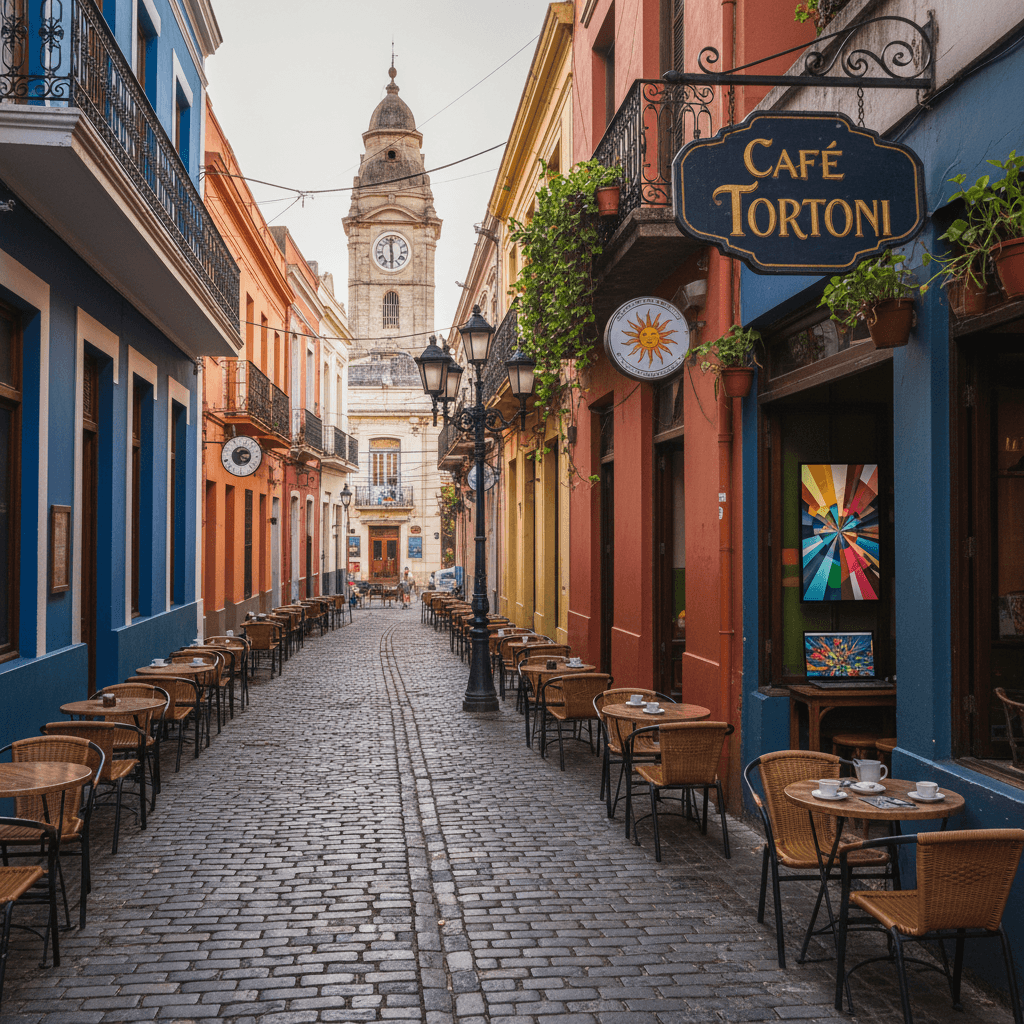
Montevideo
🇺🇾 Uruguay