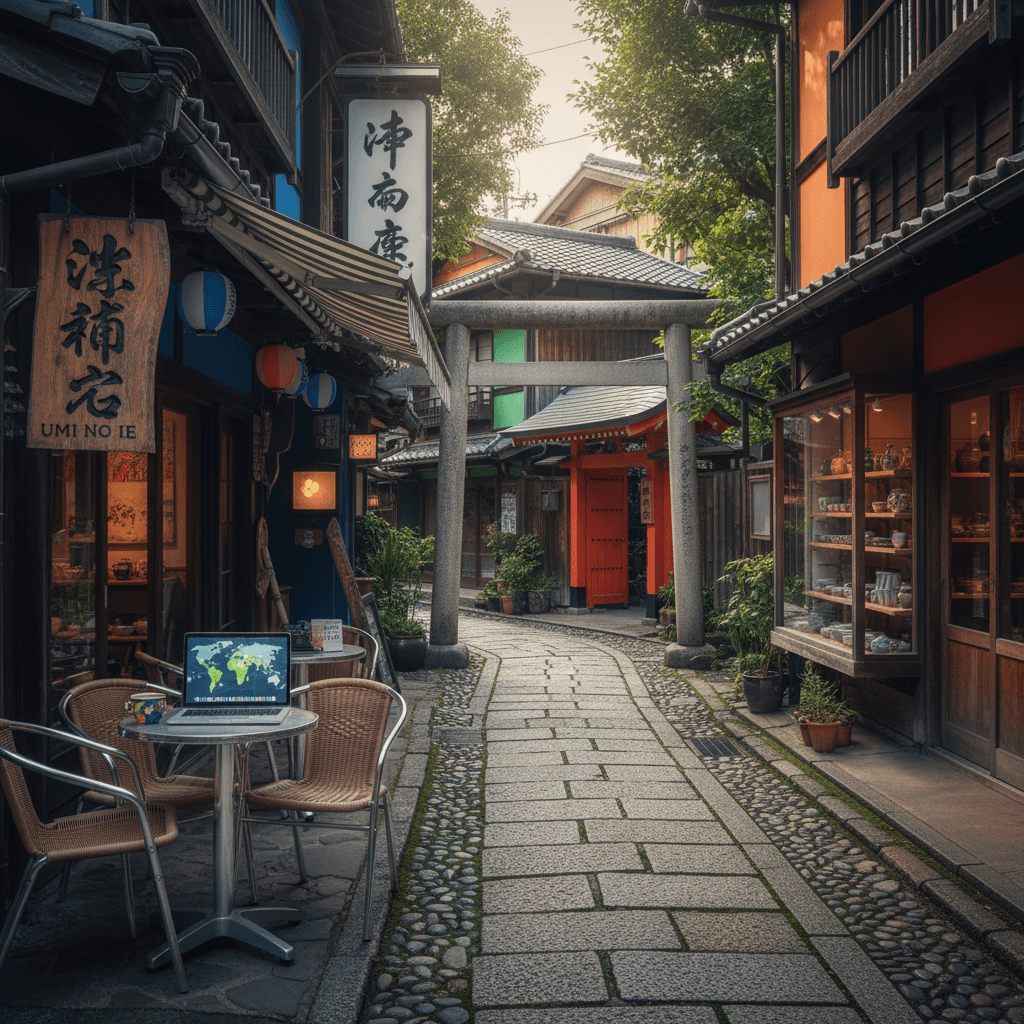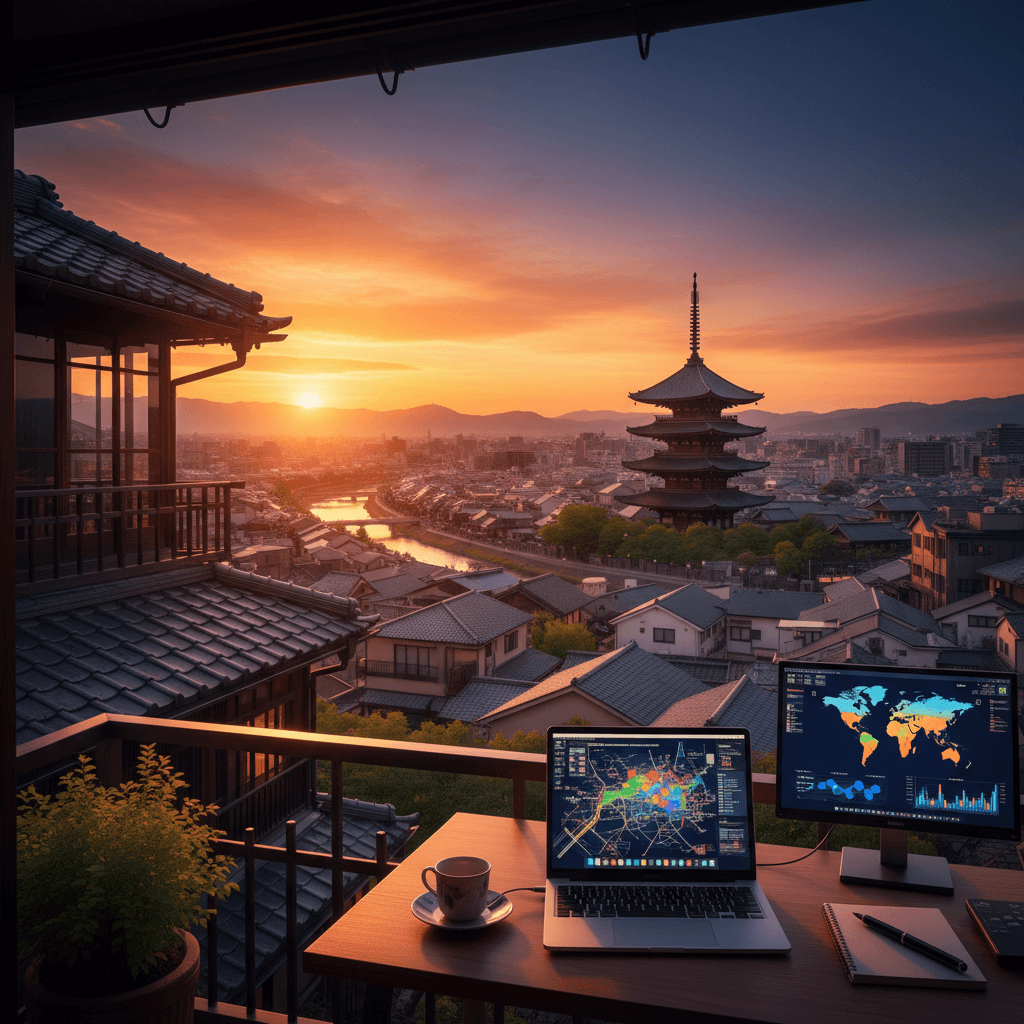
Kyoto
🇯🇵 Japan
Kyoto is where you go when you want to trade Tokyo's neon sensory overload for the sound of gravel crunching under your boots and the smell of incense drifting from a thousand year old temple. It is a city that moves at a human pace. You'll find yourself living a life of quiet rituals, like biking along the Kamo River at sunset or finding a corner in a wooden machiya house to clear your inbox. It feels less like a tech hub and more like a massive, open air museum where people happen to have 1,000Mbps fiber internet.
Most nomads find that Kyoto demands a shift in mindset. It is not a place for the "hustle and grind" crowd. The city is deeply traditional, and while the infrastructure is world class, the culture is reserved. You'll need to be mindful of local etiquette, like keeping your voice down on the subway and mastering the art of the bow. The reward is a level of safety and serenity that is hard to find anywhere else on the planet.
The Cost of Living
Living here isn't cheap, but it’s manageable if you avoid the tourist traps. A mid range lifestyle typically requires between ¥250,000 and ¥400,000 per month. If you are on a tighter budget, you can get by on ¥150,000 by sticking to shared housing and convenience store meals, while a comfortable life with private housing and frequent dining out will push you past ¥400,000.
- Housing: Expect to pay ¥60,000 to ¥130,000 for a furnished studio in central areas. Using services like Shiki Properties is a smart move to avoid the "key money" and guarantor hassles common in Japanese rentals.
- Food: A bowl of world class ramen or a session at an izakaya usually runs ¥1,000 to ¥2,500. Quick meals at 7-Eleven or Lawson are around ¥500 to ¥800.
- Transport: A monthly pass for the bus and subway costs between ¥5,000 and ¥10,000, though many expats just stick to bicycles.
Neighborhoods for Nomads
Choosing the right base changes your entire experience. Central Kyoto is convenient but can feel like a theme park during peak tourist seasons.
South of the Imperial Palace (Gion/Kawaramachi)
This is the heartbeat of the city for solo travelers. You are within walking distance of the best cafes, the river, and the major coworking spots.
- Best For: First timers and social nomads.
- Pros: Highly walkable, great nightlife in Kiyamachi, plenty of brunch spots.
- Cons: Crowded sidewalks and higher rent prices.
- Rent: ¥100,000 to ¥150,000 per month.
Arashiyama & Outskirts
If you want to wake up near the bamboo forest and the mountains, this is your spot. It is much quieter once the day trippers leave.
- Best For: Families and those seeking peace.
- Pros: Direct access to nature and a laid back vibe.
- Cons: Long commute to coworking spaces and fewer English speakers.
- Rent: ¥80,000 to ¥120,000 per month.
The Work Setup
Kyoto has a complicated relationship with remote work. While the WiFi is blazing fast, the cafe culture isn't always nomad friendly. Many independent coffee shops have a "no laptop" policy or a strict time limit to keep tables turning for tourists. If you need to put your head down for eight hours, you’ll want a dedicated space.
Space Kante Kyoto is the gold standard here. It’s professional, offers private offices or large shared rooms, and a day pass is ¥1,500. For a monthly membership, budget around ¥10,000 to ¥50,000. For mobile data, skip the roaming fees and grab an eSIM from Sakura Mobile for about ¥4,000 for a month of unlimited data.
Practical Realities
The weather is a major factor in your planning. March to May and October to November are the "sweet spots" with temperatures around 15°C to 20°C and stunning colors. Avoid July and August if you can; the humidity is punishing and temperatures often soar above 30°C.
Language can be a barrier. Outside of the main tourist hubs, English proficiency is low. You’ll rely heavily on Google Translate’s camera mode for menus and signs. Learning basic phrases like "Sumimasen" (excuse me) goes a long way with the locals, who are incredibly polite but often shy. For getting around, download the Hello Cycling app for bike rentals or use a Suica card on your phone for seamless tap and go transit.
The Price of Tradition
Living in Kyoto feels like a deliberate choice to slow down. While it lacks the frantic energy of Tokyo, your bank account will still feel the weight of Japan's premium infrastructure. Most nomads find that a monthly budget of ¥250,000 to ¥400,000 provides a comfortable mid-range lifestyle. This allows for a private apartment in a central area, regular meals at local izakayas, and a dedicated coworking membership.
If you're on a tighter budget, you can get by on ¥150,000 to ¥250,000 by opting for shared housing and relying on the legendary quality of konbini (convenience store) meals. On the flip side, if you want the full "Kyoto experience" including high end kaiseki dining and a luxury machiya rental, expect to spend ¥400,000 or more.
Housing and Neighborhoods
Finding a place to stay is the biggest hurdle. Traditional Japanese rentals often require "key money" (a non-refundable gift to the landlord), but nomads usually bypass this by using services like Shiki Properties. These platforms offer furnished, foreigner friendly apartments without the archaic fees.
South of the Imperial Palace / Kawaramachi
- Best For: Solo nomads who want everything within walking distance.
- Monthly Rent: ¥60,000 to ¥130,000 for a furnished studio or 1BR.
- The Vibe: This is the heartbeat of the city. You're close to the Kamo River, the best coworking spaces, and endless dinner spots. It gets crowded with tourists, but the convenience is hard to beat.
Arashiyama and Outskirts
- Best For: Expats or families seeking quiet and nature.
- Monthly Rent: ¥80,000 to ¥120,000.
- The Vibe: You'll be near the bamboo forest and mountain trails. It's peaceful once the day-trippers leave, but you'll definitely need a bus pass or a bike to get into the city center for work.
Daily Expenses
Food in Kyoto is a highlight, and it doesn't have to be expensive. A bowl of world class ramen or a set lunch at a local shokudo usually runs between ¥1,000 and ¥2,500. For a quick bite, street food like takoyaki costs around ¥500, while a full dinner at a mid-range izakaya with drinks will likely land between ¥3,000 and ¥5,000.
Getting around is simple but adds up. A monthly pass for the subway and bus system costs between ¥5,000 and ¥10,000. Many locals prefer cycling; you can grab a bike through the Hello Cycling app for about ¥1,000 a day, which is often faster than the bus during peak tourist seasons.
Workspace and Connectivity
Kyoto's internet is blistering fast, often reaching 100 to 1000Mbps. However, the "cafe office" culture is tricky here. Many independent cafes are small and don't appreciate laptops taking up space during busy hours. To stay productive, most nomads head to Space Kante Kyoto. A day pass is ¥1,500, while monthly memberships start from ¥10,000. It's professional and reliable, though it occasionally has background music that might require noise-canceling headphones.
For mobile data, don't rely on roaming. Grab an eSIM from Sakura Mobile before you land. You can get unlimited data for about ¥4,000 per month, which is a lifesaver for using Google Maps to find your way through the city's narrow alleyways.
Practical Spending Tips
- Use Wise or Revolut to handle currency conversion; you'll get much better rates than at local banks.
- 7-Eleven ATMs are the most reliable way to withdraw cash using international cards.
- Buy a Suica or Pasmo IC card immediately. You can tap it for trains, buses, and even at most vending machines and convenience stores.
- Skip the taxis. They are expensive and often get stuck in the same traffic as the buses. Stick to the subway or your own two feet.
Choosing a base in Kyoto isn't about finding the "best" spot, but rather finding the right balance between ancient temple views and reliable fiber optic speeds. While the city is compact, the vibe shifts dramatically from the neon-lit alleys of downtown to the quiet bamboo groves of the west. You'll find that where you sleep dictates how much work you actually get done, especially since Kyoto's cafe culture is more about sipping tea than camping out with a MacBook.
Digital Nomads and Solo Professionals
If you need to be within walking distance of a desk and a decent flat white, look at the area South of the Imperial Palace or East of Nijo Castle. This central corridor, encompassing neighborhoods like Kawaramachi and Kiyamachi, is the heartbeat of the city's modern infrastructure. It's the most walkable part of Kyoto, putting you minutes away from the Kamogawa River gardens when you need a screen break.
Most nomads gravitate here because it's home to Space Kante Kyoto, the city's premier professional coworking hub. You can grab a day pass for ¥1,500 or a monthly membership starting from ¥10,000. Just be aware that the central location comes with crowds and higher price tags. Expect to pay between ¥100,000 and ¥150,000 for a furnished studio or a modern 1BR apartment.
- Pros: High concentration of English-friendly cafes, easy access to subways, and a social scene that doesn't require a taxi ride home.
- Cons: Can feel touristy during peak seasons; rent is the highest in the city.
- Top Spot: Grab a late lunch at a local ramen shop for ¥1,000 before heading to the riverside for a sunset walk.
Expats and Long-Term Residents
For those staying six months or longer, the frantic energy of downtown often wears thin. Expats frequently recommend moving toward the outskirts of Gion or the residential pockets near Arashiyama. These areas offer a "live like a local" experience where you'll see more grandmas tending gardens than tour groups with selfie sticks.
Living here requires a bit more intentionality with your work setup, as dedicated coworking spaces are scarce. You'll likely want a larger apartment to accommodate a home office. Rent is more forgiving in these quieter zones, usually ranging from ¥80,000 to ¥120,000 for a comfortable 1BR. Using platforms like Shiki Properties is a smart move here, as they often bypass the traditional "key money" system that can drain your bank account upfront.
- Pros: Authentic atmosphere, lower cost of living, and proximity to hiking trails.
- Cons: You'll rely heavily on the bus system or a bicycle; English is less common in local shops.
- Getting Around: Invest in a monthly transit pass for ¥5,000 to ¥10,000 or use the Hello Cycling app for cheap daily rentals.
Families and Slow Travelers
Families usually find their stride in Arashiyama or the northern residential districts. The pace is significantly slower, and the proximity to the Iwatayama Monkey Park and the bamboo forest keeps kids entertained without the sensory overload of central Kyoto. The streets are wider and safer for strollers, and the air feels noticeably fresher than the city center.
While you're further from the "nomad" hubs, the internet speeds remain world-class. Even in older wooden machiyas, fiber connections often clock in between 100Mbps and 1000Mbps. It's the ideal setup for parents who work while the kids are at school or exploring. Grocery costs are manageable if you stick to local markets, with daily food expenses for a family averaging ¥3,000 to ¥5,000 if you're cooking at home and mixing in the occasional ¥500 takoyaki treat.
- Pros: Quiet nights, plenty of green space, and a community-oriented feel.
- Cons: Commuting to central meetings can take 30 to 45 minutes.
- Practical Tip: Use the Google Translate camera mode for grocery shopping; many local products don't have English labeling.
Short-Term Cultural Seekers
If you're only in town for a month and your priority is photography and shrines over hitting quarterly KPIs, stay in Central Kyoto near the major temples. You'll be right in the "rich tapestry" of the city, surrounded by traditional architecture and hidden shrines. However, be warned: this is the most difficult area for remote work. Cafes here often have strict "no laptop" policies to keep tables turning for tourists.
Rent in these historic pockets varies wildly based on the age of the building, but a decent spot usually lands around ¥90,000 to ¥130,000. You'll spend more on food here because you're surrounded by tempting izakayas and high-end kaiseki spots where a meal can easily top ¥5,000. It's a fantastic experience for a "work-cation," but the holiday distractions are real.
- Pros: Unbeatable aesthetics and cultural immersion.
- Cons: Extremely crowded during cherry blossom and fall foliage seasons; very few laptop-friendly spaces.
- Survival Tip: Buy a Sakura Mobile eSIM at the airport for about ¥4,000 so you have unlimited data for maps while getting lost in the backstreets.
Connectivity and Speed
Kyoto is a city of contradictions; you might be working from a wooden building that's centuries old, but the WiFi will likely be faster than what you have at home. Fiber optic connections are the standard here, with speeds ranging from 100Mbps to 1000Mbps in most professional environments. It is world class infrastructure hidden behind a traditional facade.
To stay connected while wandering the philosopher's path, most nomads skip the expensive roaming fees and grab a local eSIM. Sakura Mobile is a favorite for long term stays because they offer English support and unlimited data for around ¥4,000 for 30 days. You can pick these up at Kansai Airport or have them activated digitally before you even land.
Coworking Spaces
The dedicated coworking scene in Kyoto is smaller than Tokyo's, but the quality is high. Space Kante Kyoto is the go to hub for serious work. It's professional, features large common areas, and offers private meeting rooms if you need to take a call without a background of temple bells. A day pass is ¥1,500, while monthly memberships start from ¥10,000. Just a heads up, they sometimes play background music that can be a bit loud for those who prefer total silence.
If you prefer a more corporate vibe, you'll find the usual suspects like Regus near the main station, but most nomads find the central districts like Shimogyo-ku more inspiring. These areas put you within walking distance of the river and the best lunch spots.
The Cafe Culture Reality
Kyoto has a legendary coffee scene, but it isn't always nomad friendly. Many of the most beautiful independent cafes in Gion or near Kawaramachi have strict "no laptop" policies or limited seating that makes staying for three hours feel intrusive. You'll see locals reading books, but the "laptop lifestyle" hasn't fully taken over the traditional tea houses.
If you need to work from a cafe, stick to the larger chains or modern specialty shops near the Kamogawa River. These spots often have shared long tables where pulling out a MacBook is acceptable, provided you keep the coffee orders coming. Most expats rate the cafe workability here a 1 out of 5 compared to places like Chiang Mai; it's better to use a cafe for an hour of emails and save the heavy lifting for your apartment or a dedicated desk.
Practical Costs for Your Setup
- Space Kante Day Pass: ¥1,500
- Monthly Coworking Membership: ¥10,000 to ¥50,000
- Mobile Data (Sakura Mobile): ¥4,000 per month
- Coffee at a Work-Friendly Cafe: ¥500 to ¥800
To avoid the "holiday distraction" that Kyoto is famous for, many nomads recommend staying in the South of the Imperial Palace. It's walkable, central, and keeps you close to the few dedicated work hubs available. While the city is perfect for deep creative work, the lack of a massive coworking community means you'll have to be more intentional about finding your "office" than you would in a more westernized digital nomad hub.
A Culture of Safety
Kyoto is famously safe, even by Japan's high standards. You'll often see locals leaving their laptops on cafe tables while they head to the restroom or kids as young as six taking the subway alone. For digital nomads, this means a massive reduction in the mental tax of travel. You can wander the narrow alleys of Gion or the riverside paths of the Kamo River at late hours without a second thought.
Violent crime is practically non-existent here. The most common "danger" you'll face is likely a bicycle collision on a crowded sidewalk or a cheeky macaque trying to snag your snacks in Arashiyama. While pickpocketing is rare, keep your wits about you in heavy tourist crowds near Kiyomizu-dera or the Nishiki Market. If you do lose something, head to the nearest Koban (police box). The Japanese lost-and-found system is legendary; there is a very high chance your wallet will be returned with every yen intact.
World Class Healthcare
If you get sick, you're in good hands. Kyoto is home to Kyoto University Hospital, one of the top medical institutions in the country. The healthcare system is efficient, clean, and highly advanced. Most clinics operate on a walk-in basis, though larger hospitals might require a referral for non-emergencies to avoid extra fees.
Language can be a hurdle at smaller neighborhood clinics. Expats usually recommend Japan Health Info or the Kyoto City International Foundation website to find English speaking doctors. Many practitioners in the central districts near Kawaramachi have at least a functional level of English, but having Google Translate or DeepL ready on your phone is a smart move for explaining specific symptoms.
Pharmacies and First Aid
For minor ailments like allergies or a cold, look for Matsumoto Kiyoshi or Welcia. These drugstores are everywhere. Keep in mind that Japanese over-the-counter medicine is often weaker than Western versions. If you have a specific brand of painkiller or sinus medication you swear by, bring a supply with you.
- Emergency Services: Dial 119 for an ambulance or fire; dial 110 for the police. Both lines have English support available if you stay on the line and ask.
- Health Insurance: Most nomads use private travel insurance like SafetyWing or World Nomads. Always keep a digital copy of your policy and your passport handy, as hospitals will ask for them upfront.
- Pharmacies: Look for the 薬 (kusuri) symbol. Most stay open until 8:00 PM or 9:00 PM, though some in Shimogyo Ward stay open later.
Natural Hazards
Japan is prone to earthquakes, and Kyoto is no exception. Most modern buildings and machiya renovations are built to strict seismic codes. Download the NERV Disaster Prevention app; it provides real-time alerts in English for tremors or heavy rain. During the June and July rainy season, keep an eye on flood warnings if you are staying near the river, though the city's drainage infrastructure is incredibly robust.
The summer heat is a legitimate health concern. In August, temperatures regularly hit 32°C or higher with stifling humidity. Heatstroke is common among visitors who spend all day walking between temples. Locals stay hydrated with Pocari Sweat from the ubiquitous vending machines and carry UV umbrellas. If you're working from cafes during the summer, plan your commutes for the early morning or after sunset to avoid the worst of the "Kyoto furnace."
The Logistics of Getting Around
Kyoto is a city that invites you to slow down, but when you need to get from a morning matcha session to a coworking desk, the infrastructure is remarkably reliable. Unlike the overwhelming maze of Tokyo, Kyoto feels manageable. Most nomads find the city center incredibly walkable, especially if you're staying south of the Imperial Palace or near Kawaramachi. You'll likely spend most of your time on two wheels or using the integrated bus and subway network.
Public Transit and IC Cards
The easiest way to handle transit is by picking up a Suica or Pasmo IC card. You can tap these on almost every bus and subway line in the city. If you're commuting daily, a monthly pass typically runs between ¥5,000 and ¥10,000. While the subway is fast, it only has two main lines, so you'll often find yourself relying on the extensive bus system to reach specific temples or northern neighborhoods.
- Subway: Best for north-south or east-west cross-city sprints.
- Buses: They go everywhere, but they can get packed with tourists during cherry blossom season.
- JR Haruka Express: This is your go-to for getting to and from Kansai Airport (KIX). It takes about 75 minutes and costs around ¥2,200.
Cycling: The Local Way
Expats often recommend skipping the bus entirely and renting a bike. The city is mostly flat, and the grid layout makes navigation simple. You can use the Hello Cycling app for short-term rentals, which costs about ¥160 per 30 minutes. Just be mindful of parking; Kyoto is strict about where you leave your bike, and illegally parked cycles are often impounded quickly. Stick to the designated lots near stations and shopping malls.
Ride-Hailing and Taxis
Uber exists here, but it mostly functions as a way to hail licensed taxis rather than private cars. It's convenient but pricey compared to the trains. For a more local experience, download the Japan Taxi app. Taxis are everywhere in the central districts like Gion and Kiyamachi, but they can eat into your budget if you use them for more than a late-night ride home after the subways close.
Navigation Tips for Nomads
While the main streets have signs in English, the smaller alleys can be a bit of a puzzle. Google Maps is generally accurate for bus timings and platform numbers. If you're heading out for a day trip to Nara or the Arashiyama bamboo forest, the trains are frequent and usually take between 30 and 60 minutes. Just remember that quiet is the golden rule on public transport; keep your phone on silent and save your calls for when you're back at the office.
Transport Costs at a Glance
- Monthly Transit Pass: ¥5,000 to ¥10,000
- Daily Bike Rental: ¥160 per 30 minutes
- Airport Express (KIX): ¥2,200
- Short Taxi Trip: ¥700 to ¥1,500
The Language Barrier
Kyoto is a city of whispers and tradition, which means the local linguistic landscape is quite different from the international buzz of Tokyo. While the major shrines and tourist hubs in Gion or Kawaramachi have English signage, general proficiency among locals remains low. You'll find that many cafe owners and shopkeepers are incredibly polite but may only speak a few words of English. Most nomads find that while you can survive on gestures and smiles, a little effort goes a long way here.
The local dialect, Kyoto-ben, is known for being softer and more melodic than standard Japanese. While you don't need to master it, learning a few basics will change how locals perceive you. Instead of a blunt "Excuse me," try starting with "Sumimasen." When you're finished with a meal, "Arigatou" is standard, but the local staff will truly light up if you show even a tiny bit of cultural awareness.
Tech Tools for Daily Life
Since you won't always find an English speaker nearby, your smartphone is your best friend. Expats recommend downloading Google Translate immediately, specifically for the camera feature. It's a lifesaver for reading kanji on menus or figuring out if a bottle at the pharmacy is cough syrup or laundry detergent. DeepL is another favorite for more nuanced translations if you're trying to communicate something specific to a landlord or a doctor.
For getting around, Google Maps is remarkably accurate for Kyoto’s bus and subway systems. If you're feeling adventurous and want to try the local taxi apps, Japan Taxi is the most reliable option, though Uber has a limited presence in the city center.
Communication Etiquette
In Kyoto, how you say something is often as important as what you're saying. The culture leans heavily toward quiet, respectful interactions. On the subway or the bus, you'll notice a distinct silence; talking loudly on your phone is a major faux pas. When you enter a shop or a machiya cafe, a small bow serves as a universal greeting that bridges any language gap.
If you're looking to meet people, don't expect the language barrier to disappear at the local pub. However, the nomad community often gathers at Space Kante Kyoto, where English is more common. You can also find expat groups on Meetup.com or InterNations that organize mixers, which are great for finding people who speak your language and can help you decode the local customs.
Essential Phrases to Know
- Sumimasen: Excuse me / I'm sorry. Use this for everything from catching a waiter's attention to apologizing for bumping into someone.
- Arigatou: Thank you.
- Eigo wa hanasemasu ka?: Do you speak English? It's always better to ask this than to assume.
- Kore o kudasai: This one, please. (Perfect for pointing at menu items).
- Wi-Fi wa arimasu ka?: Do you have Wi-Fi? (Though in Kyoto, you're better off checking the Stamped Nomad guide for laptop-friendly spots first).
Staying Connected
To keep these translation apps running, you'll need a solid data plan. Avoid the expensive daily roaming charges from your home carrier. Most nomads in Kyoto opt for a Sakura Mobile eSIM, which you can set up before you even land. For around ¥4,000, you can get a 30 day unlimited data plan that ensures you're never stuck staring at a Japanese sign without a digital translator in your pocket. If you prefer a physical SIM, you can pick them up at Kansai International Airport (KIX) or at major electronics stores like Bic Camera near the main station.
The Sweet Spot: Spring and Autumn
If you want to experience Kyoto at its most photogenic, aim for March through May or October through November. These windows offer temperate weather, usually hovering between 10°C and 20°C, which is perfect for walking between temples or setting up your laptop on a terrace. Spring brings the famous cherry blossoms in April, while autumn transforms the city into a sea of deep reds and oranges. Most nomads find these months the most inspiring for creative work, though you should expect heavy crowds and higher accommodation prices during the peak foliage and blossom weeks.
Surviving the Summer Heat
Brace yourself if you're planning a stay in July or August. Kyoto sits in a basin, which traps heat and humidity, often pushing temperatures above 32°C. This is also the tail end of the tsuyu (rainy season), which typically runs through June and July. It's hot, sticky, and can make the walk to a coworking space feel like a marathon. Expats usually recommend sticking to indoor activities during the day and saving your exploration for the evenings when the air cools slightly and the lanterns in Gion start to glow.
Winter Chill and Quiet Vibes
Winter in Kyoto is cold but rarely extreme, with average highs around 9°C in January. While it lacks the dramatic colors of the other seasons, it's the best time for deep focus. The tourist crowds thin out significantly, making it much easier to find a quiet corner in a cafe or a seat at Space Kante Kyoto. If you don't mind wearing a few extra layers, you'll be rewarded with a much more authentic, peaceful version of the city that feels less like a theme park and more like a home.
Seasonal Planning at a Glance
- Best for scenery: April for cherry blossoms; late October to mid-November for fall colors.
- Best for focus: January and February. The city is quiet, and the cold weather is a great excuse to stay inside and knock out your to-do list.
- Hardest to work: July and August. The humidity is draining, and the "holiday vibe" of the Gion Matsuri festival can be a major distraction.
- Rainy Season: June to early July. Keep an umbrella handy and expect frequent, heavy downpours that might limit your "work from a park" plans.
Practical Timing Tips
Prices for furnished apartments via Shiki Properties or local guesthouses can fluctuate based on these seasons. If you're on a budget, look for a "shoulder season" move-in date in late May or September. You'll avoid the peak tourist surcharges but still enjoy weather that doesn't require a heavy parka or a constant supply of sweat towels. Most nomads suggest booking at least two to three months in advance if your trip overlaps with the cherry blossoms, as the best central spots south of the Imperial Palace fill up fast.
Making the Move: Budgeting and Logistics
Living in Kyoto is a lesson in balance. While it’s more affordable than Tokyo, your biggest expense will be housing. Most nomads aim for the area south of the Imperial Palace or east of Nijo Castle to stay walkable. Expect to pay between ¥80,000 and ¥150,000 for a furnished studio. To avoid the headache of "key money" and guarantor fees, expats recommend using Shiki Properties, which specializes in nomad friendly rentals.
Your daily spending can fluctuate wildly based on how you eat. A quick konbini (convenience store) lunch or street food like takoyaki costs about ¥500 to ¥800. A mid range ramen dinner or a night at an izakaya usually lands between ¥1,000 and ¥2,500. If you’re living comfortably, including a private apartment and frequent dining out, budget at least ¥400,000 per month. Those on a tighter leash can get by on ¥200,000 by sticking to shared housing and home cooking.
Neighborhood Deep Dive
Choosing a base depends on whether you value proximity to coffee or proximity to trees. Here is how the main hubs break down:
- Gion and Kawaramachi: This is the heartbeat of the city. It’s walkable, packed with brunch spots, and close to the river. It’s perfect for solo travelers, though it gets crowded and 1BR rents hover around ¥100,000 to ¥150,000.
- Arashiyama: If you prefer waking up near the bamboo forest and don’t mind a commute, this is your spot. It’s much quieter after the day-trippers leave. Rents are lower, averaging ¥80,000 to ¥120,000.
- Central Kyoto (Temple District): Great for short stays to soak up the history, but many nomads find it frustrating for long term work because laptop friendly cafes are scarce here.
Connectivity and Workspace
The internet in Kyoto is world class, with fiber speeds often hitting 100 to 1000Mbps. However, the cafe culture isn’t always welcoming to the "laptop for five hours" crowd. Many independent shops have limited seating and don't tolerate long stays. For a guaranteed desk, Space Kante Kyoto is the go to spot. A day pass is ¥1,500 and monthly memberships start from ¥10,000. Just be aware they sometimes play loud music, so bring noise cancelling headphones.
For mobile data, don't rely on roaming. Most nomads grab a Sakura Mobile eSIM at the airport. It costs about ¥4,000 for a month of unlimited data and saves you the hassle of hunting for public WiFi, which can be spotty in older buildings.
Getting Around and Staying Safe
Kyoto is incredibly safe, even late at night. You’ll mostly navigate via the Hello Cycling app for bike rentals at ¥160 per 30 minutes (approx. ¥1,920 for 12 hours) or by using a Suica or Pasmo card on the subways. Buses are efficient but can get caught in tourist traffic. If you're heading to the airport, the JR Haruka Express gets you to Kansai (KIX) in 90 minutes for ¥2,800.
Healthcare is high quality, especially at Kyoto University Hospital. If you need a pharmacy, look for the Matsumoto Kiyoshi chain. In an emergency, dial 119 for an ambulance or 110 for police; both services usually have English support available.
Timing Your Stay
The weather dictates the city's mood. Most travelers aim for March to May for the cherry blossoms or October to November for the autumn colors. During these windows, temperatures are a pleasant 10 to 20°C. Avoid July and August if you can; the humidity is intense and temperatures frequently climb above 30°C, making the walk between cafes a sweaty ordeal.
Local Etiquette
Integration is easy if you follow a few ground rules. Always remove your shoes indoors when prompted and remember that tipping is not practiced and can even be confusing for staff. Keep your phone on silent and avoid talking on public transport. A simple "Sumimasen" (excuse me) goes a long way since English proficiency can be low once you step off the main tourist drag. Use Google Translate or DeepL for menus and signs.
Need visa and immigration info for Japan?
🇯🇵 View Japan Country GuideEasy Landing
Settle in, no stress
Monthly Budget Estimates
More cities in Japan
Kumamoto
🇯🇵 Japan
Sendai
🇯🇵 Japan
Takamatsu
🇯🇵 Japan