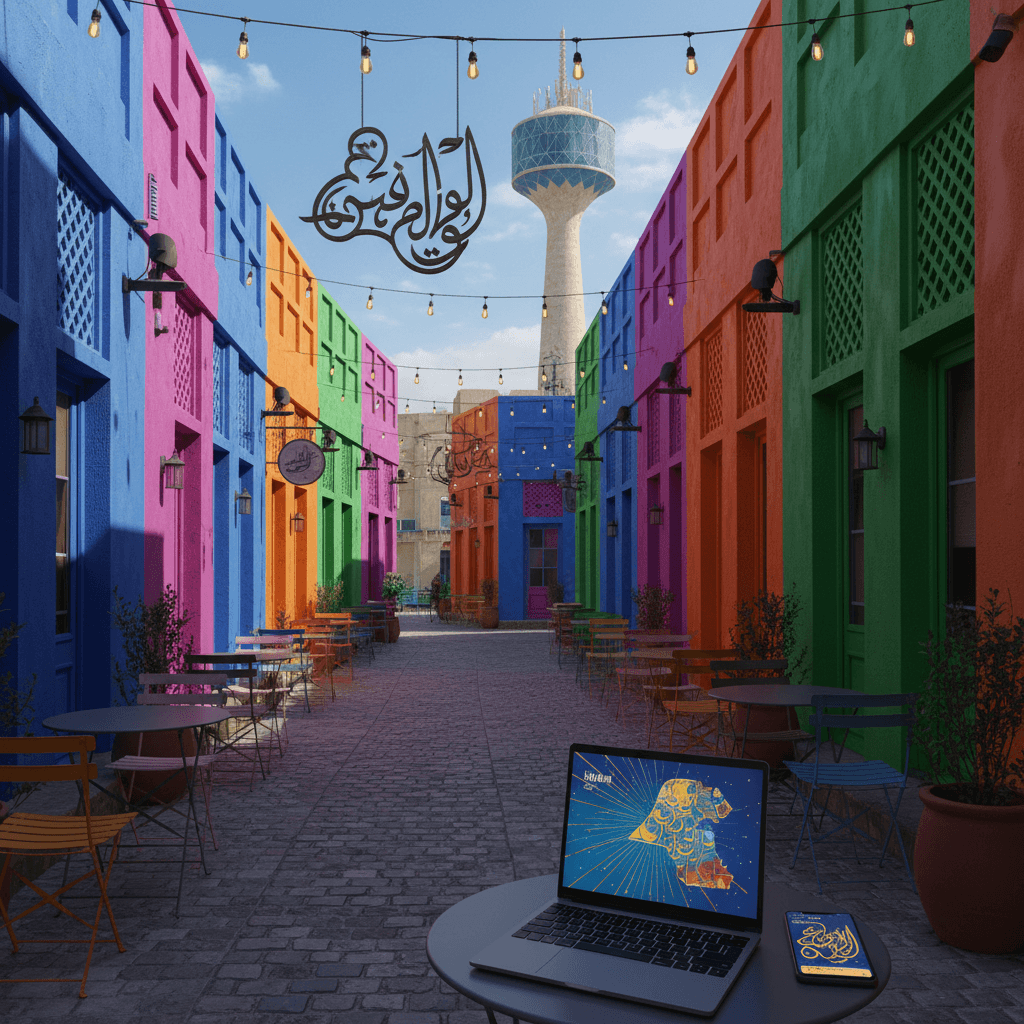
Kuwait City
🇰🇼 Kuwait
The High-Rise Oasis
Kuwait City is a fascinating study in contrasts, where the quiet dignity of old Arabia meets the unapologetic opulence of oil wealth. It doesn't feel like the frantic, neon-soaked streets of Dubai or the sprawling expanse of Riyadh. Instead, it has a more grounded, slightly more conservative vibe that rewards those who look past the gleaming glass facades of the Sharq district. You'll find a city that moves at its own pace, punctuated by the call to prayer and the hum of high-end SUVs.
For digital nomads, the draw here isn't the party scene or a massive community of backpackers. It's the infrastructure. Everything works, and it works well. You're trading late-night bars for world-class cafes and high-speed fiber internet. It's a place for deep work and luxury comforts, though you have to be prepared for the social reality of a dry country where "nightlife" usually means a long, multi-course dinner or a late-night coffee at the Marina Mall waterfront.
Living Costs & Neighborhoods
Living here isn't cheap. You should budget between $3,741 and $4,354 per month to live comfortably. While you can scrape by on $2,500 if you stick to street food and shared housing, most nomads find that the city's charm is tied to its high-end amenities. Rent will be your biggest hurdle. In Salmiya, which is the go-to for most expats due to its beach access and walkable cafes, a one-bedroom apartment runs between $800 and $1,200. If you want to be in the heart of the business district, Sharq offers luxury high-rises starting at $1,500.
- Salmiya: The most social area. It's crowded and the traffic is legendary, but it's where you'll find the best mix of affordable food and seaside views.
- Hawalli: A more budget-friendly, family-oriented district. It's a bit noisier and the buildings are older, but it feels more "local."
- Fintas: Best for those who want to escape the city center. It's quiet, closer to the southern beaches, and generally more affordable.
The Remote Work Reality
Internet speeds in Kuwait are some of the best in the region, often hitting 200 Mbps. Fiber is common in newer buildings. If you need a dedicated office, The Hive in Salmiya is the gold standard for coworking, costing about $200 to $350 a month. Regus also has a solid presence in the city center for a more corporate environment. If you prefer working from cafes, the city is packed with them. Costa Coffee and various local specialty roasters are ubiquitous, though they can get loud in the evenings when locals gather to socialize.
Getting around is the one area where the city feels less than modern. Public buses are cheap at $0.50 a ride, but they aren't very convenient for professionals. You'll likely rely on Careem or Uber, with most short trips costing between $5 and $10. Walking is rarely an option, not just because of the layout, but because of the heat. From June to September, temperatures regularly soar to 50°C (122°F). During these months, life moves entirely indoors or underground in the massive malls.
Cultural Nuances & Safety
Kuwait is incredibly safe. Petty crime is rare, and you can generally walk around with a laptop bag without a second thought. However, the social code is strict. Alcohol is illegal, and public displays of affection are a no-go. You'll need to dress modestly, covering your shoulders and knees, even in the heat. Most travelers find that if they respect these boundaries, the locals are incredibly hospitable and welcoming.
The culinary scene is a major highlight. You can grab a world-class shawarma for $3 at a hole-in-the-wall or spend $60 on a seafood feast at Fish Market Restaurant. Since there's no alcohol, the food culture has become highly sophisticated. Most expats and nomads connect through InterNations or Facebook groups like Digital Nomads Kuwait. It’s a smaller circle than you'll find in Southeast Asia, but the connections tend to be more intentional and professional.
Practical Essentials
- Connectivity: Grab a Zain or Ooredoo SIM card at the airport. $15 usually gets you 20GB of data, which is more than enough for a backup hotspot.
- Banking: Wise and Revolut work perfectly here. Local ATMs like NBK are generally reliable for international cards.
- Health: The healthcare is top-tier. Al Seef Hospital is a favorite for expats because the staff is almost entirely English-speaking.
- Timing: Aim to visit between November and March. The weather is perfect for exploring the Failaka Island ruins or hiking at Mutla Ridge.
The Reality of Your Monthly Burn
Kuwait City is a powerhouse of the Gulf, but that oil-driven wealth means your bank account will take a more significant hit here than in Southeast Asia or even parts of Europe. Most digital nomads find they need between $3,700 and $4,350 per month to maintain a lifestyle that balances work and comfort. While there are ways to shave off a few hundred dollars by living like a local, the lack of a traditional hostel culture or budget shared housing makes this a mid to high tier destination.
Expats frequently point out that while the sticker price of life is high, you get what you pay for in terms of safety and infrastructure. You won't be dealing with power outages or spotty internet while trying to hit a deadline. Instead, the costs are concentrated in housing and the social scene, especially since dining out is the primary form of entertainment in a city without bars or clubs.
Breaking Down the Budget
- Housing: Expect to spend $800 to $1,200 for a solid one bedroom apartment in areas like Salmiya. If you want the high rise luxury of Sharq, prices quickly jump past $1,500.
- Food: A quick shawarma fix at a spot like Al-Marrakech will only cost $2 to $5. However, a standard mid range dinner sits around $15 to $20, and a high end seafood night at Fish Market Restaurant can easily top $50 per person.
- Connectivity: A 20GB data plan from Zain or Ooredoo costs about $10 to $20. Coworking desks at The Hive or Regus range from $150 to $350 monthly.
- Transport: While the bus is cheap at $0.50, the heat makes it impractical for many. Most nomads rely on Careem or Uber, spending $5 to $10 per trip.
Pricing by Neighborhood
Where you plant your flag will dictate your monthly overhead. Salmiya is the go to for most solo travelers because it balances cost with access to the beach and a decent cafe scene. It's more crowded, but it feels the most like a community.
Salmiya (Best for Nomads)
- Rent: $800 to $1,200 for a one bedroom apartment.
- Vibe: High energy, walkable by Kuwait standards, and full of expats.
- Pros: Home to The Hive coworking space and plenty of cafes.
Sharq (The Professional Hub)
- Rent: $1,500+ for modern high rises.
- Vibe: Corporate and polished, located near major malls like Marina Mall.
- Pros: Ultra modern amenities and incredible skyline views.
Hawalli (The Budget Choice)
- Rent: $600 to $900.
- Vibe: Densely populated and family oriented with older buildings.
- Pros: Lower cost of living and great local markets, though it can be noisy.
Practical Money Tips
Banking is straightforward if you use international fintech apps. Travelers recommend using Wise or Revolut for transfers, as local ATMs from banks like NBK and KFH generally don't charge fees for international cards. If you're looking for short term housing, check out Bayut.kw or Propertyfinder.kw, though Airbnb is often the easiest route for stays under three months.
One expense you shouldn't skip is health insurance. While the healthcare at private facilities like Al Seef Hospital is top tier, it isn't cheap. Budget at least $100 a month for a solid policy that covers private English speaking clinics. Most nomads agree that the peace of mind is worth the price in a city where you'll likely be commuting by car in heavy traffic.
For Digital Nomads: Salmiya
Salmiya is the clear winner for anyone working remotely. It feels the most international of all the districts and has a coastal energy that keeps things interesting. Most nomads gravitate here because it strikes a balance between being a commercial hub and a residential neighborhood. You can grab a coffee at a local cafe and walk right onto the corniche for a break.
- Rent: Expect to pay between $800 and $1,200 for a decent one bedroom apartment.
- Workspaces: This is home to The Hive, the city's most popular coworking space. Monthly hot desks run between $200 and $350.
- Vibe: High energy, very social, and packed with expats.
The main drawback is the traffic. Salmiya is notoriously congested, so if you're planning to move around during peak hours, prepare for a slow crawl. However, because everything you need is within a small radius, many people find they rarely need to leave the neighborhood during the week.
For Professionals and Expats: Sharq
If you want to be in the thick of the skyline, Sharq is the place. It's the financial heart of Kuwait City, filled with sleek high-rises and high-end malls like Marina Mall. It's perfect for those who want a modern, polished lifestyle and don't mind paying a premium for it. It feels very corporate, but in a way that's efficient and clean.
- Rent: Prices usually start at $1,500 for upscale apartments.
- Amenities: Proximity to major offices, Regus coworking spaces, and luxury dining.
- Transportation: You'll definitely want to use Careem here, as the area isn't designed for walking between blocks.
Expats often choose Sharq because it puts them close to the best gyms and high-end grocery stores. It's less of a "neighborhood" in the traditional sense and more of a vertical city. If your budget allows for $5,000 or more a month, you'll live very comfortably here.
For Families and Budget Travelers: Hawalli
Hawalli is one of the more established areas and offers a much more local, lived-in feel. It's a great choice for families because of the concentration of international schools and parks. It's also the go-to for anyone trying to keep their monthly burn closer to the $2,000 mark. You'll find plenty of markets and affordable electronics shops that give the area a gritty but functional charm.
- Rent: You can find older but spacious flats for significantly less than in Salmiya or Sharq.
- Dining: This is the place for cheap eats. You can grab a shawarma at Al-Marrakech for about $10 or hit the street stalls for $2 to $5 meals.
- Atmosphere: Noisy and crowded, but very authentic.
While the buildings are older and the streets are narrower, the sense of community is stronger here. It's less "shiny" than the coastal areas but far more practical for a long-term stay if you're watching your wallet.
For Solo Travelers and Beach Lovers: Fintas
If the hustle of the city center sounds exhausting, look south toward Fintas. It's a quieter residential area that sits right on the coast. It’s popular with solo travelers who want to be near the water without the Salmiya price tag. It feels much more like a seaside retreat than an oil-wealth capital.
- Rent: Generally lower than the central districts, with more availability for short-term stays.
- Activities: Great access to quiet public beaches and coastal walking paths.
- The Trade-off: It's a 20 to 30 minute drive to the main business districts, so you'll spend more on transport.
Most travelers here rely on the Careem or Uber apps for trips into the city, which usually cost between $10 and $15. It's the best spot for someone who prioritizes peace and quiet over being near the big coworking hubs.
Staying connected in Kuwait City is rarely a struggle. The infrastructure here is built for a fast-paced, high-wealth economy, meaning you'll find some of the most reliable internet speeds in the Gulf. Whether you're hopping between high-end malls or settling into a dedicated workspace, the digital setup is robust enough for heavy video calls and large file transfers.
Connectivity: SIM Cards and Speeds
You can expect average download speeds to range anywhere from 9 Mbps to over 200 Mbps, depending on your location and connection type. Fiber optics are common in modern districts like Sharq and Salmiya, with providers like Zain and Ooredoo offering packages that can reach up to 1 Gbps. Most nomads find that a local SIM is the first order of business upon arrival.
- Where to buy: Pick up a prepaid SIM at Kuwait International Airport (KWI) immediately after clearing customs or visit any branded store in malls like The Avenues.
- Typical Cost: Expect to pay between $10 and $20 for a 20GB data plan.
- Top Providers: Zain and Ooredoo are the most popular for their extensive 5G coverage, while STC is a solid alternative.
Coworking Spaces
While the dedicated nomad community is smaller here than in Dubai or Bali, the coworking scene is professional and high-end. These spaces are mostly frequented by local entrepreneurs and corporate expats, so the vibe is more "business" and less "beach club."
The Hive in Salmiya is the go-to for many remote workers. It's modern, centrally located, and offers a mix of hot desks and private meeting rooms. Monthly memberships generally run between $200 and $350. It's a great spot to meet other professionals in a city where social circles can otherwise feel a bit closed off.
Regus maintains a presence in the heart of the city for those who need a more corporate environment. Prices start around $250 per month. If you're looking for something more flexible, many business travelers use the lounges in the upscale hotels in Sharq, though these come with a higher daily price tag for food and drinks.
Cafe Culture and Remote Work
If you prefer the hum of a coffee shop, Kuwait City has an incredible cafe culture. High-end malls like Marina Mall or The Avenues are packed with options like Costa Coffee and Starbucks, all of which offer reliable, free Wi-Fi. However, these spots can get loud during the evenings and weekends when locals gather to socialize.
For a quieter atmosphere, look for independent specialty coffee shops in Salmiya. Many of these have a "laptop-friendly" vibe during the mornings and early afternoons. Expats recommend arriving early to snag a seat near a power outlet, as these are often in high demand. Just keep in mind that during Ramadan, daytime cafe options will be extremely limited due to local fasting laws, so you'll likely need to rely on your apartment or a dedicated coworking space during that month.
Practical Fintech Tips
Digital nomads usually find that managing money is straightforward. Most establishments, from small cafes to large malls, accept international cards. Wise and Revolut are widely used by the expat community for moving money without heavy bank fees. If you need cash for smaller souks, ATMs from NBK (National Bank of Kuwait) or KFH (Kuwait Finance House) are everywhere and usually don't charge extra fees for international cards beyond what your home bank might levy.
Staying Safe in the Sand
Kuwait City is one of those rare urban hubs where you can walk around with your expensive laptop or camera gear without constantly looking over your shoulder. Violent crime is extremely rare here. Most nomads feel more secure walking through the Sharq district at 11:00 PM than they would in many European or North American capitals.
That said, don't let the high safety ratings make you careless. Petty theft, while uncommon, can happen in crowded spots like the Souq Al-Mubarakiya. It's usually a matter of opportunistic pickpocketing in the dense crowds. If you're out late, stick to well lit main roads; some of the older, residential pockets of Hawalli can get a bit dark and confusing after hours. For solo female travelers, the city is generally respectful, though you might deal with some unwanted attention if you aren't dressed modestly. Covering your shoulders and knees isn't just a cultural rule; it's your best tool for blending in and staying comfortable.
The biggest physical danger you'll likely face isn't crime, it's the traffic. Kuwaiti drivers are notorious for high speeds and aggressive lane changes. If you're crossing the street near Salmiya, don't assume a car will slow down for you just because you're in a crosswalk. Always wait for a clear gap or a signal.
Healthcare Quality and Access
The healthcare system in Kuwait is top tier, especially in the private sector where most expats and nomads head. Hospitals are modern, gleaming, and staffed by doctors who almost all speak fluent English. You won't have any trouble explaining your symptoms or understanding your prescription.
- Al Seef Hospital: Located in Salmiya, this is a favorite for digital nomads. It's known for high end facilities and a very efficient international department.
- Dar Al Shifa: Another heavy hitter in the private sector, offering everything from specialized consultations to 24/7 emergency care.
- Pharmacies: You'll see Boots pharmacies in almost every major mall, like The Avenues or Marina Mall. They carry most international brands you're used to back home.
While public healthcare exists, it's mostly geared toward Kuwaiti citizens. As a nomad, you'll be using private clinics. A standard consultation can run you anywhere from $50 to $100, so having a solid international health insurance policy is a smart move. Expect to pay around $100 a month for a plan that covers you globally.
Emergency Numbers and Practicalities
If things go sideways, the emergency number is 112. This connects you to the police, fire department, and ambulance services. Response times in the city center are generally fast, but traffic can occasionally slow things down during the afternoon rush.
For minor issues, the heat is the primary health concern. From June to September, temperatures regularly north of 45°C (113°F) aren't just uncomfortable; they're dangerous. Dehydration and heatstroke happen fast. Most locals don't spend more than five minutes outdoors during the day in summer, and you shouldn't either. Carry water everywhere, and if you're planning on exploring, do it after the sun goes down.
Lastly, keep in mind that Kuwait is a dry country. There is no legal alcohol, and trying to find it or bring it in can lead to serious legal trouble. If you have specific prescription medications, bring the original script and the doctor's note, as Kuwait has strict laws regarding certain controlled substances.
Getting Around the City
Kuwait City is a place where your relationship with the outdoors changes based on the thermostat. Because the infrastructure was built for a car-centric culture and to withstand 50°C summer highs, you won't find many people strolling between neighborhoods. Instead, the city relies on a mix of ride-hailing apps, a developing bus system, and climate-controlled hubs like malls.
Ride-Hailing and Taxis
For most nomads, Careem is the go-to app. It works just like Uber and is far more reliable than trying to flag down a street taxi and haggling over a price. A typical short trip across town will set you back between $5 and $10. If you are coming from Kuwait International Airport, expect to pay around $15 to $25 for a ride to central areas like Salmiya or Sharq.
- Careem: The most popular choice for transparent pricing and English-speaking drivers.
- Street Taxis: Recognizable by their orange plates; always insist on using the meter before the car moves.
- Peak Hours: Traffic can get heavy between 7:00 AM and 9:00 AM and again from 1:00 PM to 3:00 PM when schools and government offices let out.
Public Buses
The public bus system, operated largely by the Kuwait Public Transport Company (KPTC), is incredibly cheap but can be a bit of a puzzle for newcomers. Most rides cost between $0.50 and $1. While the network covers most of the city, the buses are primarily used by laborers and blue-collar expats. If you want to try it, download the KPTC app to track routes, but keep in mind that bus stops aren't always well-shaded, which is a major factor during the hotter months.
Micro-Mobility and Walking
Walking is only a viable "transportation" method if you are staying within a specific pocket of Salmiya or exploring the Souq Al-Mubarakiya. Outside of those areas, the heat and high-speed roads make pedestrian life difficult. However, along the Corniche and coastal paths, you will see people using scooter rentals like those from Extreme Bike Rentals at ~3 KWD (~$10) per hour and are perfect for a sunset ride when the weather cools down.
Driving Yourself
If you plan on staying for several months, renting a car might cross your mind. It offers the most freedom, but Kuwaiti traffic is notoriously fast-paced and can be intimidating for the uninitiated. You will need an International Driving Permit to get started. Petrol is famously cheap, often costing less than bottled water, but parking in crowded districts like Hawalli can be a nightmare.
Pedestrian Hubs
When the heat becomes unbearable, the city's massive malls act as the primary pedestrian zones. Places like The Avenues or Marina Mall aren't just for shopping; they are where people go to walk, socialize, and work in cafes without breaking a sweat. Most nomads find that they do their "commute" via a $7 Careem ride to a mall or a coworking space like The Hive, and then stay put for the rest of the day.
Breaking the Language Barrier
You won't have much trouble getting your point across in Kuwait City. While Arabic is the official language, English is the unofficial bridge that keeps this international hub running. Because the city is home to a massive expat population, English is spoken by over 70% of people in professional and social settings. You will find that most young Kuwaitis and business owners are fluent, and almost every sign, menu, and government website is bilingual.
If you are working from a cafe in Salmiya or grabbing a latte at Costa Coffee, the staff will likely greet you in English. However, the linguistic landscape changes slightly depending on where you are. In high end spots like Sharq or the luxury malls, English is the default. In the more traditional souks or older parts of Hawalli, you might encounter older shopkeepers who speak limited English, but a bit of gesturing and a few basic Arabic words usually get the job done.
The Local Lingo
Even though you can survive on English alone, learning a handful of Arabic phrases goes a long way with the locals. It shows respect for the culture, which is highly valued in Kuwaiti society. Most nomads find that a simple greeting can change the entire tone of an interaction.
- Shukran: Thank you. You will use this one constantly.
- Min fadlak: Please. Useful when ordering your fifth shawarma of the week.
- Kam? How much? Use this in the markets before you pull out your NBK card.
- Salam Alaikum: Peace be upon you. This is the standard, respectful way to say hello.
- Inshallah: God willing. You will hear this used for everything from "yes" to "maybe" to "it might happen tomorrow."
Digital Communication and Apps
Staying connected is rarely an issue here. Most nomads recommend picking up a prepaid SIM card immediately upon landing at Kuwait International Airport (KWI). You can find kiosks for Zain or Ooredoo right in the arrivals hall. A typical plan costs around $10 to $20 for 20GB of data, which is usually enough to get you through your first month while you scout out home fiber options.
For day to day communication, WhatsApp is the king of Kuwait. Everyone from your landlord to the local tailor uses it for business. If you are looking for a ride, Careem is the go to app, and the interface is entirely in English. For those moments when you are staring at a menu with no translation, the Google Translate app with the offline Arabic pack is a lifesaver. It allows you to use your camera to translate text in real time, which is perfect for navigating grocery store aisles or street food stalls.
Social Etiquette and Communication Styles
Communication in Kuwait is generally polite and somewhat formal. It is a conservative society, so keeping your voice at a moderate volume in public is appreciated. When meeting locals, a handshake is common, but it is best to wait for a woman to initiate the gesture if you are a man. Expats often note that Kuwaitis are incredibly hospitable; don't be surprised if a short conversation leads to a genuine invitation for coffee or a meal.
If you are looking to meet other English speakers, head to a coworking space like Regus in Salmiya or check out InterNations events. Most nomad meetups and expat groups coordinate through Facebook or private WhatsApp groups. While the nomad community is smaller than what you would find in Bali or Lisbon, the people you do meet are usually very well connected and happy to share tips on everything from finding short term rentals on Bayut.kw to the best beaches in Fintas.
The Sweet Spot: November to March
If you are planning a stint in Kuwait City, timing is everything. Most nomads and expats agree that the window between November and March is the only time you will actually want to be outdoors. During these months, the intense desert heat breaks, leaving you with pleasant daytime temperatures between 10°C and 20°C (50°F to 68°F).
This is the season when the city truly wakes up. You will see people walking along the Corniche in Salmiya, sipping coffee at outdoor tables near Marina Mall, or taking the 10 KWD (~$33) ferry out to Failaka Island. Evenings can get surprisingly chilly, sometimes dipping toward 8°C (46°F), so you will actually need a light jacket or a hoodie, something most travelers don't expect to pack for the Middle East.
Survival Mode: The Summer Heat
From June through September, Kuwait City transforms into one of the hottest inhabited places on earth. Temperatures regularly soar between 35°C and 50°C (95°F to 122°F). It is a dry, oppressive heat that makes walking more than a block feel like a marathon. Most nomads find this time of year isolating because life moves entirely indoors to the safety of heavy air conditioning.
During July and August, the city slows down. You will spend your days bouncing between your apartment, air-conditioned Ubers, and coworking spaces like The Hive. If you do visit during this window, expect your electricity bill to jump and your social life to revolve around late-night mall visits or indoor dining, as nobody ventures out before the sun goes down.
The Shoulder Seasons
April, May, and October are the transition months. You can expect temperatures to hover around 25°C to 30°C (77°F to 86°F). While it is manageable, the humidity can start to creep up in the coastal areas like Fintas, making it feel stickier than the mid-winter months. These periods are okay for short stays, but the window for comfortable outdoor work at a cafe is much shorter.
Rain and Dust
Kuwait is incredibly arid, seeing around 115mm of rain per year. When it does rain, usually between November and March, the city often struggles with drainage, so expect some traffic chaos even during a light drizzle. More common than rain are dust storms. These can happen year-round but are frequent in the late spring. They can turn the sky orange and drop visibility to near zero, so keep an eye on weather apps if you have respiratory sensitivities.
Practical Planning for Nomads
- Best for walking: Stick to the winter months if you want to explore the Souq Al-Mubarakiya without melting.
- Best for budget: You might find slightly better deals on short-term rentals in the peak of summer, but the trade-off is being stuck inside.
- Packing tip: Even in the 50°C summer, bring a sweater. The malls, offices, and cinemas keep the AC so high you will feel like you are in a freezer.
- Social peak: February is a great time to be around for National Day celebrations, as the weather is perfect and the city is full of energy.
Money Matters and Daily Costs
Kuwait City is one of the pricier stops on the nomad circuit, mostly due to the strength of the Kuwaiti Dinar. You should budget between $3,741 and $4,354 per month to live comfortably. While you can scrape by on $2,500 if you stick to shared housing and $2 shawarmas in Hawalli, most expats find that a mid range lifestyle lands closer to $4,000 once you factor in a private apartment and frequent dining out.
Rent is your biggest hurdle. A modern one bedroom in Salmiya usually runs between $800 and $1,200, while high end spots in Sharq can easily top $1,500. On the bright side, everyday expenses like local transport are cheap, with bus rides costing just $0.50 and a solid prepaid SIM card with 20GB of data going for about $10 to $20 at Zain or Ooredoo shops.
Where to Set Up Base
Choosing the right neighborhood changes your experience entirely. Most nomads gravitate toward these areas:
- Salmiya: This is the heart of the expat action. It is crowded and the traffic is a headache, but you are close to the beaches, plenty of cafes, and rent is more manageable at $800 for a decent flat.
- Sharq: If you want the skyscraper lifestyle, this is it. It is central and modern, though it lacks walkability and prices are steeper.
- Hawalli: Great for those on a tighter budget. It is a bit noisier and the buildings are older, but the local markets are fantastic for cheap eats.
- Fintas: A quiet alternative for beach lovers. It is further from the city center, but the coastal vibe is much more relaxed.
Internet and Productive Spaces
The infrastructure here is world class. You will find fiber speeds reaching up to 1 Gbps, and even standard connections usually hover around 200 Mbps. While the cafe culture is strong, especially in the malls, serious work is best done at dedicated spaces. The Hive in Salmiya is a favorite among the remote crowd, offering hot desks for $200 to $350 a month. Regus is another reliable, if more corporate, option starting around $250.
Getting Around the City
The heat makes walking nearly impossible for most of the year. While the KPTC bus app is handy for $1 rides, the network is limited. Most people rely on Careem or Uber, where a typical cross town trip costs between $5 and $10. If you are heading in from the airport, expect to pay around $15 to $25 for a ride to the city center. During the cooler months, you can grab a Bolt or Spinys scooter for about $2 to $5 an hour to cruise along the coastal paths.
Cultural Nuances and Safety
Kuwait City is incredibly safe, with crime levels that make most Western cities look risky. That said, it is a conservative society. You should dress modestly, covering your shoulders and knees, and avoid any public displays of affection. Alcohol is completely banned, and there is no public nightlife in the traditional sense. Most socializing happens in high end restaurants like Fish Market or over coffee in the malls.
English is widely spoken, with over 70% of the population being conversational, so you won't struggle to get by. Most nomads find the community small but welcoming, often connecting through InterNations or Facebook groups like Digital Nomads Kuwait. Just keep in mind the weather; from June to September, temperatures frequently hit 50°C (122°F), making November to March the only real window for enjoying the outdoors.
Need visa and immigration info for Kuwait?
🇰🇼 View Kuwait Country GuideHidden Gem
Worth the effort