Kumamoto
🇯🇵 Japan
The Vibe: Samurai Soul and Slow Living
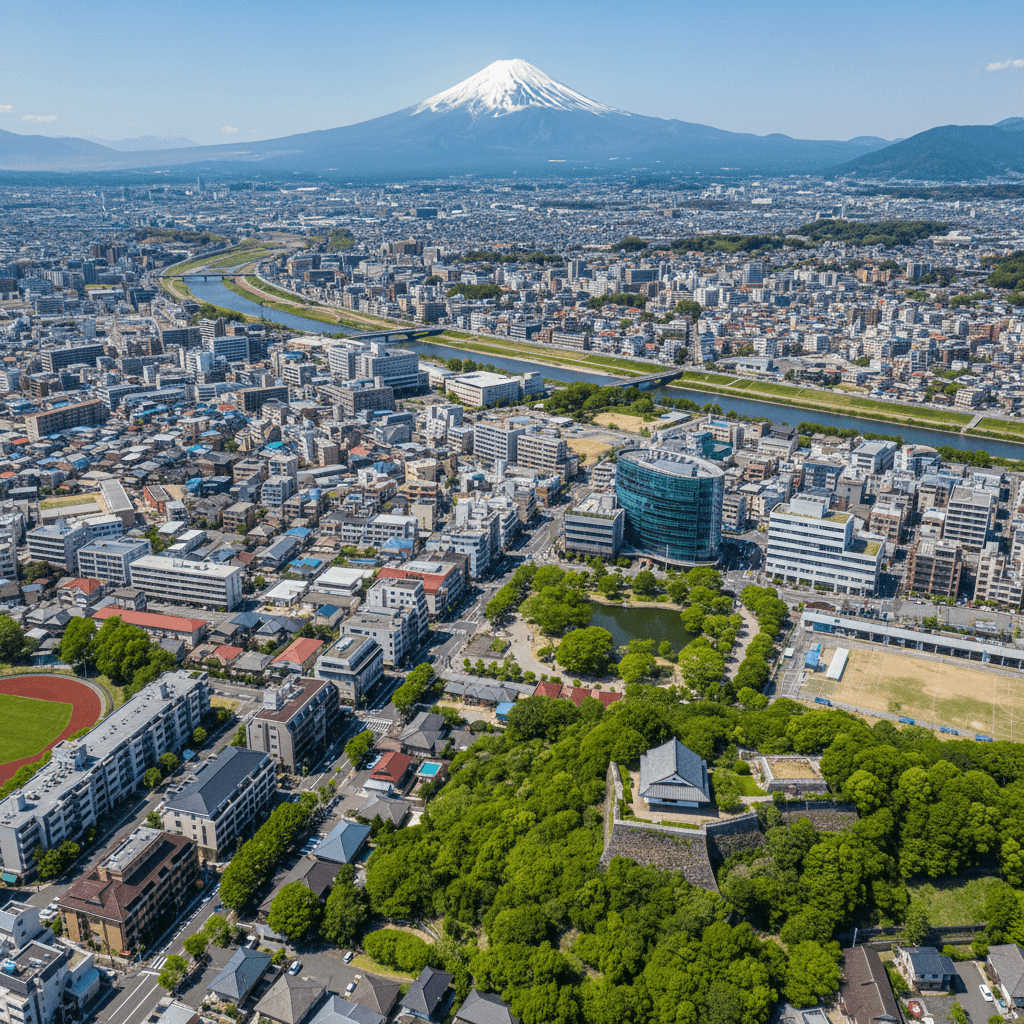
If Tokyo is a high speed chase and Kyoto is a crowded museum, Kumamoto is a long, deep breath. It’s a mid sized city that feels surprisingly intimate, where the massive stone walls of Kumamoto Castle dominate the skyline instead of glass skyscrapers. You’ll find a distinct lack of the frantic "salaryman" energy here. Instead, there’s a relaxed, grounded atmosphere that comes from being tucked between a smoking volcano and the Ariake Sea.
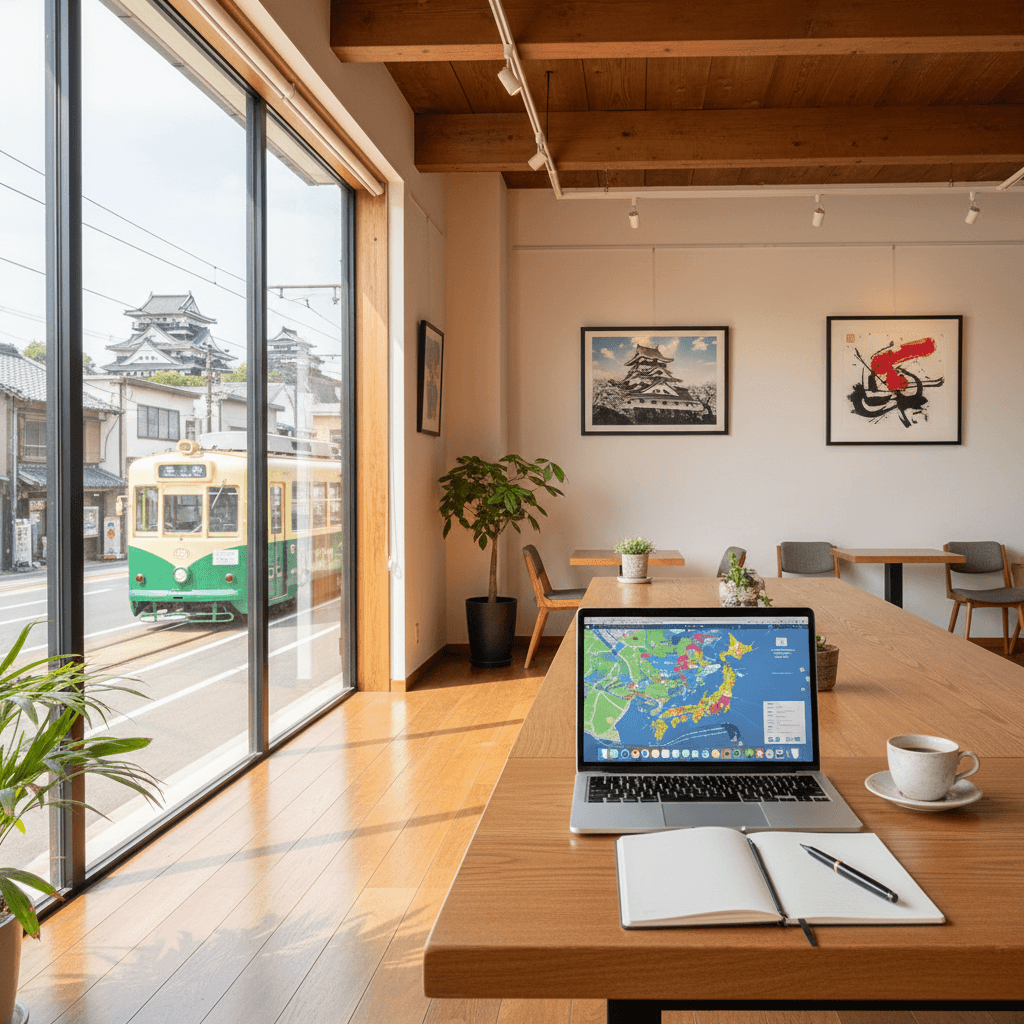
Living here feels like being in on a well kept secret. You get the polish of Japanese infrastructure, like 100 to 300 Mbps fiber internet and spotless trams, without the "tourist fatigue" found in bigger hubs. Locals are famously friendly but carry a reserved, traditional pride. It’s the kind of place where you can spend a Tuesday morning working from a quiet cafe in the Shimotori arcade and your afternoon hiking through the cedar forests of Mount Aso.
The emotional payoff of Kumamoto is the balance. It’s affordable enough that you aren't constantly checking your bank app, yet modern enough that you never feel isolated. Nomads usually come for the low costs but stay for the Kurokawa Onsen hot springs and the easy access to nature that makes a 40 hour work week feel significantly lighter.
The Cost of Remote Work
Your money goes much further here than in the capital. Most nomads report saving 30% to 50% compared to Tokyo prices. Here is a breakdown of what to expect for monthly expenses:
- Budget Tier: Around ¥150,000. This covers a modest studio, home cooking, and local transport.
- Mid-Range: Around ¥250,000. This is the sweet spot for most nomads, allowing for a central apartment, coworking memberships, and plenty of izakaya dinners.
- Comfortable: ¥400,000+. This gets you a premium high rise apartment, frequent weekend trips to nearby Fukuoka, and high end kaiseki dining.
Neighborhoods to Call Home
Where you park your laptop matters. Kumamoto is compact, but each ward has a different rhythm.
Chūō Ward (City Center)
- Best For: First timers and solo nomads who want to be near the action.
- Rent: ¥60,000 to ¥80,000 for a modern 1BR.
- The Draw: You’re steps away from the Shimotori and Shinshigai arcades. It’s walkable, packed with cafes, and houses the main coworking hubs.
- The Downside: It can get a bit noisy on Friday nights when the bars fill up.
Higashi Ward
- Best For: Long term stays and those craving peace.
- Rent: ¥40,000 to ¥60,000.
- The Draw: More green space and a direct line toward the Aso volcanic region. It’s quiet and residential.
- The Downside: You’ll spend about 20 minutes on a bus or tram to reach the city center.
Nishi Ward
- Best For: Budget travelers looking for an "old Japan" feel.
- Rent: ¥40,000 and under.
- The Draw: Authentic local markets and very cheap housing near the main station.
- The Downside: English signage is rare here, and nightlife is almost non existent.
Productivity and Connection
The remote work setup in Kumamoto is surprisingly robust. If you prefer a professional environment, Regus in Chūō Ward offers professional suites for about ¥40,000 a month.
Cafes like Doutor or the Starbucks in the SAKURA Machi mall are reliable for a few hours of work, though it's always polite to check for "work okay" signs. For data, most expats grab a Rakuten Mobile SIM for about ¥3,000 a month or use the GO app for quick taxi rides when the tram isn't convenient. While the expat scene is smaller than Fukuoka’s, the "Kumamoto Expats" Facebook group and local meetups at craft beer bars are the best ways to find your community.
The Practical Reality
Safety is a non issue, as crime is nearly non existent. However, you do need to keep an eye on the Japan Meteorological Agency app for volcanic ash alerts from Mount Aso. Healthcare is world class, specifically at Kumamoto University Hospital, which has English speaking staff. Just remember that the new 6 month digital nomad visa requires proof of a ¥10 million annual income, making it a high bar for entry but a rewarding one for those who qualify.
The Bottom Line on Budgets
Kumamoto hits a sweet spot for nomads who want the Japanese experience without the Tokyo price tag. You'll likely find your yen goes about 30 to 50 percent further here than in the capital. While it isn't "Southeast Asia cheap," it's one of the most affordable mid-sized cities in Japan that still offers high-speed infrastructure and a central hub vibe.
For a single person, a budget-tier lifestyle costs around ¥150,000 per month. If you want a more mid-range experience with frequent izakaya visits and a central apartment, plan for ¥250,000. Those looking for a comfortable, high-end stay with luxury ryokan weekend trips should budget upwards of ¥400,000.
- Studio/1BR Rent: ¥40,000 to ¥80,000 per month
- Coworking: ¥20,000 to ¥40,000 per month
- Groceries: ¥30,000 per month
- Utilities and Internet: ¥10,000 to ¥15,000 per month
Where to Plant Your Flag
Choosing a neighborhood changes your overhead significantly. Most nomads stick to the center for the convenience of walking to cafes and bars, but the outskirts offer serious savings if you don't mind a short tram ride.
Chūō Ward (Shimotori and Shinshigai)
- Best for: Social butterflies and first-timers.
- Rent: ¥60,000 and up.
- The Vibe: This is the heart of the city. You're steps away from the massive shopping arcades and the best nightlife. It's noisier, but you won't need a car or even a bike.
Higashi Ward
- Best for: Focus and quiet.
- Rent: ¥40,000 to ¥55,000.
- The Vibe: Residential and green. It feels more like a local suburb. You get more space for your money and easy access to the roads leading out to Mount Aso, though it's a 20 minute bus ride into the city center.
Nishi Ward
- Best for: Budget-conscious solo travelers.
- Rent: ¥45,000 to ¥60,000.
- The Vibe: Authentic and a bit older. There are fewer English signs here, but the local markets are fantastic for cheap, fresh produce.
Food and Social Spending
Eating out is where Kumamoto really shines. You can grab street food like takoyaki for ¥500 to ¥800 at a stall. A solid lunch set at a local spot usually runs around ¥1,000. For dinner, nomads often head to izakayas like Tsugumi, where a full meal with drinks costs between ¥1,500 and ¥3,000.
If you're celebrating, a high-end kaiseki meal at the ryokans near Kikuchi Onsen will start at ¥5,000. For daily caffeine, a latte at a work-friendly cafe costs about ¥500. Most expats recommend the GO app for taxis if you're out late, with short hops across town costing between ¥800 and ¥2,000.
Work Spaces and Connectivity
Reliable internet is a given here. You can expect speeds between 100 and 300 Mbps in most urban apartments. If you need a dedicated desk, Impact HUB Kumamoto is the primary local choice for ¥25,000 a month; it's also the best place to network with the local startup crowd. For a more corporate environment, Regus Kumamoto City charges around ¥40,000 a month.
For mobile data, travelers usually grab a Rakuten Mobile SIM for ¥2,000 to ¥4,000 depending on the data cap. If you're on the six-month digital nomad visa, remember you'll need to prove an annual income of at least ¥10 million and carry private health insurance with ¥10 million in coverage. While the entry requirements are steep, the actual daily cost of living in Kumamoto remains one of the best bargains in Japan.
For Digital Nomads: Chūō Ward (Shimotori and Shinshigai)
If you want to be where the action is, Chūō Ward is your base. This is the heart of Kumamoto, dominated by the Shimotori and Shinshigai shopping arcades. It is incredibly walkable, meaning you can ditch the commute and spend your mornings at Impact HUB Kumamoto, where a day pass runs about ¥1,500. Most nomads gravitate here because the internet is rock solid, often hitting 300 Mbps in local apartments.
- Rent: Expect to pay between ¥60,000 and ¥80,000 for a modern studio.
- Vibe: High energy with immediate access to izakayas like Torikatsu Odan and endless coffee shops.
- Drawbacks: It can get noisy on weekends, and you'll pay a premium for the convenience.
For those who prefer a professional office setting over a cafe, Regus Kumamoto City is also in this district. Monthly memberships hover around ¥40,000. You're steps away from the tram line, making it easy to zip across town for ¥170 when you need a change of scenery.
For Expats and Families: Kamitori and Sakura-no-Machi
Just north of the main hustle lies Kamitori and the newer Sakura-no-Machi development. This area feels more polished and permanent. Expats often choose this neighborhood for its proximity to green spaces and the Bear Village mall. It’s quieter than the arcade core but still keeps you within a ten-minute walk of the castle grounds.
- Rent: Family-sized apartments or nicer condos start around ¥80,000.
- Vibe: Sophisticated and safe, with wider sidewalks and better access to international-style grocery stores.
- Pros: High concentration of reputable schools and parks for kids to run around.
The dining scene here is a bit more upscale. You'll find plenty of spots for a quiet ¥3,000 dinner rather than the rowdy standing bars found further south. It’s the best balance of urban living without the 2:00 AM neon glow.
For Solo Travelers on a Budget: Nishi Ward
If you're watching your yen or just want an authentic slice of local life, Nishi Ward is the place to look. Located near the main Kumamoto Station, it’s a bit more industrial and residential, but the prices reflect that. It’s a great spot for solo travelers who don't mind a bit of a language barrier in exchange for a cheaper lifestyle.
- Rent: You can find older but clean apartments for as low as ¥40,000.
- Vibe: Gritty but safe, with local markets and traditional bathhouses.
- Pros: Excellent transport links. You’re right by the Shinkansen, which can get you to Fukuoka in 40 minutes for a weekend trip.
While there are fewer English signs here, the locals are surprisingly patient. Use the GO app for quick taxi rides if you get turned around, though the area is well-served by the city tram.
For Peace Seekers: Higashi Ward
Higashi Ward is for the remote worker who wants to wake up and see the mountains. It’s located on the eastern edge of the city, heading toward Mount Aso. It’s much more spread out, so most residents here eventually look into renting a bike via Docomo Bike for ¥150 an hour or using the Luup scooter app.
- Rent: Very affordable, often around ¥40,000 to ¥50,000 for a decent one-bedroom.
- Vibe: Suburban and leafy. It feels like a different world compared to the downtown arcades.
- Pros: Easier access to hiking trails and hot springs.
The trade-off is the commute. You’re looking at a 20-minute bus ride to get to the city center. However, if you work from home and only go out for groceries or a quiet meal at a local ramen shop, the savings and the silence are hard to beat. Just keep an eye on the JMA app for volcanic ash alerts, as this side of town gets the brunt of it when Aso is active.
Connectivity and Speed
Kumamoto might feel like a quiet castle town, but its digital infrastructure is surprisingly robust. Most nomads find the fiber internet speeds here often outperform larger hubs like Sapporo, with urban averages sitting between 100 and 300 Mbps. Whether you are uploading large video files or jumping on high stakes Zoom calls, the reliability is top tier.
For mobile data, travelers recommend picking up a Rakuten Mobile SIM or an eSIM from airport kiosks. You can expect to pay between ¥2,000 and ¥4,000 for a 20GB plan. If you are staying longer, MVNOs like IIJmio offer better rates, though they require a bit more paperwork. Public WiFi is decent at Kumamoto Station and major malls like Bear Village, but for serious work, you will want a dedicated setup.
Coworking Spaces
The coworking scene in Kumamoto is smaller than Tokyo's, but it's more tight knit and affordable. You won't find a WeWork on every corner, but the local hubs provide a professional atmosphere without the metropolitan price tag.
- OpenOffice Kumamoto: A reliable choice for professionals, this space offers a modern environment with high-speed connectivity. It is well-suited for those who need a consistent and quiet place to focus on tasks throughout the work week.
- Regus Kumamoto City: Located in the Chūō Ward, this is the go to for those who need a traditional office environment. It is more corporate and quiet, with day passes at ¥2,000 and monthly desks for ¥40,000.
- Fukuoka Outposts: If you need a change of pace or a major networking event, many nomads take the 40 minute Shinkansen ride to Fukuoka for the day to use the larger coworking spaces there.
Work Friendly Cafes
If you prefer the hum of a coffee shop, Kumamoto’s cafe culture is exceptionally productive and respectful. Most shops are quiet, though you should always look for "Work OK" signs or check for power outlets before settling in for a four hour session.
- Doutor and Starbucks: The reliable classics. They offer free WiFi with speeds ranging from 50 to 200 Mbps. The branches in the Shimotori shopping arcade are particularly popular with laptop users.
- Local Independent Cafes: Many smaller spots in the Kamitori area have a relaxed vibe, though they might not always have English menus. Prices for a coffee usually range from ¥400 to ¥700.
Practical Work Setup Tips
Since the city is quite walkable, most nomads choose to live and work in the Chūō Ward. This keeps you within a ten minute walk of the best cafes and the main coworking hubs. If you venture into the Higashi Ward for cheaper rent, keep in mind that you will rely more on the city tram or a bike to get to your favorite workspace.
For those on the six month digital nomad visa, remember that you will need to prove an income of ¥10M and have valid travel insurance. Once you are on the ground, apps like JapanTaxi or GO are helpful for getting to meetings, and Google Translate’s camera mode is a lifesaver for navigating Japanese only router settings or coworking contracts.
A Culture of Safety
Kumamoto is one of those rare places where you can leave your laptop on a cafe table to use the restroom without a second thought. It is exceptionally safe, even by Japanese standards. The city feels like a large town where everyone looks out for each other, and violent crime is almost unheard of. You will see kōbans, or mini police stations, on most major street corners. If you lose your wallet or get lost, the officers there are incredibly helpful and often use translation apps to bridge the language gap.
The biggest safety concerns for nomads aren't people, but nature. Mount Aso is an active volcano nearby, and while it's a major draw for weekend trips, it does occasionally puff out volcanic ash. It's smart to download the JMA (Japan Meteorological Agency) app to keep an eye on volcanic alerts and weather warnings, especially during the typhoon season in July and August. In the city center, stick to well lit paths at night, though even the quietest alleys in Chūō Ward are generally secure.
World Class Healthcare
If you get sick, you're in good hands. Kumamoto is a regional medical hub. Kumamoto University Hospital is the gold standard here, featuring a dedicated English desk to help international patients navigate the paperwork. For more routine issues, the Japanese Red Cross Kumamoto Hospital is another reliable option with modern facilities and high standards of care.
For minor ailments, look for pharmacies like Matsumoto Kiyoshi. Most of their staff won't speak fluent English, but many products now have English labels for common symptoms like "cold," "fever," or "headache." In a true emergency, dial 119 for an ambulance. Major hospitals in the city are equipped to handle English speakers through on-site staff or phone translation services.
Health Insurance and Requirements
If you're arriving on the six month digital nomad visa, you need to prove you have private travel insurance with at least ¥10 million in coverage. This is a hard requirement for the visa application. Even if you're just visiting on a tourist waiver, don't skip the insurance. While Japanese healthcare is high quality, costs for uninsured foreigners can stack up quickly if you need specialized treatment.
- Emergency Services: Dial 119 for ambulance or fire; dial 110 for police.
- Health Insurance: Private coverage of ¥10,000,000 is mandatory for nomad visa holders.
- Pharmacies: Matsumoto Kiyoshi and Welcia are the most common chains for OTC meds.
- English Support: Kumamoto University Hospital is the best bet for English speaking staff.
Staying Healthy on the Road
The tap water in Kumamoto is famous across Japan. It's 100 percent groundwater, filtered through volcanic rock, and it's perfectly safe and delicious to drink. Most nomads find the air quality excellent, though those with respiratory sensitivities should check the ash forecast if Mount Aso is particularly active. To stay active, the city is incredibly walkable, and the Docomo Bike rental system makes it easy to get some cardio while running errands for just ¥150 per hour.
The Daily Commute
Kumamoto is remarkably easy to get around, especially compared to the sprawling chaos of Tokyo. The city center is compact and flat, making it a dream for anyone who prefers to travel on foot. Most nomads cluster in Chūō Ward near the Shimotori and Shinshigai arcades, where you can reach your favorite cafe or coworking spot in under ten minutes without ever needing a ticket.
For longer distances, the Kumamoto City Tram is the soul of the city's infrastructure. It is charming, reliable, and costs between ¥170 and ¥300 per ride. If you're planning a day of cross-town meetings or sightseeing, grab a day pass for ¥600. It's a vintage experience that locals still rely on daily, and it connects the main train station directly to the castle and the downtown shopping districts.
Apps and Tech for Transit
While the tram is great, you'll want a few apps on your phone to handle the gaps. Uber isn't really a thing here, so download the GO app or JapanTaxi. A typical ride across the city center will run you between ¥800 and ¥2,000. For digital nomads who prefer two wheels, the Docomo Bike share program is a lifesaver at ¥150 per hour. If you want something with more zip, look for Luup scooters, which cost about ¥200 for a 15-minute dash through the side streets.
Public transport runs on the ICOCA or Suica cards. You can tap these on buses and trams, saving you the hassle of fumbling with coins. Most nomads find that a monthly budget of ¥5,000 to ¥15,000 covers all their local transport needs comfortably.
Getting Out of Town
When the volcanic peaks of Mount Aso start calling, you have a few solid options. Buses to the Aso region depart regularly from the Sakura Machi terminal and cost around ¥1,000. It's a scenic trip that takes you from urban streets to rugged landscapes in about an hour. For regional travel, the Shinkansen is your best friend. You can zip over to Fukuoka for a change of pace in just 40 minutes for about ¥4,000.
Arrivals and departures are equally straightforward. The Kumamoto Airport (KMJ) is about 30 minutes from the city center via a ¥1,000 shuttle bus. If you're hauling several suitcases and a workstation, a taxi from the airport will cost closer to ¥5,000.
Transport Quick Guide
- City Tram: Best for central hops. ¥170+ per ride.
- Docomo Bike: Ideal for exploring Nishi Ward or Higashi Ward. ¥150/hour.
- GO App: The go-to for late-night rides when the trams stop running.
- Shinkansen: Fast access to the rest of Kyushu and beyond.
One thing travelers often mention is that while the city center is walkable, the outskirts like Higashi Ward are quite spread out. If you choose to live further out for the cheaper ¥40,000 rents, factor in a 20-minute bus commute. Most expats recommend staying central unless you plan on buying a used car or a sturdy e-bike to handle the suburban stretches.
The Reality of Getting Around the Language Gap
In Kumamoto, Japanese is the undisputed king. Unlike the international bubbles of Tokyo or Osaka, English proficiency here is relatively low once you step away from the major hotel desks or the tourist center at Kumamoto Castle. Most locals are incredibly polite and will try to help through gestures and smiles, but you should expect a few "lost in translation" moments at local izakayas or neighborhood grocery stores.
The good news is that the city center, particularly the Chūō Ward shopping arcades like Shimotori and Shinshigai, has decent bilingual signage. Digital nomads usually find that while they can't have a deep philosophical debate in English with their barista, they can navigate daily life just fine with a mix of basic phrases and technology.
Essential Tools for Communication
You won't survive here without a data plan and a few key apps. Most expats recommend Google Translate, specifically the camera mode, which is a lifesaver for deciphering volcanic ash alerts or complex menus at a yakitori stall. DeepL is another favorite for more nuanced text translations when you're dealing with a landlord or a coworking space manager.
- Voice Translation: Use Google Translate’s conversation mode for real-time chats.
- Navigation: Google Maps is reliable for tram and bus schedules, which are often listed in Japanese on physical signs.
- Local Help: If you're stuck, look for a kōban (mini-police station). Officers are everywhere and often use translation tablets to assist foreigners.
Key Phrases to Know
While you don't need to be fluent, learning a few "survival" words goes a long way in Kumamoto. The locals appreciate the effort, and it often breaks the ice in social settings.
- Sumimasen: (Excuse me/Sorry) Use this for everything from getting a waiter's attention to apologizing for bumping into someone on the tram.
- Eigo ga wakarimasen ka?: (Do you speak English?) A polite way to check before you start speaking at full speed.
- Arigatou gozaimasu: (Thank you) The standard polite way to show gratitude.
- Kore o kudasai: (This one, please) Perfect for pointing at things in a display case or on a menu.
Social Dynamics and Networking
The social vibe in Kumamoto is more reserved than in the West. It’s a "slow burn" culture where people are friendly but won't necessarily invite you to their home after one meeting. Nomads often find their tribe at Impact HUB Kumamoto, where the startup community is more accustomed to interacting with international visitors.
For a broader social circle, many remote workers keep an eye on Kyushu Digital Nomads meetups. While these often happen in nearby Fukuoka, the community is active online and frequently organizes hikes or events around Mount Aso. If you're looking for English-speaking expats, the "Kumamoto Expats" Facebook group is the go-to resource for finding everything from English-speaking doctors at Kumamoto University Hospital to the best bars in Kamitori.
Practical Communication Tips
When you're out and about, keep your voice down on the tram and in cafes. It's a cultural norm that's strictly observed. If you need to take a work call, most coworking spaces like Regus have private booths. In public cafes like Doutor, it's generally considered rude to have loud meetings, even if the WiFi is fast. Stick to text-based work or find a dedicated workspace if you're going to be talking for an hour.
The Seasonal Rhythm
Kumamoto sits in a humid subtropical zone, meaning you'll experience four distinct seasons that drastically change the vibe of your workday. While the city stays relatively mild compared to the snowy north of Japan, the humidity in the peak of summer can be a real productivity killer if you aren't prepared.
Most nomads aim for the shoulder seasons. Spring and autumn offer that perfect sweet spot where you can take your laptop to a park like Suizenji Jojuen or work from a cafe in Shimotori without needing to blast the air conditioning. If you're planning a three to six month stay, timing your arrival for late March or early October will give you the most comfortable introduction to Kyushu life.
When to Visit: The Best Months
- October to November: This is arguably the prime window. The typhoon season has usually passed, and the air turns crisp and clear. Daytime highs hover around 24°C (75°F), making it the best time for weekend trips to Mount Aso. You'll also catch local festivals and the stunning autumn foliage without the bone-chilling cold of January.
- April to May: Cherry blossom season brings a surge of energy to the city. With temperatures around 20°C (68°F), it's ideal for walking between coworking spaces like Impact HUB and the downtown shopping arcades. Be aware that Golden Week in early May sees prices spike and crowds swell, so book your accommodation well in advance.
The Challenging Months
If you have a choice, avoid June and July. This is the heart of the rainy season (tsuyu), followed immediately by intense summer heat. July often hits 32°C (90°F) with high humidity, and the region is prone to typhoons. Travelers often find the "sauna effect" draining; you'll likely spend most of your time hopping between climate-controlled malls and your apartment.
Winter, from December to February, is dry and chilly but rarely brutal. Highs stay around 10°C (50°F). It's a quiet time in the city, great for focused deep work, though you'll want to head to the nearby Kurokawa Onsen to warm up in the hot springs on your days off.
Practical Considerations for Nomads
- Volcanic Activity: Because Kumamoto is close to Mount Aso, one of the world's largest active volcanoes, ash fall is a unique weather factor. It's rarely dangerous, but it can be a nuisance for your eyes or laundry. Check the Japan Meteorological Agency (JMA) app for daily volcanic alerts.
- Utility Costs: Keep in mind that Japanese apartments often have thin insulation. If you're visiting in the peak of summer or winter, your electricity bill for heating and cooling can jump by ¥5,000 to ¥10,000 per month.
- Golden Week and Holidays: During late April and early May, the city gets packed. If you're on a budget, this is the most expensive time for short term rentals. Conversely, the New Year period (late December to early January) is very quiet, but many local businesses and coworking spaces close for several days.
Monthly Climate Snapshot
- January: 10°C / 2°C. Cold and dry. Best for staying indoors at Regus Kumamoto City.
- April: 20°C / 11°C. Mild and beautiful. Peak cherry blossom season.
- July: 32°C / 24°C. Hot, humid, and rainy. Expect frequent typhoon warnings.
- October: 24°C / 15°C. The "Goldilocks" zone. Perfect for hiking and outdoor festivals.
- December: 13°C / 4°C. Chilly but sunny. Great for visiting the castle without the crowds.
The Nomad Economy
Kumamoto is a relief for those used to the eye watering prices of Tokyo or Osaka. You can live a high quality life here for roughly 30 to 50 percent less than in the capital. Most nomads find that a monthly budget of ¥250,000 covers a comfortable lifestyle, including a central apartment, plenty of meals out, and weekend trips to the volcano.
- Housing: A private studio in the city center typically runs between ¥50,000 and ¥80,000. If you head toward Higashi Ward, those prices can drop to ¥40,000.
- Food: You can grab street food like takoyaki for ¥600, while a solid izakaya dinner at a spot like Torikatsu Odan usually lands around ¥2,500.
- Coworking: Expect to pay about ¥1,500 for a day pass or ¥25,000 for a monthly desk.
Where to Set Up Base
Chūō Ward is the heartbeat of the city. It is where you will find the Shimotori and Shinshigai arcades, which are packed with cafes and shops. It is the most walkable area, though you will pay a small premium for the convenience. Most solo travelers prefer being within a ten minute walk of the tram line here.
For a more local, family friendly vibe, check out Kamitori or Sakura no Machi. These areas feel a bit more polished and sit near modern malls like Bear Village. If you are on a tight budget, Nishi Ward offers the cheapest rents, though you will find fewer English signs and a much quieter nightlife scene.
Internet and Productive Spaces
The infrastructure here is world class. Fiber internet is the standard, with speeds often hitting 300 Mbps. If you like working from cafes, Starbucks and Doutor are reliable fallbacks with plenty of outlets, but the local coworking scene is where the real networking happens.
- Impact HUB Kumamoto: This is the primary local hub. It is great for meeting entrepreneurs and has a strong startup energy. A day pass is ¥1,500.
- Regus Kumamoto City: Located in Chūō, this is better for those who need a corporate, quiet environment for calls. Monthly memberships run about ¥40,000.
- Connectivity: Pick up a Rakuten Mobile SIM for around ¥3,000 or use an eSIM from the airport. Public WiFi is decent at Kumamoto Station, but you will want a personal hotspot for working in the parks.
Getting Around
The city tram is your best friend. It costs between ¥170 and ¥300 per ride, and a ¥600 day pass pays for itself quickly. For hills or longer trips, many expats recommend the Docomo Bike rental service which costs about ¥150 per hour. Download the GO app for taxis; a typical cross town trip will cost you between ¥800 and ¥2,000.
Health and Safety
Kumamoto is incredibly safe, even by Japanese standards. You will see kids walking alone to school and people leaving laptops on cafe tables. If you ever lose something, check the nearest kōban, or police box. Officers are helpful and usually have translation apps ready to go.
For medical needs, Kumamoto University Hospital has an English desk and top tier facilities. If you are applying for the six month digital nomad visa, remember that you need proof of ¥10 million annual income and private health insurance with at least ¥10 million in coverage.
Timing Your Stay
The weather can be intense. October is the sweet spot, offering mild temperatures and local festivals. April is also beautiful for the cherry blossoms. Try to avoid July and August if you can; the humidity is punishing and it is the peak of typhoon season. Also, keep an eye on the Japan Meteorological Agency app for volcanic ash alerts from Mount Aso, which can occasionally dust the city.
Social Life and Etiquette
Locals can be reserved at first, but they tend to warm up over food and drinks. The Kyushu Digital Nomads group on Facebook is a great way to find meetups, though many events happen in nearby Fukuoka. When dining out, remember there is no tipping. A simple bow and a "sumimasen" to get a server's attention is all you need. If you are staying long term, platforms like GaijinPot or Leopalace21 are the easiest ways to find furnished apartments without a mountain of Japanese paperwork.
Need visa and immigration info for Japan?
🇯🇵 View Japan Country GuideEasy Landing
Settle in, no stress
Monthly Budget Estimates
More cities in Japan
Sendai
🇯🇵 Japan
Takamatsu
🇯🇵 Japan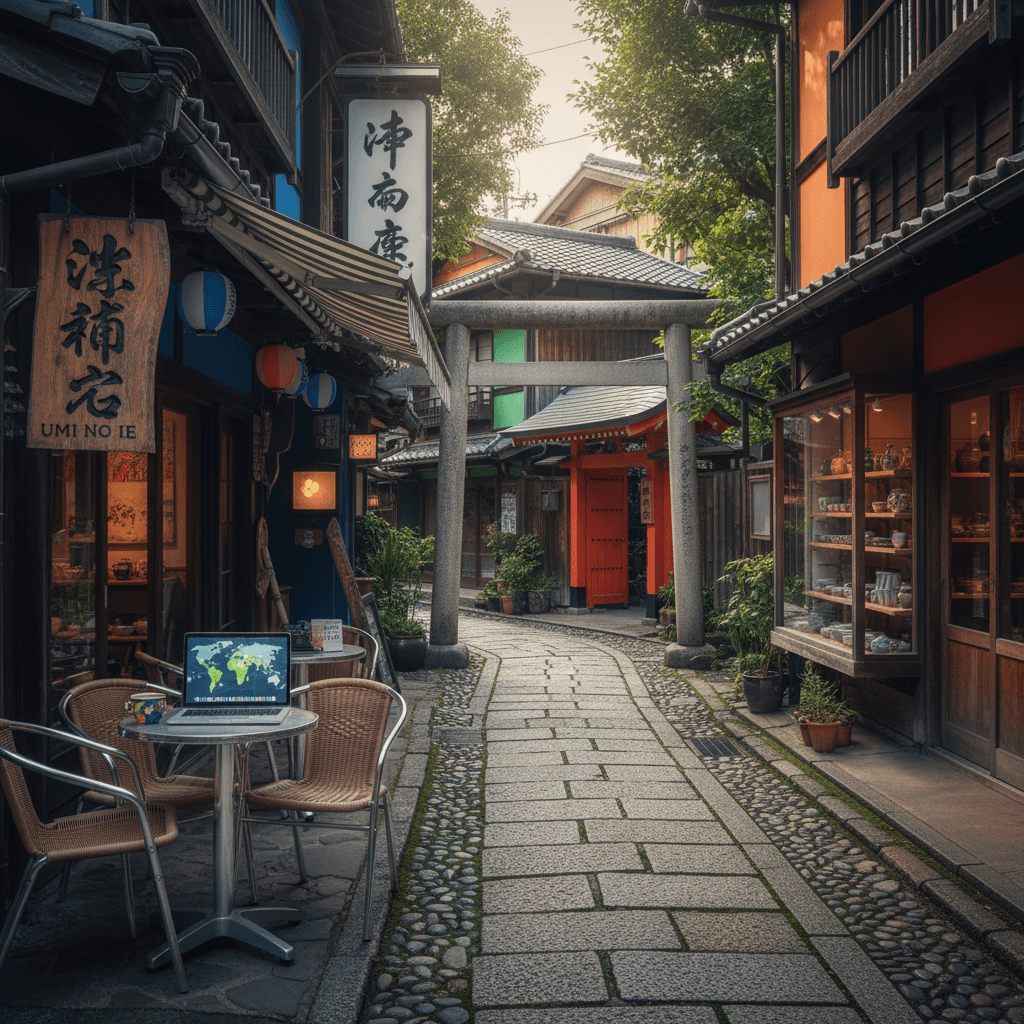
Kamakura
🇯🇵 Japan