Kratie
🇰🇭 Cambodia
The Pulse of the Mekong
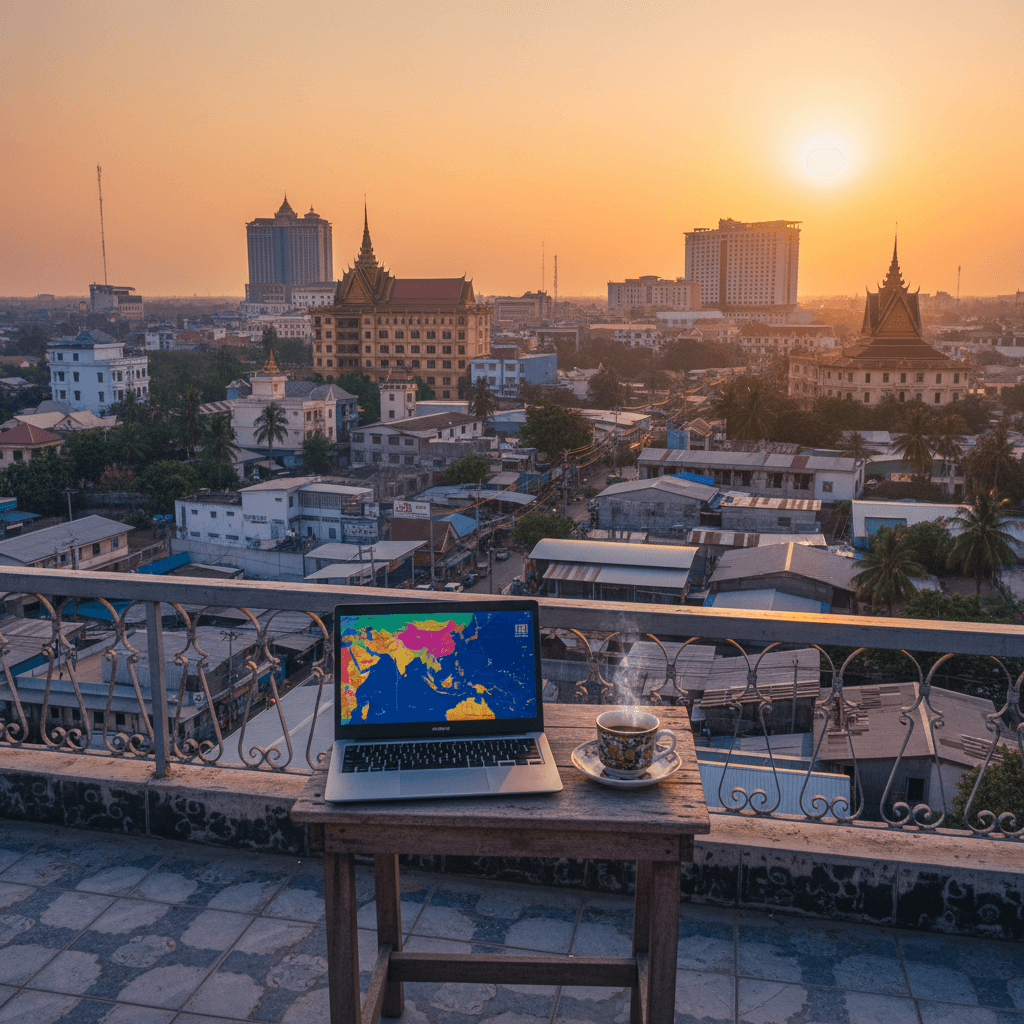
Kratie isn't your typical digital nomad hub. It has no high rises, no neon-lit coworking spaces, and definitely no rush. This is a sleepy riverside town where life revolves around the pulse of the Mekong River. It feels like a window into an older, slower Cambodia that most travelers miss while racing between Phnom Penh and Siem Reap. If you’re looking for a place to truly disconnect from the "grind" while staying productive, this is your spot.
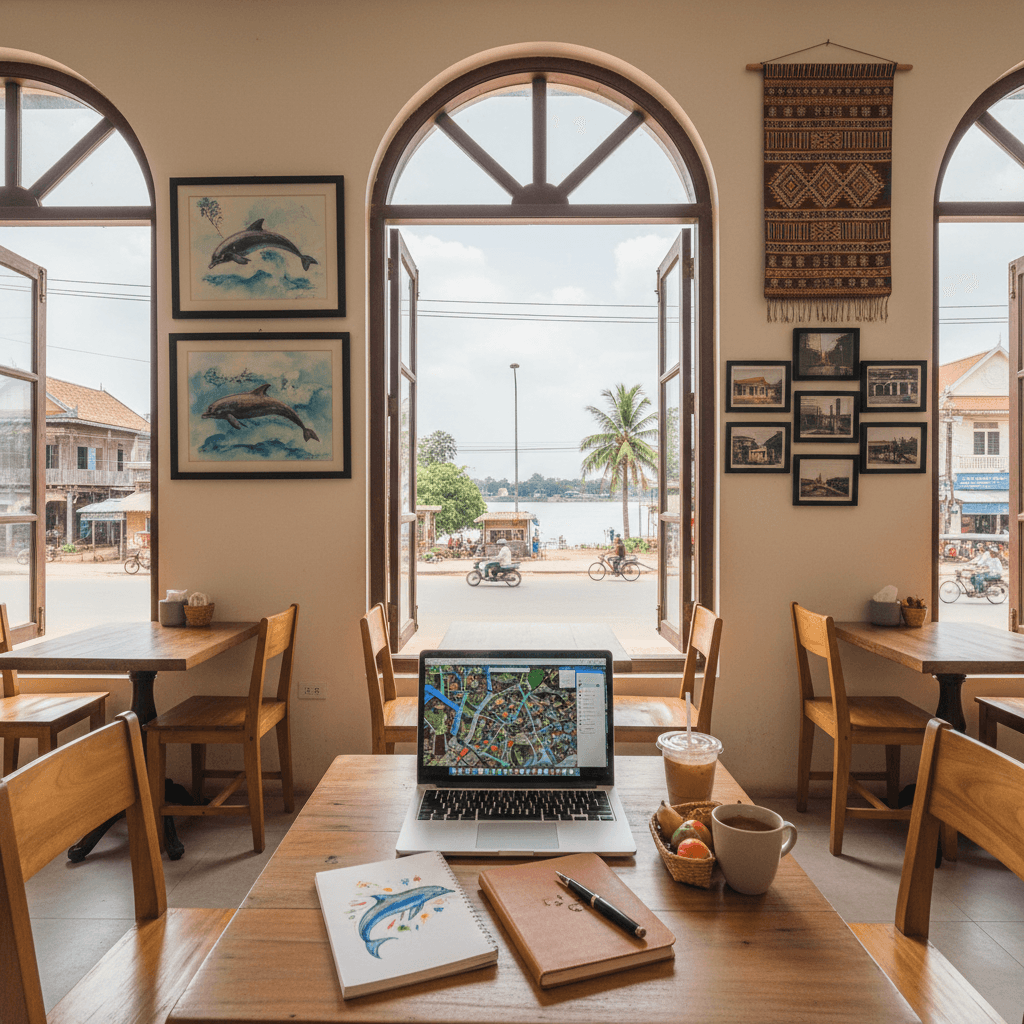
The vibe here is deeply authentic and unpretentious. Most nomads find themselves settling into a rhythm dictated by the sun. You’ll spend your mornings working from a riverside cafe, your afternoons cycling past pomelo orchards on Koh Trong Island, and your sunsets watching the sky turn purple over the water. It’s a place for nature lovers and adventure seekers who value quiet over nightlife.
Cost of Living
Kratie is one of the most affordable corners of Cambodia. You can live comfortably here on a fraction of what you’d spend in larger Southeast Asian hubs. Most budget nomads manage on $500 to $800 per month, while those seeking a more "cushy" lifestyle rarely break $1,200.
- Housing: A private room or studio in the town center typically costs between $150 and $300 per month. Nomad Guesthouse is a popular choice, with private rooms starting at $10 to $20 per night.
- Food: Local street food like noodle soup or fried rice will set you back $1 to $2. A solid mid-range meal at a traveler favorite like Sorya Cafe costs around $3 to $5.
- Transport: You can rent a bicycle for $1 to $2 a day or a motorbike for $5 to $10. The ferry to Koh Trong is just $1.
Where to Base Yourself
Because the town is compact, you don't have to worry about complex neighborhood dynamics. Most people stay in the town center to be near the amenities, but each area offers a different experience.
Kratie Town Center
- Best For: Nomads and solo travelers who need reliable access to cafes and the few expat-friendly spots in town.
- Pros: Everything is walkable. You’re close to the Mekong ferry, the local market, and spots like Sorya Cafe. It has a cozy, homey feel.
- Cons: Nightlife is almost non-existent beyond a few quiet beers by the river.
Koh Trong Island
- Best For: Nature lovers and those wanting a "digital detox" for a few days.
- Pros: A beautiful, car-free environment with traditional wooden houses and sandy paths. It’s incredibly peaceful.
- Cons: Internet is spotty or non-existent here. It’s better for a day trip or a weekend away from your laptop.
The Digital Nomad Reality
Let’s be real about the infrastructure. You won't find dedicated coworking spaces here. Instead, you'll be working from guesthouses or breezy cafes. Internet is generally reliable for daily tasks, with speeds between 10 and 50Mbps in town, but outages do happen every few weeks. Expats recommend grabbing a Cellcard SIM for $5 to $10 as a backup hotspot; the coverage is surprisingly strong in the town center.
The social scene is small. You won’t find organized networking events or "pitch nights." Instead, you’ll meet people while kayaking through the flooded forests to see the rare Irrawaddy dolphins or while sharing a meal at Smile Restaurant. It’s a community built on shared experiences in nature rather than professional networking.
Practical Logistics
Kratie is safe and welcoming, with very low crime rates. While English isn't widely spoken outside of the main guesthouses, a smile and a few Khmer phrases like "Susaday" (hello) go a long way. For getting around, PassApp and Grab work well for short tuk-tuk trips, though most things in the center are reachable on foot.
The best time to visit is the dry season from November to April. The weather is predictable, and the river is at its most beautiful. If you come during the height of the rainy season in September or October, be prepared for high humidity and occasional flooding in the outskirts. For banking, ATMs are available in town and accept Visa and Mastercard, but it’s always smart to keep some cash for the local markets.
The Bottom Line
Kratie is one of the most affordable corners of Cambodia. While digital nomads usually flock to Phnom Penh or Siem Reap, this riverside town offers a much slower pace for a fraction of the price. You can live comfortably here on a budget that would barely cover rent in a Western city. Most nomads find they spend between $500 and $800 per month for a basic lifestyle, while a more cushioned existence with private guesthouses and daily restaurant meals rarely exceeds $1,200.
Housing and Accommodation
You won't find high rise apartments or modern condos here. Instead, the rental market revolves around guesthouses that offer long stay discounts. Central Kratie town is the place to be if you need to stay connected. Locations like Nomad Guesthouse are popular because they understand the needs of remote workers, offering private rooms starting at $10 to $20 per night.
If you're staying for a month or more, skip the booking sites and talk to owners directly. You can often snag a decent 1BR setup for $150 to $300 per month. Just keep in mind that amenities are basic; you're paying for a bed, a fan or AC, and hopefully a decent desk, not a luxury suite.
Food and Drink
The cost of eating is remarkably low if you stick to local spots. Street food stalls serving up noodle soups or pork and rice will only set you back $1 to $2. Even at more established traveler favorites like Sorya Cafe, a solid meal usually lands between $3 and $5. If you want to splurge on the "upscale" side of things, expect to pay around $10 for a full dinner with drinks.
- Street food meal: $1 to $2
- Mid range restaurant dinner: $3 to $5
- Coffee at a cafe: $1.50 to $2.50
- Local beer: $0.50 to $1.50
Connectivity and Workspace
Since there are no dedicated coworking spaces in Kratie, your "office" will likely be a cafe or your guesthouse porch. Sorya Cafe is the unofficial hub for nomads thanks to its reliable WiFi and quiet atmosphere. Internet speeds usually hover between 10 and 50Mbps, which is plenty for video calls, though outages happen every few weeks.
Expats recommend getting a local SIM card immediately as a backup. Cellcard is the go to for the region. You can pick up a SIM with 10 to 20GB of data for about $5 to $10. Avoid trying to work from Koh Trong Island; while it's beautiful for a day trip, the signal is too spotty for anything professional.
Getting Around
The town center is compact enough to navigate on foot, but you'll want wheels to see the dolphins or visit the 100 Pillar Pagoda. Bicycles are a steal at $1 to $2 per day, and motorbikes go for $5 to $10. For longer trips or when the heat is too much, use the PassApp or Grab apps to hail a tuk tuk. Most short rides around town cost $1 to $2. If you're heading to the island, the ferry is just $1 per person.
Health and Practicalities
Kratie is safe, but the healthcare is very basic. Local pharmacies are fine for minor ailments and cheap antibiotics, but for anything serious, most travelers head to Phnom Penh or even across the border to Vietnam. For banking, stick to the ATMs in the town center that accept Visa and Mastercard. It's a cash heavy society, so always keep small bills on you for markets and transport.
For Nomads and Solo Travelers: Kratie Town Center
If you're coming to Kratie to work, you'll want to stay in the compact town center along the Mekong riverside. This isn't a city of sprawling districts; it's a tight-knit hub where everything you need is within a ten minute walk. Most nomads settle near the riverside because it's the only area with reliable enough infrastructure to handle a Zoom call or a heavy upload.
The vibe here is incredibly homey. You'll find a small community of travelers and a handful of expats congregating at Sorya Cafe. This is the unofficial headquarters for anyone with a laptop. The WiFi is the most stable in town, usually hitting speeds between 10 and 50Mbps, and the coffee is excellent. For a room, Nomad Guesthouse is the go-to spot. You can snag a private room for $10 to $20 a night, and they're often open to negotiating monthly stays between $150 and $300.
Living here means you're steps away from the ferry terminal and the central market. You can grab a bowl of noodle soup for $1 and spend your evenings watching the sunset over the Mekong with a $1 beer. Just keep in mind that the "nightlife" usually wraps up by 9:00 PM. It's quiet, safe, and perfect if you're looking to slash your burn rate while staying productive.
- Monthly Rent: $150 to $300
- Daily Food: $5 to $10
- Best for: Reliable WiFi, social atmosphere, and walkability.
For Families and Slow Travelers: Koh Trong Island
If your priority is peace rather than pings, take the $1 ferry across the river to Koh Trong. This island is a total escape from the already quiet mainland. There are no cars here, just a 9km circular path through pomelo plantations and traditional wooden stilt houses. It's a playground for kids and a sanctuary for anyone who wants to see the "real" Cambodia without the grit of a major city.
Families usually prefer this area for day trips or short stays in local homestays. It’s safe, the air is clean, and the local workshops offer a hands-on look at rural life. However, it’s not a place for a working nomad. The internet is spotty at best and nonexistent at worst. You'll spend your days cycling the island for $1 or $2 or lounging in a hammock. If you do stay overnight, expect to be woken up by roosters and the sound of the river.
- Transport: $1 ferry, $2 bike rental
- Atmosphere: Rural, car-free, and incredibly quiet.
- Best for: Nature lovers, families, and digital detoxing.
For Adventure Seekers: The Northern Outskirts
Travelers who want to be closer to the action of the 100-Pillar Pagoda (Wat Sorsor Muoy Roi) or the dolphin spotting sites often look toward the outskirts, specifically heading north toward Sam Bor District. This area is rugged and scenic, offering a front-row seat to the Mekong’s flooded forests. It's the best place to base yourself if you plan on spending every morning in a kayak looking for Irrawaddy dolphins.
Living out here requires a motorbike, which you can rent in town for $5 to $10 a day. You won't find many formal guesthouses, so it’s more about finding a local spot to hang your hat between excursions. Be warned that healthcare and English proficiency drop off significantly once you leave the town center. You'll also need a solid data plan from Cellcard, as fixed line internet is rare. Most expats recommend keeping a $10 SIM card loaded with 20GB of data as a backup for any outages, which happen every few weeks.
- Motorbike Rental: $5 to $10 per day
- Connectivity: Weak WiFi; requires a local SIM.
- Best for: Kayaking, photography, and temple exploration.
Practical Neighborhood Tips
- Getting Around: Use PassApp or Grab for quick trips around the town center. It’s usually $1 or $2 for a remorque (tuk-tuk) ride.
- Safety: Kratie is very safe, but the outskirts can be dark at night. Stick to the central riverside if you're walking alone after dinner.
- Banking: Stick to the town center for ATMs. Most take Visa and Mastercard, but it's always smart to have $20 or $50 in cash for the island or smaller stalls.
- Groceries: The central market is where you'll get the best prices on fruit and local staples. For anything "western," you'll likely have to wait until your next trip to Phnom Penh.
Connectivity Realities
Kratie isn't your typical digital nomad hub with high speed fiber at every corner. It's a place where you trade blazing fast speeds for Mekong views and a slower pulse. In town, you can expect reliable internet about 99% of the time, but the grid here is fragile. Power outages or local network blips happen every few weeks, so you'll need a solid backup plan if you're hopping on a client call.
Speeds in the central cafes and guesthouses generally hover between 10Mbps and 50Mbps. This is plenty for emails, Slack, and standard video calls, but don't expect to upload massive 4K video files without a bit of a wait. If you're planning to spend time on Koh Trong Island, forget about working from there. The connection is notoriously spotty and better suited for a digital detox than a deadline.
Best Spots to Log On
Since there are no dedicated coworking spaces in Kratie, the local cafe scene is your office. Most nomads gravitate toward the riverside where the breeze helps keep things cool. Sorya Cafe is the gold standard for remote work in town. It has reliable WiFi, plenty of power outlets, and a quiet atmosphere that doesn't mind if you linger over a $3 to $5 meal. The staff is used to travelers with laptops, and the view of the Mekong is hard to beat.
Nomad Guesthouse is another reliable base. While it functions primarily as an accommodation spot, the common areas are work friendly and the WiFi is some of the most consistent in the center. If you're staying there, private rooms start around $10 to $20 a night, making it an easy "live work" setup. Most other small cafes along the riverfront offer free WiFi with a coffee purchase, though they might lack the ergonomic seating you’d find in Phnom Penh.
The Backup Plan: SIM Cards
Because of those occasional outages, a local SIM card is mandatory. Expats and frequent travelers in Cambodia almost universally recommend Cellcard for this region. It has the strongest towers in eastern Cambodia and handles the transition from WiFi to data smoothly. You can pick up a SIM at small stalls in town or at the airport if you're coming from a larger city.
- Cellcard: Expect to pay $5 to $10 for a monthly plan that gives you 10GB to 20GB of data.
- Smart: A decent alternative, though coverage can dip once you head toward the 100 Pillar Pagoda or more remote outskirts.
- Top ups: You can easily add credit using the Wing Bank app or by buying scratch cards at any "hole in the wall" convenience store.
Digital Nomad Logistics
Living here is incredibly cheap, which offsets the lack of professional infrastructure. A budget of $500 to $800 a month covers a private room, plenty of street food at $1 to $2 per meal, and a bicycle rental for $1 a day. If you want a more comfortable lifestyle with air conditioning and frequent dinners at places like Sorya Cafe, you're still looking at less than $1,200 a month.
For banking and logistics, most nomads use Aba Bank or Wing for local transfers. ATMs are widespread in the town center and accept most international Visa and Mastercard tethered cards. If you need to get around quickly between work sessions, PassApp and Grab are the go to apps for hailing a cheap remorque, though in the town center, most things are reachable within a ten minute walk.
Keeping it Safe on the Mekong
Kratie is remarkably chill, even by Cambodian standards. Most travelers find the atmosphere here far more relaxed than the frantic energy of Phnom Penh or Siem Reap. Petty crime is rare, and the local community is generally protective of its reputation as a peaceful riverside retreat. You can walk the central riverfront area at night without much worry, though it's always smart to stay in well lit areas and keep your phone tucked away while walking.
The biggest safety concern for nomads isn't crime, but the roads. If you're renting a scooter for $5 to $10 a day to visit the 100 Pillar Pagoda or the dolphin habitats, be wary of the outskirts. Potholes and unpredictable livestock are common. Always wear a helmet, even if the locals don't. If you're heading out to the more remote Sam Bor District, try to wrap up your trip before sunset, as rural roads lack lighting and can get tricky after dark.
- Solo Travelers: You'll feel secure here. Stick to central guesthouses like Nomad Guesthouse where you can easily meet others.
- Night Safety: The town goes to sleep early. While it's safe, the lack of streetlights in residential alleys means you should stick to the main riverside strip after 9:00 PM.
- Emergency Contacts: Dial 117 for police, though you'll likely get a faster response by asking your guesthouse manager to call a local contact. For medical emergencies, use the national ambulance line at 1177.
Healthcare and Medical Realities
Kratie's medical infrastructure is basic. You'll find several pharmacies in the town center that stock common antibiotics, painkillers, and hydration salts at low prices. Most pharmacists speak enough English to help with minor ailments like "Mekong belly" or heat exhaustion. However, for anything beyond a routine checkup or a minor scrape, you'll need to look elsewhere.
The local hospital in the center of town is fine for stabilizing a situation, but it lacks the advanced diagnostic equipment found in the capital. Expats and long term nomads generally follow a simple rule: if it's serious, get to Phnom Penh. The drive takes about 6 to 7 hours, so having comprehensive travel insurance that covers medical evacuation is a must. If you're closer to the border, some travelers even prefer crossing into Vietnam for higher tier hospital care.
Staying Healthy in the Heat
The tropical humidity here can be brutal, especially during the peak of the dry season from March to April when temperatures hit 35°C. Dehydration is the most common health hurdle for nomads working out of cafes. Drink bottled or filtered water exclusively; tap water is a no go here. Most guesthouses provide large refillable jugs to cut down on plastic waste.
If you're spending the day kayaking the flooded forests or cycling around Koh Trong Island, pack high SPF sunscreen and mosquito repellent. While malaria isn't a massive concern in the town center, Dengue fever is present in eastern Cambodia. Using repellent during the day and ensuring your room has a mosquito net or solid screens will save you a lot of trouble.
Practical Health Checklist
- Local Clinics: Best for minor infections or flu symptoms. Expect to pay $10 to $20 for a consultation.
- Pharmacies: Clustered near the central market. Look for those with air conditioning, as heat can degrade certain medications.
- Vaccinations: Ensure your Hepatitis A and Typhoid shots are up to date before arriving, as these are the most common food and waterborne risks in rural areas.
- Insurance: Make sure your policy specifically covers motorbike accidents, as many standard plans have exclusions for two wheeled transport.
The Pace of the Mekong
Kratie is one of those rare places where your own two feet are often all the transport you need. The town center is incredibly compact, hugging the Mekong riverfront in a way that makes most guesthouses, cafes, and markets reachable within a ten minute stroll. Most nomads find the walkable layout a refreshing break from the traffic heavy streets of Phnom Penh.
When you want to venture further than the central market, bicycles are the local lifeblood. You can rent a basic cruiser from almost any guesthouse for $1 to $2 a day. It is the best way to explore the river road or take the ferry over to Koh Trong. If you are planning to head north to see the 100 Pillar Pagoda or the dolphin spotting sites in Kampi, you will want something with a bit more kick. Small motorbikes and scooters typically rent for $5 to $10 per day, though you should check the brakes and tires before heading out on the dusty provincial roads.
Apps and Hired Rides
While Kratie feels rural, Cambodia's digital shift has reached the riverside. You don't have to haggle on every street corner anymore because Tuk-tuks/remorques ($1-$2); ride-hailing apps like Grab/PassApp may work but confirm availability. They are reliable for short hops across town or getting your luggage to the bus station.
For longer excursions, like a trip to the Sam Bor District, you can negotiate a half day or full day rate with a driver. Expect to pay more for the convenience, but it is a safer bet if you aren't comfortable on a scooter. Most travelers recommend chatting with the staff at Nomad Guesthouse or Sorya Cafe to find a trusted driver who knows the river conditions and the best times for dolphin sightings.
Crossing to Koh Trong
The island of Koh Trong sits directly opposite the town and feels like stepping back twenty years in time. To get there, head to the wooden ferry pier near the jasmine hotel. The ferry is a local experience in itself, costing about $1 per person. If you are bringing a bicycle or a scooter, there is a small extra fee, but it is worth it to have your own wheels on the island's 9km loop trail. Just keep in mind the ferry stops running around sunset, so don't get stranded if you are enjoying the island's pomelo orchards.
Arrival and Departure
Getting to Kratie requires some patience since there is no active commercial airport nearby. Most people arrive via a 6 to 8 hour bus or minivan ride from Phnom Penh, which costs between $10 and $15. The roads have improved, but it is still a long haul. If you are coming from Siem Reap, you will likely transit through Kampong Cham.
- Minivans: Faster but often crowded; book via BookMeBus or CamboTicket for fixed prices.
- Large Buses: Slower but have more legroom and under bus storage for larger nomad gear.
- Private Cars: Can be arranged for around $60 to $100 if you want to skip the bus stations and go door to door.
Once you arrive at the bus station, which is slightly outside the main tourist strip, a $2 tuk tuk ride will get you to the riverside. From there, everything slows down to the pace of the river.
The Language Barrier
Kratie is a town where Khmer is the undisputed king. Unlike the tourist hubs of Siem Reap or Phnom Penh, English proficiency here is relatively low. You will find that staff at spots like Sorya Cafe or Nomad Guesthouse speak enough English to handle your room booking or a coffee order, but once you step into the local markets or head toward the Sam Bor District, communication becomes a game of gestures and smiles.
Most nomads find that locals are incredibly patient and friendly, even if they don't understand a word you are saying. It is a mellow environment where a lack of shared language doesn't lead to frustration, just a slower pace of interaction. If you are planning a long term stay, learning the basics of Khmer will go a long way in building rapport with the community.
Key Phrases to Know
While you can get by with pointing and nodding, knowing a few words in Khmer changes the vibe of your interactions. It shows respect and usually earns you a genuine smile. Start with these basics:
- Susaday: Hello (informal)
- Arkun: Thank you
- Chhnganh: Delicious (perfect for street food stalls)
- Som toh: Excuse me or sorry
- Neak chhlab chhouy pi som toap? How much?
Tech as Your Translator
Since English isn't widespread, you will want to lean on technology. Download the Khmer language pack on Google Translate for offline use. This is particularly helpful when you are on Koh Trong Island or visiting the 100-Pillar Pagoda, where cell service can be spotty and English speakers are rare.
For navigating and communicating with drivers, use Tuk-tuks or remorques, often $1 to $2; ride-hailing apps like Grab/PassApp if available. This ensures you are paying the fair local rate for a quick trip across town.
Connectivity and Staying Online
Communication isn't just about talking; it's about staying connected. While town cafes and guesthouses offer 10 to 50Mbps speeds, Kratie experiences total internet outages every few weeks. This makes a local SIM card a non negotiable requirement for anyone working remotely.
Expats recommend Cellcard for the best coverage in eastern Cambodia. You can pick up a SIM for about $5 to $10, which usually nets you 10GB to 20GB of data for the month. This backup is vital if you are planning to spend a day working from a riverside cafe or if the guesthouse WiFi decides to take a nap. Avoid trying to do any serious video calls from the islands; the signal over the water is notoriously weak.
Cultural Nuances in Communication
How you communicate non verbally is just as important as the words you use. Cambodians are generally soft spoken and value politeness. Raising your voice or showing outward frustration is considered a loss of face and won't get you anywhere. When bargaining at the market, keep it light and friendly; a $0.50 difference isn't worth a heated argument.
If you visit a pagoda or a local home, remember that communication also happens through your actions. Remove your shoes before entering and never touch anyone on the head, as it is considered the most sacred part of the body. These small gestures of respect speak louder than any phrasebook ever could.
The Sweet Spot: November to February
If you're planning a stint in Kratie, aim for the window between November and February. This is the peak of the dry season and, frankly, the only time the weather truly cooperates with the town's outdoor centric lifestyle. During these months, you can expect daytime temperatures to hover comfortably between 25°C and 30°C. The humidity drops significantly, making those long bike rides around Koh Trong Island or the 38km scooter trek to the 100 Pillar Pagoda much more manageable.
For digital nomads, this period offers the most stability. You won't have to worry about the sudden tropical deluges that can knock out the power or mess with the already temperamental WiFi. It's also the best time for dolphin spotting. As the Mekong's water levels drop, the Irrawaddy dolphins congregate in deeper pools like Kampi, making them much easier to see from a kayak or boat.
The Shoulder Season Heat: March to May
By March, the thermostat starts climbing. April is notoriously the hottest month in Cambodia, with temperatures often soaring past 35°C. While it remains dry, the heat can be oppressive if your guesthouse doesn't have strong air conditioning. Most expats in the region tend to lay low during the middle of the day, emerging only when the sun begins to dip over the Mekong. If you handle heat well, you'll find the town even quieter than usual, but be prepared to double your water intake and budget a bit more for electricity if you're running an AC unit all day.
The Monsoon Realities: June to October
The rainy season kicks off in May and peaks around September and October. This isn't just a light drizzle; we're talking about heavy, consistent downpours that can lead to localized flooding along the riverbanks. Temperatures stay warm, usually between 28°C and 33°C, but the humidity is intense. Travelers often find that rural roads become muddy and difficult to navigate on a scooter during this time.
- September and October: These are the wettest months. Expect frequent afternoon storms and potential transport delays between Kratie and Phnom Penh.
- River Activities: While the Mekong is impressive when it's high, the dolphins are harder to find in the vast, murky water, and kayaking tours through the Flooded Forest can be restricted for safety.
- Internet Stability: Heavy storms occasionally lead to power outages that can last a few hours. Always keep your Cellcard SIM topped up with at least 10GB to 20GB of data as a hotspot backup if you have deadlines.
Packing and Practicalities
Regardless of when you visit, the vibe in Kratie is casual but conservative. Even in the heat of March, you'll want light, breathable fabrics. If you're visiting in the "cool" months of December or January, bring a light hoodie or windbreaker. It can feel surprisingly brisk when you're on a boat at dawn or riding a motorbike back from the outskirts in the evening. During the monsoon, a high quality rain poncho is better than an umbrella, especially if you're relying on bicycle rentals to get around town.
Most long term visitors recommend checking the local lunar calendar if you're visiting in April. The Khmer New Year celebrations bring a lot of energy to the town, but prices for transport can spike and many local shops might close for a few days while families celebrate. For a working nomad, the quietest and most productive months are undoubtedly January and February, when the skies are blue and the river breeze provides a natural cooling system at riverside spots like Sorya Cafe.
Getting Connected and Setting Up Shop
Kratie isn't a tech hub, but you can definitely get work done if you're prepared. Most nomads stick to Sorya Cafe for the reliable WiFi and the river view. It is the unofficial headquarters for remote workers in town, and the staff won't mind if you stay for a few hours as long as you're ordering coffee or a $4 meal.
Internet outages happen every few weeks, so a backup plan is a must. Grab a Cellcard SIM card at a local stall for about $5 to $10, which gets you roughly 20GB of data. Avoid trying to work from Koh Trong island; the connection there is spotty at best and non existent at worst. Stick to the mainland for anything involving Zoom calls.
Cost of Living
Your dollar goes incredibly far here. It is easily one of the most affordable spots in Cambodia for a long stay. Most expats and long term travelers find they can live comfortably on $800 to $1,200 a month, while true budget hunters can scrape by on $500.
- Housing: A private room at a place like Nomad Guesthouse costs between $10 and $20 per night, but you can often negotiate a monthly rate between $150 and $300 if you're staying a while.
- Food: Local noodle soup or rice dishes at the market run about $1 to $2. A nice dinner at places like Sorya Cafe will be closer to $5.
- Transport: Renting a bicycle is only $1 or $2 a day. If you want more freedom, a motorbike rental costs about $5 to $10.
Navigation and Neighborhoods
Kratie is small enough that you don't really talk about neighborhoods. Everything happens in the Town Center along the riverside. This is where you'll find the guesthouses, the best cafes, and the ferry terminal. It is walkable, safe, and has a cozy, homey vibe that makes it easy to meet people.
Koh Trong is the island directly across the river. It is perfect for a day trip to see the rural side of Cambodia, but it isn't practical for a nomad base because of the lack of reliable internet and amenities. If you head north toward Sam Bor, the scenery gets even more rugged, but you'll definitely need a scooter to get back to civilization for supplies.
Logistics and Safety
Getting here usually involves a 6 to 8 hour bus ride from Phnom Penh, which costs about $10 to $15. Once you're in town, use PassApp or Grab to hail a tuk-tuk for short trips; it saves you the hassle of haggling over a $2 fare. For the ferry to the island, expect to pay $1 for yourself and a bike.
The town is very safe, and violent crime is rare. Just keep an eye on your belongings in the market and avoid dark, unlit paths on the outskirts late at night. For healthcare, there are basic pharmacies in the center for minor issues, but for anything serious, you'll want to head back to Phnom Penh. Most travelers recommend keeping a stash of basic meds on hand since specific brands can be hard to find.
Culture and Etiquette
The pace of life here is slow, and people appreciate it if you match that energy. English isn't widely spoken once you leave the main guesthouses, so download the Khmer offline pack on Google Translate. A simple Susaday (hello) or Arkun (thank you) goes a long way with the locals.
When visiting spots like the 100-Pillar Pagoda, remember to dress modestly and remove your shoes before entering. If you're heading out for a dolphin tour or a kayaking trip through the Flooded Forest, expect to pay around $20. These tours are the best way to socialize, as the expat scene is small and there isn't much of a nightlife scene beyond a few quiet beers by the river at sunset.
Need visa and immigration info for Cambodia?
🇰🇭 View Cambodia Country GuideHidden Gem
Worth the effort
Monthly Budget Estimates
More cities in Cambodia
Kep
🇰🇭 Cambodia
Sen Monorom
🇰🇭 Cambodia
Sihanoukville
🇰🇭 Cambodia