Krasnoyarsk
🇷🇺 Russia
The Siberian Powerhouse
Krasnoyarsk hits different than the typical European nomad hubs. It’s a city where brutalist Soviet architecture meets the wild, untamed taiga. You aren't coming here for a beach club or a high-speed fiber optic paradise. You come here for the grit, the dramatic landscape of the Yenisei River, and the chance to live in a legitimate Siberian center without the astronomical prices of Moscow.
The vibe is rugged but surprisingly cultured. One afternoon you're hiking between the ancient, gravity-defying volcanic pillars of Stolby National Park, and the next you're watching a world class performance at the Krasnoyarsk State Opera and Ballet Theatre. It’s a place for nomads who actually like the cold, or at least respect it. With winter temperatures often hovering around -4°C and dropping much lower, the city has a cozy, indoor-focused social life during the dark months.
Living Costs & Logistics
Your money goes a long way here. Most nomads can live quite well on a budget of around $900 per month. While the infrastructure isn't as polished as Western Europe, the affordability makes up for the rough edges. You'll want to use Yandex GO for every ride; it’s the local lifeline and incredibly cheap. For navigation, stick to Yandex Maps because Google often gets confused by the local side streets.
- Budget Lifestyle: $1,200 to $1,800 per month. This covers a basic flat and plenty of local pelmeni.
- Mid-range Comfort: $1,800 to $2,500 per month. This gets you a modern apartment in the center and frequent dining out.
- High-end Living: $2,500+ per month. You'll be living in the best available housing near the river with zero budget stress.
Where to Plant Your Flag
Choosing the right neighborhood is the difference between feeling like a local and feeling stranded. Most nomads gravitate toward the City Centre, specifically the area surrounding 350-Year Anniversary Square. It’s the most walkable part of town and keeps you close to the best coffee shops and the regional museum.
Krasnoyarsk City Centre
- Rent: $600 to $900 for a solid mid-range apartment.
- Vibe: Urban, walkable, and close to the theater district.
- Cons: It’s noisier and the most expensive area in the city.
Siberian Federal University Area
- Rent: $400 to $600 for a student-style studio.
- Vibe: Academic and green. You’re right next to the forest.
- Cons: It’s a trek to get to the nightlife or central coworking spots.
The Digital Nomad Reality Check
Let’s talk about the elephant in the room: the internet. At an average of 14 Mbps, it’s slow. If your job involves uploading massive 4K video files daily, you’re going to struggle. Most remote workers rely on local SIM cards with cheap data plans and a very reliable VPN, which is mandatory for accessing most Western sites and social media. You won't find a massive "nomad scene" here, so be prepared to mingle with locals and use translation apps frequently, as English isn't widely spoken outside of younger circles.
For food, you'll be eating well. Street food like savory pastries will only set you back $3 to $5, while a nice sit-down dinner with Siberian specialties usually costs between $10 and $15. If you’re looking to meet people, skip the apps and head to the trails at Stolby or the local cafes near the university. People are generally curious about foreigners and, once the initial Siberian frost melts, incredibly hospitable.
Practical Survival
Before you land, make sure you have Aviasales for flight bookings and Ostrovok.ru for your accommodation, as these platforms are the most reliable for the region. Since foreign bank cards can be hit or miss, having these apps set up is a lifesaver. It’s a raw, authentic experience that rewards the patient traveler who doesn't mind a bit of a challenge in exchange for some of the most stunning natural scenery in Russia.
The Nomad Bottom Line
Krasnoyarsk is one of those places where your dollar, or ruble, stretches surprisingly far. It's a rugged, deep-Siberian experience that doesn't demand a massive budget. Most digital nomads find they can live comfortably here for around $1,582 per month. If you're coming from Western Europe or the US, the cost of daily life feels incredibly low, though you'll trade some modern conveniences and high-speed internet for that affordability.
Monthly Budget Tiers
- Budget ($1,200 to $1,800): This covers a modest studio outside the immediate center, plenty of local street food like pelmeni, and reliance on the city's extensive bus network.
- Mid-Range ($1,800 to $2,500): You'll land a nicer apartment in the City Centre, eat out at mid-range spots regularly, and use Yandex GO for most of your trips around town.
- Comfortable ($2,500+): At this level, you're looking at premium housing near the 350-Year Anniversary Square, frequent fine dining, and weekend guided trips to Stolby National Park.
Housing and Neighborhoods
Finding a place usually happens through ostrovok.ru since it's one of the few platforms reliably handling foreign cards and local listings right now. Prices fluctuate based on how close you are to the Yenisei River.
Krasnoyarsk City Centre
- Rent: $400 to $600 for a solid one-bedroom.
- Vibe: This is the heartbeat of the city. You're within walking distance of the Krasnoyarsk State Opera and Ballet Theatre and the best coffee shops.
- Pros: Most walkable area; best access to English-speaking pockets.
- Cons: Higher noise levels and the most expensive rent in the region.
Siberian Federal University Area
- Rent: $400 to $600 for a decent apartment.
- Vibe: Academic and green. It's surrounded by forests, giving it a much fresher feel than the industrial parts of the city.
- Pros: Very affordable; great for those who want to be near nature trails.
- Cons: It's a trek to get to the central nightlife or the major museums.
Food and Connectivity
Eating is a highlight here if you like hearty, soul-warming food. A quick meal of street food or a local canteen run will set you back about $3 to $5. If you're heading out for a nice sit-down dinner with drinks, expect to pay between $10 and $15. Upscale dining exists, particularly near the major hotels, where bills can top $30.
The biggest hurdle for remote work isn't the cost, it's the speed. Average internet speeds hover around 14 Mbps. While you won't find a massive list of dedicated coworking spaces, the local cafe culture is welcoming. Just make sure you have a VPN installed before you arrive; it's mandatory for accessing many western sites and staying secure on public Wi-Fi. Pick up a local SIM card immediately for cheap data, as it's much more reliable than hotel routers.
Getting Around
Don't bother with traditional taxis. Download Yandex GO for ride-hailing and Yandex Maps for getting around. The maps are far more detailed for Siberia than Google Maps. Airport transfers are affordable via the app, and the city center is manageable on foot during the milder months. If you're here in the winter, when temperatures hit -4°C or much lower, you'll be thankful for how cheap the heated car rides are.
For Digital Nomads: Krasnoyarsk City Centre
If you're coming here to work, the City Centre is really your only viable home base. It's the most walkable part of the city and puts you within reach of the best cafes when the 14 Mbps home internet speeds start to lag. You'll want to stay near 350-Year Anniversary Square to be in the thick of things. It's close to the Krasnoyarsk State Opera and Ballet Theatre, which serves as a landmark for the neighborhood's social scene.
Most nomads use Ostrovok to find apartments here since it plays nice with foreign cards. Expect to pay a premium for the location, but the convenience of having Yandex Go drivers around every corner makes up for it. While there aren't many dedicated coworking hubs, the local coffee culture is strong. You can set up shop in central cafes for the price of a $4 latte, though a VPN is a non-negotiable requirement for any public network.
- Estimated Rent: $600 to $900 for a mid-range studio
- Vibe: Urban, cultural, and the most English-friendly
- Top Perk: Best access to gyms, grocery stores, and the few people who speak conversational English
For Solo Travelers and Nature Lovers: Roev Ruchey & Stolby Perimeter
If you're in Krasnoyarsk more for the "Nomad" and less for the "Digital," look toward the southern edges near the Roev Ruchey Zoo. This area acts as a gateway to Stolby National Park. It's much quieter than the center and feels more like a mountain retreat than a Siberian industrial hub. You'll be trading late-night bars for early morning trailheads and dramatic rock formations.
Solo travelers often prefer this area during the warmer months of June through August. It's easier to meet people on the hiking trails than in the city's formal restaurants. Just keep in mind that you'll be relying heavily on Yandex Maps to navigate the bus routes back to the center, as it's a bit of a trek for a casual dinner.
- Estimated Rent: $400 to $600 for basic apartments
- Vibe: Rustic, quiet, and outdoorsy
- Top Perk: Immediate access to the city's best hiking and fresh air
For Expats and Long-Termers: Siberian Federal University District
Expats who are sticking around for a full season often gravitate toward the district surrounding the Siberian Federal University. It has a distinct campus energy that feels a bit more modern and academic. Because of the student population, prices for street food like pelmeni stay low, usually around $3 to $5 per serving. It's a green neighborhood with plenty of forested patches that make the long Siberian winters feel a bit less grey.
The infrastructure here is solid, though you'll find fewer upscale dining options than in the City Centre. It's a great spot if you want a local experience without the high price tag of the central business district. You'll definitely need a translation app to get by here, as English proficiency drops off significantly once you leave the main tourist plazas.
- Estimated Rent: $500 to $750 for a comfortable one-bedroom
- Vibe: Intellectual, green, and budget-friendly
- Top Perk: More space for your money and a younger, local crowd
Local Logistics and Costs
Regardless of where you land, your monthly burn will likely hover around $1,582 if you're living a typical nomad lifestyle. Transport is one of your smallest expenses; Yandex Go is incredibly affordable for cross-town trips. For food, a mix of cooking at home and hitting mid-range spots will set you back about $15 per meal when dining out. If you're planning a stay, aim for the summer window to avoid the -4°C temperatures that define the winter months.
Connectivity in the Wild
Krasnoyarsk is a city of contrasts where the digital infrastructure is surprisingly robust. If your work involves heavy video editing or massive file transfers, you'll find the local infrastructure well-equipped for the task. The average connection is around 100 Mbps or higher, which is plenty for Slack, emails, and high-definition video calls. Most nomads still rely on their smartphone hotspots as a backup because mobile data is incredibly cheap and serves as a reliable secondary option.
Public Wi-Fi is available in many central spots, but it comes with a caveat. You'll often need a Russian phone number to authenticate via SMS, and security can be an issue. Expats in the city strongly recommend using a high quality VPN at all times. This isn't just for security; it's also necessary to access many international sites and services that are otherwise blocked within the country.
Coworking and Work Friendly Cafes
While Krasnoyarsk doesn't have the massive coworking franchises you'll see in Europe, there is a growing culture of flexible workspaces. You can expect to pay around $150 to $250 per month for a dedicated desk in a local hub. These spaces are mostly concentrated in the Krasnoyarsk City Centre near 350-Year Anniversary Square. They offer a stable connection and provide a much needed social link to the local tech community.
If you prefer a more casual vibe, the city's cafe culture is surprisingly robust. Many spots near the Siberian Federal University campus are accustomed to students and remote workers lingering over a laptop. You'll find that as long as you keep the coffee and pelmeni orders coming, most staff won't mind you staying for a few hours. Just remember that English proficiency is low, so having a translation app ready on your phone is a lifesaver when asking for the Wi-Fi password.
Mobile Data and Essential Apps
The first thing you should do after landing is pick up a local SIM card. Providers like MTS, Megafon, and Beeline offer massive data packages for what feels like pocket change to most Western travelers. You can usually find a kiosk at the airport or in any shopping mall in the center. Make sure your phone is unlocked before you arrive.
To navigate the city effectively, you'll need a specific toolkit of apps. Forget Google Maps; Yandex Maps is far more accurate for local bus routes and finding specific building entrances. For getting around, Yandex GO is the local version of Uber and is incredibly affordable. For booking your stay, ostrovok.ru is the go to platform since it accepts many foreign cards that other Russian sites might reject.
- Average Internet Speed: 100 Mbps or higher
- Monthly Coworking Cost: $150 to $250
- Mobile Data: Very cheap, widely available
- Essential Tools: VPN, Yandex Maps, Yandex GO, Translation apps
Practical Tips for Remote Workers
Since the winters are notoriously harsh, often reaching -4°C even in the "shoulder" months and dropping much lower in deep winter, your choice of neighborhood is vital. Staying in the City Centre means you can walk to most cafes and workspaces without a twenty minute trek through the snow. Most nomads find that the convenience of being near the Opera and Ballet Theatre outweighs the slightly higher rent prices, which typically range from $600 to $900 for a mid range apartment.
If you find the internet in your rental is lagging, check the router. Many older apartments have outdated hardware, and sometimes simply buying a cheap new router at a local electronics shop can improve your usable speed. It's a small investment for a much smoother work week in the heart of Siberia.
Staying Safe in the Siberian Heart
Krasnoyarsk is generally a safe place for foreigners, especially if you stick to the well lit areas of the City Centre near 350-Year Anniversary Square. Residents are often reserved but helpful, and the city doesn't have the high pressure atmosphere of Moscow. While violent crime targeting tourists is rare, you should keep your wits about you after dark in industrial outskirts or poorly lit courtyards.
The biggest security threat isn't on the street; it's digital. Public Wi-Fi networks in cafes and parks are notorious for hacking risks. Most digital nomads here insist on using a VPN and avoided unsecured connections entirely. Since the internet speeds are already modest at around 14 Mbps, a reliable VPN is your best friend for both security and accessing blocked services. Also, make sure you have Yandex Maps and Yandex GO installed. They are far more accurate for navigating the city and calling safe, tracked rides than relying on street hails or other apps.
Healthcare and Medical Services
If you need medical attention, Krasnoyarsk has a solid network of hospitals and specialized clinics. Quality varies between public and private facilities; most expats and nomads prefer private clinics where you're more likely to find English speaking staff, though even there, a translation app is usually necessary. Pharmacies, marked with a green cross, are everywhere and many operate 24/7.
- Emergency Services: Dial 112 for general emergencies or 103 for an ambulance.
- Pharmacies: High availability for standard meds, but bring your own specific prescriptions.
- Payment: Expect to pay for private consultations upfront. Check with your insurance provider about reimbursement before you go.
Nature Safety at Stolby
Since the Stolby National Park is the main draw here, you have to take nature safety seriously. The rock formations are stunning, but they can be dangerous for the inexperienced. Every year, "Stolbists" (local climbers) have to help visitors who get stuck or injured. If you aren't an expert climber, stick to the marked trails and don't attempt to scale the pillars without a guide from SibTourGuide.
Weather is another health factor. With temperatures hitting -4°C and dropping much lower in the peak of winter, frostbite is a legitimate concern. Locals don't mess around with the cold; they dress in heavy layers and limit outdoor time when the wind picks up. If you're visiting between December and February, invest in high quality thermal gear or you'll be spending your entire trip indoors.
Practical Checklist
- Water: It is generally better to stick to bottled or filtered water for drinking.
- Connectivity: Buy a local SIM card immediately for cheap data. It's safer than using public hotspots.
- Navigation: Always have your accommodation address written in Russian on your phone or a piece of paper.
Getting Around the Yenisei Capital
Krasnoyarsk is a massive Siberian hub, but getting from point A to point B is surprisingly straightforward if you have the right apps installed. The city layout is dominated by the Yenisei River, which splits the industrial areas from the more walkable, historic districts. While the public transit system is extensive, most nomads find themselves alternating between walking the central grid and relying on the convenience of digital ride hailing.
The Digital Toolkit
If you try to use Google Maps here, you will likely end up frustrated. It lacks the granular detail of local bus routes and building entrances. Instead, download Yandex Maps. It is the gold standard for navigation in Russia, showing real time locations of buses and even which door to enter for a specific office or cafe. For moving around without the language barrier, Yandex GO is your best friend. It functions exactly like Uber and is incredibly affordable. You can summon a car to your exact location, see the price upfront, and avoid the headache of haggling with street taxis.
- Yandex GO: Essential for ride hailing and food delivery.
- Yandex Maps: The most accurate way to find bus stops and walking paths.
- Aviasales: Use this for booking domestic flights if you are planning to head further into Siberia.
Public Transit and Walking
The Krasnoyarsk City Centre is remarkably walkable, especially around 350-Year Anniversary Square and the theater district. Most of your daily needs, from grocery stores to the Krasnoyarsk State Opera and Ballet Theatre, are within a twenty minute stroll. When the weather turns cold, the local buses and trolleybuses provide a warm, cheap alternative. Rides typically cost less than a dollar, and you can pay with a contactless card or cash to the conductor on board.
Airport Transfers
Krasnoyarsk International Airport is located about thirty kilometers outside the city. While there are buses, they can be a bit of a trek with heavy luggage. Most travelers recommend just booking a Yandex GO car upon arrival. The ride usually takes about 40-60 minutes depending on traffic and will cost you significantly less than a typical airport transfer in Europe or North America. If you are staying in the center, expect a smooth ride straight to your doorstep.
Exploring Beyond the City
If you are heading out to Stolby National Park to see the rock formations, you will need a bit more planning. You can take a city bus to the edge of the park, but from there, it is all on foot. For river trips along the Yenisei, SibTourGuide is a popular choice for arranging boat excursions. While the city doesn't have a massive bike sharing culture yet, the central parks are easy to navigate on foot, and you will see plenty of locals trekking through the snow even in the dead of winter. Just make sure you have a VPN active on your phone to keep your navigation apps and data secure while using public networks.
The Russian Reality
In Krasnoyarsk, Russian isn't just the official language; it's the only one you'll hear in 95 percent of your daily interactions. Unlike Moscow or St. Petersburg, where younger crowds in specialty coffee shops might switch to English to help you out, central Siberia remains firmly monolingual. You'll find that while locals are often curious about foreigners, their ability to communicate in English is usually limited to very basic school level phrases.
Most nomads find that the language barrier is the single biggest hurdle to feeling settled here. Signage at the Krasnoyarsk Regional Museum or the State Opera and Ballet Theatre might have English subtitles, but the grocery store, the pharmacy, and the bus driver definitely won't. If you don't speak Russian, your phone is going to be your best friend and your primary translator.
Digital Survival Tools
Since English proficiency is low, you need a solid tech stack before you land. Download the offline Russian dictionary on Google Translate or Yandex Translate immediately. The camera translation feature is a lifesaver for reading menus at local spots or figuring out what kind of milk you're buying at the supermarket.
- Yandex Maps: This is far more accurate than Google Maps for Krasnoyarsk. It shows real time bus locations and precise building entrances, which is vital when it's -4°C and you don't want to be wandering around looking for a door.
- Yandex GO: Don't try to hail a cab on the street or explain your destination in broken Russian. Use the app; it handles the location and payment so you don't have to say a word.
- VPN: Many Western sites and social platforms are blocked. You'll need a reliable VPN to stay connected to your usual work tools and home networks.
Key Phrases for Your Pocket
Learning the Cyrillic alphabet is a weekend project that pays massive dividends. Even if you can't speak the language, being able to phoneticize signs for "Pharmacy" (Аптека) or "Market" (Рынок) makes the city feel much less intimidating. Locals really appreciate it when you try, even if you stumble. A simple "Zdravstvuyte" (Hello) or "Spasibo" (Thank you) goes a long way when you're grabbing $5 street food near 350-Year Anniversary Square.
Expats recommend keeping a few phrases ready for the service industry. "Ya ne govoryu po-russki" (I don't speak Russian) is your primary shield. "Gde tualet?" (Where is the bathroom?) and "Schyot, pozhaluysta" (The bill, please) are the other two you'll use daily. For everything else, pointing and smiling works surprisingly well in Siberia.
The Social Connection
Socializing can be tough if you're looking for a dedicated expat bubble. Krasnoyarsk doesn't have the massive nomad meetups you'd find in Bali or Lisbon. Instead, digital nomads usually meet people through shared interests. The hiking trails at Stolby National Park are a great place to start; hikers are generally friendly and some of the younger outdoor enthusiasts might speak enough English to strike up a conversation.
If you're planning to stay for more than a month, consider hiring a local tutor for a few hours a week. It’s an affordable way to learn the nuances of the city and get a "human" translation of how things work. Expect to pay around $10 to $30 per hour for private lessons, which is a small price to pay for breaking out of the "tourist" bubble and actually understanding the Siberian vibe around you.
The Siberian Shift: What to Expect
Krasnoyarsk is a city of dramatic swings. Living here means embracing an extreme continental climate where the environment dictates your daily schedule. You aren't just checking the weather for outfit choices; you're checking it to see if the Stolby National Park trails are accessible or if you should hunker down in a coffee shop with a hot plate of pelmeni.
The city's rhythm is defined by the Yenisei River, which famously doesn't freeze in the city center due to the local hydroelectric dam. This creates a surreal winter mist, but don't let the open water fool you. It gets properly cold here, and the transition between seasons happens fast.
Summer: The Goldilocks Zone (June to August)
If you're planning a stint as a nomad in Siberia, this is your window. June, July, and August bring mild to warm temperatures that make the city's walkability a reality. This is when the City Centre truly wakes up. You'll find locals and the small expat community hanging out around 350-Year Anniversary Square or catching performances at the Krasnoyarsk State Opera and Ballet Theatre.
- Pros: Long daylight hours, perfect hiking conditions for the rock formations at Stolby, and active outdoor cafe culture.
- Cons: This is the rainy season. Expect sudden downpours, so keep a waterproof shell in your pack.
- Nomad Tip: Most travelers use Yandex Maps to track bus routes during summer showers; it's significantly more accurate than Google in this part of the world.
Winter: The Hardcore Experience (November to March)
Winter in Krasnoyarsk isn't for the faint of heart. Temperatures frequently sit well below freezing, with winter averages around -15°C and dipping much lower in January. The air is crisp, the snow is dry, and the city takes on a rugged, cinematic quality. While the cold is a deterrent for some, others find the affordable monthly cost of living easier to justify when they're spending most of their time inside working.
Be aware that the cold affects infrastructure. Internet speeds can feel even more sluggish when everyone is indoors streaming. If you're here in the winter, prioritize a central apartment near 350-Year Anniversary Square so you're never more than a five minute walk from a grocery store or a pharmacy.
The Shoulder Seasons
Spring (April to May) and Autumn (September to October) are short and unpredictable. September can be beautiful with the changing leaves in the forests near Siberian Federal University, but by October, the first snow usually makes an appearance. April is often muddy as the Siberian taiga thaws, a period locals call the rasputitsa. It's not the most photogenic time to visit, but rent prices can sometimes be more negotiable during these off-peak months.
Best Time for Digital Nomads
For the best balance of lifestyle and productivity, aim for July and August. You get the best of the Siberian nature without the gear-heavy requirements of a deep freeze. If you're coming for the winter sports or the specific "Siberian aesthetic," February is a solid choice because the days are starting to lengthen, even if the mercury remains low. Just remember that regardless of the month, you'll want to have Yandex GO installed for quick rides when the weather turns, as it's the most reliable way to get around when you don't want to brave the elements on foot.
Getting Settled and Staying Connected
Krasnoyarsk is an affordable Siberian hub, but it requires some technical prep before you land. Most nomads find that a VPN is their most important tool here, as many international sites are restricted. For your phone, skip the international roaming and grab a local SIM card at the airport or a shop in the city center. Data is incredibly cheap compared to Western Europe or the US, though you'll need your passport to register the line.
The internet situation is a bit of a mixed bag. With an average speed of 14 Mbps, you might struggle with heavy video editing or massive file uploads. Most cafes in the City Centre have Wi-Fi, but it's often unsecured. For a more stable setup, look for apartments with dedicated fiber lines or head to the libraries near Siberian Federal University. If you're booking accommodation, ostrovok.ru is the go-to platform since it consistently accepts foreign cards for local stays.
Cost of Living
Your budget will go surprisingly far here, especially if you're earning in USD or Euros. A comfortable lifestyle usually sits around $1,582 per month, though you can live on much less if you lean into the local lifestyle. Here is how the monthly tiers generally break down:
- Budget ($1,200 to $1,800): You'll stay in a modest studio outside the center, eat local pelmeni and street food for $3 to $5, and rely on public buses.
- Mid-range ($1,800 to $2,500): A nice 1BR near 350-Year Anniversary Square, regular dinners at mid-range spots for $15, and frequent taxi rides.
- Comfortable ($2,500+): High-end apartments, private tours to Stolby National Park, and upscale dining where meals start at $30.
Navigation and Transport
Forget Google Maps; it won't give you the accuracy you need in Siberia. Download Yandex Maps for walking and bus routes, and Yandex GO for ride-hailing. Taxis are very affordable, and the app allows you to see the price upfront, which avoids any language barriers with drivers. The City Centre is quite walkable, especially around the Krasnoyarsk State Opera and Ballet Theatre, but for anything further out, the bus system is extensive and costs pennies.
Neighborhood Guide
Choosing where to stay depends on whether you want culture or quiet. Most nomads gravitate toward the center to be near the action.
Krasnoyarsk City Centre
- Rent: $600 to $900 for a mid-range apartment.
- Vibe: Best for walkability and access to the best cafes and museums.
- Pros: You are steps away from the river and the main cultural sites.
- Cons: It gets loud and is the most expensive part of town.
Siberian Federal University Area
- Rent: $400 to $600 for a budget-friendly flat.
- Vibe: Academic and green, surrounded by birch forests.
- Pros: Very quiet and great for those who enjoy morning runs in nature.
- Cons: It is a significant commute to the nightlife in the center.
Language and Social Life
English levels are low, so keep a translation app on your home screen. Learning the Cyrillic alphabet will make your life significantly easier when trying to read street signs or menus. While there isn't a massive nomad scene like in Bali or Lisbon, you'll find people are curious and friendly. The best way to meet locals is through outdoor activities. Joining a hiking group for a day trip to Stolby National Park or a boat tour with SibTourGuide is a much better social strategy than looking for digital nomad meetups.
Weather Realities
The Siberian winter is no joke. If you visit between December and February, expect temperatures to stay well below freezing. Currently, it's hovering around -4°C, which locals consider quite mild. The best window for a visit is June through August, when the parks are lush and the weather is perfect for exploring the rock formations at Stolby. If you do come in winter, invest in high-quality thermal layers and a heavy down coat; you won't last ten minutes in a standard autumn jacket.
Need visa and immigration info for Russia?
🇷🇺 View Russia Country GuideOff the Radar
Pioneer territory
Monthly Budget Estimates
More cities in Russia
Chelyabinsk
🇷🇺 Russia
Kazan
🇷🇺 Russia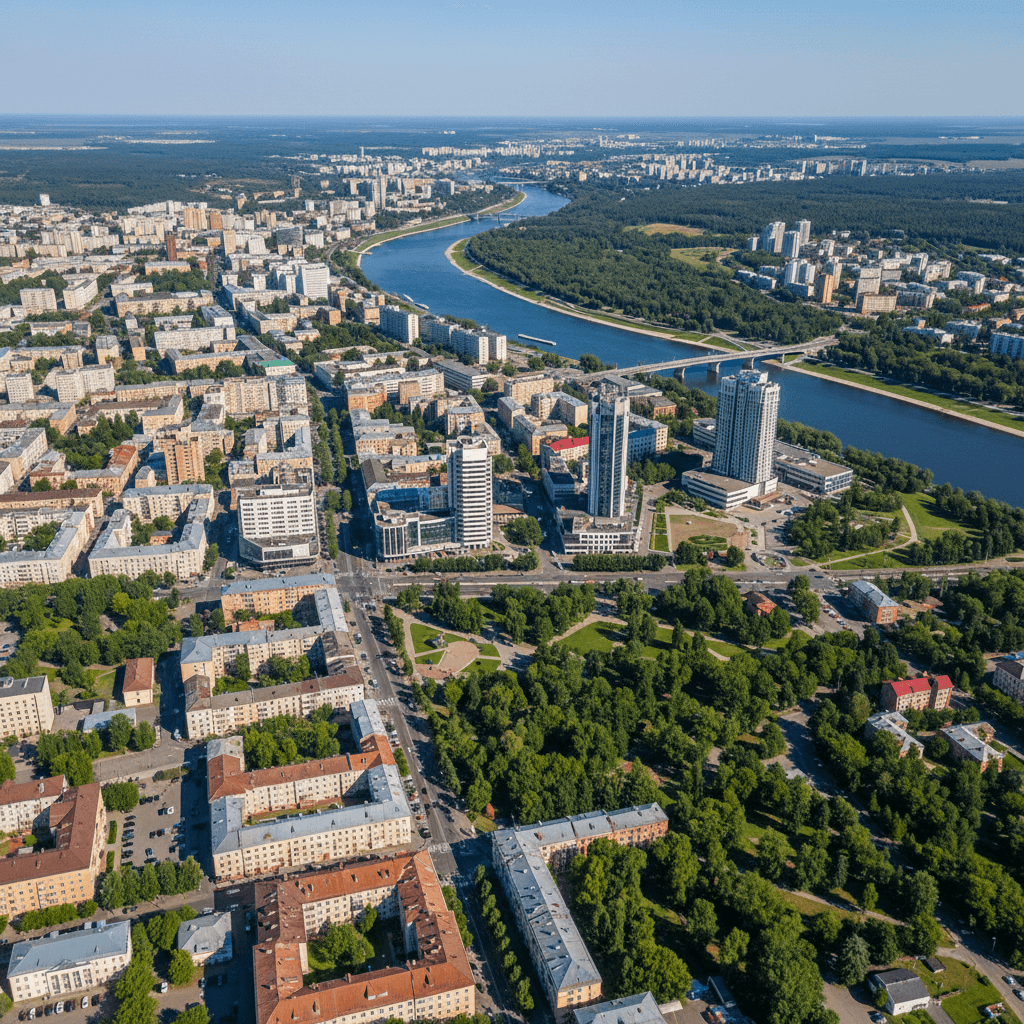
Perm
🇷🇺 Russia