Konya
🇹🇷 Turkey
The Spiritual Heart with a Modern Pulse
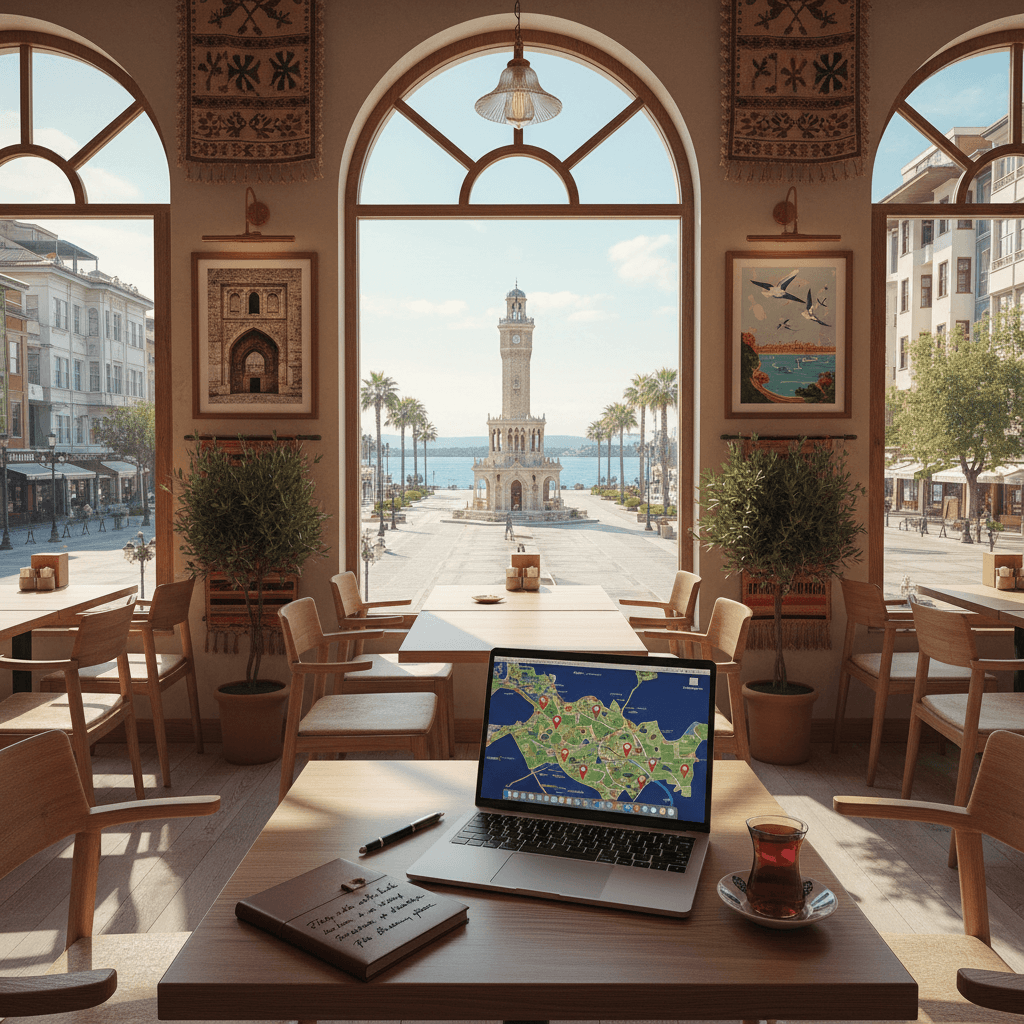
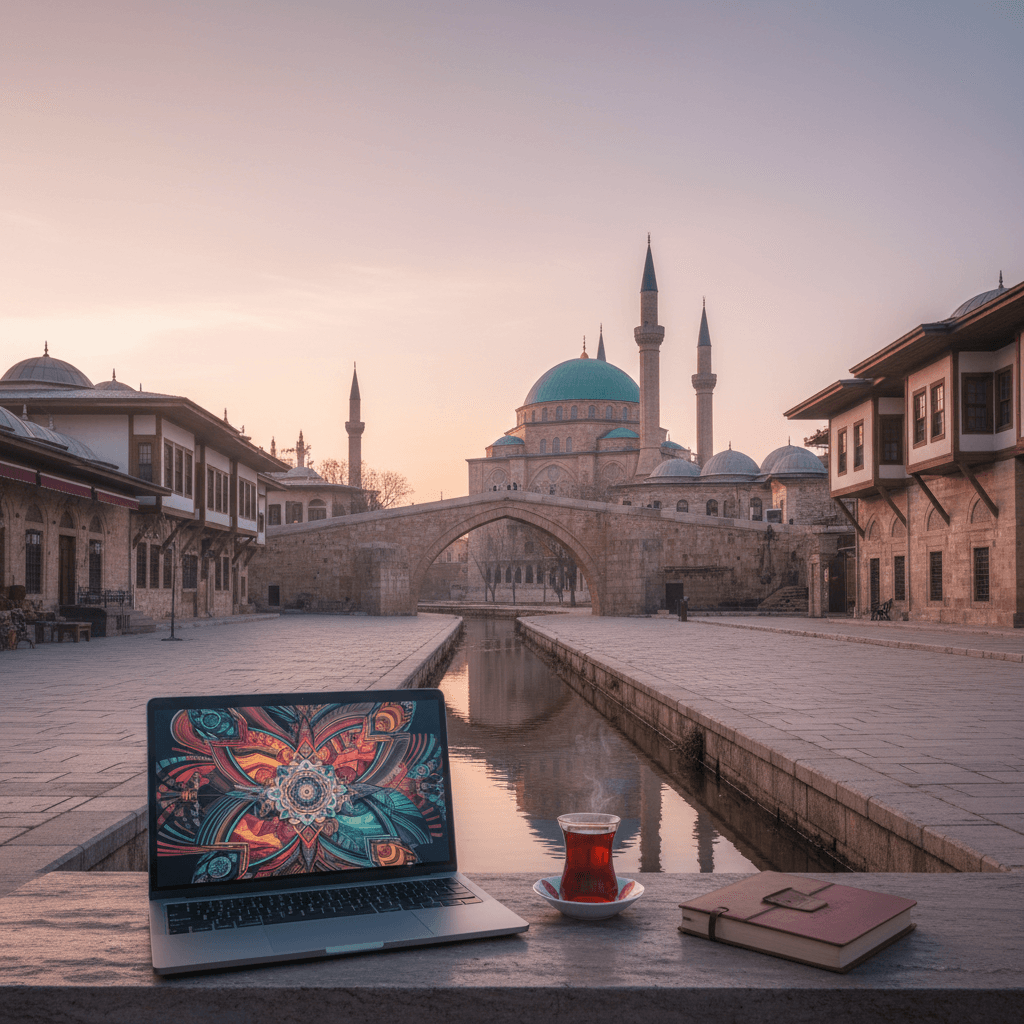
If you're coming to Konya expecting the high energy of Istanbul or the beach party vibes of Antalya, you'll need to shift your gears. This city moves to a different rhythm altogether. It's the spiritual soul of Turkey, famously home to the tomb of Rumi and the Whirling Dervishes. The vibe here is deeply grounded, conservative, and incredibly welcoming, but in a way that feels more like a quiet invitation than a loud sales pitch. It's a place where you trade late night bars for tea gardens and rooftop cafes that overlook the sprawling Anatolian steppe.
Most nomads find that Konya offers a sense of calm that's hard to find in other Turkish hubs. You won't find a massive, visible expat community here, which is exactly why it works for a certain type of remote worker. It's an immersive experience. You'll hear the call to prayer echoing across the city five times a day, and you'll see a mix of traditional locals and a massive student population from Selçuk University. This blend keeps the city from feeling like a museum; it's a functional, growing urban center that just happens to be steeped in 13th-century mysticism.
A Different Kind of Nomad Life
Living here means embracing a slower pace of life. You'll spend your afternoons working from modern cafes in the Meram district or finding a quiet corner near the Mevlana Museum. The infrastructure is surprisingly solid for a city that doesn't often top the nomad charts. The internet is stable, the streets are impeccably clean, and the tram system makes getting around effortless. Travelers often say that Konya feels like the safest city in Turkey, and there's a level of civic pride here that shows in the well maintained parks and public spaces.
The personality of Konya is defined by its hospitality. It's not uncommon for a shopkeeper to offer you tea and strike up a long conversation despite a language barrier. While English isn't as widely spoken as it is in the coastal resorts, the locals are patient and appreciative when you try out a few Turkish phrases. It's a city that rewards the curious. You'll find yourself leaning into the local customs, like spending hours over a long breakfast or joining the locals for a walk through the Alaeddin Hill park at sunset.
What Sets Konya Apart
- The Rumi Influence: The city is built around the legacy of the Sufi mystic, which lends a peaceful, contemplative atmosphere to the central districts.
- Affordability: Your Lira goes much further here than in the big three cities, especially when it comes to high quality local food and housing.
- Conservative Comfort: It's a dry city in many areas, meaning social life revolves around food, coffee, and community rather than alcohol.
- Bicycle Friendly: Konya is famously flat and boasts one of the better cycling infrastructures in the country, making it easy to commute without a car.
The emotional experience of Konya is one of decompression. It's a place to catch your breath, focus on a big project, and soak in a culture that feels authentic and unhurried. You aren't just another tourist here; you're a guest in a city that takes that title seriously. If you're looking for a spot where you can actually hear yourself think while surrounded by centuries of history, this is the place.
Budgeting for the Soul of Anatolia
Living in Konya is a breath of fresh air for your bank account, especially if you are coming from Istanbul or coastal hubs like Antalya. It is one of Turkey's most affordable major cities, offering a high quality of life without the inflated "tourist tax" found elsewhere. You will find that your money stretches significantly further here, allowing for a comfortable lifestyle on a budget that would barely cover a studio apartment in Western Europe.
Most digital nomads find they can live quite well on $800 to $1,200 per month. This range covers a modern apartment, plenty of meals out, and your daily caffeine fix at local roasteries. If you are frugal and stick to local markets, you could easily drop that figure even lower.
Monthly Rent and Housing
The real estate market in Konya is stable and far more accessible than the chaotic rental scene in Istanbul. Most expats and remote workers gravitate toward Meram or Selcuklu. Meram is greener and more prestigious, while Selcuklu is modern, close to the universities, and packed with newer apartment complexes.
- Selcuklu (Modern Apartment): Expect to pay between $350 and $550 for a high end one bedroom or a modest two bedroom flat. These often come with modern amenities and central heating.
- Meram (Residential/Green): Rent here typically ranges from $400 to $700 depending on the age of the building and proximity to the park areas.
- City Center (Karatay): You can find older apartments for as low as $250 to $300, though these may lack the modern finishes found in the newer districts.
Food and Dining Costs
Konya is a carnivore's paradise and the prices reflect the city's status as an agricultural hub. Eating out is often so cheap that you might find yourself rarely using your kitchen. A signature Etli Ekmek (think long, thin Turkish pizza) at a local spot like Bolu Restoran will only set you back about $4 to $6.
If you prefer cooking, the local pazar (weekly market) is your best friend. A massive bag of seasonal vegetables, local cheeses, and fresh bread for the week rarely exceeds $25. Supermarkets like Migros or Bim are also available for your standard pantry staples, with a liter of milk costing around $0.80 and a dozen eggs roughly $2.00.
Transport and Utilities
Getting around is remarkably cheap. The city is flat, making it walkable in many areas, but the tram and bus system is efficient. You will want to grab an Elkart for public transport. A single ride costs less than $0.50. Taxis are also affordable for short hops across town, usually costing between $3 and $7 for most inner city trips.
- Utilities (Electricity, Water, Gas): For a standard apartment, budget about $60 to $90 per month. Heating costs can spike in the winter as Konya gets quite cold.
- Internet: A solid fiber connection for your home office will cost around $15 to $25 per month.
- Mobile Data: A prepaid SIM from Turkcell with a generous data package is usually around $12.
The Nomad Lifestyle Expenses
Coffee culture is growing here. A latte at a specialty cafe like Hi Coffee or one of the many spots near the university will cost about $2.50 to $3.50. Since dedicated coworking spaces are still a bit of a rarity compared to Izmir or Ankara, many nomads use these cafes as their daily office. If you do find a shared office setup, daily rates usually hover around $10, though many people simply prefer the "buy a coffee and stay all day" approach which is widely accepted here.
The Cultural Heart: Mevlana and Selçuklu
Most digital nomads and solo travelers gravitate toward the area surrounding the Mevlana Museum. It is the spiritual and historic core of the city, where you can feel the weight of Konya's history. While it can get crowded with pilgrims and tourists during the day, the backstreets offer a surprisingly quiet atmosphere for remote work. You'll find plenty of small tea houses and cafes where the internet is decent enough for emails, though you might want a local SIM card as backup.
Living here means you are within walking distance of the best historical sites and traditional eateries. It is not the most modern part of town, but it is where you get the most authentic experience. Rent for a modest one bedroom apartment in this central district typically ranges between $350 and $500 per month, depending on how close you are to the main square.
- Best for: Solo travelers and cultural purists
- Vibe: Traditional, spiritual, and walkable
- Connectivity: Good 4G coverage; fiber is hit or miss in older buildings
Modern Comforts: Bosna Hersek
If you are looking for a younger crowd and a more westernized lifestyle, head north to the Bosna Hersek neighborhood. This area serves the nearby Selçuk University, so it is packed with students, affordable cafes, and late night food spots. It feels completely different from the conservative city center. You will see more people on laptops and a general energy that suits the nomad lifestyle better than the quiet historic districts.
Expats often choose this area because the apartments are newer and usually come with better insulation and modern heating systems. You will find several chain coffee shops like Starbucks or local favorites like Hiç Hane where you can sit for hours without being bothered. The tram line connects this neighborhood directly to the center, making the 30 minute commute easy and cheap.
- Best for: Digital nomads and budget seekers
- Rent: $300 to $450 for a modern studio
- Top Perk: High concentration of English speakers and student prices
Upscale Living: Meram
Meram is where the local families and long term expats settle down. It is known for its greenery, gardens, and slightly cooler temperatures during the brutal summer months. This is the leafy, suburban side of Konya. It is much more spread out, so you will likely want to use the local Dolmuş buses or taxis to get around if you don't have a car.
The neighborhood is home to some of the city's best parks and higher end dining options. Families appreciate the proximity to private schools and the quiet, safe streets. While it is more expensive than the student areas, the quality of life is significantly higher. You can find spacious three bedroom apartments here for around $600 to $850, which is a steal compared to Istanbul prices.
- Best for: Families and long term expats
- Vibe: Residential, prestigious, and calm
- Food Scene: Excellent garden restaurants and traditional Konya cuisine
The Business Hub: Selçuklu Center
For those who need to be near the action but want a professional environment, the newer parts of the Selçuklu district near the Novada Outlet and the big hotels are ideal. This is the commercial engine of the city. You won't find the charm of the old town here, but you will find the most reliable infrastructure. This is where the few dedicated coworking spaces and shared offices are starting to pop up.
Most nomads find that staying in a high rise apartment here provides the best internet speeds, often reaching 100 Mbps or more. It is a practical choice rather than a romantic one. You are close to the high speed train station, which can whisk you away to Ankara in under two hours or Istanbul in about five hours if you need a weekend break.
- Best for: High performance nomads and business travelers
- Rent: $450 to $700 for luxury builds
- Transport: Near the YHT high speed train station
Konya is a different beast compared to the high speed digital hubs of Istanbul or Izmir. It is a city that moves at a more deliberate pace, which reflects in its remote work scene. You won't find a coworking space on every corner here, but the infrastructure is surprisingly robust for those who know where to look. The city benefits from a massive student population thanks to Selcuk University, which means high speed internet and laptop friendly cafes are tailored to a younger, tech savvy crowd rather than a corporate one.
Reliable Connectivity
Most nomads find that home internet speeds in modern apartments, especially in neighborhoods like Meram or Selcuklu, are more than adequate for video calls and heavy uploads. Fiber optic connections are becoming the standard in newer builds, often reaching speeds between 50 Mbps and 100 Mbps. If you are renting an Airbnb, always ask for a Speedtest screenshot before booking, as older buildings in the city center can still rely on aging copper lines.
Mobile data is your best friend for backup. Turkcell generally offers the best coverage and speed in the region, followed by Vodafone and Turk Telekom. You can pick up a tourist SIM card at the airport or in the city center for around 800 to 1,200 TRY, which usually includes a generous data package of 20GB to 50GB. 5G is not yet widely available, but the 4G/LTE signal is consistent throughout the urban area.
Coworking and Study Spaces
Dedicated coworking spaces with memberships and hot desks are limited in Konya. Look for local office hubs and shared workspaces that are beginning to pop up in the city. Most remote workers gravitate toward "Study Cafes" or "Kitap Kafes" (Book Cafes) which are popular across Turkey. These spots are designed specifically for long stays, offering quiet environments, reliable Wi-Fi, and plenty of power outlets.
- Selcuklu Kongre Merkezi: This massive congress center often has quiet areas and a modern atmosphere that works well for a few hours of deep focus.
- Hi Coffee: Located near the university areas, this spot is a favorite for its reliable Wi-Fi and the fact that staff won't bother you if you stay for several hours.
- Millet Kiraathanesi: These are public "people's coffeehouses" funded by the municipality. They provide free internet, quiet study environments, and sometimes even free tea or soup. They are incredibly budget friendly but can get crowded with students during exam seasons.
The Laptop Cafe Culture
If you prefer a more social vibe, the Bosna Hersek neighborhood is where you want to be. Since it borders the university, the cafes here are built for students. You will find plenty of tables with accessible plugs and a culture that accepts people working on laptops for the price of a few lattes. Prices for a coffee usually range from 60 to 110 TRY, making it an affordable "office" for the day.
Expats recommend checking out the cafes along Yeni Istanbul Caddesi. Many of these larger, modern establishments have upstairs seating areas that stay quiet during the workday. Just keep in mind that Konya is a conservative city; while working in cafes is perfectly normal, it is polite to avoid taking loud calls in smaller, traditional tea houses where the atmosphere is more about social conversation than productivity.
Remote Work Costs and Essentials
- Monthly Unlimited Fiber: 350 to 600 TRY (usually requires a long term contract).
- Portable Wi-Fi Rental: 1,500 to 2,500 TRY per month for short term visitors.
- Coffee Shop "Rent": 150 to 250 TRY per day (cost of 2 to 3 drinks).
- Power Reliability: Power outages are rare in Konya, but having a decent power bank for your phone and a laptop with a good battery is a smart move for peace of mind.
For those needing a professional meeting space, some of the higher end hotels like the Dedeman or Bayir Diamond offer business centers and meeting rooms for a daily fee. These are the best options if you have a high stakes presentation and need a private, quiet room with guaranteed high speed stability.
General Safety in the City
Konya is widely regarded as one of the safest urban centers in Turkey. While Istanbul or Izmir might feel a bit more chaotic, Konya has a conservative, buttoned down energy that keeps street crime very low. Most nomads find they can walk through the central districts like Selçuklu or Meram late at night without any issues. It is a city where people look out for one another, though that same conservative nature means you should dress a bit more modestly than you would in a beach town to avoid unwanted attention.
The most common annoyance you will face is traffic. Drivers here can be aggressive, and pedestrian right of way is often treated as a suggestion rather than a rule. When crossing near the Mevlana Museum or the busy Alaaddin Hill area, keep your eyes peeled. Petty theft is rare, but it is still smart to keep your bag zipped and close to you in crowded bazaars or on the tramway during rush hour.
Healthcare Infrastructure
If you get sick, you are in good hands. Turkey has invested heavily in its health system, and Konya serves as a major medical hub for central Anatolia. For minor issues or prescriptions, look for an Eczane (pharmacy). They are everywhere, and pharmacists in the city center often speak enough English to help with basic ailments. They also rotate "on call" shifts for nights and Sundays; look for the Nöbetçi Eczane sign in the window of any pharmacy to find the nearest open one.
For more serious matters, private hospitals are the way to go for digital nomads. They offer faster service and a higher likelihood of finding English speaking staff compared to the crowded public facilities. Many expats recommend Medicana Konya Hospital or Akademi Hospital. These facilities are modern, clean, and equipped with the latest tech. You can generally book an appointment online or via phone without a long wait.
Costs and Insurance
Healthcare costs are quite reasonable if you are coming from North America or Western Europe. A standard consultation with a specialist at a private hospital typically runs between $40 and $70. If you are applying for a residence permit, you will need to show proof of Turkish health insurance. Many nomads opt for basic local policies that cost around $80 to $150 per year depending on age, though these usually only cover emergencies at private hospitals.
- Emergency Number: Dial 112 for all emergency services (ambulance, police, fire).
- Pharmacy Hours: Generally 09:00 to 19:00, with rotating 24 hour pharmacies available.
- Water Safety: Travelers often say it is best to stick to bottled or filtered water. While the city water is treated, the mineral content can be tough on sensitive stomachs.
Digital Nomad Considerations
Since Konya is less international than Antalya, you might find a slight language barrier in smaller clinics. It is a good idea to have a translation app like Google Translate or DeepL ready on your phone. Most major private hospitals will have a dedicated international patient desk to help you navigate the paperwork. If you have a specific chronic condition, bring your translated medical records and the generic names of your medications, as brand names often differ in Turkey.
Overall, the peace of mind here is high. You aren't likely to be scammed, the violent crime rate is negligible, and the medical facilities are top tier for the region. It is the kind of place where you can focus on your work without constantly looking over your shoulder.
The Lay of the Land
Konya is a massive geographic sprawl, but as a nomad, your world will likely revolve around a few key corridors. The city is flat as a pancake, which makes it incredibly walkable in the central districts. Most of the action is concentrated between the historic Mevlana Museum area and the modern student hubs near Selcuk University. While it doesn't have the chaotic hills of Istanbul, the sheer scale of the city means you will need a solid grasp of the public transit system to get the most out of your stay.
The Tramway System
The tram is the backbone of Konya and your best friend for daily commuting. It is efficient, dirt cheap, and runs with impressive frequency. There are two main lines you need to know. The T1 line is the workhorse, connecting the Alaaddin stop in the city center all the way out to the university campus in the north. If you are staying in the Bosna Hersek neighborhood, this is how you get into town. The T2 line serves the Adliye region, which is useful if you are staying in the newer, more upscale residential blocks on the eastern side of the city.
- Konyakart: This is the universal reloadable plastic card used for all public transport. You can buy them at kiosks near major stops like Alaaddin or Zafer.
- Fare Cost: A single ride currently sits around 8 to 12 TL, making it one of the most affordable transit systems in Turkey.
- Contactless Payment: Most trams now allow you to tap a contactless credit card, though it usually costs a couple of lira more than using the Konyakart.
Buses and Dolmuses
For areas the tram doesn't reach, like the Meram district, you will rely on the municipal buses or the dolmus. The dolmus is a blue and white minibus that follows a set route but stops wherever you flag it down. It is a bit more intimate and can feel intimidating if you don't speak Turkish, but it's often the fastest way to get across town during rush hour. Just shout "Müsait bir yerde" when you want to hop off.
Taxis and Ride-Hailing
Taxis are plentiful and generally honest in Konya compared to the tourist traps of the coast. You will find taxi stands every few blocks, or you can use the yellow "taksi" buttons mounted on light poles. While apps like BiTaksi work here, they aren't as dominant as they are in Ankara. Most locals just call a local stand or flag one down. A typical cross-city trip will rarely set you back more than 150 to 250 TL.
Cycling and Scooters
Konya is arguably the most bike friendly city in Turkey. Because it is so flat, the municipality has invested heavily in dedicated bike lanes that actually stay separated from car traffic. You will see ATUS bike sharing stations all over the center. You can rent these using the local transit app for pennies. Electric scooters like BinBin or Marti have also taken over the city center and the university areas. They are perfect for those 10 to 15 minute sprints between a cafe and your apartment, though the costs can add up faster than the tram if you use them daily.
Getting In and Out
The YHT (High Speed Train) station is a major hub. You can reach Ankara in about 1 hour and 45 minutes or Istanbul in roughly 4 hours and 40 minutes. It is a game changer for weekend trips. The station is located just west of the city center and is easily accessible by the local bus network. For air travel, the Havas shuttle buses run between the Konya Airport and the city center, timed specifically to meet arriving flights. The shuttle ride takes about 30 minutes and costs around 60 to 80 TL.
The Language Barrier in a Spiritual Hub
Konya isn't Istanbul or Antalya. While those coastal hubs and the capital are used to a constant stream of English speaking tourists and remote workers, Konya remains a deeply traditional Turkish city. You'll find that English proficiency is quite low once you step away from the Mevlana Museum or the higher end hotels. Most locals speak only Turkish, and while they are incredibly hospitable, you won't get far without a few key phrases or a translation app on your phone.
Most nomads living here find that Google Translate is their best friend for daily interactions. The camera feature is particularly helpful for deciphering menus at local lokantas or reading signs at the grocery store. If you're planning to stay for more than a month, learning basic greetings and numbers will change how people treat you. A simple "Merhaba" (Hello) or "Kolay Gelsin" (May it be easy for you) goes a long way in building rapport with shopkeepers in neighborhoods like Meram.
Staying Connected
Turkey has a robust telecommunications infrastructure, and Konya is no exception. You can expect reliable 4G and 5G coverage throughout the city center. Most apartments and cafes offer stable fiber connections, which is why it's starting to catch the eye of remote workers who want a quieter pace of life than Istanbul offers.
When you arrive, you have three main choices for mobile data:
- Turkcell: Generally considered the best coverage and fastest speeds, though it's often the most expensive option.
- Vodafone: A solid middle ground with good city coverage and competitive tourist packages.
- Turk Telekom: Often the cheapest, though speeds can be slightly less consistent in older parts of the city.
Expats usually recommend heading to a physical store in the Kent Plaza Shopping Center to get your SIM card. Bring your passport, as it's required for registration. A typical tourist SIM package will cost between 800 and 1,200 TL and usually includes a generous data allowance of 20GB to 50GB. Just keep in mind that these tourist SIMs typically expire after 90 days unless you obtain a residence permit.
WiFi and Coworking Culture
While dedicated coworking spaces are still a relatively new concept in Konya compared to Izmir or Ankara, the cafe culture is strong. You'll find plenty of "working friendly" spots near Selcuk University or in the modern developments of the Selcuklu district. Most modern cafes provide free WiFi, but the speeds can vary. It's always a good idea to ask "WiFi var mı?" (Is there WiFi?) and "Hız nasıl?" (How is the speed?) before you order your tea.
If you need a more professional environment, look for Workinton or similar local office hubs that are beginning to pop up. Most nomads find that a high quality local SIM card used as a hotspot is a reliable backup for those days when the cafe internet isn't quite hitting the speeds needed for video calls. For heavy lifting, domestic fiber connections in modern rentals usually offer speeds ranging from 50 Mbps to 100 Mbps.
Etiquette and Non-Verbal Cues
Communication in Konya is as much about gestures as it is about words. Because the city is conservative, the way you communicate through your dress and body language matters. A slight nod of the head downwards is a polite "yes," while a quick upward nod often accompanied by a "tsk" sound means "no." When you're in a local shop, don't be surprised if you're offered a glass of tea while waiting for a service. Accepting it is a sign of respect and a great way to practice your limited Turkish in a low pressure setting.
The Seasonal Sweet Spot
Konya sits on a high plateau in Central Anatolia, which means you are dealing with a true steppe climate. It is a world away from the humid, Mediterranean breeze of Antalya or the maritime shifts of Istanbul. Here, the air is dry, the winters are biting, and the summers are searing. If you want to get any work done without melting or freezing, aim for the shoulder seasons.
May, June, and September are the golden months for nomads. During these windows, daytime temperatures hover between 20°C and 25°C (68°F to 77°F). It is perfect weather for walking from your apartment in Meram to a cafe downtown. The evenings stay cool enough that you will want a light jacket, but you won't be huddled over a space heater. Most travelers find that May is particularly beautiful because the surrounding plains see a brief burst of green before the summer sun turns everything to gold and dust.
Surviving the Extremes
If you find yourself in Konya during July or August, be prepared for dry, intense heat. Temperatures regularly climb above 30°C (86°F), and because the city lacks significant tree cover in the central business districts, the pavement radiates heat well into the night. This is the time to embrace the local rhythm: get your deep work done in the early morning, retreat to an air conditioned space during the afternoon lull, and head out for dinner after 8:00 PM when the air finally starts to move.
Winter is a different beast entirely. From December through February, Konya often drops below freezing. Snow is common, and the wind whipping across the Anatolian plateau can make -5°C (23°F) feel much colder. While the sight of the Mevlana Museum under a blanket of snow is stunning, the city can feel a bit quiet and somber during these months. If you are a fan of cozy cafe culture and don't mind bundling up, the low season offers significantly cheaper short term rental rates.
Timing Your Cultural Experience
Beyond the thermometer, the best time to visit Konya is often dictated by the lunar calendar and specific festivals. You should keep two major events on your radar when planning your stay:
- Seb-i Arus (December 7 to 17): This is the commemoration of Rumi's death. Even though it is the dead of winter, the city fills up with visitors from around the globe. You will see incredible Whirling Dervish performances, but you must book your accommodation at least three months in advance. Prices for Airbnbs and hotels often double during these ten days.
- Ramadan: As one of Turkey's most conservative cities, Konya takes the fasting month seriously. Many local restaurants close their doors during daylight hours, though you will still find plenty of options in the more modern neighborhoods and larger hotels. The atmosphere at night is celebratory, with massive public iftar dinners that are fascinating to witness.
Monthly Climate Breakdown
- Spring (March to May): Cool to warm. Occasional rain showers. Highs of 10°C to 22°C. Ideal for sightseeing and outdoor cafes.
- Summer (June to August): Hot and very dry. Highs of 26°C to 32°C. Stay hydrated and ensure your workspace has reliable AC.
- Autumn (September to November): Crisp and pleasant. Highs of 12°C to 25°C. Great for exploring the surrounding archaeological sites like Catalhoyuk.
- Winter (December to February): Cold and snowy. Highs of 2°C to 6°C, with nights often falling well below zero.
Most expats recommend arriving in late August. You get the tail end of the heat, but you are perfectly positioned to enjoy the best weather of the year in September while settling into a routine before the winter chill sets in.
Getting Around and Staying Connected
Konya is a massive geographic area, but the central hub is surprisingly walkable if you stick to the historical core. For anything further out, the tram system is your best friend. It’s cheap, reliable, and connects the student heavy Selcuklu district to the city center. You'll want to grab a Konyakart at any major kiosk or tram stop; you can't pay with cash on board. Most nomads find that a monthly pass or just loading 100-200 TRY at a time covers all their transit needs for weeks.
Internet speeds in the city are generally strong, usually hovering around 35-50 Mbps in most modern apartments. If you’re heading to a cafe to work, Hi Coffee near the university is a favorite for its reliable signal and power outlets. While there aren't many dedicated coworking spaces yet, the public libraries and larger coffee shops in the Meram district act as unofficial hubs for remote workers and students.
Visas and Residency
Turkey has recently streamlined things for remote workers with a specific Digital Nomad Visa. To qualify, you generally need to show an annual income of at least $36,000. If you’re just testing the waters, many travelers enter on a standard e-visa which typically allows for 90 days of stay within a 180 day period. If you decide to stay longer, the residency permit (ikamet) process is handled online, but you'll need a local address and Turkish health insurance to finalize the paperwork.
Money and Budgeting
Your money goes a lot further here than in Istanbul or Antalya. Cash is still king for small purchases at the local markets or for hopping on a dolmus (minibus), but almost every restaurant and grocery store accepts contactless credit cards. It’s smart to keep a few 10 or 20 TRY notes in your pocket for tips or small snacks.
- Local SIM Card (20GB data): 400 to 600 TRY
- Mid-range dinner for two: 500 to 800 TRY
- Monthly gym membership: 800 to 1,200 TRY
- Large latte: 70 to 90 TRY
Healthcare and Safety
Konya is widely considered one of the safest cities in Turkey. The vibe is conservative and respectful, so you won't find much of the pushy sales tactics common in more touristy areas. For medical needs, the city has excellent facilities. Private hospitals like Medicana or Kızılay Hastanesi are the go-to choices for expats because they often have English speaking staff and shorter wait times than public clinics. A standard consultation fee without insurance usually starts around 1,500 TRY.
Cultural Nuances
Since this is a more traditional city, it helps to dress a bit more modestly than you would on the coast. You don't need to overthink it, but long trousers and shirts that cover the shoulders are standard for everyone. Alcohol isn't sold in every restaurant, so if you're looking for a drink, you'll head to the larger international hotels or specific licensed spots in the Meram district. Most locals are incredibly hospitable and will likely offer you tea several times a day; it's polite to accept at least one glass.
Need visa and immigration info for Turkey?
🇹🇷 View Turkey Country GuideEasy Landing
Settle in, no stress
Monthly Budget Estimates
More cities in Turkey
Adana
🇹🇷 Turkey
Mersin
🇹🇷 Turkey
Bodrum
🇹🇷 Turkey