Kolkata
🇮🇳 India
The Soul of Bengal
Kolkata doesn't try to impress you with shiny skyscrapers or hyper-efficient infrastructure. Instead, it pulls you into a world of intellectual intensity and sensory overload that feels more authentic than almost anywhere else in India. Known as the country's cultural capital, this is a city where people still value a two hour conversation over a cup of chai more than a corporate hustle. Most nomads find that while Mumbai is about money and Delhi is about power, Kolkata is about ideas.
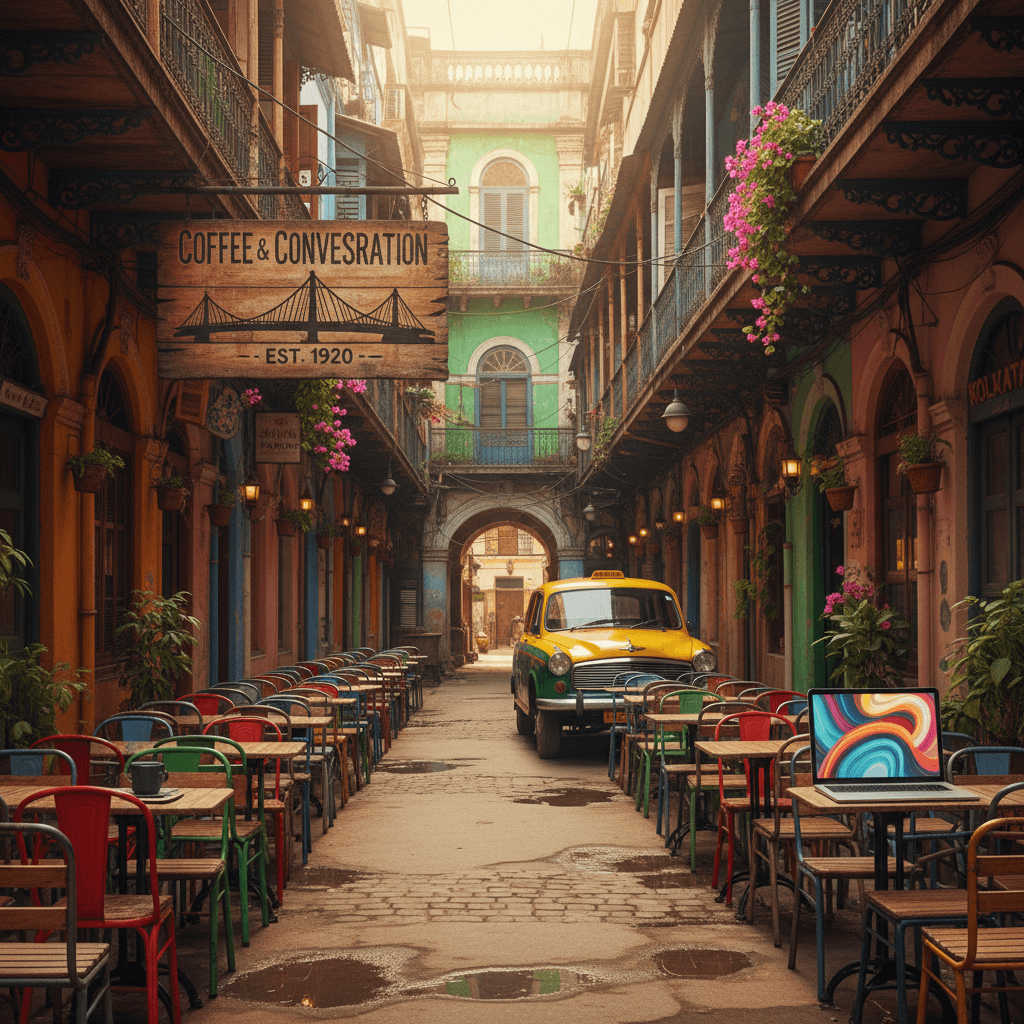
The vibe is a chaotic blend of crumbling British colonial architecture, yellow Ambassador taxis, and a deep love for the arts. You will hear the term adda constantly; it refers to the local tradition of informal, long form intellectual chatter. Travelers often say the pace here feels slower than other Indian metros, though the traffic and humidity will still test your patience. It is the kind of place where you might spend your morning working from a modern cafe in Park Street and your afternoon watching a neighborhood festival like Durga Puja transform the entire city into an open air art gallery.
The Nomad Experience
Living here is incredibly affordable, with a monthly cost of living averaging around $423 USD. This makes it a magnet for budget conscious remote workers who want to stay for months rather than weeks. The city scores a 57/100 on nomad scales, largely because the low costs and community feel are balanced out by challenges like poor air quality in the winter and occasional power cuts. You will need a coworking space or a high end apartment with power backup to stay productive.
The emotional experience of Kolkata is one of extremes. You might feel frustrated by the noise and pollution one minute, then completely charmed by the kindness of a local who invites you for sweets the next. It is gritty, loud, and unapologetically itself, which is exactly why nomads who crave "real" India end up staying longer than planned.
Where to Plant Your Flag
- Bhawanipur: This is the neighborhood of choice for most digital nomads and solo travelers. It offers a quaint, historic feel and some of the best value in the city. Rent for a one bedroom apartment usually runs between ₹6,000 and ₹12,000 ($75 to $150 USD) per month. It is authentic, filled with local cafes, and has a strong community vibe.
- Park Street: If you want to be in the thick of the action, this is the spot. It is the hub for nightlife, upscale dining, and reliable internet cafes like Starbucks. Expect to pay more here, with rents ranging from $200 to $400 USD. It is noisy and crowded, but you will never be bored.
- Ballygunge: Located in South Kolkata, this area is greener and quieter. It is popular with long term nomads and families who want better access to modern hospitals and a bit more breathing room from the city center.
Connectivity and Work
Internet speeds generally range from 49 to 97 Mbps, which is plenty for video calls. However, reliability is the catch. Most nomads recommend joining a coworking space in Bhawanipur or Park Street, where monthly desks cost between ₹5,000 and ₹10,000 ($60 to $120 USD). For mobile data, grab an Airtel or Jio eSIM at the airport for about ₹300 to ₹500 for a month of unlimited data.
Navigating the City
- Transport: Use Ola or Uber for most trips, which usually cost between ₹200 and ₹400 ($2.40 to $4.80 USD). For a more local experience, the Kolkata Metro is efficient in the south, and the iconic old trams are great for sightseeing if you aren't in a rush.
- Food: You can eat like royalty on a tiny budget. Street food like Kathi rolls at Kusum Rolls will cost you less than $1.50, while a mid range meal at a spot like Oh! Calcutta runs about $5.
- Language: Bengali is the heart of the city, but English is widely spoken in business districts and cafes. Learning a few phrases like Namaskar for hello or Koto taka? for how much will go a long way with local vendors.
The best time to visit is between October and February, when the weather is dry and temperatures sit comfortably between 25°C and 30°C. Avoid May and June if you can, as the heat can soar above 40°C, making the city’s famous walkability nearly impossible.
The Lowdown on Local Costs
Kolkata is widely considered the most affordable major metro in India. While cities like Mumbai or Bangalore might eat through your budget in a week, Kolkata lets your dollar stretch surprisingly far. Most nomads find they can live comfortably here on an average of $423 USD per month, though your lifestyle choices will dictate whether you stay in the budget tier or lean into luxury.
You can get by on $400 to $600 if you're happy with shared housing and a heavy rotation of street food. A mid range budget of $600 to $900 buys you a private one bedroom apartment and regular meals at sit down restaurants. If you want a high end AC apartment in a gated complex and upscale dining every night, expect to spend $1,000 or more.
Breaking Down the Rent
Housing is where you'll see the biggest savings compared to the West. Prices vary wildly depending on whether you want the old world charm of the south or the high energy of the city center.
- Bhawanipur: This is a nomad favorite for its historic feel and proximity to cafes. You can snag a decent one bedroom apartment here for ₹6,000 to ₹12,000 ($75 to $150 USD) per month.
- Park Street: If you want to be in the heart of the action with western style amenities, expect to pay a premium. Rents here typically range from $200 to $400 USD.
- Ballygunge: This area is greener and quieter, popular with long term expats. Prices are higher than Bhawanipur but offer a more polished residential experience.
Most nomads use apps like NoBroker or MagicBricks to find long term stays, while Airbnb remains the go to for shorter stints. Just keep in mind that power outages happen, so always ask if your building has a backup generator.
Food and Drink
Kolkata is a city that lives to eat. You can grab a legendary kathi roll at Kusum Rolls for ₹50 to ₹100 ($0.60 to $1.20). It is one of the few places left where a dollar still buys a full, delicious meal.
- Street Food: Budget $0.60 to $1.20 per snack or light meal.
- Mid range Dining: A meal at a place like Oh! Calcutta will cost between ₹300 and ₹500 ($3.60 to $6).
- Upscale Eats: For high end seafood at Santa's Fantasea or fine dining on Park Street, expect to pay ₹1,000 ($12) and up.
Connectivity and Workspace
Internet speeds are generally solid, averaging between 49 and 97 Mbps. While many nomads work from cafes like the Starbucks on Park Street, dedicated coworking spaces are becoming the norm for those who need reliable power backups.
A monthly desk at a coworking space in Bhawanipur or Park Street usually runs between ₹5,000 and ₹10,000 ($60 to $120). For mobile data, pick up an Airtel or Jio eSIM. A starter pack with unlimited data costs around ₹300 to ₹500 ($3.60 to $6) per month.
Getting Around
Transport is incredibly cheap if you use the local infrastructure. The iconic yellow taxis are everywhere, but most travelers prefer ride hailing apps for transparency.
- Ola and Uber: A typical cross town trip costs ₹200 to ₹400 ($2.40 to $4.80).
- Public Transit: Trams and local buses are a steal at ₹10 to ₹30 ($0.12 to $0.36), though they can be crowded and hot.
- Scooter Rentals: Apps like Bounce offer rentals for about ₹50 ($0.60) per hour.
- Airport Transfers: A prepaid taxi or Ola from the airport to the city center costs between ₹500 and ₹800 ($6 to $10).
While the city is walkable in pockets like Park Street during the day, the heat and chaotic traffic often make a $3 Uber ride the more sensible choice for getting across town.
For Digital Nomads: Bhawanipur
If you want to live like a local without sacrificing your productivity, Bhawanipur is the neighborhood to beat. It maintains a quaint, historic atmosphere with traditional architecture that feels miles away from the generic glass towers of other Indian metros. It is widely considered the best balance of work and life for remote workers because of its concentration of quiet cafes and reliable coworking spaces.
The cost of living here is a major draw. You can find a decent one bedroom apartment for between ₹6,000 and ₹12,000 ($75 to $150 USD) per month. While the streets are narrow and can feel a bit dark at night, the community is tight knit. Most nomads spend their afternoons at local cafes or one of the neighborhood coworking spots where monthly memberships run about ₹5,000 to ₹10,000 ($60 to $120 USD). It is authentic, affordable, and puts you right in the heart of the city's intellectual soul.
For Socialites and Expats: Park Street
Park Street is the city's pulse. If you have a higher budget and want to be where the action is, this is your spot. It is the center of Kolkata's dining and nightlife, packed with bars, upscale restaurants, and familiar comforts like Starbucks. Travelers often choose this area because it is the most westernized part of the city, making the transition into Indian life much smoother.
- Rent: Expect to pay a premium here, with apartments ranging from $200 to $400 USD.
- Vibe: High energy, noisy, and very crowded, but incredibly convenient.
- Best for: People who want to walk to dinner, hit a club, and have high speed internet in every second building.
Expats usually stick to this area because it feels central and social. You won't have to look far for a cocktail or a reliable Wi-Fi connection, though you will deal with significant traffic and noise levels throughout the day and night.
For Families and Long Termers: South Kolkata (Ballygunge)
For those staying six months or longer, or anyone traveling with a family, Ballygunge and the surrounding South Kolkata areas are the gold standard. These neighborhoods are noticeably greener and quieter than the city center. You will find better access to private hospitals like Apollo Gleneagles and higher end grocery stores that carry international brands.
The infrastructure here is more modern, and the Metro makes commuting to other parts of the city relatively painless. While it is further from the airport, the quality of life is higher. You can find larger apartments here that offer more privacy and better air quality than the cramped quarters of North Kolkata. It feels more residential and less like a tourist hub, which is perfect if you are trying to build a routine.
For Solo Travelers and Budget Seekers: Central Kolkata
If you are on a tight budget of $400 to $600 USD a month, Central Kolkata offers the most bang for your buck. This area is perfect for solo travelers who don't mind a bit of chaos in exchange for proximity to everything. You can live off street food like the famous kathi rolls at Kusum Rolls for under $1.50 USD per meal and use the iconic trams or local buses for just a few cents per trip.
Solo travelers should use apps like Ola or Uber for getting around after dark, as the streets can be confusing. While safety is generally better than in Delhi, it is smart to stay in well lit areas. This part of town is where you will find the classic "adda" culture, where locals sit for hours discussing politics and literature over tea. It is the best place to soak up the city's famous atmosphere without spending much at all.
Neighborhood Comparison at a Glance
- Bhawanipur: Best for work, low rent, and a historic feel. Budget $450+ monthly.
- Park Street: Best for nightlife, expats, and networking. Budget $800+ monthly.
- Ballygunge: Best for families, peace, and long stays. Budget $1,000+ for a comfortable life.
- Central: Best for street food, history, and budget travelers. Budget $400 monthly.
Connectivity and Speed
Kolkata has made massive strides in infrastructure, but it still requires a bit of strategy to stay productive. You can expect average speeds between 49 and 97 Mbps in most professional settings. Fiber connections are standard in high end apartments and coworking hubs, making video calls and heavy uploads manageable for most remote roles.
The real challenge isn't the speed, it's the stability. Power outages occur occasionally, especially during the heavy monsoon rains from June to September. Most nomads prioritize finding accommodation or workspaces with power backups. If you're working from a local apartment, check if the building has a "generator back" or "inverter" setup before signing a lease.
For your mobile setup, grab a local SIM card immediately. Airtel and Jio are the two heavy hitters here. You can pick up an eSIM at the airport or any local shop for about ₹300 to ₹500 ($3.60 to $6) per month, which usually includes 2GB of data per day. This is your lifeline when the Wi-Fi flutters or when you're working from a taxi in traffic.
Top Coworking Spots
The coworking scene is concentrated in areas like Bhawanipur and Park Street. Monthly rates typically range from ₹5,000 to ₹10,000 ($60 to $120), making it one of the most affordable cities in India for a dedicated desk.
- Smartworks: A reliable choice for those who need a corporate level environment with high speed internet and ergonomic seating.
- Workable: Popular among local startups and solo nomads for its community feel and networking events.
- Awfis: You'll find several of these across the city. They offer flexible day passes if you aren't ready to commit to a full month.
The Cafe Culture
Kolkata is the birthplace of adda, the local tradition of long, informal intellectual conversations. This translates into a welcoming cafe culture where nobody will look at you sideways for lingering over a coffee with your laptop. Park Street is the hub for this, though Bhawanipur has a more neighborhood, "old world" charm.
- Starbucks (Park Street): It's predictable, has great AC, and the Wi-Fi is reliable. It's the go to "office" for nomads who just arrived in town.
- 85 Lansdowne: A more aesthetic choice in South Kolkata with a quieter atmosphere than the main drags.
- Blue Tokai: Known for having some of the best coffee in India, their outlets usually have decent Wi-Fi and plenty of power outlets.
Practical Work Tips
If you're planning a long term stay, look for apartments on NoBroker or MagicBricks. Many nomads find that high end rentals in Bhawanipur often include better internet infrastructure than older buildings in the city center. Prices in these areas for a 1BR can hover around ₹12,000 ($150), leaving plenty of room in the budget for a premium coworking membership.
Digital payments are the norm. Download Google Pay or PhonePe and link them to your local number if possible. Most coworking spaces and cafes prefer these over cash. For international transfers and managing different currencies, Wise and Revolut are the standard tools used by the expat community here to avoid heavy bank fees at local ATMs.
Lastly, join the Kolkata Digital Nomads or Kolkata Expats groups on Facebook. These communities are active and helpful for finding the latest "work friendly" spots or troubleshooting internet issues in specific neighborhoods. The local nomad community is smaller than in places like Goa or Bangalore, but it's incredibly tight knit and welcoming.
Street Smarts and Personal Safety
Kolkata is widely regarded as one of India's safest major metros, particularly when compared to the aggressive energy of Delhi. Most nomads feel a sense of ease here that's hard to find elsewhere. However, the city is old, crowded, and often poorly lit. Petty crime like pickpocketing happens in high traffic zones like the New Market area or around Howrah Station. Keep your phone tucked away and don't carry large stacks of cash in these spots.
For women and LGBTQ+ travelers, Kolkata is generally respectful, but traditional values still run deep. You'll likely encounter staring, which is usually curiosity rather than malice, but it's best to avoid walking alone in isolated parts of North Kolkata or near the docks after dark. Stick to well trafficked areas like Park Street or Ballygunge for late night outings. If you're heading home late, always use Uber or Ola rather than flagging down a random yellow taxi on the street; the digital paper trail adds a necessary layer of security.
Environmental Health Challenges
The real safety concern for long term stays isn't crime, it's the environment. Air quality can get rough, especially from November to February when the smog settles over the city. If you have asthma or respiratory issues, bringing a high quality mask and running an air purifier in your bedroom is a smart move.
Waterborne illnesses are the other hurdle. Never drink the tap water. Most nomads rely on 20 liter Bisleri jugs or high end UV filtration systems in their apartments. Even when eating out, be cautious with raw salads or ice in smaller stalls. Stick to the famous street food that's fried or boiled right in front of you, like the kathi rolls at Kusum Rolls, and you'll likely avoid the dreaded Delhi Belly.
Healthcare Infrastructure
If you do get sick, you're in good hands. Kolkata is a medical hub for Eastern India, and the private hospitals are excellent. Doctors are highly trained and almost always speak fluent English. You won't find the long wait times typical of Western public systems, but you will need to pay upfront or show proof of insurance.
- Top Tier Hospitals: Apollo Gleneagles on Canal Circular Road and AMRI Hospitals are the go to choices for expats. They offer international standards of care and modern diagnostic equipment.
- Pharmacies: You'll see Apollo Pharmacy or Frank Ross outlets on almost every corner. They stay open late and many deliver via apps like Tata 1mg or Netmeds.
- Emergency Numbers: Dial 100 for police and 108 for an ambulance. For a faster response, most residents call their preferred private hospital's direct emergency line.
Insurance and Logistics
Don't wing it without travel insurance. A standard policy that covers medical evacuation is a must, even though local costs are low. Out of pocket expenses for a routine GP visit might only run you $10 to $20, but a major accident or a bad bout of dengue fever could rack up bills quickly. Most private clinics prefer UPI payments (Google Pay or PhonePe) or cash, though the larger hospitals take international credit cards without a fuss.
Nomads staying for several months often recommend getting a local health checkup at the start of their trip. It's an affordable way to get a baseline and establish a relationship with a local doctor. Prices for a full blood panel and consultation usually hover around $40 to $60 at reputable labs like Dr. Lal PathLabs.
The Pulse of the Streets
Kolkata is a city that moves at its own rhythm. While Delhi and Mumbai are defined by a relentless rush, Kolkata feels more like a slow, humid dance. You'll quickly notice that getting from point A to point B isn't just about the distance; it's about the experience. Traffic can be intense, especially during the monsoon rains from June to September, but the variety of transit options makes it one of the most interesting cities in India to navigate.
The Digital Nomad Toolkit
Before you step out of your apartment in Bhawanipur or Park Street, make sure your phone is loaded with the right apps. Most nomads rely heavily on Ola and Uber. These are non-negotiable for avoiding the "tourist tax" and ensuring you have air conditioning during the 40°C heat of May and June. A typical cross-town trip usually costs between ₹200 and ₹400 ($2.40 to $4.80).
- Uber: Best for reliability and linking your international credit cards.
- Ola: Often has more drivers available, including Ola Auto (motorized rickshaws) for shorter hops.
- Bounce: Great if you're brave enough to rent a scooter for around ₹50 per hour.
- Indriver: Useful if you want to negotiate your own price with the driver before they arrive.
The Metro and The Heritage Trams
The Kolkata Metro is a lifesaver for anyone staying in South Kolkata who needs to reach the central business district. It's clean, efficient, and incredibly cheap, with fares ranging from ₹5 to ₹30. If you're heading to a meeting near Park Street, the metro will almost always beat a car during rush hour.
For a slower, more nostalgic journey, the city still operates its iconic electric trams. They aren't the fastest way to get around, but at ₹10 or ₹20 a ride, they provide a cinematic view of the old colonial architecture. Just don't expect to be on time for a Zoom call if you choose the tram.
Yellow Taxis and Rickshaws
The iconic yellow Ambassador taxis are symbols of the city. They don't always use the meter for foreigners, so it's often better to use a ride-hailing app to see the "fair price" first. In neighborhoods like Bhawanipur, you'll also see hand-pulled rickshaws and cycle rickshaws. These are mostly for very short distances down narrow lanes where cars can't fit. Expect to pay ₹20 to ₹50 for a five-minute trip.
Walking and Safety
Walkability is a mixed bag. In areas like Park Street, the sidewalks are decent and the vibe is social. In North Kolkata, the streets are narrow, crowded, and better explored on foot to soak in the "adda" culture. However, the humidity is a real factor. Most nomads find that walking more than 15 minutes during the day results in a needed shower. At night, stick to well-lit areas. While Kolkata is generally safer for solo travelers than Delhi, it's wise to use Uber after 10:00 PM rather than walking through unfamiliar neighborhoods.
Airport Transfers
When you land at Netaji Subhas Chandra Bose International Airport, skip the touts inside the terminal. Head straight for the Prepaid Taxi booth or use the Uber pickup zone. A ride to the city center takes anywhere from 45 to 90 minutes depending on the notorious traffic at the Ultadanga flyover. Budget around ₹500 to ₹800 for a comfortable, air-conditioned ride to your accommodation.
The Linguistic Landscape
Kolkata is widely considered India's intellectual heart, and the city's relationship with language reflects that. While Bengali is the soul of the city, English is the primary currency for business, tech, and the digital nomad community. You’ll find that most locals in areas like Park Street or Ballygunge speak English with high proficiency. In professional settings and coworking spaces, it is the default language.
Outside the central hubs, English comprehension remains relatively high compared to other Indian cities, hovering around 70 percent to 80 percent among the educated population. However, if you're haggling for a lower price at a market in North Kolkata or giving directions to a yellow taxi driver, a few Bengali phrases will go a long way. It often changes the dynamic from being a tourist to being a respected guest.
Communication Culture and Adda
Communication here isn't just about exchanging information; it's a social ritual. You'll quickly encounter the concept of Adda, which is the local tradition of long, informal, and often intellectual conversations. Whether you're working from a cafe or meeting people at a coworking space, don't be surprised if a quick "hello" turns into a thirty minute discussion on cinema, politics, or cricket.
Digital nomads usually find the social barrier to entry very low. People are naturally curious and friendly. In professional environments, communication is polite but can be indirect. If you're collaborating with local freelancers or services, follow up clearly on deadlines, as the "city of joy" operates at a notoriously relaxed pace.
Essential Bengali Phrases
- Namaskar: A respectful hello or greeting.
- Dhonnobad: Thank you.
- Koto taka?: How much? (Vital for street food and markets).
- Khub bhalo: Very good.
- Na: No / Haan: Yes.
- Ami bujhte parchi na: I don't understand.
Digital Tools and Connectivity
To bridge the gap when English isn't enough, Google Translate is your best friend. Make sure to download the offline Bengali pack. The app's camera feature is particularly useful for reading older signage or menus in traditional eateries that haven't shifted to bilingual layouts.
For staying connected, nomads recommend picking up an Airtel or Jio SIM card immediately upon arrival. You can grab one at Netaji Subhas Chandra Bose Airport for about ₹300 to ₹500, which usually includes unlimited local calls and a healthy daily data allowance. Having a local number is practically mandatory for using apps like Ola or Uber, as drivers will almost always call you to confirm your exact pickup location.
The Social Tech Stack
Kolkata runs on WhatsApp. From your landlord in Bhawanipur to the guy delivering your water cans, everyone uses it. It is the primary way to book services, join nomad meetups, or get updates from your coworking community. For payments, while cash is still king at small stalls, UPI apps like PhonePe or Google Pay are used everywhere else. Most nomads link these to their local bank accounts or use Wise for international transfers to keep fees low while navigating the city's economy.
The Sweet Spot: October to February
If you want to experience Kolkata without melting into the pavement, aim for the window between October and February. This is when the city finally sheds its sweltering humidity and settles into a pleasant dry stretch. Daytime temperatures hover comfortably between 25°C and 30°C (77°F to 86°F), making it the only time of year when walking between cafes in Bhawanipur or exploring the colonial architecture of Dalhousie Square doesn't feel like an endurance sport.
October is also when the city hits its peak energy. Durga Puja, the massive week long festival, usually falls in October. It is an incredible spectacle, but be warned: the city effectively shuts down for work. Most nomads find it impossible to get anything done during the Puja because the streets are packed with millions of people and the noise levels are off the charts. If you are here to grind, schedule your deep work sessions for November instead.
The Survival Phase: March to June
By March, the heat starts to crank up. April and May are notoriously brutal, with temperatures frequently soaring past 40°C (104°F). The air becomes thick and heavy, and unless you have a high quality AC unit in your apartment, you will find it hard to focus. Expats recommend sticking to air conditioned coworking spaces or the Starbucks on Park Street during these months to avoid the midday slump.
This is also the season of the Kalbaishakhi, or Nor'westers. These are sudden, violent afternoon thunderstorms that bring temporary relief from the heat but often cause power outages. If you are living in an older building in South Kolkata, you will definitely want a power backup or a heavy duty power bank for your router.
The Monsoon: June to September
The rains arrive in June and stay through September. Kolkata doesn't just get light showers; it gets doused. The city’s aging drainage system often struggles, leading to localized flooding that can turn a 20 minute Uber ride into a two hour ordeal. While the rain brings the temperature down to a more manageable 32°C (90°F), the humidity stays at nearly 100 percent.
Digital nomads often find this the hardest time to stay mobile. You will rely heavily on apps like Ola and Uber because the trams and buses become uncomfortable in the damp heat. However, there is a certain charm to sitting in a traditional cabin cafe with a cup of tea while the rain lashes down outside, a classic part of the local adda culture.
Quick Climate Breakdown
- Peak Season (Nov to Feb): Clear skies, cool nights, and the best air quality you will get all year. Expect to pay a bit more for short term Airbnbs.
- Shoulder Season (March and October): Transition months. March is manageable but heating up; October is festive but chaotic.
- Off-Peak (April to September): Intense heat followed by heavy monsoon rains. Great for finding lower rent prices if you don't mind staying indoors.
Air Quality Considerations
Like many major Indian metros, Kolkata faces air quality challenges, particularly in the winter months from November to January. While the weather is physically the most comfortable then, the AQI can spike. Travelers with respiratory sensitivities often pack a portable air purifier for their bedroom or choose to stay in greener pockets like Ballygunge to mitigate the impact of the city smog.
Connectivity and Workspace
Kolkata is a city of "adda," or long informal chats, which translates well into a thriving cafe culture. While the internet is generally reliable with speeds between 49 and 97 Mbps, power outages do happen. Most nomads prefer coworking spaces or high end cafes in Park Street and Bhawanipur because they usually have power backups.
- Top Coworking Spots: You will find several professional hubs in Bhawanipur and Park Street. Monthly hot desks typically run between ₹5,000 and ₹10,000 ($60 to $120).
- Cafe Working: Starbucks on Park Street is a reliable standby for a few hours of deep work. Many local cafes are welcoming to laptops, provided you keep the coffee flowing.
- Mobile Data: Grab an Airtel or Jio eSIM immediately. You can get a starter pack with unlimited data for around ₹299 to ₹500 at the airport or local shops.
Cost of Living Breakdown
Your money goes incredibly far here. A solo nomad can live quite comfortably on about $423 USD per month, though most budget between $600 and $900 to include a private apartment and frequent nights out. If you are on a strict budget, $400 covers the basics if you stick to street food and shared housing.
Neighborhood Profiles
- Bhawanipur: This is the nomad favorite. It feels like "Old Kolkata" with its historic architecture and narrow streets. Rent for a one bedroom apartment here is a steal at ₹6,000 to ₹12,000 ($75 to $150).
- Park Street: The social heart of the city. It is louder and more expensive, with rents reaching $200 to $400, but you are steps away from the best nightlife and international dining.
- Ballygunge: Located in South Kolkata, this area is greener and quieter. It is a top pick for long term stays or families who want a bit of distance from the central chaos.
Getting Around the City
Traffic is intense, so plan your day around it. Ola and Uber are the most reliable ways to get around, with most cross city trips costing between ₹200 and ₹400 ($2.40 to $4.80). For a more local experience, the Metro is efficient for North to South travel.
The yellow Ambassador taxis are iconic but always insist on the meter or agree on a price beforehand. If you are brave enough for the humidity, apps like Bounce offer scooter rentals for about ₹50 per hour. From the airport, a prepaid taxi or an Ola will cost you roughly ₹500 to ₹800 and take anywhere from 45 to 90 minutes depending on the gridlock.
Safety and Social Life
Kolkata is widely considered safer than Delhi, but it is still a massive metropolis. Stick to well lit areas at night and be cautious in overcrowded markets. For healthcare, private facilities like Apollo Gleneagles provide high standards of care, and Apollo Pharmacy outlets are on almost every corner for quick supplies.
To meet people, join the Kolkata Digital Nomads or Kolkata Expats Facebook groups. Socializing often revolves around food. You have to try the kathi rolls at Kusum Rolls for about ₹100 or a full Bengali meal at Oh! Calcutta for around ₹500. When visiting homes or temples, remember to remove your shoes and always use your right hand for eating or passing items.
Weather and Timing
The sweet spot for a visit is October to February. The weather is dry and pleasant, hovering between 25°C and 30°C. Avoid May and June if you can, as temperatures frequently spike above 40°C with oppressive humidity. Monsoon season hits from June to September, bringing heavy rains that can turn the streets into small rivers.
Need visa and immigration info for India?
🇮🇳 View India Country GuideNomad Haven
Your home away from home