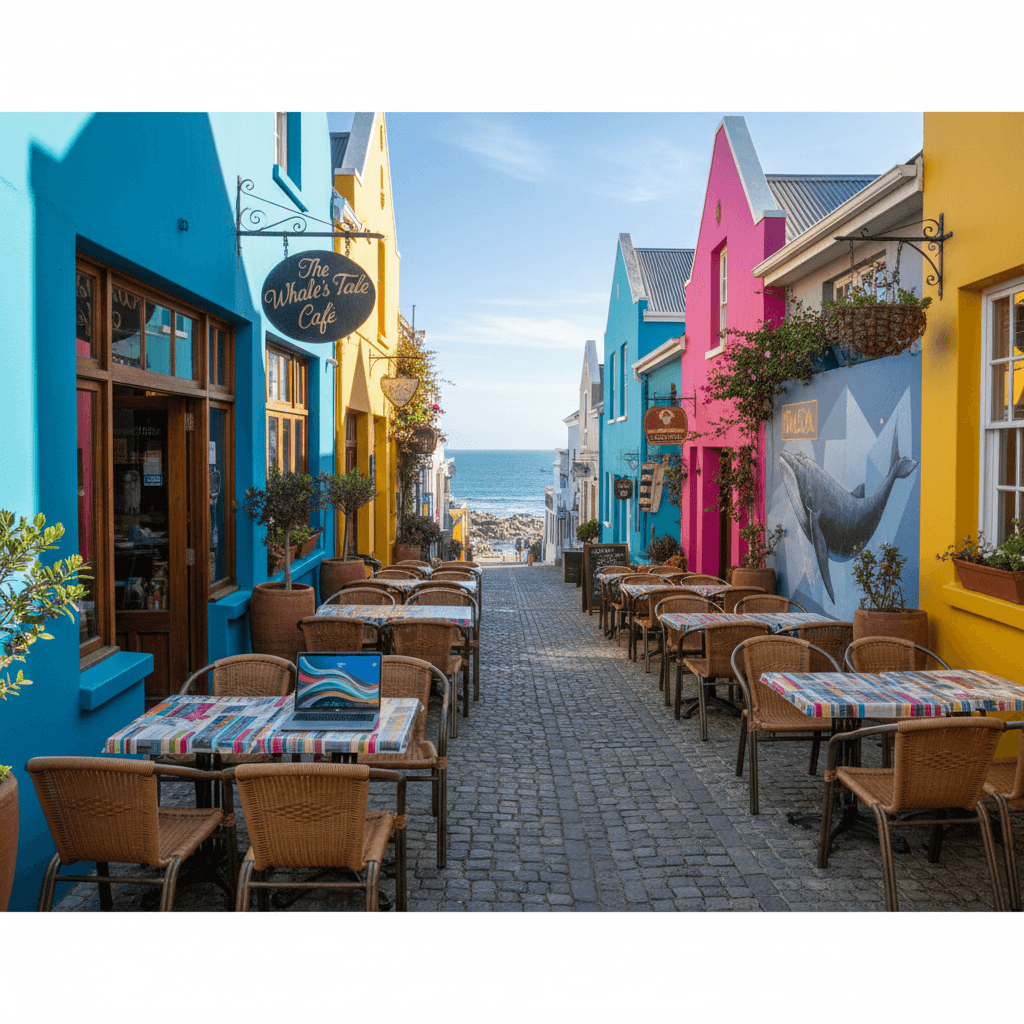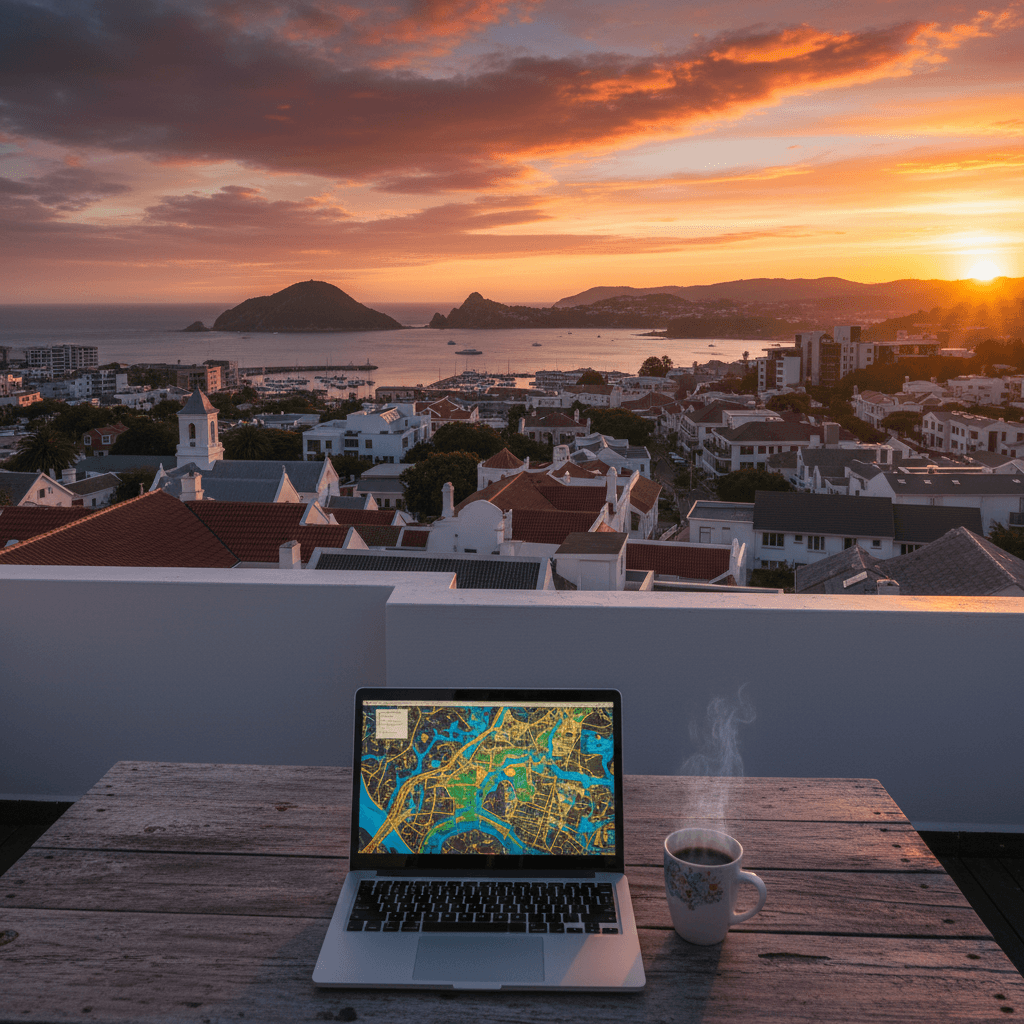
Knysna
🇿🇦 South Africa
Where the Forest Meets the Lagoon
Knysna isn't your typical high-octane nomad hub. It doesn't have the frantic energy of Cape Town or the sprawling urban grit of Johannesburg. Instead, it feels like a secret the rest of the world hasn't quite caught onto yet. Tucked away on the Garden Route, this town is defined by a massive saltwater lagoon guarded by two towering sandstone cliffs known as The Heads. It’s a place where you can finish a morning Zoom call and be kayaking toward the ocean or hiking through ancient, misty forests by lunchtime.
The vibe here is undeniably relaxed, bordering on horizontal. Locals move at a pace that respects the scenery, and you'll quickly find yourself adopting the same rhythm. It’s a town of woodcutters' history, artisanal bakeries, and people who actually stop to talk to you. For a remote worker, that means fewer distractions and a genuine sense of peace that’s hard to find in bigger South African metros. You get the infrastructure of a modern city, like 100 Mbps fiber and high-end grocery stores, without the traffic or the noise.
The Living Experience
Most nomads find that Knysna offers a high quality of life for a fraction of what you'd pay in Europe or North America. You can live well here on 30,000 to 45,000 ZAR per month, which covers a comfortable mid-range lifestyle. While it’s slightly pricier than some rural South African villages, the access to award-winning restaurants and reliable utilities makes it a bargain for those earning in Dollars, Euros, or Pounds.
- Waterfront and The Heads: This is the premier spot for expats. It’s walkable, scenic, and puts you right next to the best coffee shops. Expect to pay 10,000 to 15,000 ZAR for a solid one-bedroom apartment with a view.
- Central Knysna: More practical for those who want to be near the boutiques and local markets. It’s less "vacation-y" and more functional, with rents often dipping into the 6,000 to 9,000 ZAR range.
- The Outskirts: If you want a house with a garden and a pool near the forest trails, look toward the edges of town. You’ll definitely need a car, but the privacy and proximity to nature are unmatched.
Connectivity and Work Culture
Don't let the small-town feel fool you; the internet is rock solid. Fiber is the standard in most guesthouses and rentals. While there isn't a massive dedicated coworking scene like you'd find in Bali, the town is full of "work-from-anywhere" spots. The Turbine Boutique Hotel on Thesen Islands is a favorite for its industrial-chic atmosphere and reliable WiFi. Many nomads also set up at local cafes or even nearby wine farms that have embraced the remote work crowd.
For mobile data, grab a SIM from Vodacom or MTN. They have the best coverage in the area, which is vital if you plan on working while exploring the more remote parts of the Garden Route. South Africa recently introduced a Digital Nomad Visa, making it much easier for remote workers to stay legally for longer periods, which is a total game changer for the 2025 and 2026 seasons.
The Social Fabric
The culture is a blend of English, Afrikaans, and Xhosa influences, creating a community that’s welcoming but understated. You’ll likely meet people through outdoor activities rather than late-night clubbing. Weekend life revolves around the Wild Oats Community Farmers' Market in nearby Sedgefield or group hikes through the Knysna Forest. It’s easy to feel like a local quickly; just learn a few Xhosa greetings like "Sawubona" and "Enkosi", and you'll find doors open easily. It’s a town that rewards the curious and those who prefer a sunset over the lagoon to a neon-lit dance floor.
Making Your Rands Go Further
Knysna occupies a sweet spot for the budget conscious digital nomad. It's significantly more affordable than the high end pockets of Cape Town or Johannesburg, yet it provides a lifestyle that feels decidedly upscale. If you're earning in Dollars, Euros, or Pounds, you'll find your purchasing power is substantial here, allowing for a high quality of life that includes frequent dining out and weekend adventures along the Garden Route.
Most nomads find that a monthly budget of 15,000 to 25,000 ZAR covers the basics comfortably if you're flying solo. If you're looking for a more premium experience, perhaps a house with a view of the Lagoon and a private pool, you should plan for 50,000 ZAR or more. While the town is small, the cost of living can vary based on how close you are to the water.
Monthly Rent and Housing
Housing will be your biggest expense, and prices fluctuate based on proximity to the Waterfront and The Heads. For long term stays, it's often better to negotiate monthly rates with guesthouses rather than sticking strictly to daily Airbnb prices.
- Studio or 1BR Apartment: Expect to pay between 6,000 and 9,000 ZAR for a modest central spot. If you want to be in the Waterfront or a high end complex, prices jump to 10,000 to 15,000 ZAR.
- Luxury Homes: For a larger property with garden space and views in the outskirts or forest edges, budget 16,000 ZAR and up.
- Utilities: Internet is usually included in nomad friendly rentals, but if not, high speed fiber typically costs around 800 to 1,200 ZAR per month.
Eating and Drinking
Knysna is a bit of a foodie hub, famous for its oysters and artisanal bakeries. You can eat well here without breaking the bank, especially if you shop at local markets and cook at home occasionally.
- Casual Meals: A quick lunch or street food snack usually runs between 50 and 80 ZAR.
- Mid-range Dining: A nice dinner at a sit down restaurant in the central area costs about 150 to 250 ZAR per person.
- Fine Dining: For an upscale experience at places like the Turbine Boutique Hotel or the seafood spots at the Waterfront, expect to pay 400 ZAR or more.
- Groceries: Monthly groceries for one person typically average around 3,500 to 5,000 ZAR depending on your penchant for imported goods.
Transportation and Connectivity
Public transport is almost non existent in Knysna, so you'll need to factor in the cost of a vehicle. While the central area and Waterfront are walkable, reaching the forest trails or neighboring Plettenberg Bay requires wheels.
- Car Rental or Fuel: Most expats recommend owning or renting a car. Monthly fuel and basic maintenance usually fall between 2,000 and 3,000 ZAR.
- Coworking: While dedicated coworking spaces are still emerging, you can find desk space or "work from hotel" setups for roughly 1,500 to 2,500 ZAR per month. Many nomads simply work from cafes for the price of a few coffees.
- Mobile Data: A prepaid SIM from Vodacom or MTN with a decent data bundle will cost you about 400 to 600 ZAR per month.
Overall, Knysna offers a Mediterranean lifestyle at a fraction of the cost you'd find in Europe. It's a place where you can afford the luxury of nature without the usual price tag of a premier tourist destination.
The Waterfront and The Heads
For nomads who want to wake up to lagoon views and high speed fiber, the Waterfront area is the undisputed top choice. It is one of the few places in town where you can truly ditch the car for a morning. You can walk from your guesthouse to The Turbine Boutique Hotel for a morning coffee and some emails, then grab lunch at one of the many seafood spots along the quay.
While it is the most touristy part of town, it is also where you will find the most reliable infrastructure. Expect to pay between 10,000 ZAR and 16,000 ZAR per month for a high end apartment or a long stay suite here. It is safe, well lit at night, and keeps you close to the social action. If you prefer something quieter but still scenic, head further toward The Heads. It is more residential and requires a car, but the views of the Indian Ocean crashing through the sandstone cliffs are worth the extra drive.
Central Knysna
Solo travelers usually find their feet in the town center. This is the heart of Knysna's small town charm, where boutiques, artisanal bakeries, and grocery stores are all packed into a few blocks. It lacks the "vacation" feel of the waterfront, but it makes up for it with convenience. You can knock out your errands in twenty minutes and spend the rest of your day at a cafe like Knysna Log-In Lodge, which is a popular hub for remote workers.
Rent here is more approachable for those on a budget, typically ranging from 6,000 ZAR to 9,000 ZAR for a decent studio. While it is generally safe during the day, expats recommend being more cautious after dark than you would be on the guarded waterfront. It is a practical home base if you want to be in the middle of everything without paying the "view tax."
The Forest Edges and Outskirts
Expats looking for a long term home often gravitate toward the quieter outskirts or the edges of the Knysna Forest. These neighborhoods offer sprawling properties with gardens, pools, and immediate access to hiking and mountain bike trails. It is a lifestyle choice for those who value privacy and nature over being near a coffee shop.
You will definitely need your own vehicle here, as public transport is non existent and ride hailing apps can be spotty further out. A comfortable family home with a garden typically starts at 16,000 ZAR and goes up from there. It is the best place to experience the "Garden Route" lifestyle, where your morning alarm is more likely to be a Knysna Loerie than a car horn.
Family Friendly Enclaves
Families often look toward Leisure Isle or the secure estates on the hills. Leisure Isle is a flat, quiet island connected by a causeway, famous for its park like atmosphere and safe streets where kids can ride bikes freely. It is almost entirely residential, very peaceful, and has a strong sense of community that many expats find welcoming.
If security is a top priority, the gated estates on the hills provide peace of mind along with some of the best views in the Western Cape. These areas are pricier and require a 10 to 15 minute drive to get into town for school runs or shopping, but for many families, the trade off for safety and space is a no brainer.
Connectivity and Speed
Knysna doesn't feel like a tech hub, but the infrastructure tells a different story. Most guesthouses and rentals in the Waterfront and Central districts are now wired with high speed fiber. You can generally expect speeds between 10 Mbps and 100 Mbps, which is more than enough for seamless Zoom calls or uploading large files to the cloud. If you're staying further out toward the Forest Edges, double check with your host about fiber availability, as some remote spots still rely on slower LTE connections.
For a backup or when you're on the move, grab a local SIM card immediately. Vodacom and MTN have the most reliable coverage across the Garden Route, while Rain is a popular choice for data heavy users. You can pick these up at the airport or at the Knysna Mall. Expect to pay around 1,500 ZAR to 3,000 ZAR per month for a solid data plan if you aren't relying solely on home WiFi.
Coworking Spaces and Work Friendly Cafes
Knysna doesn't have the massive, glass walled coworking franchises you'll find in Cape Town. Instead, the scene is more intimate and integrated into the local hospitality. Many nomads gravitate toward the Turbine Boutique Hotel and Spa on Thesen Islands. It's a refurbished power station that provides a sophisticated atmosphere and reliable connectivity for the price of a few coffees or a lunch order.
The Knysna Log-In Lodge is another staple for the remote work community. It’s a hybrid space that understands the nomad lifestyle, offering a mix of accommodation and dedicated work areas. If you prefer a more traditional office setup, local business centers in the central area offer desk rentals for roughly 1,500 ZAR to 2,500 ZAR a month, though many travelers find the local cafe culture more appealing.
For a change of scenery, try these nomad favorites:
- Ile de Païn: Located on Thesen Island, this famous bakery is great for a morning power hour. The WiFi is snappy, but it gets busy, so arrive early if you need a table with a plug point.
- The Waterfront: Several restaurants overlooking the lagoon offer free WiFi. It’s less of a "deep work" environment and more of a "check emails with a view" spot.
- Garden Route Wine Farms: If you have a car, drive 20 minutes out of town. Many estates have converted tasting rooms into quiet daytime workspaces for those who want to work surrounded by vineyards.
Load Shedding Survival
Power outages, known locally as load shedding, are a reality in South Africa. While Knysna is more relaxed than the big cities, you still need to plan for it. Most high end rentals and established coworking spots have "inverters" or backup batteries that keep the WiFi running even when the lights go out. Always ask your landlord if the property has a "UPS" (Uninterruptible Power Supply) for the router. If they don't, a small portable power station from a local tech shop will be your best investment for staying online during your 2025 or 2026 stint.
Digital Nomad Community
The community here is growing, fueled by the South Africa Digital Nomad Visa. You won't find a massive "tech bro" scene, but you will find plenty of creative professionals, writers, and software developers who've traded city life for the lagoon. Most networking happens organically at hiking trailheads or during weekend markets. Facebook groups like "Knysna Notice Board" or "Garden Route Expats" are the best places to find out about informal meetups or to ask for current WiFi speed tests at specific cafes.
Staying Safe in the Garden Route
Knysna is generally considered one of the safer hubs for remote workers in South Africa, especially when compared to the high intensity of Johannesburg or parts of Cape Town. It has a relaxed, small town atmosphere where locals often know their neighbors. However, South Africa's general safety rules still apply here. Most nomads find that staying vigilant and following common sense keeps them out of trouble.
The Waterfront and The Heads are the most secure areas for walking and dining. These spots are well lit and frequently patrolled, making them the go to choice for solo travelers. Central Knysna is perfectly fine during the day for errands and shopping, but it gets quiet quickly after dark. Expats recommend avoiding walking alone at night in the town center; instead, use ride hailing apps like Bolt or Uber to get back to your accommodation, even for short distances.
Property crime, such as opportunistic theft, is the most common issue. If you're staying in a standalone house or a forest cottage, ensure it has basic security features like an alarm system or perimeter fencing. Never leave your laptop, phone, or camera visible in your car, even if it's parked in a busy lot. When working in local cafes, keep your gear within reach and don't leave your workstation unattended to take a phone call.
Healthcare Facilities and Services
If you get sick or injured, you're in good hands. Knysna has a solid healthcare infrastructure that serves both the local community and the steady stream of international tourists. For anything urgent, Life Knysna Private Hospital is the primary facility for expats and nomads. It provides high quality care, modern equipment, and 24 hour emergency services.
- Private Care: Life Knysna Private Hospital offers specialized services and shorter wait times.
- Pharmacies: You'll find several well stocked pharmacies in the Knysna Mall and Woodmill Lane Shopping Centre for prescriptions and over the counter meds.
- General Practitioners: Local doctors are easily accessible for routine checkups, usually costing between 600 ZAR and 900 ZAR for a consultation.
Medical insurance is a non negotiable requirement for staying here. While public healthcare exists, it is often overcrowded and underfunded. Most digital nomads use international providers like SafetyWing or Genki, but if you're staying long term, you might look into local medical aids like Discovery Health.
Practical Emergency Info
It's smart to keep a list of local emergency numbers saved in your phone. The national emergency number for the police is 10111, while 10177 is for ambulance services. For a faster response in a private medical emergency, call Netcare 911 or ER24 directly, as they have dedicated fleets in the Garden Route area.
If you're heading out for a solo hike in the Knysna Forest or kayaking the lagoon, always let someone know your expected return time. The weather can shift quickly, and while the trails are beautiful, it's easy to lose your bearings in the dense canopy. Most travelers find that joining a local hiking group or using apps like AllTrails adds an extra layer of security to their outdoor adventures.
Getting Around Knysna
Knysna is a sprawling, beautiful town that hugs the edges of a massive lagoon. While the center is compact, the geography is quite spread out. To truly experience the Garden Route without frustration, you'll need to think about wheels early in your trip. Most nomads find that while walking works for a morning coffee run, a car is the only way to reach the best forest trails or the dramatic views at the Heads.
Car Rentals and Driving
If you're staying for more than a week, renting a car is the move. You'll drive on the left side of the road here. International permits are widely accepted, and the roads are generally well maintained. Fuel costs are relatively low compared to Europe or North America, usually averaging between 1,000 ZAR and 3,000 ZAR per month depending on how many weekend trips to Plettenberg Bay you take.
- Local Tip: Parking is usually easy to find, but you'll often see "car guards" in yellow vests. It's standard practice to give them a small tip of 5 to 10 ZAR when you return to your vehicle.
- Rental Apps: Check local providers or larger agencies at George Airport, which is the nearest major flight hub.
Ride-Hailing and Taxis
While Knysna doesn't have the constant hum of Uber drivers found in Cape Town, ride-hailing apps like Uber and Bolt do operate in the area. Availability can be spotty during the off-season or late at night, so don't rely on them for time-sensitive airport runs without a backup plan. For a more reliable local service, grab the number of a private taxi operator from your guesthouse or the Turbine Boutique Hotel front desk.
Walkability
If you choose your base wisely, you can get away with a low-car lifestyle. The Waterfront and Central Knysna are the most walkable pockets. In these areas, you can easily hop between artisanal bakeries, boutique shops, and your accommodation on foot. Most errands in the town center are manageable without a vehicle, and the flat terrain near the lagoon makes for a pleasant stroll. However, once the sun goes down, travelers often prefer a quick drive or a taxi rather than walking long distances.
Cycling and Micro-Mobility
Knysna is a dream for mountain bikers, but it's less of a commuter cycling town. You'll find plenty of shops near the lagoon and forest edges offering bike and scooter rentals. These are perfect for exploring the trails or riding along the water, but the lack of dedicated bike lanes on the main roads means you should stay alert when riding in traffic. Expect to pay around 350 ZAR for a daily rental of a decent mountain bike.
Reaching Knysna
Most nomads fly into George Airport (GRJ), which is about an hour's drive away. From there, you can book a private shuttle or rent a car. There isn't a reliable public train or bus system that services the town internally, so your arrival logistics should be sorted before you land. If you're coming from Cape Town, the drive takes about five to six hours along the scenic N2 highway, a trip that many expats recommend doing at least once for the views alone.
The Linguistic Landscape
You'll find that getting around Knysna is incredibly straightforward if you speak English. It serves as the primary language for business, tourism, and daily administration. While South Africa recognizes 11 official languages, the Garden Route has a distinct linguistic blend where English, Afrikaans, and isiXhosa coexist side by side. Most locals are bilingual or even trilingual, and they'll likely switch to English the moment they realize you're a visitor.
Afrikaans is widely spoken among the local community and in many business circles, particularly in the agricultural and construction sectors. You'll also hear isiXhosa frequently, especially in the northern townships and among service staff. While you don't need to be fluent in anything other than English to work or socialize here, learning a few greetings goes a long way in building rapport with the people who make this town run.
Useful Phrases and Local Slang
South African English has its own flavor. You'll hear words that aren't in the standard Oxford dictionary but are part of the daily rhythm. If someone says they'll do something "now-now," they don't mean immediately; it usually means in a little while. If they say "just now," it could be even later. It's a relaxed pace of life that nomads either learn to love or find slightly maddening during their first week.
- Sawubona: Hello (isiXhosa)
- Enkosi: Thank you (isiXhosa)
- Lekker: Great, delicious, or nice (Afrikaans origin)
- Braai: A barbecue, but more of a cultural institution than just a meal
- Robot: A traffic light
Staying Connected
For digital nomads, the communication infrastructure is surprisingly robust for a town of around 85,000 people. Fiber internet has rolled out across most of the central areas and the Waterfront, with speeds often reaching 100 Mbps. If you're staying in the Heads or near the lagoon, double check with your host about the specific connection, as some older guesthouses still rely on slower ADSL or satellite links.
Mobile data is your best safety net. Expats generally recommend grabbing a local SIM card immediately upon arrival at the airport or in the Knysna Mall. Vodacom and MTN offer the most reliable coverage throughout the Garden Route, while Rain is a popular choice for affordable, unlimited 5G data if you're staying within the town center. Expect to pay around 400 ZAR to 800 ZAR for a decent monthly data bundle.
Communication Tools and Apps
WhatsApp is the undisputed king of communication in South Africa. From booking a table at a restaurant on the Waterfront to chatting with your landlord or joining local hiking groups, everything happens on WhatsApp. If a business has a phone number listed, they almost certainly have a WhatsApp account linked to it.
- Google Translate: While rarely needed for basic conversation, it's helpful for reading Afrikaans signage or menus in more rural spots nearby.
- Uber and Bolt: These apps are the standard for getting around if you aren't driving yourself, though coverage can be spotty late at night compared to Cape Town.
- Namola: A safety app frequently recommended by expats for emergency assistance and GPS location sharing.
Most nomads find that the lack of a language barrier makes Knysna one of the easiest "soft landings" in Africa. You can walk into a cafe like Leisure Island Coffee Shop or African Attitude craft shop, open your laptop, and strike up a conversation with the person at the next table without any hesitation. The locals are famously friendly and usually happy to share tips on the best forest trails or where to find the freshest oysters.
The Mediterranean Rhythm
Knysna operates on a Mediterranean climate cycle that dictates the town's energy. If you're coming from the Northern Hemisphere, remember that the seasons are flipped. Summer hits its stride from December through February, while winter settles in from June to August. Unlike the bone-chilling winters of Europe or North America, Knysna stays relatively mild, though the dampness from the lagoon and forest can make the air feel crisper than the thermometer suggests.
Most digital nomads aim for the window between late January and April. By then, the frantic holiday crowds from Johannesburg and Cape Town have headed home, but the weather remains warm and dry. You'll get daytime highs between 20°C and 28°C, which is perfect for taking a laptop to a waterfront cafe or hitting the trails after a morning of deep work.
Seasonal Breakdown
- Summer (December to February): This is peak season. Expect temperatures to hover around 25°C to 30°C. It's the best time for kayaking the lagoon or swimming at Noetzie Beach. However, prices for short term rentals spike, and you'll need to book your accommodation months in advance.
- Autumn (March to May): This is the sweet spot for many expats. The wind drops, the lagoon turns into a mirror, and the air is clear. Temperatures stay comfortable, usually in the low 20s, and the town regains its quiet, local soul.
- Winter (June to August): Expect rainy days and nighttime lows around 10°C. While it rarely gets truly cold, the humidity is high. If you're staying in an older cottage or a forest cabin, check if they have a fireplace or gas heater, as central heating isn't common here.
- Spring (September to November): The Garden Route earns its name during these months. The fynbos blooms and the whales often pass by the Knysna Heads. It's beautiful but can be unpredictable with sudden rain showers.
When to Time Your Arrival
If your schedule is flexible, time your visit around the Knysna Oyster Festival, usually held in July. While it's technically winter, the town comes alive with sports events, food markets, and a festive atmosphere that breaks up the quiet season. It's a great time to meet locals and other travelers, though you'll want to pack a solid waterproof jacket.
For those focused on outdoor productivity, February is arguably the best month. The "February heat" is famous in the Western Cape, providing long, reliable days of sunshine. You can easily squeeze in a hike through the Knysna Forest or a boat trip through the Heads before the sun sets late in the evening. Most nomads find that the consistent weather during this period makes it much easier to stick to a routine that balances screen time with adventure.
Practical Weather Tips
The weather can change quickly because of the surrounding mountains and the ocean. Locals often joke that you can experience three seasons in one afternoon. Always keep a light windbreaker in your car or backpack, especially if you're heading toward the Heads where the sea breeze picks up. If you're planning on working from a balcony or outdoor deck, keep an eye on the wind forecasts; the south-easterly can occasionally be strong enough to make outdoor Zoom calls a bit of a challenge.
Connectivity and Power
You'll find that Knysna is surprisingly well equipped for remote work. Most guesthouses and rentals now offer high speed fiber with speeds ranging between 10 and 100 Mbps. If you're staying in the Waterfront or Central areas, the connection is usually rock solid for Zoom calls and heavy uploads.
For mobile data, grab a prepaid SIM from Vodacom or MTN as soon as you land or at the local Knysna Mall. Rain is another great option if you need a dedicated 5G data puck for your desk. Expect to pay around 1,500 to 2,500 ZAR per month for a reliable data setup and a dedicated workspace.
South Africa uses Type M (three large round pins) and Type C (two small round pins) plugs. While many modern apartments have universal outlets, it's smart to pack a few sturdy adapters. Since the country manages its power grid through scheduled outages, check if your accommodation has an inverter or "load shedding" backup system before you book.
Money and Budgeting
Living here is quite affordable if you're earning in Dollars, Euros, or Pounds. Most nomads find they can live comfortably on 30,000 to 45,000 ZAR per month, though you can get by on 20,000 ZAR if you're frugal with dining out.
- Studio Apartment: 6,000 to 9,000 ZAR in Central; 15,000+ ZAR for a Waterfront view.
- Mid-range Meal: 150 to 250 ZAR at spots like the Turbine Boutique Hotel or local bistros.
- Coffee: 30 to 45 ZAR for a high quality flat white.
Credit cards are accepted almost everywhere, from grocery stores to tiny boutiques. Use Wise or Revolut for the best exchange rates, but keep a small amount of cash for tips or small purchases at the Saturday markets. Tipping is standard at 10 to 15 percent in restaurants.
Getting Around the Garden Route
While Central Knysna and the Waterfront are walkable, you'll feel trapped without a car. The town is spread out, and the best hiking trails and beaches are a 15 to 20 minute drive away. Most expats recommend renting a car or buying a cheap run-around if you're staying for a few months. Remember, they drive on the left side of the road here.
Ride hailing apps like Uber and Bolt operate in the area, but wait times can be longer than in Cape Town. For airport transfers, you'll likely fly into George Airport (GRJ), which is about an hour's drive away. Shuttles and private taxis are easy to book in advance.
Safety and Wellness
Knysna is generally safer than the major metros, but you still need to be street smart. Stick to well lit areas at night and don't leave valuables visible in your car. Most residents feel perfectly comfortable walking around the Waterfront and main shopping strips during the day.
Healthcare is excellent but private. There are several local clinics and pharmacies in the town center that can handle routine issues. If you have a serious medical need, the private hospitals in George are world class. Make sure your travel insurance covers private facilities.
Visas for 2025 and 2026
The South Africa Digital Nomad Visa is the game changer for 2025 and 2026. It allows remote workers to stay for longer periods without the hassle of 90 day border runs. If you're just testing the waters, many nationalities still get a 90 day visa on arrival. Always double check the latest requirements for your specific passport before you book your flight.
Need visa and immigration info for South Africa?
🇿🇦 View South Africa Country GuideEasy Landing
Settle in, no stress
Monthly Budget Estimates
More cities in South Africa
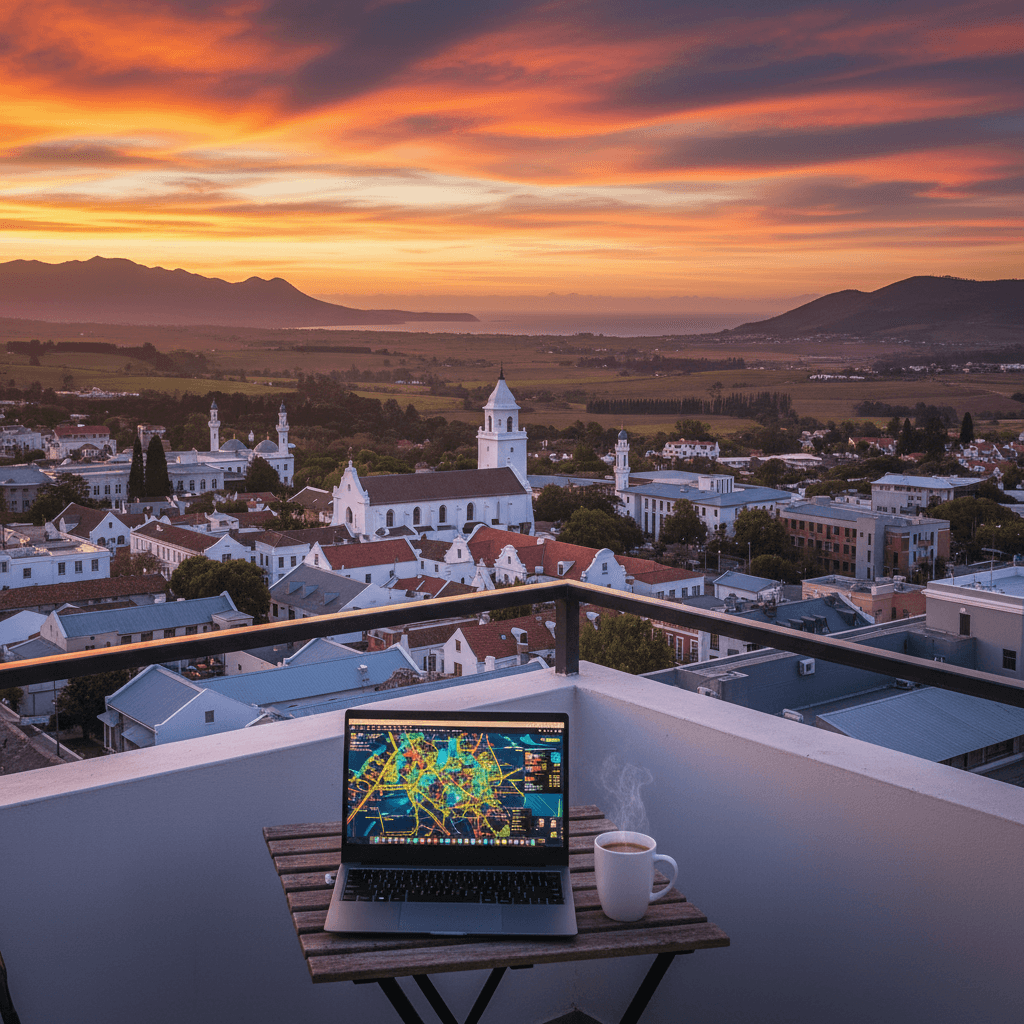
Stellenbosch
🇿🇦 South Africa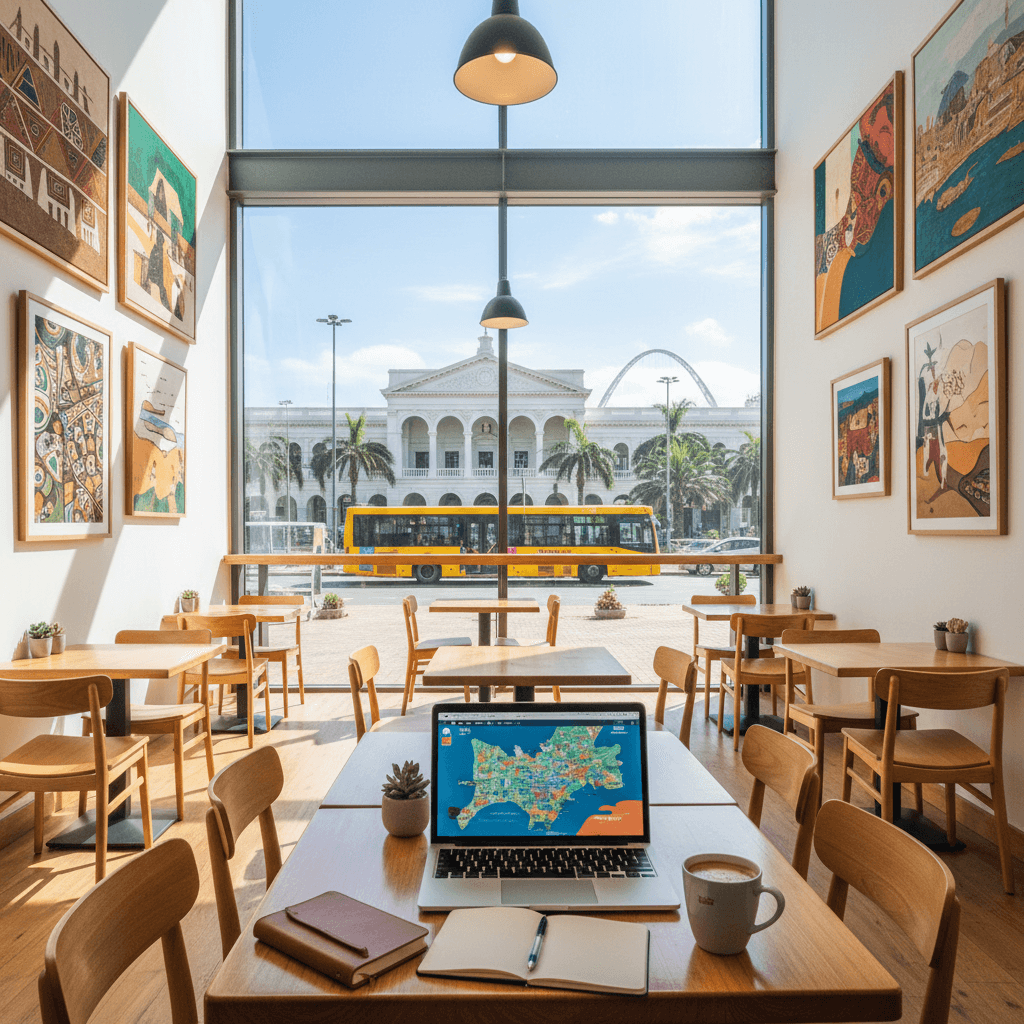
Durban
🇿🇦 South Africa
Johannesburg
🇿🇦 South Africa