Kisumu
🇰🇪 Kenya
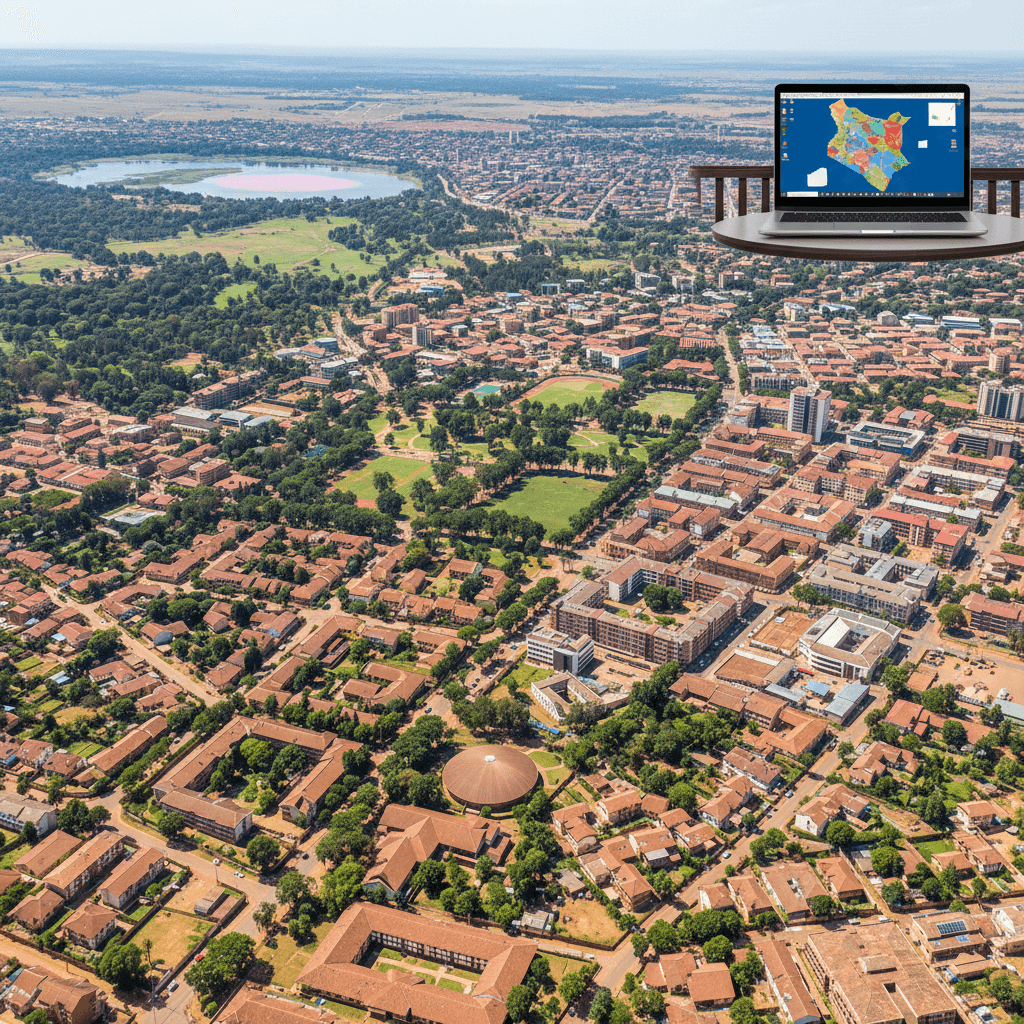
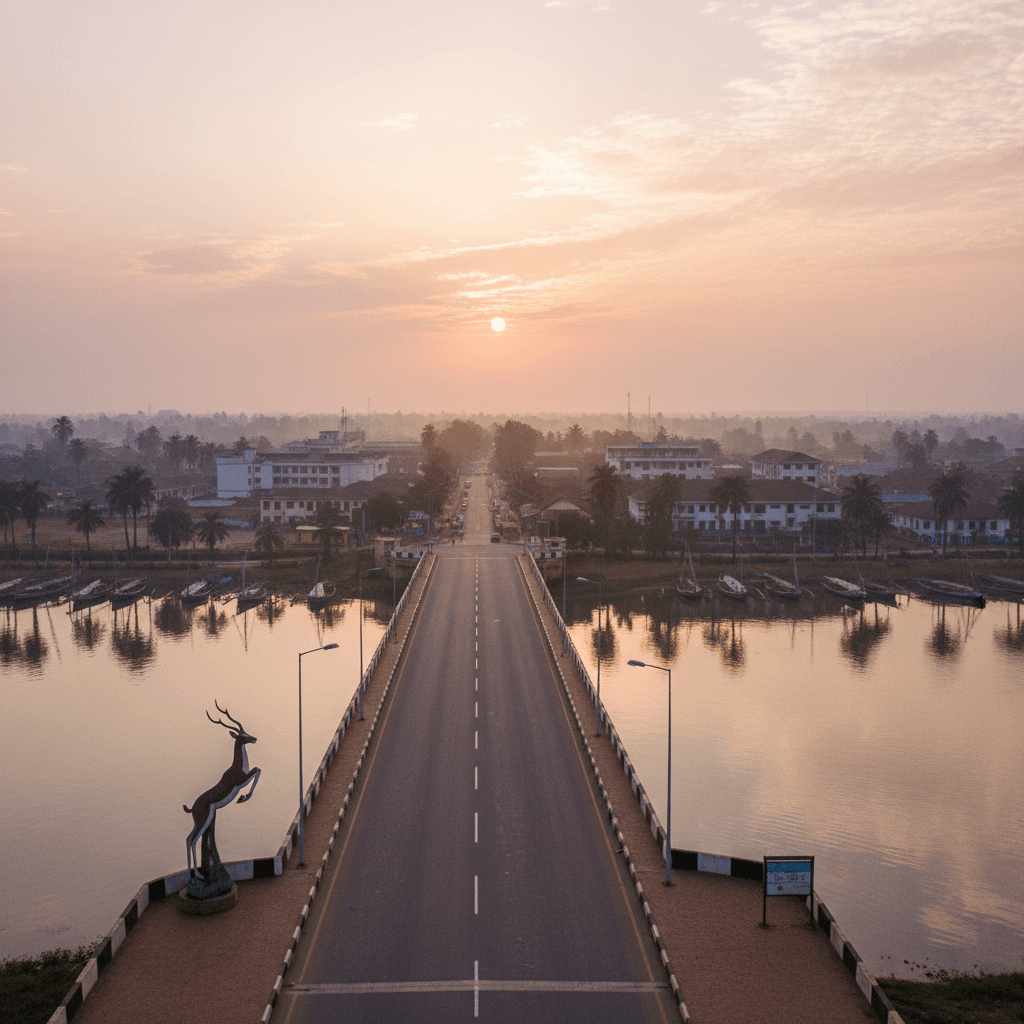
Kisumu moves at a softer speed than Nairobi and that’s the point. You get lake air, Luo hospitality, honking boda bodas and long evenings that smell like grilled fish and rain on hot pavement, which, surprisingly, makes workdays feel less grim.
It’s a budget-friendly base if you can tolerate a few annoyances. Power cuts still happen, internet can wobble and the nicer apartments don’t come cheap, but the tradeoff is real: quiet mornings in Milimani, sunset walks in Riat Hills and a city that feels lived in, not performed for visitors.
Living costs are pretty manageable. A solo nomad can get by on about $533 a month before lifestyle creep, though most people spend more once they start ordering Bolt rides and eating out. Not cheap. Still, it’s far easier on the wallet than Nairobi.
- Rent: Studio or 1BR in Milimani or Riat Hills usually runs $200 to $400, while central Kisumu can drop to $100 to $250 if you’re okay with older stock.
- Food: Street snacks like masala chips and grilled meat cost about $2 to $5, mid-range meals land around $7 to $15 and nicer dinners start at $20 plus.
- Transport: Matatus are cheap at roughly $0.50 to $1, while Bolt rides usually come in around $3 to $5 and airport runs are still reasonable.
- Coworking: Regus day access can sit around $7 to $15, while LakeHub memberships start near KES 4,500 a month, which is a decent deal if you want a desk and less café chaos.
Milimani
- Best for: Nomads and expats who want quiet, better homes and a bit of polish.
- Pros: Lake views, calmer streets, easier access to decent amenities.
- Cons: Higher rents, less nightlife and honestly a slightly sleepy feel after dark.
Riat Hills
- Best for: People who want space, views and a more suburban feel.
- Pros: Peaceful, upscale and good for longer stays.
- Cons: Farther from the CBD, so you’ll rely on rides more.
Central Kisumu
- Best for: Solo travelers who want markets, cheap eats and walkability.
- Pros: Lively daytime energy, easy access to food and errands.
- Cons: Congestion, petty theft and a night scene that feels a bit rough around the edges.
Most nomads settle into a simple routine, work in the morning, grab lunch near the CBD, then head for the lake or a rooftop drink before the mosquitoes come out. Internet is, honestly, good enough if you pick your provider carefully, but don’t expect flawless infrastructure every day.
Kisumu’s appeal is the mood, not the polish. You’ll hear market chatter, feel the humidity cling to your shirt and see the city slow down at dusk and if that sounds better than polished-but-expensive, Kisumu makes a very strong case.
Kisumu’s cost of living is pleasantly low compared with Nairobi, but it’s not a free ride. A single person can live on about $533 a month if rent stays sane and that’s the real draw for nomads who’d rather spend on lake weekends than on a giant apartment. Not cheap, but manageable.
Housing is the biggest swing factor. In Milimani or Riat Hills, a studio or one-bedroom usually runs $200 to $400 and you pay for the quiet, the cleaner streets and those lake breezes that drift through at night, while central Kisumu can drop to $100 to $250 if you don’t mind more noise, more dust and the occasional honking matatu outside your window.
Typical monthly costs
- Rent: $100 to $400, depending on area and finish.
- Food: Street meals cost $2 to $5, mid-range restaurants hit $7 to $15 and fancier places start around $20.
- Transport: Matatus are usually $0.50 to $1, Bolt rides land around $3 to $5.
- Coworking: Day passes run about $7 to $15, LakeHub hot desks around KES 13,000/month (~$100).
Food’s still one of the nicest bargains here, especially if you like grilled chicken, maize or a plate of masala chips eaten while traffic fumes drift past and vendors shout over the road noise. Upscale dinners exist, sure, but most people don’t need them often, because a decent meal in town won’t wreck your budget.
Transport is straightforward, though sometimes a little messy. Matatus are cheap and crowded, Bolt works well for airport runs and late trips and walking is fine in Milimani or the CBD during daylight, just don’t expect silky sidewalks or perfect safety after dark. The potholes can rattle your teeth, frankly.
Neighborhoods that change the budget
- Milimani: Best for nomads who want quieter streets, modern homes and easier access to amenities, but rent’s higher.
- Riat Hills: Good for space, views and a calmer feel, though you’ll be farther from the CBD and public transport.
- Central Kisumu/CBD: Cheapest for food and rent, walkable too, but noisier and a bit rougher around petty theft.
If you want a comfortable setup, budget around $1,000 a month. At that level, you can get a decent place, eat out often enough and still pay for coworking without counting every shilling, though the internet sometimes tests your patience when the power blips or the router acts weirdly.
For a more relaxed life with nicer housing and fewer compromises, $1,500 plus feels safer. That’s the tier where Kisumu starts to feel easy, not just affordable.
Kisumu’s best areas are pretty clear once you know what you want. Milimani and Riat Hills suit people who want quiet, safer streets, while the CBD works if you like being near matatus, markets and cheap food, noise included.
Nomads
Milimani is the smart pick. It’s calmer, close to the lake and you’re still near decent cafés, banks and Bolt rides, so you can get work done without feeling boxed in, honestly, by the CBD chaos.
- Rent: Studio or 1BR usually runs $200 to $400.
- Best for: Remote work, longer stays and a quieter routine.
- Watch for: Higher rent and a nightlife scene that’s pretty thin.
Riat Hills is the more polished choice, with bigger homes, lake views and a sleepy, upscale feel that suits nomads who want space and don’t mind being farther from the center. Internet can still be patchy in some buildings, so check the connection before you sign anything, because a pretty view won’t save a bad router.
Expats
Expats usually end up in Milimani or Riat Hills, then stay there because the tradeoff makes sense. You get better homes, less street noise and easier access to amenities, though the city’s occasional power cuts can still make evenings feel a bit old-school, candle-and-fan style.
- Milimani: Best all-rounder, especially if you want convenience and quiet.
- Riat Hills: Best if you want more space and Lake Victoria views.
- Monthly living: A comfortable setup often lands around $1,000 or more.
Skip the idea that Kisumu is all slow charm and no friction. The transport can be awkward outside the core and high-end shops are limited, so expats often stock up in town and use M-Pesa for almost everything, which, surprisingly, works smoothly most days.
Families
Riat Hills is the easy family call. It’s quieter, roomier and feels more residential, with less of the honking and roadside bustle that clings to the CBD, though you’ll need your own wheels more often.
- Rent: Expect $200 to $400 for a decent home, more for larger properties.
- Pros: Space, privacy and a calmer atmosphere.
- Cons: Fewer buses, fewer walkable errands.
Milimani also works for families who want schools, shops and doctors nearby without living in the thick of it. The air feels a little fresher there after rain and the streets are easier to manage with kids than the center.
Solo Travelers
The CBD is the cheapest and it’s the most useful if you like walking to markets, guesthouses and simple meals. It’s loud, crowded and frankly a bit grimy in places, but it gives you the real city, with roasted maize smoke, boda horns and cheap plates of food after dark.
- Rent: Rooms and basic units can drop to $100 to $250.
- Best for: Short stays, budget travelers and people who like street life.
- Caution: Petty theft is more of a concern here, especially at night.
Most solo travelers should still avoid wandering late, especially on quieter side streets. If you want cheaper prices without giving up too much sanity, stay near the center for errands, then head back before dark, because that’s when the mood changes fast.
Kisumu’s internet is decent if you set it up right and annoying if you don’t. In town, Airtel routers can hit speeds that feel fast enough for video calls and uploads, while Safaricom data bundles are the safer backup when your home WiFi starts acting up, which it does more than you’d like. Honestly, power cuts and shaky connections still happen, so most nomads keep a hotspot ready and don’t rely on one line.
If you’re staying a while, a proper home connection beats café hopping. Nedwa ISP is a solid pick for office or apartment installs, with coverage that reaches well beyond a normal room and the Airtel router setup is cheap enough that it doesn’t sting too badly. Not fancy. Just practical.
Coworking Spaces
- Regus: Day passes typically $7-$15 (check local availability), so it works if you only need quiet, aircon and a desk for a few hours.
- LakeHub: Around KES 13,000 a month for a hot desk (confirm current rates) and it’s the better choice if you want a more local remote-work crowd and don’t mind a slightly scrappier setup.
- Cafés: Some places have WiFi, but it’s hit-or-miss, weirdly slow at peak hours and a noisy blender or generator can kill any focus you had.
LakeHub is probably the most interesting space in town if you’re planning to stick around, because you’ll bump into founders, students and people building actual things, not just laptop campers. Regus is cleaner and more corporate, frankly, so pick it if you need predictable seating, quieter air and fewer interruptions from nearby chatter.
What It Costs
- Router: Airtel devices start at about KES 2,999.
- Home data: Plans begin around KES 1,999 a month, often advertised as unlimited.
- SIM starter packs: Usually KES 100 to 500, with cheap bundles once you’re set up.
For a budget month, Kisumu can stay around $600 if you keep rent modest and don’t splurge on imported groceries, though a more comfortable setup climbs fast once you add a better apartment and coworking. A single person’s monthly spend often lands near $533 overall, with rent starting around $100 to $400 depending on the area and that’s before you’ve ordered one too many Bolt rides.
Milimani is the easiest base for online work, because it’s calmer, closer to decent apartments and you’re less likely to hear traffic honking past midnight. Central Kisumu is cheaper and more walkable, but the noise, petty theft risk and random interruptions can get old fast, so if you need deep focus, stay near Milimani or just work from a coworking desk.
Kisumu feels calmer than most Kenyan cities, but don’t mistake calm for careless. Central areas have petty theft, especially around markets and crowded stops, so keep your phone tucked away, crossbody bags zipped and your guard up after dark. Not perfect.
Most nomads stay in Milimani or Riat Hills because they’re quieter, better lit and less frantic than the CBD, where the horns, boda bodas and market noise can get exhausting fast. If you’re out late in the center, take Bolt or Uber home, don’t walk solo through empty side streets and skip flashing laptops in cafes, honestly that’s just asking for trouble.
Where to stay
- Milimani: Best mix of calm and convenience, with modern homes, lakeside air and easier access to services.
- Riat Hills: Serene and upscale, though you’ll rely more on taxis because public transport is thinner.
- CBD: Cheap and walkable, but noisier, more crowded and better suited to daytime errands than late nights.
Healthcare is decent for a regional city. Jaramogi Oginga Odinga Teaching and Referral Hospital handles serious cases with ICU, oncology and lab services and pharmacies are common around town, though stock shortages happen and the advice from locals is simple, check before you leave the counter. Emergency numbers are 999 and 112.
For smaller issues, pharmacies in Milimani and the CBD can sort out basics like painkillers, antibiotics with a prescription and malaria meds, but don’t expect the kind of shelf depth you’d find in Nairobi. Fever, stomach bugs and dehydration are the usual annoyances here, especially after street food or a day out in the heat, which, surprisingly, can knock you flat faster than you’d think. Bring any prescription meds you depend on.
Practical health moves
- Water: Drink bottled or filtered water, the tap situation can be hit or miss.
- Malaria: Use repellent at dusk, especially near the lake and after rains.
- Insurance: Keep coverage that includes private clinics or referral care, because delays can be frustrating.
- Extras: Pack basics like rehydration salts, antiseptic and your regular meds, since pharmacy stock varies.
Traffic can be the other health hazard, weirdly enough. Matatus are cheap, but they’re crowded and a bit rough on the body, so if you’re tired, injured or carrying gear, just pay for a Bolt and save yourself the squeeze, the diesel smell and the sweaty shoulder-to-shoulder ride.
Kisumu gets around at a slower, saner pace than Nairobi and that’s part of the appeal. In Milimani and the CBD, you can walk a lot of errands if you don’t mind heat, boda boda calls and the occasional blast of exhaust from a passing matatu.
For longer hops, Bolt is the default choice and Uber or Little can fill the gaps. Kisumu Airport is only about 6 km from town, so a Bolt or taxi usually lands in the $5 to $10 range, which feels fair unless traffic gets weirdly sticky near peak hours, then the fare creeps up.
Best ways to get around:
- Walking: Good in Milimani and parts of the CBD, but stick to daylight and busy streets.
- Matatus: Cheap, noisy and crowded, fares usually sit around $0.50 to $1.
- Ride-hailing: Bolt is the most reliable, especially for airport runs and late-ish trips.
- Boda bodas: Fast for short jumps, though safety standards vary and helmets aren’t always a sure thing.
Matatus are the cheapest option and also the most chaotic. You’ll hear the conductor shouting destinations over music, horns and the rattle of old panels, then you’re squeezed in with market bags, schoolkids and somebody’s armrest that never quite works properly.
If you’re staying in Milimani, you can get by without much fuss, the streets are calmer, the pavements are better and it’s easy to grab groceries, coffee or a quick lunch. Central Kisumu is more walkable on paper, honestly, but the traffic, petty theft and night-time noise mean most people don’t linger after dark.
Neighborhood mobility:
- Milimani: Easiest for walking, short Bolt rides and everyday errands.
- Riat Hills: Quiet and roomy, but you’ll need a car or ride-hailing more often.
- CBD: Walkable for daytime errands, though congestion and pickpocketing are real annoyances.
There aren’t many scooter rentals or polished bike-share options, so don’t expect the sort of slick transport setup you’d get in Cape Town or parts of Europe. If you want a simple rule, use Bolt after dark, walk when the area feels calm and skip solo late-night wandering through empty stretches near the center.
Lake breeze helps. Still hot. And if you’re crossing town in the middle of the afternoon, the heat sticks to your skin while boda bodas weave past and somebody’s radio leaks old genge tracks into the street.
Kisumu feels easy to talk in, even if you only know a few words of Swahili. English works well in hotels, offices and most shops, while Luo and Swahili carry the daily rhythm in markets, matatus and neighborhood chats. Jambo and asante go a long way and if you smile when you say them, people usually warm up fast.
Don’t overthink fluency. People are used to mixing languages in one conversation and honestly that makes life simpler for visitors, because you can ask for help in English, get directions in Swahili, then hear a quick Luo reply from the person next to you. In central Kisumu, especially around the CBD and Milimani, staff in restaurants, pharmacies and coworking spaces usually switch languages without fuss, though the accent and pace can take a minute to catch.
What to expect day to day
- English: Common in business settings, hotels and with younger city residents.
- Swahili: The safest fallback for taxis, markets and casual errands.
- Dholuo: Widely spoken locally, especially in homes and informal conversations.
Useful phrases matter more here than perfect grammar. Say “habari” for hello, “tafadhali” for please and “sawa” when you’re fine with a price or plan, because that tiny bit of effort cuts through the usual suspicion around tourists and makes bargaining less awkward, frankly. If someone speaks quickly at a kiosk or bus stage, don’t fake confidence, just ask them to repeat it slowly and most people will.
Practical communication tips
- Google Translate: Handy for menus, signs and quick text chats.
- Sim card: Safaricom and Airtel staff usually set you up fast.
- WhatsApp: The default for bookings, apartment leads and local meetups.
In work settings, written communication tends to be straightforward, but follow-up can be slow, so confirm details by WhatsApp or text instead of relying on a spoken promise, which, surprisingly, gets forgotten more often than it should. That’s especially true for apartment agents, drivers and service providers. The call quality is decent when the network behaves, though the occasional dropped line and patchy signal near the lake can be annoying.
Body language matters too. A handshake is normal, eye contact is expected and respectful greetings before jumping into a request will save you time. Keep your tone calm, avoid sounding rushed and if you’re lost, people usually help, even if the answer comes with a lot of hand gestures and a pointed finger toward the next roundabout.
Kisumu stays warm all year, usually sitting somewhere between 22°C and 32°C, so you’re never packing for real cold, just for wet heat, lake breezes and the kind of humidity that clings to your shirt by noon. The city has two rainy seasons, March to June and again October to December and April and May can get properly soggy, with daily downpours that drum on tin roofs and turn side streets into slippery red mud. Best time? June to September. Dry, easier to move around and frankly less annoying.
That dry stretch is when Kisumu feels most livable for nomads. Mornings are clear, the lake air is softer and you can work from Milimani or Riat Hills without listening to rain hammer the windows all afternoon, then head out for sundowner walks or a Bolt ride to dinner without getting drenched. July is a sweet spot, around 29°C with light rain, so you still get warmth without the swampy feeling. Not bad.
If you’re coming on a budget, the weather won’t change your rent, but it does affect how you move, dress and spend your days. During the rains, matatus get slower, roads get messier and even a short trip can feel like a minor operation, because the traffic, potholes and spray from passing cars all pile up. Honestly, that’s when a decent apartment in Milimani starts to make sense, since you’ll appreciate dry floors and reliable power a lot more.
Month-by-month feel
- January to March: Hot, bright and manageable, with January around 30°C and lighter rain.
- April to May: Wettest stretch, 200mm-plus in April, daily showers, muddy roads and a lot of waiting around.
- June to September: Best overall, drier air, comfortable warmth and easier day trips to Lake Victoria or Impala Sanctuary.
- October to December: Rain starts building again, still workable, but carry a jacket and expect sudden storms.
For most travelers, I’d avoid April and May unless you like rain, slow errands and that damp smell that creeps into everything. June through September is the safer bet, especially if you want to work remotely, explore on foot and spend more time outside than dodging puddles. Weirdly, the city feels calmer then, too, with less of the sticky, chaotic edge that shows up when the storms hit.
Kisumu feels easy at first, then the little annoyances show up, usually in the form of power cuts, patchy café WiFi or a Bolt driver asking you to pin the pickup twice because the map glitched. The upside is real, though, warm evenings off the lake, grilled fish smoke drifting through the air and a pace that’s slower than Nairobi without feeling sleepy.
Money and daily costs
Budget: around $600 a month gets you by if you’re careful, $1,000 feels more comfortable and $1,500+ lets you stop thinking about every receipt. Rent is the biggest swing factor, honestly, because a studio in Milimani or Riat Hills can run $200 to $400, while central Kisumu is cheaper, but noisier and a bit more chaotic after dark.
- Meals: street food usually lands at $2 to $5, a decent sit-down lunch is $7 to $15 and upscale dinners start around $20.
- Transport: matatus are cheap at roughly 50 cents to $1, while Bolt trips usually sit around $3 to $5.
- Coworking: LakeHub hot desks start around KES 4,500 a month, Regus day passes are around $7.
Where to stay
Milimani is the easy pick for most nomads, because it’s calm, leafy and close to better groceries, cafes and the lake road, though nightlife is thin and rents are higher. Riat Hills is even quieter, with spacious homes and nice views, but you’ll feel the distance if you’re heading into town daily. Central Kisumu works if you want cheap eats and walkability, just keep your guard up at night, petty theft happens.
Internet, SIMs and banking
Safaricom and Airtel both work well enough for everyday use and you can grab a starter SIM for KES 100 to 500 at the airport or in town, then load cheap data bundles as needed. Home internet can be decent if you pick carefully, Airtel routers and Nedwa are the names people mention most, but the connection still drops sometimes, so don’t promise clients anything too heroic.
M-Pesa is everywhere, which, surprisingly, makes life smoother than you’d expect, from market stalls to apartment deposits. ATMs are easiest around Milimani and cash still matters for matatus, small shops and the occasional place that swears the card machine has "just gone off."
Safety, health and getting around
Keep evenings simple. Stick to Bolt or Uber after dark, avoid walking alone in the CBD late and don’t flash phones around the markets, because pickpockets know exactly where the distracted foreigners are standing.
For healthcare, JOOTRH handles serious cases better than most local facilities and pharmacies are common, though stock shortages happen. Ride-hailing is the easiest way to move around and Kisumu Airport to town is usually a $5 to $10 taxi run, while matatus are cheaper but crowded, hot and loud enough to leave your ears ringing.
Small things that help
- Language: English works in most places, but a little Swahili or Dholuo goes a long way.
- Food: try night-market grilled chicken, masala chips and fresh fish near the lake.
- Etiquette: greet people properly, shake hands, respect elders and tip around 10% when service is good.
- Weekend reset: Lake Victoria and Impala Sanctuary are easy day trips if you need air and space.
Frequently asked questions
How much does it cost to live in Kisumu as a digital nomad?
Which Kisumu neighborhood is best for remote work?
Where do most expats stay in Kisumu?
Is Kisumu cheaper than Nairobi?
How reliable is the internet in Kisumu?
How safe is central Kisumu for solo travelers?
What are the main coworking options in Kisumu?
Need visa and immigration info for Kenya?
🇰🇪 View Kenya Country GuideHidden Gem
Worth the effort
Monthly Budget Estimates
More cities in Kenya

Nairobi
🇰🇪 Kenya
Mombasa
🇰🇪 Kenya
Diani Beach
🇰🇪 Kenya