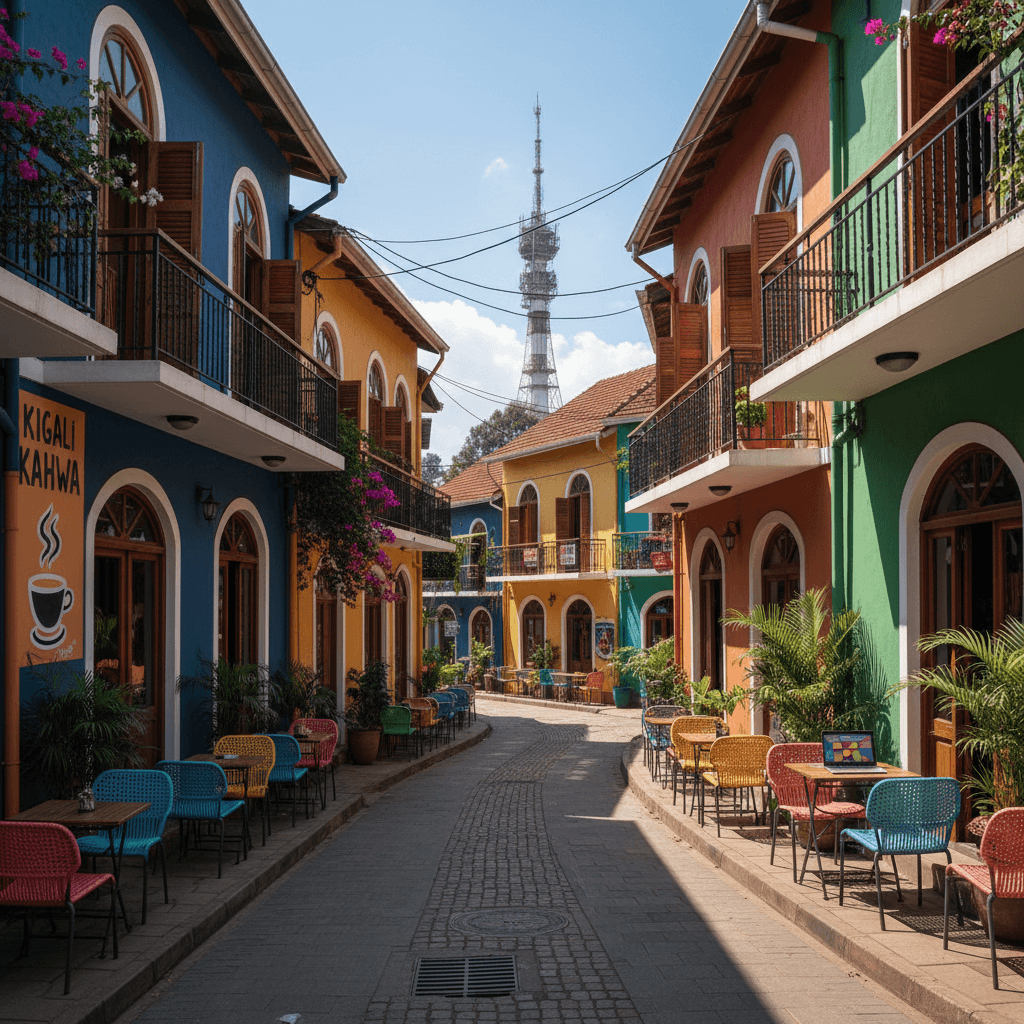
Kigali
🇷🇼 Rwanda
The Land of a Thousand Productive Hills
Kigali doesn't feel like other African capitals. The first thing you'll notice is the silence and the lack of plastic bags. It is famously clean, remarkably safe, and operates with a quiet efficiency that makes it an outlier in the region. For nomads, the vibe is less about the chaotic energy of Nairobi and more about focused work, cool mountain air, and a society built on deep resilience and mutual respect.
The city is a masterclass in transformation. While the history of the 1990s is honored at the Genocide Memorial, the modern energy is focused on tech and entrepreneurship. You'll feel this most during Umuganda, the mandatory community cleanup on the last Saturday of every month. It is a unique cultural touchpoint where locals and expats alike hit the streets to maintain their neighborhoods, fostering a sense of collective pride you won't find elsewhere.
Cost of Living and Budgeting
While Rwanda is affordable compared to Europe or North America, it is pricier than some of its neighbors due to high import costs. A comfortable monthly budget sits around $2,300, though you can scale this up or down based on your lifestyle.
- Budget (Approx. $1,500/mo): You'll likely stay in shared housing, eat local street food for $2 to $5 per meal, and use the public minibus system.
- Mid-Range (Approx. $2,000 to $2,500): This covers a private 1BR apartment in Gikondo, regular cafe work sessions, and using the Bolt or Yego apps for transport.
- Comfortable (Approx. $3,000+): You'll be in a serviced apartment in Kimihurura, dining at upscale spots where meals cost $20 or more, and maintaining a membership at a top tier coworking space.
Where to Plant Your Flag
Kigali is hilly, so your choice of neighborhood dictates your daily workout and your social circle. Most nomads gravitate toward three specific areas.
Kimihurura is the undisputed nomad hub. It is central and modern, packed with the city's best cafes and the popular WAKA coworking and gym hybrid. Expect higher rents here, typically $400 to $800 for a quality one bedroom, but the convenience is hard to beat.
Gikondo offers a more residential, local atmosphere. It is calmer and more affordable, with rents often falling between $300 and $500. It is perfect if you want to avoid the expat bubble, though you'll spend more time in Bolt rides getting to the nightlife in the center.
Downtown/CBD is best for short term stays or business focused travelers. It is walkable and close to major banks and the Kigali City Tower. While it is efficient for errands, it lacks the neighborhood charm and greenery found in the hills of Kimihurura.
The Digital Infrastructure
Internet in Kigali is generally reliable but can be temperamental during heavy rain or in certain pockets of the city. Most professionals use Question Coffee for casual work; the WiFi is solid and the Rwandan roasts are world class. For serious deep work, WAKA is the go to spot with day passes around $8.
Pro tip from the local nomad community: Always have a backup. Pick up an MTN or Airtel SIM card at the airport. Generous high-data plans cost about $10-15 per month and tethering to your phone will save you when a cafe's router decides to take a nap. The city is in the CAT2 time zone, making it a dream for those working with European clients.
Safety and Getting Around
You can walk almost anywhere in Kigali at night without looking over your shoulder. It is arguably the safest capital on the continent. For longer distances, download Bolt, Little Ride, or Yego Rwanda. A typical ride across town costs between $2 and $5. While minibuses are cheaper, the apps are the standard for nomads because they remove the need for price negotiations.
Healthcare is equally modern. If you need a doctor, King Faisal Hospital provides high quality private care. Pharmacies are everywhere, and most pharmacists speak excellent English, which is the primary language for business and tourism, alongside Kinyarwanda and French.
The Social Scene
Kigali isn't a party city in the traditional sense, but it has a sophisticated social life. Evenings are spent at cocktail bars in Kimihurura or attending live music events. If you're there at the right time, the KigaliUp Music Festival is a must. The nomad community is smaller than Nairobi's but very tight knit. You'll meet people through tech networking events, gym sessions at WAKA, or simply by being a regular at the local coffee shops. It's a city that rewards those who stay long enough to learn the rhythm of the hills.
The Price of Paradise
Kigali is a city that rewards those who value quality of life, safety, and order. While it isn't the cheapest hub in East Africa, your money buys a level of infrastructure and security that's hard to find elsewhere on the continent. Expect a monthly budget of around $2,300 for a comfortable nomad lifestyle, though you can certainly scale that up or down depending on how much you lean into local markets versus imported luxuries.
The local currency is the Rwandan Franc (RWF), and while cards are accepted in major supermarkets like those in Kigali City Tower, you'll want cash for smaller shops and local markets. Many nomads use apps like Grey to manage global payments and convert funds to RWF for daily spending.
Monthly Budget Tiers
- The Lean Nomad ($1,500): You're looking at a shared apartment or a modest studio in a residential area like Gikondo, eating primarily at local spots where a meal costs $2 to $5, and using public minibuses to get around.
- The Balanced Professional ($2,000 to $2,500): This covers a private 1BR apartment, daily sessions at cafes like Question Coffee, and frequent use of ride-hailing apps. You'll likely mix home cooking with mid-range dinners costing $10 to $15.
- The High-End Expat ($3,000+): This budget secures a serviced Airbnb in Kimihurura, a dedicated desk at a coworking space, and regular dining at upscale restaurants where plates start at $20.
Housing and Neighborhoods
Where you plant your flag dictates your daily overhead. Most nomads gravitate toward three main areas, each with a distinct price point and personality.
Kimihurura
- Rent: $400 to $800 for a 1BR.
- The Vibe: Central, trendy, and packed with the city's best cafes. It's the most convenient spot for solo travelers who want to be near the action.
- Best For: Those who want to walk to dinner or the gym.
Gikondo
- Rent: $300 to $500 for a 1BR.
- The Vibe: Quiet and residential. It's a favorite for nomads who need a calm environment to focus and want to save on rent without sacrificing safety.
- Best For: Long-term stays and those seeking a more authentic local community.
Downtown / CBD
- Rent: $600 to $900+ for modern apartments.
- The Vibe: Business-focused and walkable. You're close to major coworking hubs and shopping centers, but it can feel a bit sterile after work hours.
- Best For: Short-term business travelers and people who hate commuting.
Daily Expenses and Connectivity
Internet is your biggest variable. While fiber is expanding, many travelers find cafe WiFi can be hit or miss. A day pass at a professional space like WAKA costs about $8 and usually includes high-speed access, though it's smart to keep a local MTN or Airtel SIM as a backup. A high-data plan will run you roughly $15 a month and is a lifesaver for tethering during power blips or slow patches.
Getting around is affordable and efficient thanks to ride-hailing. Most nomads skip the confusing minibus routes in favor of Bolt, Yego, or Little Ride. A typical cross-city trip usually lands between $2 and $5. If you're coming from the airport, expect to pay between $10 and $15 for a private car to the city center.
For food, Kigali is a city of contrasts. You can grab street food for a few dollars, but if you're craving imported cheeses or specific Western brands, your grocery bill will skyrocket. Stick to local produce and Rwandan coffee to keep your costs manageable while enjoying some of the freshest ingredients in the region.
Digital Nomads: Kimihurura
If you want to be in the thick of the nomad scene, Kimihurura is the place to plant your flag. It is the city's creative and social heartbeat, filled with leafy streets and a high density of cafes where seeing a laptop is the norm rather than the exception. Most nomads gravitate here for the balance of productivity and social life.
- The Vibe: Modern, social, and walkable by Kigali standards. You will find a mix of art galleries, boutique eateries, and fitness enthusiasts.
- Work & Fitness: This is home to WAKA, a hybrid coworking space and gym that is a staple for the remote work community. Expect to pay about $8 for a day pass.
- Rent: Prices are higher here due to demand. A serviced studio or one bedroom apartment typically runs between $600 and $800 per month.
- Food & Drink: You are steps away from Question Coffee, which serves some of the best Rwandan beans in a workspace friendly environment.
Expats and Long-Termers: Gikondo
For those planning to stay a few months and looking to stretch their budget, Gikondo offers a more authentic, residential feel. It is quieter than the central districts but maintains a strong sense of community. Expats often choose this area because it feels less like a tourist bubble and more like a home.
- The Vibe: Calm, hilltop residential living with incredible views of the city's rolling landscape.
- Rent: This is where you find the best value. Comfortable one bedroom apartments often range from $300 to $500, allowing for a mid range lifestyle on a $2,000 monthly budget.
- Pros: Excellent local markets and smaller eateries where a solid meal costs between $2 and $5.
- Cons: It is further from the nightlife hubs. You will rely more on ride hailing apps like Bolt or Yego, which usually cost $2 to $5 per trip to reach the center.
Solo Travelers and Business: Downtown (CBD)
If your priority is proximity to meetings or you are only in town for a week, the Central Business District is the most efficient choice. While it lacks the greenery of Kimihurura, it makes up for it with sheer convenience and access to infrastructure.
- The Vibe: Fast paced and professional. It is the most walkable area for running errands or hitting multiple cafes in one afternoon.
- Work: You have easy access to the downtown branch of WAKA and several high end hotel lobbies that offer reliable internet.
- Rent: Expect to pay a premium for short term stays. High end apartments and hotels can push a monthly budget well over $3,000.
- Safety: Like the rest of Kigali, the CBD is remarkably safe at night, though it can feel a bit empty once the offices close for the day.
Families and Quiet Seekers: Nyarutarama
While often categorized as the upscale expat enclave, Nyarutarama is the go to for families or nomads who prioritize space and silence. It is home to several international schools and the Kigali Golf Resort and Villas, offering a manicured environment that feels worlds away from the city's hills.
- The Vibe: Elite, quiet, and very secure. The streets are wide and paved, perfect for morning runs or evening strolls.
- Rent: This is the most expensive neighborhood in the city. Large villas and modern apartments often start at $1,000 and go much higher.
- Amenities: You will find high end grocery stores stocking imported goods, though these will quickly inflate a monthly budget.
Regardless of where you land, getting between these neighborhoods is seamless. Most travelers find that using Yego or Little Ride is the most stress free way to navigate. Just remember to grab an MTN or Airtel SIM card at the airport for about $15 a month high-data; having a data backup is a smart move for those days when the cafe WiFi decides to take a break.
Connectivity and Speed
Kigali is rapidly positioning itself as a tech hub, and the infrastructure generally keeps pace with that ambition. You will find reliable high speed fiber in most dedicated workspaces and upscale neighborhoods like Kimihurura. However, the experience can be a bit fragmented once you step out of those bubbles. While urban averages are solid, the hilly terrain sometimes plays havoc with signal consistency, meaning your connection might dip if you are working from a residential balcony in the outskirts.
Most seasoned nomads here use a dual strategy: rely on the house or cafe WiFi for heavy lifting, but always keep a local SIM active for tethering. It is common for speeds to fluctuate in the late afternoon, particularly around 3:00 PM, so having a backup is more than just a convenience; it is a necessity for anyone taking video calls. If you are booking an Airbnb, always ask the host for a recent speed test screenshot before you commit.
Top Coworking Spaces
The coworking scene is small but high quality, centered mostly around the CBD and Kimihurura. These spots double as social hubs where you will meet the local tech crowd and other expats.
- WAKA: With locations in both the CBD and Kimihurura, this is the gold standard for many. It is a hybrid gym and workspace, which fits the active lifestyle of the local community. A day pass costs about $8, and they offer extended hours from 5:30 AM to 10:00 PM on weekdays. The vibe is professional but energetic, though it gets quite lively after work hours when the gym side picks up.
- Question Coffee: While technically a cafe, this is a legendary "work from anywhere" spot in Kimihurura. The WiFi is famously strong for a coffee shop, and the outdoor seating is perfect for deep work. It operates from 7:00 AM to 6:00 PM. Expect to pay about $3 to $5 for a premium Rwandan pour over.
Mobile Data and SIM Cards
Getting connected is one of the first things you should do upon landing. You can pick up a SIM card right at Kigali International Airport. The two main players are MTN and Airtel. Most nomads lean toward MTN for its slightly broader coverage, though Airtel often has competitive data packages.
- Requirements: You will need your passport for registration. The process is quick, usually taking less than 15 minutes.
- Costs: High data plans are very affordable compared to European or American standards. You can get a generous or even "unlimited" monthly data bundle for roughly $20.
- Topping Up: Use the MTN MoMo (Mobile Money) app or buy scratch cards from the ubiquitous vendors in reflective vests found on almost every street corner.
Cafe Culture for Digital Nomads
Kigali has a very relaxed cafe culture, and staff generally don't mind if you linger with a laptop for a few hours as long as you are ordering. Rwandan coffee is world class, and many cafes treat it with the reverence it deserves. Beyond Question Coffee, keep an eye out for smaller roasteries in Kimihurura where the atmosphere is quiet and the views of the rolling hills provide a perfect backdrop for a productive morning. Just remember that many local cafes close by 6:00 PM or 7:00 PM, so if you are working on a North American time zone, you will likely need to retreat to your apartment or a 24 hour hotel lobby for evening shifts.
Practical Tech Tips
Power outages are infrequent but can happen, especially during the heavy rainy seasons in April or November. A good power bank and a laptop with a decent battery life will save you a lot of stress. For payments, while cash is still used, the city is moving fast toward digital. Apps like Grey are popular among nomads for managing international transfers and converting funds to Rwandan Francs (RWF) for use at local shops and supermarkets like those in the Kigali City Tower.
A Gold Standard for Personal Safety
Kigali is frequently cited as one of the safest cities in Africa, and it won't take you long to see why. The streets are remarkably clean, well lit, and patrolled by a visible but generally friendly police presence. Most nomads feel comfortable walking through neighborhoods like Kimihurura or Gikondo well after dark, a rarity in many global capitals. There aren't really any "no go" zones to worry about; the city maintains a peaceful, orderly atmosphere that makes it a top pick for solo travelers and women navigating the city alone.
While violent crime is extremely rare, you should still use common sense. Petty theft like phone snatching can happen in crowded market areas or if you leave your tech unattended in a cafe. Most expats recommend using ride hailing apps like Bolt or Yego for late night trips rather than walking long distances just to be safe. The local culture places a high value on community and security, which reflects in the low stress levels you'll feel while exploring.
Healthcare Infrastructure and Quality
If you need medical attention, Kigali has the best facilities in the country. For anything serious, head straight to King Faisal Hospital. It is a private facility that meets international standards and is the go-to for the expat and nomad community. Kigali Adventist Hospital is another reliable option for routine checkups or minor issues.
Pharmacies are everywhere in the city, especially near the CBD and Kigali City Tower. You can find most standard over the counter medications easily, but if you rely on a specific prescription, it is smart to bring a supply from home. Pharmacists are generally well trained and many speak English or French, making it easy to explain your symptoms.
- Emergency Numbers: Dial 112 for general emergencies or 999 for the police.
- Private Consultations: Expect to pay between $20 and $50 for a visit to a private GP, depending on the clinic.
- Insurance: Always carry a digital and physical copy of your nomad insurance; private hospitals will expect proof of coverage or upfront payment.
Health Precautions for Nomads
Rwanda is a high altitude country, which helps keep the mosquito population lower than in coastal Africa, but malaria is still present. Most nomads in Kigali don't take daily malaria pills for long stays but do use repellent in the evenings. Talk to a travel clinic before you arrive to see if you should carry a standby treatment kit.
Tap water in Kigali is not considered safe for drinking. You'll want to stick to bottled water or use a high quality filter like a Grayl or Lifestraw. Most high end apartments and coworking spaces like WAKA provide large water dispensers for members. Also, keep in mind that Kigali is very hilly. If you aren't used to the elevation, take it easy during your first few days to avoid fatigue while walking between meetings.
Community and The "Umuganda" Spirit
Safety in Kigali is deeply tied to the local concept of Umuganda. On the last Saturday of every month, the city stops for a morning of community service. This collective responsibility creates a strong social fabric where people look out for one another. As a visitor, you aren't required to participate, but showing respect for the practice goes a long way in building rapport with locals. This sense of mutual respect is exactly why the city feels so secure and welcoming for outsiders.
The Ride-Hailing Revolution
Kigali is a city of hills, which makes it incredibly scenic but also a challenge to navigate on foot. Most digital nomads skip the traditional public minibuses, which are cheap but can be confusing for newcomers, and instead rely on the city's efficient ride-hailing apps. Bolt, Little Ride, and Yego Rwanda are the primary players here.
A typical ride across town generally costs between $2 and $5. Yego is particularly popular locally because it integrates well with the city's fleet of licensed "motos" (motorcycle taxis). These motos are the heartbeat of Kigali transit; they are fast, ubiquitous, and every driver is required to provide a clean helmet for their passenger. For a quick trip to a meeting or a cafe, a moto is often the most efficient choice.
Airport Transfers
When you first land at Kigali International Airport, getting to your accommodation is straightforward. While you can grab a taxi at the curb, using Bolt or Yego will usually save you some money. Expect to pay around $10 to $15 for the 30 minute drive into the city center or popular neighborhoods like Kimihurura. The roads are famously spotless and well-paved, so it is a smooth introduction to the city.
Neighborhood Walkability
While the city as a whole isn't exactly walkable due to the steep terrain and heat, certain pockets are very pedestrian-friendly once you arrive. Kimihurura and the CBD (Central Business District) are the best bets for those who like to get their steps in. In these areas, you can easily walk between coworking spaces like WAKA and popular spots like Question Coffee without needing a vehicle.
- Kimihurura: Very walkable for daily needs, featuring high concentrations of cafes and gyms.
- Gikondo: More residential and spread out; you'll likely need an app-based ride for most errands here.
- CBD: The most urban feel with paved sidewalks and easy access to business services, though it can get noisy during the day.
Practical Transit Tips
If you are planning a longer stay, some expats look into monthly car rentals, though the cost of fuel and the efficiency of ride-hailing apps usually make apps the better financial choice. For those looking for more sustainable options, electric scooter and bike rentals are starting to appear in small numbers, though they haven't yet become a primary mode of transport for the nomad community.
One unique aspect of getting around Kigali is Umuganda. On the last Saturday of every month from 8:00 AM to 11:00 AM, the entire city stops for community cleaning. During these hours, public transport and private vehicles are restricted from the roads. Plan your travel accordingly, or better yet, join your neighbors in the cleanup to meet the local community.
Most travelers find that a combination of Bolt for rainy days or grocery runs and motos for quick solo trips provides the perfect balance of speed and budget. Just make sure your phone is loaded with a local MTN or Airtel SIM card so you can pin your location accurately for drivers.
The Linguistic Landscape
Kigali is a fascinating place for communication because it's currently in the middle of a major linguistic shift. While Kinyarwanda is the heartbeat of the country and spoken by everyone, the official language of education and government switched from French to English about fifteen years ago. This means you'll find a generational divide; older residents often speak French as their second language, while the younger tech-savvy crowd and professionals are usually fluent in English.
For digital nomads, English is more than enough to get by in neighborhoods like Kimihurura or the CBD. You won't have any trouble ordering a pour-over at Question Coffee or discussing membership rates at WAKA in English. However, once you step into the local markets in Gikondo or hop on the back of a moto-taxi, a few words of Kinyarwanda go a long way in building rapport.
Key Phrases to Know
Rwandans are incredibly polite and appreciate it when visitors make an effort. Even if your pronunciation is shaky, using these basics will instantly warm up your interactions:
- Muraho: Hello (General greeting)
- Amakuru?: How are you? (The standard follow-up)
- Ni meza: I am well
- Murakoze: Thank you
- Yego / Oya: Yes / No
- Mungane iki?: How much is this?
Digital Communication and Apps
Most of your day-to-day logistics will happen through apps, which helps bridge any remaining language gaps. For getting around, Bolt, Yego, and Little Ride are the go-to choices. These apps allow you to set your destination digitally, so you don't have to worry about explaining complex directions to a driver who might only speak Kinyarwanda.
For translation, Google Translate works reasonably well for basic text, but it can struggle with the nuance of Kinyarwanda. Most nomads find that a mix of English, basic Kinyarwanda, and a bit of pointing or gesturing works perfectly fine in more rural or local settings. If you speak French, it’s a great backup to have in your pocket, especially when chatting with older shopkeepers or taxi drivers.
Social Etiquette and Nuance
Communication in Kigali is generally soft-spoken and indirect. Raising your voice or being overly demanding is considered quite rude and will usually get you nowhere. People value a calm, respectful approach. It's common to spend the first few minutes of any interaction exchanging greetings and asking about each other's day before getting down to business.
If you're attending Umuganda, the monthly community cleanup on the last Saturday of every month, expect to hear a lot of Kinyarwanda during the community meetings that follow the work. While the official speeches might be translated if there's a large expat presence, it's a great time to sit with your neighbors and practice your "Murakoze."
Connectivity for Communication
To stay connected, grab a SIM card from MTN or Airtel as soon as you land. You can find kiosks at the airport that will get you set up with a high-data plan for around $15 a month. Having a local number is vital because Mobile Money (MoMo) is the primary way people pay for everything from groceries to utilities, and most communication with local services happens via WhatsApp.
The Eternal Spring
Kigali sits at a high elevation, which saves it from the sweltering humidity you might expect in East Africa. The temperature stays remarkably steady between 18°C and 25°C (64°F to 77°F) throughout the year. Most nomads describe the climate as an eternal spring, where you can comfortably work from a balcony or an open air cafe without needing air conditioning.
The city follows a predictable rhythm of two dry seasons and two rainy seasons. While the sun is often out, the hilly landscape means weather can shift quickly, so carrying a light jacket or a compact umbrella is a standard move for anyone spending the day hopping between Kimihurura and the CBD.
When to Visit
- June to September (The Long Dry Season): This is the prime window for digital nomads. The skies are clear, the dirt roads are firm, and the humidity is at its lowest. It is the best time for weekend trips to see the gorillas or hiking in Volcanoes National Park.
- October to November (The Short Rains): You will see frequent afternoon downpours, but they rarely last all day. It is a productive time to be in the city, as the rain keeps the dust down and the hills look incredibly lush and green.
- December to February (The Short Dry Season): Another fantastic window with mild weather. It is popular for expats and travelers, so expect slightly higher prices for short term Airbnbs during the holiday season.
- March to May (The Long Rains): April is typically the wettest month. If you dislike rain, avoid this period. Some roads outside the main paved arteries can get muddy, though Kigali's infrastructure handles it better than most regional hubs.
Seasonal Logistics for Nomads
If you are planning your stay around specific local events, keep Umuganda in mind. On the last Saturday of every month, the city stops for community cleanup. Businesses close and traffic is restricted until midday. It is a unique cultural experience, and many nomads find it a great time to meet neighbors and contribute to the city's famous cleanliness.
For those looking to save on housing, the shoulder seasons of April and May can sometimes yield better deals on serviced apartments in Gikondo or Kimihurura. However, because Kigali is a growing tech and diplomatic hub, demand for high quality spots with reliable WiFi remains fairly consistent year round.
Packing Essentials
- Light Layers: Even in the dry season, evenings can get crisp. A sweater or light hoodie is necessary for late night dinners or early morning work sessions at Question Coffee.
- Sturdy Footwear: Kigali is the land of a thousand hills. Even if you use Bolt or Yego for most trips, you will be doing a lot of uphill walking on varied terrain.
- Rain Gear: If you visit during the peak rains in April, a high quality waterproof shell is better than an umbrella, which can be cumbersome on the back of a moto taxi.
Most travelers agree that July and August offer the best balance of weather and social activity. The city feels alive, the mountain views are sharp, and the outdoor seating at spots like WAKA is always full of people networking over local roasts.
The Vibe and Daily Flow
Kigali is a breath of fresh air for nomads who value order and safety over the chaotic energy of other African capitals. It is famous for being incredibly clean, thanks in part to Umuganda, the mandatory community cleanup on the last Saturday of every month. It is a city of hills and high-altitude breezes, keeping the temperature between 18°C and 25°C year round. While the nomad scene is smaller than Nairobi or Cape Town, the community is tight knit and welcoming.
Cost of Living
Living here isn't the cheapest in the region because many goods are imported, but your money goes far if you balance local markets with expat hubs. Most nomads budget around $2,300 per month for a comfortable lifestyle.
- Budget ($1,500/mo): You will be sharing a house in residential areas, eating street food for $2 to $5, and using public minibuses.
- Mid-range ($2,000 to $2,500): This covers a private 1BR apartment in Gikondo, working from cafes, and using ride hailing apps for $2 to $5 per trip.
- Comfortable ($3,000+): Expect a serviced Airbnb in Kimihurura, high end dining at $20+ per meal, and a dedicated desk at a coworking space.
Where to Set Up Base
Kigali is divided into distinct neighborhoods, each with a different energy. Most expats and nomads gravitate toward three main areas.
Kimihurura
- Best for: Social butterflies and solo travelers.
- The Draw: It is the city's culinary and coworking heart, home to WAKA and plenty of trendy cafes.
- The Trade-off: Rents are higher here, ranging from $400 to $800 for a modern studio.
Gikondo
- Best for: Long term stays and a local feel.
- The Draw: It is a calm, residential area with affordable rents between $300 and $500. It is great for deep work sessions.
- The Trade-off: It is further from the nightlife and main coworking hubs.
Downtown (CBD)
- Best for: Short term business travelers.
- The Draw: Highly walkable with easy access to banks and the Kigali City Tower.
- The Trade-off: It can be noisy during the day and lacks the cozy residential feel of the hills.
Internet and Productive Spaces
Reliable internet is the biggest hurdle. While infrastructure is improving, speeds can be inconsistent. Most nomads use a local SIM from MTN or Airtel as a backup. You can grab a SIM at the airport and load an unlimited data plan for about $20 per month. For serious work, head to WAKA, a hybrid gym and coworking space with day passes for $8. If you prefer a cafe vibe, Question Coffee is a favorite for its strong WiFi and world class Rwandan roasts, though it usually closes by 6:00 PM.
Getting Around
Forget the car rentals. Download Bolt, Little Ride, or Yego Rwanda. These apps are the gold standard for getting around safely and cheaply, with most rides across town costing under $5. If you are coming from the airport, a Yego taxi will cost roughly $10 to $15 and take about 30 minutes to reach the center. While the city is hilly, the CBD and Kimihurura are relatively walkable if you don't mind a bit of a workout.
Safety and Health
Kigali is arguably the safest capital in Africa. You can walk home at night in most areas without a second thought. For healthcare, King Faisal Hospital is the top choice for expats. Pharmacies are everywhere and well stocked. In any emergency, you can dial 112 or 999.
Local Etiquette
English is widely spoken in business and tourism, but learning a few words of Kinyarwanda goes a long way. Use Muraho for hello and Murakose for thank you. Rwandans are generally polite and reserved. When visiting, be mindful of the country's history and respect the memorial sites scattered throughout the city. If you are there on the last Saturday of the month, don't plan on traveling during the morning, as the streets close for the Umuganda community cleanup.
Need visa and immigration info for Rwanda?
🇷🇼 View Rwanda Country GuideHidden Gem
Worth the effort