Khorog
🇹🇯 Tajikistan
The High-Altitude Gateway
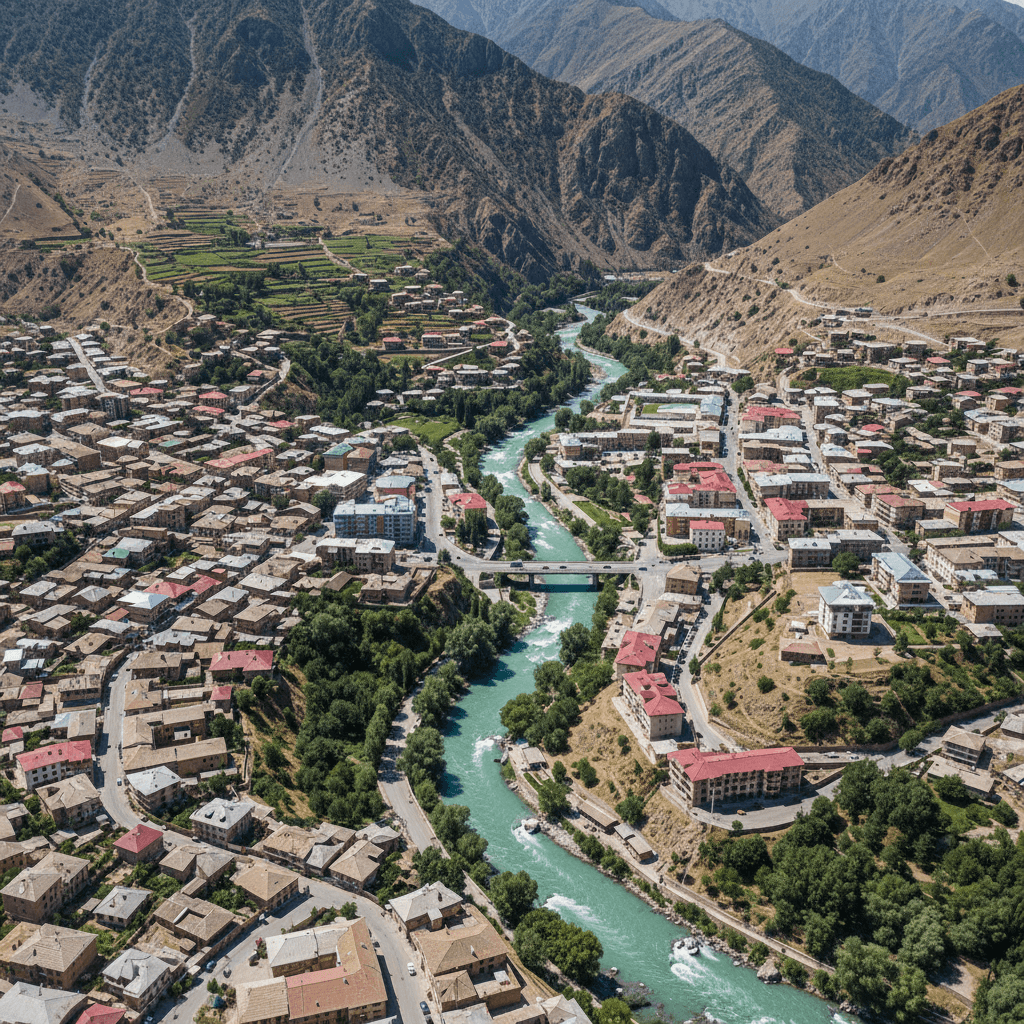
Khorog isn't your typical digital nomad hub. You won't find rows of ergonomic chairs or specialty oat milk lattes here. Instead, this is the administrative heart of the Gorno-Badakhshan Autonomous Region (GBAO), a rugged, high-altitude outpost perched along the Panj River. It sits directly across from the Afghan border, offering a perspective on the world that few other places can match. It feels like a frontier town, but one with a surprisingly intellectual and hospitable soul.
The vibe is slow-paced and deeply rooted in Pamiri Ismaili culture. Unlike the more frantic energy of Dushanbe, Khorog has a scholarly, communal atmosphere, thanks in part to the presence of the University of Central Asia. People here are famously welcoming. It's common to be invited for tea by someone you just met at the bazaar. While the infrastructure is undeniably raw, the emotional payoff of living among the towering peaks of the Pamir Mountains is what draws people in.
The Nomad Reality Check
Most travelers use Khorog as a 1 to 3 month adventure base rather than a permanent home. It's the best place in the region for connectivity, but "best" is relative. You can expect speeds between 20 and 50 Mbps on a good day, though power cuts and spotty signals are part of the deal. If your job requires constant, high-definition video calls, Khorog will test your patience. If you can work asynchronously and value world-class hiking over high-speed fiber, you'll find it's a fair trade.
The city is compact and walkable, centered around the main bazaar and the lush City Park. It's a place where you'll get to know the local shopkeepers by name within a week. The air is crisp, the water is glacial, and the surrounding scenery is dominated by stark, dramatic rock faces that turn golden at sunset.
What You'll Love and Hate
- The Pros: Incredible affordability with monthly costs often under $1,000, genuine immersion in Pamiri culture, and immediate access to the Pamir Highway and remote hot springs like Garm Chashma.
- The Cons: Unreliable internet for heavy users, a lack of dedicated coworking spaces, very limited international food options, and the logistical hurdle of securing a GBAO permit.
- The X-Factor: The sheer silence of the mountains at night and the feeling of being truly "off the grid" while still having a warm bed and a bowl of hot plov.
Cost of Living Snapshot
Your money goes a long way here, though you'll be trading luxury for authenticity. Cash is king, so bring plenty of USD or Somoni, as ATMs are notoriously finicky.
- Budget Nomad: $600 to $800 per month. This covers a bed in a local guesthouse like the Lal Hotel, eating primarily at the bazaar, and using shared marshrutkas.
- Mid-Range: $900 to $1,200 per month. This gets you a private room in a high-end guesthouse or a small local apartment, more frequent cafe meals, and occasional private drivers for weekend trips.
- Comfortable: $1,500+ per month. This is top-tier living in Khorog, including the best available hotels, a dedicated driver for mountain excursions, and no budget constraints at the city's few mid-range restaurants.
Khorog is for the nomad who has already done Bali and Lisbon and wants something that feels real. It’s a place for those who prefer a 4WD adventure over a subway ride and who don't mind a bit of dust on their boots. It’s not always easy, but for the right person, it’s one of the most rewarding stops in Central Asia.
The Financial Reality of Life in the Pamirs
Khorog is one of those rare places where your biggest challenge isn't the cost of living, but the logistics of actually spending your money. It is remarkably affordable, even by Central Asian standards. Most digital nomads find that a budget of $800 to $1,200 per month buys a very comfortable lifestyle here, including a private room, frequent meals out, and the occasional hired driver for mountain excursions.
Because Khorog is the administrative heart of the GBAO region, prices are slightly higher than in rural Pamiri villages but significantly lower than in Dushanbe. You won't find luxury high rises or western style apartment complexes. Instead, the economy runs on cash, handshakes, and local guesthouses. It's a place where your dollar goes a long way, provided you're willing to live like a local.
Monthly Budget Tiers
- The Budget Adventurer ($600 to $800): This covers a bed in a shared guesthouse, sticking to street food like shashlik and lepeshka (flatbread), and using local marshrutkas to get around town.
- The Mid-Range Nomad ($900 to $1,200): You'll have a private room at a reputable spot like the Lal Hotel, eat most meals at cafes, and have enough left over for weekend trips to nearby hot springs.
- The High-End Explorer ($1,500+): This tier is for those who want a dedicated driver for mountain photography, the best available hotel suites, and perhaps a private cook or guide. Even at this level, it’s hard to spend more unless you're constantly booking 4WD expeditions.
Housing and Accommodation
Rent is the most variable expense. There isn't a formal rental market with listings on apps or websites. Most expats and long term travelers negotiate monthly rates directly with guesthouse owners. A private room with decent light and a desk usually runs between $200 and $400 per month. Central Khorog, near the main bazaar and the tourism office, is the preferred area because it’s the only part of town where you're within walking distance of everything.
If you prefer more peace, the outskirts near the Andarob riverfront offer stunning views but fewer amenities. Expect to pay a bit less there, though you'll spend more on transport to get into the center for supplies or better internet. Travelers often recommend staying at the Lal Hotel or similar family run lodges to start, then negotiating a long stay discount once you're on the ground.
Food and Dining
Eating out in Khorog is incredibly cheap. A hearty plate of plov or qurutob at a local eatery will set you back about $5 to $10. If you're grabbing a quick snack at the bazaar, like a skewer of shashlik or a meat filled sambusa, you'll rarely spend more than $2 or $3. There are no upscale "fine dining" establishments in the traditional sense, but the guesthouses often serve high quality, home cooked Pamiri meals for around $10 to $15.
Groceries at the central bazaar are affordable, especially if you stick to local produce, grains, and dairy. Imported goods are expensive and rare due to the difficult supply chains over the mountain passes. Most nomads find that cooking for themselves isn't always necessary given how cheap the local cafes are.
Transport and Connectivity
Khorog is small enough that you'll do most of your daily errands on foot. When you need to go further, local marshrutkas (minivans) cost less than $1 per ride. There are no ride hailing apps here, so you'll need to negotiate with independent taxi drivers. A trip across town usually costs between $2 and $5.
Internet is a specialized cost. Since you can't rely on most guesthouse WiFi for heavy Zoom calls, you'll need a solid data plan. Local SIM cards from providers like Tcell or MegaFon cost about $10 for a 3GB starter pack. It's wise to budget a bit more for extra data top ups if you're tethering for work. Also, keep $20 to $50 aside for your GBAO permit, which is a mandatory administrative cost for living in this region.
Key Daily Costs
- Street food meal: $2 to $5
- Mid-range cafe dinner: $7 to $12
- Short taxi ride: $2 to $4
- Liter of milk: $1.20
- Loaf of fresh bread: $0.50
- Shared 4WD to Dushanbe: $35
Nomads & Remote Workers
Khorog is tiny, so you won't find distinct districts with different "vibes" like you would in Dushanbe. For nomads, the only place to be is Central Khorog, specifically the area surrounding the Khorog Bazaar and the main bridge. This is the heartbeat of the town where you'll find the most reliable (though still modest) internet and the highest concentration of guesthouses. Most nomads gravitate toward Lal Hotel or the Pamir Lodge. Staying central means you're within a ten minute walk of the Tcell or MegaFon offices to top up your data, which you'll need since guesthouse WiFi is notoriously fickle.
Living here feels like being in a mountain basecamp rather than a tech hub. You'll spend your mornings working from the garden at Lal and your afternoons at the bazaar buying fresh naan and apricots. Expect to pay $200 to $400 for a decent room in a guesthouse if you negotiate a monthly rate. It's a trade off: you get incredible mountain views and a tight knit community of travelers, but you have to deal with occasional power cuts and speeds that rarely top 20 Mbps.
Expats & Long-Term Residents
Expats, many of whom work with the Aga Khan Development Network or local NGOs, tend to cluster in the slightly quieter residential pockets just east of the City Park. This area feels a bit more "established" and offers a break from the constant transit noise of the Pamir Highway. It's close to the University of Central Asia campus, which brings a more international, intellectual atmosphere to this corner of town.
If you're looking for a long term apartment, don't bother looking online. Most expats find housing through word of mouth or by asking around at the PECTA (Pamir Eco-Cultural Tourism Association) office. Rent for a private apartment can be found for around $300, but quality varies wildly. You'll want to ensure your place has a reliable backup heater for the winter months when the Pamir chill really sets in.
Solo Travelers
If you're rolling solo, stick to the Bazaar District. It's the safest and most social part of town. Since Khorog is the primary stop for anyone traversing the Pamir Highway, the guesthouses here act as makeshift social clubs. You'll meet plenty of other solo travelers at the communal dinner tables of local homestays, which usually cost about $15 to $25 per night including a massive breakfast.
The area is very walkable, and even at night, the central streets are generally safe. The biggest challenge for a solo traveler isn't safety, it's the language barrier. While the younger crowd near the university speaks some English, you'll want to have a few Russian or Tajik phrases ready for the market. Solo travelers often use Khorog as a "recharge station" to find partners for shared 4WD trips into the Wakhan Valley, which usually cost about $35 for a seat in a shared vehicle.
Families
Khorog isn't a traditional family destination, but if you're bringing the kids, look toward the Andarob outskirts or the areas near the Botanical Garden. The Botanical Garden is one of the highest in the world and provides a rare patch of structured green space for children to run around. It's much quieter than the center, though you'll be reliant on local marshrutkas (minibuses) or private drivers to get into town for supplies.
For a family friendly day trip, most residents head 30km south to Garm Chashma. While it's a bit of a bumpy ride, the natural hot springs are a local staple. Just keep in mind that infrastructure for kids is minimal; there are no playgrounds or Western style supermarkets, so you'll be sourcing most of your supplies from the central bazaar. A private driver for a family day trip usually runs around $50.
The Connectivity Reality
Khorog is the digital nerve center of the Pamirs, but keep your expectations in check. While it's the most reliable spot for miles, you aren't going to find lightning-fast fiber optics here. Most nomads find that the internet is stable enough for emails, Slack, and basic browsing, but heavy video calls or large file uploads can be a gamble.
Average speeds usually hover between 20 and 50 Mbps on a good day. It's enough to get the job done, but you'll want to have a backup plan for those moments when the local infrastructure decides to take a breather. Power outages aren't uncommon in this part of Tajikistan, so a laptop with a long-lasting battery is your best friend.
Best Places to Work
You won't find a dedicated coworking space with standing desks and ergonomic chairs in Khorog. Instead, the nomad community gravitates toward guesthouses and a handful of quiet cafes. The Lal Hotel is the gold standard for remote workers in town. It has a reliable Wi-Fi setup and a peaceful atmosphere where nobody will blink if you sit with your laptop for a few hours.
Outside of the hotels, the local cafe culture is growing but remains informal. Look for spots near the central bazaar or the Tourism Information Office. These areas tend to have the most consistent signals. Most travelers say the key is to be self-sufficient; don't count on every cafe having a power outlet near your table. Bring a power bank and a local SIM card to tether when the house Wi-Fi gets sluggish.
Mobile Data and SIM Cards
Since public Wi-Fi is rare, a local SIM card is non-negotiable. You can pick one up easily at the small shops around the main bazaar. You'll need your passport to register the card, and the process usually takes about ten minutes.
- Tcell: Generally considered the most reliable provider in the GBAO region with the widest coverage.
- MegaFon: A solid runner-up that often has competitive data packages for long-term stays.
- Beeline: Good in the city center, but the signal can drop off quickly once you head toward the outskirts.
Expect to pay around $10 for 3GB of data. If you're planning to stay for a month or more, ask about their "unlimited" social media packages, which can save you a lot of data if you're using WhatsApp or Telegram to stay in touch. Most nomads recommend Tcell because it tends to hold a signal better when you're exploring the valleys outside of town.
Practical Connectivity Tips
If you have a high-stakes meeting, try to schedule it for the morning. Local users often clog the bandwidth in the evenings, which can lead to frustrating lag. Also, download any heavy software updates or offline maps before you leave Dushanbe or enter the Pamir region.
For those who need to move large amounts of data, some expats recommend visiting the Pamiro-Alai tourism offices or larger NGOs in town. They often have the most robust connections and are usually happy to help a traveler in a pinch, provided you're polite and maybe buy a coffee or a souvenir in exchange for the bandwidth.
Banking and Digital Payments
Digital nomad life in Khorog is still very much a cash-based existence. While you can manage your work online, you won't be paying for your latte with Apple Pay. ATMs are available in the center of town, but they frequently run out of cash or reject international cards. Travelers often recommend carrying a stash of USD or Somoni and using apps like Wise or Revolut to manage transfers, though you'll still need to find a working machine to get physical bills in your hand.
Staying Safe in the Pamirs
Khorog is one of those rare places where the hospitality isn't just a marketing slogan; it is a deeply ingrained cultural pillar. Most travelers find the city remarkably safe, largely thanks to the local Ismaili Muslim community's emphasis on education and welcoming guests. You won't find the aggressive street scams common in larger Asian hubs, and violent crime against foreigners is almost unheard of. That said, its location on the Panj River means you are literally a stone's throw from the Afghan border. While the border itself is heavily monitored, you should avoid wandering into sensitive zones or trying to cross the river outside of official checkpoints.
The biggest safety concerns here aren't people; they are the environment and the bureaucracy. You absolutely must have your GBAO permit (Gorno-Badakhshan Autonomous Region) to enter and stay in Khorog. Police and military checkpoints are frequent, and not having your paperwork in order can lead to fines or being turned back. Stick to the main roads at night, as street lighting is unreliable and the terrain is uneven. Local expats also suggest keeping a low profile regarding politics, as the region has a complex relationship with the central government in Dushanbe.
- GBAO Permit: Required for all nomads; costs $20 to $50 depending on the agency.
- Border Awareness: Keep your passport and permit on you at all times, especially when traveling south toward Ishkashim.
- Solo Travelers: Women generally report feeling safe, though modest dress (covering shoulders and knees) helps avoid unwanted attention.
- Emergency Contacts: Dial 102 for police, but don't expect English speakers on the other end.
Healthcare Realities
If you're planning a stint in Khorog, you need to be realistic about medical care. The city has basic hospitals and pharmacies, but they aren't equipped for complex procedures or specialized treatment. Most pharmacies are located around the central bazaar and stock basic antibiotics and painkillers, but specific Western brands are hard to find. If you have a chronic condition, bring a full supply of your medication before leaving Dushanbe.
Altitude sickness is a genuine risk for those arriving quickly from lower elevations. Khorog sits at about 2,200 meters (7,200 feet), which is manageable for most, but day trips into the surrounding Pamirs can quickly take you above 4,000 meters. Drink plenty of water and give yourself at least three days to acclimatize before attempting any strenuous treks. Most nomads use the Lal Hotel or local guesthouses as a base to rest if they start feeling the effects of the thin air.
Health Essentials for Nomads
- Medical Evacuation: This is a non-negotiable. Ensure your travel insurance covers helicopter evacuation to Dushanbe or even Istanbul for serious emergencies.
- Water Safety: Do not drink the tap water. Stick to bottled water or use a high quality filtration system like a Grayl or Sawyer.
- Stomach Issues: Travelers often experience "Pamir Belly" during their first week. Pack rehydration salts and Ciprofloxacin just in case.
- The Aga Khan Health Service: Often cited by expats as the most reliable medical resource in the region for consultations.
For any dental work or surgery, you'll want to head back to Dushanbe or out of the country entirely. Think of Khorog as a place for "first aid" rather than "healthcare." If you're heading out on a multi day trek or a drive along the Pamir Highway, let your guesthouse host know your route and expected return time. There is no formal search and rescue team in the mountains, so the local community is your primary safety net.
Getting Around Khorog
Khorog is a compact town where the Panj and Gunt rivers meet. Because the center is relatively small, you can reach most essentials like the bazaar, the tourism office, and the main guesthouses on foot. However, the rugged terrain and thin mountain air mean you'll likely want a set of wheels for anything beyond a ten minute stroll. Don't expect to find Uber or Bolt here; this is a town where transport happens through grit and negotiation.
Local Transit: Marshrutkas and Taxis
The backbone of local movement is the marshrutka, those ubiquitous white minibuses found across Central Asia. They follow set routes through town and are incredibly cheap, usually costing between $1 and $5 depending on how far you're heading toward the outskirts. They're crowded, loud, and a great way to meet locals, but they don't run on a strict schedule. You just stand by the road and flag one down.
For more direct trips, local taxis are plentiful. You'll find them clustered around the central bazaar or near the Lal Hotel. Since there are no apps, you'll need to brush up on your Tajik or Russian numbers to negotiate. A quick trip across town shouldn't cost more than $2 to $5. If you're heading to the airport for a transfer, expect to pay around $5 to $10 after a bit of friendly haggling.
Long-Distance and the Pamir Highway
Leaving Khorog is where things get interesting. Most nomads use the town as a base for the Pamir Highway, which requires heavy duty 4WD vehicles. If you're heading back toward Dushanbe, shared rides in SUVs are the standard. These typically cost around $35 per seat for the bone jarring 14 to 20 hour journey. It is a long haul, so travelers often recommend booking the front seat for a few extra dollars to save your knees.
For day trips or custom itineraries, you'll need to hire a private driver. This is the best way to reach spots like the Garm Chashma hot springs, located about 30km south.
- Private Driver (Full Day): Negotiate for $50 to $100 depending on the distance.
- 4WD Rental with Driver: Expect to pay around $100 per day for mountain expeditions.
- Shared SUV to Dushanbe: Approximately $35 per person.
Practical Considerations
Bicycles and scooters aren't really a thing here due to the steep grades and rough road conditions. If you're determined to cycle, you'll need to bring your own gear or try to arrange something through a local guesthouse like Pamir Lodge, though it's rare. Most expats recommend sticking to 4WD vehicles for anything outside the city limits because the roads can be unpredictable, especially during the rainy season from May to October.
Always carry cash in Somoni for your fares. Drivers rarely have change for large bills, and cards are useless in the transport sector. If you're planning a trip toward the Afghan border or deeper into the GBAO region, make sure your GBAO permit is tucked into your passport, as you'll hit several checkpoints where drivers must stop for inspections.
The Linguistic Landscape
Khorog is a fascinating linguistic crossroads where your success in communication depends heavily on which generation you are talking to. While Tajik is the official state language, it is actually the second or third language for most locals. In their homes and on the streets, you will mostly hear Shughni, a distinct Pamiri language that sounds quite different from the Persian-based Tajik spoken in Dushanbe.
For the digital nomad, Russian remains the most practical tool in your kit. It serves as the lingua franca for business, administration, and older generations who grew up in the Soviet era. If you have a basic grasp of Russian, you can navigate the bazaar, negotiate with drivers, and handle most daily errands without much friction. Without it, you will be relying heavily on gestures and Google Translate.
English Proficiency
English is still relatively rare in Khorog, though the gap is closing among younger residents. The city is home to the University of Central Asia and the Aga Khan Foundation, which means you will find a pocket of students and professionals who speak excellent English.
In tourist-centric spots like the Lal Hotel, the staff speak enough English to help with logistics. However, once you step into a local marshrutka or a neighborhood grocery store, English won't get you very far. Most nomads find that learning a few polite phrases in Tajik or Shughni goes a long way in building rapport with locals who are famously hospitable but often shy about their language skills.
Practical Tools and Apps
Since data can be spotty when you leave the city center, don't rely on a live connection for translation. Download the Russian and Persian (which is close enough to Tajik for basic text) offline packs on Google Translate.
- Google Translate: Essential for translating signs and menus using the camera feature.
- Microsoft Translator: Some expats prefer this for its offline voice conversation mode.
- Telegram: This is the primary messaging app for locals. If you meet someone and want to stay in touch, they will almost certainly ask for your Telegram handle rather than WhatsApp.
Key Phrases for Your Pocket
While Russian helps with logistics, using Tajik greetings shows respect for the local culture. Here are the basics you will use every day:
- Salom: Hello (The universal opening).
- Rahmat: Thank you.
- Koshki: You're welcome / No problem.
- Chand pul? How much? (Vital for the bazaar).
- In chist? What is this?
- Man namefahmram: I don't understand.
- Hamin jo: Right here (Useful for telling a driver where to stop).
Communication Etiquette
Communication in Khorog is deeply rooted in Pamiri Ismaili traditions of hospitality. When you enter a shop or a home, it is common to spend a few moments on greetings before getting down to business. A simple "Salom" followed by a hand over the heart is the standard local way to show respect.
Expats often find that locals are curious and may ask personal questions about your job, marital status, or salary. This isn't meant to be intrusive; it is just the local way of making a connection. If you are working remotely, explaining that you "work on the computer" might require some elaboration, as the concept of a digital nomad is still relatively new in the GBAO region.
Timing Your Pamir Adventure
Khorog sits at an elevation of 2,200 meters, tucked into a deep valley where the Gunt and Panj rivers meet. This altitude dictates everything about life here. Unlike the sweltering lowlands of Dushanbe, Khorog stays relatively temperate, but the window for comfortable remote work and mountain exploration is tighter than you might expect. If you arrive too early or stay too late, you risk being snowed in or finding the best hiking trails blocked by ice.
The Golden Window: June to September
For most nomads and travelers, the period between June and September is the only time to be here. This is when the Pamir Highway is fully reliably open and the mountain passes are clear of snow. July is the warmest month, with daytime temperatures hovering around 20°C (68°F). It’s perfect weather for working from the garden at Lal Hotel or taking a afternoon walk to the Botanical Gardens without breaking a sweat.
August is the peak of the trekking season. Most expats recommend this time if you plan on using Khorog as a base for weekend trips to the Wakhan Valley or the Garm Chashma hot springs. The air is crisp, the skies are usually a deep, clear blue, and the glacial rivers are at their most dramatic. However, keep in mind that August is also when guesthouses are at their fullest, so you'll want to secure your room a few weeks in advance.
The Shoulder Seasons: May and October
May and October are transition months that appeal to a specific type of traveler. In May, the valley begins to bloom, and the fruit trees that Khorog is famous for turn the town white and pink. It’s beautiful, but the higher passes might still be closed, and rain is more frequent. October brings stunning autumn colors, with the poplars turning bright gold against the grey mountains. Daytime temperatures are pleasant, but as soon as the sun dips behind the peaks, you'll feel a sharp chill. If you’re here in October, make sure your guesthouse has a reliable heater or a traditional Pamiri stove.
The Winter Lockdown: November to April
Unless you have a very specific reason to be in GBAO, winter is generally avoided by the nomad community. From December to February, temperatures regularly drop to -5°C (23°F) or lower. While the town itself stays functional, the infrastructure struggles. Power outages become more common, and the already spotty internet can become even more temperamental during heavy snowfalls. Many local businesses close for the season, and the road to Dushanbe can become a grueling, multi-day ordeal due to avalanches and ice.
Seasonal Checklist for Nomads
- Peak Season (June to August): Expect highs of 20°C to 25°C. This is the best time for reliable transport and social connections with other travelers.
- Hiking Window: High altitude trails are usually only accessible from late June through mid-September.
- Packing Essentials: Even in July, bring a heavy fleece or down jacket. The temperature drops significantly at night, and the wind coming off the rivers is biting.
- Road Safety: Avoid travel in March and April if possible. This is peak avalanche season, and the mountain roads are at their most dangerous.
Most long term visitors find that September is the sweet spot. The summer crowds have thinned out, the produce in the central bazaar is at its peak (don't miss the local mulberries and apricots), and the internet is slightly less strained by the influx of tourists. It’s the most stable time for anyone trying to balance a Zoom call with a high altitude lifestyle.
Connectivity and Communication
Internet in Khorog is the best you will find in the Pamir region, but don't expect fiber optic speeds. Most nomads rely on a mix of hotel WiFi and local SIM cards. MegaFon and Tcell are the most reliable providers here. You can pick up a SIM at the central bazaar for about $10, which usually gets you around 3GB of data. While 4G exists, it often drops to 3G or lower during peak hours or bad weather.
Since there are no dedicated coworking spaces, Lal Hotel is the de facto hub for remote workers. The atmosphere is quiet, and the staff is used to people lingering over laptops. Speed tests usually clock in between 20 and 30 Mbps on a good day. It is always smart to keep an offline map and a translation app downloaded, as service can vanish the moment you drive ten minutes out of town.
Money and Budgeting
Cash is king in the GBAO region. While Dushanbe is slowly modernizing, Khorog still runs almost entirely on the Tajik somoni. You will find a few ATMs near the center, but they frequently run out of bills or reject international cards. Travelers recommend carrying plenty of USD or Euro as a backup, as money changers in the bazaar offer decent rates. Wise and Revolut are great for managing your finances, but you will need to withdraw your spending money before heading into the smaller valleys.
- Daily Budget (Budget): $20 to $30 for a guesthouse bed and local meals like shashlik or plov.
- Daily Budget (Mid-range): $40 to $60 for a private room at a place like Lal Hotel and some hired transport.
- Shared Taxi (Khorog to Dushanbe): Approximately $35 for a seat in a 4WD.
Permits and Bureaucracy
You cannot just roll into Khorog with a standard Tajik visa. Because it is part of the Gorno-Badakhshan Autonomous Region, you must have a GBAO permit. Most travelers apply for this online alongside their e-visa for an extra $20. If you forget, you can get one in Dushanbe, but it takes a few days. Keep several physical copies of your passport and permit; there are checkpoints along the Pamir Highway where soldiers will need to log your details.
Health and Safety
Khorog is remarkably safe in terms of petty crime. The local Pamiri culture is built on hospitality, and it is common for strangers to invite you in for tea. That said, the proximity to the Afghan border means there is a heavy military presence. It is routine and nothing to worry about, but avoid photographing bridges or military installations. Healthcare is basic at best. The local hospitals can handle minor issues, but for anything serious, you will be looking at a long drive or a flight back to Dushanbe. Pack a robust first-aid kit with altitude sickness medication and antibiotics.
Getting Around
The town is compact enough to walk, but the steep hills will test your lungs at this altitude. For longer trips, look for marshrutkas (minibuses) near the bazaar. They don't have set schedules and leave when full. If you are planning day trips to the Garm Chashma hot springs or nearby botanical gardens, it is easiest to negotiate a rate with a local driver. Expect to pay around $50 for a full day of driving. There are no ride-hailing apps here, so you will be doing things the old-fashioned way by waving down cars or asking your guesthouse host for a contact.
Cultural Etiquette
The Pamiri people are Ismaili Muslims and generally more liberal than folks in other parts of Central Asia. However, modest dress is still the standard. Men and women should keep their shoulders and knees covered in public. When entering a Pamiri home, always remove your shoes. If you are offered tea or food, it is polite to accept at least a little bit. Learning a few words in Tajik or Russian goes a long way, though you will find that younger people in the tourism sector speak functional English.
Need visa and immigration info for Tajikistan?
🇹🇯 View Tajikistan Country GuideHidden Gem
Worth the effort