Kep
🇰🇭 Cambodia
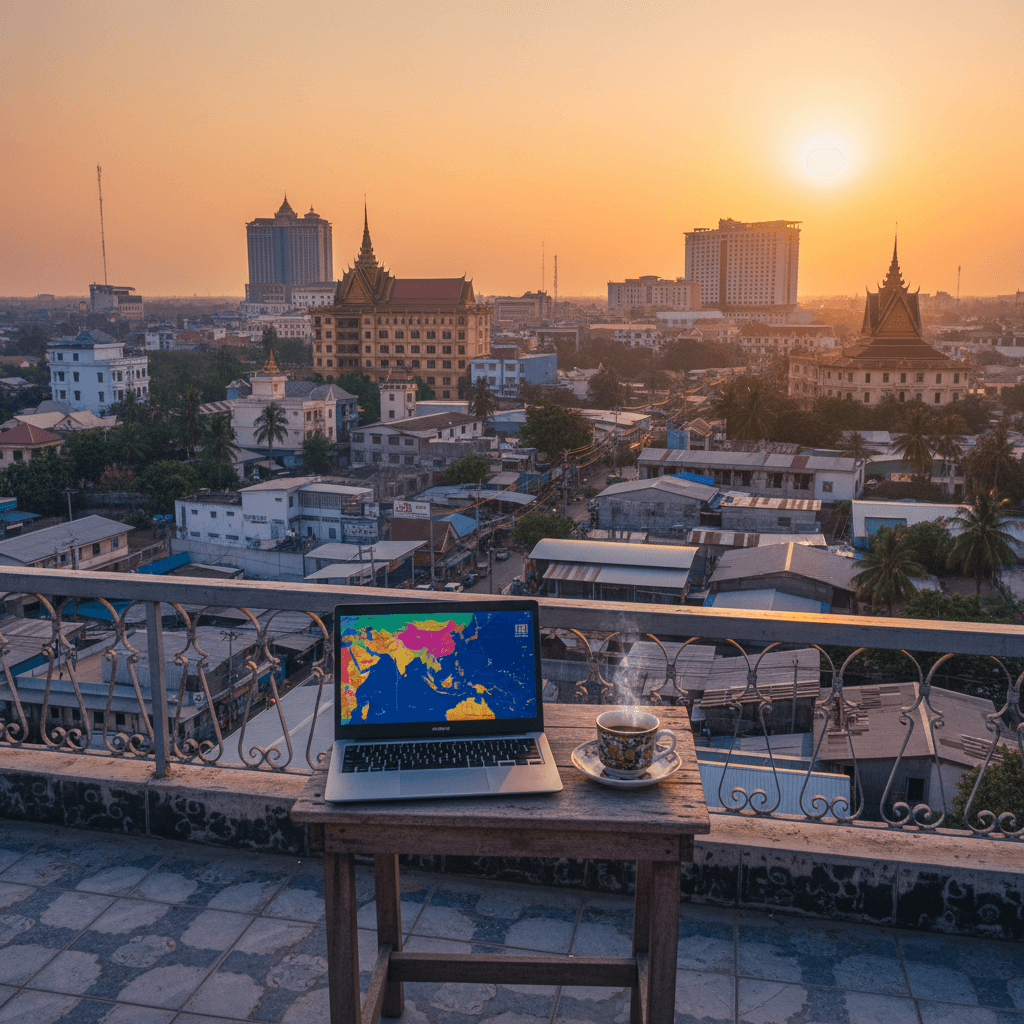
Kep isn't the kind of place you go to "hustle." If Phnom Penh is Cambodia's frantic heart and Siem Reap is its cultural museum, Kep is its deep, salt-aired exhale. Once a playground for the French elite in the 1960s, it now feels like a sleepy coastal retreat where the jungle meets the sea. It has a specific, faded glamour that appeals to nomads who are burnt out on the digital nomad "circuit" and want to trade neon lights for orange sunsets and plates of fresh blue crab.
The vibe here is decidedly slow. You won't find high-rise coworking spaces or a row of craft beer bars. Instead, you'll find a community of expats and travelers who value quiet mornings and long, wandering walks through Kep National Park. It is a town of ruins and rejuvenation; colonial villas, stripped bare by history, sit alongside modern eco-resorts. For a solo nomad, it can feel a bit lonely if you're looking for a party, but it's pure magic if you need to focus on a creative project or just want to live for $800 to $1,200 a month without feeling like you're pinching pennies.
The Daily Rhythm
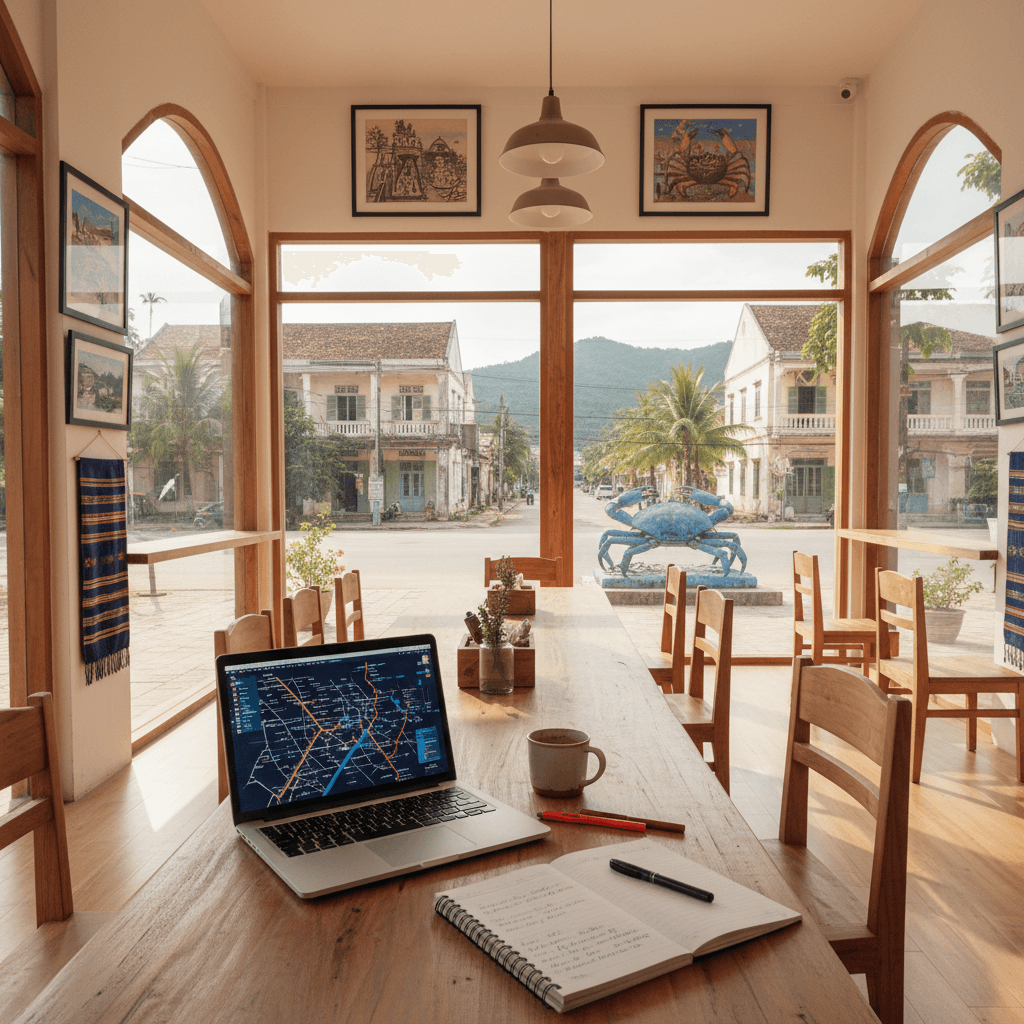
Most people start their day early to beat the tropical heat. You'll see expats grabbing a coffee at Samut Coffee, which has become a de facto hub for those needing a reliable signal and a decent caffeine fix. By midday, the town settles into a siesta. The Crab Market is the undisputed center of gravity here. It's a sensory overload of wooden walkways, steaming pots, and vendors selling peppercorn-laden seafood right out of the water. Evenings are almost always spent at Kep Beach, where the sky turns a wild shade of purple and the locals gather for picnics on reed mats.
What Makes It Different
Kep stands out because it lacks the aggressive commercialism found in other Southeast Asian beach towns. There are no malls and very few paved sidewalks outside the main strip. It feels unfinished in a charming way. You're more likely to be woken up by a rooster or a distant temple chant than by traffic. While the internet can be spotty during the occasional power outage, the 4G coverage via Smart is surprisingly snappy, making it feasible to work from a hammock or a beachside guesthouse like Beachtown.
The Practical Landscape
- Budget Living: A simple studio near the inland hills can go for as low as $200 to $400, while a more comfortable spot near the water usually hits the $500 to $600 range.
- Connectivity: Expect to rely on your phone's hotspot. A 15GB data pack costs about $1.50 and is often more reliable than hotel WiFi.
- Getting Around: The town is spread out. Most residents rent a scooter for about $5 to $10 a day, though the Grab app is increasingly useful for catching a quick tuk-tuk between the beach and the market for $2 or $3.
- Social Scene: It's intimate. You'll start recognizing the same faces at Delis or the market within three days. It's easy to break the ice with the local expat crowd, but you have to be the one to start the conversation.
Living here requires a bit of patience. You have to be okay with things taking a little longer and the occasional gecko scurrying across your wall. But for the nomad who wants to swap the "grind" for a beach cruiser and a sunset view that doesn't cost a fortune, Kep is one of the last truly peaceful corners of the coast.
The Price of Peace
Kep remains one of the most affordable coastal escapes in Southeast Asia. While prices have seen a slight uptick recently, your dollar still goes incredibly far compared to neighboring Thailand or even nearby Kampot. Most expats find they can live a high quality life here for a fraction of what they would spend in a Western city.
For a solo digital nomad, monthly expenses generally fall into three tiers. A budget lifestyle ranges from $800 to $1,200, which covers a modest guesthouse or inland apartment and plenty of local market meals. A mid-range budget of $1,200 to $2,000 allows for a nicer apartment near the water, regular dinners at spots like Delis, and a motorbike rental. If you are looking for a comfortable or luxury experience, $2,000+ secures a private villa with a pool and frequent upscale dining.
Housing and Neighborhoods
Rent is your biggest variable. Long-termers usually hunt for deals on Khmer24 or Realestate.com.kh, though many simply ask around at local cafes once they arrive. Prices fluctuate based on how close you are to the water.
- Kep Beach: This is the primary hub for nomads. You will pay $300 to $600 for a studio or one-bedroom apartment here. It is walkable and has the best access to WiFi-heavy guesthouses like Beachtown, though it gets crowded with locals on the weekends.
- Crab Market Area: Ideal for those who want to be in the thick of the food scene. Expect to pay $300 to $500 for decent proximity to the markets. It is lively and central, though it can get noisy during peak dining hours.
- National Park Vicinity: If you prefer quiet and greenery, the hillside villas near the park entrance are excellent. Rents for larger villas start around $800. It is peaceful but you will definitely need your own wheels to get to the beach or shops.
Eating and Drinking
Food is where Kep truly shines, especially if you love seafood. You can grab a quick meal of fried rice or noodles at the Crab Market for $2 to $5. If you want a full crab feast with the famous Kampot pepper, expect to pay between $8 and $15 depending on the size of the catch.
For a change of pace, mid-range restaurants and western-style cafes like Samut Coffee offer meals for $5 to $10. A local beer will only set you back about $1, while a high-quality latte is usually around $2.50. Grocery shopping is limited to smaller local markets, so many expats head to Kampot for larger hauls of imported goods.
Connectivity and Transport
While there are no dedicated coworking spaces yet, the local cafe culture fills the gap. Working from a place like Samut Coffee or Wave Coffee usually costs the price of a drink, around $2 to $5 per session. For data, a Smart or Cellcard SIM card is a must. You can pick one up at the Vivo store near the market for $3, and $1.50 typically buys you 15GB of data for a week. The 4G is surprisingly reliable, though power outages can occasionally drop the signal.
Getting around is simple and cheap. The Grab app works for summoning tuk-tuks, with most short rides costing between $1 and $3. If you want more freedom, renting a scooter for $5 to $10 a day or roughly $100 a month is the standard move for most long-term residents. The town is small enough that if you stay near Kep Beach, you can reach the Crab Market on foot without much trouble.
For Digital Nomads: Kep Beach
If you're coming to Kep to work, this is where you want to be. It's the most walkable part of town and puts you within striking distance of the best WiFi spots. Most nomads settle into guesthouses like Beachtown Guest House, where the internet is reliable enough for Zoom calls and the atmosphere is social without being loud.
The daily rhythm here is simple. You'll likely spend your mornings working from Samut Coffee, where a good brew costs about $2 to $3. In the late afternoon, everyone migrates to the sand for the sunset. It's the most convenient area because you don't strictly need a scooter to get around, though having one helps if you want to explore further afield.
- Monthly Rent: $300 to $600 for a decent studio or 1BR.
- Vibe: Social, scenic, and practical for remote work.
- Downside: It gets crowded on weekends when people visit from Phnom Penh, and rents are slightly higher than inland.
For Foodies and Social Butterflies: The Crab Market Area
Expats who prioritize being in the heart of the action usually gravitate toward the Crab Market. This isn't just a place to buy seafood; it's the town's primary social hub. You'll find a string of wooden restaurants built over the water, like Delis, where mid-range meals run between $8 and $15.
Living here means you're always close to a fresh meal and local interaction. It feels more authentic and "lived-in" than the beach strip. You'll see locals pulling crab pots out of the sea every morning, and the energy is infectious. Just keep an eye on your belongings in the market crowds, as petty theft can occasionally happen in the busier sections.
- Monthly Rent: $250 to $500 for local style apartments.
- Vibe: Lively, aromatic, and very Khmer.
- Downside: It can be noisy and smells strongly of, well, crab.
For Families and Long-Term Expats: Kep National Park Vicinity
If you're moving here with a family or planning to stay for six months or more, look at the villas tucked away near the entrance of the National Park. This area is incredibly peaceful and surrounded by lush greenery. It feels worlds away from the tourist zones, offering a sense of privacy that's hard to find closer to the water.
The houses here are often larger, frequently featuring gardens or even private pools. You'll need your own transport, as it's not a walkable area for errands. Most residents use the Grab app for quick trips or rent a scooter for about $5 to $10 a day. It's the best spot for those who want to wake up to bird calls rather than the sound of tuk-tuks.
- Monthly Rent: $400 to $800+ for larger villas or houses.
- Vibe: Quiet, nature-focused, and secluded.
- Downside: You're further from cafes and grocery options.
For Budget Solo Travelers: Inland Kep
Solo travelers on a tight budget often head inland, away from the coast. You can find basic rooms and small houses via sites like Khmer24 for significantly less than the seaside prices. While you'll lose the sea breeze, you'll gain a much lower cost of living, often keeping your total monthly spend under $1,000.
Since Kep is small, you're never more than a 10-minute bike ride from the water. Staying inland allows you to live like a local, eating $2 street food meals and shopping at the main Kep Market for groceries. It's a great way to stretch your budget while still enjoying the coastal lifestyle.
- Monthly Rent: $200 to $400 for modest setups.
- Vibe: Authentic, quiet, and very affordable.
- Downside: Requires a scooter and lacks the "vacation" feel of the beach.
Digital Infrastructure and Connectivity
Working from Kep requires a shift in expectations compared to the high speed hubs of Phnom Penh or Siem Reap. While you won't find fiber optic speeds at every corner, the 4G network is surprisingly robust. Most nomads rely on local SIM cards as their primary connection. Smart and Cellcard are the top picks here; you can grab a SIM at the Vivo store near Kep Market for about $3. A weekly data package of 15GB usually costs around $1.50, making it incredibly cheap to tether if your guesthouse WiFi fails.
The WiFi in local guesthouses like Beachtown Guest House is generally sufficient for emails and basic tasks, but it can get spotty during the occasional power outages that still affect the coast. If you have a high stakes Zoom call, always have your 4G hotspot ready as a backup. While some areas boast "super fast" speeds, the reality is more inconsistent, especially during the rainy season when heavy storms can interfere with the signals.
Coworking and Cafe Culture
Don't come to Kep looking for dedicated coworking spaces with ergonomic chairs and networking events. They don't exist here yet. Instead, the nomad community has carved out "work from anywhere" spots in local cafes and restaurants. Most people treat the town as a place to catch up on deep work rather than a place for collaborative projects.
- Samut Coffee: This is the unofficial headquarters for remote workers in Kep. A coffee costs between $2 and $3, the environment is peaceful, and the WiFi is some of the most reliable in town.
- Wave Coffee: This spot offers a great atmosphere and views, though it’s slightly pricier. It's a solid alternative if Samut is full, though some travelers find the connection quality varies day to day.
- Kep Beach Guesthouses: Many nomads simply set up on the balconies of guesthouses overlooking the water. The sea breeze is better than any air conditioning, and as long as you aren't pushing massive video files, the speeds are manageable.
Practical Tips for Remote Workers
Since the infrastructure is still developing, a few small preparations will save you a lot of frustration. Power outages, while less frequent than they used to be, are still a part of life in coastal Cambodia. A high capacity power bank is a mandatory piece of gear if you plan on working from the Crab Market area or the National Park vicinity where the grid is a bit more temperamental.
Most nomads find that the best workflow in Kep involves getting tasks done early in the morning before the heat peaks and the weekend crowds arrive. If you need to do heavy downloading or uploading, try to schedule it for late at night when the local network traffic drops off. It’s also a good idea to use the Grab app to move between your accommodation and your favorite cafe; it usually costs between $1 and $3 for a quick tuk tuk ride, which keeps your laptop safe from the midday sun and dust.
If you find the isolation of Kep too quiet for your work style, the neighboring town of Kampot is only a 30 minute drive away and offers a slightly more developed cafe scene. However, for those who value silence and a view of the Gulf of Thailand while they type, Kep’s low key setup is hard to beat for $800 to $1,200 a month.
Safety in the Coastal Slow-Lane
Kep is widely regarded as one of the safest spots in Cambodia. The vibe here is significantly more relaxed than the frantic energy of Phnom Penh, and violent crime against foreigners is exceptionally rare. Most people find the locals to be incredibly friendly, though it's helpful to remember that many families here have deep ties to the region's complex history, particularly regarding the Khmer Rouge era. Approaching conversations with a bit of sensitivity goes a long way.
The most common headache you'll face is petty theft. While it isn't rampant, opportunistic "snatch and grab" incidents can happen, particularly around Kep Beach and the Crab Market. If you're working from a seaside cafe or leaving your bag on the sand while you take a dip, keep your belongings within sight. Expats generally recommend avoiding poorly lit areas of the market late at night, though even then, the risk is mostly limited to losing a phone or a wallet rather than physical confrontation.
- Solo Travelers: You'll likely feel very comfortable walking the main coastal road alone, even after sunset.
- Night Safety: Since street lighting can be spotty, use the Grab app to call a tuk-tuk if you're heading back to a remote villa near the National Park after dark.
- Emergency Contacts: Dial 119 for the police, though keep in mind that English proficiency among local officers is often limited.
Healthcare and Medical Realities
Medical facilities in Kep are basic at best. You'll find local pharmacies stocked with essentials like antibiotics, painkillers, and hydration salts, but for anything beyond a minor scrape or a stomach bug, you'll need to look elsewhere. Most long-term nomads and expats head to Kampot, about 30 to 45 minutes away, for more reliable clinics.
For serious emergencies or specialized care, a trip to Phnom Penh is mandatory. The capital has international-standard hospitals like Royal Phnom Penh Hospital, but it's a 3 to 4 hour drive depending on traffic. Because of this gap in local care, having robust travel insurance that covers medical evacuation is a non-negotiable for anyone staying here long-term.
Practical Health Tips for Nomads
The heat and the food are your two biggest variables. While the seafood at the Crab Market is iconic, make sure it's cooked thoroughly in front of you to avoid the dreaded "Cambodia belly." Stick to bottled or filtered water, as the tap water isn't safe for drinking. If you're hiking in Kep National Park, bring plenty of water and high-quality repellent; dengue fever is a factor in Southeast Asia, and the mosquitoes in the jungle canopy don't mess around.
- Pharmacies: Look for shops near the main market for basic supplies; prices are low, usually just a few dollars for standard meds.
- Sun Safety: The tropical sun between 11:00 AM and 3:00 PM is brutal. If you're riding a scooter, wear long sleeves or heavy SPF.
- Vaccinations: Most travelers ensure they are up to date on Hepatitis A and Typhoid before arriving.
Overall, your biggest "injury" risk in Kep is likely a minor scooter accident on the gravelly backroads. Wear a helmet, keep your speed down, and you'll find Kep to be a peaceful, low-stress environment that's easy on the nerves.
The Local Layout
Kep isn't your typical sprawling coastal city. It is built around a single main loop road that hugs the shoreline, connecting the iconic Crab Market to the popular Kep Beach. Most nomads find that while the core area is walkable, the humid Cambodian heat makes a ten minute stroll feel like an hour. If you’re staying near the beach, you can easily reach guesthouses and a few cafes on foot, but for anything else, you'll need wheels.
Tuk-Tuks and Ride-Hailing
The days of haggling on street corners are mostly over thanks to ride-hailing apps. Even in this quiet corner of the country, Grab is your best friend. It provides transparent pricing and saves you the headache of explaining directions to a driver who might only speak basic English. A standard tuk-tuk ride between the Crab Market and the beach usually costs between $2 and $5. Most drivers are friendly, but it is always smart to have small denominations of Riel or US Dollars ready to go.
Renting Your Own Wheels
For true independence, expats recommend renting a scooter. It is the gold standard for getting around Kep, especially if you’re staying in the quieter villas near the National Park. You can find rental shops clustered around Kep Beach and near the main guesthouses. Expect to pay between $5 and $10 per day, though you can often negotiate a monthly rate of $100 if you plan on sticking around for a while. The roads are generally in good condition and much quieter than those in Phnom Penh, making it a great place for less experienced riders to get comfortable. Just remember to wear a helmet; local police occasionally set up checkpoints and will fine you on the spot.
Bicycles and Eco-Travel
If you aren't in a rush, a bicycle is a fantastic way to soak in the salt air. Many guesthouses like Beachtown Guest House offer complimentary bikes or rent them for about $1 to $3 a day. It is the perfect pace for exploring the quiet backroads or pedaling to the entrance of the National Park. Just be sure to finish your ride before the sun gets too high in the afternoon.
Getting In and Out
Kep doesn't have its own airport, so you'll likely arrive via a three to four hour drive from Phnom Penh. Most nomads opt for the Giant Ibis bus service, which is widely considered the most reliable and comfortable option. Tickets usually run between $15 and $20. Once the bus drops you at the main terminal, a quick $2 tuk-tuk ride will get you to your front door. If you’re coming from nearby Kampot, it’s a quick thirty minute hop by taxi or a scenic thirty kilometer ride on a scooter.
- Grab App: Best for predictable pricing on short trips.
- Scooter Rental: $5 to $10 daily; ideal for reaching inland villas.
- Bicycle: $2 average; best for the coastal loop.
- Giant Ibis: The preferred nomad choice for bus travel from the capital.
The Local Linguistic Landscape
In Kep, Khmer is the primary language you'll hear in the markets and on the streets. Unlike the dense urban centers of Phnom Penh or the tourist heavy streets of Siem Reap, Kep maintains a more traditional atmosphere where English proficiency varies significantly. While the staff at mid range hotels and popular spots like Beachtown Guest House or Delis usually speak enough English to handle bookings and orders, the level of fluency drops off quickly once you move away from the beach.
Expats living here find that while you can survive on English alone, your experience improves drastically if you learn a few Khmer basics. Most interactions at the Crab Market involve a lot of gesturing and pointing, though vendors are generally patient and used to foreigners. If you are planning to stay for more than a month, locals will appreciate even a clumsy attempt at a greeting; it goes a long way in building rapport in such a small, tight knit community.
Key Phrases for Daily Life
You don't need to be fluent to get by, but having these phrases in your back pocket makes daily errands much smoother. Standard greetings and expressions of gratitude are the foundation of polite interaction here.
- Suosdei: Hello (Informal)
- Choum Reap Sour: Hello (Formal, used for elders)
- Aw kun: Thank you
- Soum: Please
- Chhnganh: Delicious (A must use at the seafood stalls)
- Bo man: How much?
Digital Tools and Translation
Since English isn't a given, especially with older residents or inland shopkeepers, Google Translate is your best friend. Many nomads recommend downloading the Khmer language pack for offline use because mobile data, while generally good, can be spotty when you are exploring the trails of Kep National Park. The camera translation feature is particularly helpful for reading local signs or menus that haven't been translated.
For navigating and booking transport, the Grab app is the most reliable way to communicate your destination without a language barrier. You can set your pickup and drop off points in the app, which avoids the sometimes confusing process of explaining directions to a tuk tuk driver in broken Khmer. Most drivers will use the app's built in chat translation feature if they need to message you about your location.
Staying Connected
Communication isn't just about what you say, it's about staying online. For a town of its size, Kep has surprisingly decent 4G coverage. Most nomads head to the Kep Market to grab a local SIM card. You can get a Smart or Cellcard SIM for around $3-$5, with data packages starting at $1.50 for 15GB/7 days.
While guesthouses and cafes like Samut Coffee offer free WiFi, it is always smart to have a backup. Power outages occur occasionally in this part of Cambodia, and during those times, a reliable mobile hotspot is the only way to stay connected to your clients or team. Experienced travelers often keep two different SIM cards from different providers just to ensure they have a signal if one network towers go down.
Social Etiquette and Non-Verbal Cues
In Kep, communication is often more about tone and body language than the actual words used. Cambodians are generally soft spoken; raising your voice or showing frustration is considered a loss of face and rarely gets results. A smile and a calm demeanor will help you resolve issues much faster than being assertive.
Expats also note that there is a deep, often unspoken sensitivity regarding the country's history. While locals are incredibly friendly, it is best to let them lead any conversations regarding politics or the Khmer Rouge era. Most social coordination for the nomad community happens in local Facebook groups, which is the best place to find meetups or ask for specific recommendations on everything from visa extensions to the best time to catch the sunset at the beach.
The Sweet Spot: November to April
If you're planning your stint in Kep, aim for the dry season between November and April. This is when the coastal town really shines. You'll get clear blue skies, manageable humidity, and temperatures hovering between 25°C and 32°C. It's the perfect window for working from a beachside cafe or hiking the trails in Kep National Park without melting. Most nomads find this period the most productive because power outages, which can plague the region during heavy storms, are much less frequent.
The peak of the peak is December and January. The air is slightly cooler and the breeze off the Gulf of Thailand makes sitting outdoors at the Crab Market actually pleasant. If you're into photography or just want those top tier sunset views over the water, these are your months. Just keep in mind that Kep Beach gets crowded on weekends during this time, as locals from Phnom Penh head down for the sea air.
The Humid Stretch: May to October
The rainy season kicks off in May and runs through October. Temperatures often climb a bit higher initially, reaching up to 35°C, and the humidity becomes a real factor. You'll likely find yourself relying more on air conditioning, which can bump up your monthly "Comfortable" tier budget due to electricity costs. Expats who stay year round mention that while the rain usually comes in short, intense bursts in the afternoon, it can occasionally settle into a grey drizzle for a few days straight.
There are perks to visiting during the "off" months, though. The landscape turns incredibly lush and green, and the dust from the dirt roads settles. You'll also have an easier time negotiating long term rent at guesthouses near Kep Beach. Just be prepared for the occasional 4G slowdown or power flicker when the monsoon winds pick up. If your work requires 24/7 uptime, a backup power bank and a loaded Smart or Cellcard SIM are non-negotiable during the wet months.
Timing Your Stay for Local Flavor
While the weather is the main driver, local holidays can change the vibe of the town overnight. If you're here during Khmer New Year in April or Pchum Ben in September or October, expect a different pace. Many businesses might close, while the beach area becomes a massive, joyful celebration. It's a great time to soak in the culture, but perhaps not the best week for a high pressure project deadline.
- Best for Sunsets: January and February offer the clearest evening skies.
- Best for Budget: June to August often see lower rates for villas and long term stays.
- Best for Hiking: November provides the best trail conditions in the National Park before the heat peaks in March.
Most travelers agree that late November is the "goldilocks" zone. The rain has stopped, the greenery is still vibrant, and the crowds haven't fully descended for the holidays. You'll get the best of Kep's outdoor lifestyle without the 35°C heat of the late dry season.
Connectivity and Workspace
Internet in Kep is a bit of a mixed bag. While 4G coverage is surprisingly reliable, home and hotel WiFi can be temperamental. If you're planning to get work done, grab a local SIM card immediately. Most nomads recommend Smart or Cellcard. You can pick up a SIM at the Vivo store near the market for about $3, then add a data package like 15GB for $1.50 per week. This ensures you have a backup when the power dips, which happens occasionally in this part of the coast.
There aren't any dedicated coworking spaces here, so you'll be working from cafes or your guesthouse. Samut Coffee is the go-to spot for the laptop crowd; the coffee is around $2 to $3 and the atmosphere is conducive to focus. Wave Coffee is another option with a nice environment, though some find it a bit pricier for the quality. Most guesthouses like Beachtown provide free WiFi, but always check the signal strength in your specific room before committing to a long stay.
Getting Around
Kep is small, but it's spread out enough that you'll need wheels. The core area between the beach and the Crab Market is walkable, but the heat makes it a challenge. Download the Grab app for local tuk-tuks; rides usually cost between $1 and $3. It's the easiest way to avoid haggling over every trip.
For more freedom, rent a scooter for $5 to $10 a day near Kep Beach. The roads are generally quiet and easy to navigate compared to the chaos of Phnom Penh. If you're arriving from the capital, the Giant Ibis bus is the preferred choice for expats, costing about $15 to $20. Once you're in town, there's no real public transport, so rely on your feet, the app, or a rental.
Safety and Health
This is one of the safest spots in Cambodia. Violent crime is extremely rare, but you should keep an eye on your bag at the Crab Market or while lounging on the beach, as petty snatch-and-grabs can happen. At night, stick to the main lit areas; while not dangerous, the lack of streetlights in the National Park vicinity can make for a trippy walk home.
Healthcare is basic. Local pharmacies can handle minor ailments and stock standard antibiotics or painkillers. For anything serious, you'll need to head to Kampot or, more likely, Phnom Penh. Make sure your travel insurance covers medical evacuation just in case. For emergencies, the local police can be reached at 119, though English speakers are rare on that line.
Language and Culture
Khmer is the primary language, and while English is common in tourist-facing spots, it drops off quickly once you leave the beach. Learning a few phrases goes a long way. Suosdei for hello and Aw kun for thank you will get you plenty of smiles. Keep Google Translate downloaded on your phone for more complex interactions at the local markets.
The local culture is conservative but friendly. When visiting temples or government buildings, keep your shoulders and knees covered. People here are mindful of the region's history, so keep conversations about the Khmer Rouge era respectful and let locals lead the topic if they choose to bring it up.
When to Go
The weather dictates the rhythm of the town. The dry season from November to April is the peak time to visit, with temperatures hovering between 25°C and 32°C. This is when the water is clearest and the sunsets are most consistent. The rainy season from May to October brings high humidity and heavy afternoon downpours. While it's much cheaper and the landscape turns a brilliant green, some businesses close down or reduce their hours during the wet months.
Need visa and immigration info for Cambodia?
🇰🇭 View Cambodia Country GuideWild Card
Expect the unexpected
Monthly Budget Estimates
More cities in Cambodia
Kratie
🇰🇭 Cambodia
Sen Monorom
🇰🇭 Cambodia
Sihanoukville
🇰🇭 Cambodia