Kazan
🇷🇺 Russia
The Crossroads of the Volga
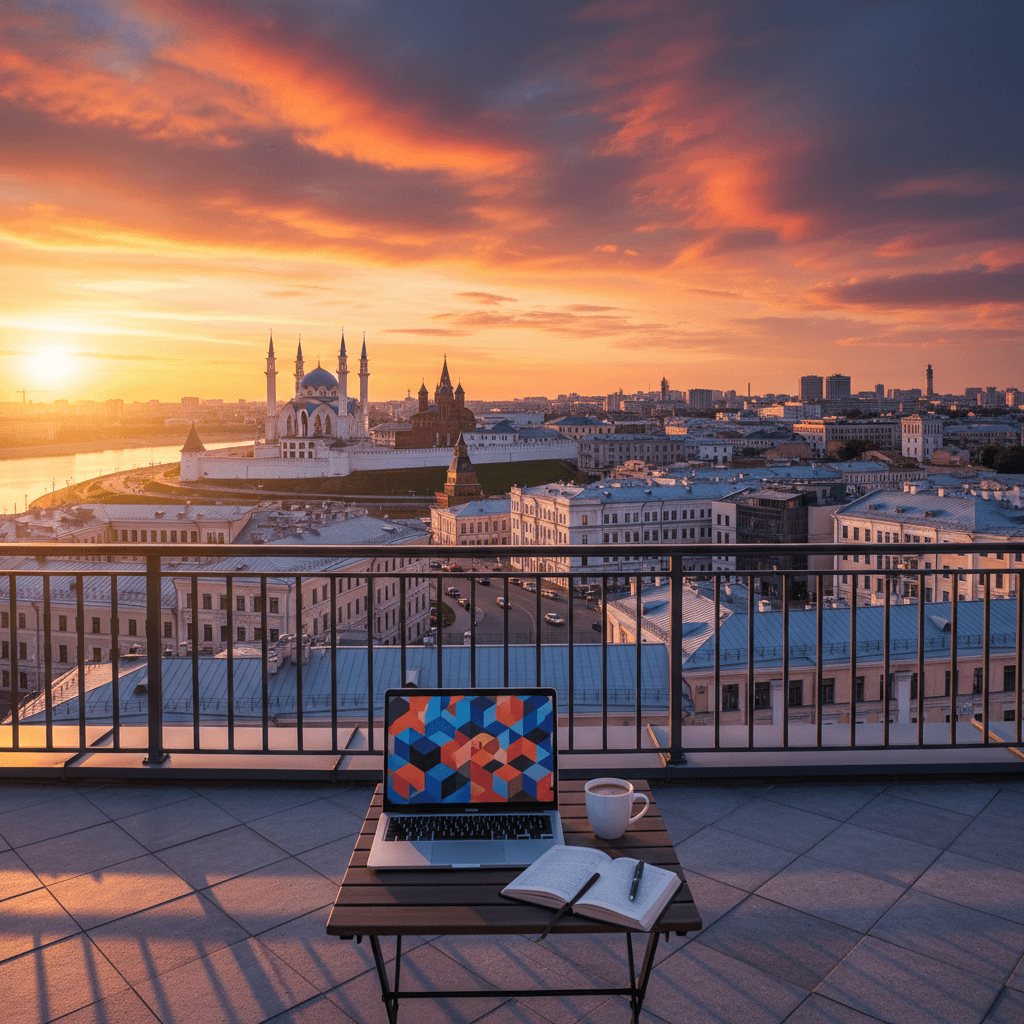
Kazan doesn't feel like the rest of Russia. While Moscow is a frantic race for status and St. Petersburg is a moody European dream, Kazan is a grounded, balanced hybrid. It's the capital of Tatarstan, where the skyline is defined by the blue minarets of the Kul Sharif Mosque sitting right next to the golden domes of the Annunciation Cathedral. This isn't just for show; it's a city where Slavic and Turkic cultures have lived in harmony for centuries, creating a vibe that is surprisingly laid back for a major IT hub.
For digital nomads, the draw is the "big city" infrastructure without the "big city" price tag or stress. You get high-speed fiber internet, a sleek metro system, and a growing tech scene, but you can still walk across the city center in thirty minutes. It’s a place where you can grab a $4 plate of echpochmak (triangular meat pastries) from a street vendor and then head to a high-end cafe on Baumana Street to work for the afternoon.
The Cost of Living
Your money goes significantly further here than in nearly any Western European hub. Most mid-range nomads find they can live quite well on $1,500 to $2,000 a month, covering a nice apartment, frequent dining out, and coworking fees.
- Budget Tier: $1,000 to $1,500 per month. This covers a basic studio and a focus on local markets and street food.
- Mid-Range: $1,500 to $2,000 per month. You'll get a modern one-bedroom in the center and plenty of nights out.
- Comfortable: $2,000+ per month. This allows for luxury rentals, daily ride-hailing, and weekend trips to places like Sviyazhsk Island.
- Rent: A central 1BR usually runs between $400 and $600.
- Coworking: Monthly desks average $80 to $110.
Where to Plant Your Flag
Kazan is divided by the Kazanka River, but most nomads stick to the historic left bank where the action is concentrated.
Kazan Kremlin & Central District
- The Vibe: Historic, touristy, and incredibly walkable. You’re steps away from the best museums and the riverfront.
- Rent: $500 to $700 for premium spots.
- Best For: First-timers who want to be in the heart of the cultural action.
Freedom Square (Ploshchad Svobody)
- The Vibe: The intellectual and political heart of the city. It’s surrounded by theaters and government buildings, offering a more "grown-up" atmosphere.
- Rent: $450 to $600.
- Best For: Expats and nomads who want a central location that feels less like a tourist trap.
Kazan State University Area
- The Vibe: Academic and green. It’s a bit quieter than the Kremlin area but filled with affordable cafes and student energy.
- Rent: $350 to $500.
- Best For: Budget-conscious travelers and those who prefer parks over pubs.
Connectivity and Remote Work
Internet reliability is a strong suit here. Average speeds hover around 17 Mbps, but many modern apartments and coworking spaces offer much higher 100+ Mbps connections. While dedicated coworking spaces aren't as saturated as in Bali or Lisbon, the cafe culture is welcoming to laptops. You'll want to download Yandex Go for rides, which usually cost $2 to $5 within the city, and Whoosh for renting electric scooters during the breezy summer months.
For data, grab a SIM from MTS or Beeline. You can usually get a massive data package for under $10. Language can be a hurdle; while the IT crowd speaks English, you'll rely heavily on Yandex Translate for daily interactions at the pharmacy or grocery store. Learning the Cyrillic alphabet and a few Tatar greetings will go a long way with the locals.
The Seasonal Reality
The emotional experience of Kazan shifts wildly with the thermometer. From June to August, the city is glorious. The sun stays up late, the riverfront is packed with people, and the 19°C to 27°C weather is perfect. In contrast, winter is a serious commitment. January temperatures can feel like -19°C. If you aren't a fan of heavy snow and short days, aim for a summer residency. However, there is a certain magic to seeing the Kul Sharif Mosque covered in fresh snow while you duck into a warm basement bar for a shot of local vodka or a hot cup of Tatar tea.
The Bottom Line
Kazan is one of those rare spots where your money stretches remarkably far without sacrificing a high quality of life. It is significantly more affordable than Moscow or Saint Petersburg, yet it retains a polished, modern infrastructure thanks to its status as a major IT hub. Most solo nomads can live comfortably here on $1,300 to $1,500 per month, while those pushing a $2,000 budget will find themselves living quite luxuriously in the city center.
Monthly Budget Tiers
- The Budget Nomad ($1,000 to $1,300): You will likely stay slightly outside the historic core, cook most of your meals, and stick to the excellent public transit system.
- The Mid-Range Professional ($1,500 to $2,000): This covers a modern one bedroom apartment in a central district, daily cafe visits, a dedicated coworking desk, and frequent dinners out on Baumana Street.
- The High-End Resident ($2,000+): At this level, you are looking at premium housing near the Kremlin, private gym memberships, and weekend trips along the Volga River.
Housing and Neighborhoods
Rent is your biggest variable. If you are looking for a sleek studio or a one bedroom apartment near the Kazan Kremlin, expect to pay between $400 and $600. Many expats use platforms like Avito.ru or Cian.ru to find rentals, though you might need a local friend to help with the initial outreach. Utilities, including high speed fiber internet and heating for those intense winters, usually hover around $150 per month.
- Kazan Kremlin Area: This is the cultural heart. It is walkable and stunning, though you will pay a premium for the view of the Kul Sharif Mosque. Expect rent to lean toward the $500 to $600 range.
- Freedom Square: A favorite for those who want a mix of quiet residential streets and proximity to government hubs and theaters. It is central but slightly less touristy than the Kremlin.
- University District: Located near Kazan State University, this area is greener and more academic. It is perfect if you want a lower price point, with many apartments falling under $400.
Food and Dining
Kazan is a paradise for foodies who love a mix of Slavic and Turkic flavors. Street food is high quality and cheap. You can grab an echpochmak (a savory triangular pastry) and coffee for about $3 to $5. A casual lunch at a local cafe will run you roughly $10, while a three course dinner at a nicer spot near the waterfront typically costs around $30 per person.
Transport and Tech
Getting around is remarkably cheap. A monthly pass for the trams and buses is about $25, and a single ride is only $0.50. Most nomads rely on the Yandex Go app for ride hailing; a trip across the city rarely exceeds $5. For those working remotely, mobile data is a steal. You can pick up a SIM card from MTS or Beeline with a massive data package for about $10.
Coworking is still a developing scene compared to bigger capitals, but spaces like the IT Park offer reliable 17 Mbps to 200 Mbps speeds. A dedicated desk in a local coworking space usually costs between $80 and $110 per month, which is about half of what you would pay in Moscow. If you prefer the cafe route, the city center is packed with laptop friendly spots that won't mind if you linger over a latte for a few hours.
For Solo Travelers and Culture Seekers: The Kremlin District
If you want to step out of your apartment and immediately see the blue domes of the Kul Sharif Mosque, this is your spot. Staying near the Kazan Kremlin puts you in the city's historic heart where the mix of Orthodox and Muslim architecture is most striking. It is the most walkable part of the city, centered around the Bauman Street pedestrian zone.
- Rent: Expect to pay $500 to $600 for a nice studio here. It is the priciest area, but you save on transport.
- Vibe: Very social and touristy. You will find the best English speaking service in the cafes along Bauman.
- Top Spot: Grab a coffee at Skuratov Coffee Roasters before walking the Kremlin walls.
While it is beautiful, the crowds can get old if you are staying long term. Most solo travelers love the safety here; even late at night, the main drags are well lit and populated. Just be prepared for slightly higher grocery and restaurant prices compared to the residential suburbs.
For Digital Nomads and Remote Workers: Freedom Square (Ploshchad Svobody)
The area around Freedom Square is the sweet spot for anyone needing to get work done. It feels more professional and less frantic than the immediate Kremlin area, but it is still very central. You are surrounded by government buildings, theaters, and some of the city's best infrastructure. It is a hub for the local IT scene, which is surprisingly robust for a city of this size.
- Coworking: Monthly hot desks run between $80 and $110. While dedicated spaces are still growing, the cafe culture here is very laptop friendly.
- Connectivity: Fiber optic internet is standard in most apartments, usually averaging 17 Mbps, though many nomads report speeds hitting much higher.
- Transport: You are perfectly positioned to use the Yandex Go app, with rides to almost anywhere in the center costing just $2 to $5.
Expats recommend this neighborhood because it feels like a "real" city district rather than a museum. You will find plenty of bars for post work drinks and better access to local gyms and supermarkets like Magnit or Pyaterochka.
For Families and Students: Kazan State University Area
Just south of the main tourist center lies the university district. This is the place to go if you want more green space and a quieter pace of life. The academic atmosphere makes it feel safe and intellectual, and there are far fewer noisy bars than you will find on the main pedestrian streets.
- Rent: You can find comfortable two bedroom apartments for $400 to $500, making it a great value for families.
- Lifestyle: There are plenty of parks for kids and the streets are wider and less congested.
- Food: This area is great for budget Tatar food. You can grab an echpochmak (a triangular meat pastry) for $3 at local bakeries.
The downside is the lack of nightlife, but for families, the proximity to the city's best medical facilities near Kazan State Medical University is a major plus. It feels like a genuine community where people actually live and study rather than a transit point for travelers.
For Long Term Expats: Vakhitovsky District Suburbs
If you are planning to stay for six months or more, look at the residential pockets of the wider Vakhitovsky district. It offers the best balance of local life and accessibility. You are still a 15 minute bus or tram ride from the center, but your cost of living drops significantly. Public transport passes are a steal at around $25 a month.
- Budget: A total monthly spend of $1,300 allows for a very comfortable lifestyle here, including frequent meals out and weekend trips.
- Practicality: This is where you will use sites like Avito.ru or Cian.ru to find long term rentals. Most landlords expect a deposit, but prices are negotiable if you speak a little Russian.
- Language: You will need a translation app here. Unlike the Kremlin area, English is rare, but locals are generally patient with nomads using Yandex Translate to get things done.
Speed and Reliability
Kazan isn't Moscow, but for most digital nomads, that's actually a selling point. The internet infrastructure here is surprisingly robust for a city of its size. You can expect average download speeds around 60-70 Mbps, which is plenty for hopping on Zoom calls or uploading content to a CMS. It's stable, too. Unlike some tropical nomad hubs, the grid in Tatarstan is built to withstand harsh winters, so you won't deal with frequent outages.
Most apartments come pre-wired with high-speed fiber. If you're renting a place for the month, utilities (including your web connection) usually hover around $150. If you need to work on the move, the 4G coverage is excellent across the city center. Grab a local SIM card from providers like MTS, Beeline, or Megafon. You can usually snag a plan with 20GB to 50GB of data for between $5 and $10. Just bring your passport to the kiosk at the airport or near Baumana Street to get set up.
Coworking Spaces
The coworking scene in Kazan is smaller than what you'll find in the capital, but it's growing alongside the city's IT park initiatives. Prices are a major draw here. While a desk in Moscow might set you back nearly $200, a monthly membership in Kazan typically ranges from $80 to $110. These spaces are generally modern, quiet, and equipped with the standard perks like ergonomic chairs and bottomless coffee.
- IT Park Kazan: This is the heart of the local tech scene. It's more of a business incubator, but it sets the tone for the city's digital infrastructure. It's a great spot to network if you're in software or dev work.
- Central Hubs: Most nomads gravitate toward spaces near the Kazan Kremlin or Freedom Square. These areas have the highest concentration of English speakers and modern amenities.
- Red Factory style spaces: You'll find several loft-style offices that offer day passes if you aren't ready to commit to a full month. Many of these boast Wi-Fi speeds reaching 200 Mb/s.
Laptop-Friendly Cafes
If you prefer the hum of a coffee shop over a sterile office, Kazan delivers. The cafe culture is deeply rooted, especially along Baumana Street. You'll see plenty of students from Kazan Federal University parked with their laptops, so you won't feel out of place staying for a few hours. Just keep an eye on the time during the lunch rush, as these spots can get crowded with locals looking for a quick bite.
Most mid-range cafes offer free Wi-Fi, though you might need a local phone number to receive a login code via SMS. This is standard across Russia. A coffee will usually cost you about $2 to $3, making it a very affordable "office" for the afternoon. If you're working late, the areas around the university stay lively well into the evening, providing a good mix of academic energy and social opportunities.
Digital Logistics
Managing your money while working remotely here requires a bit of prep. Most nomads rely on Mir cards or UnionPay for daily transactions. Fintech apps like Tinkoff are popular among the expat community for their ease of use and low fees. When it's time to move between your apartment and a workspace, Yandex Go is the only app you really need. Rides across the center are cheap, usually between $2 and $5, and the app lets you track your driver in real time. For a cheaper commute, a monthly transport pass for buses and trams costs about $20 to $30.
If you're looking for long-term housing with a dedicated workspace, check Avito.ru or Cian.ru. You can find a solid 1-bedroom apartment in the center for $400 to $600. Most listings include photos of the router or mention "high-speed internet" specifically, but it's always smart to ask for an Ookla speed test screenshot before you sign anything.
A Safe Haven in the Heart of Russia
Kazan is often cited by travelers as one of the most comfortable cities in Russia for foreigners. It lacks the frantic energy of Moscow, replacing it with a relaxed, multicultural atmosphere where Russian and Tatar traditions live side by side. Most expats find the city remarkably safe, especially in the central districts like the Kazan Kremlin area and Freedom Square. You can walk these streets late at night without the typical anxieties of a major metropolis.
While the center is a sanctuary of well lit boulevards and security cameras, it's wise to be more cautious in the outer industrial districts. These areas aren't necessarily dangerous, but they lack the infrastructure and police presence found in the tourist hubs. Stick to the main drags if you're out late, and use Yandex Go for door to door transport; it's safer and more reliable than trying to hail a car on the street.
Healthcare Standards and Facilities
If you need medical attention, you'll find the quality of care in Kazan is high, particularly at facilities affiliated with Kazan State Medical University. Many doctors in the city center speak basic English, though having a translation app ready is still a smart move for explaining specific symptoms. For minor ailments, pharmacies are everywhere and usually stay open late. You'll find most over the counter basics available without a fuss.
- Emergency Services: Dial 112 for all emergencies. Dispatchers may not always speak English, so try to have a local friend or your hotel reception assist if possible.
- Private Clinics: Many nomads prefer private centers for faster service and more modern equipment. Expect to pay around $20 to $40 for a standard consultation.
- Insurance: Make sure your policy covers medical evacuation and is recognized by Russian providers, as some international carriers have faced regional restrictions recently.
Cultural Etiquette and Local Norms
Safety in Kazan also involves respecting the local religious landscape. Since the city is a major center for Islam in Russia, modest dress is expected when visiting sites like the Kul Sharif Mosque. Women should carry a headscarf, and both men and women should ensure their shoulders and knees are covered. It isn't just about being polite; it's about blending in and avoiding unnecessary friction with locals.
Inside homes and some smaller guesthouses, the "no shoes" rule is strictly enforced. Always remove your footwear at the door. Travelers often mention that showing this level of cultural awareness opens doors to deeper hospitality and a smoother experience overall.
Practical Security for Digital Nomads
Your digital safety is just as important as your physical well being. While the 17 Mbps average internet speed is reliable for work, always use a VPN when connecting to public Wi-Fi in cafes along Baumana Street. For banking, most nomads have transitioned to using Mir cards or UnionPay, as Western issued Visa and Mastercard often won't work at local terminals.
- Data Security: Stick to reputable providers like MTS or Beeline for your SIM card. A plan with 20GB to 50GB of data usually costs between $5 and $10.
- Physical Tech: Don't leave laptops or expensive cameras unattended in coworking spaces or cafes. While theft is low, it's better not to test your luck.
- Winter Safety: Don't underestimate the -19°C wind chill in January. Frostbite is a genuine health risk, so invest in high quality thermal layers and proper boots if you're staying through the cold months.
The Transit Breakdown
Kazan is one of those rare cities where the infrastructure actually keeps up with the population. It feels much more manageable than Moscow's chaotic pace, mainly because the city center is surprisingly compact. Most nomads find that if they stay near the Kazan Kremlin or Freedom Square, their own two feet are the most reliable way to get around. The streets are wide, the sidewalks are well-maintained, and the bilingual signs in Russian and Tatar make it hard to truly get lost.
Public Transport Basics
When you need to cover more ground, the public transport system is efficient and incredibly cheap. You have a mix of buses, trolleybuses, and a clean, albeit single-line, metro system. A single ride will set you back about $0.50. If you are sticking around for a month or more, expats recommend picking up a transport card; a monthly pass runs between $20 and $30 depending on your usage. It is the kind of system where you don't need to overthink the schedule. Just show up at a stop and something will arrive within minutes.
Ride-Hailing and Apps
For late nights or grocery runs, Yandex Go is the undisputed king. It is effectively the only app you need for cars. Rides within the central districts usually cost between $2 and $5. It is reliable, the interface is available in English, and you can link your local bank card or pay in cash. During the warmer months from June to August, you will see Whoosh electric scooters parked on almost every corner. They cost about $1 to unlock and $0.10 per minute after that. It is a fun way to zip between the university area and the waterfront, though the app will throttle your speed in heavy pedestrian zones like Baumana Street.
Getting to the City
Kazan International Airport (KZN) is about 25 kilometers from the center. You have two solid options for the trek into town:
- Aeroexpress Train: This is the most predictable option if you want to avoid traffic. It takes about 30 minutes to reach the main railway station and costs roughly 60 RUB (~$0.60).
- Yandex Go: A private car is more convenient if you have heavy luggage. Expect to pay between $10 and $20 depending on the time of day. The drive usually takes 35 to 45 minutes.
Cycling and Walking
The city is becoming increasingly bike-friendly, especially along the Kazan River embankment. It is a favorite spot for digital nomads to clear their heads after a few hours of deep work. That said, the "walkability" factor drops significantly once the winter hits in December. When the temperatures dip toward -19°C, those pleasant 15-minute strolls become endurance tests. During the snowy months, stick to the metro or the Yandex app to keep your toes intact. In the summer, however, the city opens up, and you can easily spend an entire day exploring the transition from the modern IT hubs to the historic Tatar neighborhoods without ever needing a vehicle.
Regional Travel
If you have a weekend free, the Volga River is your highway. High-speed boats and ferries head out to Sviyazhsk Island, which is a must-see historical outpost about an hour away. For land-based day trips, the bus network from the central stations is extensive and keeps the same budget-friendly pricing you will find within the city limits. Just remember to keep your Yandex Translate app handy, as English proficiency among bus drivers and station staff is generally low.
The Bilingual Reality
Kazan is the only major Russian city where you will see a truly equal split between two languages. Russian and Tatar are both official here, so expect to see street signs, metro announcements, and government buildings displaying both scripts. While almost everyone speaks Russian fluently, Tatar is the soul of the city. You will hear it in the markets and see it on the menus of local spots like Tubatay. For a nomad, this adds a unique layer of depth that you won't find in Moscow or Saint Petersburg.
English proficiency is generally low. In the IT hubs and high end cafes around Baumana Street, younger staff will likely understand you. However, once you step into a local pharmacy or deal with a landlord on Avito, the language barrier becomes real. Most expats find that while locals are patient, they won't go out of their way to speak English unless they are in the tourism industry. You will want to have your translation apps ready to go at all times.
Survival Tools and Tech
Don't rely on Google Translate alone. In Russia, Yandex Translate often handles the nuances of Slavic grammar and local context much better. Most nomads use the camera feature to read menus or utility bills. If you are planning to stay for more than a week, learning the Cyrillic alphabet is a game changer. It only takes a few hours to learn, and it makes identifying bus stops and grocery items significantly easier.
- Yandex Translate: Best for local accuracy and offline use.
- Google Translate: Good for quick conversations.
- DeepL: Excellent for formal emails or lease agreements.
Communication Etiquette
Kazan has a more relaxed, provincial pace than the capital, but communication remains direct. Don't mistake a lack of smiling for rudeness; it's just the local way. People are actually quite helpful if you approach them with a few basic words. Using Privet (hello) or Spasibo (thank you) goes a long way. If you want to really impress the locals, try the Tatar greeting Isänmezez. It usually earns a surprised smile and a warmer level of service.
Digital communication is dominated by Telegram. Whether you are joining a local expat group, booking a haircut, or talking to a coworking manager, Telegram is the standard. WhatsApp is used, but it's secondary. If you are looking for community events or tech meetups near Kazan Federal University, Telegram channels are where the action happens.
Practical Language Cheat Sheet
You don't need to be fluent, but having these phrases on hand will make your daily life smoother. Prices are usually clear, but asking for the bill or a total is part of the routine.
- Gdye...: Where is... (useful for finding the metro or a specific building).
- Skolko stoit?: How much does it cost? (Expect to pay around $3 to $5 for street food).
- Ya ne govoryu po-russki: I don't speak Russian.
- Schet, pozhaluysta: The bill, please.
- Vse khorosho: Everything is good.
Connectivity and Data
Staying connected is cheap and fast. You can pick up a SIM card from MTS, Beeline, or Megafon for roughly $5 to $10. This usually gets you between 20GB and 50GB of data, which is more than enough for navigating the city. Most nomads report that 4G coverage is consistent even in the older parts of the Kazan Kremlin area. For heavy lifting, the home fiber or coworking Wi-Fi typically hits 17 Mbps to 100 Mbps, making video calls to clients back home a non issue.
Kazan is a city of extremes when it comes to the thermostat. You'll experience a classic continental climate here, which means the transition between seasons is sharp and the difference between July and January is massive. If you're coming from a temperate climate, the swing from sun-drenched river walks to frozen landscapes can be a bit of a shock, but each season has its own draw for the remote work crowd.
Summer: The Golden Window (June to August)
This is undeniably the best time to be in Tatarstan. Temperatures usually hover between 19°C and 27°C (66°F to 81°F), making it perfect for working from the outdoor terraces along Baumana Street. The city feels alive, the Volga River is active with cruises, and the sun stays up late. Most nomads aim for this window to enjoy the parks and the walkable city center without needing heavy gear.
- Pros: Long days, mild weather, and the best outdoor social scene.
- Cons: It’s the rainiest time of year, particularly in May and June, so keep an umbrella in your bag.
- Events: Look out for Sabantuy, the traditional Tatar "Festival of the Plow," which usually happens in June and offers a deep dive into local culture.
Winter: The Deep Freeze (December to February)
If you aren't a fan of the cold, Kazan in winter will be a challenge. Temperatures regularly sit around -7°C (19°F), but the wind chill can make it feel closer to -13°C or even -20°C. The city is often blanketed in thick snow, which looks beautiful against the blue domes of the Kul Sharif Mosque but makes getting around a bit more of a chore. Expats usually spend these months hopping between cozy cafes and heated coworking spaces.
- Pros: Dramatically lower accommodation prices and a stunning, snowy aesthetic.
- Cons: Limited sunlight and biting cold that makes long walks impossible.
- Survival Tip: Invest in high quality thermal layers and download Yandex Go so you can wait for your ride indoors.
Shoulder Seasons: The Budget Choice (September to October & April to May)
Autumn is brief but beautiful. In September, the city turns gold and the air gets crisp, though the chill sets in quickly by October. Spring is a bit messier as the snow melts, but by May, the flowers are out and the city starts to wake up. Many travelers find these months ideal for snagging mid-range apartments for under $500 a month before the summer tourists arrive.
Air Quality and Environment
The air quality in Kazan is generally moderate, with AQI readings typically falling between 34 and 65. It’s significantly fresher than Moscow or many industrial hubs in the Urals, though you might notice some smog near the heavy traffic zones around Freedom Square. For the freshest air, nomads recommend staying near the Kazan State University area or taking weekend trips to Sviyazhsk Island.
The Nomad Verdict
If you're planning a three month stint, June through August is the sweet spot. You'll get the best of the multicultural festivals and the most reliable weather for exploring the Kremlin and the waterfront. If you're a fan of winter sports or just want to save money while nesting in a warm apartment with 60+ Mbps internet, the winter months offer a quiet, focused environment at a fraction of the usual cost.
Getting Settled and Costs
Kazan is one of the most affordable regional hubs in Russia, offering a lifestyle that feels significantly more relaxed than Moscow. Most nomads find they can live comfortably on about $1,500 to $2,000 a month, while budget travelers can scrape by on $1,200 if they stick to local markets and studio apartments. Expect to pay between $400 and $600 for a decent one bedroom in the city center, though prices drop quickly as you move toward the university districts.
Daily expenses won't break the bank. You can grab an echpochmak (a traditional triangular meat pastry) for $3 to $5 at a street stall, or enjoy a full sit down dinner at a mid range spot on Baumana Street for about $15. If you are looking to splurge near the Kremlin, upscale meals usually top out around $30 per person. For groceries and essentials, local apps and small neighborhood shops are everywhere.
Neighborhoods for Every Vibe
Choosing where to drop your bags depends on your tolerance for tourists and traffic. Expats and short term visitors usually gravitate toward these three hubs:
- Kazan Kremlin Area: This is the historic heart. It is incredibly walkable and puts you right next to the Kul Sharif Mosque. It is the most expensive area for rent, but the convenience for sightseeing is hard to beat.
- Freedom Square: A favorite for digital nomads who want a bit of prestige and proximity to the IT scene. It is surrounded by theaters and government buildings, though the traffic can get a bit loud during rush hour.
- Kazan State University District: If you prefer green spaces and a quieter, academic atmosphere, head here. It is great for families or those who don't care about being near the late night bars.
Connectivity and Remote Work
The internet in Kazan is reliable, with average speeds around 17 Mbps, which is plenty for video calls and standard uploads. While the coworking scene isn't as massive as what you'll find in Saint Petersburg, spaces like the ones near the IT Park offer desks for $80 to $110 a month. Many nomads simply work from the cafes around the city center, which are generally welcoming to laptop users.
For mobile data, pick up a SIM card from MTS, Beeline, or Megafon. You can get a solid data plan with 20GB to 50GB for roughly $5 to $10. Just remember that you will need your passport to register the card at any official shop.
Navigating the City
The center of Kazan is highly walkable, but for longer trips, the public transport system is efficient. Trams and buses cost about $0.50 per ride. If you are staying for a month, a transit pass for $20 to $30 is a smart investment. For private rides, Yandex Go is the go to app, with most city trips costing between $2 and $5.
During the warmer months, you will see Whoosh scooters scattered everywhere. They cost about $1 to unlock and $0.10 per minute. If you are arriving from the airport (KZN), the Aeroexpress train is the cheapest way in, though a Yandex car will only set you back about $15 and takes roughly 40 minutes.
Language and Local Customs
Kazan is a bilingual city where Russian and Tatar are spoken side by side. While you will see bilingual signs everywhere, English proficiency is low once you leave the tourist offices or university circles. Download Yandex Translate or Google Translate before you arrive; you will need it for menus and chatting with landlords. Learning basic phrases like "Privet" (hello) and "Spasibo" (thank you) goes a long way with the locals.
The city is a unique blend of Orthodox and Muslim traditions. While Kazan is quite liberal, it is respectful to dress modestly when visiting the Kremlin’s mosques or cathedrals. Always remove your shoes when entering someone's home, a rule that is strictly followed across all cultures here.
Weather and Timing
The window from June to August is undoubtedly the best time to visit. The weather stays between 19°C and 27°C, and the city comes alive with festivals. Winters are the real deal here. Between December and February, temperatures often drop to -13°C or lower. If you aren't a fan of heavy snow and biting winds, avoid the mid winter months entirely.
Need visa and immigration info for Russia?
🇷🇺 View Russia Country GuideHidden Gem
Worth the effort
Monthly Budget Estimates
More cities in Russia
Chelyabinsk
🇷🇺 Russia
Krasnoyarsk
🇷🇺 Russia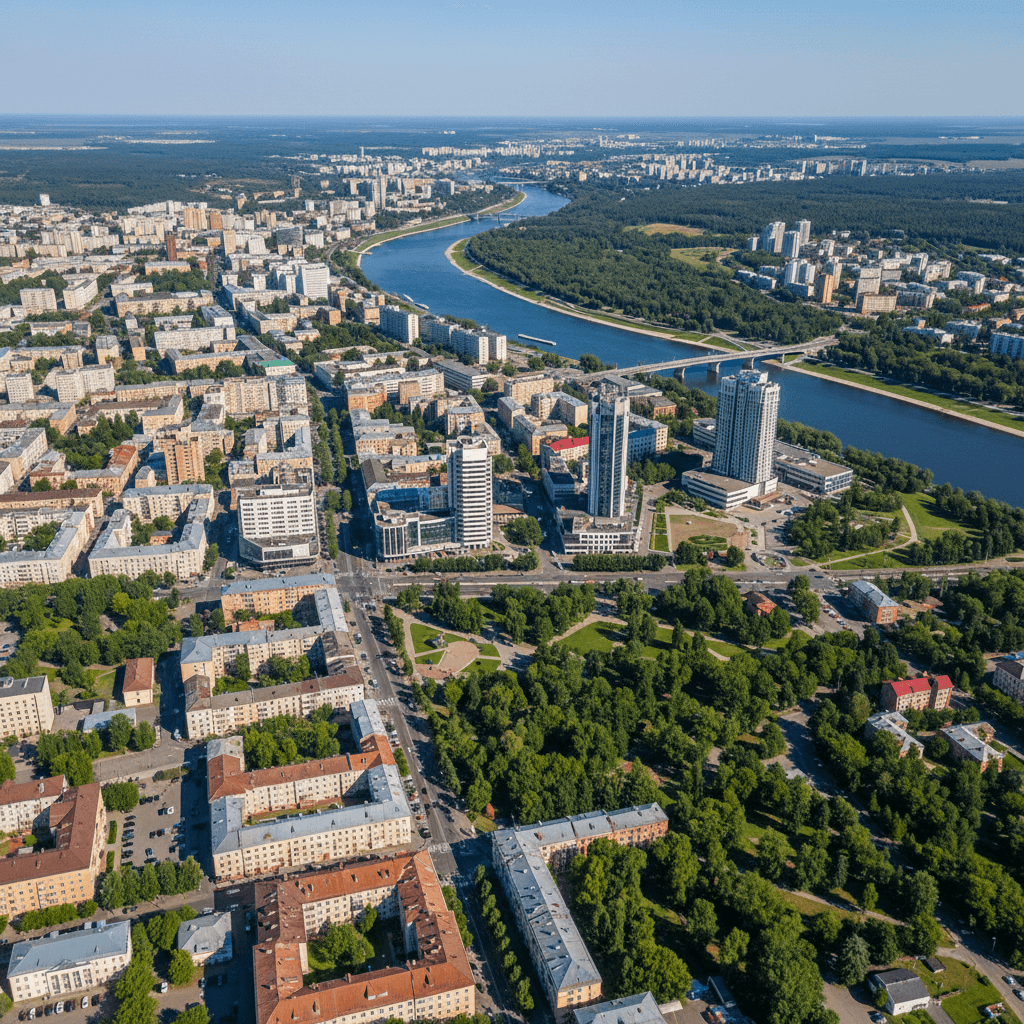
Perm
🇷🇺 Russia