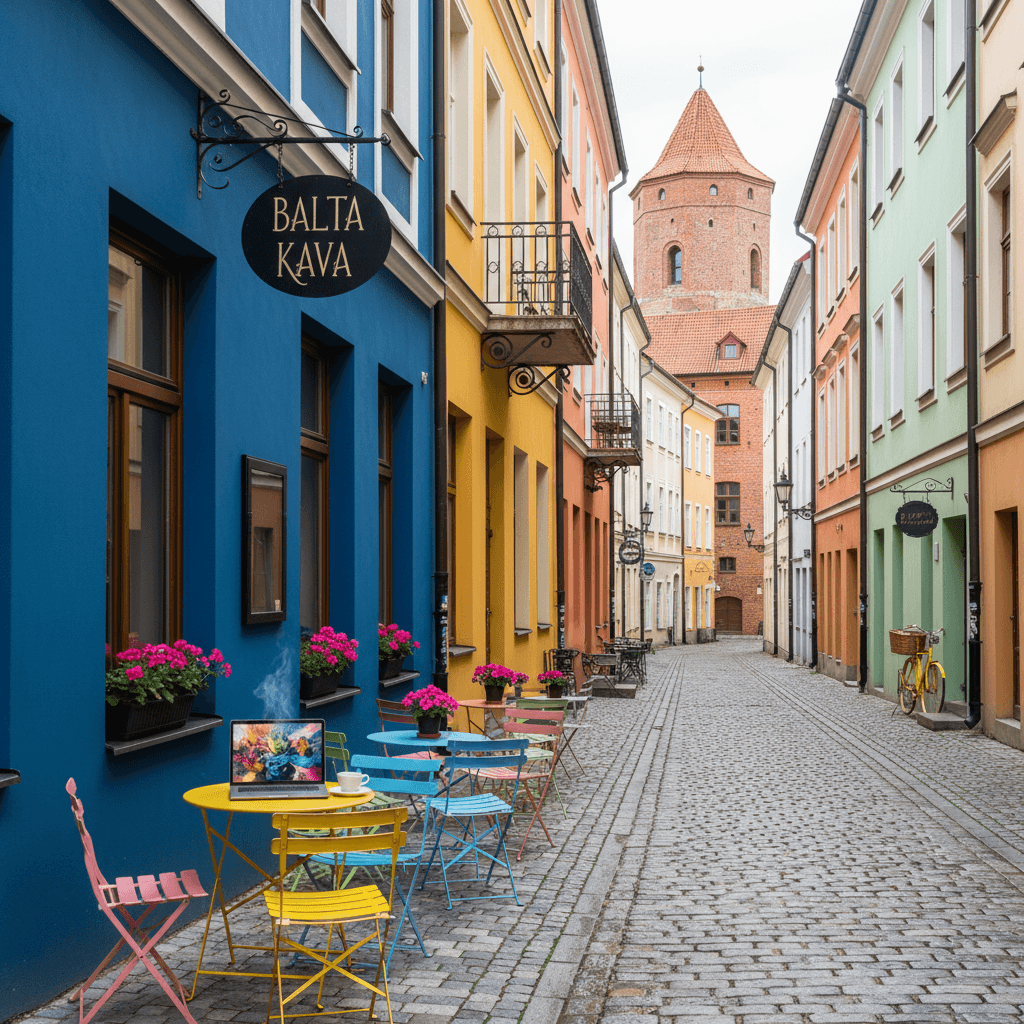
Kaunas
🇱🇹 Lithuania
Kaunas feels calmer than Vilnius and less polished than the usual Western Europe nomad stop, which is exactly why some people stick around. It’s the kind of place where you can hear trolleybuses humming down the street, smell coffee drifting out of Old Town cafes and get actual work done without constant noise in your face.
It’s affordable. A comfortable solo setup usually lands around $1,200 to $1,600 a month and that includes a decent apartment, regular meals out and a few Bolt rides when the wind turns nasty, which it does. Winters are brutal, frankly, with gray skies, icy pavements and that cold that gets into your hands before you’ve even left the building.
What makes Kaunas stand out, turns out, is the mix of interwar architecture, Art Deco facades and a creative streak that grew louder after its European Capital of Culture year. The city feels reserved at first, locals can seem a bit clipped, then a beer or two in a pub loosens things up and suddenly the conversation’s warmer than you expected.
Who tends to like it
- Nomads: Good internet, low costs, walkable center and enough cafes for a steady work rhythm.
- Expats: Quiet neighborhoods, decent safety and a slower pace that doesn’t chew through your energy.
- Travelers: Historic streets, river walks and a city that feels lived-in, not staged for visitors.
Where the vibe changes
- Senamiestis: Best if you want cafes, old streets and easy walks, though nights can get noisy and prices are higher.
- Žaliakalnis: Greener, hillier and artsier, with views that are nice, if you don’t mind puffing uphill.
- Aleksotas: Quieter and more residential, good for families or anyone who’d rather sleep than go bar-hopping.
The social scene is smaller than in bigger European hubs and honestly that’s part of the charm and the annoyance. There’s less nightlife variety, fewer big nomad crowds and a lot of people work from places like Workland Laisvės or DesignFriends, then head home or out for simple pub nights instead of all-night parties.
Bottom line: Kaunas isn’t flashy and it won’t pretend to be. It’s a solid, affordable base with strong internet, safe streets and a slightly stubborn personality, the sort of city that grows on you when you stop expecting it to perform.
Kaunas isn’t expensive and that’s half the appeal. A solo nomad can live here on about $1,279 a month with rent or roughly $665 without rent, while a comfortable setup with a private place, regular cafe lunches and coworking starts around $1,600. Not cheap. Still, compared with most Western European cities, the bill feels sane.
Rent is where the city stays friendly, especially if you don’t insist on living right in the middle of Senamiestis. A studio or one bedroom in the center runs about $587, while the outskirts drop closer to $423 and utilities average about $141 per person, which can sting in winter when the radiators are working hard and the windows feel like they’re leaking cold air.
Typical Monthly Spend
- Budget: $800 to $1,000, usually a shared flat or an outskirts studio, plus street food and buses.
- Mid-range: $1,200 to $1,500, enough for a center apartment, casual dining and coworking a few days a week.
- Comfortable: $1,600+, if you want more restaurants, Bolt rides and a gym without checking every receipt.
Food is one of the nicer surprises here, honestly. A coffee costs about $3.86, beer around $5.57 and quick meals from street stalls or fast food sit in the $10 to $13 range, so you can get by cheaply if you don’t get seduced by long dinners and dessert menus.
Mid-range restaurants are still reasonable, though a dinner for two can reach $71 and upscale spots climb fast once you add wine or a second round. The city’s cafes smell like espresso, warm pastry and wet coats in winter, which makes working out of places like Green Cafe feel more tempting than productive.
Everyday Costs
- Transport: About $59 a month for regular buses and trolleybuses or less if you walk a lot.
- Coworking: Around $229 a month at places like Workland Laisvės, with cheaper day passes elsewhere.
- SIM card: Roughly $27 for 10GB on Bitė or Tele2, which is fair for solid mobile data.
One thing I’d say bluntly, Kaunas is easy to budget for, but winter can quietly wreck your mood and your heating bill. If you want the best value, look at Žaliakalnis or Aleksotas, eat simple lunches and use public transport instead of Bolt for every little trip, because that’s where the city stays genuinely affordable.
Kaunas feels calmer than Vilnius, cheaper too and that slower pace suits people who actually need to get work done. The city has Art Deco facades, river air and a slightly reserved local mood that warms up once you’ve had a beer or two, though the winter cold can hit like a slap in the face.
Nomads
Most nomads end up around Senamiestis because you can walk to cafes, coworking and dinner without thinking too hard, which sounds simple until January turns the cobblestones into a wet, icy mess. Workland Laisvės, Talent Garden Kaunas and HUB Kaunas are the names you’ll hear most and the internet is good enough for calls, uploads and normal remote life, honestly, without much drama.
- Best for: Walkability, cafes and a social base
- Rent: Around $587 for a center studio or 1BR
- Watch out for: Tourist noise, pricier coffee and late-night foot traffic
Expats
Žaliakalnis is the area expats keep circling back to because it’s greener, quieter and has that lived-in, slightly arty feel that suits longer stays, though the hills can leave your calves burning after a grocery run. You get views, older houses and less of the Old Town chatter and frankly, that matters if you’re here for months instead of a weekend.
- Best for: Longer stays and a calmer routine
- Rent: Usually a bit lower than the center
- Watch out for: Steep streets and fewer nightlife options
Families
Aleksotas makes sense for families because it’s residential, park-heavy and less chaotic than the center, so you’re not hearing scooters and pub noise under your window at 2 a.m. It’s farther from the core, which is the trade-off, but the pace is easier and the air feels less boxed in than downtown.
- Best for: Quiet streets, parks and a more settled rhythm
- Rent: Often more affordable than Senamiestis
- Watch out for: Longer commutes into the center
Solo Travelers
Senamiestis is still the easiest pick if you’re traveling alone, because you can get coffee, food and a pub table without overplanning and the city feels safe enough for normal daylight wandering. At night, stay alert near the central station area, because that’s where the rougher edges show up and the silence gets a little too noticeable.
- Best for: First-timers, cafes and short stays
- Food: Cheap street food, decent cepelinai, coffee around $3.86
- Watch out for: Tourist prices and occasional late-night hassle
Kaunas is easy on the wallet and, honestly, the internet is good enough for real work. Most places get around 35 to 57 Mbps down, which handles video calls, uploads and cloud work without drama and coworking spots usually match that at the desk. Not fancy. Just reliable.
The city feels calmer than Vilnius, so you can sit in a café and actually hear your own thoughts, with tram clatter, espresso steam and the occasional burst of Lithuanian from the next table. That slower pace suits focused work, but the tradeoff is a smaller nomad crowd and fewer places built around laptop life.
Best coworking options
- Workland Laisvės: Central on Laisvės alėja, strong for full-time desk work, monthly memberships start around €220.
- HUB Kaunas: Solid community energy, useful for freelancers who want occasional chats without a noisy open-plan mess.
- PIXEL HUB: Smaller and more creative, better for designers and solo workers who don’t need a polished corporate setup.
- DesignFriends: Popular with remote workers who like a quieter, more studio-like feel, day passes around $11.
Cafés can work too, but pick carefully. Green Cafe is one of the safer bets for a laptop session, though some places get weirdly protective of a single coffee, so don’t plan on camping there all day unless the room is half empty. The good news is that mobile data is cheap enough, with Bitė and Tele2 SIMs often around $27 for 10GB, so backup internet isn’t a headache.
What nomads actually spend
- Budget setup: $800 to $1,000 a month, usually outskirts rent, simple food and public transport.
- Mid-range setup: $1,200 to $1,500 a month, which covers a central 1BR, decent meals and coworking.
- Comfortable setup: $1,600 plus, if you want better dining, Bolt rides and a private office.
If you’re staying a while, skip the romantic idea of working from random cafés every day, the chairs are often bad, the lighting can be harsh and winter light in Kaunas is gloomy enough to make anyone grumpy by 3 p.m. A proper coworking membership makes more sense here and turns out that’s what most long-stay remote workers end up doing anyway.
Kaunas feels safe, calm and a little reserved, which is exactly why a lot of nomads like it. You can walk around the center without much drama and the usual noise is more tram clatter, winter wind and the low hum from cafes than anything sketchy. Still, the area around the central station gets a bit dodgy late at night, so don’t drift there half asleep with your phone out.
Crime: Low overall, with medium pickpocket risk in crowded spots. Best habit: keep your bag zipped on buses, at the station and near bars after midnight.
The city’s vibe helps. People keep to themselves at first, but that’s not the same as unfriendly and honestly, most travelers say the place feels safer than bigger Western cities with louder nightlife and more petty hassle. Women and LGBTQ+ visitors usually report a low-stress stay, though visibility isn’t huge, so you won’t get the big-city queer scene energy here.
What to know
- Late-night area to avoid: Central station surroundings
- Public spaces: Generally safe, even for solo walks
- Common issue: Pickpocketing, not violent crime
Healthcare is decent, but private clinics are the move if you want speed and less waiting around in fluorescent rooms that smell like disinfectant and coffee. Pharmacies are easy to find across the city, so a sore throat or a missed prescription isn’t some major ordeal.
Hospitals: Public care exists, but expats usually prefer private options. Emergency number: 112, so save it before you need it, because fumbling for it in a panic is pointless.
For anything serious, you may end up looking beyond Kaunas and that’s the annoying bit, frankly. Routine stuff is fine, but if you want faster specialist care or a smoother consultation, private clinics tend to beat the public system and that gap is obvious once you’ve sat in both.
Practical safety notes
- Carry cash lightly: Card payments are common, but don’t flash your wallet
- At night: Use Bolt or take a proper bus, especially in winter when sidewalks get icy
- Medication: Stock up early, pharmacies are open widely but not every niche drug is easy to find
Winter itself can be the real hazard. Ice hits hard, pavements get slick and the cold cuts through your coat in a way that makes your face sting, so walk slower than you think you need to. That’s not drama, that’s Kaunas in January.
Getting Around
Kaunas is easy to move around, honestly and the center is compact enough that you’ll end up walking more than you expect. The old streets around Senamiestis are made for it, with tram-like trolleybuses humming past, scooters buzzing on wet pavement and that faint mix of espresso, diesel and bakery bread drifting out of side streets.
Public transport is the cheap, sane choice. A single ticket is about $1.63, while a monthly pass runs around $33 and locals use the Trafi or Žiogas apps to plan buses and trolleybuses without standing at a stop guessing, which, surprisingly, works pretty well even when the weather turns ugly.
- Best for daily life: buses and trolleybuses, especially if you’re commuting to coworking spaces or crossing town in winter.
- Best for short hops: Bolt, usually about $3 to $10 for most rides.
- Best for walking: Senamiestis and the central corridor, where you can get almost everything on foot.
- Best for bikes: rented bikes for warmer months, though the hills in Žaliakalnis can bite.
Bolt is the fallback when it’s freezing, raining sideways or you just don’t want to wrestle with a late bus after dinner. It’s especially handy for airport runs to Kaunas Airport and the fare usually feels fair unless you’re crossing the city at a bad hour.
Walking is good here, but not magical. The walk score sits around 70, the bike score around 65 and the terrain gets annoying fast once you leave the flatter center, so shoes matter and winter ice makes every curb feel like a tiny threat.
- Senamiestis: walk everywhere, but expect more noise and more tourists.
- Žaliakalnis: prettier and greener, though the hills will make you swear.
- Aleksotas: calmer and more residential, but you’ll rely on transit more often.
Most nomads settle into a simple rhythm, walk when the weather’s decent, take buses when it’s grim and use Bolt when time matters or your legs are done. That mix works and frankly it keeps Kaunas affordable without feeling stuck. The city’s small enough that you won’t waste your day in transit, but big enough that you’ll want the apps loaded before you land.
Kaunas feels pretty straightforward once you get your bearings and English goes a long way in cafes, coworking spaces and anything younger than middle age. Lithuanian is the main language, Russian still shows up and if you’re dealing with older taxi drivers, landlords or shop staff, don’t assume they’ll switch over automatically. Honestly, a few phrases open doors faster than perfect grammar.
Labas gets you a hello, Labas rytas is good morning and Ačiū buys you goodwill everywhere. People aren’t usually chatty with strangers at first, but they’re polite and once the ice cracks, the tone softens fast, especially over beer or coffee where the room gets warmer and the conversation turns loose.
What trips people up isn’t hostility, it’s reserve. You’ll hear low voices in stairwells, the clink of cups in cafés, the hiss of buses outside and a lot of conversations that start formal and stay that way until somebody relaxes.
How far English gets you
- Young locals: Usually comfortable in English, especially in the center.
- Middle-aged locals: Mixed, though many can handle basics fine.
- Older locals: English is patchier, so keep a translator handy.
- Best backup: Google Translate works well for menus, signs and quick messages.
In Senamiestis and around Laisvės alėja, you can often get by in English without friction, especially in Workland Laisvės, Talent Garden Kaunas or anywhere used to nomads. Outside those bubbles, people may answer in Lithuanian first, then switch if they can and if they can’t, they’ll usually point, shrug or pull out their own phone, which, surprisingly, works.
The tone here is direct, not rude. Say what you need, keep it polite and don’t waste time on theatrical small talk, because Kaunas prefers clean requests and clear answers over fluffy niceties.
Useful survival habits: learn the place names before you need them, speak slowly and don’t be embarrassed to repeat yourself. If you’re ordering food, asking for directions or sorting an apartment issue, a short sentence and a smile beat perfect pronunciation every time.
- Best phrase for starters: “Ar kalbate angliškai?”
- When you need help: Point, say the address, then open maps.
- For remote work: Café staff in central Kaunas usually understand the basics.
- For smoother days: Save common phrases in your phone before winter hits.
Winter makes everything a bit stiffer, frankly and long dark evenings can make conversations feel shorter too. Still, Kaunas isn’t difficult if you’re patient and once people realize you’re trying, they tend to meet you halfway.
Kaunas has proper seasons and they shape the whole trip. Winters are cold enough to sting your cheeks on the walk from the bus stop, with gray skies, icy pavements and that dry, biting wind that sneaks under your coat. Summer, though, feels gentler, with long light evenings, open cafe terraces and warm air that smells like cut grass and exhaust near the main roads.
Best time to visit: May to September. That’s when the city feels easiest, with mild weather, decent daylight and enough outdoor life to make the Old Town, the riverside and Laisvės alėja feel lively without getting packed. July and August are warmest, often sitting between 17 and 28°C, though they can turn sticky after rain and the showers themselves can hit fast, drumming on tram stops and café awnings.
Spring and early autumn are my pick, honestly. You get fewer crowds, lower accommodation pressure and more comfortable walking weather, which matters in Kaunas because you’ll probably cross the center on foot a lot. May can still feel fresh in the mornings and September often gives you crisp evenings, golden trees in Žaliakalnis and a calmer pace that suits workdays better than full-on summer heat.
Month by month
- December to February: Cold, dark and best avoided unless you like frozen sidewalks and short days.
- March to April: Unpredictable, with slush, wind and the occasional bright day that tricks you into leaving the scarf at home.
- May to June: One of the sweet spots, with fresher air, longer daylight and manageable rain.
- July to August: Warmest months, good for terraces and river walks, though rain still shows up, weirdly, right when you least want it.
- September: Another strong choice, cooler, calmer and easier for working remotely without sweating through your shirt.
- October to November: Moody and damp, with bare trees, wet pavements and that early-winter feeling creeping in fast.
If you’re staying longer, aim for late spring or early autumn and book a place with solid heating, because Kaunas winter isn’t romantic, it’s just cold. Summer’s nice, but don’t expect Mediterranean heat or nightlife that never ends, the city stays pretty restrained and honestly that’s part of the appeal for focused work.
Kaunas is easy to live in, but it won’t coddle you. The city feels calm, a little reserved and then the January wind cuts across the river and reminds you why locals dress like they’re ready for war. Still, for digital nomads and expats, the trade-off is pretty good, because rent stays sane, the center is walkable and the internet rarely gives you drama.
Get your basics sorted fast. Use Bitė or Tele2 for a local SIM or grab an eSIM through Saily or Airalo if you’re landing late and don’t want to queue at a kiosk, because airport Wi-Fi alone gets old fast. Revolut and Wise work smoothly for most day-to-day spending and Swedbank is the local name you’ll hear most often when someone’s opening a proper account.
Money and Housing
- Monthly budget: about $800 to $1,000 if you’re keeping it lean, $1,200 to $1,500 for a comfortable one-bedroom setup and $1,600+ if you want nicer dining and Bolt rides.
- Rent: a studio or 1BR in the center runs around $587, while the outskirts are closer to $423, which, surprisingly, still buys you a decent place if you don’t mind a longer commute.
- Food: street food lands around $10 to $13, coffee is about $3.86 and a mid-range dinner for two hits roughly $71.
For apartments, start with Flat4Rent and Aruodas.lt, then move fast when you find something decent, because the good places disappear and the mediocre ones often smell faintly of old cooking oil and radiator heat. Senamiestis is the obvious first stop if you want cafes and walkability, though it’s pricier and louder at night, while Žaliakalnis feels greener and more local, with hills that’ll make you swear on icy mornings.
Getting Around
- Public transport: buses and trolleybuses are solid, tickets are about $1.20 and monthly passes run near $33.
- Ride-hailing: Bolt is cheap enough for short hops, usually $3 to $10 and it’s handy when the rain starts slapping the pavement.
- Walking and biking: the center is very doable on foot, though some streets get gritty and the hills bite harder than you’d expect.
For work, the internet’s good enough for calls and uploads, honestly and coworking spaces like Workland Laisvės, Talent Garden Kaunas, HUB Kaunas, PIXEL HUB and DesignFriends give you more reliable chairs than most cafes. If you’re trying to meet people, go where the beer is, not where the branding is and keep your expectations modest, Kaunas doesn’t do wild nightlife the way bigger Western cities do.
Local Habits
- Customs: tip around 10%, remove your shoes indoors and be direct without acting like a jerk.
- Language: English is common with younger people, but Labas, Labas rytas and Ačiū go a long way.
- Day trips: Vilnius is an easy bus or train ride and Rumšiškės is worth a half-day if you want a break from screens.
Healthcare is decent if you stick to private clinics and the city feels safe enough that most people relax quickly, though the station area late at night still deserves caution. The practical version of Kaunas is simple, it’s affordable, a bit cold and refreshingly low-drama, which is exactly why a lot of people stay longer than they planned.
Need visa and immigration info for Lithuania?
🇱🇹 View Lithuania Country GuideHidden Gem
Worth the effort