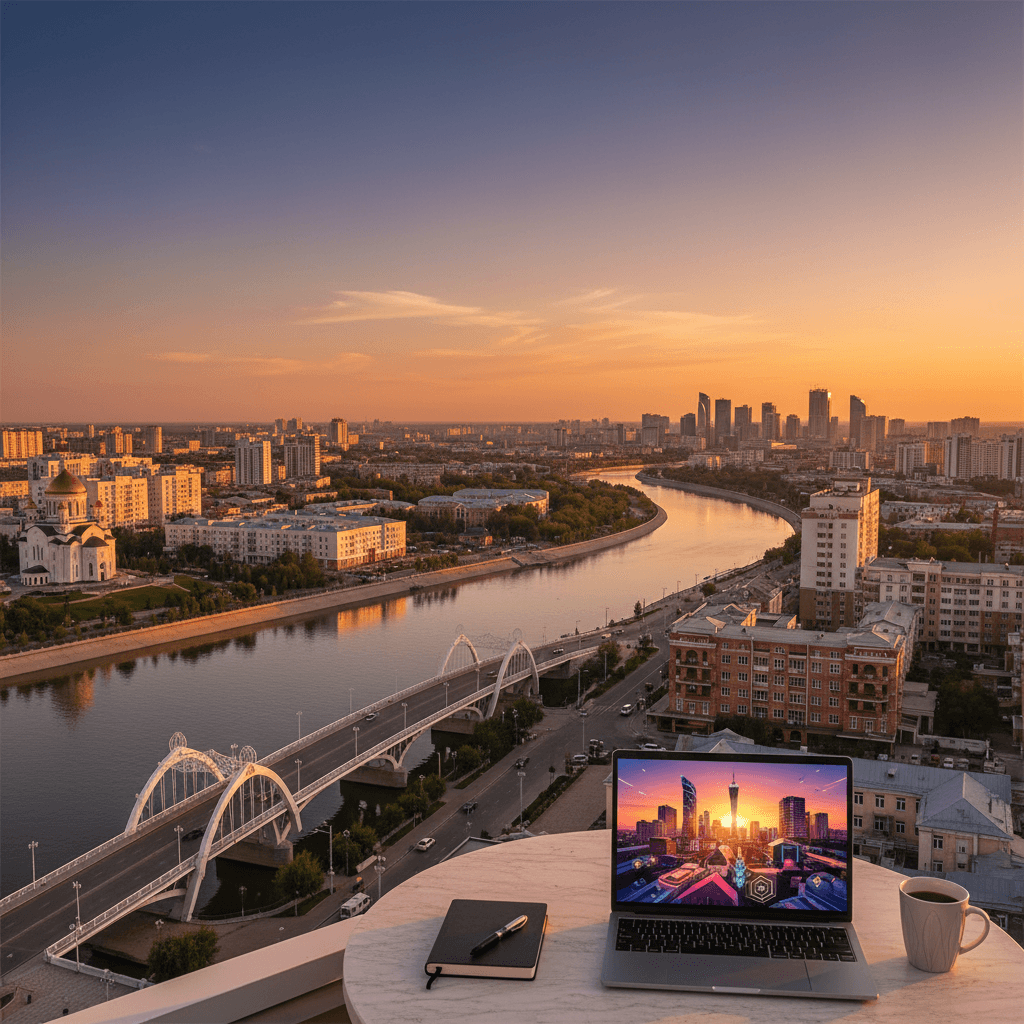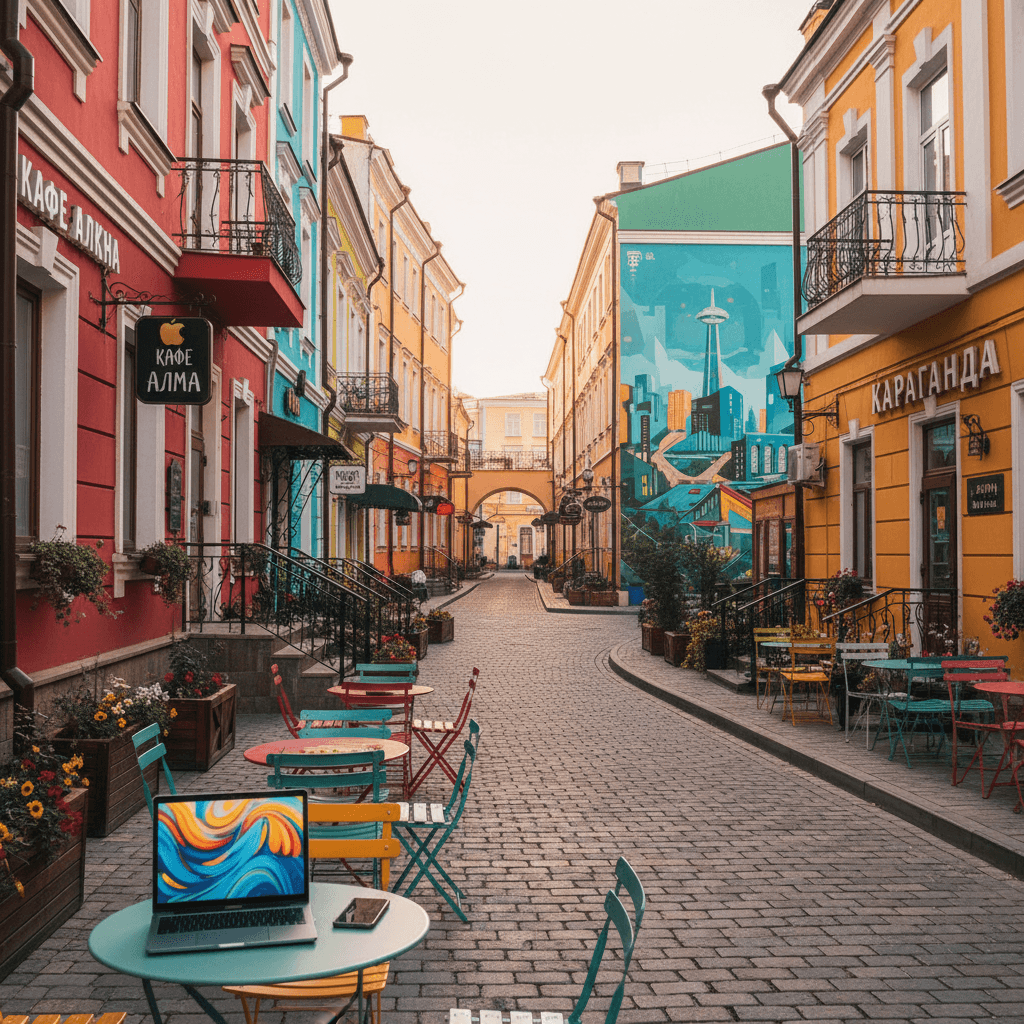
Karaganda
🇰🇿 Kazakhstan
The Industrial Heart with a Slower Pulse
If Almaty is the stylish older sister and Astana is the ambitious corporate sibling, Karaganda is the gritty, honest cousin who doesn't care about making a first impression. It's a city built on coal and steel, and that industrial backbone defines the atmosphere. You won't find the polished glitz of the capital here. Instead, you get wide Soviet avenues, massive public squares, and a functional, resilient energy that feels deeply authentic. It's the kind of place where people are genuinely surprised and delighted to meet a digital nomad, offering a level of hospitality that feels personal rather than transactional.
Living here feels like stepping back into a mid-century industrial powerhouse that's slowly waking up to the modern world. The pace is significantly slower than Kazakhstan's major hubs. You'll spend your afternoons walking through the sprawling Central Park or sitting in a quiet cafe where the staff might not speak English, but they'll use every translation app available to make sure you're comfortable. It’s unpretentious and incredibly affordable, making it a strategic base for those who want to stretch their budget while exploring the vast Kazakh steppe.
Cost of Living Breakdown
Karaganda is one of the most budget-friendly urban centers in Central Asia. You can expect your monthly expenses to be 20% to 30% lower than in Almaty. Most nomads living a comfortable lifestyle here spend between $1,200 and $1,500 per month, though budget-conscious travelers can easily get by on $800.
- Housing: A modern one-bedroom apartment in the city center typically runs between $300 and $500. If you look toward the quieter Saryarka district, prices can drop to $200.
- Dining: A quick plate of shashlik or a bowl of lagman at a local spot costs about $4 to $8. A three-course dinner at a nicer fusion restaurant will rarely exceed $25.
- Transport: Local buses are nearly free at $0.30 per ride. Even long Yandex Go trips across the city usually stay under $5.
Where to Set Up Base
Neighborhood choice is vital here because the city's industrial roots mean some areas are far more pleasant than others. Most nomads stick to Central Karaganda, specifically the area around Octyabr Square. This is the most walkable part of the city, packed with the best cafes and the few spots where you might find a reliable power outlet and decent WiFi. It’s noisier, but it’s where the life is.
The Saryarka District is the go-to for a more residential, "local" feel. It’s greener and quieter, though you'll rely more on the Yandex Go app to get into the center for meetings or social events. Expats generally advise staying away from the industrial outskirts near the mines; the air quality is lower and there’s very little in the way of infrastructure for remote work.
The Connectivity Reality
Don't expect a thriving coworking scene. There aren't any dedicated nomad hubs yet, so your "office" will likely be your apartment or a handful of reliable cafes. While the national average is 52 Mbps, many central apartments and hotels offer speeds hitting 100 Mbps. For mobile data, grab a Beeline or Kcell SIM card for about $10; the 20GB of data is usually more than enough for a month of backup hotspots.
The Kaspi app is the unofficial operating system of the city. You'll use it for everything from paying for groceries to settling your tab at a bar. Most nomads also set up Wise for international transfers and use Google Translate constantly, as English proficiency is quite low outside of high-end hotels.
The Emotional Draw
The real magic of Karaganda isn't in its infrastructure; it's in the contrast. It’s the feeling of drinking a perfect espresso in a sleek cafe, then walking outside to see a towering monument to coal miners. It’s the harshness of the winter, where temperatures can hit -10°C, balanced by the warmth of a local inviting you for tea and beshbarmak. It’s a city for the explorer who is tired of the "nomad bubble" and wants to see a side of Kazakhstan that hasn't been filtered for Instagram.
The Price of an Industrial Steppe Life
Karaganda is where your budget finally takes a breather. While Almaty and Astana have seen prices climb alongside their rising international profiles, Karaganda remains a bastion of Soviet-scale affordability. Most nomads find they can live comfortably here for 20% to 30% less than in the southern capital. It is a city of wide boulevards and mining history where your dollar, euro, or tenge simply goes further.
For a solo traveler, a monthly budget of $800 to $1,200 covers the basics with plenty of room for eating out. If you are looking for a more "western" standard of living with a modern apartment and frequent taxi rides, $1,500 to $2,000 puts you in the city's upper tier of spenders. It is the kind of place where you can stop checking your bank app every time you order a second round of drinks.
Breaking Down the Monthly Burn
- Housing: A renovated one-bedroom apartment in the city center typically runs between $300 and $500. If you don't mind a commute from the quieter suburbs, you can find decent spots for as low as $200.
- Food and Dining: Street food like fresh samsa or shashlyk sticks cost about $2 to $4. A mid-range dinner for two with drinks usually lands around $25, while a high-end fusion meal rarely crosses the $30 mark per person.
- Connectivity: A local SIM from Beeline or Kcell with a heavy data package costs roughly $5 to $10. Home internet is reliable and cheap, often included in your rent or available for about $15 a month.
- Transportation: The city's bus network is extensive and costs about $0.30 per ride. Most expats rely on the Yandex Go app, where a cross-town trip rarely exceeds $5.
Where to Plant Your Flag
The neighborhood you choose dictates your daily experience. Central Karaganda, particularly the area around Octyabr Square, is the default choice for anyone working remotely. You will be within walking distance of the best cafes and the few spots where you might hear a bit of English. It is busier and slightly pricier, but the convenience of having supermarkets and pharmacies nearby is worth the premium.
The Saryarka District is the go-to for a quieter, more residential feel. It has more green space and a slower rhythm, making it popular with families or those who want to escape the industrial grit of the center. Just be prepared for a longer Yandex ride when you want to meet people. Avoid the industrial outskirts near the mines; the rent is bottom-of-the-barrel, but the air quality and lack of amenities make it a poor choice for a long-term stay.
The Digital Infrastructure
Karaganda does not have the flashy coworking hubs you will find in Almaty. You won't find a WeWork here. Instead, the "office" is usually a dining table or a quiet corner in a cafe. The local cafe culture is welcoming, and as long as you are ordering coffee and food, staff generally won't mind you staying for a few hours. Speeds are surprisingly good, often hitting 100Mbps in modern buildings and hotels.
To handle your finances, everyone uses the Kaspi app. It is the backbone of the Kazakh economy; you can pay for everything from groceries to utilities with a QR code. For international transfers, Wise remains the most reliable way to move money into the country. If you plan on staying long-term, the Neo Nomad Visa is the new gold standard, requiring a monthly income of $3,000, though your actual expenses here will be a fraction of that amount.
The Solo Digital Nomad: Central Karaganda
If you're landing in Karaganda to work, you'll want to stay near Octyabr Square or along Bukhar-Zhyrau Avenue. This is the city's heartbeat where the grid-like Soviet planning actually works in your favor. It's the most walkable part of town, packed with the highest concentration of cafes that won't mind you hovering over a laptop for a few hours. Since dedicated coworking spaces are still a rarity here, these central coffee shops are your de facto offices.
- Rent: Expect to pay between $300 and $500 for a decent one bedroom apartment.
- Vibe: Urban, slightly gritty, but surprisingly social.
- Connectivity: Most central rentals hit 100Mbps, and you can grab a Beeline or Kcell SIM for about $10 to keep 20GB of data in your pocket.
Nomads usually prefer this area because it cuts down on transport time. You're steps away from the best shashlyk stands where a meal costs about $8, and you'll find the most English speakers here, even if the general proficiency remains low. It's the only place in the city that feels truly connected to the modern world while the rest of the town leans into its mining heritage.
The Long-Term Expat: Saryarka District
Expats who plan to stay for the full duration of a Neo Nomad visa often migrate toward the Saryarka District. It's a bit further from the center, but the trade-off is a massive increase in green space and a much quieter environment. It feels less like an industrial hub and more like a residential retreat. You'll need the Yandex Go app downloaded and ready; a ride to the city center will cost you roughly $2 to $5 depending on the time of day.
- Rent: Prices are slightly lower, ranging from $250 to $450.
- Pros: Better air quality away from the mines, modern grocery stores, and quieter nights.
- Cons: You'll feel the language barrier more acutely here than in the center.
Living here requires a bit of local savvy. You'll likely use the Kaspi app for everything from paying utility bills to buying groceries, as it's the undisputed king of fintech in Kazakhstan. Most expats recommend Saryarka if you value a routine over the constant stimulation of the city center.
Families and Slow Travelers: Southeast (Yugo-Vostok)
For those traveling with a crew or just looking for a more suburban feel, the Southeast district is the go-to. It's a newer part of the city with better infrastructure for daily life. You'll find more modern apartment complexes here compared to the aging Soviet blocks in the center. It's safe, predictable, and has plenty of playgrounds and small parks for kids.
- Rent: Large multi-room apartments go for $400 to $600.
- Amenities: Close to larger shopping malls and family-friendly fusion restaurants.
- Safety: Generally considered very safe, though it's always smart to avoid poorly lit areas late at night.
The main drawback is the commute. While public buses are cheap at about $0.30, they can get incredibly crowded. Most families stick to Yandex Go for getting around. If you're here for the long haul, this area offers the most "normal" lifestyle, far removed from the industrial grit of the northern outskirts.
Areas to Approach with Caution
You'll see very cheap listings for apartments near the industrial zones and the active mines. While the $200 rent might look tempting for a budget traveler, most nomads and expats advise against it. These areas struggle with pollution and lack the basic amenities like decent cafes or reliable pharmacies. Stick to the central and southern districts to ensure you actually enjoy your time in the steppe.
Connectivity and Speeds
Karaganda might be an industrial powerhouse, but its digital infrastructure is surprisingly robust. While it doesn't have the high-tech reputation of Astana, you'll find that the fiber optic backbone is reliable. Most modern apartments and hotels offer speeds around 60-80 Mbps, but it is not uncommon to hit 100 Mbps in the city center. If you are planning to host video calls or upload large files, you will find the stability here beats many coastal nomad hubs.
Mobile data is where the city really shines for remote workers. The coverage is dense across the central districts, and 4G is the standard. You should pick up a local SIM card immediately upon arrival. Beeline and Kcell are the most reliable providers, and you can usually get a 20GB data package for about $5 to $10 per month. For those who want to skip the kiosk, Airalo offers eSIMs that work perfectly here, though they are slightly more expensive than local rates.
Coworking and Workspaces
If you are looking for a dedicated coworking brand like WeWork, you won't find it here yet. Karaganda is still catching up to Almaty in terms of shared office infrastructure. Most nomads and remote professionals in the city tend to work from home or set up shop in the emerging cafe scene. This lack of formal spaces means you'll save on membership fees, which typically run $100 to $200 in larger Kazakh cities but are virtually non-existent as an expense here.
For a productive afternoon, head to the cafes near Octyabr Square. The local culture is generally relaxed about people sitting with laptops for a few hours, provided you keep the coffee and snacks flowing. Power outlets can be hit or miss, so it is a good idea to bring a portable power bank or scout for a seat near the walls. The atmosphere is gritty and authentic, which many find more inspiring than a sterile corporate office.
The Tech Stack for Nomads
To survive and thrive in Karaganda, your phone needs a specific set of tools. The local fintech scene is incredibly advanced, often putting Western European systems to shame. You will need these apps to manage your daily life:
- Kaspi.kz: This is the "everything app" for Kazakhstan. Use it for QR payments at almost every vendor, from grocery stores to street food stalls.
- Yandex Go: Essential for getting around. It works like Uber but is much cheaper, with rides across town costing between $2 and $5.
- Yandex Translate: Since English proficiency is low, this app is better than Google for Russian and Kazakh translations. It handles the nuances of the local dialects much more effectively.
- Krisha.kz: If you are staying long term and want to move out of an Airbnb, this is the primary platform for finding local rentals.
Digital Nomad Visa (Neo Nomad)
Kazakhstan recently introduced the Neo Nomad Visa, which is a game changer for anyone looking to use Karaganda as a long term base. The visa costs $100 and allows you to stay for up to one year. To qualify, you need to prove a monthly income of at least $3,000. It is a straightforward process that reflects the country's push to attract remote talent away from the traditional hubs.
Practical Realities
While the internet is fast, the power grid in an industrial city can occasionally flicker during heavy winter storms. Most remote workers recommend having a Beeline hotspot as a backup. If you need serious tech support or specialized hardware, you might find the local shops limited. For major repairs or high-end gear, most expats take the quick train or flight to Almaty or Astana, where the tech scene is more developed. However, for day to day digital labor, Karaganda provides a quiet, affordable, and high speed environment that stays well under the radar.
Staying Safe in the Coal Capital
Karaganda doesn't have the shiny, polished feel of Astana or the cosmopolitan flair of Almaty. It's an industrial city at its core, which means it feels lived-in and generally predictable. Most nomads find the city quite safe, especially if you stick to the central districts. Violent crime is rare, and you’re much more likely to encounter curious locals than any real trouble.
That said, it pays to be street smart once the sun goes down. The central areas near Octyabr Square are well lit and active, but the industrial outskirts near the mines can feel a bit gritty and isolated at night. Petty theft, like phone snatching or pickpocketing, can happen in crowded bazaars or on public buses, so keep your valuables tucked away. If you're out late at a bar, just use Yandex Go to get back to your apartment rather than walking through unlit residential courtyards.
- Police: Dial 102 for emergencies. Most officers won't speak English, so having a translation app ready is a lifesaver.
- Solo Travel: Women traveling alone generally report feeling safe, though you might deal with some old school staring in less touristy neighborhoods.
- Scams: They aren't common here, but always verify your fare in the Yandex app before starting a ride to avoid "foreigner pricing."
Healthcare Basics
If you get a stomach bug or need a routine checkup, Karaganda's healthcare is functional but basic. The city is home to the Karaganda Medical University Hospital, which is one of the more reputable public institutions in the region. However, the facilities often feel a bit dated compared to Western standards, and English speaking staff are few and far between.
For anything serious or specialized, most expats and long term nomads recommend hopping on a quick flight or train to Almaty or Astana, where private international clinics are more common. For daily needs, pharmacies are everywhere. Look for 24/7 chains like Europharma; they are well stocked and easy to find in the city center. You don't usually need a prescription for basic antibiotics or painkillers, but it helps to have the Russian name of the medication written down.
Emergency Contacts and Practicalities
In a medical emergency, dial 103 for an ambulance. Be aware that response times can vary depending on traffic and your location. It's a good idea to have a local friend or a landlord on speed dial who can help translate your symptoms to the dispatchers.
Health insurance is a must. While the Neo Nomad Visa requires proof of insurance, even short term visitors should have a policy that covers medical evacuation. The air quality in Karaganda can also be a factor for some; because it's a mining hub, the winter months often see a spike in smog due to coal heating. If you have asthma or respiratory issues, keep an eye on local air quality apps during the colder season.
Safety and Health Quick Guide
- Ambulance: 103
- Police: 102
- Water: Stick to bottled or filtered water. The tap water is okay for showering, but most locals don't drink it straight.
- Pharmacy Cost: A pack of standard cold medicine usually runs around $3 to $5.
- Private Consultation: A visit to a private doctor will likely cost between $15 and $30.
Overall, your biggest safety concern in Karaganda is likely to be the icy sidewalks in January rather than street crime. Wear shoes with good grip, keep your Kaspi app ready for easy payments, and you'll find the city is a welcoming, low stress place to set up shop for a few months.
Getting Around Karaganda
Karaganda isn't a city built for the frantic pace of a tech hub; it moves with the steady, rhythmic pulse of its industrial heritage. While it lacks the glitzy metro systems of Almaty, getting from your central apartment to a local cafe or the train station is straightforward and incredibly cheap. The city layout is fairly logical, though you'll definitely want a few specific apps on your phone to make life easier.
Ride-Hailing and Taxis
If you only download one app during your stay, make it Yandex Go. It functions exactly like Uber or Bolt and is the gold standard for getting around safely and transparently. You won't have to haggle with drivers or struggle through a language barrier; just pin your location and go. Most trips within the city center will cost you between $2 and $5. If you're heading to Sary-Arka Airport (TCA), expect to pay around $10 to $15 for the 20 minute ride. It's reliable, fast, and removes the guesswork from your daily commute.
Public Transit
The city's backbone consists of a network of buses and older trolleys. It’s a gritty, authentic way to see the city, though it can get crowded during peak shift-change hours for the local mines. A single ride is roughly $0.30, making it one of the most affordable ways to travel. Rather than fumbling for cash, most locals use mobile payment apps or transit cards. Look for the ONAY! system if you plan on staying more than a few days, as it's the standard for fare payments here.
Walkability and Micro-mobility
Central Karaganda, particularly the streets fanning out from Octyabr Square, is surprisingly walkable. The sidewalks are wide, and the Soviet era urban planning left plenty of room for pedestrians. You can easily bounce between cafes and grocery stores on foot if you're living in the center. However, once you head toward the industrial outskirts or the newer residential blocks in the Saryarka District, the distances become too vast for a casual stroll.
Driving and Car Rentals
Renting a car isn't common for nomads sticking to the city limits, but it's an option if you're eyeing a weekend trip to Balkhash Lake or the vast Kazakh steppe. Traffic is generally manageable compared to the gridlock of Astana, though winter driving is a different beast entirely. From December to February, the roads are often packed with snow and ice; unless you have experience with harsh continental winters, it's better to stick to Yandex. If you do drive, keep your documents handy and be aware that police checkpoints on highways between cities are a standard part of life here.
Key Transport Costs
- Bus/Trolley Fare: Approximately $0.30 per ride
- Short Yandex Trip: Around $2 to $3
- Airport Transfer: $10 to $15 via ride-hailing app
- Monthly Transport Budget: Most nomads spend less than $60 even with frequent taxi use
Navigation Tips
Since English isn't widely spoken by bus drivers or older taxi operators, download the 2GIS app. It is far more detailed than Google Maps for Central Asian cities, showing precise building entrances, bus routes in real time, and even which floor a specific business is on. It works offline too, which is a lifesaver if your data drops out while you're exploring a new neighborhood.
Breaking the Language Barrier
In Karaganda, the linguistic landscape is a dual-track system of Kazakh and Russian. While Kazakh is the state language and a source of immense national pride, Russian remains the lingua franca for daily business, tech, and urban life. As a nomad, you'll find that Russian is what you'll hear most often in the supermarkets and on the bus, but showing an interest in Kazakh goes a long way with the locals.
Don't expect much English here. Unlike the international bubbles of Almaty, Karaganda is an industrial powerhouse where English proficiency is generally limited to younger students or staff at high end hotels. You'll need to get comfortable with translation apps and expressive hand gestures. Most nomads find that the locals are incredibly patient, often going out of their way to help once they realize you're a visitor, but you shouldn't count on a deep conversation in English at the corner shop.
Digital Tools for Daily Life
Technology is your best friend when the words fail. You'll want to have Google Translate or Yandex Translate downloaded for offline use. Yandex often handles the nuances of Russian and Kazakh grammar slightly better in a local context. Both apps have a camera feature that is a lifesaver for deciphering menus at local shashlyk spots or reading signs at the bus stop.
- Kaspi.kz: This isn't just a banking app; it's the heartbeat of Kazakh commerce. Everyone from street vendors to high end boutiques uses it. While setting it up requires a local tax number (IIN), it's the gold standard for communicating through payments.
- Yandex Go: Avoid the stress of haggling with "gypsy cabs." Use this app for all your transport. It removes the need for verbal directions and ensures you're paying the fair local rate of $2 to $5 per trip.
- Airalo or Local SIMs: Grab a Beeline or Kcell SIM card as soon as you arrive. You can get 20GB of data for about $15 to $25. High speed internet is the bridge that makes living in a low English environment feasible.
Essential Phrases to Know
Learning a few words in Kazakh will earn you smiles and likely a few extra pieces of bread. It shows respect for the local culture beyond the Soviet history. Start with "Salam" for a general hello and "Rahmet" for thank you. If you're at the central market near Octyabr Square, "Qansha?" (How much?) is your most important tool.
In Russian, "Privet" is an informal hello, but "Zdravstvuyte" is better for elders or officials. "Spasibo" is the standard thank you. Most expats recommend learning the Cyrillic alphabet; it takes about two afternoons of study and suddenly "Ресторан" becomes "Restaurant" and "Аптека" becomes "Pharmacy," making the city much easier to navigate on foot.
Social Etiquette and Communication Styles
Communication in Karaganda is direct but warm. People might look serious on the street, a leftover trait of the city's gritty mining heritage, but that "resting Soviet face" disappears the moment you interact. If you're invited into a home, it's common to remove your shoes at the door. Bringing a small gift, like chocolates or fruit, speaks louder than any fluent sentence could.
Digital nomads often find that the best way to meet English speakers is through InterNations or by hanging out in modern cafes in the center. While Karaganda doesn't have a massive organized nomad scene yet, the local youth are often eager to practice their English. If you see someone with a laptop at a trendy cafe, they're likely your best bet for a tech savvy conversation in English.
The Climate Reality
Karaganda sits in the heart of the Kazakh steppe, which means you're dealing with a classic continental climate. The weather here doesn't do "mild" very well; it's a city of extremes where the landscape transforms from a frozen white tundra to a sun-drenched prairie in a matter of weeks. If you're coming from a temperate region, the temperature swings will be the first thing you notice.
Winters are long and legitimately harsh, often stretching from November through March. January is the coldest month, with averages hovering around -13°C (8°F), though it's common for the mercury to dip much lower. The air is dry, which makes the cold feel slightly more bearable than a damp coastal winter, but the wind whipping across the flat plains is no joke. You'll need high-quality thermal layers and a heavy parka if you plan on being here during the snowy months.
When to Touch Down
For the best experience, aim for the window between June and August. This is when Karaganda is at its most approachable. Summer temperatures average a comfortable 25°C (77°F), making it perfect for exploring the central parks or taking day trips to places like Balkhash Lake. The days are long, the outdoor cafes are in full swing, and the city feels significantly more alive.
Late spring and early autumn are the "shoulder seasons," but they're unpredictable. April and May bring the rainy season, which can turn the unpaved parts of the city quite muddy. September and October are often beautiful with crisp air and clear skies, but by late October, you should be prepared for the first frost. Most expats find that September is the sweet spot for arriving, as the summer heat has faded but the brutal winter hasn't yet settled in.
Seasonal Breakdown
- Winter (December to February): Expect heavy snow and temperatures frequently hitting -15°C. It's a quiet time in the city, mostly spent in cozy cafes or indoor gyms. Rent is often easier to negotiate during these months.
- Spring (March to May): The thaw begins in March, but it’s a messy transition. May is pleasant once the rain clears, with temperatures rising toward 15°C (59°F).
- Summer (June to August): Peak season. It’s dry, sunny, and warm. This is the only time you'll see locals and the small nomad community heading out for steppe hikes or weekend camping.
- Autumn (September to November): A short but scenic transition. October averages around 5°C (41°F). It’s a great time for productivity before the winter hibernation begins.
Pro Tips for the Seasons
If you're staying through the winter, make sure your apartment has functional "central heating," which is usually controlled by the city. It’s incredibly powerful, often making indoors feel like a sauna while it’s -20°C outside. Most nomads find themselves cracking a window in January just to balance the heat.
For summer stays, check if your rental has air conditioning. While it doesn't get as stifling as Almaty, the dry heat in July can make top-floor Soviet apartments feel like ovens. Also, keep an eye on the Kaspi app for weather alerts; the steppe can produce sudden windstorms that are best watched from behind a sturdy pane of glass.
Money and Costs
Karaganda is significantly easier on the wallet than Almaty or Astana. Most nomads find they can live comfortably here for about $1,500 a month, though budget travelers often scrape by on $900 to $1,200 if they stick to local markets and modest apartments. Expect to pay 20 to 30 percent less for rent and dining than you would in the capital.
- Housing: A central one bedroom apartment usually runs between $300 and $500. If you head toward the suburbs, those prices drop closer to $250.
- Dining: Street food like shashlyk or samsa costs around $2 to $4. A mid range dinner with drinks will set you back about $10, while high end fusion spots rarely cross the $30 mark.
- Transport: Public buses are incredibly cheap at roughly $0.30 per ride. Yandex Go is the go to for cars; most trips across town cost between $2 and $5.
Where to Base Yourself
The city layout is industrial, so choosing the right neighborhood is the difference between a pleasant stay and a gritty one. Stick to Central Karaganda, specifically the area around Octyabr Square. It is the most walkable part of the city and puts you within reach of the best cafes and grocery stores. You will pay a bit more in rent here, but the convenience is worth the markup.
If you prefer a quieter vibe with more greenery, the Saryarka District is a solid alternative. It is popular with expats and families because it feels less like a mining hub and more like a residential suburb. Avoid the industrial outskirts near the mines; the air quality is poor and these areas lack the infrastructure most remote workers need.
Internet and Productive Spaces
You won't find a dedicated "nomad cafe" scene here yet, but the infrastructure is surprisingly reliable. Residential WiFi usually hits 52 Mbps, and many central hotels or modern cafes offer speeds upwards of 100 Mbps. Since there are no formal coworking spaces in Karaganda, most people work from home or set up in larger cafes during off peak hours.
For mobile data, grab a SIM card from Beeline or Kcell. You can get 20GB for about $5 to $10. If your phone supports it, Airalo offers an easy eSIM setup before you even land. For payments, download the Kaspi app immediately. It is the lifeblood of Kazakh finance; everyone from taxi drivers to vegetable vendors uses it for instant transfers.
Safety and Health
Karaganda is generally safe, though it has a rough around the edges reputation. Stick to well lit central streets at night and keep an eye on your belongings in crowded markets. If you have a medical emergency, Karaganda Medical University Hospital is the primary facility, but for anything serious or elective, expats usually head to Almaty for private care.
- Police: Dial 102
- Ambulance: Dial 103
- Pharmacies: Look for Europharma, which often stays open 24/7.
Navigation and Language
Russian is the lingua franca here, with Kazakh used in official and traditional settings. English proficiency is quite low, so you will need Google Translate or Yandex Translate to get by. Learning basic phrases like "Rahmet" (thank you) goes a long way with locals who aren't used to seeing many western tourists.
To get around, download Yandex Go. It works just like Uber and prevents any haggling over fares. For longer stays, the Neo Nomad Visa is a game changer. It allows you to stay for one year if you can prove an income of $3,000 per month. It is a straightforward way to make Karaganda a long term base while exploring the wider steppe.
Weather Realities
The climate is extreme and demands preparation. Winters are brutal, with January temperatures averaging -10°C (14°F) and frequent heavy snow. The city is best experienced from June to August when the weather is mild and dry, hovering around 25°C (77°F). This is the perfect window for day trips to Balkhash Lake or hiking through the vast surrounding steppes. Avoid visiting between December and February unless you are prepared for harsh, biting winds.
Need visa and immigration info for Kazakhstan?
🇰🇿 View Kazakhstan Country GuideHidden Gem
Worth the effort
Monthly Budget Estimates
More cities in Kazakhstan
Almaty
🇰🇿 Kazakhstan
Shymkent
🇰🇿 Kazakhstan
Aktau
🇰🇿 Kazakhstan