Kaohsiung
🇹🇼 Taiwan
The Harbor City Soul
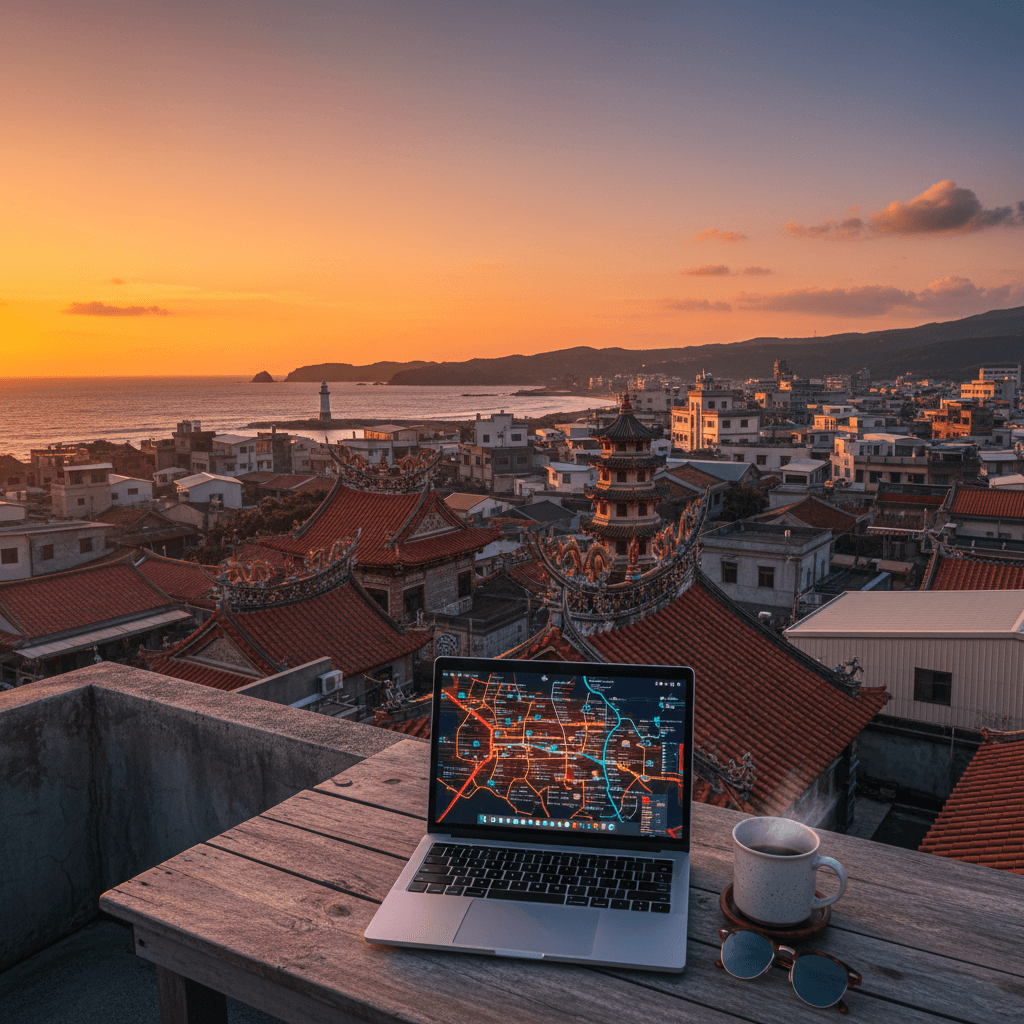
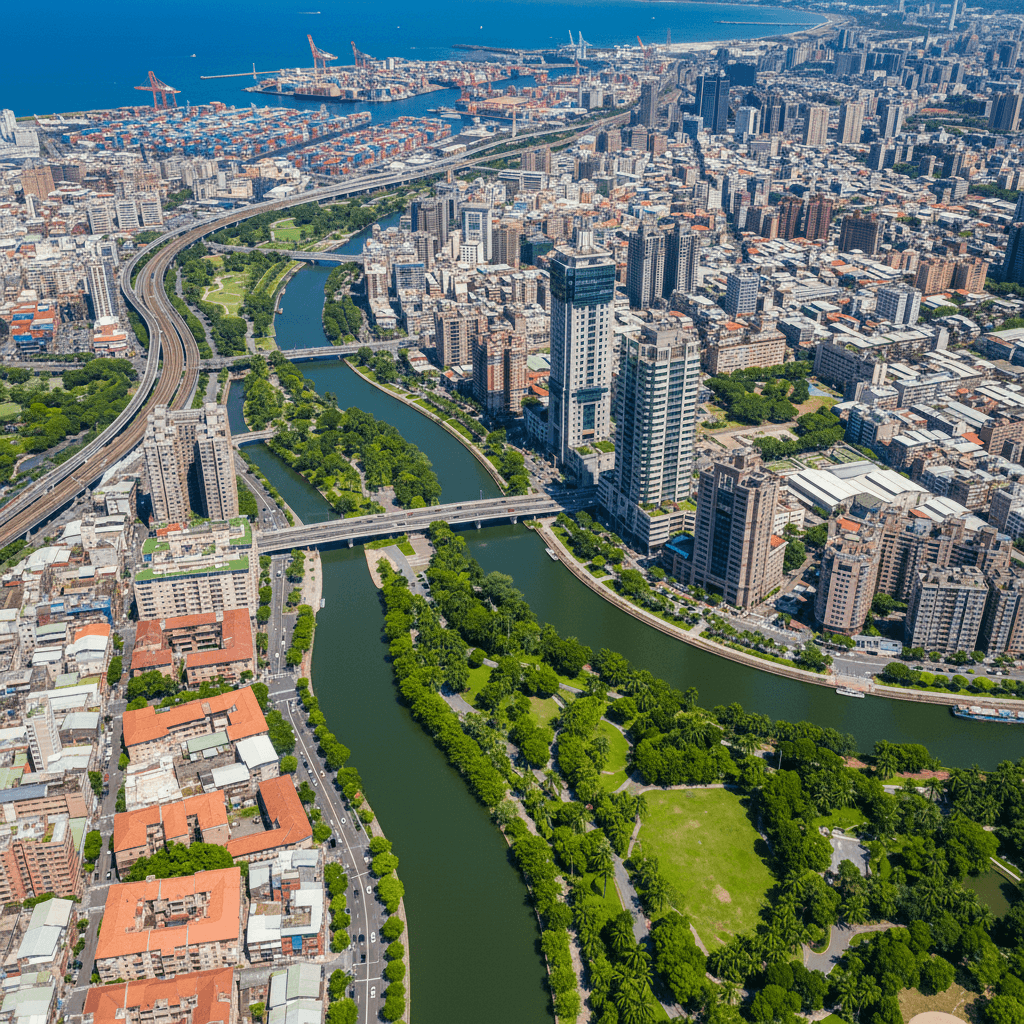
If Taipei is Taiwan's high-octane engine, Kaohsiung is its sun-drenched, saltwater-scented soul. This isn't just a port city; it's a massive urban playground where industrial skeletons have been reclaimed by the creative class. You'll feel the difference the moment you step off the High Speed Rail. The air is warmer, the streets are wider, and the locals have a grit and friendliness that's distinctly southern. It’s a place where you can spend your morning coding in a sleek cafe and your afternoon watching massive container ships glide past the Pier-2 Art Center.
Nomads usually choose Kaohsiung because it offers the infrastructure of a global capital without the frantic pace or the price tag. While the dedicated digital nomad community is smaller than what you'll find in Chiang Mai or Lisbon, there’s a growing network of expats and entrepreneurs who are incredibly welcoming. You aren't just another face in a sea of laptops here; you're part of a community that's actively building something new in Taiwan’s maritime hub.
Cost of Living Breakdown
Living here is remarkably affordable, especially compared to North America or Europe. Most nomads find they can live a high-quality life for $800 to $1,200 per month depending on how often they hit the upscale cocktail bars or coworking spaces.
- Budget ($630 to $800): Great for those sticking to shared housing (around $250) and eating primarily at night markets or local noodle shops ($200/month).
- Mid-range ($800 to $1,000): This covers a private studio (around $400), a mix of cafe lunches and street food, and plenty of YouBike rides.
- Comfortable ($1,200+): You'll get a modern 1-bedroom apartment in a prime district ($500+), frequent upscale dining, and a dedicated desk at a coworking space.
Where to Plant Your Flag
Choosing a neighborhood changes your entire experience of the city. Most remote workers gravitate toward the water or the transit hubs.
- Cianjhen & Pier-2: This is the creative heart. It’s walkable, filled with warehouses turned into galleries, and has the best cafe density. Rent for a studio here sits around $300 to $500.
- Central Kaohsiung (Formosa Boulevard): Ideal if you want to be at the intersection of both metro lines. You're steps from the Liuhe Night Market and can get anywhere in the city in twenty minutes.
- Zuoying: Further north and more residential. It’s perfect if you need more space or plan on taking frequent day trips, as the High Speed Rail station is right here.
Work, WiFi, and Weather
The internet in Kaohsiung is reliable and fast, averaging around 70-90 Mbps. You can grab an unlimited 4G SIM at the airport or any 7-Eleven for about $18 to $30 for a month. While formal coworking spaces like those near Pier-2 cost between $150 and $300 a month, many nomads just work from cafes. Shop owners are generally relaxed about you staying for a few hours if you’re buying coffee.
The weather is a major draw. It’s sunnier and drier than Taipei, with winter temperatures hovering between 18°C and 25°C. Summers (June to August) are the real test; they’re humid and hot, often hitting 32°C with the occasional typhoon. If you can, aim for a stay between October and May when the weather is nothing short of perfect for outdoor living.
Navigating the City
You don't need a car here. The MRT and Light Rail are efficient and cheap, usually costing $0.60 to $1.50 per ride. For short hops, use YouBike; it’s only about $0.30 for thirty minutes. When you need a lift, Uber and LINE Taxi are the go-to apps. If you're staying long-term, look into the Digital Nomad Visa, which as of January 2026 allows for a two-year stay if you can prove an income of $40,000.
Safety is a non-issue. You can walk through the night markets at 2:00 AM without a second thought. The biggest challenge you'll face is the language barrier. While English isn't as common as it is in Taipei, a smile and Google Translate go a long way. Use LINE for all your local communication; it’s the lifeblood of social and business life in Taiwan.
The Price of the Port Life
If you've spent any time in Taipei, the first thing you'll notice about Kaohsiung is how much further your New Taiwan Dollar stretches. It's the kind of place where you can live a high-quality life for a fraction of the cost of other East Asian hubs. Most remote workers find they can live comfortably here on $1,000 to $1,200 a month, while those on a tighter budget can scrape by on as little as $650 if they stick to shared housing and night market eats.
Rent is your biggest saving. In central districts like Cianjhen or near the Pier-2 Art Center, a modern studio or one bedroom apartment usually runs between $300 and $500. If you don't mind a short commute from the outskirts, those prices can drop closer to $200. Most expats use platforms like 591.com.tw or specialized Facebook groups to hunt for deals, as the local rental market moves fast.
Monthly Budget Breakdowns
- Budget ($630 to $800): This covers a room in a shared apartment for $250, a steady diet of street food at $200, basic transport, and a cheap mobile plan.
- Mid-range ($800 to $1,000): You'll get your own studio for $400, a mix of cafe lunches and local dinners for $250, and enough left over for weekend trips or a few coworking days.
- Comfortable ($1,200+): This buys a premium one bedroom apartment for $500, frequent upscale dining at $300, a dedicated coworking desk, and plenty of Uber rides.
Daily Expenses and Lifestyle
Food is where Kaohsiung really shines. You can grab a filling meal at a night market like Liuhe or Ruifeng for NT$50 to NT$150. Mid-range restaurants usually charge between NT$200 and NT$400, while a high-end dinner will run you NT$800 or more. Travelers often mention that the seafood near the harbor is remarkably fresh and affordable compared to the capital.
Getting around is cheap and efficient. A monthly pass for the MRT and light rail costs between NT$1,000 and NT$2,000. For shorter hops, the YouBike system is everywhere; it costs just NT$10 for 30 minutes. If you prefer two wheels but don't want to pedal, scooter rental apps like WeMo or GoShare are popular, typically costing around NT$300 for a full day of use.
Connectivity and Workspaces
Internet speeds are world-class, averaging 70-90 Mbps. You can pick up an unlimited 4G SIM card at the airport or any 7-Eleven for about NT$600 to NT$1,000 for a month. While the formal coworking scene is smaller than Taipei's, it's growing. Spaces near the Pier-2 area charge between NT$5,000 and NT$10,000 monthly.
Many nomads skip the offices and head to cafes. The city has a deep-seated cafe culture where it's perfectly acceptable to camp out with a laptop for a few hours. You'll find strong WiFi and plenty of power outlets in the cozy spots tucked away in the Cianjhen District. For digital nomads planning a longer stay, Taiwan's new 6 month Digital Nomad Visa launched in January 2025 requires proof of $40,000 in annual income, making it a viable path for many remote professionals.
Healthcare and Safety
Safety is a non-issue here. It's a very relaxed environment where pickpocketing is rare, even in crowded night markets. Healthcare is high quality and accessible. Major facilities like Kaohsiung Medical University Hospital serve the expat community well, and pharmacies are found on almost every block. If you're on the official nomad visa, you may even be eligible for the National Health Insurance system, which is widely considered one of the best in the world.
For Creative Nomads: Cianjhen and Pier-2 Area
If you want to be where the action is without the claustrophobia of a typical metropolis, head straight for the Pier-2 Art Center area in the Cianjhen District. This is the city's crown jewel for remote workers. It's an old warehouse district turned into a massive open air art space with murals, galleries, and a steady breeze coming off the harbor. You'll find most of the city's burgeoning creative community here, alongside the best concentration of laptop friendly cafes.
The vibe is industrial yet tropical. Living here means you're steps away from the Light Rail, which is the most scenic way to get around. While the nomad community is smaller than Taipei's, you'll naturally meet people at spots like Marsalis Bar or the various coffee shops lining the waterfront. It's the most "walkable" part of the city, perfect if you want to skip the scooter rental and just use your feet or a YouBike.
- The Setup: Expect to pay $300 to $500 for a modern studio or a refurbished apartment.
- The Perk: Direct access to the harbor paths and the best sunset views in the city.
- The Catch: It can get crowded with tourists on weekends, though the side streets remain quiet.
For Solo Travelers and Foodies: Central Kaohsiung
If your priority is being at the literal center of everything, look for apartments near Formosa Boulevard Station. This is the transit hub where the Red and Orange MRT lines meet, meaning you can get to the airport or the High Speed Rail station in under 20 minutes. It's the most practical choice for those who don't want to think too hard about logistics.
You're within walking distance of the Liuhe Night Market, where you can grab dinner for about $5. The streets here are busier and the traffic is louder, but the convenience is hard to beat. Most solo travelers find this area the easiest for meeting people because of the high density of hostels and social eateries. It's also where you'll find reliable internet at every turn, with speeds often hitting 193 Mbps.
- Daily Life: Street food and cheap eats are everywhere, with meals ranging from NT$50 to NT$150.
- Convenience: You're surrounded by 7-Eleven and FamilyMart locations for easy ATM access and SIM card top ups.
- Atmosphere: Urban, fast paced, and very "traditional Taiwan."
For Expats and Families: Zuoying District
Zuoying is the choice for those staying long term or traveling with a family. It feels more like a planned residential suburb than a port town. The streets are wider, the parks are larger, and the air feels a bit clearer. It's home to the Lotus Pond and several massive department stores, providing a level of comfort that's hard to find in the older, cramped city center.
The Zuoying HSR Station is located here, making it incredibly easy to hop on a train and be in Taipei in 90 minutes for a meeting or a weekend getaway. While it's farther from the nightlife of the harbor, the quality of housing is generally higher. You'll find more spacious 2 or 3 bedroom apartments that are perfect for those who need a dedicated home office. Expats often prefer this area because it's close to international schools and large supermarkets like Costco.
- Rent: Expect to pay $500 to $800 for a larger, family sized apartment in a modern building.
- Green Space: Plenty of parks and the nearby Shoushan National Nature Park for hiking.
- Transport: While the MRT connects you to the south, having a scooter or using Uber is more common here.
For Budget Seekers: Outlying Districts
If you're on a strict budget, looking just outside the main metro loop can drop your rent significantly. Areas slightly further east or north can offer studios for as low as $200 to $400 a month. You'll still have access to the YouBike system for NT$10 per 30 minutes, and the city's bus network is surprisingly reliable if you use Google Maps to track arrivals. You'll sacrifice the "cool" factor of Pier-2, but your cost of living will plummet, allowing for a very comfortable lifestyle on less than $800 a month total.
Connectivity and Speed
You won't have to hunt for a signal in Kaohsiung. The city is blanketed in high speed fiber, with average download speeds clocking in around 70-90 Mbps. Whether you're uploading video files from a harbor-side cafe or jumping on a Zoom call from an apartment in Cianjhen, the infrastructure is rock solid. Most rentals and cafes provide free, high speed Wi-Fi as a standard amenity.
For mobile data, skip the roaming charges and head straight to a 7-Eleven or the KHH airport arrivals hall. You can snag an unlimited 4G SIM card for 30 days for roughly NT$600 to NT$1,000 ($18 to $30). Chunghwa Telecom and Taiwan Mobile are the most reliable carriers here. If you prefer a digital setup, Airalo and Holafly eSIMs work perfectly, though they're usually pricier than local physical SIMs.
The Cafe Culture Shift
In Kaohsiung, the "laptop lifestyle" happens more in specialty coffee shops than in traditional offices. The city has a deep-seated cafe culture where staying for three or four hours with a laptop is socially acceptable, provided you buy a coffee or a snack. Nomads often gravitate toward the Pier-2 Art Center area, where industrial warehouses have been converted into airy, high-ceilinged cafes with plenty of power outlets.
Expats and long-term travelers recommend spots like Marsalis Bar & Grill (which doubles as a quiet workspace during the day) or the various independent roasteries tucked away in the Yancheng District. These spaces offer a relaxed, creative vibe that matches the city's coastal pace. Just keep an eye out for "no laptop" signs on weekends when these spots get crowded with locals.
Coworking Spaces
While the formal coworking scene is smaller than Taipei's, it's growing steadily to support the local startup community. If you need a dedicated desk, ergonomic chair, and a professional environment for networking, expect to pay between NT$5,000 and NT$10,000 ($150 to $300) per month for a hot desk.
- Dakuo (Kaohsiung Digital Art Center): Located near the water, this space is a hub for tech and creative types. It's great for those looking to connect with local entrepreneurs rather than just other travelers.
- The Hub: A more traditional corporate setup that's ideal if you need private meeting rooms or a quiet environment for intense deep work.
- K-Work: Often cited by expats for its community events and proximity to public transit.
Practical Workflow Tips
Since the digital nomad community is smaller here, you won't find a "nomad meetup" every night of the week. Instead, join Facebook groups like "Digital Nomads Taiwan" or "Expats in Kaohsiung" to find out where people are working. Most networking happens organically at the Pier-2 events or through entrepreneur circles.
The city makes it easy to move between "work mode" and "explore mode" using the Kaohsiung MRT and Light Rail. Most nomads use an EasyCard or iPass to tap in and out of stations or grab a YouBike for NT$10 per 30 minutes to reach a cafe that's off the main metro line. If you're staying long-term, look into the Taiwan Digital Nomad Visa. Launched in January 2025, it allows an initial 90-day stay with extension up to 180 days. As of January 2026, the visa validity was extended to 2 years. For those 30+, proof of $40,000 annual income is required, making Kaohsiung an even more attractive base for the winter months.
A Safe Haven in the South
Kaohsiung is remarkably safe, even compared to other major international hubs. You can walk through most neighborhoods at 3:00 AM without a second thought. Pickpocketing and petty theft are almost non-existent here, allowing for a relaxed lifestyle where you don't have to constantly clutch your bag in crowded night markets or on the metro.
The city's vibe is significantly more laid-back than Taipei. While the traffic can be a bit more chaotic, especially with the swarm of scooters, the general atmosphere is one of mutual respect. Most nomads find they can leave their laptop on a cafe table at a spot like Cozy Coffee while they use the restroom without worrying it will disappear. While you should always use common sense, the baseline level of security here is a major draw for long-term stays.
World-Class Healthcare on Your Doorstep
Taiwan's healthcare system is legendary, and Kaohsiung is no exception. The city is home to top-tier facilities like Kaohsiung Medical University Hospital and Kaohsiung Chang Gung Memorial Hospital. These institutions are well-equipped with English-speaking staff and the latest medical technology. If you have a minor ailment, you'll find pharmacies everywhere, including basic supplies inside 7-Eleven or FamilyMart locations.
For those on the new Digital Nomad Visa, which requires proof of $40,000 annual income, there is a path to accessing the National Health Insurance (NHI) system once you meet the eligibility requirements. Even without it, out-of-pocket costs for a standard doctor's visit are surprisingly affordable, often ranging from $20 to $50 for a consultation and basic medication.
- Emergency Services: Dial 119 for ambulance or fire services and 110 for the police.
- Pharmacies: Look for the green cross sign. Large chains like Watson’s or Cosmed are reliable for over-the-counter needs.
- Dental Care: Private dental clinics are high-quality and easy to find in central districts like Sinsing or Cianjhen.
Practical Safety Tips for Nomads
The biggest "danger" you'll likely face is the tropical sun or the occasional typhoon during the summer months from June to August. Staying hydrated and keeping an eye on local weather apps is more important than worrying about crime. If you're out late at Liuhe Night Market or exploring the Pier-2 Art Center, the streets remain well-lit and active.
Expats recommend getting a local SIM card immediately upon arrival at the airport or a 7-Eleven for about NT$600 to NT$1,000. Having constant data access for Google Maps and translation apps makes moving through the city seamless. If you ever feel lost, locals are generally helpful, even if there's a language barrier; they'll often go out of their way to point you toward the nearest KMRT station.
Health & Safety Essentials
- Tap Water: While the water quality is high, most locals and expats prefer to boil tap water or use filtered dispensers found in most apartment buildings and hostels.
- Air Quality: Like many industrial port cities, Kaohsiung can have days with higher AQI levels in the winter. Many residents use the AirVisual app to check conditions before heading out for a run.
- Travel Insurance: Even though local costs are low, expats suggest maintaining a policy like SafetyWing or World Nomads to cover major emergencies or medical evacuations.
The Mobility Mix
Kaohsiung is a sprawling port city, but it doesn't feel overwhelming like Taipei. The layout is logical, and the public transport systems are some of the cleanest you'll ever use. Most nomads find that a combination of the metro and the public bike system covers 90 percent of their needs. If you're staying near the waterfront or the city center, you might not even need a car or scooter for weeks at a time.
The MRT and Light Rail
The Kaohsiung MRT (KMRT) consists of two main lines, Red and Orange, which intersect at the iconic Formosa Boulevard Station. It's efficient, air conditioned, and incredibly affordable, with rides typically costing between NT$20 and NT$50.
- The Red Line: Connects the Airport (KHH) in the south to the High Speed Rail (HSR) station in Zuoying to the north.
- The Orange Line: Runs east to west, taking you straight into the heart of the Pier-2 Art Center and the ferry piers.
- The Light Rail: This circular line is a favorite for expats living in Cianjhen. It runs at street level along the harbor, providing a scenic way to hop between cafes and waterfront parks.
Cycling with YouBike
The YouBike 2.0 system is the secret weapon for getting around the flat coastal terrain. You'll see the yellow and white bike docks every few blocks. You can unlock them using the YouBike app or by tapping your EasyCard or iPass. It costs about NT$10 for every 30 minutes, making it the cheapest way to bridge the gap between the metro station and your favorite coworking cafe. The city has invested heavily in bike paths, especially around the Love River and the harbor area.
Ride-Hailing and Scooters
When the humidity kicks in during July or August, walking to the station isn't always appealing. Uber works reliably here and is generally more straightforward for non-Mandarin speakers than flagging a traditional taxi. For a local alternative, many expats use the LINE Taxi feature within the LINE messaging app. If you have an international driving permit, you can also rent electric scooters through apps like WeMo or GoShare for around NT$300 a day, though the local traffic can be intimidating for beginners.
Practical Transit Tips
- Get an EasyCard or iPass: These stored-value cards are mandatory for nomad life. Use them for the MRT, buses, light rail, and even at 7-Eleven or FamilyMart. You can pick one up at the airport or any convenience store for NT$100.
- Navigation: Google Maps is highly accurate for bus and train schedules in Kaohsiung. It integrates real-time data, so you'll know exactly when the next Red Line train is arriving.
- The Ferry: If you want to visit Cijin Island for seafood or a beach work session, the ferry leaves from Gushan Pier every few minutes. It's a quick 10-minute trip and costs less than $1.50.
- Airport Access: Don't bother with expensive transfers. The KMRT Red Line connects directly to the Kaohsiung International Airport (KHH) basement. You can be in the city center in about 20 to 30 minutes for less than $2.
The Walkability Factor
While Kaohsiung is a "scooter city" at its heart, certain neighborhoods are surprisingly walkable. The area surrounding Pier-2 and the Yancheng District is a maze of narrow alleys, art installations, and hidden coffee shops that are best explored on foot. Just keep an eye on the sidewalks; they are often used for scooter parking or outdoor seating, so you'll occasionally find yourself walking on the edge of the road.
The Language Landscape
Expect a shift in the linguistic atmosphere if you are coming down from Taipei. While the capital feels increasingly international, Kaohsiung is where you will hear the soulful, melodic tones of Taiwanese Hokkien echoing through the night markets and harbor docks. Mandarin remains the official language for business and daily life, but the local dialect is a badge of southern pride. You will find that English proficiency is noticeably lower here than in the north, especially once you step away from the major tourist hubs like the Pier-2 Art Center.
Most digital nomads find that while the language barrier exists, it is rarely a wall. The locals in Kaohsiung are famously "re-qing" (warm-hearted) and will often go out of their way to help you via hand gestures or broken English. In the tech-heavy Cianjhen District or near the Kaohsiung Medical University, you will encounter more English speakers, but having a few tools in your digital pocket is a must for a smooth stay.
Digital Translation Tools
Your smartphone is your best friend for bridge-building. Expats recommend downloading these specific apps before you land:
- Google Translate: Essential for the "Camera" feature. Use it to scan menus at local stir-fry spots or instructions on your washing machine. Be sure to download the Traditional Chinese pack for offline use.
- LINE: This is the "everything app" in Taiwan. Whether you are chatting with a potential landlord from 591.com.tw or joining a local entrepreneur meetup, everyone uses LINE. It has a built-in translation bot you can add to chats.
- Uber and LINE Taxi: These apps allow you to set your destination digitally, bypassing the need to explain complex directions to a driver who might only speak Hokkien.
Key Phrases for the South
Learning a handful of Mandarin basics will transform your experience from a tourist to a respected guest. If you want to really impress the auntie selling you NT$50 scallion pancakes, try a few of these:
- Ni hao: Hello (Standard Mandarin).
- Xie xie: Thank you.
- Duoshao qian?: How much? (Useful at the Liuhe Night Market).
- Bu yao: I don't want it (Polite but firm for street vendors).
- Gau-cha: Good morning in Hokkien. Using this with older locals usually earns you a massive smile.
Communication for Remote Work
When it comes to the "language of business," the internet does the heavy lifting. With average speeds around 70-90 Mbps, you won't struggle with video calls. If you are working from a cafe in Zuoying or a coworking space near Formosa Boulevard, the staff will generally understand basic requests like "WiFi password" or "Americano."
For deeper networking, the nomad community here is small, so communication often happens in English-speaking expat and entrepreneur groups on Facebook. These groups are the best way to find out about local events or clarify lease terms that might be written in Traditional Chinese. Most travelers say that while they arrived nervous about the language, the combination of high-speed tech and southern hospitality made communication the least of their worries.
The Sunnier Alternative
If you're tired of the grey, drizzly winters in Taipei, Kaohsiung is your escape. This is Taiwan's sunniest major city, boasting a warm subtropical climate that keeps things bright even when the north is shivering. On average, the city stays around 22°C (72°F) year round, making it a prime spot for nomads who prefer shorts and flip-flops over heavy coats.
Expats often joke that Kaohsiung only has two seasons: summer and "extended summer." While that's mostly true, the subtle shifts in humidity and rainfall will definitely impact your productivity and how much you enjoy the outdoor art installations at Pier-2.
When to Book Your Stay
The sweet spot for a long-term stay is between October and March. During these months, the air is crisp and dry, with temperatures hovering between 18°C and 26°C. It's the perfect window for working from a cafe terrace or taking the ferry over to Cijin Island without breaking a sweat.
- January to March: This is prime nomad season. The weather is mild, rainfall is at its lowest, and you can explore the city on a YouBike comfortably. Expect highs around 24-26°C.
- April to June: Humidity starts to climb. You'll see more overcast days as the pre-rainy season kicks in, with temperatures pushing 30°C.
- July to September: This is the "stay inside" period. It's hot, humid, and marks the peak of the typhoon season. Heavy afternoon downpours are common, and temperatures often sit at a sticky 32°C.
- October to December: The weather breaks, the sun returns, and the city becomes incredibly pleasant again. It's sunnier here than anywhere else on the island during these months.
Seasonal Survival Tips
Typhoon season (mostly July through September) sounds intimidating, but the city is well-prepared. Most nomads find that a typhoon just means a day or two of working from their apartment with stocked-up snacks from 7-Eleven. If a "Typhoon Day" is officially declared, public transport and offices shut down, so keep an eye on local news apps.
In the peak of summer, the heat index can make it feel much hotter than the thermometer suggests. If you're visiting during this time, you'll want to mimic the locals: do your outdoor exploring before 10:00 AM or after 5:00 PM. Midday is for air-conditioned coworking spaces or the many tea shops dotted around the Cianjhen District.
What to Pack
Because Kaohsiung is more relaxed than Taipei, the dress code is casual. Even in the "winter," you'll rarely need more than a light hoodie or a denim jacket for the evenings. If you're here during the rainy months of May to October, a high-quality, compact umbrella is better than a raincoat, as the humidity makes waterproof clothing feel like a sauna.
For those planning to use the Digital Nomad Visa (launching January 2025) for a six-month stay, aim to arrive in October. You'll get the best six months of weather the city has to offer, avoiding the sweltering humidity of the summer entirely while enjoying the lowest rainfall of the year.
The Local Vibe
Kaohsiung is Taipei's laid-back southern cousin. While the capital feels like a frantic tech hub, this port city moves at a pace that actually lets you breathe. You get wider streets, a salty sea breeze, and a creative energy that's most visible at the Pier-2 Art Center, where old warehouses have been flipped into galleries and cafes. Most nomads find the balance here nearly perfect, you have all the infrastructure of a major city but with immediate access to the harbor and mountains.
Cost of Living Breakdown
Your money goes significantly further here than in Taipei or Hong Kong. For many remote workers, the sweet spot is around $800 to $1,000 per month for a very comfortable lifestyle. If you're on a tighter budget, you can get by on $650 by sticking to local shared housing and night market eats.
- Budget ($630 to $800): Shared room for $250, street food meals, and a monthly metro pass.
- Mid-range ($800 to $1,000): A central studio for $400, a mix of cafes and local diners, and regular coworking.
- Comfortable ($1,200+): A modern 1BR apartment for $500, frequent upscale dining, and weekend trips to Kenting.
Where to Set Up Base
The Cianjhen District and the area around Pier-2 are the top picks for nomads. It's the most walkable part of the city, packed with independent coffee shops and easy access to the light rail. You'll find plenty of affordable studios here starting around $300.
If you prefer being in the thick of things, look near Formosa Boulevard MRT. It's the transit heart of the city and right next to the Liuhe Night Market. It’s noisier, but you’ll never be more than five minutes from a cheap meal. Zuoying in the north offers more space and parks, and is home to the Zuoying High Speed Rail station for convenient connections to other cities.
Connectivity and Workspace
Taiwan's internet is world-class, averaging around 193 Mbps. You can grab an unlimited 4G SIM card at the airport or any 7-Eleven for about NT$600 to NT$1,000 for a month. Most nomads skip formal coworking spaces, which run NT$5,000 to NT$10,000 a month, and favor the city's strong cafe culture. Places like Mars70 or the various spots near the harbor are very welcoming to people working on laptops for a few hours.
Getting Around
The public transport system is efficient and cheap. You'll want an EasyCard or iPass to tap on the MRT and light rail, with most rides costing between NT$20 and NT$50. For short hops, the YouBike system is everywhere. It costs just NT$10 for 30 minutes and can be unlocked via an app. If you need a car, Uber and LINE Taxi are the most reliable ways to book a ride.
Language and Local Life
English proficiency is lower here than in Taipei, especially once you step out of the main tourist zones. You'll hear a lot of Mandarin and some Taiwanese Hokkien. Download Google Translate for offline use and use LINE for communicating with landlords or new friends, as it's the primary messaging app in Taiwan. Locals are incredibly friendly and will usually go out of their way to help you even if there's a language barrier.
Weather and Timing
The weather is subtropical and generally sunnier than the north. October to December and March to May are the golden windows; it's warm, dry, and perfect for being outside. Avoid July and August if you can, as the heat and humidity are intense, and it's the peak of typhoon season. Even in "winter" during January, temperatures rarely dip below 18°C (64°F), so a light jacket is all you'll ever need.
Quick Practicalities
- Safety: It's exceptionally safe. Walking alone at night is rarely a concern, and petty crime is very low.
- Healthcare: High quality and accessible. Kaohsiung Medical University Hospital is a reliable choice for expats.
- Visas: Taiwan recently introduced a Digital Nomad Visa for stays up to 6 months, requiring proof of $40,000 annual income.
- Money: Use LINE Pay or your EasyCard for most daily purchases, but keep cash for night markets. Tipping is not expected.
Need visa and immigration info for Taiwan?
🇹🇼 View Taiwan Country GuideEasy Landing
Settle in, no stress
Monthly Budget Estimates
More cities in Taiwan
Zhubei
🇹🇼 Taiwan
Hualien City
🇹🇼 Taiwan
Yilan City
🇹🇼 Taiwan