Kampot
🇰🇭 Cambodia
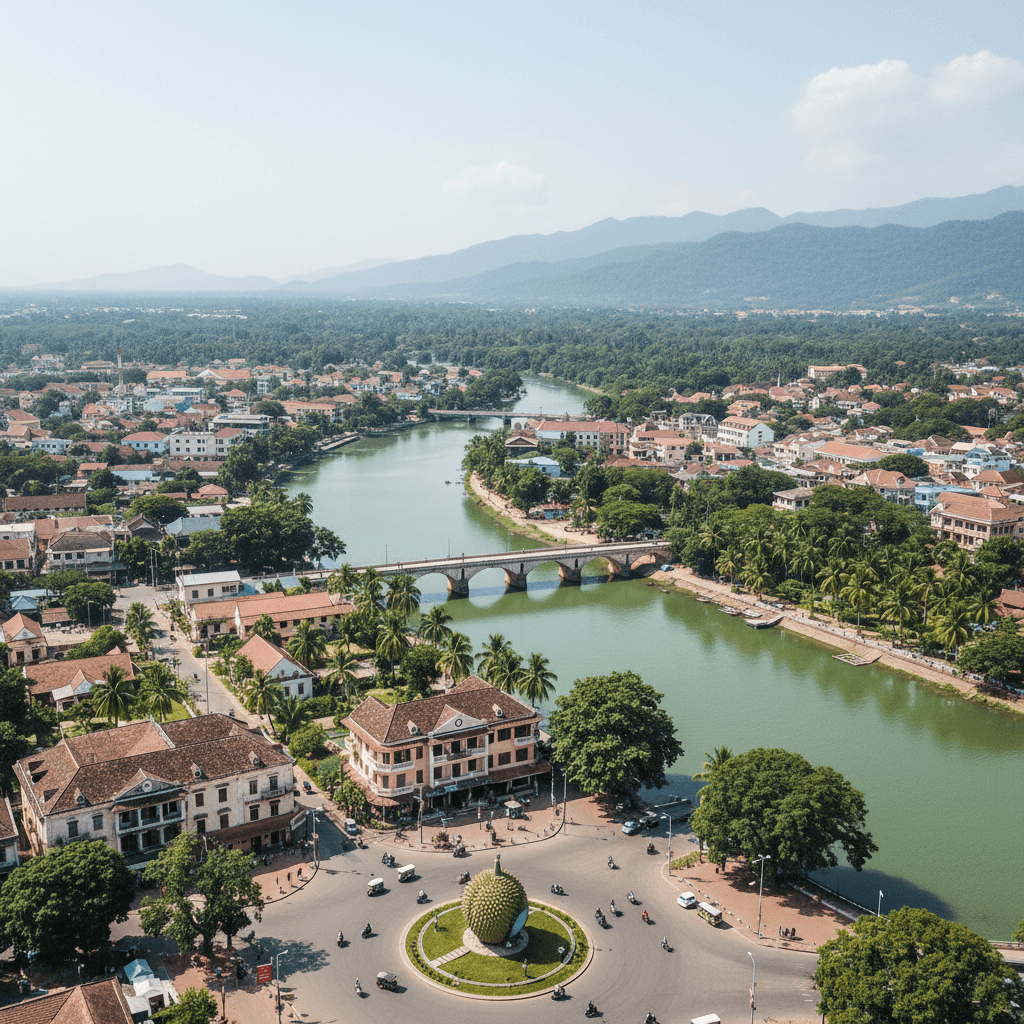
Kampot doesn't care if you're in a hurry. While cities like Chiang Mai or Canggu often feel like they're sprinting toward the next big thing, this riverside town is content to sit on its porch and watch the tide come in. It's a place where the French colonial architecture is peeling in a way that feels intentional, and the local durian statue stands as a quirky, slightly bizarre sentinel over the town center.
The vibe here is distinctly "sleepy chic." You'll find a community of nomads and expats who traded the high-speed chase of Phnom Penh for $300 riverside bungalows and the smell of world-famous pepper in the air. It’s a town of contradictions: you can spend your morning on a 30 Mbps Zoom call in a sleek coworking space and your afternoon dodging water buffalo on a motorbike ride to the salt fields. The Praek Tuek Chhu River serves as the town’s heartbeat, offering a natural cooling system and a backdrop for sunset cruises that cost less than a cocktail in London.
The Local Scene
Living here feels like being part of a small, eccentric village. The expat community is tight-knit but welcoming, often gathering at The Magic Sponge for comedy nights or organizing skill-shares at Frexi Coworking. You'll quickly learn that the "Kampot Minute" is a real thing; things happen when they happen, and that’s part of the charm. It’s the kind of place where the barista remembers your order by day two and the PassApp drivers know the shortcuts to the best pepper plantations without you opening a map.
- The East Side: This is the functional heart of town. It's where you'll find the daily markets, the bulk of the restaurants, and the most affordable guesthouses. It’s walkable, social, and a bit noisier.
- The West Side: Cross the bridge and the pace slows even further. This area is dotted with quiet bungalows and farms. It's perfect if you want to wake up to bird calls rather than motorbike engines, though you'll definitely need your own wheels to get around.
- Bokor Mountain: Towering 1km above the town, this former French hill station offers a ghostly, mist-covered escape from the tropical heat. The views of the Gulf are spectacular on a clear day.
What it Costs
Kampot remains one of the most budget-friendly hubs in Southeast Asia. Most nomads find they can live a very comfortable, mid-range lifestyle on about $1,300 per month, though you can certainly do it for less if you lean into the local Khmer food scene.
- Housing: $200 to $300 for a basic riverside bungalow or a simple guesthouse room. Modern riverfront apartments or villas typically run $500 and up.
- Dining: A plate of Khmer rice or noodles at the market is $1 to $2. Western fusion meals or a nice dinner with Kampot pepper squid will cost between $5 and $10.
- Connectivity: A 4G SIM card from Smart or Cellcard is roughly $5 per week for a generous data plan. Coworking day passes at spots like Frexi generally range from $5 to $10.
The "why" of Kampot isn't just about the low prices or the 35°C sunshine. It’s the specific brand of peace found in the humidity. It’s the ability to work for four hours and then spend the rest of the day kayaking through "Green Cathedral" mangroves or exploring the ruins of Bokor. While the WiFi might occasionally flicker during a heavy monsoon downpour between May and October, the quality of life usually makes up for the technical hiccups. If you're looking for a place to actually hear yourself think, you've found it.
Kampot is one of those rare spots where your bank account finally gets to exhale. While prices in regional hubs like Bali or Chiang Mai have crept up, this riverside town remains stubbornly affordable. You can live a very comfortable, high quality life here for roughly $1,299 a month, though budget conscious nomads often get by on much less without feeling like they are sacrificing the experience.
Monthly Budget Tiers
- The Lean Nomad (Under $800): You can make this work by snagging a riverside bungalow or a guesthouse room on the east side for $200 to $300. You will be eating mostly at the local markets where a plate of Khmer rice or noodles costs $1 to $2, and your "office" will be whatever cafe has the best breeze.
- The Mid-Range Professional ($800 to $1,500): This is the sweet spot for most. It covers a nicer riverfront apartment for $300 to $500, daily Western fusion meals at $3 to $5 a pop, and a dedicated desk at a coworking space.
- The High-End Expat ($1,500+): At this level, you are looking at modern villas with private gardens starting around $500. You will be dining at upscale riverside spots where dinner and drinks run $10 or more, and likely keeping a monthly pass at a coworking space for $100.
Housing and Neighborhoods
Most of the action is concentrated on the east side of the river. The Riverside area is the primary hub for nomads because everything is walkable. You will pay a slight premium for the view, but being able to walk to your favorite cafe or the night market is worth the extra $50 to $100 in rent. If you want something quieter and more "jungle" in feel, look across the bridges to the West Side. It is peaceful and surrounded by pepper farms, though you will definitely need a motorbike to get into town.
Expats usually find the best deals through local Facebook groups like Kampot Expats and Rentals. If you are staying long term, you can often negotiate a better rate by paying a few months upfront. For short stays, many guesthouses offer weekly rates that beat the standard nightly price on booking sites.
Daily Expenses
- Coffee and Coworking: A cup of local coffee is about $1, while a latte in a nomad friendly cafe like Karma Traders or Safe and Sound is closer to $2.50. Day passes at Frexi Coworking Space run between $5 and $10.
- Transport: Renting a scooter is the standard move, costing about $5 per day. If you aren't comfortable on two wheels, download PassApp. It's the local version of Uber for tuk-tuks, and most rides around town cost between $2 and $5.
- Connectivity: Don't rely solely on guesthouse WiFi. Grab a Smart or Cellcard SIM card for about $5 a week. The 4G coverage is surprisingly robust and acts as a necessary backup when the town's power or internet flickers.
Food and Groceries
Eating out is often cheaper than cooking here. Local markets are great for fresh fruit and vegetables, but Western imports like cheese or specific electronics carry a heavy tax. Travelers often say the best value is found in the "middle ground" restaurants like The Magic Sponge or Khmer Root Cafe, where you can get a massive, high quality meal for under $6. If you are craving a taste of home, expect to pay $8 to $12 for a good pizza or a steak dinner at the more established expat joints.
For Digital Nomads: The Riverside (East Bank)
If you're in town to work, the Riverside area on the east bank of the Praek Tuek Chhu is where you'll spend most of your time. It's the pulse of the nomad community, home to the highest concentration of cafes with 30 to 50 Mbps WiFi and the town's primary coworking hubs. You'll find most people nesting at Frexi Coworking Space, where day passes run between $5 and $10, or Karma Traders, which doubles as a social anchor for the remote work crowd.
Living here means you're steps away from the sunset firefly cruises and the best espresso in town. Most nomads opt for boutique guesthouses or riverfront apartments. While it's the most convenient spot, keep in mind it's also the loudest. Between the tuk-tuks and the evening bar music, it isn't the place for someone seeking total silence.
- Rent: $300 to $500 for a riverfront apartment.
- Food: $3 to $8 for Western fusion or high end Khmer dishes.
- Vibe: Social, walkable, and active.
For Long-Term Expats: The West Side
Once you've settled into the Kampot rhythm, the West Side (across the old bridge) starts looking a lot more attractive. It's significantly quieter and feels more like the "real" Cambodia. Expats who plan to stay for six months or more often rent traditional Khmer houses or modern villas tucked away near the salt fields or pepper orchards. It's the best area for those who want a garden and a view of the mountains rather than a view of a bar.
You'll need your own wheels here. Motorbike rentals are standard at $5 a day, but long-termers usually buy their own scooter to navigate the dirt roads. The Khmer Root Cafe is a local staple in this direction, famous for its fire-cooked fish amok. It's peaceful, but the trade-off is a lack of walkability and occasional WiFi flickers during the rainy season.
- Rent: $500+ for modern villas or $250 for simple bungalows.
- Food: Mostly home cooking or local Khmer joints for $1 to $3.
- Vibe: Rural, private, and scenic.
For Budget Solo Travelers: The Market District (East Side Inner)
If you're watching every dollar, move a few blocks inland from the river toward the Daily Market. This is the heart of the East Side's local commerce. It lacks the "charming colonial" aesthetic of the front row, but it's where you'll find the cheapest beds and the most authentic food. It's a gritty, busy area where life starts at 5:00 AM.
Solo travelers often gravitate toward Nomad Working Space Hostel in this area. It's a great spot to meet people without paying the "riverfront tax" on your room. You're still within a ten minute walk of the water, but you're surrounded by $1 noodle stalls and the local hustle. It's the best place to practice your Khmer phrases like "Aw koon" (thank you) with the market vendors.
- Rent: $200 to $300 for guesthouses or riverside bungalows further out.
- Food: $1 to $2 for street food and market snacks.
- Vibe: Authentic, hectic, and very affordable.
For Families: The Outskirts and Pepper Plantations
Kampot doesn't have a designated "suburb," but families tend to drift toward the outskirts near the Teuk Chhou Rapids or the base of Bokor Mountain. These areas offer much larger plots of land and a cleaner environment for kids to run around. It's a "slow life" paradise where the main activities are kayaking, paddleboarding, or visiting the salt fields.
The infrastructure is a bit raw, so most families rely on PassApp for trips into town, which usually costs $2 to $5. While there aren't many international schools in Kampot, the community of families is tight-knit and often meets up at the riverside parks in the late afternoon when the temperature drops to a manageable 28°C.
- Rent: $400 to $700 for multi-bedroom houses.
- Food: Mix of local markets and family-run riverside restaurants.
- Vibe: Wholesome, nature-focused, and quiet.
Getting Connected
Internet in Kampot is suitable for most remote work, with average speeds around 10-30 Mbps at nomad spots, though speeds vary. This is generally enough for Zoom calls and uploading content. While it's reliable enough for day to day tasks, the town still suffers from the occasional power flicker or localized outage, especially during the monsoon season. Most long termers keep a backup data plan ready just in case.
For your phone, grab a SIM card from Smart or Cellcard as soon as you arrive. You can find them at the airport or small kiosks around the Durian Roundabout. A plan with plenty of 4G data usually runs about $5 per week. Coverage is solid throughout the town center and along the riverside, though it starts to dip once you head deep into the pepper plantations or up Bokor Mountain.
Coworking Spaces
Kampot doesn't have a massive corporate coworking scene, and that's exactly why people like it. The spaces here are community focused and often double as social hubs.
- Frexi Coworking Space: This is the go to spot for serious focus. It’s professional, has reliable backup power, and offers day passes between $5 and $10. It’s the best bet if you have a deadline and can't risk a cafe's spotty connection.
- Nomad Working Space: Located within the Nomad Work Space Hostel, this spot is perfect if you want to roll out of bed and straight into a desk. It’s geared toward travelers and offers flexible short term setups.
- Karma Traders: While it’s technically a hostel and bar, it’s a massive community hub with fast WiFi. You'll often see people perched here with laptops during the day before the sunset social hour kicks in.
- Safe & Sound: A newer addition to the scene that provides a quiet environment for those who find the riverside cafes a bit too distracting.
The Cafe Office Culture
If you prefer the "laptop and a latte" lifestyle, Kampot’s cafe culture is top tier. Most owners are happy to let you camp out for a few hours if you’re buying coffee or food. A standard coffee will set you back $1 to $2, making it a very affordable "office" rental.
The riverside area is packed with French colonial buildings turned into breezy cafes. These spots are great for morning work when the breeze is coming off the water. Just keep in mind that many of these open air cafes don't have air conditioning. If you’re a nomad who needs a climate controlled environment to stay productive, you'll want to stick to the dedicated coworking spaces or the larger, enclosed restaurants on the east side.
Practical Costs for Remote Workers
- Daily Coworking Pass: $5 to $10
- Monthly Coworking Membership: Approximately $100
- Local SIM + 4G Data: $5 per week
- Cafe Coffee: $1 to $2
- Mid-range Lunch: $3 to $5
Most nomads find that the best way to work here is a hybrid approach. Use a coworking space like Frexi for your "deep work" hours or important meetings, then migrate to a riverside cafe for the lighter admin stuff. It’s a low stress system that fits the town's unrushed rhythm perfectly.
Staying Safe in the Sleepy Riverside
Kampot is famously mellow. Most expats and nomads describe the vibe as incredibly secure, even compared to other regional hubs like Sihanoukville or Phnom Penh. You can walk along the riverside at 11:00 PM without looking over your shoulder, and the local community is generally protective of its relaxed reputation. Violent crime is extremely rare here; it's a town where people still look out for one another.
That said, small-town safety doesn't mean you should leave your common sense at the door. Petty theft, like phone snatching, can happen if you're careless, though it's much less frequent than in the capital. The biggest safety risk you'll actually face is the road. If you're renting a scooter for $5 a day to head out to the pepper plantations or Bokor Mountain, watch out for loose gravel and unpredictable trucks. Stick to the paved roads when possible and always wear a helmet, even if the locals don't.
A few practical safety tips from the local expat community:
- Lighting: While the riverfront is well lit, the outskirts and the west side of the river can get pitch black after sunset. If you're staying in a remote bungalow, use PassApp to get home rather than walking or riding a bike in the dark.
- Emergency Numbers: Keep 119 (Police) and 117 (Fire/Emergency) saved, though be aware that English proficiency on these lines can be hit or miss.
- Nightlife: The scene at spots like The Magic Sponge is friendly, but keep an eye on your drinks as you would anywhere else in the world.
Healthcare and Medical Realities
Healthcare in Kampot is adequate for the basics but limited for anything complex. There are several local clinics and pharmacies in the town center that stock common medications like antibiotics, rehydration salts, and painkillers at very low prices. You won't need a prescription for most things, but it helps to know the generic name of what you're looking for.
For minor ailments, stomach bugs, or stitches, the local facilities do the job. However, for serious injuries or chronic conditions, almost every expat in town will tell you the same thing: head to Phnom Penh. The capital is about 3 hours away and has international standard hospitals like Royal Phnom Penh Hospital or Calmette. If things are truly dire, medical evacuation to Bangkok is the standard procedure.
Health Essentials for Nomads
- Travel Insurance: This isn't optional. Make sure your policy specifically covers motorbike accidents, as many standard plans have exclusions for two wheeled transport.
- Vaccinations: Most long termers stay up to date on Hepatitis A and B, Typhoid, and Tetanus. Malaria isn't a huge concern in the town itself, but Dengue Fever pops up during the rainy season from May to October. Wear repellent during the "mosquito hours" at dawn and dusk.
- Water Safety: Don't drink the tap water. Large 20 liter jugs of filtered water are delivered to most long term rentals for about $1 to $2, and bottled water is available at every corner store for cents.
If you need a pharmacy, look for the ones near the Old Market area on the east side. They are used to dealing with foreigners and often have staff who speak enough English to help you find what you need. For dental work, there are a few clean, modern offices in town that offer cleanings and fillings for a fraction of Western prices, usually around $20 to $40.
Getting Around Kampot
Kampot is one of those rare towns where the infrastructure matches the mood. It is small, flat, and remarkably easy to navigate, whether you are just heading to a cafe for a morning meeting or trekking out to the salt fields. Most of the action happens along the riverfront, which is highly walkable and where you will likely spend most of your time.
On Two Wheels: Motorbikes and Scooters
For most nomads, renting a scooter is the gold standard for freedom. It is the best way to reach the pepper plantations or the winding roads of Bokor Mountain without haggling for a ride every time you leave the house. You can usually find a decent 125cc scooter for about $5 per day, and many long term residents negotiate monthly rates that bring the cost down significantly.
- Rental Costs: Expect to pay $5 daily or roughly $80 to $100 monthly for a reliable bike.
- Fuel: Gas is sold at stations or in glass bottles by the roadside. It is cheap, usually around $1 per liter.
- Safety: The traffic is much lighter than Phnom Penh, but the roads can get dusty or muddy depending on the season. Wear a helmet; the local police do occasionally stop foreigners to check for them.
Ride-Hailing and Tuk-Tuks
If you aren't comfortable driving yourself, or if you're heading out for drinks at the riverside bars, ride-hailing apps are your best friend. PassApp is the dominant player here. It works just like Uber or Grab, allowing you to hail a three wheeled rickshaw with a set price so you don't have to negotiate in broken Khmer.
- PassApp Rides: Most trips within the town center cost between $2 and $5.
- Traditional Tuk-Tuks: You will still see the larger, carriage style tuk-tuks. These are better for groups or if you have heavy luggage, but you will need to agree on a price beforehand. Expect to pay $3 to $10 depending on the distance.
- Bicycles: Many guesthouses on the east side offer free or $1 to $2 daily rentals. Since the town is flat, it is a great way to get around if you aren't in a rush.
Arriving and Departing
Since Kampot doesn't have its own airport, you will likely be arriving from Phnom Penh or Sihanoukville. The journey from the capital takes about 3 hours. Most expats prefer taking a private taxi for comfort, which costs around $50, but there are plenty of reliable minibus options for about $10.
The train is another atmospheric, albeit slower, option. It runs from Phnom Penh and offers some great views of the countryside for a few dollars, though the schedule can be a bit sporadic. For those coming from the islands, minivans run regularly from Sihanoukville and take about 2 hours.
Navigating the River
The Praek Tuek Chhu River splits the town, and while there are three bridges connecting the two sides, the Old French Bridge is the most iconic. It is currently restricted to pedestrians and motorbikes, making it a peaceful shortcut between the busier east side and the quieter west side bungalows. For a different perspective, you can hop on a sunset cruise for about $5, which usually includes a couple of drinks and a view of the fireflies once the sun goes down.
Getting by in Khmer and English
While Khmer is the national language, Kampot is one of the easier places in Cambodia to navigate if you only speak English. Because the town attracts a steady flow of long term expats and digital nomads, the staff at riverside cafes, hotels, and popular spots like Karma Traders or The Magic Sponge usually speak English quite well. You won't have much trouble ordering a Kampot pepper crab or negotiating a monthly rate for a bungalow.
Once you step away from the tourist core or head to the local markets on the East Side, the English proficiency drops off quickly. You'll likely find yourself using a mix of hand gestures and smiles. Most nomads find that learning a few basic Khmer phrases goes a long way in building rapport with the locals. It shows you aren't just passing through, and you'll often get a much warmer response at the fruit stalls.
Key Phrases for Your Toolkit
You don't need to be fluent to survive, but these essentials will help you navigate daily life:
- Sua sdei (Hello): The standard greeting you'll use everywhere.
- Ar kun (Thank you): Use this constantly. It's polite and always appreciated.
- Chhnganh (Delicious): A great word to use at street food stalls after finishing a $2 plate of noodles.
- Tlay bon marn? (How much?): Vital for the markets where prices aren't always marked.
- Ot tay, ar kun (No, thank you): Useful for politely declining a tuk-tuk ride if you'd rather walk the riverside.
Digital Tools and Translation
Don't rely on a constant high speed connection when you're out exploring the pepper plantations or the salt fields. Before you head out, download the Khmer offline pack on Google Translate. The app has improved significantly, though it still struggles with the nuances of Khmer script. The camera translation feature is hit or miss on handwritten menus, but it's a lifesaver for reading basic signs or labels at the pharmacy.
For more natural communication, many expats recommend using PassApp for transport. The app allows you to set your destination digitally, which bypasses the need to explain complex directions in broken Khmer. It keeps the price fixed between $2 and $5, removing the stress of language barriers during a commute.
The "Wai" and Non-Verbal Cues
In Kampot, how you say something is often as important as the words you use. The Sampeah (or Wai) is the traditional greeting where you place your palms together in a prayer-like gesture. While locals don't expect foreigners to get the height of the hands perfectly right for every social rank, a small bow with your hands at chest level is a sign of deep respect.
Keep your interactions calm and soft-spoken. Raising your voice or showing frustration is considered a "loss of face" in Cambodian culture and will usually result in the other person shutting down rather than helping you. A smile and a patient attitude are your most effective communication tools here.
Staying Connected
If you're worried about being misunderstood in an emergency, it's smart to have a local SIM card from Smart or Cellcard. For about $5 a week, you'll have enough data to run translation apps or call a bilingual friend. Most nomads find that within a few weeks of living near the river, they develop a "Kampot English" shorthand that works perfectly for daily life.
The Sweet Spot: November to April
If you're planning your stint in Kampot, aim for the window between November and April. This is the dry season, and it's when the riverside town really shines. You'll get clear blue skies and manageable temperatures ranging from 25°C to 32°C. It's the perfect weather for motorbiking up Bokor Mountain or spending an afternoon working from a breezy riverside deck without worrying about a sudden downpour soaking your laptop.
The humidity is lower during these months, making the 1km climb to the Bokor summit much more pleasant. Most nomads prefer this time of year because the outdoor social scene is at its peak. You can reliably plan sunset cruises or evening meetups at Karma Traders without checking the radar every ten minutes. Just keep in mind that because the weather is so good, this is also when guesthouses on the East Side fill up and prices for short term rentals might nudge upward.
The Heat and the Rain: May to October
Things start to shift in May. This kicks off the monsoon season, which runs through October. You can expect heavy, dramatic tropical downpours, usually in the late afternoon or evening. While the rain turns the surrounding pepper plantations and durian orchards a brilliant, lush green, it also brings a spike in humidity and temperatures that can hit 35°C.
The wettest months are typically July, August, and September. During this stretch, localized flooding isn't uncommon, and the dirt roads leading to spots like Khmer Root Cafe can get pretty muddy. If you're living on the West Side or out toward the salt fields, you'll definitely want a sturdy poncho and some patience for the occasional WiFi hiccup during a thunderstorm. On the plus side, this is the "green season," meaning you can often snag a riverside bungalow for closer to $200 or $300 a month as tourist numbers dip.
Seasonal Planning for Nomads
When you're deciding when to book your flight, think about your tolerance for heat versus your budget. Here's a quick breakdown of what to expect throughout the year:
- Peak Season (November to February): The most comfortable weather. Expect cool breezes in the evening and perfect conditions for exploring the Teuk Chhou Rapids. It's the best time for socializing, but you'll want to book your coworking spot at Frexi or Safe & Sound in advance.
- The Shoulder Months (March and April): It gets seriously hot. This is the lead up to Khmer New Year, and the mercury often stays above 33°C. If your accommodation doesn't have AC, you'll likely spend your afternoons hiding in air conditioned cafes or taking dips in the river.
- Low Season (May to October): Great for budget hunters. You'll see fewer crowds at Tada Waterfall and can negotiate better long term rates on villas. Just be prepared for the humidity and carry a dry bag for your electronics whenever you leave the house.
Most long term expats say that while the dry season is the easiest for logistics, there's something special about watching a massive storm roll over the Praek Tuek Chhu River from the safety of a covered bar. If you don't mind a little mud and a lot of green, the rainy season has its own slow, quiet charm.
Connectivity and Workspace
Internet in Kampot is surprisingly decent for a town that feels like it's perpetually napping. You can expect speeds between 30 and 50 Mbps at most cafes and dedicated workspaces. While it’s reliable enough for Zoom calls, tropical storms can occasionally knock out the power or the WiFi, so having a backup is a smart move.
For a solid mobile connection, grab a SIM card from Cellcard or Smart. You can find them at the local markets or small phone shops for about $5 per week, which usually gets you plenty of 4G data. Most nomads use their phone as a hotspot when the cafe router decides to take a break.
When it comes to getting work done, Frexi Coworking Space is the go to spot with day passes ranging from $5 to $10. If you prefer a hostel vibe with a built in community, Nomad Working Space and Karma Traders are popular hubs where you can actually meet people who aren't just passing through for the weekend.
Budgeting and Money
Kampot is significantly cheaper than nomad hotspots in Thailand or Bali. A solo nomad can live quite comfortably on about $1,299 per month, though you can easily survive on under $800 if you stick to local markets and riverside bungalows.
- Housing: Budget around $200 to $300 for a basic riverside bungalow or a guesthouse on the east side. Modern apartments or villas closer to the water run between $300 and $500.
- Food: Street food like Khmer ginger chicken or noodle soup costs about $2. A mid range meal at a Western fusion spot will set you back $3 to $5, while a high end dinner on the river is usually $10 or more.
- Transport: Scooter rentals are the standard at $5 per day. If you aren't comfortable on a bike, use the PassApp ride hailing app; most trips around town cost between $2 and $5.
ATMs are everywhere in the town center, but they often charge hefty fees for foreign cards. Expats usually use Wise or YouTrip to keep costs down. Cash is still king here, especially at the smaller markets and pepper farms.
Safety and Health
The vibe here is incredibly safe and low crime. You’ll feel fine walking along the riverside at night, though it’s better to avoid the unlit outskirts after dark just to be safe. If you get sick, local pharmacies stock most common medications for a few dollars, and the pharmacists are usually quite helpful.
For anything serious, the local clinics are fine for basic issues, but most expats head to Phnom Penh for major medical procedures. Make sure your travel insurance is active and covers medical evacuation just in case. If there is an emergency, you can dial 119 or 117, but don't expect a lightning fast response.
Cultural Etiquette
Cambodians are generally modest and incredibly polite. Always remove your shoes before entering someone's home or a temple. The traditional "wai" greeting, placing your hands together like a prayer, is always appreciated. Avoid pointing your feet at people or Buddha statues, as feet are considered the lowest and dirtiest part of the body. When you're shopping at the markets, feel free to bargain, but keep it friendly and don't haggle over cents; it’s considered poor form.
Best Time to Visit
The sweet spot is between November and April. The weather is dry and temperatures hover between 25°C and 32°C, making it perfect for exploring Bokor Mountain or the salt fields. The rainy season kicks in from May to October. While the afternoon downpours keep the dust down and the landscape green, the humidity can be intense and some roads near the river are prone to flooding during peak months like September.
Need visa and immigration info for Cambodia?
🇰🇭 View Cambodia Country GuideHidden Gem
Worth the effort
Monthly Budget Estimates
More cities in Cambodia
Kep
🇰🇭 Cambodia
Kratie
🇰🇭 Cambodia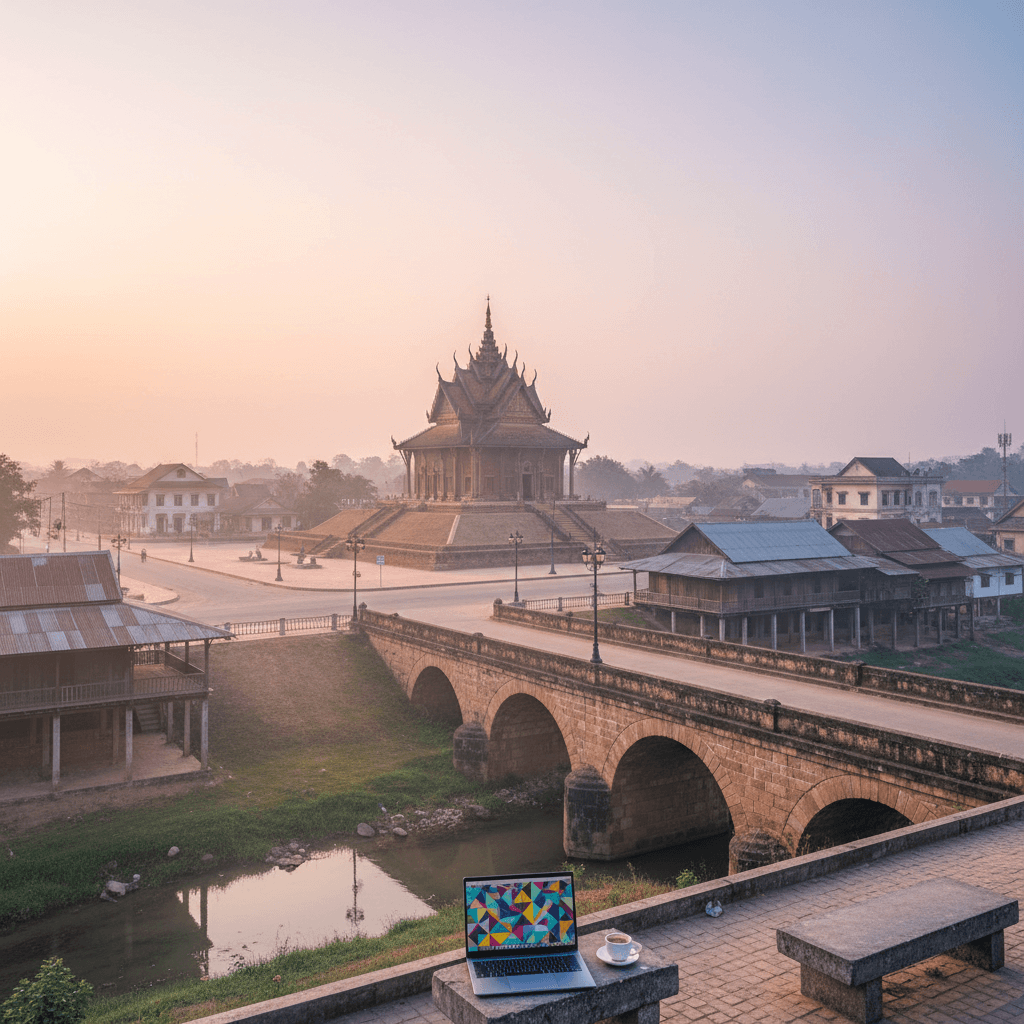
Sen Monorom
🇰🇭 Cambodia