Kampala
🇺🇬 Uganda
The Pulse of the Pearl
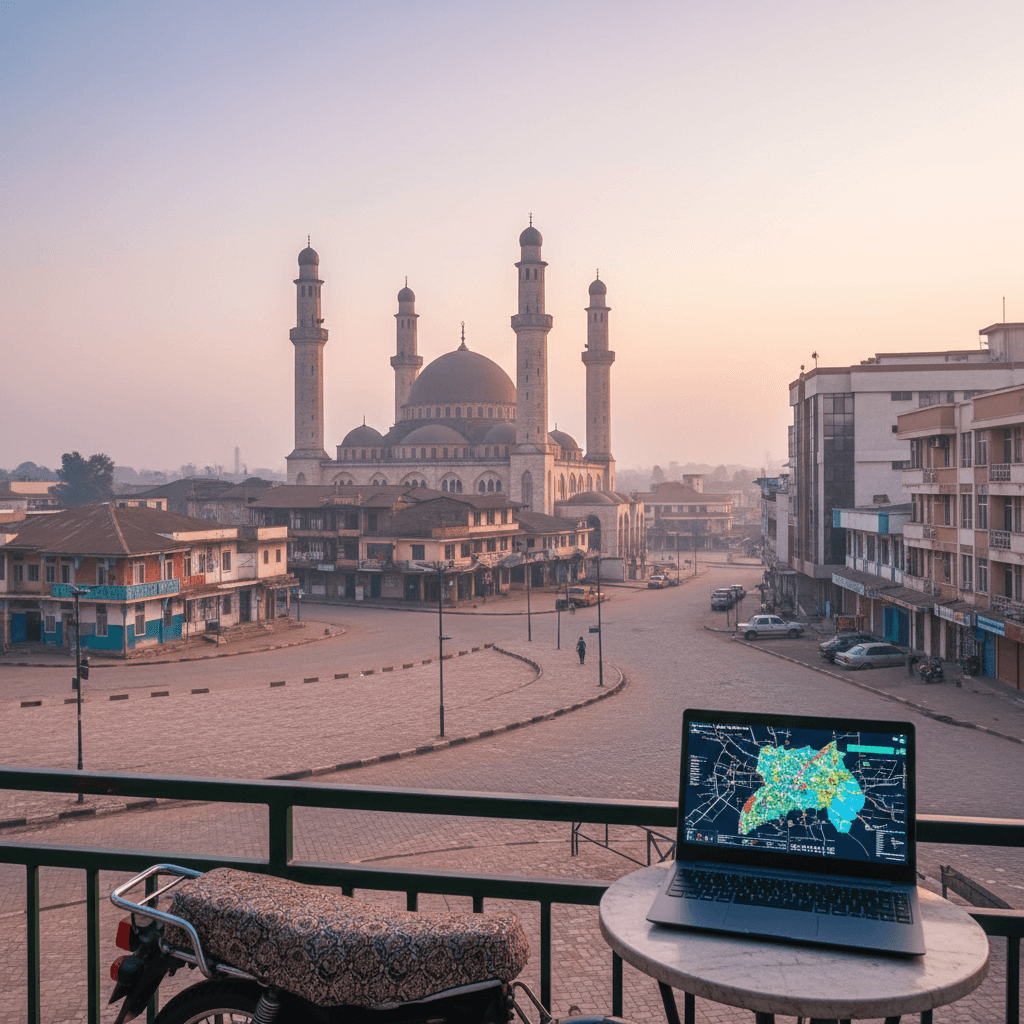
Kampala is a city that demands you surrender to its rhythm. It is loud, unapologetically chaotic, and arguably the greenest capital you will find in East Africa. Built across seven hills, the geography creates a constant sense of movement. You will spend your days looking out over red tiled roofs and lush tropical foliage, while the air carries the scent of roasting maize and woodsmoke. It feels faster than the sleepy towns along the Nile, but it lacks the clinical edge of a global megacity. It is raw, social, and deeply human.
What sets Kampala apart is the sheer accessibility of its people. You aren't just a face in the crowd here; you're part of a conversation. Whether you are grabbing a Rolex (the city's iconic rolled egg and chapati wrap) from a street vendor for $1.50 or nursing a cold Nile Special at a bar in Kololo, people will talk to you. For nomads, this means the "loneliness tax" is low. You’ll find a community faster here than in almost any other African hub.
The Daily Grind and the Digital Reality
Living here is a lesson in patience and preparation. The city’s biggest hurdle isn't the internet speed, which is actually quite solid at 20 to 50 Mbps in most hubs, but the infrastructure. Power outages happen. Traffic is legendary. A three kilometer trip can easily swallow an hour of your life if you time it wrong. Most nomads solve this by living where they work. Areas like Ntinda and Kololo are the go-to spots because they are walkable bubbles of productivity in a city that otherwise requires a vehicle.
The tech scene is concentrated and high energy. You’ll see local entrepreneurs and remote workers huddled over laptops at The Innovation Village or the trendy cafes in Ntinda. It is a "work hard, play harder" environment. Once the sun sets, the city transforms. Kampala’s nightlife is famous across the continent; the bars stay open until the last person leaves, and the energy is infectious. It is a city for those who want their workday to end with a bit of adventure.
The Financial Breakdown
Your budget in Kampala depends entirely on how much of the "expat bubble" you require. While local life is incredibly cheap, there is a definite premium on Western style amenities and gated security. Most comfortable nomads find their sweet spot between $1,500 and $2,500 per month.
Kololo (The Upscale Core)
- Rent: $800 to $1,500 for a modern 1BR.
- Vibe: High end, secure, and home to most embassies. It is the quietest part of the city but also the priciest.
- Best For: Those who want to walk to the best restaurants and gyms.
Ntinda (The Nomad Favorite)
- Rent: $600 to $1,000 for a decent apartment.
- Vibe: Young, trendy, and packed with shopping malls and cafes. It feels the most "connected" to the local middle class.
- Best For: Solo travelers looking for a social scene and coworking spaces.
Bugolobi (The Balanced Outskirt)
- Rent: $500 to $900.
- Vibe: A bit more relaxed and residential, but still has a great selection of bars and eateries.
- Best For: Long termers who want a break from the central city noise.
Logistics and Life Hacks
Getting around requires the Uber or Bolt apps. While Boda Bodas (motorcycle taxis) are the only way to beat the traffic, they aren't for the faint of heart. If you take them, use the apps to ensure a registered driver and a fair price, usually $1 to $3. For your phone, grab an MTN or Airtel SIM card at the airport or a local shop. You can get a massive data bundle for $10 to $30, which serves as a vital backup when your apartment WiFi decides to take a nap.
Safety is generally high in the main nomad neighborhoods. Use common sense, avoid walking alone on unlit streets at night, and keep your phone tucked away when you’re in an open Boda Boda. The real danger is the sun and the mosquitoes; keep the SPF 30 handy and make sure your apartment has nets or screens. Kampala isn't just a place to check emails; it’s a place that forces you to engage with the world around you.
Budgeting for the Pearl of Africa
Kampala is one of those rare cities where you can live like a king on a modest budget or spend a fortune chasing western comforts. Most digital nomads find they can live comfortably here for $1,500 to $2,500 per month, though budget travelers often make it work for closer to $800 if they stick to local markets and neighborhoods like Ntinda.
The biggest variable in your monthly spend will be the "expat premium." If you insist on a modern apartment with a backup generator and a swimming pool in a gated compound, your rent will easily rival mid tier European cities. However, the cost of daily life, from coffee to transport, remains refreshingly low for those coming from the US or Europe.
Housing and Neighborhoods
Rent varies wildly depending on how much security and infrastructure you need. Power outages and water cuts happen, so paying more for a place with a "standby" generator is usually worth the investment if you work online.
- Kololo: This is the upscale heart of the city. It is central, secure, and home to many embassies. Expect to pay $800 to $1,500 for a one bedroom apartment. You are paying for the proximity to high end cafes and shorter commutes.
- Ntinda: A favorite for younger nomads and solo travelers. It has a more local, trendy vibe with plenty of shopping and workspaces. Rent here typically ranges from $600 to $1,000.
- Bugolobi: A slightly quieter, residential alternative that still offers great amenities. You can find quality spots here for $500 to $900.
- Nakasero and Naguru: These areas are favored by long term expats and families for their gated security and reliable utilities, though prices frequently exceed $1,200 for modern builds.
Eating and Drinking
Food is where Kampala really shines for the budget conscious. If you eat like a local, you will spend next to nothing. A Rolex, the legendary Ugandan street food consisting of an omelet rolled in a chapati, will cost you about $1 to $3 and keep you full for hours.
Mid range restaurants, which serve everything from Indian curry to Italian pasta, generally charge between $5 and $15 per meal. If you head to the high end spots in Kololo or the fancy hotels in Nakasero, expect to pay $20 or more for an entree. Grocery shopping at local markets is very cheap, but imported goods like peanut butter, specialty cheeses, or specific wine brands will carry a heavy markup at supermarkets like Carrefour.
Connectivity and Workspace
Reliable internet is your biggest overhead. While many cafes offer WiFi, the speeds can be inconsistent. Most nomads buy a local SIM card from MTN or Airtel and use a mobile hotspot as a backup. Unlimited data packages generally run between $10 and $30 per month.
Coworking spaces provide the best insurance against power cuts. The Innovation Village is a popular hub with locations in Ntinda and Kololo. Monthly memberships usually fall between $150 and $250, giving you access to high speed fiber and a community of local entrepreneurs. If you prefer the cafe route, spots in Ntinda are generally welcoming to laptop users as long as you keep the coffee orders coming.
Getting Around
Traffic is the tax you pay for living in Kampala. It is chaotic and unpredictable. To get around, most people use ride hailing apps like Uber or Bolt, which are safer and more transparent than negotiating with independent drivers. A typical cross town trip costs between $2 and $5.
For those in a rush, Boda bodas (motorcycle taxis) are the only way to beat the gridlock. Using an app to summon a Boda is highly recommended for safety and pricing, usually costing $1 to $3. If you are on a strict budget, the Matatu minibuses are everywhere and cost less than $1, but they can be cramped and confusing for newcomers to navigate.
Monthly Summary
- Total Budget (Comfortable): $2,500+ (Includes gated housing, frequent ride hailing, and upscale dining).
- Total Budget (Mid-range): $1,500 to $2,500 (Includes a nice apartment in Ntinda and a mix of local and international meals).
- Total Budget (Budget): $800 to $1,500 (Includes local housing, street food, and public transport).
- Coworking Desk: $100 to $300 per month.
- Local SIM with Data: $10 to $30 per month.
For Digital Nomads: Ntinda and Kololo
If you want to be where the action is, Ntinda is the heartbeat of Kampala's nomad scene. It's a trendy, high energy area where you'll find a high concentration of modern cafes and the famous Innovation Village coworking space. Nomads flock here because it feels like a real neighborhood; you can grab a $2 Rolex wrap from a street vendor for lunch and then head to a sleek cafe for 50 Mbps fiber internet.
Kololo is the upscale alternative. It sits on a hill overlooking the city and serves as the primary hub for embassies and high end dining. It's more expensive, but the proximity to The Innovation Village and top tier gyms makes it worth the splurge for many. The streets are wider and greener than the rest of the city, though you'll still deal with the notorious Kampala traffic during peak hours.
- Ntinda Rent: $600 to $1,000 for a modern 1BR
- Kololo Rent: $800 to $1,500 for a studio or apartment
- Coworking: $150 to $250 monthly for a hot desk
- Atmosphere: Fast paced, social, and packed with amenities
For Expats: Nakasero and Naguru
Expats looking for long term stability usually gravitate toward Nakasero or Naguru. These neighborhoods offer a sense of order that can be hard to find in the more chaotic parts of the city. You'll find the most reliable power grids here and gated compounds with 24/7 security guards. Nakasero is particularly central, making it easy to reach business meetings without spending two hours in a Boda boda.
Naguru has seen a massive influx of new apartment builds lately. It's hilly, breezy, and offers some of the best views of the skyline. While you'll pay an "expat premium" for housing, you're within walking distance of private hospitals like International Hospital Kampala and several high end grocery stores stocking international brands.
- Rent: Expect to pay $1,200 and up for secure, gated housing
- Pros: High security, reliable utilities, and close to healthcare
- Cons: Heavy traffic congestion and higher cost of living
For Families: Munyonyo and Lubowa
If you're moving with kids, the outskirts are your best bet. Munyonyo and Lubowa feel worlds away from the city's noise. These areas are built around large, secure residential compounds and proximity to the city's top international schools. Munyonyo sits right on the shores of Lake Victoria, offering a resort like vibe and easy access to weekend boat trips.
Lubowa is located along the Entebbe Road, making it a strategic spot if you need to get to the airport frequently. The trade off for the quiet, leafy streets is the commute. If you have a 9 to 5 in the city center, you'll need to leave early to beat the gridlock. Most families here rely on private drivers or ride hailing apps like Uber and Bolt, which typically cost $3 to $5 per trip.
- Rent: $900 to $2,000+ for multi bedroom houses
- Lifestyle: Quiet, family oriented, and proximity to Lake Victoria
- Commute: Often 60 to 90 minutes to the city center during rush hour
For Solo Travelers: Bugolobi
Bugolobi strikes a perfect balance for solo travelers who want a bit of everything. It's quieter than Ntinda but more affordable than Kololo. The neighborhood has a relaxed, village like feel with its own shopping malls, bars, and a growing number of independent coffee shops. It's a great spot to meet people without the overwhelming "expat bubble" feel of Nakasero.
The social scene here is approachable. You can spend your evenings at local bars or join Facebook groups to meet other travelers for weekend trips to Entebbe. Solo women travelers often find Bugolobi safer for walking during the day, though everyone should stick to trusted Boda boda apps once the sun goes down.
- Rent: $500 to $900 for a comfortable apartment
- Food: Mid range meals for $5 to $15
- Vibe: Laid back, accessible, and well connected to transport
Connectivity in the Chaos
Internet in Kampala is a bit of a paradox. While the city is undergoing a major digital transformation, the physical infrastructure sometimes struggles to keep up with the pace of growth. You'll find speeds averaging between 20 and 50 Mbps in most professional settings, which is plenty for Zoom calls and uploading content. However, power stability can be a wildcard, so having a backup plan is non-negotiable for anyone on a tight deadline.
Most nomads rely on a dual strategy: high-speed fiber at their apartment or coworking space, backed up by a robust local SIM card. MTN and Airtel are the two heavy hitters here. You can pick up a SIM at Entebbe Airport or at any branded shop in the city for about $5 to $10. Just bring your passport for registration. Data is remarkably affordable; expect to pay between $10 and $30 for a monthly unlimited or high-volume data plan.
Mobile money, specifically MTN Mobile Money and Airtel Money, is the lifeblood of the city. You'll use it to top up your data, pay for Uber rides, and even settle your tab at local cafes. It's often more reliable than international credit cards, which might get flagged or rejected at smaller establishments.
Top Coworking Spaces
If you need a dedicated desk and a professional atmosphere to escape the Kampala traffic, the city has several solid options. These spaces often provide the most stable power thanks to backup generators.
- The Innovation Village: Located in neighborhoods like Ntinda and Kololo, this is the heart of the local startup scene. It’s more than just a desk; it’s a community hub where you can network with Ugandan entrepreneurs. Monthly hot desks usually run between $150 and $250.
- Design Hub Kampala: Situated in a converted warehouse in the Industrial Area, this spot is a favorite for creatives. It has a gritty, industrial-chic vibe and a great on-site cafe.
- Tribes: A more boutique coworking experience often found in the upscale Naguru or Kololo areas. It’s quieter and better suited for those who need deep focus.
Cafe Culture and Remote Work
Kampala’s cafe scene has exploded recently, particularly in Ntinda and Kololo. While many cafes are happy to let you linger over a laptop for a few hours, always check the "vibe" before settling in. If a place is packed for lunch, it’s polite to move on or order another round.
- Endiro Coffee: A staple for the nomad community. They have several locations, including a popular one in Kololo. The coffee is excellent, and the "treehouse" feel makes for a great office for the day.
- Wild Coffee Bar: For a more aesthetic workspace, this spot offers a lush, green environment that feels like a break from the city's concrete.
Practical Tips for Staying Online
To keep your workflow smooth, veterans of the Kampala scene suggest a few "survival" items. First, get a high-quality power bank and, if possible, a portable MiFi router. This allows you to switch between MTN and Airtel sims depending on which tower is performing better in your specific neighborhood.
Traffic is the biggest threat to your productivity. If you have a meeting at 2:00 PM across town, don't assume you can work from a cafe right up until the start time. Use ride-hailing apps like Uber or Bolt to get around, but always factor in a 60-minute buffer for the "Kampala jam." Many nomads find it easier to pick one neighborhood for the day and stay put rather than trying to hop between meetings in different districts.
General Safety and Street Smarts
Kampala is generally a welcoming place for foreigners, and most nomads find the city surprisingly manageable if they stick to certain neighborhoods. If you're staying in Kololo, Nakasero, or Naguru, you'll see a lot of gated compounds and private security guards. This is the standard for expat life here, and it provides a solid peace of mind.
The most common issue you'll face isn't violent crime, it's opportunistic theft. Phone snatching from open car windows or while walking along busy roads is common. Keep your tech tucked away when you're near the street. Women living solo generally report feeling safe, though it's best to avoid walking alone after dark in poorly lit areas. Instead, use a ride-hailing app like Uber or Bolt to get door to door.
Ironically, the biggest daily threat to your safety is the traffic. The "boda boda" (motorcycle taxi) culture is the lifeblood of the city's movement, but it's also high risk. If you choose to hop on one, travelers recommend using apps like SafeBoda because their drivers are trained and provide helmets. Even then, the chaotic driving patterns and lack of sidewalks mean you should always keep your wits about you when crossing the street.
- Avoid walking alone in isolated areas after sunset.
- Keep your phone and bag away from the roadside to prevent drive by snatching.
- Use Uber, Bolt, or SafeBoda where available (note city centre passenger boda restrictions) instead of flagging random motorcycles.
- In an emergency, dial 999 for police or ambulance services.
Healthcare and Medical Facilities
If you need medical attention, you'll want to head straight to the private hospitals. These facilities are concentrated in the upscale neighborhoods and offer a much higher standard of care than public clinics. International Hospital Kampala (IHK) in Namuwongo is a top choice for expats, known for its professional staff and modern equipment. The Surgery in Naguru is another highly recommended spot for routine checkups and emergency care.
Pharmacies are everywhere in the city, and you can find most basic medications over the counter. However, for specialized prescriptions, it's a good idea to bring a supply from home. Malaria is a reality here, so most long term residents keep a treatment kit on hand or take prophylactics during the peak rainy seasons from March to May and October to December.
Recommended Medical Centers
- International Hospital Kampala (IHK): Best for emergencies and specialized care, located in Namuwongo.
- The Surgery: A favorite for expats in Naguru, great for GP visits and vaccinations.
Health Prep and Insurance
Before you fly in, make sure your routine vaccinations are up to date. A Yellow Fever certificate is a strict requirement for entry into Uganda, so keep that card with your passport. Most nomads also get shots for Hepatitis A and Typhoid. Since you'll likely be using private healthcare, having a solid international insurance policy is vital. Most local clinics expect payment upfront in cash or via MTN Mobile Money, and you'll then claim the costs back from your provider.
Tap water isn't safe to drink in Kampala. Stick to bottled water, which is cheap and available at every corner shop, or invest in a high quality water filter for your apartment. Most expats also suggest being cautious with raw salads at smaller street stalls, though the food at mid range spots in Ntinda and Kololo is usually fine for sensitive stomachs.
The Gridlock Reality
If there is one thing that defines the Kampala experience, it is the traffic. The city was built on seven hills, but the infrastructure hasn't quite kept up with the explosion of cars and people. During rush hour, a five kilometer trip can easily swallow 90 minutes of your life. Most nomads learn quickly to plan their day around these jams or simply work from whichever cafe they happen to be in when the clock hits 4:00 PM.
Walking is an option in localized pockets like central Kololo or parts of Nakasero where sidewalks actually exist. However, the heat, hills, and lack of continuous pedestrian paths make it a sweaty endeavor. Most expats recommend staying in the neighborhood where you plan to work to avoid the daily commute altogether.
Boda Bodas: The Two-Wheeled Lifeline
To truly get around like a local and beat the gridlock, you will eventually find yourself on a boda boda (motorcycle taxi). They are everywhere, weaving through stationary cars with terrifying precision. While you can hail them on any street corner, most travelers stick to ride-hailing apps for safety and price transparency. SafeBoda offers app-based boda services with trained drivers and helmets where permitted, but note 2026 city centre restrictions on passenger bodas; consider SafeCar for cars or Bolt/Uber.
- Cost: Expect to pay between $1 and $3 for most cross-town trips.
- Safety: Always use an app-based service at night rather than flagging a random driver.
- Etiquette: It is standard to sit astride the bike, though you will see locals sitting side-saddle.
Ride-Hailing and Private Cars
When it rains or when you need to arrive at a meeting without a layer of road dust, Uber and Bolt are the go-to choices. They are incredibly affordable compared to Western standards, usually costing between $2 and $5 for a significant distance. Just remember that an Uber is subject to the same traffic as everyone else; if the map shows a sea of red, the car won't be any faster than a walking pace.
For those who prefer a more "official" experience, "special hires" are private taxis you can negotiate with for the day. These are popular for trips to the outskirts or when you have a lot of groceries. Always agree on the price before you close the door.
The Matatu Experience
For the budget-conscious or the adventurous, the 14-seater white minibuses known as matatus are the backbone of public transport. They follow set routes and cost a mere $0.50 to $1. You just wait by the side of the road, look for the destination sign in the window, and hop in. It is cramped, loud, and often involves a lot of "personal space" issues, but it is the most authentic way to see the city's geography.
Getting to and from Entebbe
The airport is located in Entebbe, about 45 kilometers from Kampala. Thanks to the Express Highway, the trip can take as little as 45 minutes, but if you hit the old road during peak hours, it can stretch to three hours. Most nomads book an Uber or a private transfer for roughly $30 to $40. If you are arriving late at night, having a driver waiting with your name on a sign is well worth the extra few dollars for peace of mind.
Practical Transport Tips
- Download the apps: Install SafeBoda, Uber, and Bolt as soon as you get your MTN or Airtel SIM card.
- Carry small change: While apps allow card payments, many drivers prefer cash or Mobile Money. Having 1,000 and 2,000 Shilling notes is helpful for matatus and tips.
- The Rain Rule: When it rains, the city stops. Boda prices double, Ubers become impossible to find, and traffic triples. If you see clouds gathering, get to where you need to be immediately.
- Mobile Money: Set up MTN Mobile Money or Airtel Money. It is the primary way people pay for things in Uganda, including your ride-shares.
The Language Landscape
English is the official language of Uganda, and you'll find a high level of proficiency across Kampala. In business settings, upscale restaurants in Kololo, and coworking spaces like The Innovation Village, English is the default. Most nomads find they can navigate daily life, negotiate rent, and order a coffee without any major language barriers.
However, the heart of the city beats to the rhythm of Luganda. While English gets the job done, Luganda is what you'll hear in the markets of Ntinda or when chatting with a Boda Boda driver. It acts as the social glue of the city. Learning a few words goes a long way in building rapport with locals, who generally appreciate the effort from visitors.
Key Phrases for Your Daily Kit
You don't need to be fluent, but tossing out a greeting in Luganda changes the dynamic of an interaction instantly. Here are the basics that expats recommend keeping in your back pocket:
- Oli otya? (How are you?): The standard opener for almost every conversation.
- Bulungi (I am fine): The expected response to the above.
- Webale (Thank you): Use this constantly; it's polite and always well-received.
- Ssebo / Nyabo (Sir / Madam): Adding this to the end of a sentence shows a high level of respect.
- Kyi kati? (What's up?): A more informal, street-level greeting you'll hear among younger crowds.
Communication Tools and Apps
Digital communication is fast and mobile-centric. To stay connected, you'll want to grab a local SIM card immediately upon arrival at Entebbe or at a branded shop in the city. You'll need your passport for registration, and the process usually takes about 15 to 20 minutes.
- Top Networks: MTN and Airtel are the big players. MTN generally has the widest coverage, while some nomads prefer Airtel for specific data bundles.
- Data Costs: Expect to pay between $10 and $30 per month for a solid data plan. Unlimited packages are available and are a lifesaver when cafe WiFi gets spotty.
- WhatsApp: This is the undisputed king of communication. From booking a hair appointment to chatting with your landlord or ordering delivery, everything happens on WhatsApp.
- Translation: Google Translate handles English to Luganda reasonably well for basic text, though it can struggle with local slang.
Cultural Nuances in Conversation
Communication in Kampala is often indirect and deeply rooted in politeness. Travelers often say that jumping straight into business or asking a price without a proper greeting is considered rude. Always start with a "How are you?" before asking for directions or ordering your Rolex wrap.
Handshakes are a big deal here. They are often long and may involve holding hands for a portion of the conversation. If you are talking to an elder, a slight nod or a more formal tone is the standard. In the tech-heavy circles of Naguru or Nakasero, things are more Westernized, but those traditional touches of courtesy still carry significant weight.
Staying Connected on the Move
While the city is making strides with its digital roadmap, internet consistency can still be an issue during heavy rain or power fluctuations. Most seasoned nomads use their phone as a primary hotspot rather than relying solely on residential WiFi. If you're heading to a cafe in Bugolobi to work, it's always smart to have your MTN or Airtel backup ready. Mobile money, specifically MTN Mobile Money, is also a vital "communication" tool; it's how you'll pay for everything from utilities to your Uber or Bolt rides.
The Perpetual Spring
Kampala sits right on the equator, but its high elevation keeps things surprisingly comfortable. Most nomads describe the climate as a perpetual spring, with temperatures hovering between 20°C and 30°C (68°F to 86°F) throughout the year. You won't need a heavy coat, but a light jacket is a must for the cooler evenings in neighborhoods like Muyenga or Naguru.
The city's weather isn't defined by heat or cold, but by the rain. Since it's a tropical environment, the seasons are split into two wet and two dry periods. Even during the rainy seasons, the sun usually makes an appearance for a few hours every day, so you're rarely stuck indoors for long.
When to Plan Your Stay
- The Primary Dry Season (June to September): This is arguably the best window to visit. The skies are clear, the humidity is low, and the temperatures stay around a pleasant 25°C to 28°C. It's the peak time for trekking and safaris, so if you're planning to head out of the city to see the gorillas, book your gear early.
- The Secondary Dry Season (January to February): These are the warmest months. It can get a bit dusty in the city center, but it's perfect for enjoying the cafe culture in Ntinda or poolside afternoons in Kololo.
- The Long Rains (March to May): Expect heavy, predictable downpours. While the city turns a lush, beautiful green, the rain wreaks havoc on Kampala’s already legendary traffic. A twenty minute trip can easily turn into two hours when the clouds open up.
- The Short Rains (October to December): These showers are more sporadic and less intense than the spring rains. Travelers often find this a great time to visit because the dust settles and the air feels fresh, though you'll want to keep a reliable weather app handy.
The Logistics of the Rain
Living in Kampala during the wet seasons requires a bit of tactical planning. When the rain hits, the city effectively pauses. Boda boda drivers pull over under shop awnings, and ride hailing prices on Uber or Bolt tend to spike. If you're working from a spot like The Innovation Village, it's often better to hunker down and finish an extra hour of work rather than trying to commute through a storm.
Expats frequently mention that power reliability can take a hit during heavy thunderstorms. If you're staying in Bugolobi or Nakasero, most high end apartments have backup generators, but it's always smart to keep your devices charged and have a local MTN or Airtel SIM card ready for a mobile hotspot if the fiber goes out.
What to Pack
Because the temperature is so consistent, your wardrobe doesn't need to change much between seasons. Breathable fabrics like linen and cotton are your best friends. Locals tend to dress smartly, so having a few "business casual" options will help you blend in at the trendier spots in Kololo.
For the rainy months, a sturdy umbrella is better than a raincoat, which can feel too humid in the tropical heat. Most importantly, bring shoes with good grip. Kampala is built on seven hills, and the sidewalks, where they exist, can get quite slick after a downpour.
Getting Connected
Setting up your digital base in Kampala is straightforward if you do it right at the source. Grab a local SIM card immediately upon arrival at Entebbe International Airport or any major mall. MTN and Airtel are the heavy hitters here. You will need your passport for registration. A monthly data bundle with enough juice for hotspots usually costs between $10 and $30.
While home fiber is expanding, most nomads rely on a mix of mobile data and coworking spaces to stay online. If the power flickers, which happens occasionally, your phone hotspot will be your best friend. The Innovation Village in Ntinda or Kololo is the gold standard for reliable desks and networking. Expect to pay between $150 and $250 for a monthly hot desk. For a more casual vibe, the cafes in Ntinda are packed with people on laptops and offer speeds averaging 20 to 50 Mbps.
Money and Budgeting
Kampala is affordable, but there is a definite "expat premium" if you insist on Western style luxury. To keep costs down, embrace the local fintech scene. MTN Mobile Money and Airtel Money are used for everything from utility bills to grocery runs. Load some cash onto your phone; it is often more convenient than carrying a bulky wallet.
For your monthly budget, here is how the tiers typically break down:
- Budget ($800 to $1,500): You are eating street food like the legendary $1 Rolex (a rolled egg and chapati wrap), taking Matatu buses for $0.50, and renting in local areas.
- Mid-range ($1,500 to $2,500): This covers a nice apartment in Ntinda, frequent Uber rides, and dining at solid restaurants for $10 per meal.
- Comfortable ($2,500+): You are likely living in a gated compound in Kololo or Nakasero with 24/7 security and high end amenities.
Moving Through the Chaos
Traffic is the single biggest hurdle to enjoying Kampala. A five kilometer trip can easily take 90 minutes during peak hours. Download the Uber or Bolt apps immediately. They are safer and more transparent than negotiating with independent drivers. If you are brave enough for the Boda boda (motorcycle taxis), use the apps to ensure you get a driver with a helmet and a tracked trip. A typical ride across town costs $2 to $5.
Walking is fine within neighborhoods like Kololo or Bugolobi, but the city is not designed for pedestrians. There are few sidewalks and the hills are steep. If you need to get to the airport in Entebbe, leave at least three hours before your check in time to account for the unpredictable jam on the highway. A private hire to the airport usually runs between $20 and $40.
Safety and Health
Most expats and nomads feel perfectly safe in the northern and eastern suburbs. Use common sense: don't walk alone after dark and keep your phone tucked away when you are in an open Boda boda. The biggest physical risk is actually the traffic, not crime. For healthcare, stick to private facilities. International Hospital Kampala (IHK) in Namuwongo is highly recommended by the expat community for everything from malaria tests to emergencies. If you need immediate help, the emergency number is 999.
Cultural Nuances
Ugandans are incredibly welcoming, but formalities matter. Always start a conversation with a proper greeting before asking for a price or directions. A simple Oli otya? (How are you?) goes a long way. In upscale restaurants, a 10% tip is standard. While English is the official language and spoken fluently by almost everyone you will interact with, learning a few words of Luganda like Webale (Thank you) will earn you plenty of smiles.
Need visa and immigration info for Uganda?
🇺🇬 View Uganda Country GuideEasy Landing
Settle in, no stress