Kamakura
🇯🇵 Japan
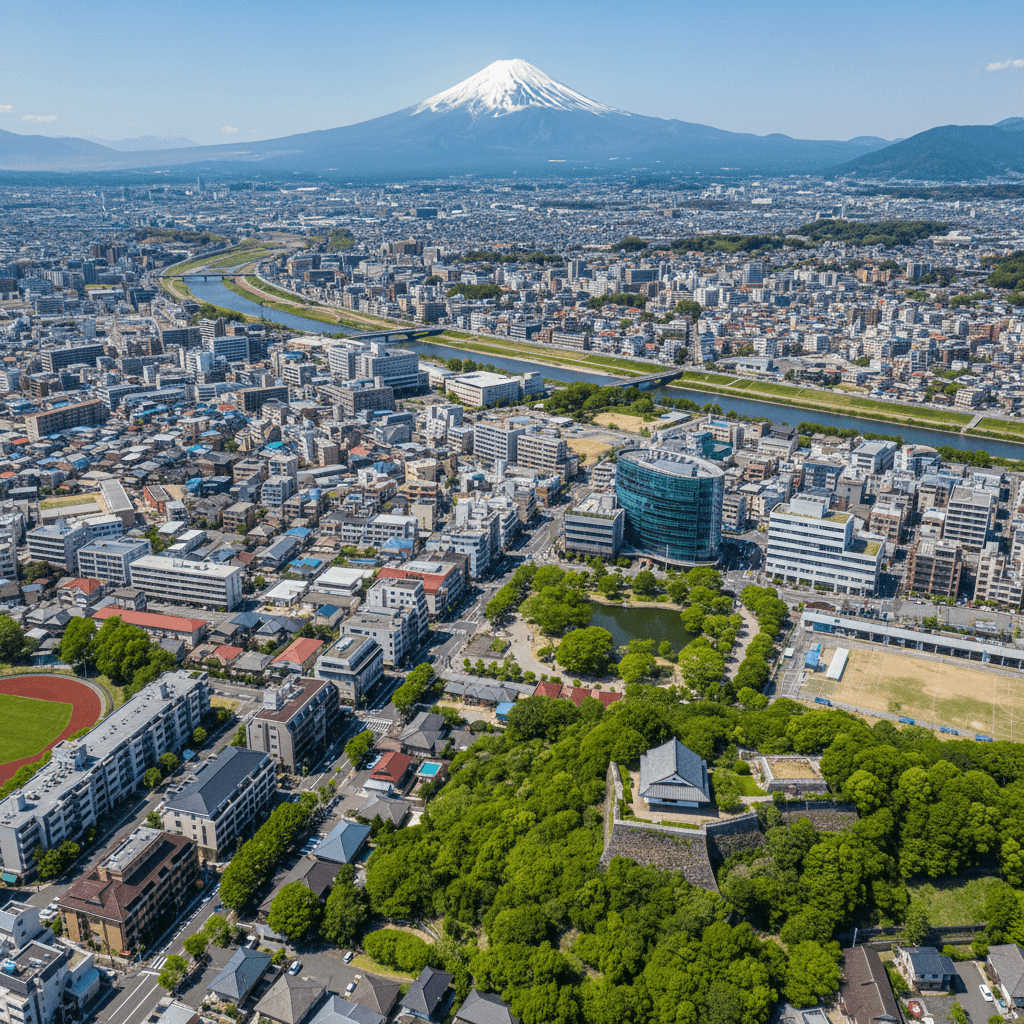
Imagine the sensory contrast of finishing a deep work session in a quiet, incense-scented temple garden and then walking ten minutes to catch a sunset surf at Yuigahama Beach. That is the daily rhythm in Kamakura. Often called the Kyoto of the East, this coastal enclave serves as the ultimate pressure valve for those who find Tokyo’s neon intensity a bit too much for the long haul. It feels less like a city and more like a collection of slow-paced villages tucked between forested hills and the Pacific Ocean.
The Coastal Duality
Kamakura operates on two distinct frequencies. During the day, the area around Tsurugaoka Hachimangu Shrine and the Komachi Street shopping strip hums with travelers seeking giant bronze Buddhas and matcha soft serve. But for the nomads who stay overnight, the vibe shifts dramatically after 5:00 PM. The day-trippers vanish back to Tokyo, leaving behind a quiet, residential atmosphere where the sound of the Enoden train clicking along the tracks becomes the soundtrack to your evening.
The personality here is defined by a "history-meets-surf" culture. You will see surfers carrying boards on their bikes past century-old wooden storefronts. It is a place where professional ambition takes a backseat to lifestyle. Most expats find that while Tokyo is for networking, Kamakura is for deep work and physical recovery.
Where You'll Spend Your Time
The geography is compact, but each pocket has a different energy:
- Central Kamakura: This is the hub for those who want to be steps away from the best cafes and the main train station. It is walkable and convenient, though it can feel crowded on weekends.
- Yuigahama: The neighborhood of choice for the remote work crowd. It is flatter, more open, and filled with thrift shops like Book Off Super Bazaar and laid-back brunch spots.
- Enoshima: Located just a short hop down the coast, this area feels like a true seaside resort. It is perfect for those who want more nature and hiking trails, though the commute into Tokyo for meetings takes a bit longer.
The Nomad Reality Check
Living here requires a bit of a "DIY" spirit compared to nomad hubs like Bali or Lisbon. You won’t find a massive dedicated coworking space on every corner. Instead, the local culture revolves around cafe hopping. Most nomads find their groove in quiet spots along the temple trails or coastal cafes where you can buy a coffee for $5 and work for hours without being moved along. For serious office days, many residents take the 60-minute train ride into Tokyo to use spaces like BLINK Smart Workspace or Impact Hub.
Connectivity is world-class, even in this historic setting. You can expect 5G coverage almost everywhere and 1Gbps Hikari fiber if you are settling into a long-term rental. While the language barrier exists, especially in smaller neighborhood pharmacies or grocery stores, the local community is generally patient and accustomed to international visitors.
Why It Sticks
What makes Kamakura different is the lack of "hustle." It is a rare spot in Japan where you are encouraged to slow down. You might spend your morning hiking the Daibutsu trail, your afternoon coding from a beachside deck, and your evening at a tiny izakaya where the fish was caught that morning. It offers a high-trust, high-safety environment where the cost of living sits comfortably about 20% to 30% below Tokyo prices. It is not just a place to work; it is a place to breathe.
Living in Kamakura feels like a breath of fresh air compared to the high-octane energy of Tokyo, and your bank account will likely feel the same way. While it’s a premium coastal destination, you can generally expect your daily expenses to sit about 20% to 30% lower than in the capital. The trade-off is a slightly more fragmented rental market; because it’s a historic town rather than a corporate hub, finding the perfect nomad base requires a bit of strategy.
Monthly Budget Tiers
- The Budget Traveler ($1,500 to $2,200): You’ll likely be looking for a studio or a room in a shared house, perhaps closer to Enoshima where prices soften. You’ll lean on Komachi Street stalls for $5 to $8 meals and spend your days working from local cafes for the price of a latte.
- The Mid-Range Nomad ($2,500 to $3,500): This is the sweet spot for most. It covers a private 1BR apartment near Yuigahama for roughly $900 to $1,200, frequent meals at local bistros, and a monthly JR pass for those necessary trips into Tokyo.
- The Comfortable Expat ($4,000+): At this level, you’re looking at upscale coastal living. High-end rentals can exceed $1,500, leaving plenty of room for $50 omakase dinners and private fiber internet setups.
Housing and Neighborhoods
Rent is your biggest variable. Short-term nomads often find Airbnb is the most painless route, though it comes with a markup. If you’re staying long-term and have your paperwork in order via the 6-month Digital Nomad Visa, platforms like GaijinPot can help you find more traditional leases.
Yuigahama is the top pick for those who want to walk from their laptop to a surfboard. Expect to pay a bit more for the proximity to the water. Central Kamakura near the station is more convenient for commuters, but it gets crowded with tourists during the day. If you want more space for your money, head toward Enoshima. It’s a bit further out, but the neighborhood vibe is authentic and the rents are more forgiving.
Eating and Drinking
Kamakura’s food scene is a mix of high-end traditional washoku and laid-back surf cafes. You can grab a quick bite at a street stall for under $10, but a nice sit-down lunch usually lands between $15 and $20. Coffee culture is huge here. Most nomads find that cafes are quite welcoming to remote workers; as long as you keep the orders coming, nobody is going to ask you to move. If you’re looking for a serious workspace, you might need to budget $200 to $260 for a monthly hot-desk at a Tokyo coworking space like BLINK or Impact Hub, as Kamakura lacks dedicated nomad offices.
Transport and Connectivity
The city is incredibly walkable, so you’ll save a fortune on taxis. Most locals and expats get around on foot or by renting a bike for about $10 a day. For longer trips, the JR and Enoden lines are your best friends. A typical ride costs between $2 and $5, and a monthly pass to Tokyo or Yokohama averages around $100.
For data, don’t rely on public hotspots. Most nomads recommend ordering a Jasumo eSIM for immediate 5G access upon arrival. If you’re settling into an apartment for several months, look into a Hikari fiber installation to get those symmetrical 1Gbps speeds, though be aware these often require longer contracts.
Practical Spending Tips
- Banking: Use Wise or Revolut for your daily spending to avoid terrible bank exchange rates. 7-Eleven ATMs are the most reliable way to withdraw cash, which you’ll still need for smaller temples and traditional shops.
- Groceries: Shop at local markets away from the main tourist drags to keep your food costs down. The quality of produce in this region is exceptional due to the nearby farms.
- Connectivity: If you need a physical SIM or backup tech, take the train to the nearest BIC Camera; they have the best selection and often offer tax-free shopping for foreigners.
For Solo Travelers and Short-Term Nomads: Central Kamakura
If you want to be in the middle of the action, look no further than the streets surrounding Kamakura Station and Komachi Street. This is the city's pulse, where ancient history meets modern convenience. You'll find yourself steps away from the Tsurugaoka Hachimangu Shrine and a endless supply of street food stalls selling everything from matcha soft serve to savory rice crackers for $5 to $10.
The draw here is pure walkability. You can spend your mornings working from a local café like Doutor or one of the independent roasteries tucked into the side alleys before heading out for a temple walk. While it gets crowded with day trippers during the afternoon, the area transforms into a peaceful, atmospheric neighborhood once the last train to Tokyo departs. It is the most practical home base for those without a car who want easy access to the JR lines for weekend trips.
- Estimated Studio Rent: $600 to $800 per month via Airbnb or short-term rentals.
- Atmosphere: Energetic by day, serene by night.
- Best for: People who prioritize convenience and being near the main transport hub.
For Long-Term Nomads and Surfers: Yuigahama Beach
Most expats and remote workers gravitate toward Yuigahama. It feels less like a tourist destination and more like a lived-in coastal community. The vibe is decidedly laid-back, defined by people carrying surfboards on their bikes and sunset gatherings on the sand. It is about a 15 to 20 minute walk from the main station, giving you enough distance from the crowds to actually get work done.
For your workspace, many nomads rely on beachside cafés with reliable WiFi. Since there are no dedicated coworking spaces in town, you'll likely find yourself commuting to Tokyo spots like BLINK Smart Workspace or Impact Hub once or twice a week for about $200 to $260 a month. Locally, you can spend your breaks grabbing a $12 lunch at a coastal bistro or exploring the nearby side streets.
- Estimated 1BR Rent: $900 to $1,200 for a mid-range apartment.
- Atmosphere: California cool meets traditional Japan.
- Best for: Surfers, creative freelancers, and anyone who needs to be near the ocean to think.
For Families and Nature Lovers: Enoshima and Koshigoe
For those traveling with a partner or children, moving slightly west toward Enoshima offers more breathing room. The area is famous for its sea candles, island hikes, and expansive views of Mount Fuji on clear days. It feels more residential and spacious than central Kamakura, providing a better environment for those who need a quiet home office setup.
The trade-off is the commute. You'll rely on the Enoden, the charming but slow green tram that hugs the coast. While scenic, it adds time to your grocery runs or trips into the city. Families often prefer this area because of the proximity to larger parks and the aquarium, though short-term rents can be slightly higher due to the demand for vacation rentals with multiple bedrooms.
- Estimated Large Apartment Rent: $1,500+ for upscale or multi-room stays.
- Atmosphere: Active, outdoorsy, and family-oriented.
- Best for: Slow travelers who want nature trails and a quiet night's sleep.
Practical Neighborhood Tips
- Connectivity: Most rentals come with standard WiFi, but for heavy lifting, nomads often set up Hikari fiber for 1Gbps speeds or use Starlink if staying in more rural pockets.
- Getting Around: Skip the rental cars. Use the GO app for occasional rides, but invest in a $10 a day bike rental or a $100 monthly JR pass for the most efficient travel.
- Social Life: Since there isn't a massive nomad hub here yet, head to the beach bars at sunset or join Tokyo-based expat groups on Nomad List to find community.
Connectivity and Speed
You won't have to worry about dropping off a Zoom call while watching the surfers at Yuigahama. Japan's infrastructure is world class, and Kamakura benefits from 99% 5G coverage across the city. If you're settling in for a few months, most apartments come equipped with Hikari fiber optics, providing symmetrical speeds of 1Gbps. For those on the move, Starlink has become a reliable backup in the more rugged coastal areas, often hitting 200Mbps even during peak tourist season.
Getting connected the moment you land is the standard move. Most nomads use Jasumo for eSIM delivery or pick up a physical SIM at BIC Camera if they're coming from Tokyo. Expect to pay around $30 to $50 for a solid monthly data plan. If you're working from the beach or a temple trail, a portable pocket WiFi or a local eSIM is a necessity, as public municipal WiFi can be patchy once you leave the main station area.
The Café Culture Strategy
Kamakura lacks a dedicated, "nomad-only" coworking space within the city limits. Instead, the local remote work scene thrives in its diverse café culture. Unlike Tokyo's high pressure turnover, many Kamakura spots are surprisingly relaxed about laptops. The general rule of thumb is to buy a coffee every two hours and keep your voice down during calls. Many nomads gravitate toward the Starbucks near the station for its reliable power outlets or Doutor for a quick, cheap session.
For a more local feel, explore the backstreets of Komachi Street or the cafes lining Yuigahama Beach. You'll find plenty of spots where the WiFi is free and the atmosphere is quiet enough for deep work. Just keep in mind that smaller, artisanal shops might not have power outlets at every table. It is always polite to ask before plugging in your charger.
Coworking Commutes
If you need a professional office environment, a meeting room, or a community of fellow entrepreneurs, your best bet is a quick train ride into the city. The JR Line connects Kamakura to Tokyo in about an hour for roughly $10 each way. Many long term residents keep a monthly pass for around $100 and head into Tokyo two or three times a week.
- BLINK Smart Workspace (Roppongi): A favorite for its international community and bilingual staff. Hot desking plans are available, though prices vary depending on the season and membership type.
- Impact Hub Tokyo: Great for social entrepreneurs and those looking for a networking heavy environment. Membership rates vary, so it is best to check their current offerings for the most up-to-date pricing.
- Station Work: Look for these small, soundproof booths inside major train stations like Yokohama or Tokyo. They're perfect for a 30 minute private call and can be booked via a mobile app for a few dollars.
Remote Work Logistics
Power in Japan uses Type A and B plugs (two flat pins), similar to North America. However, many older buildings in Kamakura lack the third grounding pin hole, so bring a two prong adapter for your laptop charger. Public libraries in the area are quiet but often lack accessible WiFi or power for foreigners, so they're better for reading than intensive digital work.
If you're planning on staying long term under the six month digital nomad visa, you'll likely be setting up your own home office. Most "nomad friendly" Airbnbs in the Enoshima or Zaimokuza areas understand the need for high speed internet, but always ask for a speed test screenshot before booking. If your rental doesn't include Hikari fiber, a 5G home router from a provider like SoftBank is a quick, no contract alternative that works well for most remote tasks.
A Haven of Low-Stress Living
Kamakura is famously one of the safest pockets in a country already known for its record-low crime rates. Whether you are walking home from a late-night surf session at Yuigahama Beach or wandering through the quiet residential alleys near Tsurugaoka Hachimangu, the vibe is consistently secure. There are no "no-go" zones or neighborhoods that nomads need to avoid. You can leave your laptop on a café table to use the restroom without a second thought, though standard common sense still applies in crowded tourist spots like Komachi Street.
For the digital nomad community, the biggest "safety" concern isn't crime; it's the natural environment. Being a coastal town, Kamakura is well-prepared for seismic activity. You'll notice evacuation signs for tsunamis near the beaches and markers indicating elevation levels on utility poles. Local expats recommend downloading the NERV Disaster Prevention app or Safety tips, which provide real-time alerts for earthquakes or heavy weather in English.
Navigating the Healthcare System
If you catch a cold or need a prescription, you won't have to travel far. Kamakura has a high density of neighborhood clinics and pharmacies (yakkyoku) that handle routine issues. For more specialized care or English-speaking staff, many nomads take the 15-minute JR train ride to Ofuna or head into Yokohama. Facilities like Yokohama Municipal Citizen’s Hospital are reliable hubs for expats who need a wider range of specialists.
- Emergency Services: Dial 119 for an ambulance or fire. Operators in the Kanagawa prefecture area generally have access to English translation services.
- Pharmacies: Look for the Matsumoto Kiyoshi or Welcia chains. They are ubiquitous and carry everything from basic pain relief to high-end skincare.
- Health Insurance: If you are on the 6-month Digital Nomad Visa, you'll need private travel insurance that covers medical expenses. Long-term expats on work visas will likely be enrolled in the National Health Insurance (NHI) system.
Practical Medical Costs
Healthcare in Japan is regulated, so prices don't swing wildly between providers. Without insurance, a standard consultation for a minor ailment usually runs between $50 and $100. If you have Japanese NHI, you typically pay 30% of the total cost out of pocket. Many local clinics don't take credit cards, so keep at least 15,000 yen in cash for an unexpected doctor's visit.
Wellness and Personal Safety
The air quality here is a significant upgrade from Tokyo, and the lifestyle naturally encourages movement through temple hikes and coastal walks. For daily wellness, nomads often frequent the local "Sento" (public baths) or "Onsen" for recovery. While the tap water is perfectly safe to drink, many locals prefer filtered water or the ubiquitous $1.00 vending machine bottles for convenience while out and about.
Female travelers and solo nomads report feeling exceptionally comfortable here. The local culture is respectful, and the presence of "Koban" (police boxes) near Kamakura Station provides a visible sense of security. If you ever feel lost or need assistance, the officers there are famously helpful, even if they have to use a translation app to communicate.
The Coastal Pace
Kamakura is a rarity in Japan because it actually invites you to slow down. While Tokyo is built on a grid of subway lines, Kamakura is defined by its walkable lanes and the iconic Enoden train that rattles right past people's front doors. Most nomads find the city compact enough that their own two feet are the primary mode of transport. If you're staying near Komachi Street, you can reach the beach in about 20 minutes on foot, passing through quiet residential alleys that feel worlds away from the tourist crowds.
Mastering the Rails
The rail system is the backbone of life here, whether you're heading to a meeting in Tokyo or scouting a sunset spot in Enoshima. You'll mostly use two different lines:
- The JR Lines: The Shonan-Shinjuku and Yokosuka lines are your lifelines to the capital. A trip to Tokyo or Shinjuku takes about 60 to 90 minutes and costs roughly $7 to $10 each way. If you're commuting frequently, a monthly pass to Tokyo or Yokohama can run around $100.
- The Enoden: This charming, vintage electric railway connects Kamakura to Fujisawa. It's slow, scenic, and perfect for reaching surf spots or quiet cafes along the coast. Rides usually cost between $2 and $5.
Two Wheels and Tech
Bicycles are the local secret for avoiding the weekend traffic jams on the narrow coastal roads. You'll see expats and locals alike with surf racks attached to their frames. You can rent a bike or an electric scooter near the main stations for about $10 a day. It's the most efficient way to hop between the Yuigahama beach clubs and the hidden temple trails in the hills.
For digital nomads, the GO app is the standard for ride-hailing in Japan, though you'll find it's less reliable here than in Tokyo. Taxis are available at the station plazas, but they're pricey and best saved for when you're hauling luggage. If you're arriving from Narita or Haneda, the Narita Express or a combination of airport limousines and JR trains will get you to Kamakura for $20 to $30.
Navigation and Connectivity
Don't expect to rely on English signage once you step off the main tourist drags. Most travelers find Google Maps indispensable for navigating the winding footpaths between temples. For seamless data, nomads generally recommend Jasumo eSIMs or picking up a physical SIM at BIC Camera in nearby Yokohama. Having 5G access is vital because while the trains are punctual, the walking routes through the hills can get confusing without a live GPS.
Transport Cost Breakdown
- Monthly Train Pass (Tokyo/Yokohama commute): Approximately $100 to $150.
- Daily Bike Rental: Around $10.
- Single Local Train Fare: $2 to $5 depending on distance.
- Airport Transfer (One-way): $20 to $30.
The beauty of Kamakura is that once you've paid your train fare to get here, your daily transport costs can drop to nearly zero. It's a city designed for wandering, where the best discoveries happen when you ditch the apps and follow a trail into the trees.
The Language Gap
Kamakura is a town where Japanese remains the primary currency of communication. While the proximity to Tokyo brings in a fair share of international day-trippers, English proficiency among locals is generally low. You'll find that staff at major transit hubs like Kamakura Station or high-traffic spots on Komachi Street can handle basic requests, but deeper conversations usually require a bit of linguistic legwork.
Expats living near Yuigahama Beach often find that the surf community is more laid-back and accustomed to non-verbal communication, but daily tasks like visiting a pharmacy or discussing a lease still pose challenges. Most nomads rely heavily on Google Translate for reading menus and signs. The camera translation feature is particularly useful for deciphering the labels on cleaning supplies or grocery items that don't have English subtitles.
Digital Communication and Connectivity
Staying connected is rarely an issue in coastal Kanagawa. For those staying long-term, Hikari fiber is the gold standard for home internet, providing symmetrical 1Gbps speeds. If you're just passing through for a month or two, picking up an eSIM from Jasumo is the most efficient move. They deliver to the airport or your hotel, so you're online the moment you drop your bags.
If your mobile data fails, you can fall back on the 5G coverage which is nearly universal across the city. Many nomads find that local cafés like Starbucks or Doutor offer reliable free WiFi and power outlets. Unlike some European cities where you might feel rushed, the café culture here is quite permissive; buying a single coffee usually buys you several hours of focused work time without any sideways glances from the staff.
Bridging the Divide
Learning a few key phrases goes a long way in building rapport with the locals. Sumimasen (excuse me) is your most versatile tool for getting attention or apologizing for a minor social faux pas. If you're struggling, asking Eigo ga hanasemasu ka? (Do you speak English?) is the polite way to gauge if you can switch languages.
For those looking to stay longer on the 6-month Digital Nomad Visa, taking formal lessons is highly recommended. While Kamakura lacks large language schools, many residents commute to Yokohama or Tokyo for intensive immersion classes. Connecting with the local community often happens in the water or at small beach bars rather than through formal networking events, so being able to introduce yourself in Japanese is a major social asset.
Practical Communication Tips
- Voice Calls: Avoid taking loud calls on the Enoden or JR trains. It's considered quite rude in Japanese culture. If you have a meeting, wait until you're at your workspace or a private booth.
- Physical Cues: A simple bow is the standard greeting. You don't need to overthink the angle; a slight nod of the head and shoulders is usually sufficient for daily interactions.
- Translation Apps: Download VoiceTra or DeepL alongside Google Translate. DeepL often provides more natural-sounding Japanese translations for emails or text messages to landlords.
- Paperwork: If you're dealing with official documents, look for the Ofuna or Yokohama administrative offices, which are more likely to have English-speaking staff or translation services than smaller local branches.
Seasonal Rhythm and Coastal Life
Kamakura is a temperate coastal escape that feels worlds away from the concrete heat of Tokyo. While the city is beach-friendly year-round, your experience will shift dramatically depending on the humidity and the crowds. Most expats find that the sweet spot for productivity and comfort hits in the shoulder seasons, specifically from October to November. During these months, you'll get crisp air, temperatures around 20°C (68°F), and the famous autumn foliage that turns the temple trails into a sea of red and gold.
Spring is equally beautiful but significantly busier. Between late March and early May, the cherry blossoms draw massive crowds from the capital. If you're planning a stay during this window, expect the Enoden train line to be packed and your favorite cafes on Komachi Street to have long queues. It's a great time for social nomads to meet people at Yuigahama Beach, but less ideal if you need a quiet corner to hit a deadline.
The Summer Surf and Winter Chill
Summer in Kamakura, spanning June through August, is a bit of a double-edged sword. June and July bring the rainy season, which means high humidity and frequent downpours. Once the rain clears in August, the heat spikes to 30°C (86°F) or higher. This is peak surf season, and the vibe at the beach bars is electric. However, the humidity can make walking between temples a slog, and the "wet heat" is something many travelers find exhausting without constant air conditioning.
Winter is surprisingly mild compared to northern Japan. From December to February, temperatures usually hover between 5°C and 10°C (41°F to 50°F). You won't see much snow, but the air is incredibly clear. On sunny winter mornings, you can often see Mount Fuji perfectly from the shoreline. It's the quietest time of year for the city, making it the best period for those who want to hunker down and focus on deep work without the tourist noise.
When to Time Your Move
If you have the flexibility to choose, aim for these windows based on your priorities:
- Best for Work-Life Balance: October and November. The low rainfall and mild weather make it easy to transition from a morning at your laptop to an afternoon hike on the Daibutsu trail.
- Best for Socializing: July and August. This is when the beach culture is at its peak. You'll find more nomad meetups and active nightlife, even if you have to sweat through it.
- Worst for Crowds: Golden Week (late April to early May) and New Year's. Kamakura is a major pilgrimage site; Tsurugaoka Hachimangu Shrine becomes nearly impassable during these holidays.
Practical Weather Planning
Because Kamakura is a coastal town, the wind can pick up quickly. Expats recommend keeping a few local tools in your kit:
- The GO App: Useful for grabbing a taxi when a sudden summer downpour hits, though they can be sparse compared to Tokyo.
- Safety Tips: While the weather is generally safe, be aware that the rainy season can occasionally bring typhoon warnings in late summer. Most modern apartments are built to handle this, but it's worth checking the weather alerts on your phone.
- Clothing: Layers are your best friend in the shoulder seasons. A light windbreaker is essential for the beach, where the breeze stays cool even when the sun is out.
Connectivity and Tech Setup
Kamakura is increasingly tech-friendly for those staying beyond a weekend. You can expect 99% 5G coverage across the city, and if you're renting a long term apartment, most landlords facilitate 1Gbps Hikari fiber installations. For shorter stays, nomads usually rely on Jasumo eSIMs or physical cards delivered directly to Haneda or Narita airports. If you run into hardware trouble, your best bet is taking the train to BIC Camera in nearby Yokohama or Fujisawa.
While Kamakura lacks a dedicated big name coworking brand, most remote workers treat the local cafe scene as their office. Chains like Starbucks and Doutor are reliable for power outlets and steady WiFi. For a more professional setup, many expats commute 45 to 60 minutes into Tokyo to use BLINK Smart Workspace or Impact Hub. These spots are great for networking when the coastal isolation gets a bit too quiet.
Budgeting for Coastal Life
Living here is roughly 20% to 30% cheaper than central Tokyo, though your biggest expense will be housing due to the area's popularity. Here is what to expect for monthly overhead in 2025 and 2026:
Budget Nomad
- Total: $1,500 to $2,200
- Housing: $600 to $800 for an Airbnb studio in Enoshima or deeper Kamakura.
- Food: $5 to $10 per meal via Komachi Street stalls or 7-Eleven.
- Transport: $100 for local Enoden rides and walking.
Mid-Range Resident
- Total: $2,500 to $3,500
- Housing: $900 to $1,200 for a 1BR near Yuigahama Beach.
- Food: $15 to $25 for sit down cafe meals and local izakayas.
- Extras: $200 for occasional Tokyo coworking fees and JR train passes.
Navigation and Logistics
Kamakura is a walker's paradise. You can get from the central temples to Yuigahama Beach in about 20 minutes on foot. For longer hops, the Enoden train is iconic, though it gets packed with tourists on weekends. Most locals and long term expats rent bicycles or scooters for about $10 a day to bypass the crowds. If you need a car, the GO app is the standard for ride hailing, though availability is much lower than in Tokyo.
Banking is straightforward if you use Wise or Revolut. Japan is still cash heavy in smaller shops, so keep yen on hand. You can find international friendly ATMs at every 7-Eleven, which are open 24/7. For healthcare, there are high quality facilities in Ofuna and Yokohama; just keep 119 programmed in your phone for emergencies.
Visa and Local Customs
The Digital Nomad Visa is now a viable path for those earning at least 10 million JPY annually from employers outside Japan. It grants a 6 month stay, which is perfect for soaking up a full season by the sea. If you're on a standard tourist waiver, you'll still find the community welcoming, provided you follow the local etiquette. Always remove your shoes when entering traditional lodgings, keep your voice down on the JR trains, and remember that a simple bow goes a long way in daily interactions.
Language can be a hurdle since English proficiency is lower here than in Shinjuku or Shibuya. Download Google Translate for menus and use basic phrases like Sumimasen for "excuse me." Most nomads find that a little effort in Japanese opens a lot of doors at the local surf shacks and beach bars.
Need visa and immigration info for Japan?
🇯🇵 View Japan Country GuideHidden Gem
Worth the effort
Monthly Budget Estimates
More cities in Japan
Kumamoto
🇯🇵 Japan
Sendai
🇯🇵 Japan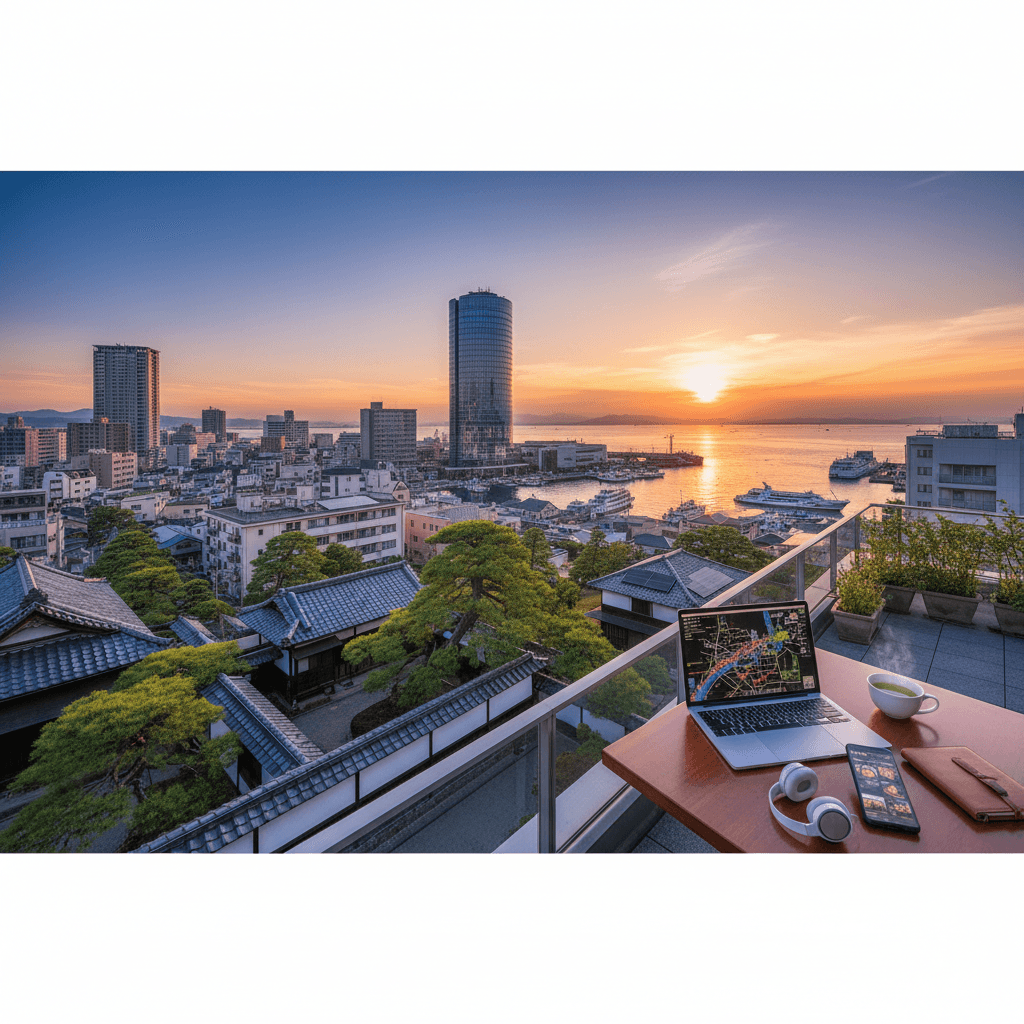
Takamatsu
🇯🇵 Japan