Kaş
🇹🇷 Turkey
The Mediterranean Slow Burn
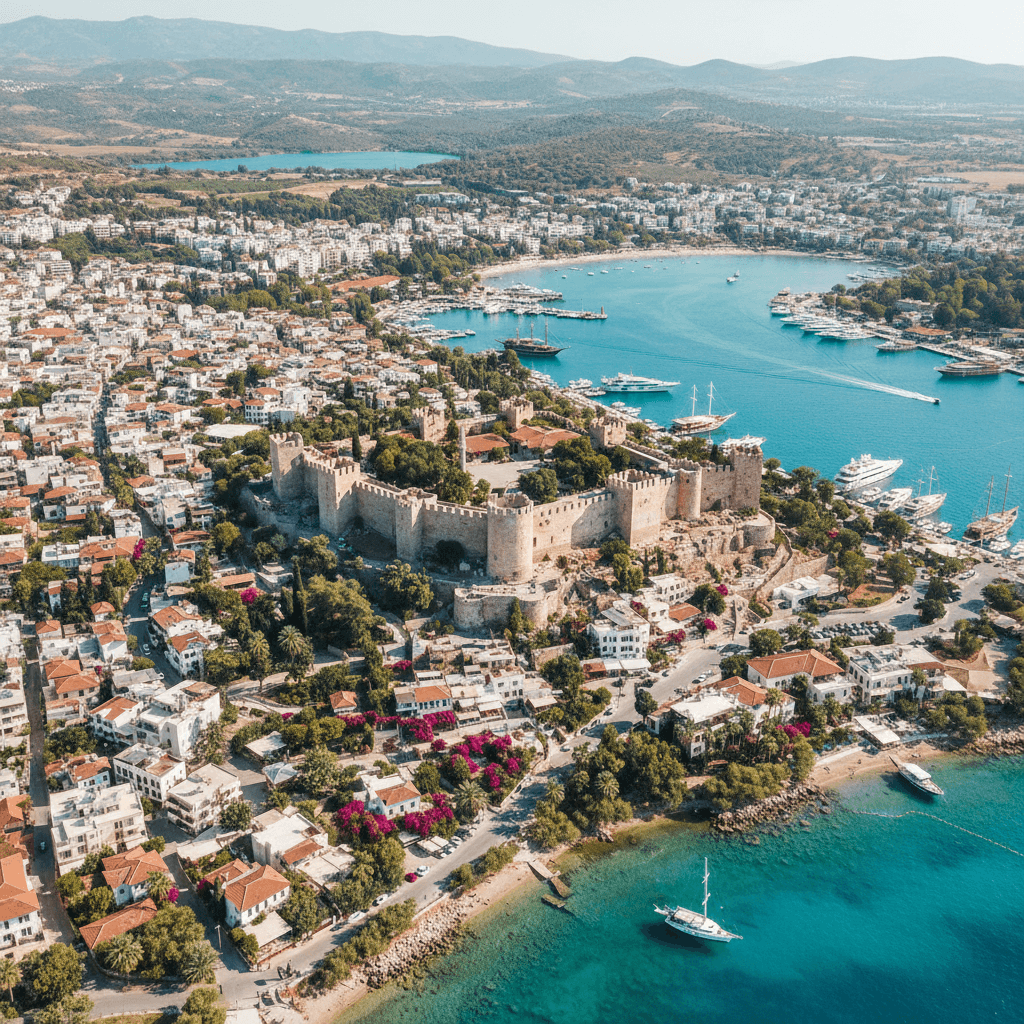
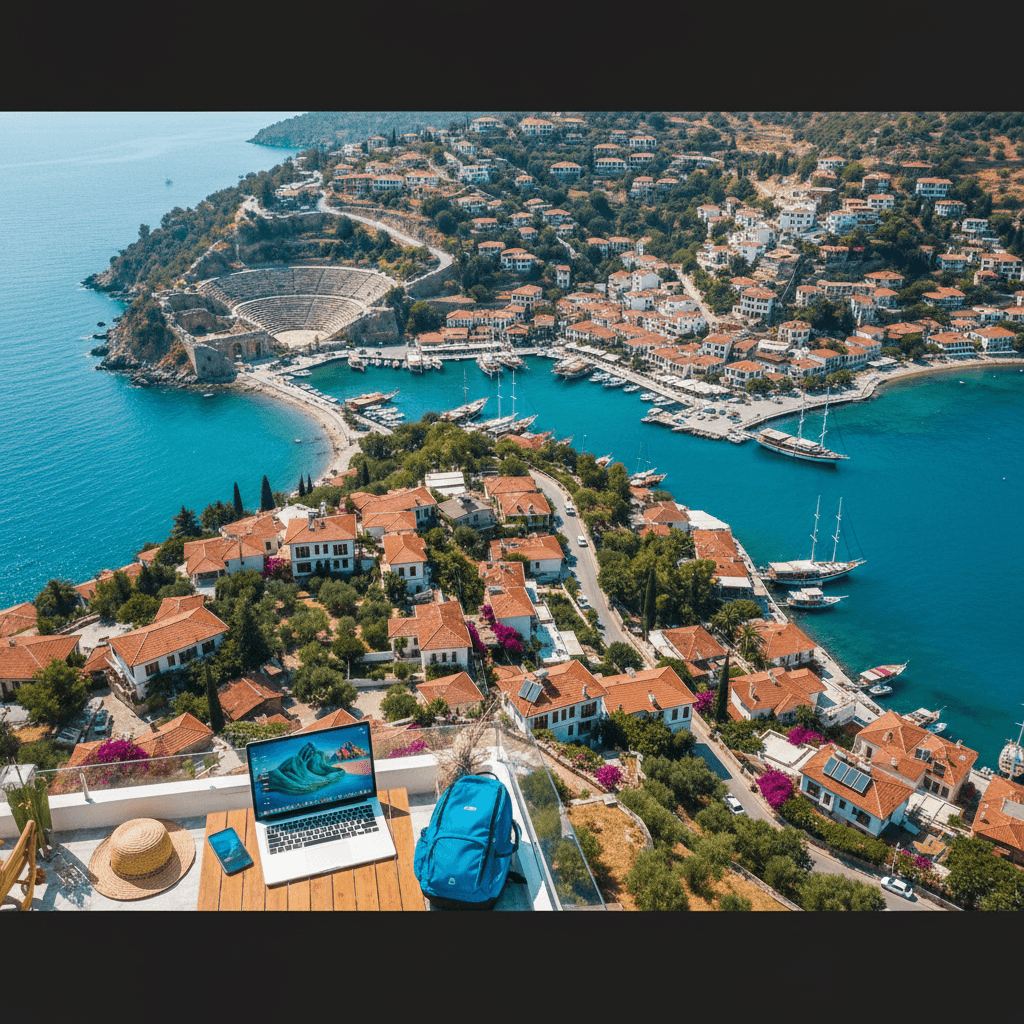
Kaş is the antidote to the frantic energy of Istanbul or the polished resort feel of Antalya. It sits on a rugged stretch of the Lycian coast, a town of whitewashed houses and pink bougainvillea that feels more like a Greek island village than a Turkish mainland hub. For nomads, the appeal isn't just the scenery; it's the pace. This is a place where your morning coffee turns into a two hour conversation with the shop owner, and your "quick" afternoon swim at Kaputaş Beach becomes the entire afternoon's agenda.
The vibe here is bohemian and unpretentious. You'll see divers, hikers, and remote workers mingling in the same waterfront bars. Unlike many Mediterranean hotspots that shut down completely in the winter or become unbearable in the summer, Kaş maintains a year round soul. It attracts a specific type of traveler: people who prioritize diving and mountain air over high end clubs and shopping malls. It's the kind of place where you'll likely find yourself staying for three months when you only planned for two weeks.
Life in the Old Town vs. the Peninsula
Most nomads choose between two distinct areas, each offering a very different daily experience. Your choice depends entirely on whether you want convenience or total isolation.
- Old Town (Çarşı): This is the heart of the action. You're steps away from the harbor, the best cafes, and the Uzun Çarşı market street. It's walkable, social, and perfect if you want to stumble out of your apartment and straight into a workspace. Expect to pay around $800 to $1,200 for a decent monthly rental here.
- Çukurbağ Peninsula: A five minute drive or a steep bike ride from the center, the Peninsula is where you go for luxury villas and silence. It's stunning, but you'll need a scooter to get groceries. Monthly villa rentals here can range from $1,500 to $3,000 depending on the view and the pool.
The Remote Work Reality
Working from Kaş requires a bit of flexibility. While the town is part of Turkey's official Digital Nomad Visa program, the infrastructure is still catching up to the demand. You'll find 5G speeds hitting around 45 Mbps, which is plenty for Zoom calls, but the town's charming stone buildings can sometimes act as Faraday cages for your Wi-Fi signal. Always check the router placement before signing a lease.
The community congregates at spots like Linckia Roastery or Pell's, where the staff is used to seeing laptops. There isn't a massive corporate coworking scene here; instead, you'll find "work friendly" cafes where the unspoken rule is to keep the coffee orders coming if you're taking up a table. If you need a dedicated desk, look for small boutique hubs or shared office spaces that pop up seasonally near the marina.
What Sets Kaş Apart
What truly differentiates Kaş from other nomad hubs like Bali or Lisbon is the sheer accessibility of the outdoors. You can finish a project at 5:00 PM and be underwater at a world class dive site by 5:30 PM. The town is famous for its sunken wrecks and crystal clear visibility. If you prefer land, the Lycian Way trail runs right through town, offering weekend treks to ancient ruins and remote ruins like Patara.
The social scene is centered around the "meyhane" culture. You won't find many thumping basslines here. Instead, you'll find long tables filled with meze, raki, and fresh seafood at places like Tersane or Zaika. It's an intimate, communal way of living that makes it very easy for solo nomads to find a "tribe" within their first week. You aren't just a tourist here; you're part of the village rhythm.
Kaş sits in a sweet spot for nomads who want the Mediterranean lifestyle without the eye-watering price tags of the French Riviera or the Amalfi Coast. While Turkey has dealt with significant inflation recently, your foreign currency still goes a long way here. It is a place where you can live comfortably on a mid-range budget, though you should expect prices to spike during the peak summer months of July and August.
Monthly Budget Estimates
- Budget Nomad: $1,200 to $1,500 per month. This covers a modest studio, eating mostly at local lokantas, and sticking to free activities like swimming at Kaputaş Beach.
- Mid-Range Professional: $2,000 to $2,800 per month. This gets you a modern apartment with a sea view, daily cafe working sessions, frequent dinners out, and a few weekend boat trips or scuba excursions.
- High-End Living: $4,000+ per month. At this level, you are looking at private villas in Çukurbağ Peninsula with infinity pools and high-end dining every night.
Housing and Neighborhoods
Rent is your biggest variable. Most nomads look for "apart-hotels" or private rentals through local Facebook groups or Airbnb. Prices fluctuate wildly between the low and high seasons.
- The Old Town (Çarşı): The heart of the action. You pay for the convenience of being steps away from the harbor and coworking spots. Expect to pay $900 to $1,300 for a decent one-bedroom apartment. It can get noisy at night due to the bars.
- Andifli / Yukarı Pazar: Just a short walk uphill from the center. It is quieter and more residential. You can often find better value here, with apartments ranging from $700 to $1,000.
- Çukurbağ Peninsula: This is where the luxury villas are. It is beautiful but requires a scooter or car to get into town. Rents here often start at $1,800 and go way up.
Food and Drink
Eating out is a highlight of the Kaş experience. If you stick to local spots, it is incredibly affordable. If you frequent the upscale bistros near the marina, costs add up quickly.
- Local Meal: A hearty lunch at a "lokanta" (traditional canteen) like Kaş Gurme Lokantası will cost around $6 to $9.
- Dinner for Two: A nice meal with appetizers and a glass of wine at a place like Naturel usually runs between $40 and $60.
- Coffee: A flat white at a specialty shop like Linckia Roastery is about $3 to $4.
- Beer: A local Efes at a bar costs roughly $4 to $6, while cocktails usually hover around $10 to $12.
Connectivity and Transport
Budgeting for your digital setup and getting around is fairly straightforward. Most nomads find that a local SIM card is a must-have backup for the home Wi-Fi.
- Mobile Data: A Turkcell or Vodafone nomad SIM with a large data package (20GB+) costs roughly $25 to $35 for the initial setup.
- Transport: Kaş is very walkable, but many nomads rent a scooter to explore. Monthly scooter rentals average $250 to $350. The local "dolmuş" (minibus) is the cheapest way to reach nearby beaches, costing less than $2 per trip.
- Groceries: Weekly essentials from markets like Migros or A101 for one person will cost about $40 to $60. Don't miss the Friday local market for the freshest produce at the lowest prices.
One thing to keep in mind is the "foreigner price" that sometimes creeps into long-term rentals. Always try to negotiate, especially if you are staying for three months or more during the shoulder season. Most landlords are happy to have a guaranteed income during the quieter months of October through April.
Kaş isn't your typical sprawling Mediterranean city. It's a compact, walkable town where your choice of neighborhood depends entirely on how much you value a quiet night's sleep versus being three minutes away from your morning espresso. While the town center is the heart of the action, the surrounding hills and the peninsula offer vastly different lifestyles.
For Digital Nomads: The Old Town & Çarşı
If you want to be within walking distance of every workspace and cafe, stay in the center. This area, often referred to as the Old Town or Çarşı, is where you'll find the highest density of reliable WiFi and power outlets. Most nomads gravitate toward Linckia Roastery or Pell's for afternoon deep-work sessions. The vibe here is social; you'll likely run into the same group of remote workers every day at the harbor.
- The Vibe: Social, convenient, and lively. You'll hear the call to prayer and the hum of scooters.
- Rent: Expect to pay between $700 and $1,100 per month for a decent one-bedroom apartment with a balcony.
- Pros: No car needed; everything is within a 10-minute walk.
- Cons: Can be noisy during the peak summer months of July and August.
For Expats and Long-Termers: Çukurbağ Peninsula
The Peninsula (Yarımada) is where the "slow life" actually happens. It's a five-mile loop of road lined with villas and boutique hotels, jutting out into the Mediterranean. Expats who have settled here long-term usually prefer this area because it feels more like a community and less like a tourist hub. You'll need a scooter or a car, as it's a 10-minute drive into town, though the local dolmuş (minibus) runs regularly during the day.
- The Vibe: Quiet, upscale, and breezy. The views of Meis island are unbeatable.
- Rent: Larger villas or modern apartments range from $1,200 to $2,500 depending on pool access and sea views.
- Pros: Incredible sunsets and private sea access points.
- Cons: You're isolated from the main grocery stores and coworking spots.
For Families: Gökseki
Located just a few kilometers west of the town center, Gökseki is a residential hillside neighborhood that offers more space for your money. It’s a favorite for families who want a garden or a larger footprint than the cramped Old Town apartments allow. It feels more like a traditional Turkish village than a resort town, with local markets and a slower pace of life.
- The Vibe: Residential and authentic. It’s where the locals and settled foreign families live.
- Rent: More affordable than the Peninsula, with three-bedroom houses often going for $900 to $1,400.
- Pros: Quiet nights and a more "local" feel.
- Cons: Steep hills make walking difficult; a vehicle is mandatory.
For Solo Travelers: Andifli (Near Küçük Çakıl)
The area surrounding Küçük Çakıl (Little Pebble Beach) is the sweet spot for solo travelers. It’s technically part of the town center but has its own distinct energy. You’re seconds away from the beach clubs where you can spend the day for the price of a coffee, and the bars here are smaller and more intimate, making it easy to meet people. Most of the mid-range pansiyons (guesthouses) are located here.
- The Vibe: Energetic and youthful. Perfect for those who want to swim between meetings.
- Rent: Studio apartments and guesthouses average $600 to $900 per month.
- Pros: Immediate access to the best swimming spots in town.
- Cons: Apartments are often smaller and older than those on the Peninsula.
Connectivity Realities
Internet in Kaş is a bit of a mixed bag. While you won't struggle to send emails or manage your Slack notifications, the speeds aren't going to break any records. Expect average downloads around 25 Mbps on 4G and up to 45 Mbps if you're lucky enough to catch a 5G signal. Most nomads find this sufficient for standard Zoom calls, but if you're uploading massive 4K video files, you might need a bit of patience.
Fiber optics are slowly creeping into the newer builds and luxury villas on the Çukurbağ Peninsula, but in the heart of the Old Town, you're mostly relying on standard ADSL or VDSL. Most apartments and Airbnbs include Wi-Fi in the price, which usually runs about $25 per month for a basic home connection. It's stable enough for daily work, though the occasional power flicker during a summer thunderstorm can knock you offline for a few minutes.
Coworking Spaces and Communities
Kaş doesn't have the massive, corporate coworking hubs you'll find in Istanbul or Antalya. Instead, the scene is intimate and community driven. While dedicated coworking setups are limited, the town's mellow vibe fits those looking for a more informal shared office environment. You can usually find flexible arrangements if you're sticking around for a while.
The lack of big name spaces is actually a plus for some. It forces the nomad community into the local cafes, making it much easier to meet people. You'll often see the same faces every morning, and it's common for a work session to turn into a group dinner at a local meyhane by 7:00 PM.
The Cafe Office Culture
Working from cafes is the standard way of life here. The local business owners are generally very welcoming to laptop users, provided you aren't nursing a single tea for five hours. There are several spots around the harbor and the old town that offer a relaxed atmosphere and decent Wi-Fi for a morning of productivity.
A few things to keep in mind when cafe hopping:
- Power outlets are a commodity. Many of the older stone buildings in the center weren't designed with remote workers in mind. Always show up with a full battery or a portable power bank.
- Peak season noise. During July and August, the central cafes get loud with tourists. If you have an important presentation, stay home or head to a dedicated workspace.
- The "Tea Tax." A Turkish tea (çay) is cheap, usually around $1 to $2, but keep the orders coming to stay in the staff's good graces.
Mobile Data and Backups
Since home Wi-Fi can be temperamental, having a local SIM card is a non negotiable backup. Turkcell generally offers the best coverage in the hilly terrain around Kaş. You can pick up a tourist SIM at one of the shops near the main square. Expect to pay roughly $30 to $40 for a generous data package that will last you a month. Using your phone as a hotspot is often faster than the hotel Wi-Fi, especially in the more tucked away pensions.
If you're planning to stay for the full one year allowed by the Digital Nomad Visa, remember that your foreign phone will eventually be blocked unless you pay the high registration tax. Most long term residents find it cheaper to just buy a basic local handset for their Turkish SIM and use their primary phone on Wi-Fi only.
Staying Safe and Healthy in Kaş
Kaş is widely regarded as one of the safest towns on the Mediterranean coast. Because it's a bit harder to reach than the major resort hubs like Antalya or Fethiye, it tends to attract a more mature, respectful crowd. You won't find the rowdy, late night chaos common in other tourist traps. Most nomads feel perfectly comfortable walking home alone after midnight through the narrow, bougainvillea lined streets of the Old Town.
Violent crime is almost nonexistent here. The biggest "threat" you'll likely face is a persistent shopkeeper or a very friendly street cat looking for a snack. That said, petty theft can happen in crowded areas during the peak summer months of July and August. Keep your belongings close when you're at the public beaches or the crowded Friday market. If you're renting a scooter, always wear a helmet. The winding roads leading out of town toward Kaputaş Beach are stunning but can be dangerous for inexperienced riders.
Medical Facilities and Emergency Care
For a small town, Kaş is surprisingly well equipped to handle medical needs. The primary facility is the Kaş State Hospital (Kaş Devlet Hastanesi), located just a short drive uphill from the town center. It's a modern facility that can handle most emergencies, though for very specialized surgeries or complex long term treatments, patients are often transferred to larger private hospitals in Antalya.
If you have a minor ailment, look for a Eczane (Pharmacy). Turkish pharmacists are highly trained and can often provide consultations and certain medications without a doctor's visit. They take turns staying open for 24 hour shifts, known as the Nöbetçi Eczane. You'll see a sign in every pharmacy window listing which one is on duty for the night.
- Kaş Devlet Hastanesi: Open 24/7 for emergencies. Most staff speak basic English, though having a translation app is helpful.
- Private Clinics: Several private doctors and dentists operate in the center. Prices are very reasonable for those paying out of pocket, with a standard consultation often costing between $40 and $70.
- Dental Care: Many expats actually travel to Kaş specifically for dental work because the quality is high and the costs are significantly lower than in the US or UK.
Water and Food Safety
The tap water in Kaş is generally safe for showering and brushing your teeth, but most locals and long term nomads don't drink it. It has a high mineral content that can be tough on the stomach if you aren't used to it. You can buy 19 liter water jugs for about $2 to $3 delivered to your door, or grab smaller bottles at any Migros or CarrefourSA supermarket.
Food hygiene standards are generally excellent. Since the town relies heavily on repeat visitors and a tight knit expat community, restaurants can't afford to have a bad reputation. You'll find that produce at the local markets is incredibly fresh, often coming from the nearby greenhouses in Demre.
Health Insurance Requirements
If you're applying for the Turkish Digital Nomad Visa or a short term residence permit (İkamet), you are required to have local health insurance. Many nomads opt for basic policies from providers like Ankara Sigorta or Sompo Sigorta to meet the legal requirements. These basic plans usually cost between $80 and $150 per year depending on your age. For better coverage that includes private hospitals, many expats prefer international plans like SafetyWing or Genki, which are widely accepted for reimbursement.
Emergency Numbers
It's smart to keep these numbers saved in your phone as soon as you land. Turkey has unified its emergency services, making it easier for foreigners to get help quickly.
- 112: The universal emergency number for Ambulance, Police, and Fire.
- 157: The YIMER helpline for foreigners, which provides support in English regarding residency and legal rights.
- 176: The Ministry of Culture and Tourism communication center for any travel related complaints or assistance.
The Walkability Factor
Kaş is a rare find in Turkey because it is genuinely walkable. If you stay anywhere near the Old Town (Çarşı) or the harbor, your primary mode of transport will be your own two feet. The center is a maze of narrow, cobblestone streets where cars are often restricted, making it a dream for nomads who hate commuting. You can walk from a morning swim at Küçük Çakıl Beach to your favorite cafe in under ten minutes.
The only time walkability becomes a challenge is when you head up the hill. The town is built into a steep mountainside. If your Airbnb is located in the upper reaches of the Gökseki neighborhood or high above the D400 highway, be prepared for a serious calf workout. Most long-termers living on the hills eventually give in and rent a scooter to avoid arriving at dinner drenched in sweat.
The Dolmuş System
For getting out of the immediate center, the dolmuş is the backbone of local transit. These are small white minibuses that run on set routes. They are cheap, reliable, and very easy to use once you realize you can just wave them down anywhere along their path. You will mostly use the Çukurbağ Peninsula loop or the route heading toward Kaputaş Beach and Kalkan.
- Fares: Most local trips cost between 30 and 60 TL.
- Payment: Cash is still king on the dolmuş, though some routes in the Antalya province are moving toward card systems. Keep small bills or coins handy.
- Frequency: During the peak season (May to October), they run every 15 to 30 minutes. In the winter, the schedule thins out significantly.
Scooters and Car Rentals
If you want to explore the Lycian Way trailheads or visit the ruins at Patara, a set of wheels is a must. Scooters are the preferred choice for nomads because parking in the center is a nightmare. You can find rental shops scattered around the bus station (Otogar) area.
A 125cc scooter typically runs about $20 to $30 per day, though you can negotiate a much better "nomad rate" if you book for a full month. For cars, expect to pay around $40 to $60 per day. Local agencies like Larissa Rent a Car or Tunahan are popular with the expat community. Just remember that the roads winding along the coast are stunning but have tight hairpin turns that require your full attention.
Taxis and Apps
Don't rely on Uber; BiTaksi may have limited availability in the area. Instead, you will find taxi stands at the Otogar and near the harbor. Taxis are metered, but for longer trips to places like Antalya Airport, it is better to agree on a fixed price beforehand. A private transfer to the airport usually costs around $80 to $100 and takes about three hours.
Arrival and Regional Connections
Most nomads arrive via Dalaman Airport (DLM) or Antalya Airport (AYT). Dalaman is closer, about a two hour drive away. The most cost effective way to reach Kaş is the Havaş or Muttas shuttle buses from the airport to the main bus station in Fethiye or Marmaris, followed by a connecting bus to Kaş. If you are coming from other parts of Turkey, the Kamil Koç or Pamukkale bus lines are excellent. They offer comfortable seats, reliable WiFi, and even small snacks, making the long hauls across the Turkish coast much more bearable.
Biking in Kaş
While you might see a few mountain bikers on the trails, Kaş is not a very bike friendly town for daily errands. Between the steep inclines and the summer heat, cycling is more of a sport here than a way to get to work. If you do want to ride, stick to the Çukurbağ Peninsula road, which is relatively flat and offers some of the best sunset views in the region.
Getting By and Connecting
You can breathe a sigh of relief when it comes to the language barrier in Kaş. Unlike the sprawling suburbs of Antalya or the rural villages of the Lycian Way, this town is built on hospitality. Most locals working in the cafes along Uzun Çarşı or the dive shops near the harbor speak functional, often excellent, English. You won't have any trouble ordering a flat white or negotiating a monthly rate on a scooter.
That said, the vibe changes once you step away from the tourist center. If you're heading to the local Friday Market (Pazar) to stock up on olives and cheese, a few Turkish phrases go a long way. The community is tight knit and incredibly welcoming; learning a simple "Merhaba" (Hello) or "Kolay Gelsin" (May it be easy) will instantly transform you from a passing tourist into a respected neighbor.
Mobile Data and Connectivity
Don't rely on your home roaming plan here. Local SIM cards are affordable and the coverage is surprisingly resilient despite the mountainous terrain. You have three main choices, and you'll find their shops clustered near the town square.
- Turkcell: Generally considered the gold standard for nomads. It has the best coverage if you plan on working from the beaches or taking a boat out for the day. Expect to pay around $40 to $50 for a "Tourist Welcome Pack" with 20GB+ data.
- Vodafone: A solid runner up with competitive pricing, though speeds can dip slightly when the town gets crowded in July and August.
- Türk Telekom: Often the cheapest option, but the signal can be spotty once you head up the hill toward the Gökseki neighborhood.
Most nomads pick up a physical SIM at the airport upon arrival, but if you wait until you get to Kaş, bring your passport. Be aware of the 120-day rule in Turkey; if you stay longer and keep using a local SIM in a foreign phone, the government will eventually block your device's IMEI unless you pay a significant registration tax. For most 90-day stays, this isn't an issue.
The Remote Work Reality
The internet situation in Kaş is a bit of a mixed bag. While the town is a designated hub for the Turkish Digital Nomad Visa, the infrastructure is still catching up to the demand. Average speeds hover around 25 Mbps to 45 Mbps. This is plenty for standard Zoom calls and Slack, but if you're uploading 4K video files, you'll need to be patient.
The "office" culture here is dominated by cafes. You'll see plenty of laptops at Suna Coffee or Linckia Roastery. Most owners are cool with you camping out for a few hours, provided you keep the caffeine orders flowing. However, power outlets are a hot commodity. Always charge your gear before heading out, or carry a beefy power bank. If you need a dedicated desk, keep an eye on local Facebook groups like Kaş Digital Nomads; while formal coworking spaces are limited, many boutique hotels and villas now offer "workation" setups with boosted mesh Wi-Fi to lure in the remote crowd.
Useful Apps for Your Stay
To navigate the local communication landscape like a pro, make sure these are on your phone before you land:
- WhatsApp: This is the lifeblood of Turkey. You'll use it to book dentist appointments, order water delivery, and message your landlord.
- BiTaksi: While Kaş is small enough to walk, this is the go to app for hailing cabs if you're staying further out on the Çukurbağ Peninsula.
- Google Translate: The camera feature is a lifesaver for reading Turkish menus or signs at the pharmacy.
- Getir or Yemeksepeti: For those nights when you're too deep into a project to hit the restaurants in the Old Town, these apps are the local standards for food and grocery delivery.
The Sweet Spot: May, June, September, and October
If you want the quintessential Kaş experience without the sweltering heat or the cruise ship crowds, aim for the shoulder seasons. May and June are particularly spectacular because the flora is in full bloom and the Mediterranean starts warming up to a comfortable 21°C (70°F). You can comfortably work from a terrace at Pell's or Linckia Roastery during the day without needing the AC on full blast.
September and October are the favorites for long term nomads. The sea has spent all summer soaking up the sun, reaching its peak temperature of about 26°C (79°F). The chaotic energy of the school holiday crowds dissipates, prices for boutique hotels and Airbnb rentals start to dip, and the air is crisp enough for the Lycian Way hikes. Most digital nomad meetups happen during these windows because the pace of life feels more authentic.
The Summer Sizzle: July and August
Expect temperatures to consistently hover around 30°C to 35°C (86°F to 95°F) during the peak of summer. It is dry, intense heat. If your accommodation doesn't have reliable air conditioning, you'll struggle to stay productive. During these months, the town transforms. It becomes a hub for divers and sailors, and the narrow streets of the Old Town get packed after sunset.
If you're here in July, adopt the local rhythm. Start your deep work at 7:00 AM, finish by 1:00 PM, and spend the hottest part of the day at a beach club like Derya Beach or Cinarlar, where you can jump into the water to cool off between emails. Just be aware that prices for everything from iced lattes to scooter rentals peak during this window.
The Quiet Season: November to April
Kaş doesn't exactly shut down in the winter, but it definitely exhales. Temperatures drop to an average of 10°C to 15°C (50°F to 59°F). While it rarely gets "cold" by northern standards, the humidity and the wind off the water can make it feel damp. This is the rainy season, so expect grey skies and occasional heavy downpours that might knock out the local WiFi for an hour or two.
The upside of a winter stay is the community. The tourists are gone, leaving only the locals and a dedicated group of expats. You'll find it much easier to negotiate a monthly rate on an apartment in the Cukurbag Peninsula or near the Andifli neighborhood. Many restaurants close for renovations, but staples like Oburus Momus often stay open, providing a cozy refuge for remote workers.
Annual Climate Breakdown
- Spring (March to May): Cool mornings, sunny afternoons. Perfect for hikers and paragliders. Water is still chilly.
- Summer (June to August): High heat and high energy. Best for social butterflies and scuba divers. Pack plenty of linen.
- Autumn (September to November): The golden window. Warm water, manageable crowds, and the best light for photography.
- Winter (December to February): Quiet, wet, and affordable. Great for focused deep work or writing projects, but limited social events.
Packing Essentials for Nomads
The vibe in Kaş is decidedly bohemian and casual. You will rarely need anything more formal than a clean linen shirt or a sundress. Because the town is built on a steep hill, leave the heels at home; you'll want sturdy sandals or sneakers for the cobblestones. If you're visiting in the shoulder months, bring a light windbreaker or a hoodie for the evenings, as the temperature drops significantly once the sun goes down behind the Meis island horizon.
Connectivity and Power
Internet in Kaş is a bit of a mixed bag. While you can find 5G speeds reaching 45 Mbps, it is not always consistent across the town. Most nomads find that a local 4G or 5G SIM card is a necessary backup for those days when the cafe WiFi decides to take a siesta. Turkcell is generally the preferred provider for the best coverage in the hilly outskirts, while Vodafone and Türk Telekom offer competitive tourist packages. Expect to pay around $25 for a solid monthly data plan.
Power outages are rare but can happen during heavy winter storms. If you are planning to work from one of the many cafes in the Old Town, keep in mind that many spots are designed for lounging rather than long-term laptop use. You will often find yourself hunting for a seat near a wall outlet, so bringing a fully charged power bank or a long extension cord is a pro move here.
Visa Logistics
Turkey has made things much easier for remote workers with its dedicated Digital Nomad Visa. This allows you to stay for up to one year, provided you meet the income requirements and work for a company based outside of Turkey. For many, the standard 90-day tourist stay on an e-visa is enough for a seasonal stint. If you plan to stay longer, you will need to look into the İkamet (residency permit), though the rules for these can change quickly, so it is best to check the latest government portal before you arrive.
Money and Banking
While Turkey is increasingly digital, Kaş still runs on cash for small purchases like a quick simit or a glass of tea. You will find several ATMs clustered around the main square near the harbor. Most expats recommend using Revolut or Wise to avoid high conversion fees. When an ATM asks if you want to accept their conversion rate, always decline and let your own bank handle the exchange; it will save you a significant amount over a month.
Getting Around
Kaş is incredibly walkable if you stay near the center. The town is built into a steep hill, so your legs will get a workout if your apartment is further up the mountain. For longer trips, the Dolmuş (local minibus) is the lifeline of the region. These run frequently to nearby beaches like Kaputaş or over to the neighboring town of Kalkan. If you want more freedom, renting a scooter for about $15 to $20 a day is the best way to explore the coastline on your own schedule.
When to Go
The sweet spot for Kaş is May to June or September to October. During these months, the weather is a perfect 25°C to 28°C, and the sea is warm enough for a swim after work. July and August can be punishingly hot with temperatures soaring above 35°C, making it hard to focus without a powerful air conditioning unit. Winters are mild but can be surprisingly wet, and many of the more tourist-oriented businesses shut down from November through March.
Health and Safety
Kaş is one of the safest places you can live as a solo traveler or nomad. Violent crime is almost non-existent, and the biggest worry you will likely have is a stray cat trying to steal your breakfast. For medical needs, there is a state hospital on the edge of town that can handle basics, but for anything specialized, most residents head to Antalya. It is always smart to have travel insurance that covers private clinics, which are much faster and often have English-speaking staff.
Language and Community
English is widely spoken in the shops and restaurants of the Old Town, but learning a few Turkish phrases goes a long way with the locals. A simple "Merhaba" (Hello) or "Teşekkürler" (Thank you) will earn you plenty of smiles. The nomad community here is smaller and more tight-knit than in Istanbul or Bali, often gathering at sunset spots or through local WhatsApp groups to organize weekend hikes along the Lycian Way.
Need visa and immigration info for Turkey?
🇹🇷 View Turkey Country GuideHidden Gem
Worth the effort
Monthly Budget Estimates
More cities in Turkey
Konya
🇹🇷 Turkey
Adana
🇹🇷 Turkey
Mersin
🇹🇷 Turkey