João Pessoa
🇧🇷 Brazil
The First Light of Brazil
There is a specific kind of quiet in João Pessoa that you won't find in the frantic streets of Rio or the concrete sprawl of São Paulo. As the easternmost point of the Americas, this is where the sun hits Brazil first. If you're an early riser, you'll share the 5:00 AM sunrise with locals jogging along the Tambaú boardwalk before they head to the office. It sets a tone for the rest of the day: productive, healthy, and remarkably unhurried.
Most nomads come here looking for a "Goldilocks" city. It is large enough to have modern hospitals and high-speed fiber internet, but small enough that the mayor once banned skyscrapers on the waterfront to protect the breeze and the view. You get the infrastructure of a state capital without the aggressive edge of a metropolis. It feels like a coastal town that grew up without losing its soul.
The Daily Rhythm
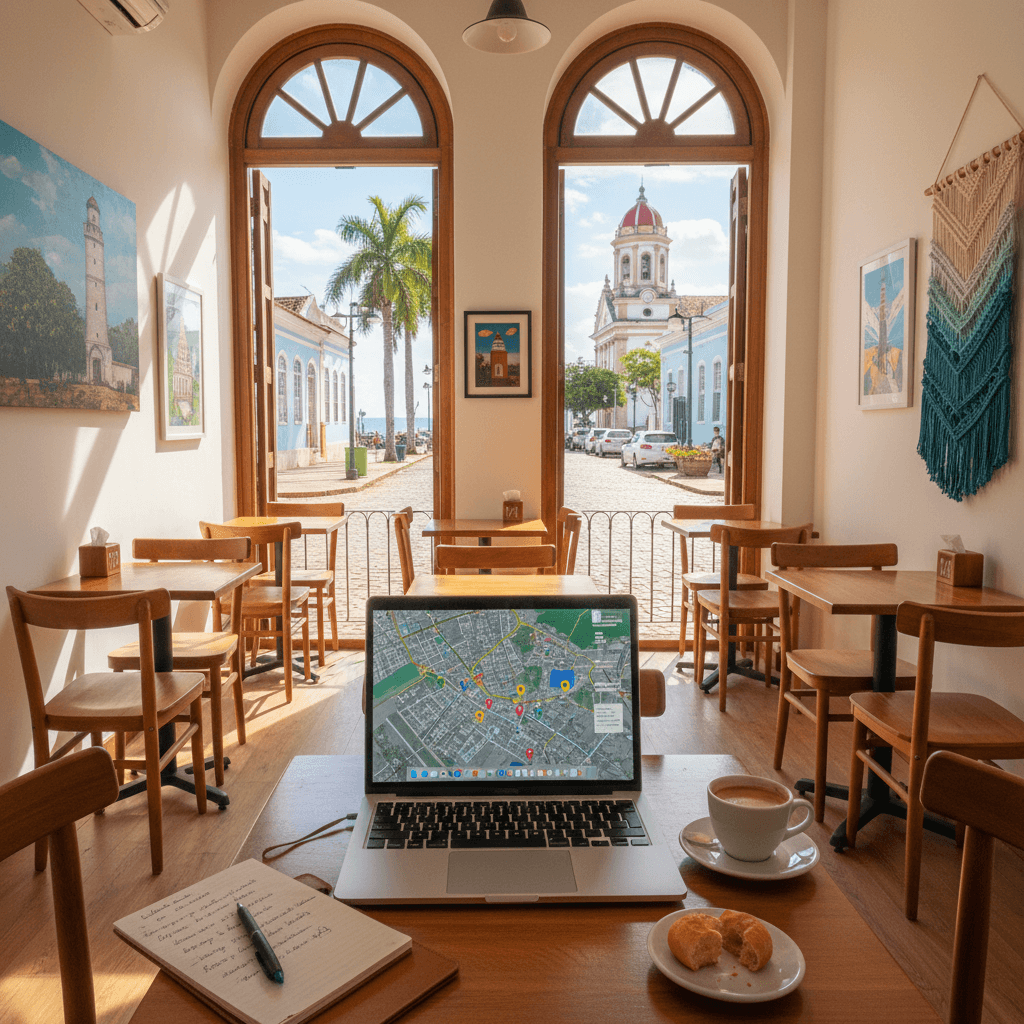
The vibe is defined by a deep connection to the water. You'll likely spend your mornings working from a cafe in Manaíra, where the internet averages a reliable 94 Mbps, and your late afternoons watching the sky turn purple. The local culture revolves around the "orla" (the beachfront). Even on weekdays, the kiosks are full of people drinking coconut water and eating fresh pastéis after work.
The emotional heart of the city is arguably Praia do Jacaré. Every evening, a local musician named Jurandy del Rio rows out into the river on a small boat and plays Ravel's Bolero on a saxophone as the sun dips below the horizon. It sounds like a tourist trap, but even long-term expats find themselves drawn back to it. It is a daily permission slip to stop working and just exist.
Living Costs & Logistics
João Pessoa is one of the most affordable coastal capitals in Brazil. While your monthly budget will likely hover around $2,100 for a comfortable lifestyle, your money goes significantly further here than in the south.
- Housing: A modern studio in Tambaú or a beachfront apartment in Manaíra typically runs between R$2,000 and R$3,500 per month.
- Food: You can grab a quick street food lunch for R$15, while a high-end dinner in Manaíra will cost around R$80.
- Connectivity: HUB360 and Connect Coworking are the primary hubs for remote work, with day passes starting around R$30.
The Nomad Reality Check
It is important to be realistic about the social scene. Unlike Florianópolis or Medellín, there isn't a massive, ready-made digital nomad community here. You won't find five different "Nomad Meetup" events every week. Most people you meet will be Brazilians on vacation or retirees from Europe. To thrive here, you need to be comfortable with your own company or willing to brush up on your Portuguese to befriending the locals.
English isn't widely spoken once you step away from the hotel reception desks. You'll want Google Translate downloaded for offline use and a local SIM card from Claro or Vivo, which costs about R$50 for a month of data. If you can handle the initial language barrier, the reward is a level of safety and authentic Brazilian hospitality that is increasingly hard to find in the bigger hubs.
Why João Pessoa?
This city is for the nomad who is burnt out on "hustle culture." It's for the person who wants to spend September through February in constant sunshine, walking to the grocery store in flip-flops, and working from a balcony that smells like salt air. It’s a place where the cost of living is low, the safety is high, and the pace of life actually allows you to enjoy the work-life balance you moved abroad to find.
The Bottom Line on Your Budget
Living in João Pessoa is a breath of fresh air for your bank account, especially if you're coming from high cost hubs like São Paulo or Florianópolis. Most digital nomads find they can live a very comfortable, high quality life here on a monthly budget of around $2,100. If you're more budget conscious, you can easily shave that down to under $1,800 without feeling like you're missing out on the coastal lifestyle.
The local currency is the Brazilian Real (BRL). While prices fluctuated over the last year, the city remains one of the most affordable state capitals in Brazil. You'll get the most value by staying for at least a month and booking through platforms like Zap Imóveis or negotiating monthly rates on Airbnb.
Housing and Neighborhoods
Your biggest expense will be rent, and prices vary significantly based on how close you are to the sand. Manaíra and Tambaú are the primary choices for remote workers because they're walkable and packed with amenities.
- Manaíra: This is the sweet spot for many expats. It's lively and full of bars. A studio or one bedroom apartment on the outskirts costs between R$1,500 and R$2,000. If you want a beachfront view in a modern building, expect to pay R$3,000 or more.
- Tambaú: This area feels a bit more touristy and polished. Rents for a mid range apartment typically fall between R$2,000 and R$3,000. It's incredibly safe and convenient, which explains the premium.
- Historic Center: If you don't mind being away from the beach, you can find colonial style stays for much less, though the nomad infrastructure like high speed mesh networks is less common here.
Eating and Drinking
Food is where João Pessoa really shines for the budget traveler. You can eat incredibly well for very little if you stick to local spots and beach kiosks.
- Street Food: Grab an acai bowl or a couple of savory pastéis for R$10 to R$20. It's the perfect quick lunch between Zoom calls.
- Mid Range Dining: A solid meal at a beach kiosk or a casual sit down spot in Tambaú will run you R$30 to R$50.
- Upscale Options: For a high end dinner in Manaíra with wine and fresh seafood, expect to spend R$80 or more per person.
- Groceries: If you prefer cooking at home, a weekly shop for one person usually totals about R$200 to R$300 at local supermarkets like Pão de Açúcar.
Transport and Connectivity
Getting around is cheap and efficient. Most nomads rely on Uber because it's reliable and safer than waiting for buses late at night. A typical short trip across the beach neighborhoods costs between R$20 and R$40. If you're on a strict budget, the public bus is only R$4.50 per ride.
For work, the internet is surprisingly fast, averaging around 94 Mbps across the city. You won't have trouble with video calls at most cafes. If you need a dedicated desk, coworking spaces like HUB360 or Connect Coworking offer day passes for R$30 to R$50. Monthly memberships generally range from R$400 to R$800 depending on how many perks you need.
Day to Day Essentials
Don't forget the small stuff that keeps your life running. A prepaid SIM card from Claro or Vivo will cost about R$50 a month for plenty of data. For managing your money, travelers often recommend using Wise or Revolut to handle transfers, though setting up a Nubank account is a popular move for those staying long term on a digital nomad visa. For health, a visit to a quality private facility like Hospital Universitário is affordable, but it's always smarter to have international remote work insurance covering you.
For Digital Nomads and Remote Workers: Manaíra
Manaíra is the undisputed hub for anyone carrying a laptop. It strikes a perfect balance between a functional urban neighborhood and a laid back beach retreat. Most nomads settle here because it's the most walkable part of the city, packed with beachfront bars, high end gyms, and the city's best dining scene.
- Rent: Expect to pay around R$1,500 to R$2,000 for a modest studio on the outskirts, jumping to R$3,000 or more for a modern apartment with a sea view.
- Work Spaces: You'll likely spend your afternoons at HUB360 or Connect Coworking, where day passes run between R$30 and R$50. For a more casual vibe, Oliva Café Boutique MAR is a favorite for its reliable Wi-Fi and excellent espresso.
- Atmosphere: It's vibrant during the week but can get crowded on weekends. While it's generally safe, travelers recommend staying alert for petty theft near the beach after dark.
For Families and Comfort Seekers: Tambaú
If you're traveling with kids or just want a polished, secure environment, Tambaú is the place to be. It's home to luxury stays like Nord Luxxor Tambaú and the eco friendly Verdegreen. The beaches here are calmer and cleaner, making them ideal for morning swims before the sun gets too intense.
- Rent: This is the premium side of town. Mid range apartments typically start at R$2,000 to R$3,000.
- Amenities: Everything is at your doorstep, from high end pharmacies like Droga Raia to curated shopping centers. The infrastructure is the most reliable in the city, which justifies the higher price tag.
- Safety: Expats often rank this as the safest neighborhood for evening strolls, though using Uber for trips longer than a few blocks is still the standard move.
For Solo Travelers and Culture Seekers: The Historic Center
If you'd rather be surrounded by colorful colonial architecture than modern high rises, look toward the city's roots. The Historic Center is perfect for short stays where you want to soak up the local soul. It's much more affordable than the coast, though it lacks the dedicated nomad infrastructure found in Manaíra.
- Cost: You'll find the city's cheapest eats here, with local spots serving R$10 pastéis and traditional meals for under R$30.
- The Vibe: It's beautiful and quiet during the week, but keep in mind that it can feel a bit isolated at night once the shops close. It's a great spot for photographers and history buffs who don't mind taking a R$20 Uber to get to the beach.
For the Sunset Crowd: Jacaré
While not a traditional residential choice for long term stays, Jacaré is where everyone ends up on the weekend. It's famous for the riverfront sunset where Jurandy do Sax plays Ravel's Bolero from a rowing boat. It's a bit further out, so you'll need to rely on ride hailing apps to get back to the main tourist zones.
- Best For: Expats looking for a change of pace or travelers who want to experience the local "river beach" culture.
- Logistics: Housing is limited here, so most people visit for the day. A trip from the beach neighborhoods usually costs between R$30 and R$40 via Uber.
Connectivity and Speed
You won't have to worry about dropping off a Zoom call in João Pessoa. The city surprisingly punches above its weight for internet reliability, with average speeds hovering around 94 Mbps. Most modern apartments in Manaíra and Tambaú come equipped with fiber optic connections that handle heavy uploads and video conferencing without a stutter. If you're staying in a local Airbnb, just double check that they've upgraded from basic DSL, but generally, the infrastructure is solid.
For mobile data, don't rely on your home roaming plan. Grab a local SIM card from Claro or Vivo as soon as you settle in. You can pick these up at the airport or various kiosks in the Manaíra Shopping mall for about R$10 to R$50. A monthly prepaid plan with plenty of data usually runs around R$50 to R$100. Vivo tends to have slightly better coverage if you're planning day trips to more remote beaches like Tambaba.
Top Coworking Spaces
The nomad community here is still on the smaller side, so the coworking spaces double as your primary social hubs. You won't find the massive crowds of Florianópolis, which means more desk space and a quieter environment for deep work.
- HUB360: This is the go-to spot for serious professionals. It's modern, has ergonomic seating, and offers a reliable backup power system. Day passes usually cost between R$30 and R$50, while a dedicated monthly desk sits around R$400 to R$600.
- NewWork Coworking: A professional and well-equipped space that caters to local entrepreneurs and remote workers alike. It offers a productive atmosphere and is a reliable choice for those needing a dedicated office environment in the city.
- Selina (Nearby): While there isn't a Selina in João Pessoa proper yet, many nomads keep an eye on the region's growing infrastructure. For now, local boutique hubs are your best bet for a dedicated office setup.
Laptop-Friendly Cafes
If you prefer the hum of a coffee shop over a quiet office, João Pessoa has some excellent spots where nobody will give you the side-eye for staying a few hours. The "work from cafe" culture is growing, especially near the coast.
- Oliva Café Boutique MAR: This is a favorite for many remote workers. The coffee is excellent, the WiFi is snappy, and the views of the water provide a perfect backdrop for clearing your inbox.
- Manaíra/Tambaú Waterfront: Many of the kiosks along the beach have decent WiFi, but they're better for light admin work or answering emails rather than high-stakes meetings due to the ocean breeze and background music.
- Local Bakeries (Padarias): In the mornings, larger padarias in Manaíra offer breakfast buffets and surprisingly stable WiFi. It's a very "local" way to work for an hour or two while fueled by pão de queijo and strong Brazilian coffee.
Digital Nomad Community & Networking
The social scene for remote workers is still in its infancy. You won't find daily nomad meetups or "workation" retreats here yet. Most people find their tribe by hanging out at HUB360 or joining local Facebook groups and InterNations chapters. Since the crowd is thin, the connections you do make tend to be more intentional.
If you're looking to meet people, head to Praia do Jacaré on the weekends. While it's a tourist spot for the sunset, it's where everyone converges, and it's the easiest place to strike up a conversation with expats and locals alike. For managing your finances while working here, most expats recommend using Wise or Revolut for daily spending, as they're widely accepted and offer much better rates than local bank exchanges.
Staying Safe in the Sun and City
João Pessoa is widely regarded as one of the safest state capitals in Brazil. It lacks the intense, frantic energy of Rio or Recife, which translates to a significantly lower violent crime rate. Most nomads feel comfortable walking around the primary beach neighborhoods during the day, and the local police presence is visible in tourist-heavy spots like the Tambaú boardwalk.
Even with its reputation for tranquility, you shouldn't let your guard completely down. Petty theft, like phone snatching or bag grabbing, can happen if you're distracted. Expats recommend keeping your smartphone tucked away while walking and avoiding flashy jewelry. If you're heading out for a night at the beachfront bars in Manaíra, take an Uber instead of walking back to your apartment, even if it's only a few blocks away. It's a cheap precaution that locals also follow.
- Safe Zones: Tambaú and Manaíra are the most secure areas for foreigners, featuring well lit streets and active foot traffic.
- Areas to Avoid: Stay clear of the outer favelas and peripheral neighborhoods that lack infrastructure. The historic center is beautiful by day but gets eerily quiet and less secure after dark.
- Night Safety: Stick to the main beach drags where the kiosks are open. If a street looks deserted, it's best to avoid it.
Healthcare Infrastructure
The healthcare system in João Pessoa is surprisingly robust for a city of its size. You'll find a mix of public facilities and high quality private hospitals. While the public system (SUS) is free and available for emergencies, most digital nomads and expats opt for private care. It's faster, more comfortable, and the equipment is modern.
Hospital Universitário is a major landmark for medical care, but for routine issues or private consultations, you'll find plenty of specialized clinics in the Miramar and Estados neighborhoods. If you need a specialist, many doctors take walk ins or can schedule you within a few days. Prices for a private consultation typically range from R$200 to R$400 if you don't have local insurance.
- Pharmacies: Chains like Droga Raia and Pague Menos are everywhere. They're often open 24/7 and stock everything from international medicine brands to high end skincare.
- English Proficiency: Don't expect nurses or administrative staff to speak English. Most high level doctors will have some proficiency, but having a translation app ready is a smart move.
- Emergency Numbers: Dial 192 for an ambulance (SAMU) or 190 for the police.
Health Tips for the Tropics
Since João Pessoa is the easternmost point of the Americas, the sun hits hard and early. Dehydration and sunburn are the most common health "emergencies" for newcomers. Locals start their day at 5:00 AM to exercise before the heat becomes oppressive. If you're out during the middle of the day, carry water and wear high SPF sunscreen.
Tap water isn't recommended for drinking. Most nomads buy 20 liter jugs for their apartments or use a high quality filter. While the city is generally clean, mosquito borne illnesses like Dengue can flare up during the rainy season from April to July. Using repellent during those months is a simple way to stay out of the hospital.
Key Contacts and Locations
- Hospital Unimed JP: A top tier private hospital often used by those with international insurance.
- Pronto Socorro: Look for these signs for 24 hour urgent care clinics.
- Droga Raia: The most reliable pharmacy chain for finding specific prescriptions.
Getting Around the Easternmost Point
João Pessoa is a breath of fresh air for anyone tired of the gridlock in São Paulo or the chaotic traffic of Rio. It's a city designed for a slower pace, where the streets are cleaner and the urban planning actually prioritizes green space. Most nomads find that they can navigate the city with a simple mix of walking, occasional Ubers, and the rare bus ride.
On Foot and Two Wheels
If you're staying in Tambaú or Manaíra, your feet are your best friends. These neighborhoods are incredibly walkable, with flat streets and a stunning beachfront boardwalk that stays active from sunrise until late at night. It's common to see remote workers taking a "walking meeting" along the coast or strolling between their apartment and a seaside cafe like Oliva Café Boutique MAR.
For longer stretches along the shore, the city's bike culture is thriving. The dedicated bike lanes make it safe and easy to cruise from the hotel zones down to the quieter southern beaches.
Ride-Hailing and Taxis
Uber is the undisputed king of transport here for expats and travelers. It's reliable, available 24/7, and remarkably affordable compared to North American or European standards. Most short hops between the beach districts and the historic center will cost you between R$20 and R$40.
- Airport Transfers: A ride from Castro Pinto International Airport to the beachfront takes about 20 to 30 minutes and typically costs R$50 to R$70.
- Late Night: While the city is safer than many of its neighbors, expats recommend taking an Uber after dark rather than walking through quieter residential streets.
- 99: This is a local ride-hailing alternative to Uber that sometimes offers better rates during peak hours.
Public Transit
The municipal bus system is efficient enough for those on a strict budget, with a flat fare of R$4.50 per ride. While the buses cover almost every corner of the city, they can get crowded during the humid afternoon rush. If you plan on staying for a few months, you can pick up a monthly pass for around R$100, though most nomads find the convenience of ride-hailing worth the extra spend.
Day Trips and Beyond
When you want to escape the city limits, you'll need to think beyond the local bus. To see the famous sunset at Praia do Jacaré or visit the Fortaleza de Santa Catarina in Cabedelo, an Uber is your most straightforward bet. However, for a trip to the nudist beach at Tambaba, which is about two hours away, you're better off renting a car for the day or joining a small tour group.
Be aware that João Pessoa is somewhat isolated from Brazil's major southern hubs. While it's easy to get around the city, flying to places like São Paulo or Florianópolis can be surprisingly expensive if you don't book well in advance. Keep an eye on domestic flight prices if you plan to use João Pessoa as a base for wider Brazilian exploration.
The Reality of the Language Gap
In João Pessoa, Portuguese is the only game in town. Unlike the polyglot hubs of Rio or São Paulo, English proficiency here is remarkably low, even in the upscale pockets of Tambaú and Manaíra. You'll find that hotel receptionists and some staff at high end spots like Manaira Palace might speak some English, but your average barista at Oliva Café Boutique MAR or the driver taking you to Praia do Jacaré likely won't.
Most nomads find that this isn't a dealbreaker, but it does require a different approach to daily life. You can't wing it with just English here. The locals are incredibly patient and friendly, often going out of their way to understand a clumsy "Portuñol" or a series of hand gestures, but you'll feel a significant barrier if you don't pick up the basics.
Survival Tools and Tech
Since you won't find many English menus or signage, your phone is your best friend. Expats recommend downloading Google Translate for offline use immediately. The camera feature is a lifesaver for translating supermarket labels or the daily specials at beach kiosks.
For communication with landlords on Zap Imóveis or chatting with locals, WhatsApp is the universal standard in Brazil. If you're messaging a coworking space like HUB360, don't be afraid to use a translator to send your initial inquiry in Portuguese. It shows respect for the local culture and usually gets a faster response.
Essential Phrasebook
You'll want to master these basics to get through a standard day at the beach or the market:
- Olá / Tudo bem? (Hello / How are you?): The standard opener for every interaction.
- Obrigado (if you identify as male) or Obrigada (if you identify as female): Thank you.
- Quanto custa?: How much does it cost? Use this at the street markets for your R$15 acai bowls.
- A conta, por favor: The bill, please.
- Você fala inglês?: Do you speak English? (Don't be surprised if the answer is a polite "não").
Social Dynamics and Nuance
Communication in Paraíba is warm and physical. When meeting people at local festivals like São João, expect cheek kisses and plenty of touch. It's a "high-context" culture where the vibe of the conversation often matters as much as the words. Locals appreciate it when you try to learn their tongue, so even a few mispronounced words will earn you a lot of goodwill.
If you're planning to stay for more than a month, investing in a few private Portuguese lessons is the best move you can make. It transforms the city from a beautiful backdrop into a place where you can actually build a community, which is vital since the formal digital nomad scene is still quite small.
Practical Connectivity
To keep your translation apps running, get a local SIM card as soon as you drop your bags. Most travelers suggest Claro or Vivo. You can grab a starter chip for about R$10 to R$20 at most pharmacies like Droga Raia. To top it off with an unlimited data plan, expect to pay around R$50 per month. Just keep in mind you often need a CPF (Brazilian tax ID) to register a SIM; many nomads ask a local friend or their Airbnb host to help them bypass this hurdle at a branded store.
What to Expect on the Thermometer
João Pessoa is the easternmost point of the Americas, meaning it's the first place in Brazil to see the sun every day. You'll find a tropical climate that stays consistently warm, with temperatures generally hovering between 24°C and 30°C (75°F to 86°F) throughout the year. The humidity is high, but the constant Atlantic breeze in neighborhoods like Tambaú and Manaíra keeps the air moving so it rarely feels stifling.
The seasons here don't follow the traditional four-stage cycle. Instead, the year is split into a long, sun-drenched dry season and a shorter, intense rainy season. Even during the cooler months, you'll rarely need more than a light hoodie for air-conditioned coworking spaces like HUB360 or Connect Coworking.
The Golden Window: September to February
If you're looking for postcard-perfect beach days and reliable Wi-Fi without the sound of rain drumming on the roof, aim for the window between September and February. This is the dry season, characterized by deep blue skies and calm turquoise waters. It's the peak time for nomads who want to balance morning deep-work sessions with afternoon swims at Praia do Bessa.
January is the hottest month, with highs reaching 30°C. It's also when the city is liveliest, as Brazilian families flock to the coast for summer holidays. While the energy is great, expect higher prices for short-term Airbnbs and busier tables at beachfront kiosks. If you want the sun without the crowds, November is often the sweet spot for finding better monthly rates on apartments.
The Rainy Season: April to July
The clouds roll in heavily starting in April, peaking in June, which is statistically the wettest month of the year. Unlike some tropical destinations where it rains for an hour and clears up, João Pessoa can experience grey, overcast days with persistent downpours during this stretch. The ocean can get a bit murky, and the humidity spikes, making high-quality air conditioning a non-negotiable for your workspace.
However, June is also the month of São João. This is one of the biggest cultural celebrations in Northeast Brazil. Despite the rain, the city comes alive with traditional forró music, square dancing, and street food like pamonha and canjica. If you don't mind carrying an umbrella, it's a fantastic time to see the local culture at its most authentic.
Planning Your Arrival
For most remote workers, the transition months of August and March offer a decent compromise. In August, the rains begin to taper off and the Festa das Neves brings concerts and street fairs to the historic center. By March, the summer heat begins to mellow, though you might catch the tail end of some tropical storms.
- Best for Beach Lovers: October to January for crystal clear water and 30°C heat.
- Best for Culture Seekers: June for the São João festivals, despite the heavy rain.
- Worst Time for Hiking/Outdoor Activities: May and June, when trails can become muddy and outdoor events are frequently rained out.
- Sunlight Note: Because of its eastern position, the sun rises around 5:00 AM and sets early, usually by 5:30 PM. You'll want to start your day early to make the most of the light.
Expats who stay year-round suggest that while the rainy season can feel a bit isolating, the affordability of the city doesn't fluctuate wildly. You'll still find Uber rides for R$20 to R$40 and fresh acai for R$15 regardless of the month, making it a stable base for those on a budget who don't mind a few months of indoor productivity.
Getting Connected
Staying online is straightforward here. Most nomads pick up a SIM card from Claro or Vivo at the airport or a local shopping mall. You can grab a starter kit for R$10 to R$50, and unlimited monthly data plans usually run between R$50 and R$100. For managing your finances, Wise and Revolut work flawlessly for daily spending, while the Nubank app is the local favorite if you need a Brazilian account.
Internet and Workspace
With average speeds around 94 Mbps, you won't struggle with video calls. If you need a professional environment, HUB360 and Connect Coworking are the top picks. Day passes cost between R$30 and R$50, while monthly desks range from R$400 to R$800 depending on the level of "premium" you're after. For a more relaxed afternoon, Oliva Café Boutique MAR is a reliable spot to work with a view and solid WiFi.
Cost of Living
João Pessoa is significantly more affordable than Rio or Florianópolis. A comfortable monthly budget sits around $2,100. Here is what you can expect to pay:
- Housing: A studio in the outskirts of Manaíra costs R$1,500 to R$2,000. For a beachfront spot in the same neighborhood, expect R$3,000 or more.
- Dining: Street food like acai or pastéis costs R$10 to R$20. A mid range meal at a beach kiosk is about R$30 to R$50, while high end dining in Manaíra starts at R$80.
- Transport: Bus rides are R$4.50. Most nomads rely on Uber, with short trips costing R$20 to R$40.
Safety and Health
This is one of the safer state capitals in Brazil, but you should still use common sense. Stick to well lit areas in Tambaú and Manaíra at night and avoid showing off expensive tech or jewelry on the street. If you need medical care, Hospital Universitário is highly regarded, and you will find a Droga Raia pharmacy on almost every major corner. In an emergency, dial 192 for an ambulance or 190 for the police.
Navigating the City
The beach neighborhoods are highly walkable, but for everything else, Uber is the dominant way to get around. It is cheap and reliable. A ride from Castro Pinto Airport to the city center takes about 30 minutes and costs R$50 to R$70. If you want to explore further, the public buses are efficient for R$4.50, and you can rent bikes or scooters via the Yellow or Grin apps for a few Reais an hour.
Language and Culture
Portuguese is the only language you will hear consistently. English proficiency is low even in tourist areas, so keep Google Translate handy. A few basics go a long way: "Olá" for hello and "Quanto custa?" for asking prices. Locals are famously friendly and usually greet each other with cheek kisses. If you are planning a long term stay, look into the Brazil digital nomad visa, which allows you to live here while working for a company back home.
Best Times to Visit
The weather is tropical and warm year round, usually hovering between 24°C and 30°C.
- September to February: The best window. It is dry, sunny, and perfect for beach life.
- April to July: The rainy season. Expect heavy downpours, especially in June.
- Festivals: Plan to be here in June for the São João celebrations or August for the Festa das Neves street fairs.
Housing Tips
For short stays, Airbnb is the easiest route. If you are staying longer, check Zap Imóveis or Punta.app for local listings. Nomads often recommend booking a month at a time to negotiate better rates. Manaíra is the top choice for its nightlife and walkability, while Tambaú is better for those who want a quieter, more family oriented atmosphere.
Need visa and immigration info for Brazil?
🇧🇷 View Brazil Country GuideHidden Gem
Worth the effort