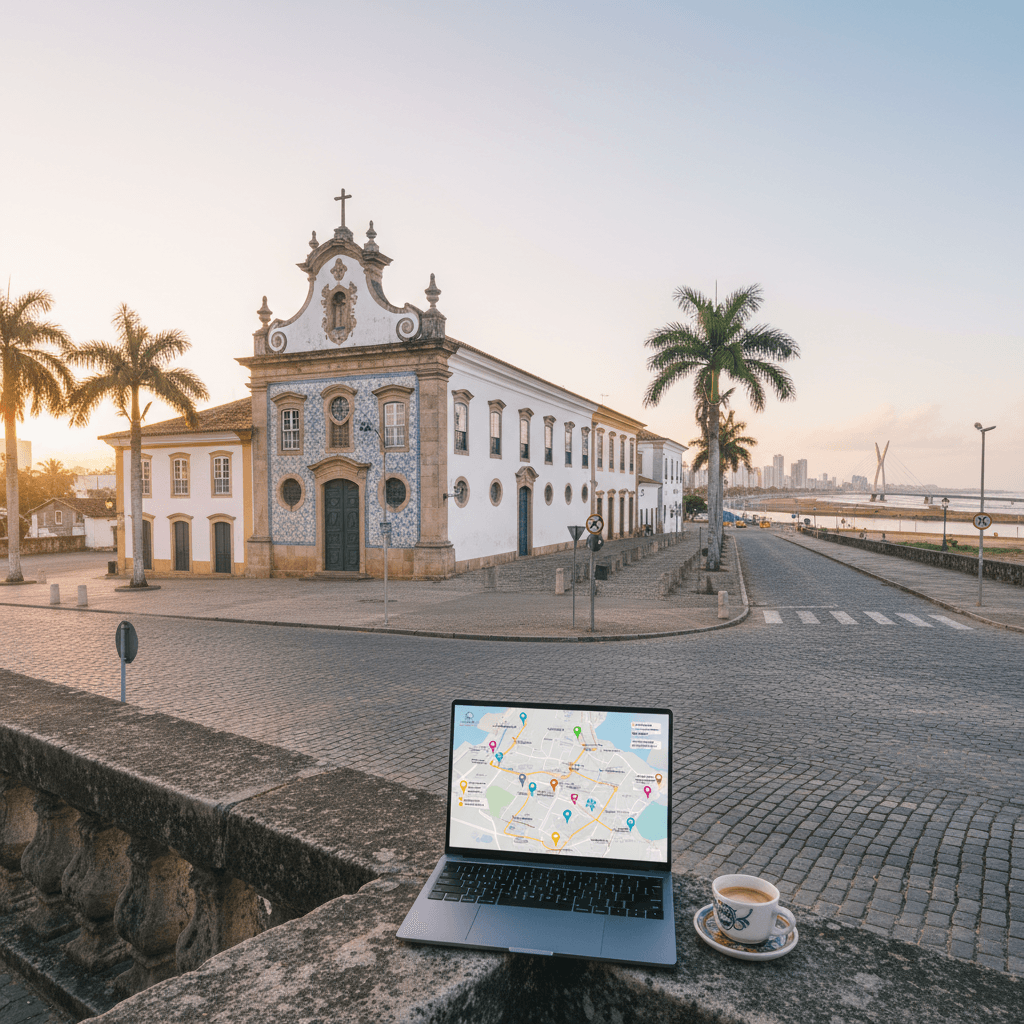
João Pessoa
🇧🇷 Brazil
João Pessoa is where Brazil wakes up first. As the easternmost point of the Americas, the sun hits the shoreline here before anywhere else in the country, setting a rhythm that is surprisingly mellow for a state capital. Locals call it the "First City of the Sun," but for digital nomads, the real draw is the rare combination of a tropical paradise that actually feels safe and affordable. It lacks the chaotic energy of Rio or the concrete intensity of São Paulo; instead, you get a clean, green, and sustainable city where the ocean is always the main character.
The vibe is decidedly low-key. You'll spend your mornings watching the sunrise over the Atlantic, your afternoons working from breezy cafes in Manaíra, and your evenings at a beach kiosk with a cold drink. It is a place for those who want to escape the "nomad bubble" and actually live like a local. While the community is growing, it is still small. You won't find the massive networking events of Lisbon or Medellín here, but you will find a genuine, welcoming atmosphere where people actually take the time to talk to you.
The Cost of Daily Life
Your money goes significantly further here than in Brazil's southern hubs. Most long-term travelers find they can live a high-quality life for a fraction of what they would pay in Europe or North America. Real estate prices are creeping up as more people discover the city, but it remains a bargain for those earning in USD or Euros.
- Budget Tier (R$3,000 to R$5,000/mo): Best for those staying inland or in the Centro Histórico. You'll eat mostly street food like R$15 pastels and use the efficient bus system at R$5.45 per ride.
- Mid-Range (R$5,000 to R$8,000/mo): This is the sweet spot for most nomads. You can snag a modern 1BR in Tambaú for R$2,500 to R$4,000, eat at beachside kiosks for R$30 to R$50, and rely on Uber for most trips.
- Comfortable (R$8,000+/mo): This gets you a high-rise oceanfront apartment in Manaíra, dinners at upscale fusion spots for R$100+, and full-time access to premium coworking spaces.
Where to Plant Your Flag
Most nomads gravitate toward the coast, but each neighborhood has a distinct personality. If you want to be where the action is, stick to the urban beaches.
- Manaíra: The top pick for expats and remote workers. It is walkable, packed with modern condos, and home to the best dining and coworking spots. It is busier than other areas, but the convenience is hard to beat.
- Tambaú: Great for solo travelers who want to be in the heart of the tourist scene. It is famous for its urban beaches and the Nord Luxxor Tambaú hotel area. It can get crowded, but the food scene is excellent.
- Centro Histórico: Perfect for those who prioritize colonial architecture and culture over beach access. It is much cheaper, though you need to be more vigilant with safety after dark.
- Jacaré: A quieter, more family-friendly riverside area known for the famous sunset saxophone performances at Praia do Jacaré. It is further from the city center but offers a peaceful retreat.
Work and Connectivity
Internet reliability has seen massive improvements recently. Most apartments and cafes offer speeds between 50 and 200 Mbps, which is plenty for video calls and heavy uploads. If you need a dedicated office environment, the city has several solid options.
- HUB360: A central, nomad-friendly space for R$25 a day or R$500 a month.
- Connect Coworking: A modern setup with full access for R$600 a month.
- Oliva Café Boutique MAR: A great "work-from-cafe" spot where R$15 gets you a seat and a coffee in a beautiful setting.
For mobile data, grab a Claro or Vivo prepaid SIM at the airport or a local shop. R$50 usually gets you a month of unlimited data. If you prefer the digital route, Airalo eSIMs work well here too.
Safety and Practicalities
João Pessoa is consistently ranked as one of the safest capitals in Brazil. You can generally walk around the beach areas during the day with your phone out, though you should still use common sense. Use Uber or 99 for transport at night rather than walking through isolated streets. Healthcare is high quality, especially if you have private insurance to access hospitals like Hospital Universitário.
The biggest hurdle for most is the language. English proficiency is low, even in coworking spaces. You'll want to have a translation app ready and learn basic Portuguese phrases. Most locals are incredibly patient and will help you figure it out, but knowing how to say "Quanto custa?" or "Obrigado" goes a long way. If you are planning a long stay, the Brazil Digital Nomad Visa is a great path, requiring proof of $1,500 monthly income.
The Price of Paradise
João Pessoa is one of those rare spots where "cheap" doesn't mean "compromised." It remains one of the most affordable state capitals in Brazil, providing a high quality of life for a fraction of the cost you'd find in Rio or São Paulo. While real estate prices are ticking upward as more people discover this coastline, your dollar or euro still stretches incredibly far here.
Most digital nomads find they can live quite well on a mid-range budget of R$5,000 to R$8,000 per month. If you're looking to keep things lean, a budget tier of R$3,000 to R$5,000 is doable if you stay slightly inland or in the Centro Histórico. For those wanting the full "ocean view" experience in a luxury high-rise, expect to budget R$8,000+ per month.
Monthly Cost Breakdown
- Rent (Studio/1BR): You'll pay R$1,500 to R$2,500 for basic spots inland. Moving to the popular nomad hubs of Manaíra or Tambaú bumps this to R$2,500 to R$4,000. Prime oceanfront units generally start at R$4,000.
- Dining Out: A quick acai or pastel on the street costs R$10 to R$20. A solid meal at a beach kiosk runs R$30 to R$50, while a high-end dinner in Manaíra will set you back R$80 to R$100.
- Connectivity: A dedicated desk at HUB360 is about R$500 a month, while Connect Coworking charges closer to R$600. For a more casual vibe, Oliva Café Boutique MAR offers workspace for the price of a few coffees.
- Transport: Ubers are the standard for most expats; a short trip across town is usually R$20 to R$40. Public buses are R$4.50 per ride if you're on a tight budget.
Where to Plant Your Flag
Choosing the right neighborhood defines your experience here. Manaíra is the top pick for nomads because it balances modern condos with a walkable layout and plenty of coworking options. It's lively without being overwhelming, though you'll pay a premium for the convenience.
Tambaú is the heart of the action. It's perfect if you want to be steps from the urban beaches and the best food scene, but be prepared for more tourist foot traffic. For a quieter, more family-oriented stay, Jacaré offers incredible sunsets and a slower pace, though you'll be further from the main coworking hubs.
Budget-conscious culture lovers often look toward the Centro Histórico. You'll find beautiful colonial architecture and much lower rents, but it's a bit of a trek to the beach and requires more vigilance after dark.
Remote Work Essentials
Internet reliability has seen a massive boost recently. You can expect speeds between 50 and 200 Mbps in most modern apartments and dedicated workspaces. For mobile data, grab a prepaid SIM from Claro or Vivo. R$50 usually gets you a month of unlimited data, which is plenty for hotspotting in a pinch.
Banking is straightforward if you use fintech like Wise or Nubank. If you're planning a long-term stay, getting a CPF (tax ID) is a smart move; it makes everything from buying a SIM card to signing a gym membership much easier. Most nomads apply for the Digital Nomad Visa, which requires proof of $1,500 monthly income, allowing you to stay and work legally for a year or more.
Practical Living Tips
English isn't widely spoken outside of major hotels, so downloading a Portuguese pack on Google Translate is a lifesaver. Learning basic phrases like "Quanto custa?" (How much?) will help you navigate local markets without the "tourist tax."
For groceries and daily needs, look for Drogasil pharmacies and local supermarkets like Pão de Açúcar. If you're moving around the city, the IntegraPB app is great for bus schedules, while Uber and 99 are the most reliable ways to get home after a night out. When the sun gets too hot, follow the locals to the beach bars for a R$15 pastel and a cold coconut.
For Nomads and Social Seekers: Manaíra
If you want to be where the action is, Manaíra is your best bet. It sits right on the coast and serves as the city's modern heartbeat. Most nomads find this the easiest place to plug in because the infrastructure is the most developed in João Pessoa. You'll find a mix of sleek high rises and walkable streets filled with cafes like Oliva Café Boutique MAR, where you can work for about R$15 a day with a coffee in hand.
The neighborhood is packed with coworking options if you need a dedicated desk. HUB360 is a local favorite, costing around R$500 per month for full access. After work, the nightlife here is active but stays relaxed. You can grab a meal at an upscale fusion restaurant for around R$80 to R$100, or hit a beach bar for live music. While rents are higher here, usually starting at R$2,500 for a modern studio, the convenience of having everything within a ten minute walk makes it the top choice for remote workers.
For Solo Travelers: Tambaú
Tambaú is the classic choice for those traveling alone who want to stay close to the urban beaches. It's incredibly walkable and has a more tourist friendly vibe than Manaíra. You'll find plenty of hotels like Nord Luxxor Tambaú and a high density of food kiosks along the sand. It's the best spot to meet people casually, even though the dedicated nomad scene is still growing.
- Rent: Expect to pay between R$2,500 and R$4,000 for a nice apartment.
- Vibe: Lively beach days and safe evening strolls.
- Transport: Highly walkable; Ubers to other parts of the city usually cost between R$20 and R$40.
Travelers often say the food scene here is the most accessible. You can grab street food like pastel for R$15 or sit down for a seafood lunch at a beach kiosk for R$40. The only real downside is the crowds during peak season, but the energy makes up for it if you're looking for a sense of community.
For Families and Long-Termers: Jacaré
If you're bringing the family or just want a quieter pace of life, look toward Jacaré. It's famous for the sunset saxophone ritual at Praia do Jacaré, but beyond the daily spectacle, it's a peaceful residential area. It feels more like a retreat than a city center, offering calmer beaches and a slower daily rhythm.
Expats recommend this area for the safety and the space. While it's further from the main coworking hubs, the internet speeds are reliable, often hitting 200 Mbps, making it easy to work from home. You'll likely want to use ride hailing apps like 99 or Uber to get into the city, as it's a bit of a trek from the main Manaíra strip. It's the perfect spot to settle in if you're staying for several months and want to avoid the high turnover of the tourist zones.
For Culture Lovers and Budget Nomads: Centro Histórico
The Centro Histórico is where you'll find the soul of João Pessoa. It's filled with colorful colonial architecture and green spaces that feel a world away from the beachfront high rises. This is the most affordable part of the city, with rents for older, charming spaces often falling between R$1,500 and R$2,500.
- Pros: Low cost of living, rich history, and authentic local markets.
- Cons: Further from the beach; requires caution when walking alone at night.
- Connectivity: Connect Coworking provides a modern workspace nearby for around R$600 a month.
While you'll need a bus (R$4.50 per ride) or an Uber to reach the ocean, the savings on rent and food are significant. It's a great base for those who prefer local immersion over the standard expat experience. Just keep in mind that English proficiency is lower here than in the beach districts, so having a translation app or some basic Portuguese phrases ready is a must.
Connectivity Infrastructure
You won't have to hunt for a signal in João Pessoa. The city underwent significant infrastructure upgrades throughout 2025, and high speed fiber is now the standard in most modern apartments in Manaíra and Tambaú. Expect speeds between 50 and 200 Mbps in most professional settings, which is plenty for seamless video calls and heavy uploads.
For mobile data, don't rely on international roaming. Pick up a local SIM from Claro or Vivo. You can find them at the airport or in the Manaíra Shopping mall. A prepaid plan with unlimited data usually runs about R$50 per month. If your phone supports it, Airalo is a quick eSIM shortcut, but the local physical SIMs generally offer better speeds and higher data caps for long term stays.
Coworking Spaces
While the nomad community is smaller here than in Pipa or Florianópolis, the coworking infrastructure is surprisingly professional. Most spaces cater to a mix of local entrepreneurs and remote workers, so it's a great way to meet Brazilians rather than just staying in a nomad bubble.
- HUB360: This is the most popular spot for foreigners. It's centrally located and has a professional, quiet atmosphere. A day pass is R$25, while a monthly desk goes for R$500.
- Oliva Café Boutique MAR: This is the go-to for the "work from a cafe" crowd. It's more casual and beautiful. You can secure a spot for the day for about R$10 to R$15, which usually includes your first coffee.
The Laptop Cafe Scene
João Pessoa has a growing cafe culture, especially along the beachfront. Most cafes in Tambaú are used to people staying for a couple of hours with a laptop, provided you keep the coffee and pão de queijo coming. The vibe is generally relaxed, but keep in mind that English proficiency is low even in these spots. Having a basic handle on Portuguese or a translation app ready makes the experience much smoother.
For those staying in high end hotels or oceanfront high rises, you'll often find dedicated "business centers" or lobby lounges that are quiet during the day. Many nomads find they don't even need a coworking membership because the WiFi in newer Manaíra condos is so reliable.
Practical Considerations
Power outages are rare but can happen during the peak of the rainy season between April and July. It's smart to keep your devices charged and have a backup power bank. If you're planning on staying for a few months, consider opening a Wise or Nubank account to handle local payments. Many local businesses prefer Pix, the Brazilian instant payment system, and having a local fintech app makes paying for your coworking membership or cafe tabs much easier than using a foreign credit card every time.
The social side of remote work here requires a bit of effort. Since there aren't many organized nomad meetups, most people use the Punta app or local Facebook groups to find others. The best strategy is to frequent the same coworking space or cafe; the local community is incredibly welcoming once they recognize a regular face.
Staying Safe in the Sun's First City
João Pessoa has earned a reputation as one of the safest state capitals in Brazil, which is a major draw for nomads who find Rio or São Paulo a bit too intense. The vibe here is noticeably more relaxed, and the crime rates reflect that slower pace of life. Most travelers report feeling perfectly comfortable walking through Manaíra or Tambaú during the day, even with a laptop bag in tow.
That said, don't let the tropical breeze lower your guard completely. You should still stick to the standard rules of Brazilian urban life. Avoid carrying flashy jewelry or large amounts of cash, and keep your phone tucked away when you aren't actively using it. While the beachfront is generally secure, the Centro Histórico requires a bit more vigilance after the sun goes down. If you're heading out for dinner or drinks in the evening, taking an Uber or 99 is much smarter than walking through poorly lit or isolated streets.
The local police are visible in tourist areas, and the community is generally protective of its peaceful reputation. If you ever run into trouble, you can reach the Police at 190 or the SAMU ambulance service at 192. Most nomads find that as long as they stay aware of their surroundings, the city feels like a safe, welcoming home base.
Healthcare Infrastructure
If you get sick or need a routine checkup, you'll find that João Pessoa is well-equipped. The city has a mix of public and high-quality private facilities. Expats and long-term nomads almost always opt for private care because the wait times are shorter and the facilities are more modern. Hospital Universitário is a major landmark, but there are several private clinics throughout the Manaíra district that cater to those with international insurance.
For minor issues, pharmacies are everywhere. Look for the Drogasil chain, which is reliable and often carries international brands. You don't always need a prescription for basic medications that might require one back home, but it's always best to check with the pharmacist first. If you're applying for the Digital Nomad Visa, remember that you'll need health insurance that covers you locally, and having a digital copy of your policy on your phone is a must for any hospital visit.
Practical Health Tips
- Hydration is key: The sun in Paraíba is exceptionally strong. Drink plenty of water and grab a fresh coconut from a beach kiosk for about R$10 to keep your electrolytes up.
- Sun protection: Since this is where the sun rises earliest in the Americas, the UV index hits peak levels fast. Wear high-SPF sunscreen even on cloudy days.
- Private Insurance: While the public system (SUS) is free and available to everyone, most remote workers use SafetyWing or World Nomads to access private hospitals quickly.
- English proficiency: Don't expect doctors or nurses to speak fluent English. Have Google Translate ready with the Portuguese offline pack downloaded to help explain your symptoms.
Overall, the healthcare system here is efficient and far more affordable than in North America or Europe. A private consultation might set you back R$200 to R$400, which is a bargain for the level of care you receive. Most expats find the peace of mind worth the small investment in private coverage.
Getting Around Jampa
João Pessoa is a city designed for a slower pace, and its layout reflects that. Whether you are staying in the modern high-rises of Manaíra or the historic corridors of the Centro, you will find that the city is surprisingly easy to navigate. Most nomads find that while the public infrastructure is decent, the real convenience lies in the affordable ride-hailing apps and the highly walkable beachfront strips.
Ride-Hailing and Apps
Uber and 99 are the dominant forces here. They are reliable, safe, and incredibly cheap by international standards. A typical cross-town trip between the beach and the historic center usually runs between R$20 and R$40. If you are heading to the airport (Castro Pinto), expect to pay around R$50 to R$70 for the 30 minute drive. For public transit, download the IntegraPB app. It is the most reliable way to track bus schedules and routes. A single bus ride costs R$5.45, and while they are efficient, they can get crowded during the late afternoon rush.
Walking and Cycling
If you have settled in Tambaú or Manaíra, your feet are your best asset. These neighborhoods are flat and designed for pedestrians, especially along the Orla (the beachfront promenade). The city is famously bike-friendly, with dedicated lanes that stretch for kilometers along the coast. You can use apps like Yellow or Grin to grab a scooter or bike, typically costing R$5 to unlock plus a small per-minute fee. It is the best way to get between coworking spots like HUB360 and your afternoon acai bowl without breaking a sweat.
Navigating the Neighborhoods
Each district has its own rhythm, and how you get around often depends on where you choose to plant your flag. Travelers usually stick to the coast, but the inland areas offer a different perspective on local life.
Manaíra and Tambaú
- The Vibe: The nomad epicenter. It is modern, safe, and packed with amenities.
- Mobility: Extremely walkable. Most coworking spaces, gyms, and grocery stores are within a ten minute stroll.
- Cost: Higher than elsewhere, with studio rents starting around R$2,500.
Centro Histórico
- The Vibe: Cultural and colonial. Great for architecture buffs and those on a tighter budget.
- Mobility: You will need an Uber or a bus to reach the beach, which takes about 15 to 20 minutes.
- Cost: Affordable, with rents often sitting between R$1,500 and R$2,500.
Jacaré and Beyond
- The Vibe: Famous for the sunset saxophone performances. It is quieter and better suited for families or those who want to escape the city noise.
- Mobility: You will definitely want a car or a consistent Uber budget here, as it is further from the main hubs.
Practical Tips for the Road
If you are planning a day trip to the beaches of Cabedelo or the natural pools of Picãozinho, check the tide charts first. Many of the best coastal spots are tide-dependent. For longer stays, expats often recommend getting a local SIM card from Claro or Vivo immediately. You can find these at the airport or local malls for about R$60 including a month of data. Having a local number makes using the 99 app much smoother, and you will need the data to navigate Google Maps while exploring the winding streets of the historic district.
Safety is generally high, but use common sense. While the beachfront is well-lit and active late into the night, the Centro can get quiet after dark. Most locals suggest taking an Uber door-to-door if you are heading out for late-night drinks in the historic area. It is a small price to pay for peace of mind in Brazil's earliest-rising city.
The Language Barrier
In João Pessoa, the local language isn't just a communication tool; it's a gateway to the city's slower, more intentional pace of life. While you can get by with English in high-end hotels like Nord Luxxor Tambaú or during a quick check-in at HUB360, proficiency drops off sharply once you step into the local markets or beach kiosks. Most residents and service workers speak only Portuguese, so don't expect the bilingual ease of a European hub.
Expats living in Manaíra suggest that while the language barrier is real, the locals are incredibly patient. They'll often wait while you pull up Google Translate or use hand gestures to order your R$15 pastel. That said, if you plan to stay for more than a month, learning the basics is non-negotiable for a smooth experience. Most nomads recommend downloading the Portuguese offline pack on your phone and spending some time on Duolingo before you touch down at Castro Pinto Airport.
Essential Phrases for Daily Life
You'll find that a little effort goes a long way with the Pessoenses. Starting a conversation with a polite greeting changes the entire tone of the interaction. Here are the basics you'll use every day:
- Olá / Oi: Hello / Hi
- Tudo bem?: How are you? (The standard follow-up to any greeting)
- Obrigado (m) / Obrigada (f): Thank you
- Quanto custa?: How much does it cost?
- A conta, por favor: The bill, please
- Você fala inglês?: Do you speak English?
Digital Communication and Connectivity
Staying connected is relatively straightforward, provided you get a local SIM card immediately. Don't rely on international roaming; it's expensive and often throttled. Most travelers head straight for a Claro or Vivo shop to grab a prepaid chip. Expect to pay about R$10 for the SIM itself and another R$50 for a monthly data plan that usually includes unlimited social media and enough 5G data to hotspot in a pinch.
For those who prefer a digital-first approach, Airalo offers eSIMs that work well in the city, though they're pricier than local physical SIMs. Once you're set up, you'll notice that WhatsApp is the lifeblood of communication here. From booking a table at a fusion restaurant in Manaíra to messaging your landlord or a coworking space like Connect, everything happens over "Zap." If a business has a phone number listed, send a text before you try calling.
Navigating Social Circles
The nomad community in João Pessoa is still in its early stages, so you won't find the massive Telegram groups or daily meetups common in places like Medellín or Lisbon. Most social organizing happens through the Punta app or Facebook groups. To meet people, nomads often gravitate toward Oliva Café Boutique MAR, where the atmosphere is conducive to striking up a conversation with other remote workers.
If you're looking for a more structured social scene, InterNations has a small but active expat presence. However, the best way to practice your Portuguese and meet people is to lean into the local culture. Whether it's joining the crowds for the São João festivals in June or chatting with regulars during the sunset saxophone sessions at Praia do Jacaré, being proactive is the only way to break the "nomad bubble" here.
Key Apps for Your Phone
- WhatsApp: Essential for 99% of all business and social interactions.
- Cittamobi: The go-to app for tracking the R$5.45 city buses in real time.
- Uber / 99: Reliable ride-hailing for trips between Tambaú and the Centro Histórico.
- iFood: The dominant delivery app for everything from groceries to late-night acai.
- Wise / Nubank: Best for managing your BRL and avoiding high ATM fees.
The Sweet Spot: September to December
If you want the quintessential João Pessoa experience, aim for the window between September and December. This is when the city truly shines. The skies stay a crisp blue, the humidity remains manageable, and the winds are perfect for cooling off at a beach kiosk in Tambaú. During these months, you’ll get consistent highs around 29°C (84°F) and very little rain to interrupt your outdoor workspace or afternoon surf sessions.
Expats and long-term nomads generally agree that November is the "goldilocks" month. It’s just before the peak summer crowds arrive in January, meaning you can still find better deals on oceanfront apartments in Manaíra before the domestic holiday rush drives prices up. The ocean is calm and crystal clear, ideal for those early morning swims before logging onto Slack.
The Tropical Summer: January to March
The first quarter of the year is when the city is at its liveliest. Expect temperatures to hover around 30°C (86°F). This is high season, so the urban beaches are packed and the energy is high. While it’s the most social time to be in town, keep in mind that short-term rentals can get competitive. If you’re planning to stay through February, you’ll catch the pre-Carnival festivities, though João Pessoa remains much calmer and safer than the chaotic celebrations in nearby Recife or Olinda.
The Rainy Season: April to July
This is the time of year when the "Green City" earns its title. From April through July, the region sees heavy tropical downpours. It rarely stays gray all day; instead, you’ll get intense bursts of rain followed by humidity. Temperatures dip slightly to an average of 28°C (82°F). While not ideal for beach bums, it’s a productive time for focused work at spots like HUB360 or Connect Coworking.
One major exception to the "avoid the rain" rule is June. Despite the showers, this is when the São João festivals take over the Northeast. It is a massive cultural event filled with forró music and traditional food. If you can handle a bit of mud and rain, the cultural payoff is worth it.
Quick Climate Breakdown
- Dry Season (September to March): Best for beach life, outdoor activities, and digital nomad meetups. Highs of 29-30°C.
- Wet Season (April to August): Best for saving money on rent and deep-work marathons. Expect heavy rain, especially in May and June.
- Water Temperature: Stays a consistent 26-28°C (79-82°F) year-round. You’ll never need a wetsuit here.
Most nomads find that even in the "worst" months, the weather is better than a winter in Europe or North America. Just be sure to pack a light raincoat if you’re arriving in the second quarter of the year, and always prioritize an apartment with good AC if you’re visiting during the summer peak.
Getting Settled and Staying Connected
Living in João Pessoa feels like a well kept secret, but you'll need a few basics to get your life running smoothly. Most nomads pick up a Claro or Vivo SIM card immediately. You can grab one at the airport or any shopping mall for about R$10, then load it with a monthly data plan for around R$50. If you prefer the digital route, Airalo eSIMs work well here too.
Internet speeds are surprisingly snappy for a mid sized coastal city. You can expect 50 to 200 Mbps in most modern apartments and cafes. For a dedicated desk, HUB360 is the local favorite at R$500 a month, while Connect Coworking offers a sleek alternative for R$600. If you just need a few hours of laptop time with a view, Oliva Café Boutique MAR lets you work for a small daily fee of R$10 to R$15 plus the cost of your coffee.
Cost of Living and Neighborhoods
Your money goes significantly further here than in Rio or São Paulo. A comfortable lifestyle usually lands between R$5,000 and R$8,000 a month. Most expats and remote workers gravitate toward two main areas:
- Manaíra: This is the urban heart of the beach scene. It's packed with gyms, shops, and the city's best nightlife. Expect to pay R$2,500 to R$4,000 for a nice one bedroom apartment.
- Tambaú: Highly walkable and right on the sand near the famous hotel strip. It's touristy but convenient, with mid range rents similar to Manaíra.
- Centro Histórico: Best for those on a tight budget or culture junkies. Rents can drop below R$2,000, though you'll want to be extra cautious walking home after dark.
Navigation and Safety
The city is famously flat, making the beachfront areas perfect for cycling. Use the Yellow or Grin apps to grab a scooter or bike for about R$5 plus a small per minute fee. For longer hauls, Uber and 99 are the go to apps. A cross city trip rarely costs more than R$40. If you want to try the local buses, download the IntegraPB app; a single ride is only R$4.50.
Safety is a major draw for João Pessoa. It's consistently ranked as one of the safer capitals in Northeast Brazil. You should still use common sense, like keeping your phone tucked away on busy streets and avoiding deserted stretches of the historic center at night. Healthcare is reliable, with Drogasil pharmacies on every other corner and high quality private care at Hospital Universitário. Most nomads recommend carrying private insurance to skip the wait times at public clinics.
Food, Social Life, and Language
The social scene is laid back rather than high energy. You won't find a massive nomad "bubble" here like you would in Medellin or Lisbon, so you'll need to be proactive. Check the Punta app or local Facebook groups to find meetups. The best way to meet people is over a sunset beer at Praia do Jacaré or during the massive São João festivals in June.
Dining out is a highlight. You can grab a street pastel for R$15 or a full seafood spread at a beach kiosk for R$40. In the upscale spots of Manaíra, a high end fusion dinner will run you about R$100. Keep in mind that English isn't widely spoken. You'll get by in the big hotels, but learning basic Portuguese phrases for "How much?" (Quanto custa?) and "Thank you" (Obrigado) is a necessity for daily life.
Weather and Timing
The sun rises earlier here than anywhere else in the Americas, so expect bright mornings by 5:00 AM. The climate stays warm year round, usually hovering between 25°C and 30°C. To avoid the rain, aim for the dry window between September and December. The April to July corridor brings heavy tropical downpours that can put a damper on beach days, though the June festivals make the rain worth enduring for many.
Need visa and immigration info for Brazil?
🇧🇷 View Brazil Country GuideEasy Landing
Settle in, no stress