Jerusalem
🇮🇱 Israel
The Holy City Duality
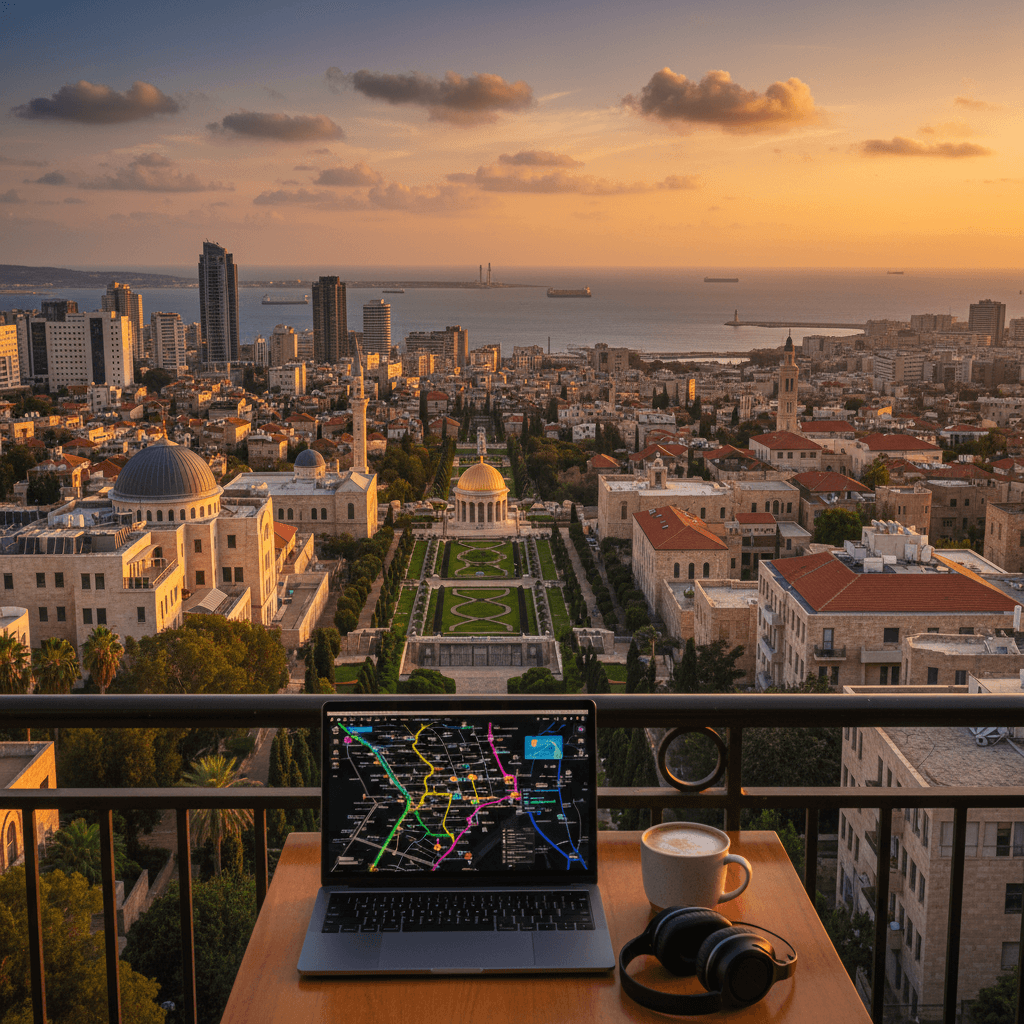
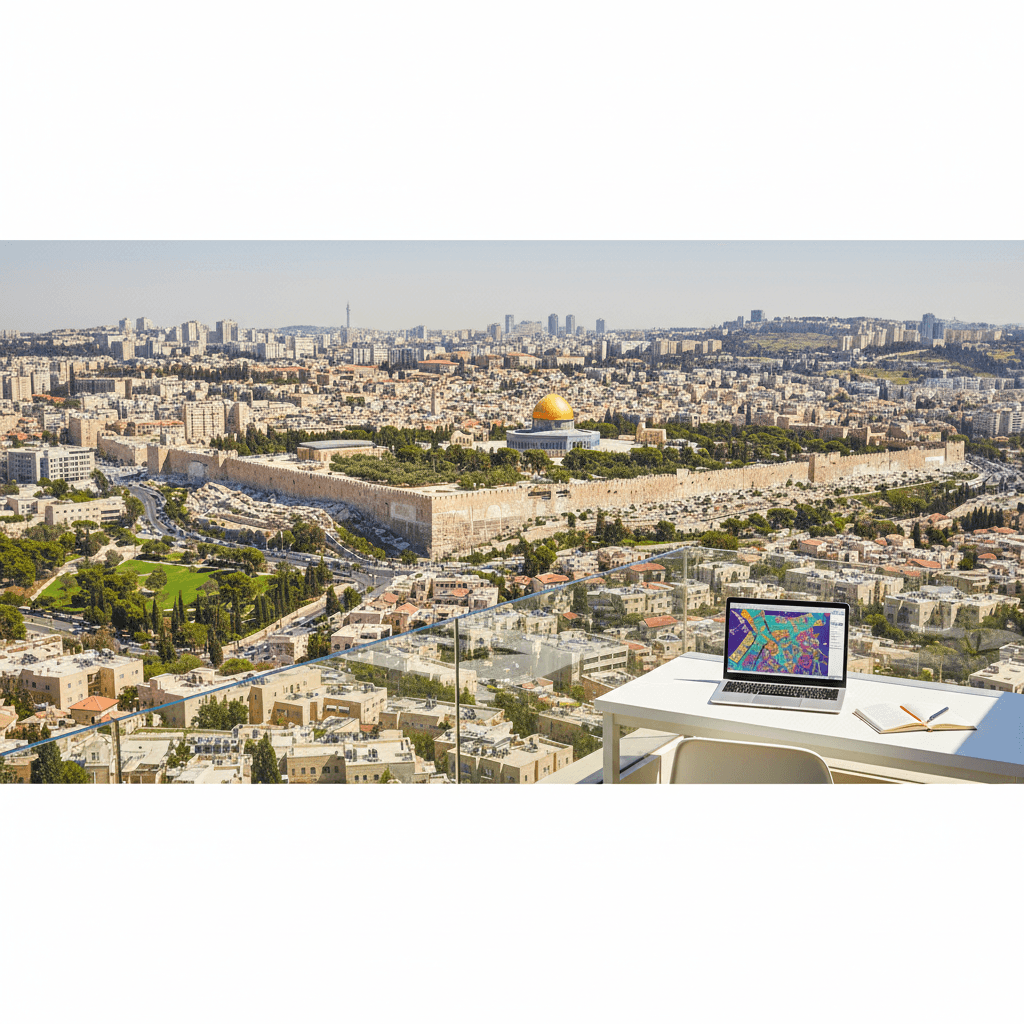
Jerusalem is a city that demands your full attention. It is a place where the air feels heavy with history, yet the daily rhythm is surprisingly fast. Unlike the non stop party vibe of Tel Aviv, Jerusalem feels more grounded and intentional. It is arguably the most beautiful city in the country, built almost entirely from golden limestone that glows during sunset. Living here means balancing a deep sense of antiquity with the practical needs of a modern remote worker.
The energy here is distinct. You will hear the call to prayer, church bells, and the sirens announcing the Sabbath all in the same afternoon. It is a sensory overload in the best way possible. For nomads, this means a lifestyle that feels more like an immersion than a vacation. You aren't just visiting a tourist site; you are living in a place where people have been coming together to trade, argue, and pray for thousands of years. It is intense, occasionally polarizing, but never boring.
The Local Rhythm
The city operates on a unique schedule that dictates your week. From Friday afternoon until Saturday evening, the Jewish areas of the city shut down for Shabbat. Public transport stops, shops close, and the streets go quiet. Most nomads use this time to head to the Arab quarters like East Jerusalem for a lively meal or simply enjoy the rare silence of a major city. By Sunday morning, it is business as usual, and the work week begins while the rest of the Western world is still on their weekend.
The social scene is underrated but thriving. While it doesn't have the massive club culture of the coast, the bar scene around Mahane Yehuda Market is legendary. By day, it is a hectic produce market; by night, the shutters go down and it transforms into a maze of craft beer bars and tiny eateries. You will find a mix of international students, tech workers, and locals who are generally very open to striking up a conversation over a goldstar beer.
Practicalities for the Modern Nomad
Connectivity is rarely an issue here. Israel is a global tech hub, and the internet speeds reflect that. You can expect averages around 361 Mbps, and finding a cafe with reliable WiFi is the norm rather than the exception. Most nomads gravitate toward neighborhoods like Rehavia or the German Colony. These areas offer a softer landing with tree lined streets, plenty of laptop friendly spots, and a high concentration of English speakers.
Getting around has become significantly easier lately. The light rail system is the backbone of the city, cutting through the notorious traffic and connecting the central bus station to the Old City and the market. If you need to head to Tel Aviv for a change of pace, the high speed train gets you there in about 35 minutes. It is a seamless connection that makes Jerusalem feel less like an isolated mountain city and more like a connected global node.
The Cost of Being Here
Jerusalem is not a budget destination. It is a premium experience with a price tag to match. While you can find street food like falafel or sabich for around 20 to 30 Shekels, a proper sit down dinner or a cocktail will easily run you 70 to 100 Shekels. Rent is the biggest hurdle, with monthly costs for a decent apartment often ranging between $1,500 and $2,800 depending on how close you want to be to the center. However, the infrastructure, the safety, and the sheer historical weight of the city make it a trade off many find worth every cent.
The vibe here is less about "hacking" your life and more about experiencing a specific kind of intensity. You come to Jerusalem to be challenged by your surroundings and to work in a place that feels like the center of the world. It is a city of layers, and as a nomad, you get the chance to peel them back at your own pace.
The Jerusalem Premium
Living in Jerusalem isn't exactly a budget friendly experience. It is often ranked as one of the most expensive cities in the Middle East, right behind its sister city Tel Aviv. You are paying for the atmosphere, the history, and the high demand for housing in a city that is physically unable to expand in many directions. Most nomads find they need a monthly budget of at least $2,500 to $3,500 to live comfortably, while those looking to stay in prime areas like Rehavia or the German Colony should expect to push closer to $4,500.
Housing and Rent
Rent will be your biggest headache and your largest expense. Demand is high, and the market moves fast. Short term rentals on platforms like Airbnb are notoriously pricey, often double what you would pay on a standard lease. If you are staying for a few months, look for sublets in Facebook groups like "Secret Jerusalem" to find better deals.
- Studio in City Center: Expect to pay between $1,300 and $1,600 per month. These are often small and located in older buildings.
- One Bedroom in Rehavia or German Colony: These leafy, upscale areas command a premium. You will likely pay $1,800 to $2,200 for a decent flat.
- Shared Apartments (Coliving): Many younger expats and students live in "shutfim" (roommate) setups. A room in a nice neighborhood usually runs between $800 and $1,100.
Food and Dining
Eating out is a national pastime here, but it adds up quickly. A casual sit down meal with a drink will rarely cost less than $25. However, you can survive on world class street food if you know where to go. A pita filled with falafel or sabich usually costs around $6 to $9, while a hearty plate of hummus at a local spot like Pinati will be about $10 to $12.
- Cappuccino: $4.50 to $5.50.
- Local Beer (0.5L): $8 to $10 in a bar.
- Weekly Groceries: A single person should budget about $80 to $120. Shopping at the Mahane Yehuda Market (The Shuk) for produce is cheaper and more atmospheric than hit-or-miss supermarkets like Super-Sol.
Coworking and Connectivity
Israel has some of the fastest internet in the world, and Jerusalem is no exception. Most nomads skip the expensive office rentals and work from cafes in neighborhoods like Talbiya or the City Center. If you need a dedicated desk, coworking spaces are the way to go, though they aren't cheap.
- WeWork (King George St): A hot desk typically starts around 1,450 NIS per month (approximately $400+ USD).
- Pico Spaces: A popular local alternative in the Talpiot area, often favored by tech entrepreneurs and creatives.
- Mobile Data: This is one of the few bargains in the city. You can get a massive 100GB data plan for around $15 to $20 per month.
Transportation
You won't need a car in Jerusalem; in fact, having one is a liability due to the nightmare of parking. The public transit system is efficient and uses the Rav-Kav smart card or apps like Moovit and HaBus. The light rail is the backbone of the city, and a single ride costs 4.70 Shekels (about $1.30). If you are commuting to Tel Aviv for the day, the high speed train is around $7 each way and gets you there in about 35 minutes.
The "Hidden" Costs
Don't forget the Arnona. This is a municipal property tax that is often billed separately from rent in Israel. If you are signing a short term lease, always check if the price includes Arnona and utilities (electricity and water). Electricity can spike in the winter because Jerusalem stone buildings have terrible insulation, and you will be running space heaters 24/7 to stay warm.
The Modern Professional: Rehavia and Nahlaot
If you want to be in the thick of things without the tourist traps, Rehavia is the neighborhood of choice. It is upscale, leafy, and sits right next to the city center. You will find plenty of academics and government officials living here, which keeps the vibe quiet but sophisticated. Most nomads head to WeWork on King George Street when they need a dedicated desk. Expect to pay around $1,800 to $2,400 for a decent one bedroom apartment in this area.
Right next door is Nahlaot, a maze of narrow stone alleys that feels like a village. It is popular with younger remote workers and artists because it borders the Mahane Yehuda Market. You can grab a coffee at PowerCo Coffee Works and spend your morning working among the locals. It is louder and more chaotic than Rehavia, but you are steps away from the best street food in the city. Small studios here typically run between $1,300 and $1,600 per month.
The Long Term Expat: The German Colony
The German Colony, centered around Emek Refaim Street, is the primary hub for English speaking expats. It feels European with its Ottoman and Templer style architecture. The neighborhood is walkable, filled with upscale boutiques, and has a slower pace of life than the city center. You will find plenty of people working on laptops at Caffit or The First Station, a converted railway terminal nearby that serves as a social hub.
- Average Rent: $2,200 for a renovated flat.
- Atmosphere: Quiet, affluent, and very international.
- Connectivity: Well connected by bus lines, though the light rail expansion is still moving toward this area.
Families and Slow Travelers: Baka and Talpiot
Baka is the neighbor to the German Colony and offers a bit more space for your money. It is a favorite for families because of the proximity to the Park HaMesila, a long walking and biking path built on old train tracks. It is one of the few places in Jerusalem where you can easily push a stroller or go for a morning run without hitting stairs every ten feet.
For those who need a more industrial, "maker" vibe, Talpiot is just south. It is not traditionally beautiful, but it is where you will find the larger coworking spaces like Pico Spaces. It is also the go to spot for big supermarkets and craft breweries like Shapiro. Living here is cheaper, with family sized apartments often starting around $2,000, which is a steal compared to the city center prices.
Solo Travelers and Social Seekers: City Center
If you are only in town for a month and want to meet people, stay near Jaffa Street. This is the main artery of the city where the light rail runs. You are within walking distance of the Old City and the nightlife hub around Heleni HaMalka Street. Solo travelers often congregate at Abraham Hostel, which has a massive lounge area that doubles as a great temporary workspace.
- Daily Food Budget: $40 to $60 if you are eating out at spots like Pasta Basta or grabbing pita at the market.
- Transport: You won't need a car. A single light rail ride is 5.50 Shekels, and it connects you to the central bus station in minutes.
- Pros: Maximum convenience and social opportunities.
- Cons: It can get very noisy on Thursday nights when the weekend starts.
Finding a place usually happens on Facebook groups or through local sites like Yad2. Most rentals are managed by individual landlords, so be prepared to negotiate. While the city is generally stable, check the local news for any temporary closures or security updates, especially around the Old City and East Jerusalem borders.
Reliable Speeds and Digital Infrastructure
Israel is a global tech hub, so it's no surprise that Jerusalem offers some of the most reliable connectivity in the region. The country ranks 11th globally for internet speed, with averages hitting around 361 Mbps. You won't struggle with Zoom calls or heavy uploads here. Most apartments are now wired with fiber optics, and even the inter city buses and light rail trains offer free public WiFi that actually works for basic tasks.
For mobile data, skip the roaming charges from home. Local SIM cards and eSIMs are incredibly cheap compared to the US or Europe. You can snag a prepaid plan with 100GB of data for roughly 50 to 80 Shekels. Providers like Partner, Cellcom, and Pelephone have excellent 5G coverage throughout the city, though signal can get spotty inside some of the thicker stone walls of the Old City.
Coworking Spaces and Where to Grind
While Tel Aviv gets the reputation for being the startup capital, Jerusalem has a more focused, community driven coworking scene. Most spaces are concentrated around the city center or the industrial tech hubs like Talpiot and Givat Ram.
- WeWork (King George Street): Located right in the heart of town, this is the most familiar option for nomads. It's set in a beautiful historic building but with the usual modern amenities. A hot desk here typically runs around 1,450 Shekels per month, while a day pass is roughly 100 Shekels.
- Pico Spaces: Located in Talpiot, this spot is a favorite for social entrepreneurs and local creatives. It has a more "neighborhood" feel than the corporate chains. Prices are competitive, often starting around 800 Shekels for a flexible monthly membership.
- The Hub (Jerusalem): This is a great choice if you want to network with local Israeli freelancers. It's less about the aesthetic and more about the productivity.
- Urban Place: Found near the central station, this is perfect if you're commuting in from Tel Aviv for the day. It offers high end facilities and a very professional atmosphere.
The Cafe Culture Alternative
If you prefer the hum of a coffee shop over a formal office, Jerusalem's cafe scene is welcoming to laptop users, provided you avoid the Friday morning rush before Shabbat. Most places expect you to order a full meal or at least a couple of coffees if you're staying for more than two hours.
Expats and students often flock to Rehavia and the German Colony for work friendly vibes. Café Yehoshua on Gaza Street is a classic choice with plenty of power outlets and a steady stream of academics. In the city center, Tmol Shilshom offers a quiet, library like atmosphere tucked away in a historic courtyard, making it ideal for deep focus. If you're near the market, Roasters in Mahane Yehuda has excellent coffee, though it's better for quick tasks rather than an eight hour shift due to the limited seating and high foot traffic.
Practical Connectivity Tips
Power outlets in Israel use the Type H plug, which is unique to the country, though many modern sockets also accept the standard European Type C round two pin plugs. It's smart to carry a small power strip since older cafes might only have one or two available outlets near the tables.
Keep in mind that from Friday afternoon until Saturday evening, many businesses and some coworking spaces close for Shabbat. While some international chains or specific secular cafes stay open, your options for a dedicated workspace will be limited during these 24 hours. Plan your heavy "sprint" work for Sunday through Thursday, which is the standard Israeli work week.
Navigating Security and Daily Life
Living in Jerusalem requires a different mindset than living in London or New York. It is a city where history and modern conflict live on the same street corner. While the city is generally safe for foreigners, security tensions are a real part of daily life. You will see a heavy presence of soldiers and police, especially near the Old City and transportation hubs. This is normal here and actually provides a sense of security for many residents.
Most expats and nomads stick to West Jerusalem neighborhoods like Rehavia and the German Colony. These areas feel like any European city and are very safe to walk around at night. You should be more cautious in East Jerusalem or when visiting the Old City during times of political friction. It is a good habit to follow local news apps or join expat Facebook groups like "Jerusalem Community" to stay updated on any localized protests or disruptions.
Street crime like mugging or theft is actually quite rare compared to other major world capitals. You can usually walk through Nachlaot or down Jaffa Street at 2:00 AM without worrying about anything other than finding a late night snack. Just use common sense and stay aware of your surroundings in crowded markets like Mahane Yehuda where pickpockets occasionally operate.
Healthcare Standards and Facilities
Israel has one of the most advanced healthcare systems in the world. If you need medical attention, the quality of care is top tier. Most doctors speak excellent English, many having trained in the US or Europe. For emergencies, Hadassah Hospital (with campuses in Ein Kerem and Mt. Scopus) and Shaare Zedek Medical Center are the primary facilities. They are world class institutions equipped to handle everything from minor injuries to complex surgeries.
As a digital nomad, you won't be part of the national "Kupat Cholim" (health funds) unless you are a resident. This means you must have solid international travel insurance. A standard private doctor visit will usually cost between $100 and $200 out of pocket if you don't have a local policy. For quick, non-emergency issues, "Terem" urgent care clinics are scattered throughout the city and are much faster than hospital waiting rooms.
Pharmacies and Basic Care
Pharmacies are easy to find. Super-Pharm is the biggest chain and functions much like a CVS or Boots, selling everything from prescription meds to electronics. You can find them on almost every major street in the city center. Many over the counter medications you might be used to back home require a prescription here, so it is smart to bring a supply of your specific brands.
- Emergency Services: Dial 101 for an ambulance (Magen David Adom) or 100 for the police.
- Water Quality: Tap water is perfectly safe to drink, though it is very "hard" with high mineral content. Many locals use Brita filters for the taste.
- Pharmacies: Most are open from 8:00 AM to 8:00 PM, but there is always a designated "on-call" pharmacy open 24/7 in the city.
Insurance Recommendations
Since Jerusalem is a unique geopolitical zone, double check that your insurance provider doesn't have "active conflict" exclusions that might void your coverage. Most nomads use SafetyWing or World Nomads, which generally cover Israel without issues. If you plan on staying longer than three months, some expats look into private local insurers like Harel or Phoenix for more seamless access to local clinics.
Getting Around the Holy City
Jerusalem is built on a series of steep hills, so your legs will get a serious workout if you try to walk everywhere. While the Old City is strictly a pedestrian zone where you will rely on your own two feet and the occasional donkey cart, the rest of the city is connected by a modern, efficient transit system that has seen massive upgrades recently.
The Light Rail (HaRakevet HaKala)
The Red Line is the backbone of Jerusalem transit. It stretches from Heil HaAvir in the north down to Mount Herzl, passing through key nomad hubs like the City Center (Jaffa Center) and the Mahane Yehuda Market. It is clean, fast, and stays out of the city's notorious traffic jams. You cannot pay the driver in cash. You must have a Rav-Kav smart card or use a payment app on your phone before boarding. Security guards frequently check tickets, and the fines for not tapping in are steep.
Buses and Shuttles
Buses cover every corner of the city that the light rail misses. Egged is the primary operator, and their green buses are everywhere. A standard city ride costs about 8 Shekels. If you are heading to neighborhoods like Rehavia or the German Colony, the bus is often your best bet. For trips to the Palestinian neighborhoods in East Jerusalem or out to Bethlehem, you will use the separate East Jerusalem bus system located near Damascus Gate. These buses are usually white with blue or green stripes and operate on a cash payment system.
The Rav-Kav and Payment Apps
Ditch the paper tickets and get a Rav-Kav card. You can buy one at the airport, the Central Bus Station, or many pharmacies. Most nomads now prefer using apps like Moovit or HopOn. You simply link your credit card, scan the QR code on the bus or tram, and the app calculates the best fare for you at the end of the month. It is much easier than hunting for a reload kiosk when you are in a rush.
Taxis and Ridesharing
Uber exists in Israel, but it primarily functions as a way to hail licensed taxis. Gett is the local app of choice and is much more reliable. Always insist that the driver uses the meter (called a moneh). A typical ride within the city center will run you between 30 and 60 Shekels. On Shabbat, when public transit shuts down, private taxis are your only option, and prices usually increase by about 25 percent.
The Shabbat Factor
This is the most important thing to remember: everything stops on Friday afternoon. From about an hour before sunset on Friday until an hour after sunset on Saturday, the light rail and Egged buses do not run. The city becomes eerily quiet. If you need to get around, you will have to walk, call a private taxi, or use the service taxis (monit sherut), which are yellow minivans that run on fixed routes. The sheruts to Tel Aviv leave from across the street from the Central Bus Station and are a lifesaver for weekend getaways.
Getting to Tel Aviv and Beyond
The high speed train from the Yitzhak Navon Station is a game changer. It is reliable, has free WiFi, and includes power outlets at every seat. If the train is down for maintenance, the 480 bus from the Central Bus Station is the traditional backup, taking about an hour depending on the heavy traffic at the entrance to the city.
Walking and Biking
Walking is the best way to soak in the atmosphere of neighborhoods like Nachlaot, but be prepared for stairs and uneven limestone paving. Jerusalem is not particularly bike friendly due to the topography and aggressive driving styles, but the city has been adding more dedicated bike lanes near Sacher Park and the Train Track Park (HaMesila). The latter is a converted railway line that provides a flat, beautiful path for walking or cycling from the First Station area down through the southern neighborhoods.
The Linguistic Landscape
Jerusalem is a city where your ears will constantly be switching gears. While Hebrew is the primary language for daily life and Arabic is spoken by roughly a third of the population, English serves as the unofficial bridge between everyone. You'll find that most locals under the age of 50 speak English quite well, often with a proficiency that makes navigating the city much easier than in many European capitals.
In neighborhoods like Rehavia and the German Colony, you might actually hear more English and French on the street than Hebrew. These areas have huge expat and immigrant populations from North America and Europe, so you can easily order your flat white or negotiate a lease without knowing a word of the local tongue. However, don't expect that same level of English fluency if you're wandering through the stalls of Mahane Yehuda Market or deeper into East Jerusalem neighborhoods like Silwan. In those spots, a few basic greetings go a long way.
Digital Connectivity and Apps
The internet infrastructure in Jerusalem is world class. Israel ranks 11th globally for internet speeds with averages around 361 Mbps. Most nomads find that even basic cafe WiFi is strong enough for video calls. If you're looking for a reliable base, Hansen House in Talbiya is a favorite for its quiet atmosphere and solid connection, while Hamiffal near the city center offers a more creative, gritty vibe with dependable internet.
Staying connected on the move is cheap and straightforward. You shouldn't pay more than $15 to $20 USD for a monthly prepaid SIM card with 100GB of data. Companies like Partner and Cellcom are the big players, but many travelers now opt for an Airalo eSIM before they even land to avoid the kiosk lines at Ben Gurion Airport. For navigating the city, Moovit is the absolute gold standard for bus and light rail timings, while Gett is the local answer to Uber for hailing taxis.
Social Nuances and Communication Style
Communication in Jerusalem is direct, sometimes to a fault. If a server or a shopkeeper seems blunt, they aren't being rude; it's just the local "dugri" style of speaking. People value efficiency and honesty over polite fluff. If you need something, just ask for it directly. This applies to business meetings and social hangouts alike.
One thing to keep in mind is the Shabbat shutdown. From Friday afternoon until Saturday evening, the Jewish parts of the city go quiet. Public transport stops, and most businesses close. During this time, your communication with local clients or services will likely go dark. Expats recommend using this time to head to the Old City or East Jerusalem, where businesses remain open and the linguistic atmosphere shifts entirely to Arabic.
Essential Phrases for Your Kit
- Shalom: Hello, goodbye, and peace. It works for everything.
- Toda: Thank you. You'll use this dozens of times a day.
- Slicha: Excuse me or sorry. Use this to push through a crowded market.
- Sababa: Everything is cool or okay. It's the most common slang you'll hear.
- Ahalan: A casual "hi" borrowed from Arabic that everyone uses.
- Kama ze oleh?: How much does this cost?
While you can survive indefinitely on English alone, learning the Hebrew alphabet helps immensely with reading street signs and food labels. Most signs are trilingual (Hebrew, Arabic, and English), but smaller menus and boutique shop windows often stick to the local script. Most nomads find that taking a few weeks of "Ulpan" (intensive Hebrew classes) or using an app like Duolingo helps break the ice with locals and makes the city feel a lot smaller and more welcoming.
When to Go
Jerusalem sits high in the Judean Hills, which means its climate is a far cry from the humid, Mediterranean heat of Tel Aviv. You'll find a distinct four-season cycle here that dictates the city's rhythm. For most digital nomads, the sweet spots are April to May and September to October. During these shoulder seasons, the air is crisp, the sun is bright but not punishing, and you can comfortably work from a cafe terrace without breaking a sweat.
Winter in Jerusalem surprises people. It gets legitimately cold between December and February, with temperatures often hovering around 5 to 12 degrees Celsius. It rains frequently, and every few years, the city shuts down for a day or two of heavy snow. If you're visiting during these months, make sure your rental has decent heating; many older stone buildings in neighborhoods like Nachlaot can feel like ice boxes if they aren't properly insulated.
Summer runs from June through August. While it lacks the coastal humidity, the sun is intense. Temperatures regularly hit 30 degrees Celsius or higher. The upside for remote workers is the lack of humidity; as soon as you step into the shade or wait for the evening breeze to kick in, it becomes very pleasant. Just be prepared for the city to be packed with tour groups during this time.
The Holiday Calendar Factor
In Jerusalem, the "best time" is defined as much by the Hebrew calendar as it is by the weather. The city transforms during major Jewish holidays like Passover (usually April) and Sukkot (usually October). During these week-long festivals, accommodation prices skyrocket and the city becomes incredibly crowded. Conversely, if you want a quiet city to yourself, these might be times to avoid.
You also need to plan your weekly workflow around Shabbat. From Friday afternoon until Saturday evening, public transport stops, most businesses close, and the city quietens down significantly. Most nomads use this as their forced downtime, though you can still find open spots in the Christian Quarter of the Old City or in parts of the East Jerusalem business district if you absolutely must get a Saturday deadline met.
Seasonal Breakdown for Nomads
- Spring (March to May): Ideal for walking the city. Wildflowers bloom in the surrounding hills. Expect to pay premium prices for Airbnbs around Passover.
- Summer (June to August): Hot and dry. The evenings are the highlight, with outdoor markets and festivals staying active late into the night.
- Autumn (September to November): The most stable weather. Clear blue skies and comfortable temperatures make it the best time for long-term stays.
- Winter (December to February): Gray and chilly. It's the cheapest time to find a short-term apartment, provided you don't mind carrying an umbrella.
What to Pack
Jerusalem is more conservative than the coast, so your wardrobe should reflect that if you want to blend in. Even in the heat of July, locals recommend carrying a light sweater or scarf for the evenings when the mountain air cools down rapidly. If you plan on working from cafes in the Old City or Mea Shearim, having clothes that cover your shoulders and knees is a practical necessity to avoid unwanted attention and show respect for the local culture.
Visas and Legalities
Israel doesn't have a dedicated digital nomad visa yet. Most remote workers enter on a B/2 tourist visa, which is usually granted for 90 days upon arrival. While you aren't technically supposed to work for a local company on this visa, many nomads stay for the full three months while working for clients back home. If you want to stay longer, you'll need to look into a B/1 work visa, but these generally require a local sponsor and are a bit of a bureaucratic headache.
Staying Connected
The internet in Jerusalem is fast and reliable. You can expect average speeds around 216 Mbps, which is plenty for heavy video calls or uploading large files. Most cafes expect you to ask for the WiFi password, and it's almost always free. For mobile data, skip the expensive roaming plans and grab a local SIM or an eSIM. Airalo works well here, but picking up a physical SIM from Partner or Cellcom will give you more data for less money. You can usually find these at the airport or in the city center near Zion Square.
Money and Costs
Jerusalem isn't a budget destination. It's one of the more expensive cities in the region, though it's still slightly cheaper than Tel Aviv. You'll want to budget between $2,500 and $3,500 per month if you want a comfortable lifestyle. A basic meal at a mid-range restaurant will run you about 65 to 90 Shekels, while a quick pita or falafel on the street is around 20 to 30 Shekels. Tipping is standard here; most locals leave about 10% to 15% at restaurants and bars.
Getting Around
The Light Rail is the backbone of the city. It's clean, fast, and cuts through the heavy traffic that plagues the narrow streets. A single ride costs 8 Shekels. You'll need a Rav-Kav card to use any public transport, as drivers don't accept cash. You can buy and load these at kiosks or through the Moovit or HopOn apps. On Saturdays, keep in mind that almost all public transport stops for Shabbat, from Friday evening until Saturday night. If you need to get somewhere during that time, you'll have to rely on private taxis or the Gett app, which is the local version of Uber.
Safety and Local Customs
Safety in Jerusalem is a common concern for newcomers, but the day to day reality is usually quite calm. You'll see a heavy security presence, especially near the Old City and transportation hubs. It's best to stay aware of your surroundings and follow local news if tensions rise. Regarding local etiquette, remember that Jerusalem is a religious city. If you're heading to the Western Wall or through neighborhoods like Mea Shearim, dress modestly by covering your shoulders and knees. This applies to both men and women. Most locals speak excellent English, so you won't have much trouble communicating in shops or cafes.
Health and Wellness
The healthcare system is world class, but it's expensive if you aren't covered. Make sure your travel insurance includes outpatient visits. For minor issues, look for a Super-Pharm; they are everywhere and the pharmacists usually speak English and can recommend over the counter fixes. If you need a gym, Great Shape and Hapoel have locations throughout the city, with monthly memberships typically starting around 250 Shekels.
Need visa and immigration info for Israel?
🇮🇱 View Israel Country GuideEasy Landing
Settle in, no stress