Ibadan
🇳🇬 Nigeria
The Soul of the Brown Roofs
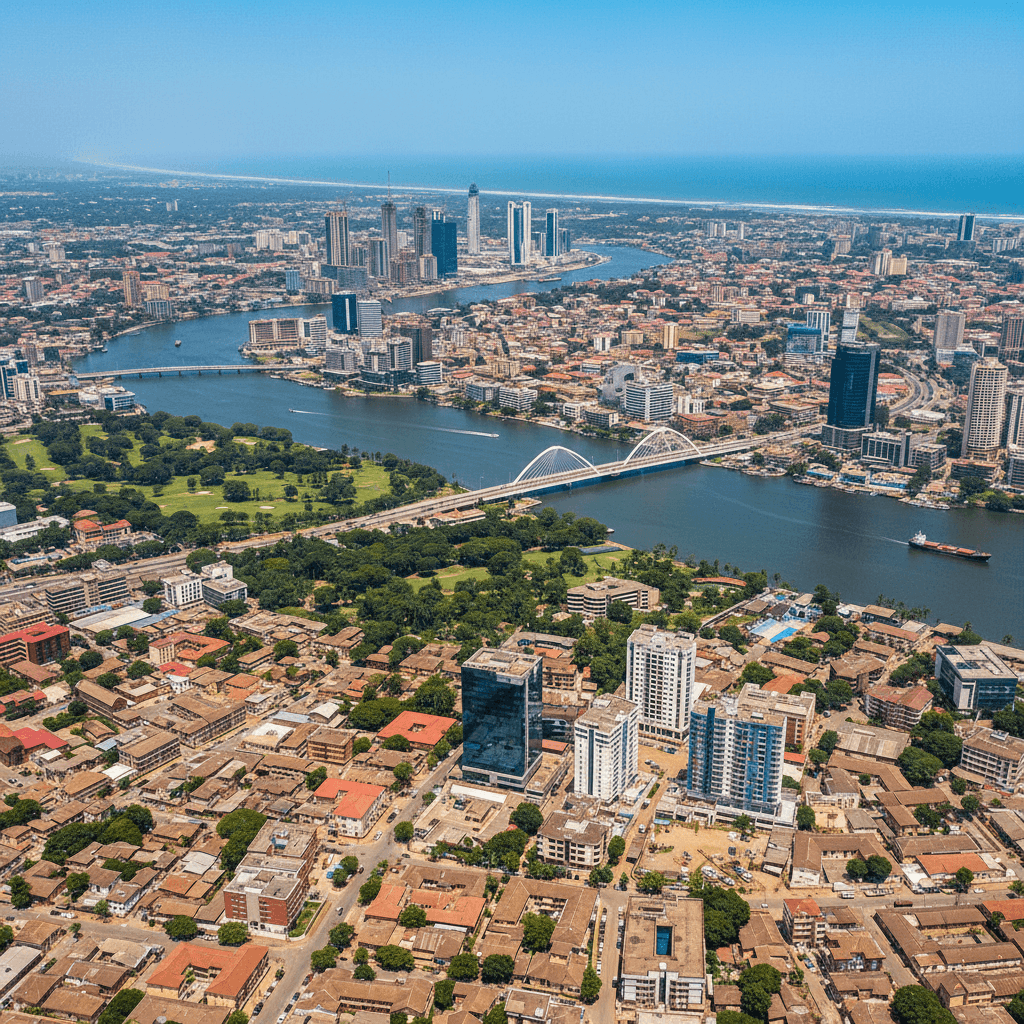
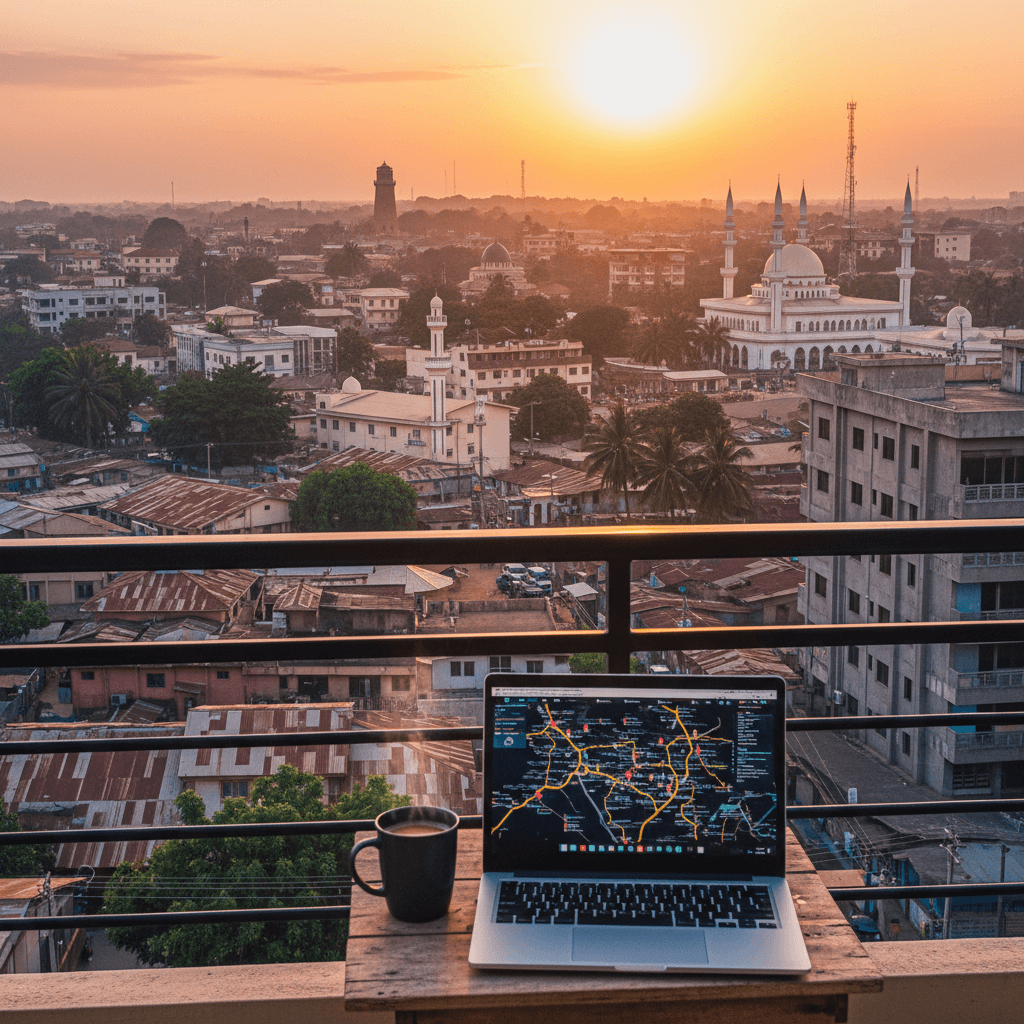
Africa's largest city by land area moves at a pace that will surprise you. Ibadan sprawls across seven hills under a sea of rusted zinc roofs, and unlike Lagos, it does not perform for anyone. Ancient Yoruba traditions do not simply survive here; they set the tempo of daily life. You are not here for fiber optics or glass towers. You are here for Mapo Hall, for the intellectual legacy of Nigeria's first university, and for a city that has never felt the need to explain itself.
The catch most nomads miss is this: Ibadan rewards patience and punishes urgency. While mobile internet speeds have improved significantly with median downloads now reaching around 23 Mbps, performance remains highly variable depending on your provider and specific location. Power outages are routine, and the nomad infrastructure is thin. If you are coming from a fast-paced hub like Lagos or Nairobi, that adjustment is real. The upside is a cost of living that stretches your budget considerably further than any coastal city in Nigeria.
There is also something harder to quantify.
Drink a cold Star lager at a local spot in Bodija, watch the sunset from Bower's Tower, and you will understand why scholars and poets have always called this city home. The community here is genuinely curious about your presence. That is rarer than it sounds.
Where to Base Yourself
- Dugbe is the commercial core and the closest thing Ibadan has to a nomad district. The iconic Cocoa House is here, along with a handful of modern cafes and the city's best transport links. A decent studio runs $400 to $600 per month.
- Jericho is the expat default for good reason: quieter streets, better security, and proximity to the city's private clinics. Mid-range apartments fetch $500 to $800 per month. It is the most logistically comfortable base.
- Bodija is loud, crowded, and built around a massive traditional market and a lively student scene. The street food is unbeatable and the social access for solo travelers is the best in the city, but light sleepers should look elsewhere.
What It Actually Costs
A solo nomad can live well here on $1,316 per month, but that number shifts depending on how much Western comfort you need. Nomad-ready housing costs more than what locals pay because you are paying for backup generators and security. The full breakdown lives in the Cost of Living section of this guide, but here is the short version.
- Budget ($800 to $1,000): Shared housing or a local guesthouse around $300, $2 plates of Jollof rice or Suya, and Danfo buses for getting around.
- Mid-range ($1,200 to $1,500): A private one-bedroom at $500, meals at $5 to $10 in mid-range restaurants, and Bolt for most trips.
- Comfortable ($1,800 and up): Upscale housing in Jericho at $800, a dedicated coworking desk at $100, and dinners that run around $20 at higher-end spots.
Connectivity: Honest Expectations
Working remotely from Ibadan is doable, but it requires a workaround mindset from day one. Most nomads carry both an MTN and an Airtel SIM card and toggle between whichever has signal that day. Budget around $20 per month for a usable data plan. Coworking spaces in Dugbe exist but are sparse; the more reliable move is finding a hotel with a strong generator and a dedicated router.
For payments, skip the bank card frustration early. Download Opay or Palmpay on arrival; these fintech apps handle local transactions more reliably than traditional cards. For transport, Bolt and Uber both operate here, and a cross-town trip runs $2 to $5.
Timing and Street Sense
December to February is the window most nomads target. Temperatures sit around 30 to 35°C, but the humidity drops and the unpaved roads have not yet turned to mud. Pack for Harmattan dust, not cold. On safety, the practical guidance is straightforward: stay in central districts like Dugbe and Jericho, and avoid the outskirts after dark. The full safety picture, including healthcare options, is covered in the Safety and Healthcare section of this guide.
If you can work around the connectivity gaps and slow your expectations to match the city's pace, Ibadan will give you something most nomad destinations cannot: genuine cultural depth at a price that makes long stays viable. Check the Neighborhoods section for a deeper look at each district before you commit to a base.
The Price of an Authentic Yoruba Experience
A single nomad can live comfortably in Ibadan for around $1,316 per month. That is meaningfully cheaper than Lagos, but the tradeoff is real: lower costs come with older infrastructure, inconsistent power, and patchy fixed-line internet. The catch most nomads miss is that the savings you pocket on rent often get redirected toward mobile data and private transport to fill those gaps.
Monthly Budget Tiers
- Budget ($800 to $1,000): Shared housing or a local apartment around $300, street food like suya and akara most days, and public minibuses for getting around.
- Mid-range ($1,200 to $1,500): A private one-bedroom in a decent area for $500, a mix of local cafes and mid-range restaurants, and regular ride-hailing. This is where most remote workers land.
- Comfortable ($1,800+): An upscale apartment in Jericho at $800 or more, daily coworking access, frequent restaurant meals, and a dedicated private driver if needed.
What You Will Actually Pay for Housing
Rent is your biggest variable. Prices shift based on security, generator access, and how reliable the power supply is in a given area. Most nomads settle into one of three neighborhoods, each covered in detail in the neighborhoods section.
Dugbe, the commercial center, runs $400 to $600 for a studio or one-bedroom. You get walkability and central access to cafes, but it is noisier and more congested than the alternatives. Jericho is the expat default for a reason: it is quieter, greener, and safer, with mid-range apartments starting at $500 and modern builds reaching $800. Bodija sits near the markets and has a more social energy, which works well if you want to be close to the local food scene. The downside is that it gets genuinely crowded during peak hours, and that density affects both noise and traffic.
Food Costs
Street food is where Ibadan earns its reputation. A filling plate of jollof rice or local snacks runs $1 to $3. Sit-down meals at mid-range restaurants cost $5 to $10. Upscale dining, concentrated in the larger hotels and the Jericho area, typically lands between $15 and $25 per person.
Transport and Connectivity
Getting around is cheap. Bolt or Uber across town costs $2 to $5. Local Danfo buses are $0.50 if you are comfortable with the experience. Airport transfers into the city center run $10 to $20 via ride-hailing.
Staying connected is the real cost to plan for. Average WiFi speeds hover around 4 Mbps and drop without warning. Most nomads carry SIM cards from both MTN and Airtel as backups, budgeting $10 to $20 per month for unlimited data plans. Coworking spaces are limited, available primarily in Dugbe and Jericho, and run $50 to $100 per month. For daily transactions, fintech apps like Opay or Palmpay are more reliable than traditional bank cards for small purchases.
If you are coming from a city with stable infrastructure, the connectivity situation here will require an adjustment period. Budget for it from day one.
Dugbe: Base Camp for Nomads and Business Travelers
Dugbe is Ibadan's central business district, where colonial-era buildings sit next to modern commerce. The catch most nomads miss here is that it's the only neighborhood where you can realistically combine walkable errands with access to the city's few formal coworking spaces. Median mobile download speeds in the city are now around 23 Mbps, and Dugbe gives you the best shot at stable fiber or high-speed LTE.
- Rent runs $400 to $600 for a studio or one-bedroom.
- Bolt or Uber rides to nearby meetings or the Cocoa House landmark cost $2 to $5.
- Traffic during the afternoon rush gets bad. Plan around it.
Staying here cuts your transit time significantly, which matters in a city with no public rail system.
Jericho: The Expat Default
Jericho is the most upscale neighborhood in Ibadan. Wide, tree-lined streets, lower density than the central districts, and proximity to the city's better private clinics and international-style supermarkets make it the default choice for long-term expats. If you're coming from a city with reliable infrastructure, this is where the adjustment feels least jarring.
- Rent typically lands between $500 and $800 per month for a mid-range apartment.
- Morning jogs are actually viable here, which sounds minor until you've tried it in Dugbe.
- Private medical facilities in this area are the most reliable in the city, relevant given the inconsistency of public healthcare covered in the Safety and Healthcare section.
The honest downside: Jericho is not walkable. You will need a car or a dedicated driver for almost every errand, including basic grocery runs.
Bodija: For Solo Travelers Who Want the Real Thing
Bodija is loud, crowded, and the most socially alive part of the city. A massive local market anchors the neighborhood, surrounded by affordable eateries, low-key bars, and a university-adjacent crowd that keeps things moving at night.
- Shared housing or modest flats start at $300 to $500.
- Street food like suya and akara runs $1 to $3 a plate.
- The jollof rice here is genuinely good. Ask locals, not hotel staff, for the specific spots.
This works well if you're prioritizing cultural immersion. If you need a quiet environment for Zoom calls, the calculus is different. Bodija is a sensory overload by design.
Families: What the Listings Won't Tell You
Families tend to settle in the outer edges of Jericho or the more established parts of Bodija, where larger gated homes are available. Ibadan's private compound culture is less pronounced than Lagos, but the practical priorities are the same.
- Budget at least $1,800 per month to cover a larger home, private security, and generator fuel.
- Skip the Danfo buses entirely with small children. Private hires or a personal vehicle are the only realistic options.
- Use Jiji.ng or PropertyPro.ng to find listings, but always visit in person to check water supply and power infrastructure before signing anything. The grid is unreliable, and backup generator capacity varies widely between properties.
On paper the listings look fine. In practice, power and water reliability are what separate a livable setup from a frustrating one.
Connectivity in Ibadan: What to Actually Expect
Working from Ibadan requires a different mindset than Lagos. The digital infrastructure is still catching up to the city's size. You will not find reliable fiber at every cafe, and while median mobile download speeds have improved to around 23 Mbps, fixed broadband and Wi-Fi speeds may vary. Keep your camera off during Zoom if you notice stability issues.
Public Wi-Fi is rare and generally insecure. Use a reputable VPN if you find a cafe offering free access. Most nomads who have spent real time here skip local Wi-Fi entirely and build their own setup with a local SIM and mobile hotspot.
Getting a SIM Card
Do not wait until you are settled in your rental. Grab a SIM at the airport or a branded kiosk in Dugbe on arrival. MTN and Airtel are the two dominant carriers, with the widest coverage across the city.
- MTN: The more reliable option for data speed. Plans run roughly $10 to $20 per month for a generous data bucket.
- Airtel: A solid backup, and it often gets better signal penetration in older, thick-walled buildings in areas like Bodija.
- OPay or PalmPay: Download one of these fintech apps immediately. Topping up data through them is far simpler than using traditional banking apps.
Coworking and Cafe Options
The coworking scene is modest. Smaller, locally run hubs are clustered in Dugbe and the more upscale Jericho area, with monthly desk rates typically between $50 and $100. No global chains operate here.
Newer cafe-style spots in Dugbe are gaining traction with local entrepreneurs and the small expat community. They are your best bet for a comfortable chair and a power outlet. Power outages do happen, so charge your laptop and power banks before you leave each morning. That step will save you more than once.
Who This Setup Actually Works For
If your work involves heavy video editing or large file uploads, Ibadan requires careful planning. This is a base that demands a specific workflow.
For writers, developers, and researchers, the calculus is different. The catch most nomads miss is that the lower overhead compared to Lagos, combined with a quieter pace, can offset the connectivity limitations if you plan around them. The move here is to rent in Jericho for the calmer environment, run a primary and backup mobile hotspot, and use coworking spaces to connect with the local creative community rather than treating them as a lifeline. Resourcefulness is the actual requirement for making Ibadan work.
For a full picture of what that lower overhead looks like in practice, see the Cost of Living section above.
Staying Safe in Ibadan
Ibadan runs calmer than Lagos, but calm is not the same as carefree. The city center areas of Dugbe and Jericho are your safest options for a home base. Both concentrate business infrastructure and expat residences, which keeps foot traffic predictable and security presence higher.
Petty crime, specifically pickpocketing and phone snatching, happens in crowded market areas like Bodija and at major transport hubs. Keep your phone out of sight near traffic or dense crowds. After dark, avoid the outskirts and poorly lit residential zones entirely. The move here is ride-hailing apps for any late-night dinner run, not flagging down local transport.
- Emergency contacts: dial 112 for general emergencies or 080 to reach local police directly.
- Walking alone at night is discouraged, even in the safer neighborhoods.
- At ATMs, skip the street machines. Use only machines inside bank lobbies or secure shopping centers; overly helpful strangers near ATMs are a known scam pattern.
What Healthcare Actually Looks Like Here
Public facilities and private clinics are not interchangeable. For anything beyond a minor checkup, private institutions in Jericho are the only realistic option. They handle international insurance, carry more modern equipment, and move faster.
Pharmacies are easy to find across the city, and basic over-the-counter medications are widely available. Specialized prescriptions are a different story. Bring a sufficient supply from home, and check expiration dates and seals on any local purchases. Counterfeit medication does enter the supply chain through smaller, unregulated shops.
- Private clinics: the Jericho district has the most reliable providers for expats and nomads.
- Health insurance: your policy needs to cover medical evacuation. Complex surgeries or serious trauma will likely require transfer to Lagos or abroad.
- Tap water is not safe to drink. Bottled water is cheap and available at every street corner and supermarket.
Malaria, Heat, and the Basics That Trip People Up
Malaria is real here. Most nomads use a combination of mosquito repellent and nets from day one. If flu-like symptoms appear, do not wait it out. A rapid malaria test at a local lab costs a few dollars and takes minutes. It is a standard procedure.
Temperatures regularly hit 35°C (95°F) with high humidity, and dehydration catches newcomers off guard faster than expected. Carry water constantly, especially when exploring outdoor sites like Agodi Gardens or the University of Ibadan campus. Local vendors sell fresh coconut water; it is safe, effective, and cheap.
Before You Head Out: A Quick Safety Checklist
- Ride-hailing: use Bolt or Uber for most trips. Both provide a digital journey trail and generally cost between $2 and $5 across town.
- Keep a local SIM from MTN or Airtel loaded with data. Map access and the ability to call a ride are your most practical safety tools.
- Leave expensive jewelry and flashy watches at home. Blending in works better than standing out.
Once you have the safety basics dialed in, the practical tips section covers the day-to-day logistics that will shape your actual experience living and working here.
Getting Around Ibadan
Ibadan is large. Getting from one end of the city to the other takes time, and the sheer sprawl means transit is a daily calculation, not an afterthought. Outside specific pockets like Dugbe or Jericho, the city is not walkable. The good news is that a range of transport options keeps costs low if you know which to use when.
Ride-Hailing: The Default for Nomads
Bolt and Uber are the two main apps operating here. Most trips within the central urban hubs run $2 to $5. That fixed pricing removes the negotiation tax that unverified street taxis often add. Bolt tends to have more driver availability across neighborhoods; Uber holds up better in upscale areas like Jericho. Book through the app at the airport too. A Bolt from Ibadan Airport to central areas like Dugbe costs $10 to $20, and it is consistently cheaper and safer than negotiating with drivers at the terminal.
- Bolt: broader driver coverage across most neighborhoods
- Uber: more reliable in Jericho and upscale residential zones
- Opay/PalmPay: useful for managing digital payments and reducing how much cash you carry for transport
Danfo Buses: Cheap, Loud, Effective
The yellow Danfo minibuses are how most of the city moves. A ride costs $0.50 to $1. There is no app, no schedule, and no printed route map. You go to a major junction, listen for conductors calling out destinations, and climb in. It works once you know the city layout. For your first two weeks, it will feel chaotic.
The catch most nomads miss: Danfo routes are organized around major junctions, not neighborhoods. Learning three or four key junction names gets you further than memorizing street addresses.
On Foot and Everything Else
Sidewalks are rare. Humidity turns a ten-minute walk into something unpleasant. Within the quieter streets of Jericho you can manage a morning stroll, but that is the exception. There are no electric scooters or bike-sharing programs in Ibadan yet. During the rainy season, April to October, streets flood and on-foot navigation becomes genuinely difficult. For anything over half a mile, use a car.
What It Costs Per Month
- Ride-hailing trip: $2 to $5
- Danfo bus ride: $0.50 to $1
- Airport transfer: $10 to $20
- Monthly transport budget for mid-range nomads: $100 to $150
At night, skip the buses and skip walking in unfamiliar outskirts. Stick to the apps, keep windows up in heavy traffic, and transport here is manageable. It is not seamless, but it is workable on a budget that most nomads find reasonable alongside the broader cost of living in Ibadan.
English, Yoruba, and the Pidgin in Between
English is the official language of Nigeria, and in Ibadan you will find solid proficiency among professionals, hospitality staff, and students. That said, Ibadan is the heartland of the Yoruba people. In business districts like Dugbe or the upscale enclave of Jericho, English gets you through most situations. Outside those pockets, the city runs on Yoruba and Nigerian Pidgin.
Pidgin is the social glue. It is a rhythmic, simplified form of English you will hear in markets and from Bolt drivers. When a driver says "I dey come," he means he is on his way. Learning a handful of Pidgin phrases will shift how locals treat you, from tourist to someone making an effort.
Yoruba Words Worth Learning
The catch most nomads miss is that a few Yoruba words do more work than fluent English in the right setting. At Bodija market or a neighborhood cafe, showing you value the local culture matters more than grammar. It is less about fluency and more about respect.
- Bawo ni? — How are you? Standard friendly greeting.
- E se — Thank you. Pronounced "Eh shay."
- Beeni / Rara — Yes / No.
- Elo ni? — How much? Use this when buying street food like suya or akara.
Honorifics matter here more than in Lagos. Adding "Sir" or "Ma" to your English sentences when speaking to someone older is expected, not optional. In Yoruba, placing "E" before a verb signals respect to an elder. You are not expected to master this, but acknowledging it earns you real goodwill.
Apps and Workarounds That Actually Help
Google Translate covers Yoruba, but the feature is inconsistent with complex sentences. Do not rely on it for anything important.
WhatsApp is where Ibadan does business. Booking a coworking desk, ordering delivery, coordinating with a new contact: it all runs through WhatsApp messages. If you are coming from a market where email or phone calls are the norm, adjust fast.
Internet speeds in Ibadan have improved significantly, with median mobile download speeds around 23 Mbps as of late 2024, though speeds vary by location and provider. Carry backup SIM cards from MTN and Airtel for reliability. When English is not landing, find a university student. Ibadan is a major educational hub and the younger generation is typically bilingual and genuinely willing to help.
Negotiating, Paying, and Getting Around
Hard bargaining is part of the culture at markets and for informal rides, but it is always done with a smile. Keep your tone light. Ride-hailing apps like Bolt or Uber handle destination details inside the app, which cuts most language friction. Trips typically run $2 to $5.
- Pick up a local SIM from MTN or Airtel for $10 to $20. You need a data connection for translation apps to function reliably.
- Save emergency number 112 in your phone. Dispatchers expect clear English.
- Use Opay or Palmpay for digital payments. Both interfaces are in English and straightforward for foreigners.
The honest limitation: outside Dugbe and Jericho, navigating purely in English will slow you down. A few Yoruba words and a working Pidgin ear close that gap faster than any app.
Temperature, Rain, and What the Thermometer Doesn't Tell You
Ibadan runs hot year-round. Daytime temperatures sit between 30°C and 35°C (86°F to 95°F), but the humidity pushes the felt temperature several degrees higher than that. Plan your outdoor logistics around this, not around the number on your weather app.
The city runs on two seasons. Rains arrive in April and hold through October, bringing downpours heavy enough to flood streets and stall traffic that was already slow. The dry season, November through March, is when getting around actually works.
December to February: The Window That Works
If you have flexibility, arrive between December and February. Lower humidity, clear skies, and a packed social calendar make this the most functional stretch for nomads. Many Nigerians living abroad return home for the holidays during this window, which fills the city with events and makes it easier to meet people.
The catch is Harmattan. This Saharan wind pushes dry, dusty air across West Africa from roughly December into February, creating haze and irritating eyes and throats. A saline nasal spray and a basic moisturizer will handle it. Most nomads who've done a West Africa circuit already know this; if you're arriving from Europe or North America, it will catch you off guard the first week.
June to August: Skip It If You Can
Peak rains hit hardest between June and August. Infrastructure in many neighborhoods cannot manage the water volume, and power outages become more frequent during heavy storms. If you have client deadlines, this is the wrong time to be testing Ibadan's connectivity.
March deserves a specific warning. The heat peaks just before the rains arrive, with no storm relief to break the temperature. If you're heat-sensitive, March is the one month where reliable air conditioning and a generator in your accommodation are non-negotiable, not a nice-to-have.
Practical Seasonal Checklist
- Pack linen and cotton. Synthetics become unwearable by midday.
- Use Bolt or Uber between 12:00 PM and 3:00 PM when the heat peaks. Air-conditioned rides are worth the cost during those hours.
- Buy bottled water in bulk from supermarkets in Dugbe or Jericho. It is cheap and saves daily trips.
- Carry two SIM cards, MTN and Airtel. Rain degrades signal, and having a backup network is standard practice among expats here. Internet and connectivity specifics are covered in the Connectivity section above.
Timing your arrival right changes what Ibadan actually is. In the dry season, the markets at Bodija and the views from Mapo Hall are accessible without a fight against the weather. In peak rains, the same city becomes a logistical grind.
Get the timing right first. Everything else follows from there.
Ibadan for Nomads: The Honest Trade-Off
Ibadan is a city for the cultural purist, not the speed seeker. Lagos gets the headlines, but Ibadan costs less and moves slower, which is either a feature or a bug depending on your work style. You get deep Yoruba heritage and room to breathe. What you give up is bandwidth. Median speeds now hover around 23 Mbps, though seamless video calls still benefit from a backup plan from day one.
Cost of Living at Each Budget Level
Your dollar stretches further here than in Lagos or Abuja. A solo nomad can live comfortably on $1,200 to $1,500 per month. Budget travelers often make it work on $800 by sticking to local markets and shared housing. The full cost breakdown lives in the Cost of Living section, but here is how the tiers shake out in practice:
- Budget ($800 to $1,000): Shared apartments in Bodija, street food like suya or akara for $1 to $3 per meal, local minibuses for transport.
- Mid-range ($1,200 to $1,500): A private one-bedroom in Dugbe, regular Bolt rides, meals at mid-range restaurants running $5 to $10.
- Comfortable ($1,800 and up): Upscale housing in Jericho, a dedicated coworking desk, dinners at higher-end spots between $15 and $25.
Which Neighborhood Actually Works for Remote Work
Infrastructure varies wildly from one street to the next. The neighborhood you pick shapes your daily friction more than almost any other decision.
Dugbe
- The central business district, walkable by Nigerian standards, close to the historic Cocoa House.
- Best access to cafes and corporate offices; practical for in-person meetings.
- The downside: heavy daytime traffic and persistent noise during business hours.
Jericho
- Quiet, green, favored by expats and families. The calmer pace makes focused work easier.
- Safer streets, better private clinics nearby.
- Expect to pay $500 to $800 for a quality mid-range apartment.
Bodija
- Student-adjacent, lively, with a large market close by. Good if you want social energy around you.
- Strong food options and lower rents, but it gets chaotic during peak hours.
SIM Cards, Coworking, and Staying Connected
Skip hotel WiFi entirely. The move here is a dual-SIM setup using both MTN and Airtel. A starter pack runs about $10; budget another $20 for a month of heavy data. Coworking spaces are limited but growing, with hubs in Dugbe and Jericho charging $50 to $100 per month. Use a VPN on any public cafe network.
The catch most nomads miss: even with two SIMs, outages happen. Keep local downloads and offline tools ready for the days when neither network cooperates.
Getting Around
Danfo buses cost around $0.50 per ride but are cramped and hard to navigate without knowing the routes. Most nomads use Bolt or Uber instead. A typical cross-town trip runs $2 to $5. From Ibadan Airport into the city center, expect to pay $10 to $20 by Bolt. Walking is not practical outside specific neighborhood pockets because of the heat and the near-total absence of sidewalks.
Health, Safety, and Emergency Contacts
Ibadan runs calmer than Lagos. Stick to Dugbe and Jericho for your home base, and avoid the city outskirts after dark. For medical care, go straight to private clinics in the Jericho district and skip the public facilities. The emergency contact number is 112. Petty theft is the main concern in crowded areas like Bodija market, so keep your laptop and phone out of sight.
Language and Local Etiquette
English works fine in business and hospitality settings. Yoruba is the language of daily life, and a few phrases open doors quickly. Try "Bawo ni?" for "How are you?" and "E se" for "Thank you." Respect for elders matters here; it shapes how interactions unfold in ways that are not always obvious to newcomers. A 10% tip is standard at restaurants. The weather runs hot year-round, often reaching 35°C (95°F), so save heavy outdoor plans for the cooler window between December and February.
If you are still deciding whether Ibadan fits your work style, the Connectivity section goes deeper on what remote work actually looks like day to day.
Need visa and immigration info for Nigeria?
🇳🇬 View Nigeria Country GuideWild Card
Expect the unexpected
Monthly Budget Estimates
More cities in Nigeria

Uyo
🇳🇬 Nigeria
Akure
🇳🇬 Nigeria
Port Harcourt
🇳🇬 Nigeria