Iași
🇷🇴 Romania
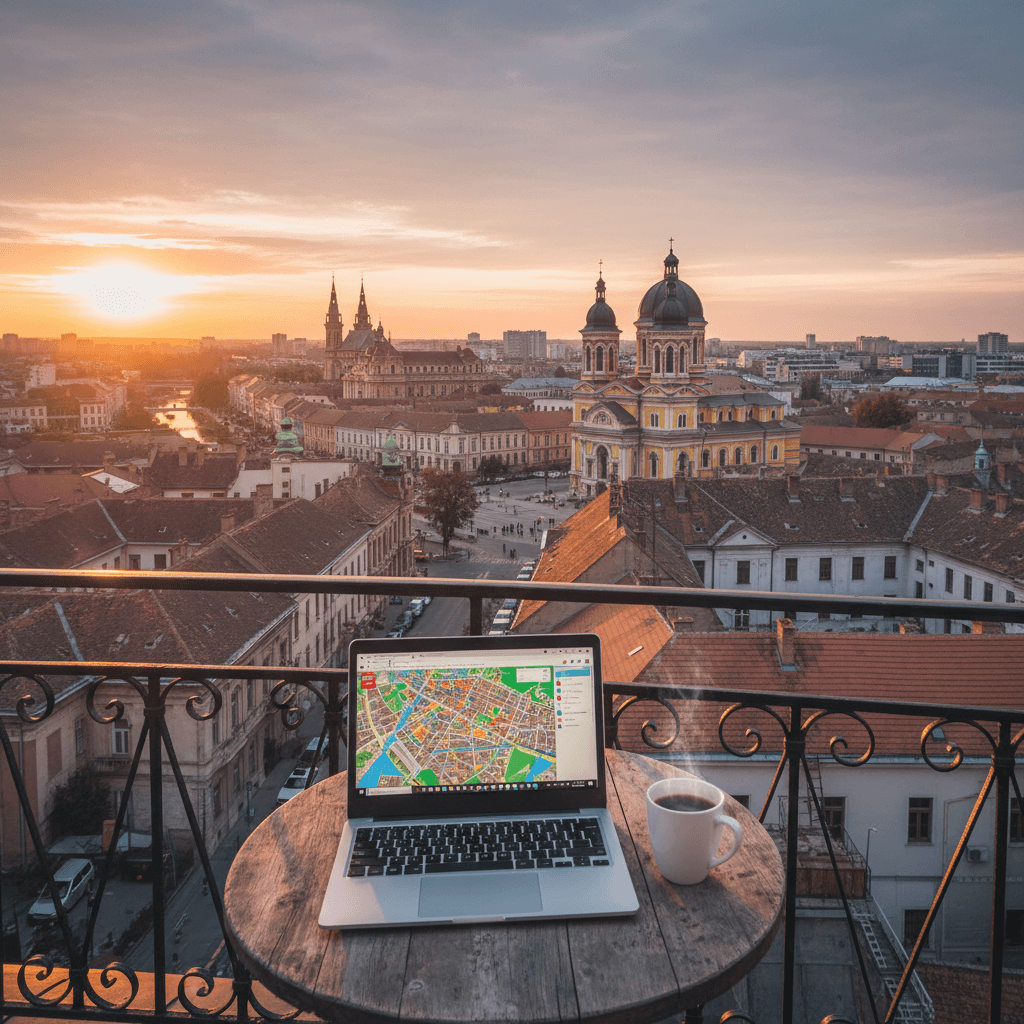
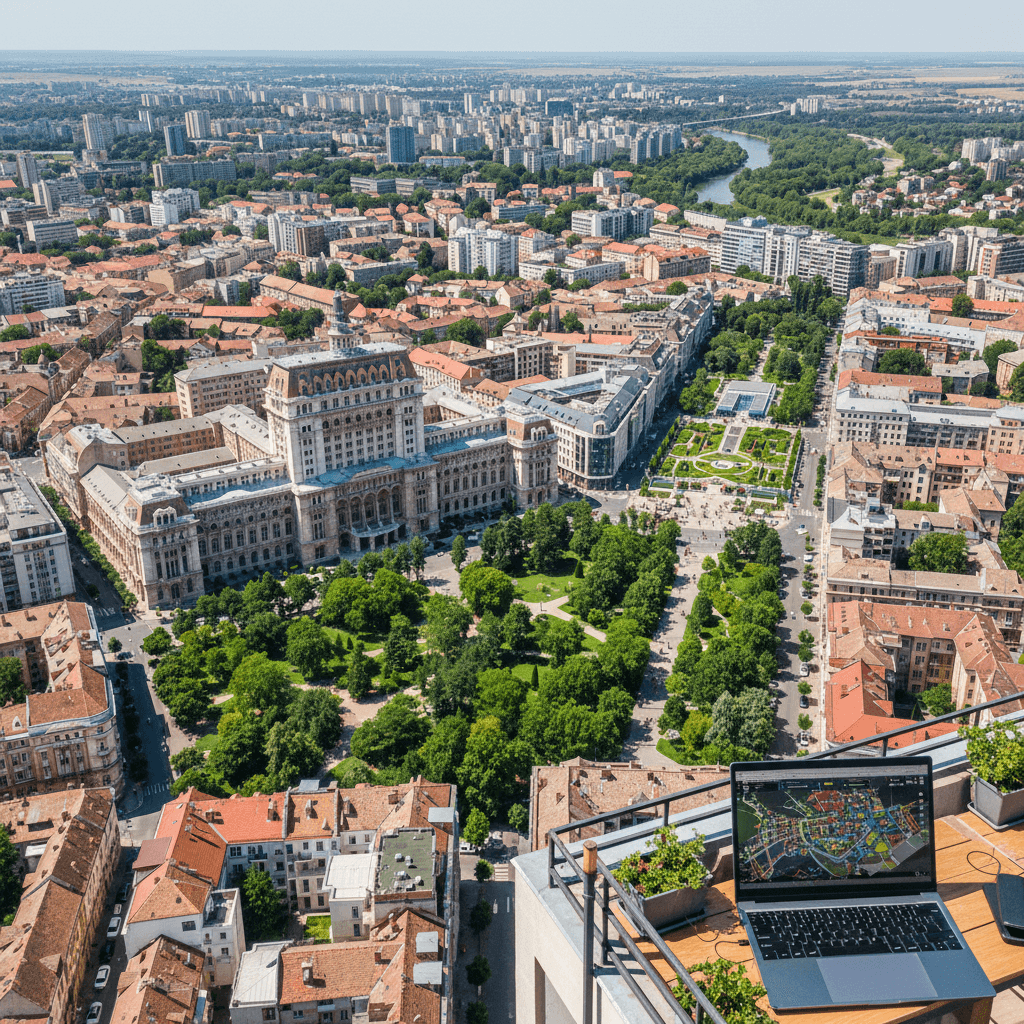
Iași feels more like a cultured student city than a polished nomad hub and that’s the point. It’s Romania’s old intellectual center, with universities, churches and leafy Copou Park giving it a slower, more grounded rhythm than Bucharest or Cluj.
Cheap, walkable and a little chaotic. That’s the honest read. The center is easy to live in, internet is solid and a monthly budget can stay near $1,042 with rent, though parking is a headache, traffic gets ugly fast and the airport still has limited international options.
The vibe shifts by neighborhood, weirdly fast for a city this size. City Center is the obvious base if you want cafés, nightlife and everything on foot, while Copou feels calmer and greener, with older apartments and fewer late-night noises and Podu Roș pulls in people who want newer buildings and quick access to Palas and tech jobs.
Best-fit areas
- City Center: Best for solo nomads, walkable, lively, but crowded and expensive by local standards.
- Copou: Quiet, leafy and popular with expats, though it’s farther from the core.
- Podu Roș: Handy for work and shopping, but traffic can be miserable.
- Tudor Vladimirescu: Cheap and student-heavy, so expect noise and a younger crowd.
Daily life is pretty straightforward once you settle in. Public transport runs through the CTP Iași app, a monthly pass is about 130 RON and Bolt or local taxis like Taxi Lux are the backup when trams are late, packed or just too cold in winter, which, surprisingly, they often are.
Internet is good enough for real work, not just email and calls. Fiber plans start around $10 a month, coworking desks run roughly 850 to 995 RON and Fab Lab Iași is one of the names that keeps coming up when nomads want a quieter desk than a café full of clinking cups and espresso steam.
Not glamorous. But it works. The food is affordable, La Plăcinte does the comfort-food thing well and evenings can swing from student bars to relaxed walks past old facades and tree-lined streets, with exhaust, bakery smell and damp air after rain mixing together in a way that feels very local.
Iași is cheap by European city standards, but not so cheap that you can stop paying attention. A solo nomad usually lands around $1,042 a month with rent included and if you’re squeezing hard, you can get by on about $800 with shared housing and street food. That’s the real baseline.
Rent is where the spread shows up fast. A studio or one-bedroom in the city center runs about $475, while the same place outside the center is closer to $378 and honestly the extra cash buys you less noise, fewer traffic headaches and a better shot at parking, which in Iași can feel like a small war.
Typical Monthly Budget
- Budget: Around $800, shared room, cheap meals, public transport
- Mid-range: About $1,200, one-bedroom, mixed cooking and eating out
- Comfortable: $2,000+, nicer apartment, more restaurants, less compromise
Food won’t wreck your budget unless you keep choosing the pricier places near Palas or the center. Street food and quick lunches are usually $5 to $8, a decent sit-down meal lands around $10 to $15 and upscale spots start at $25 per person, which, surprisingly, adds up fast when you start treating every dinner like an outing.
What Things Cost
- Lunch: $5 to $8 for street food or fast casual
- Dinner: $10 to $15 for mid-range spots
- Nice meal: $25+ per person
- Public transport pass: About $30 a month
Getting around is cheap and easy enough if you stick to trams, buses and walking, though traffic can be maddening in the center and the streets do hum with horns, engines and the occasional angry brake squeal. A monthly public transport pass is about $30 and airport taxi rides can run anywhere from $10 to $40 depending on the time and driver.
Neighborhood Price Feel
- City Center: Walkable, lively, pricier, parking is a nightmare
- Copou: Quieter, greener, older apartments, good for long stays
- Podu Roș: Handy for tech jobs and Palas, but more crowded
- Tudor Vladimirescu: Cheaper, student-heavy, noisy at night
Coworking is still reasonable and the internet is strong enough that most people stop worrying about it after the first week. Check current pricing on Fab Lab Iași website for passes and desks, while day access is about $20 and fiber home plans can be as low as $10 monthly, which makes the city feel friendlier to remote work than its road system ever will.
Iași works best when you match the neighborhood to your day-to-day life, not your fantasy version of it. The center is walkable and full of noise, scooters and cafe chatter, Copou feels calmer and greener and the student zones can be cheap but a bit relentless after dark.
For nomads
City Center and Podu Roș are the usual picks. The center puts you near Palas, restaurants, trams and coworking, while Podu Roș gives you newer buildings and easier access to jobs around the commercial core, though traffic there can feel like a daily test of patience.
- Rent: About $475 for a studio or 1BR in the center, closer to $378 outside it.
- Best for: Walkability, short commutes and meeting people who actually live here.
- Downside: Parking is a mess and the streets get clogged fast.
The coworking scene, turns out, is better than you'd expect for a city this affordable, with places like Fab Lab Iași charging around $20 a day. Internet is usually solid, honestly, so you can work from home if you don't mind the occasional building with thin walls and a hallway that smells like boiled cabbage.
For expats
Copou and Tătărași are the calm choices. Copou has parks, older apartment blocks and that quieter, slightly polished feel expats like, while Tătărași is greener than people expect and usually feels safer than the central buzz, especially at night.
- Rent: Mid-range, though older flats in Copou can be a bit awkward and dated.
- Best for: Fresh air, lower noise and families or remote workers who want less chaos.
- Downside: Fewer transport lines in some pockets, so check your route first.
If you want a quieter base without feeling stranded, these neighborhoods make sense and frankly, that matters more than a trendy address. You’ll still need to deal with the usual Romanian annoyances, like scarce parking and the odd patchy sidewalk, but you won’t hear honking under your window all night.
For families
Nicolina 1 and Tătărași are practical, while Copou is the nicer but pricier option. Nicolina has newer supermarkets and decent transport, though some streets still show their rougher past and apartment hunting there can feel weirdly uneven from one block to the next.
- Rent: Outside the center is easier on the wallet, usually around $378 for a 1BR.
- Best for: Playgrounds, quieter evenings and access to schools or everyday errands.
- Downside: Some areas still have parking headaches and tired infrastructure.
Families usually want calm over hype and these areas deliver that without blowing up the budget. You’ll hear kids in courtyards, tram bells in the distance and the occasional barking dog, but that’s a better soundtrack than center-city traffic.
For solo travelers
City Center is the easiest base if you want to step out and have everything nearby. It’s the best place for short stays, bars, museums and late dinners, though it’s crowded and can feel a little abrasive if you’re sensitive to noise.
- Best for: First-time visitors, walking everywhere and nightlife near Palas.
- Watch for: Pickpockets in crowded spots and sketchy streets late at night.
- Skip: Păcureț, Dallas and industrial zones, because they’re not worth the hassle.
Solo travelers who want a cleaner, quieter stay should look at Copou instead, then use Bolt or trams when they need the center. That setup gives you a softer landing, less street noise and a better shot at actually sleeping.
Iași is solid for remote work, honestly, especially if you want cheap living, decent fiber and a city that doesn’t feel like a tourist machine. Internet speeds average over 200 Mbps citywide with fiber widely available, fiber plans can run about $10 a month and the center is walkable enough that you won’t be fighting traffic all day, though the roads still clog up and the parking situation is maddening.
The coworking scene is small but useful, with Fab Lab Iași being the name most nomads mention first. A day pass there's around $20, a private day office about $27 and monthly desks in the city usually land around 850 to 995 RON, which turns out to be roughly $180 to $210, so it’s cheaper than many Western hubs but not exactly pocket change.
Best options
- Fab Lab Iași: Best-known coworking spot, reliable for calls, focused work and meeting other remote workers.
- Cafes in the center: Fine for a couple of hours, though Wi-Fi can dip and the espresso chatter gets loud fast.
- Palas area: Good if you want laptop-friendly cafes nearby, but it’s busier and can feel a bit polished.
Mobile data is easy to sort out. Orange is the name people trust most, with strong 4G and 5G coverage and prepaid bundles usually land around €5 to €12 for 10 to 24 GB plus EU data, so you can get online at the airport, in a mall kiosk or through eSIM if you’d rather skip the lines.
For day-to-day work, most nomads don’t bother gambling on cafe Wi-Fi unless they’ve already tested the place, because a dropped video call in the middle of a noisy room is just irritating. The city’s fiber is steady, weirdly cheap compared with the rent and even in older apartments the connection is usually better than the hallway looks.
Neighborhoods that work
- City Center: Best for walkability and quick access to cafes, restaurants and coworking, but rent is higher and the streets get crowded.
- Copou: Quieter, greener and nicer for long stays if you don’t mind being farther from the action.
- Podu Roș: Handy for tech workers and people near Palas, though it’s busy and a bit pricier.
If you’re staying longer, get a local SIM and a desk, then everything gets easier. The internet here isn’t glamorous, but it’s dependable enough for calls, uploads and full workdays and that’s really the point.
Iași feels safe in the center and most days it's. The city offers a calm environment for a walk home from Copou or Palas, then the usual city noise, tram bells, scooters and the odd burst of honking near the big intersections.
Still, don’t get lazy. Pickpockets do work crowded areas, especially the train station and packed buses and isolated streets after dark can feel sketchy, frankly, because the lighting isn’t great everywhere and some of the older districts have that half-finished, patchy look.
For day-to-day life, the center, Copou and Tatarși are the easiest bets, while Păcureț and Dallas are the spots people tend to avoid, along with some industrial stretches where the sidewalks disappear and you’re suddenly walking past shuttered lots and barking dogs.
Where to stay
- City Center: Best for solo travelers, walkability, restaurants and quick access to everything, but parking is a headache and rent runs higher.
- Copou: Quieter, greener and better for sleep, though the apartments are often older and you’ll be a bit farther from the action.
- Podu Roș: Handy for tech jobs and malls, but traffic is rough and the area feels tighter than it looks on a map.
Healthcare is workable, just not polished. Hospitals are getting upgraded, pharmacies are everywhere and you won’t struggle to find basic meds, but the system can feel fragmented, so for anything beyond a simple consult, people often compare notes, ask around and head straight to the better private clinics.
For emergencies, call 112. That’s the number to keep in your phone, no debate.
Most expats also keep a small medical kit at home, because a pharmacy run is easy, but a late-night headache or stomach bug is much nicer when you already have the basics on hand. The air can get dry in winter, your hands crack, your throat feels scratchy, then summer flips the script with heavy humidity and the smell of hot pavement after rain.
Practical healthcare tips
- Pharmacies: Easy to find across the city and many stay open late.
- Emergency: Dial 112 and say your location clearly.
- Backup plan: Save the name of a private clinic before you need one.
If you’re relying on public transport or late-night rides, stay a little alert around stations and transfer points. It’s not a dangerous city in the classic sense, but careless is still careless and that’s when pickpockets and trouble usually show up.
Getting around Iași is pretty easy once you’re inside the center, then it gets a bit clunkier the farther out you go. The city’s trams and buses are cheap, the walkable core makes daily life simple and honestly, the main annoyance is traffic, especially around rush hour when horns, diesel fumes and impatient drivers start stacking up.
Public transport is the system most people end up using, because it’s cheap and covers the city well enough for normal daily movement. A single ticket is about $0.93, a monthly pass runs around $30 and the CTP Iași app is the easiest way to handle fares without fumbling for cash at the stop, which, surprisingly, still happens a lot.
Trams can be slow when the roads are clogged, but they’re fine for getting across town without dealing with parking. Buses are useful too, though schedules can feel a little loose, so if you’re trying to make a train, an appointment or a flight, leave earlier than you think you need.
Best ways to move around
- Walk: The center is compact and you can get from cafés to coworking spaces to restaurants on foot.
- Tram or bus: Best for longer cross-town trips, cheap and decent if you’re not in a rush.
- Bolt or taxi: Handy at night, for airport runs or when the weather turns nasty.
- Bike: Possible, though the city isn’t exactly calm or polished for cycling everywhere.
Ride-hailing is the easy fallback. Bolt is the name you’ll hear most, especially for airport transfers and local taxis like Taxi Lux are common enough, though you should stick to reputable dispatches because random street pickups can be messy and overpriced.
The airport is close enough to feel civilized, but transport there still depends on timing. A bus can cost around $1 to $2 and take about an hour, while a taxi usually lands somewhere between $10 and $40 depending on traffic, time of day and how much the driver decides to test your patience.
Where getting around feels easiest
- City Center: Best if you want to walk everywhere and skip transport most days.
- Copou: Quieter, greener, but you’ll use transit more often.
- Podu Roș: Practical for jobs and malls, though traffic gets ugly.
- Tudor Vladimirescu: Student-heavy, affordable and useful if you’re near universities.
Parking is a headache, full stop. If you rent a car, expect circling, narrow spots and a lot of grim little arguments with the curb, so most nomads skip driving unless they’re leaving the city often. In daily life, Iași works best when you keep it simple, walk when you can, use transit when you can’t and call a car only when you really need one.
English works fine in hotels, coworking spaces and with most younger Romanians, but outside those bubbles you’ll hit more blank stares than you might expect. Romanian is the main language in Iași, some people also switch into Russian or Ukrainian, and, honestly, a little effort goes a long way when you’re ordering coffee or asking for directions.
Bună gets you in the door, Mulțumesc keeps things friendly and Vă rog softens almost any request. People appreciate that you tried, even if your accent sounds clumsy and the city feels more approachable once you stop expecting everyone to speak perfect English.
The practical reality is simple, language here is manageable, but you’ll want Google Translate on your phone for pharmacies, apartment viewings and taxi mix-ups. Weirdly, the older the setting, the less English you’ll hear, so a landlord in Copou or a shopkeeper near the center may need a few patient gestures, while a student at Palas will usually understand you straight away.
That said, don’t assume Romania is language-lite everywhere. Public offices can be slow, forms are still a pain and if you’re dealing with healthcare or utilities, a Romanian-speaking friend helps more than any app ever will.
How People Communicate
- English: Solid in coworking spaces, tech circles and many cafes, weaker in older neighborhoods and official settings.
- Romanian: The default for daily life, so learn the basics fast.
- Other languages: Some Russian and Ukrainian, mostly among older residents or specific communities.
- Best tool: Google Translate, plus offline phrases for taxis, shops and pharmacy visits.
The social side is easy enough once you know the rhythm. People greet each other with a quick “Bună,” they remove shoes indoors, they usually tip around 10 percent and if someone sounds abrupt, it’s often just local bluntness, not hostility.
For nomads, the smartest move is to keep your first conversations short and practical. Say hello, ask your question, smile, then move on, because in Iași the real test isn’t perfect grammar, it’s whether you can get what you need without making the exchange weird.
Iași gets proper winter and it doesn’t pretend otherwise. January can dip to -7°C, July climbs to 27°C and the shoulder months are where the city makes the most sense if you don’t enjoy sweating through a T-shirt on the tram or shivering on a wet pavement outside Palas.
Best time to visit: May to September. That’s when the weather sits around 22 to 27°C, the parks in Copou feel livable and you can actually walk the center without cold rain hitting your face or sticky heat clinging to your skin, which, surprisingly, can be worse than the cold.
Spring and early autumn are the sweet spot. The air smells cleaner, the beer gardens are open and you’ll get long evenings for café work, dinner or a slow walk past the university buildings, though May to October can bring rain, so a light jacket and a real umbrella beat optimism every time.
Winter
- Temperature: Around 0°C by day, down to -7°C at night.
- Feel: Cold tile floors, gray skies and that sharp wind that cuts across open streets.
- Good for: Cheap apartments, quieter streets and indoor work.
Winter here is fine if you like staying inside, honestly, but it can feel bleak fast. Snow isn’t the main problem, it’s the damp cold, the slush and the way traffic and parking turn into a mess the minute the weather turns ugly.
Summer
- Temperature: Up to 27°C in July.
- Feel: Warm, sometimes sticky, with a lot of sun on exposed streets.
- Good for: Day trips, parks, terrace dining and late-night walks.
Summers are pleasant until they aren’t, because humid spells can make a short walk feel longer than it should. If you’re working remotely, the internet’s decent citywide, the cafes are busy and the better call is to book a coworking desk if you need quiet, air conditioning and fewer clattering cups around you.
Best Months for Nomads
- May, June: Mild, green and easy for getting around.
- September: Still warm, less crowded and better for focus.
- Avoid: January and February unless you actually like grey weather and icy sidewalks.
If you’re choosing just one window, go late spring or early fall. That’s when Iași feels calm, walkable and less annoying, with enough warmth for terraces and enough cool air that you won’t spend half the day hunting for shade or a radiator.
Iași is easy on the wallet, though it isn’t cheap in every category. A solo nomad can get by on about $800 with a shared place and street food, while a comfortable month often lands closer to $1,200 or more, especially if you want a private studio, a few nicer dinners and decent nightlife.
Rent is the big swing factor and traffic can make you question your life choices. A studio or one-bedroom in the city center runs around $475, outside the core it drops to about $378 and the difference buys you fewer sirens, less exhaust and fewer mornings spent listening to horn blasts under your window.
Where to Stay
- City Center: Best for walkers, cafés and quick access to everything, but parking is a mess and rents are higher.
- Copou: Quieter, greener and popular with expats, though you’ll be a bit farther from the center and some buildings are older.
- Podu Roș / Tudor Vladimirescu: Handy for tech jobs and students, with newer builds and better mall access, but it can get noisy and crowded.
- Tătărași: Calmer and greener, with a more residential feel, though public transport options are thinner than downtown.
For work, the internet is, honestly, solid enough for most remote jobs, with citywide speeds around 39 to 50 Mbps and fiber plans starting near $10 a month. Cafés work in a pinch, but dedicated coworking is the safer bet and Fab Lab Iași is one of the more practical names if you need a proper desk and fewer distractions.
Getting around is straightforward, weirdly enough for a city with so much traffic. The CTP Iași app handles tram and bus tickets, a single ride is about $0.93 and a monthly pass sits near $30, which is hard to beat when the streets are clogged and you’d rather not hunt for parking in the center.
Practical Basics
- SIM: Orange and Digi are the common picks and you can buy them at kiosks or the airport.
- Money: Wise and Revolut are popular, ATMs are everywhere and cash still helps in smaller spots.
- Safety: The center feels fine by day, but keep an eye on your bag in crowds and around the train station.
- Health: Pharmacies are easy to find, hospitals are improving and 112 is the emergency number.
Food is cheap enough that you won’t feel punished for eating out. Street food often costs $5 to $8, mid-range meals sit around $10 to $15 and places like La Plăcinte or Pep & Pepper are decent defaults when you don’t want to gamble on a random menu smelling like fryer oil and regret.
People tip about 10%, remove shoes when you’re invited into someone’s home and a simple “Bună” goes a long way. Start apartment hunting through local listings and Facebook groups, then use Expat groups for the stuff that always gets messy, like deposits, utilities and which landlords are actually decent humans.
Need visa and immigration info for Romania?
🇷🇴 View Romania Country GuideHidden Gem
Worth the effort
Monthly Budget Estimates
More cities in Romania
Constanta
🇷🇴 Romania
Bucharest
🇷🇴 Romania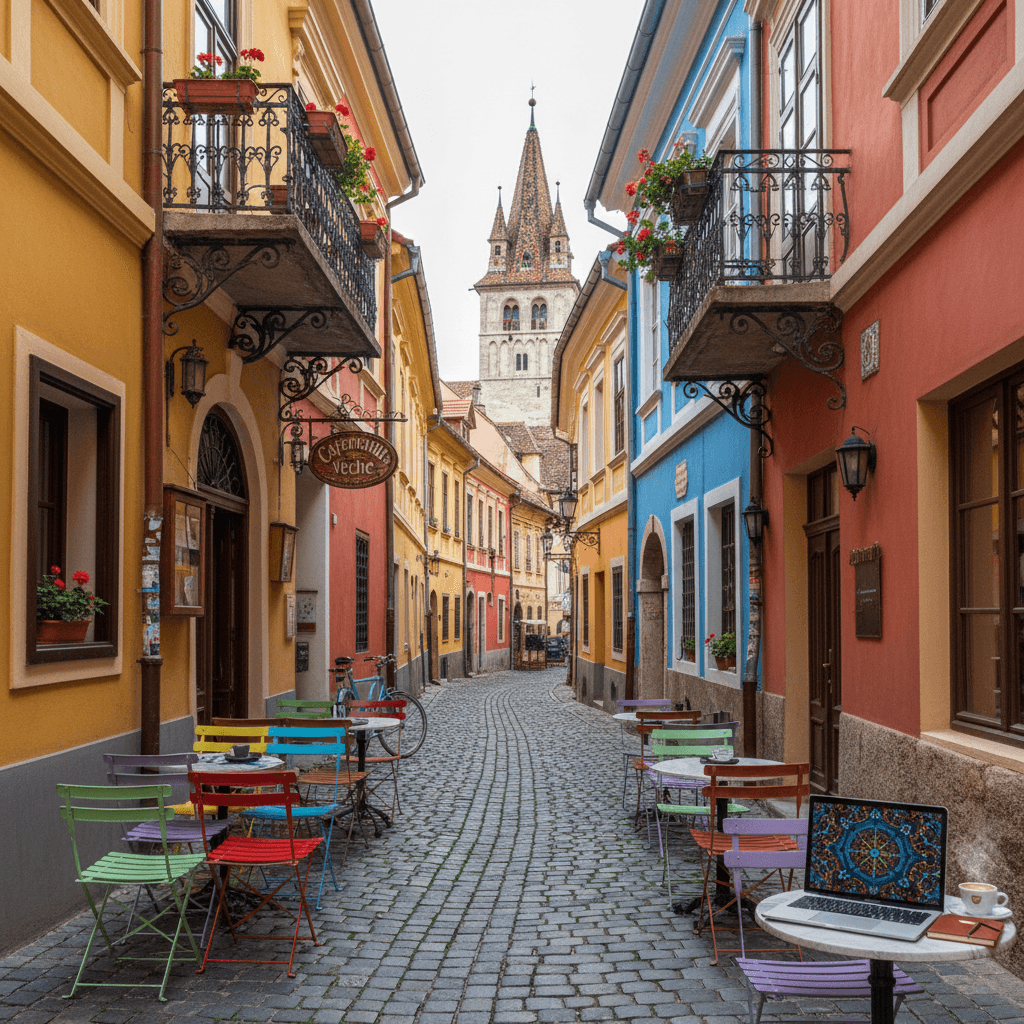
Cluj-Napoca
🇷🇴 Romania