Honolulu
🇺🇸 United States
The Pacific Rhythm
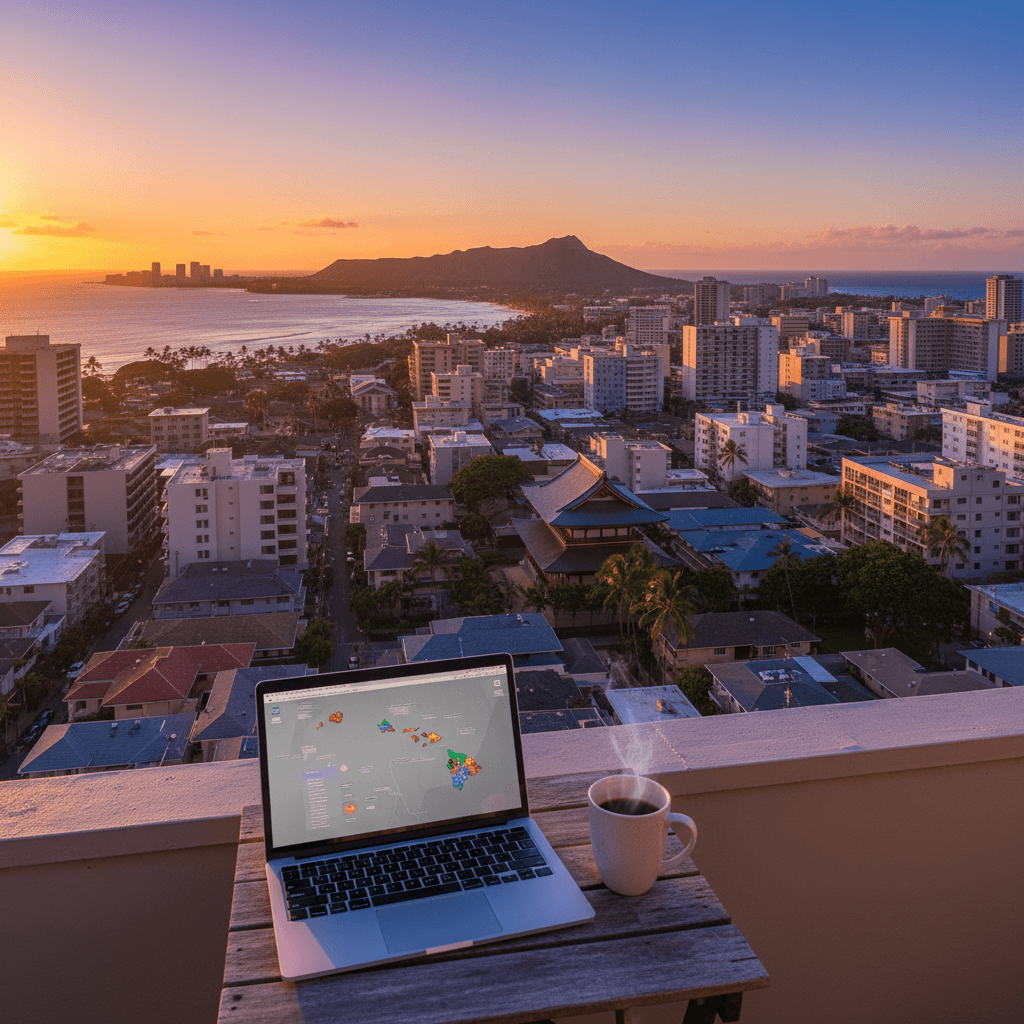
Honolulu is where the high speed intensity of a major American hub meets the slow, intentional pace of the islands. It is a place where you can realistically finish a morning meeting at a Kakaako cafe and be paddling out for a surf session ten minutes later. Unlike the gritty urbanism of New York or the tech centric vibe of San Francisco, Honolulu prioritizes the outdoors. While the internet is fast, the lifestyle is built around the tides and the trade winds.
Most nomads find that the city feels like a crossroads of Native Hawaiian, Asian, and American influences. You'll see this in the food, the language, and the social etiquette. The city is expensive, there is no way around that, but the tradeoff is a level of safety and infrastructure that is hard to find in other tropical nomad hubs. It feels less like a temporary stop and more like a place where you can actually build a routine, provided your budget can handle the $4,085 to $6,531 monthly price tag.
Living Costs & Logistics
Expect to spend a significant portion of your budget on housing and groceries. Rent is the primary driver of your monthly burn, but you can manage costs by eating like a local. Grab a $12 poke bowl from Foodland or a $15 plate lunch instead of dining at resort restaurants. Public transit is surprisingly solid here; a monthly HOLO card for TheBus costs $80 and can save you from the headache of Honolulu traffic.
- Kakaako & Ala Moana: These are the urban favorites. Studios run $2,000 to $2,500, while one bedroom apartments range from $2,500 to $3,500. It is walkable, filled with street art, and has the best coworking access.
- Waikiki: This is the tourist heart. It is incredibly walkable and you don't need a car, but expect to pay $2,800 to $4,000 for a decent apartment amid the crowds.
- North Shore: For those who want the pure surf lifestyle. It is more remote and you will likely need a car, but monthly rents for simpler setups can be found between $2,200 and $3,000.
Productivity in Paradise
Reliable connectivity is the standard here. Average speeds sit around 252 Mbps in the city center, though if you head to more rural parts of Oahu, it is smart to have a T-Mobile or AT&T eSIM as a backup. The coworking scene is professional and welcoming, often doubling as the main social hub for remote workers.
- BoxJelly: A staple in the Honolulu scene with flexible hot desks starting around $20 to $30 for a day pass.
- Treehouse Coworking: Located in Kailua, this spot offers ocean views and a quieter atmosphere for about $400 a month.
- Impact Hub Honolulu: Great for those looking for community events and a downtown location. Day passes are roughly $25.
The Social Landscape
Meeting people in Honolulu often happens through shared activities rather than late night bar crawls. Expats recommend joining local Facebook groups like Digital Nomads Honolulu or attending events at the coworking spaces. The "Aloha Spirit" is a real social expectation here; it means being kind, respecting the land, and taking your shoes off before entering someone's home. It is a culture of mutual respect that makes the city feel more like a community than a tourist trap.
Safety is rarely a major concern, though travelers often warn about petty theft in crowded Waikiki areas. Stick to well lit paths and don't leave valuables in your car when you head to the beach. For healthcare, you are in good hands with facilities like Queen's Medical Center providing top tier care. Most nomads find that once they adjust to the high prices, the ability to work from a balcony overlooking the Pacific makes every dollar spent feel like an investment in their own well being.
The Price of Paradise
Living in Honolulu is a masterclass in the trade-off between your bank account and your quality of life. You're paying for the ability to catch a wave at Ala Moana Beach Park before a 9:00 AM meeting, and that privilege doesn't come cheap. Most digital nomads find they need between $4,085 and $6,531 per month to stay comfortable here. If you're on the lower end of that scale, you'll likely be sharing a house or sticking to local plate lunches; the higher end gets you a modern 1BR in a walkable district and plenty of dinners out in Kakaako.
Monthly Budget Breakdowns
- The Budget Nomad (~$4,000): This lifestyle relies on shared housing, a monthly $80 HOLO bus pass, and a steady diet of $10 to $15 poke bowls from Foodland or street food stalls.
- The Mid-Range Professional (~$5,000): You'll likely snag a private studio or a modest 1BR. This budget allows for a mix of home cooking and $30 mid-range meals, plus a dedicated coworking membership.
- The Comfortable Expat (~$6,500+): This covers a premium 1BR in a high-rise, frequent rideshares at $20 a pop, and upscale dining where checks often top $50 per person.
Where You'll Rent
Rent is your biggest hurdle, and prices fluctuate wildly based on how close you are to the sand. Kakaako and Ala Moana are the current favorites for remote workers because they balance urban amenities with beach access.
- Kakaako & Ala Moana: Expect to pay $2,000 to $2,500 for a studio. A 1BR usually jumps to between $2,500 and $3,500. It's the most "city" feel you'll get, with street art and reliable fiber internet.
- Waikiki: This is the heart of the tourist action. It's walkable and you won't need a car, but you'll pay a premium for it. Rent for a decent 1BR often sits between $2,800 and $4,000.
- North Shore: If you're here for the surf, Haleiwa is the spot. Rent is slightly more digestible at $2,200 to $3,000, but you'll sacrifice convenience and likely need a car to get around.
Eating and Working
Groceries in Hawaii are notoriously expensive because almost everything is shipped in. Travelers often say that eating out at local "plate lunch" spots is nearly the same price as cooking a complex meal at home. For work, the café culture is strong, but many nomads prefer the stability of a desk.
- Coworking Costs: A day pass at spots like BoxJelly or Impact Hub runs about $25 to $30. Monthly memberships generally land between $300 and $600 depending on how much 24/7 access you need.
- Connectivity: Standard speeds average around 252 Mbps in the city. If you're heading to more rural areas on the North Shore, grab a T-Mobile prepaid SIM for $50 to ensure you have a backup for those spotty valley connections.
Transportation and Practicalities
If you stay in Waikiki or Kakaako, you can skip the car rental. TheBus is surprisingly efficient for $3 a ride, and Biki bike rentals cost about $5 to $10 for a day of cruising the scenic paths. Just remember to factor in a 15% to 20% tip for service workers; it's a standard part of the local economy that catches some international travelers off guard.
For Digital Nomads: Kakaako
Kakaako is the undisputed hub for remote workers who want an urban lifestyle that feels more like Brooklyn than a resort town. It is defined by its massive street art murals, industrial chic warehouses, and the SALT at Our Kakaako complex, which serves as the neighborhood's living room. You will find the highest concentration of high speed fiber internet here, with average speeds hitting 252 Mbps.
Most nomads gravitate toward BoxJelly or Impact Hub Honolulu for their daily grind. BoxJelly is particularly popular for its flexible hot desk rates starting around $20 to $30 per day. After work, the social scene revolves around craft breweries and upscale eateries like MW Restaurant. Expect to pay $2,500 to $3,500 for a modern one bedroom apartment, and be prepared for some construction noise as the area continues its rapid redevelopment.
For Expats and Long-Term Residents: Ala Moana
If you are planning to stay for several months, Ala Moana offers a more balanced local vibe compared to the tourist zones. It is strategically located between the business district and the beach, making it highly practical for those who do not want to rely on a car. The HOLO card and the local bus system are incredibly efficient here, with monthly passes costing about $80.
Expats recommend this area because you can find slightly more competitive rent, with studios often starting around $2,000. You have direct access to Ala Moana Beach Park, which is where the locals go to swim and paddleboard without the Waikiki crowds. For groceries and affordable meals, the nearby Foodland is a staple where you can grab fresh poke bowls for $10 to $15.
For Solo Travelers: Waikiki
Waikiki is the place to be if you want everything within a ten minute walk. While it is undeniably crowded and leans into its resort identity, it is the easiest place to land if you are arriving without a plan or a vehicle. The nightlife is concentrated here, and solo travelers find it the easiest neighborhood for meeting people at beach bars or surf schools.
Living here comes at a premium, with monthly costs often exceeding $6,500 for a comfortable lifestyle. Rent for a decent one bedroom can climb to $4,000. It is loud and energetic, so it is best suited for those who prioritize social proximity over peace and quiet. If you need to work, The Hub Coworking is a solid budget option in the vicinity, offering 24/7 access for around $300 a month.
For Surfers and Nature Lovers: North Shore
If your version of a work-life balance involves catching waves between Zoom calls, head to the North Shore, specifically around Haleiwa. This is a complete departure from the Honolulu skyline. It is rugged, scenic, and deeply rooted in surf culture. Even in this rural setting, you can find the connectivity needed for the country life.
The trade-off is convenience. You will likely need a car or a scooter to get around, and the nearest major hospital or high end shopping mall is a long trek away. Rent is generally lower than the city center, ranging from $2,200 to $3,000, but the inventory is limited.
For Families and Quiet Seekers: Kailua
Located on the windward side of the island, Kailua feels like a high end beach village. It is quieter, greener, and much more family oriented than the south shore. Families appreciate the calm waters of Kailua Beach and the abundance of boutique shops and cafes. Treehouse Coworking is the primary workspace here, famous for its ocean views and community events, with monthly memberships starting at $400.
Kailua is hilly and spread out, so a car is almost a requirement here. While it is one of the most beautiful places to live on Oahu, it is also one of the most expensive and exclusive. Most residents here value the "aloha spirit" and a slower pace of life, making it ideal if you want to escape the digital nomad bubble and integrate into a more permanent community.
Connectivity in the Islands
Honolulu is one of the few places where you can legitimately attend a board meeting on Zoom and be in the lineup at Waikiki twenty minutes later. The infrastructure here is robust, with citywide speeds averaging around 125 Mbps in Honolulu. If you are staying in urban hubs like Kakaako or Ala Moana, fiber connections are the standard. However, if you head toward the more rural parts of the North Shore, service can get spotty. Most nomads keep an eSIM backup like Jetpac or a local T-Mobile tourist plan for about $50 a month to stay tethered during island excursions.
The café culture is surprisingly work-friendly, provided you respect the "aloha spirit." Places like Coffee Gallery are favorites for their small-batch roasts and outdoor seating. While many local spots have reliable WiFi, the high cost of real estate means tables are at a premium; always buy a second round if you are staying past the hour mark.
Top Coworking Spaces
If you need a dedicated desk or a professional environment to escape the humidity, Honolulu has several established hubs. Expect to pay between $20 and $30 for a day pass, or $300 to $600 for monthly access.
- BoxJelly (Kakaako): This is the original Honolulu coworking spot. It has a creative, flexible vibe with hot desks starting around $20 a day. It is nestled in the heart of the street art district, making it easy to grab a high-end poke bowl for lunch.
- Treehouse Coworking (Kailua): For those who want to escape the downtown noise, this space offers ocean views and a quieter, community-focused atmosphere. Day passes are $25, and monthly memberships usually run $400 or more.
- Impact Hub Honolulu: Located downtown, this is the go-to for networking. They host frequent community events and offer day passes for $25 to $30. It is a solid choice if you want to meet local entrepreneurs.
- The Hub Coworking: If you are on a tighter budget and need 24/7 access, this spot is known for being one of the more affordable options at roughly $300 a month.
- Coworksurf (North Shore): Targeted specifically at the digital nomad crowd, this coliving and coworking hybrid offers 200 Mbps speeds for those who want to live and work steps away from world-class surf breaks.
Digital Nomad Neighborhoods
Choosing where to plant your laptop depends entirely on your budget and how much you rely on a car. Rent is the biggest hurdle here, often eating up the bulk of a $4,085 to $6,531 monthly budget.
Kakaako
- The Vibe: Modern, urban, and covered in murals. It is the most "nomad-friendly" area with the highest concentration of coworking and trendy cafés.
- Rent: Studios range from $2,000 to $2,500, while one-bedroom apartments sit between $2,500 and $3,500.
- Pros: High-speed fiber, walkable to SALT at Our Kakaako, and great food.
Waikiki
- The Vibe: Fast-paced and tourist-heavy. You won't need a car here, but you will deal with crowds.
- Rent: Expect to pay a premium for the convenience, with one-bedrooms often hitting $2,800 to $4,000.
- Pros: Incredible walkability and nightlife, but the "resort prices" can drain your bank account quickly.
Ala Moana
- The Vibe: A more local alternative to Waikiki that is still close to the beach and shopping.
- Rent: Slightly more accessible than Kakaako, with some studios found in the $1,800 to $2,200 range if you look on platforms like Zillow or Craigslist.
- Pros: Excellent public transit access and proximity to Ala Moana Beach Park for post-work swims.
Practical Tech Tips
Most travelers recommend getting a local SIM card immediately upon arrival. T-Mobile and AT&T have the best coverage in the Honolulu basin. For banking, most nomads use Wise or Revolut to avoid transaction fees, though major US banks like Chase and Wells Fargo have branches throughout the city. If you plan on staying long-term, look for housing in Ala Moana about one to two months in advance to snag the best deals before the seasonal crowds arrive.
Staying Safe in the Islands
Honolulu is generally a very safe base for digital nomads, especially compared to many major U.S. mainland cities. Violent crime is rare, and the overall vibe is one of community and mutual respect. However, the most common headache for travelers is petty theft. Car break-ins, or "smash and grabs," can happen if you leave valuables visible in a rental car, particularly at popular trailheads or beach parking lots.
Waikiki is well lit and stays active late into the night, but it's still smart to keep your wits about you in crowded tourist areas where pickpockets might operate. While there aren't specific "no-go" zones, most locals suggest avoiding isolated beaches or poorly lit parks after dark. If you're heading out for a sunrise surf or a late-night run, stick to the more populated stretches of the coast.
Ocean safety is often more of a concern than urban crime. The Pacific can be unpredictable, with strong rip currents and sharp coral reefs. Nomads spending time on the North Shore should pay close attention to lifeguard warnings and surf reports, as winter swells are massive and meant for pros. Always check the conditions before you jump in for a mid-day swim.
Healthcare and Medical Services
If you get sick or injured, you're in good hands. Honolulu is the medical hub of the Pacific, featuring high-quality facilities that meet top U.S. standards. The Queen's Medical Center is the premier hospital in the city, known for its excellent trauma care and specialized services. Most nomads find that English-speaking staff and modern equipment make for a seamless experience, though costs are high if you aren't properly insured.
For minor issues like a stubborn cough or a surfboard scrape, urgent care clinics are scattered throughout the city and are much faster than an ER visit. Straub Medical Center and various Island Urgent Care locations are reliable options for walk-ins. You can usually find a Longs Drugs (CVS) or Walgreens on every few blocks in urban areas for prescriptions, sunscreen, and basic medical supplies.
- Emergency Services: Dial 911 for police, fire, or ambulance.
- Health Insurance: Ensure your policy covers U.S. providers, as out-of-pocket costs for a simple ER visit can easily top $1,000.
- Pharmacies: Most are open until 9:00 PM or 10:00 PM, with a few 24-hour locations in the city center.
Practical Wellness Tips
The tropical sun is stronger than many visitors realize. Dehydration and heat exhaustion can sneak up on you while you're focused on a laptop screen or a hiking trail. Expats recommend carrying a reusable water bottle and applying reef-safe sunscreen regularly to protect both your skin and the local ecosystem. If you're working from an outdoor cafe in Kakaako or Kailua, find a spot with good shade to avoid the midday glare.
Mosquitoes can be a nuisance in the lush, rainy areas like the Manoa Valley or parts of the North Shore. While they aren't usually carrying serious diseases, a bit of repellent goes a long way during evening outdoor dinners. Overall, the lifestyle here encourages health, with plenty of fresh poke, acai bowls, and opportunities for daily movement that keep most nomads feeling better than they do back home.
Transit Style and Walkability
Honolulu is a city of contrasts when it comes to movement. If you're staying in Waikiki or Kakaako, your own two feet are your best asset. These neighborhoods are highly walkable, and you can easily bounce between a morning surf, a coworking session at BoxJelly, and a late night poke bowl without ever needing a set of keys.
For everything else, the local bus system, aptly named TheBus, is surprisingly efficient for a tropical island. It's the lifeline for nomads who want to avoid the headache of island traffic and the steep costs of parking. A single ride is $3, but if you're staying for a month, grab a HOLO card. A $90 monthly HOLO pass (increased July 2026) gives you unlimited rides across the island, which is a steal considering the price of gas here.
The Ride-Hail and Bike Scene
When the bus doesn't cut it or you're running late for a meetup at Impact Hub, Uber and Lyft are omnipresent. Expect to pay between $15 and $30 for most short trips within the city limits. If you're heading to the airport, a rideshare usually lands in the $30 to $40 range, though the #20 bus is a budget friendly $3 alternative if you aren't hauling three suitcases.
For shorter urban hops, look for the bright blue Biki bikes. There are over 130 stations around the city. It costs about $5 to $10 for a day of casual riding, and the scenic paths along the Ala Moana shoreline make it one of the most pleasant commutes you'll ever have. Just keep an eye on the traffic; Honolulu drivers are generally relaxed, but the narrow streets can get tight during rush hour.
Escaping to the North Shore
Getting out of the city center requires a bit more planning. While you can take TheBus all the way to Haleiwa, it's a long haul that can eat up two hours of your day. Most nomads recommend renting a car for weekend trips to the North Shore or Kailua. Car sharing apps like Turo are popular here, often proving cheaper than traditional rental agencies at the airport.
If you've based yourself at a coliving spot like Coworksurf, you'll find that life slows down significantly. In these rural areas, a car isn't just a luxury, it's a requirement. The terrain in places like Kailua is hilly, and the distance between your desk at Treehouse Coworking and the nearest grocery store is further than you'd want to trek in the midday sun.
Practical Navigation Tips
- Download the Apps: Stick to Google Maps for bus routes and arrival times. It’s remarkably accurate for TheBus schedules.
- HOLO Card: You can pick these up at Longs Drugs or 7-Eleven. It's a tap and go system that saves you from carrying exact change in coins.
- Traffic Reality: Avoid the H-1 freeway during peak morning and evening hours. Honolulu has some of the worst congestion in the US, and what should be a 20 minute drive can easily triple when the commute hits.
- Parking Woes: If you do rent a car in Waikiki, check your hotel or Airbnb's parking situation first. Daily rates can soar to $40 or $50 in the tourist center.
Most travelers find that a hybrid approach works best. Use Biki and your feet for daily city life, TheBus for exploring the coast on a budget, and a Turo rental for those North Shore swell days when you need to haul a board and a cooler.
Making Yourself Understood
In Honolulu, English is the undisputed king of communication. You won't need a translator to order your poke bowl or negotiate a monthly desk rate at Impact Hub. The city operates with a high level of proficiency, though the local flavor of English is seasoned with loanwords from the islands' diverse history.
While English is the primary language for business and daily life, you'll frequently hear Tagalog and Ilokano within the Filipino community, and Japanese is common in the tourist corridors of Waikiki. Native Hawaiian (ʻŌlelo Hawaiʻi) is an official state language, and though it isn't the primary mode of conversation for most, its presence is felt in street names, government buildings, and daily greetings.
The Spirit of Aloha
The "Aloha Spirit" isn't just a marketing slogan; it's a social expectation. Communication here is generally softer and more indirect than in mainland cities like New York or San Francisco. Most nomads find that a patient, respectful approach gets much better results than being pushy or overly transactional.
You'll quickly pick up "Pidgin," or Hawaii Creole English. It isn't just slang; it's a distinct linguistic identity that blends English, Hawaiian, Chinese, Portuguese, and Filipino influences. While you shouldn't try to mimic it (which can come off as patronizing), understanding a few common terms helps you follow the flow of local conversations or during a surf session.
Essential Local Vocabulary
- Aloha: Used for both hello and goodbye, but it also represents a deeper sense of love and fellowship.
- Mahalo: The standard way to say thank you. You'll see this on everything from trash cans to high end menus.
- Pehea ʻoe?: A friendly way to ask "how are you?"
- Pau: Finished or done. If a server asks if you're "pau," they want to know if they can take your plate.
- Keiki: Child or children.
- Kamaʻāina: Literally "child of the land," referring to local residents. Look for "Kamaʻāina discounts" at restaurants, though these usually require a local ID.
- Haole: A term used for foreigners or Caucasians. While it can be descriptive, the tone and context matter.
Practical Tools and Customs
If you find yourself venturing into deeper cultural pockets or chatting with international tourists, Google Translate is the reliable standby. For digital nomads, the most important communication happens online. With average speeds around 252 Mbps in the city center, your Zoom calls will be crisp, but residents suggest having an eSIM backup like Jetpac if you're heading to the North Shore where signals can dip between the hills.
Social etiquette is a major part of communicating respect in Honolulu. Travelers often say that the quickest way to offend a local is by ignoring "no trespassing" signs or failing to remove your shoes before entering someone's home. Tipping is standard American practice; expect to add 15% to 20% to your bill at mid range spots like Helena's Hawaiian Food.
To meet people and practice your "Aloha," join the Digital Nomads Honolulu Facebook group or the Outsite WhatsApp community. These are the best channels for finding weekend hikes at Diamond Head or catching a $15 plate lunch with fellow remote workers in Kakaako.
The Sweet Spot: When to Book Your Flight
Honolulu is a rare breed where the weather stays remarkably consistent, hovering between 75°F and 85°F throughout the year. Most nomads find the best balance between April and October. During these months, the Pacific is calmer on the South Shore, the sun is a permanent fixture, and rain is a rarity. It’s the ideal window if you’re planning to spend your lunch breaks at Ala Moana Beach Park or taking a Biki bike down to Waikiki for a sunset dip.
If you’re heading over between November and March, expect the "rainy season." Don't let the term scare you off; Hawaiian rain usually arrives in short, intense bursts followed by immediate sunshine and rainbows. It’s still warm, but you’ll want a light waterproof shell for your laptop bag. This is also peak season for the North Shore surf, so while Honolulu stays manageable, the island gets crowded with pro surfers and spectators chasing the big swells.
Seasonal Breakdown for Nomads
- Spring (April to June): This is the local favorite. The trade winds keep the humidity low, and the spring break crowds have thinned out. You’ll find better deals on mid-term rentals in Kakaako during this window.
- Summer (July to September): It’s the hottest time of year, often hitting 85°F or higher. If your apartment doesn't have AC, you’ll be spending a lot of time at BoxJelly or Impact Hub to stay cool while you work.
- Fall (October to November): A great shoulder season where prices dip slightly before the winter rush. The water is still warm enough for long sessions at Queens or Canoes.
- Winter (December to March): The busiest and wettest period. Expect higher demand for everything from coworking desks to Ubers. However, the 80°F highs are a massive draw for anyone escaping a mainland winter.
Managing the Microclimates
One thing travelers often realize quickly is that Oahu has distinct microclimates. While it might be pouring rain in the lush valleys of Manoa or near the mountains in Kailua, it’s often bone dry and sunny in the coastal strips of Waikiki and Kakaako. If you’re sensitive to humidity or hate the rain, stick to the southern coastline. If you prefer the cooler, jungle-like vibes and don't mind a $15 to $30 rideshare into the city, the windward side offers a refreshing break from the urban heat.
Practical Packing for the Climate
The "Aloha Spirit" extends to the dress code, so leave the formal wear at home. Most nomads get by with breathable linens and high-quality sandals. Since the internet is reliable and the lifestyle is outdoorsy, your primary concern will be sun protection and keeping your gear dry during those sudden 10 minute tropical showers. If you’re planning to work from outdoor spots like the SALT courtyard in Kakaako, a screen glare protector is a smart investment for those bright 85°F afternoons.
Key Weather Stats
- Hottest Months: August and September, averaging 85°F.
- Coolest Months: January and February, averaging 80°F.
- Peak Rain: December, though it rarely disrupts a full workday.
- Ocean Temperature: Ranges from 76°F in winter to 81°F in late summer.
The Bottom Line on Costs
Living the dream in Honolulu isn't cheap. You're looking at a monthly burn rate between $4,085 for a basic lifestyle and $6,531 if you want more comfort. Most nomads find that rent and groceries eat up the bulk of their budget, but the ability to surf between meetings makes the "paradise tax" feel manageable.
- Housing: Expect to pay $2,000 to $2,500 for a studio in Kakaako, while Waikiki often hits $2,800 to $4,000.
- Food: A local plate lunch or poke bowl at Foodland runs $10 to $15. A mid range dinner out will cost you $20 to $40.
- Transport: A monthly HOLO card for the bus is $80, while a typical Uber across town costs $15 to $30.
Where to Set Up Base
The neighborhood you pick defines your experience. Kakaako is the current favorite for digital nomads because it feels like a modern urban hub. It's packed with street art, creative cafes, and reliable fiber internet. The only downside is the constant hum of new construction.
If you want a more local feel without the Waikiki price tag, Ala Moana is a solid choice. It's close to the beach park and has better access to public transit. For those who prioritize the ocean over everything else, the North Shore offers a slower pace and legendary surf, though you'll definitely need a car and a higher tolerance for a rural lifestyle.
Internet and Coworking
Honolulu is well connected with average speeds around 252 Mbps in the city center. If you're heading to more remote parts of Oahu, keep an eSIM backup like Jetpac or a T-Mobile prepaid plan handy, as signals can drop near the mountains.
- Impact Hub Honolulu: Located downtown with a strong community vibe, day passes are $25 to $30.
- BoxJelly: A flexible space in Honolulu with hot desks starting at $20 a day or $350 a month.
- Treehouse Coworking: If you're staying in Kailua, this spot offers ocean views and day passes for $25.
- Coworksurf: A dedicated coliving and working space on the North Shore with 200 Mbps speeds for the surf obsessed.
Getting Around
You don't necessarily need a car if you stay in Waikiki or Kakaako. The city is highly walkable, and the Biki bike share program is perfect for short trips at $5 to $10 a day. For longer hauls, "TheBus" is surprisingly efficient for $3 a ride.
When you land at HNL, the #20 bus is the cheapest way to get to Waikiki for $3, though it takes about 45 minutes. A rideshare is faster but will set you back $30 to $40 depending on the time of day.
Practicalities and Culture
The weather is tropical and consistent, usually sitting between 75 and 85 degrees. The rainy season runs from November to March, but showers are usually quick. April through October is the sweet spot for clear skies and outdoor work sessions.
Culturally, the "Aloha Spirit" is real. Respect the land and local customs; always remove your shoes before entering someone's home and tip 15% to 20% at restaurants. For healthcare, Queen's Medical Center is the top tier facility in the city. Most pharmacies like Longs Drugs are open late for basics. If you're looking to meet people, join the "Digital Nomads Honolulu" Facebook group or head to a Friday night meetup at SALT in Kakaako.
Need visa and immigration info for United States?
🇺🇸 View United States Country GuideEasy Landing
Settle in, no stress