Hobart
🇦🇺 Australia
The Edge of the World, With a Great Flat White
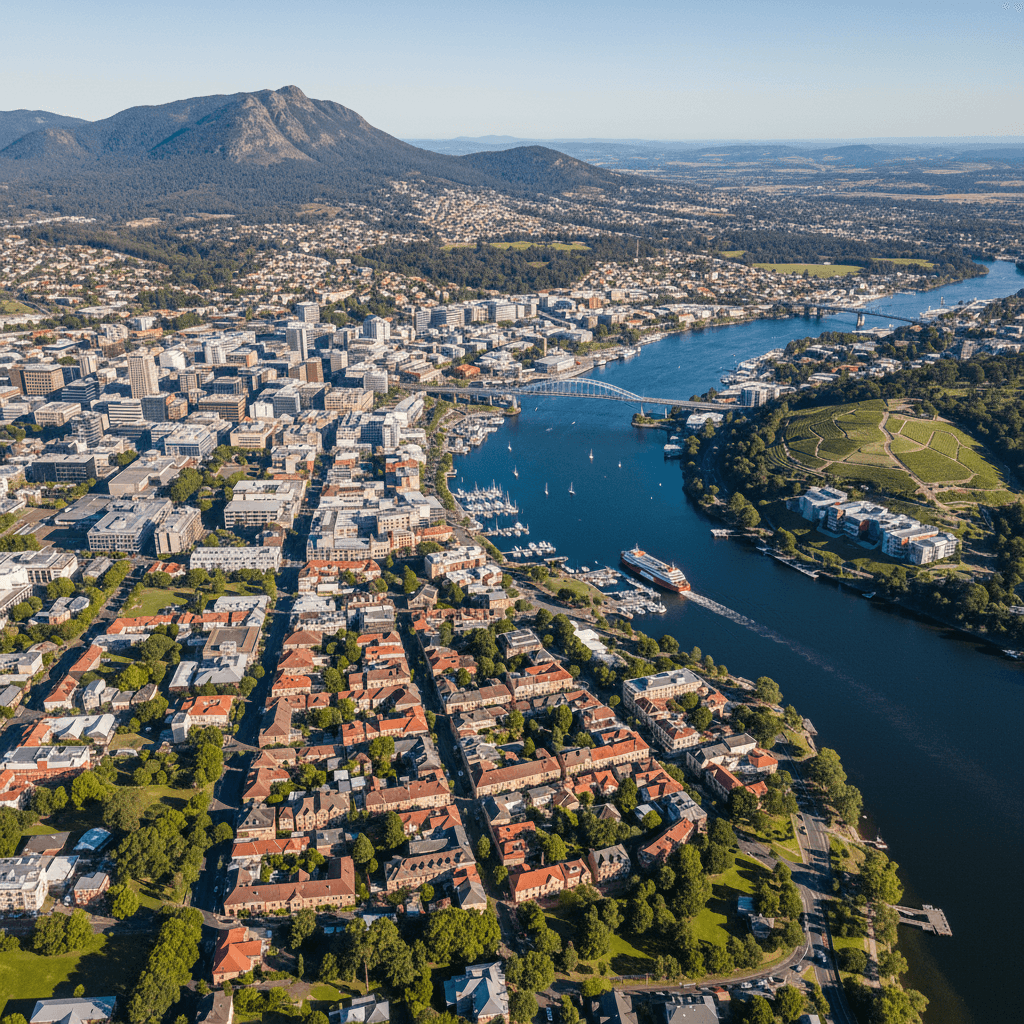
Hobart is a city that doesn't feel the need to shout. While Sydney and Melbourne compete for your attention with skyscraper skylines and frantic energy, Hobart sits quietly at the base of Mount Wellington, looking out over the Derwent River. It is a place where the air is noticeably crisper and the pace of life is dictated by the seasons rather than the 24 hour news cycle. For nomads, it is the ultimate "slow living" destination, offering a rare balance between rugged wilderness and a sophisticated, artsy urban core.
The first thing you'll notice is the intimacy. This is a city where the barista at Sunbear will likely remember your coffee order by your third visit. It feels more like a large, well connected village than a state capital. You aren't just another face in the crowd here; you're part of a community that values craft, whether that's in the form of a perfectly fermented sourdough, a world class cool climate pinot noir, or a meticulously designed coworking space.
A Culture of Makers and Mountains
The "vibe" in Hobart is an unusual mix of grit and refinement. It has a seafaring history that you can still feel in the sandstone warehouses of Salamanca Place, but it's also home to some of the most avant garde art on the planet. The presence of MONA (the Museum of Old and New Art) has transformed the city's identity, bringing a dark, playful, and intellectual edge to what was once a sleepy port town.
Life here revolves around the outdoors. It is common for locals to spend their lunch breaks hiking a trail or sitting by the water. If you're the kind of remote worker who needs a high energy, neon lit nightlife to feel productive, Hobart might feel a bit too quiet. But if your idea of a perfect Tuesday involves finishing a deep work session and then driving 20 minutes to a trailhead or a secluded beach, you'll find it hard to leave.
The Reality of the Nomad Life
While the lifestyle is high quality, it does come with a price tag. Hobart has become increasingly popular, and the cost of living reflects that. You can expect a monthly budget to land somewhere between $3,100 and $3,800 USD. It isn't the cheapest spot in the Southern Hemisphere, but most expats find the trade off worth it for the safety, the infrastructure, and the sheer beauty of the surroundings.
- Digital Nomad Score: 65/100
- Internet Speeds: Averages around 145 Mbps, though some older pockets of the city can dip significantly lower.
- The Social Scene: Focused on small bars and live music. Places like Pablo's Cocktails and Dreams or Sonny are where you'll actually meet people.
- Walkability: Excellent in the CBD and inner suburbs. You can easily navigate the best dining and waterfront spots on foot.
The city's growth has brought a steady influx of remote workers, and while the nomad community is smaller than what you'd find in Bali or Chiang Mai, it is exceptionally welcoming. People here are genuinely interested in why you've chosen Tasmania. It's a destination for the intentional traveler, the person who wants to swap the "hustle" for a bit of perspective and a lot of fresh air.
Expect your days to be punctuated by the changing light on the mountain and your weekends to be filled with trips to local markets or coastal drives. It's a place that invites you to breathe, work deeply, and remember that there's a whole world outside your laptop screen.
Budgeting for the Island Life
Hobart presents an interesting financial paradox for remote workers. While many locals consider it a more affordable alternative to the skyrocketing prices of Sydney or Melbourne, it's certainly not a "budget" destination in the global sense. You're paying a premium for the incredible air quality, fresh produce, and that quiet Tasmanian lifestyle. Most nomads find they need roughly $3,117 USD per month to live comfortably here, though if you're hitting the cocktail bars in Salamanca every weekend, that figure can easily climb toward $3,800 USD.
The biggest variable in your budget will be housing. Because Hobart is a compact city with limited high density apartment stock, finding a short term studio or one bedroom can be competitive. You'll likely spend a significant portion of your budget on a well located rental in the CBD or North Hobart to stay close to the action.
Monthly Expense Breakdown
- Estimated Monthly Total: Approximately $3,117 USD
- Co-working Memberships: Expect to pay around $230 USD (AUD 350) for a hot desk at professional spaces, similar to mainland rates.
- Coffee and Quick Bites: A flat white at local favorites like Sunbear will run you about $3.50 to $4.50 USD.
- Casual Dinner: A meal at a mid range spot or a waterfront bistro usually lands between $25 and $40 USD per person.
Connectivity and Productivity Costs
If your work involves heavy uploads or video calls, you'll need to be picky about your accommodation. Internet speeds in Hobart are a bit of a mixed bag; while some areas boast lightning fast fiber reaching 145 Mbps, older buildings or hilly suburbs might struggle at 19 Mbps. Always ask for a speed test before signing a lease.
To mitigate the risk of spotty home Wi-Fi, many expats factor a co-working budget into their monthly overhead. The city has a growing scene of cozy spaces that prioritize community over corporate sterile vibes. If you prefer the "laptop and latte" lifestyle, Hobart's cafe culture is welcoming. Places like Rosie in My Midnight Dreams offer great waterfront views, though it's polite to keep the laptop tucked away during the busy weekend brunch rush.
Eating, Drinking, and Socializing
Food is where Hobart truly shines, but it's also where your "incidental" spending can spiral. The city is obsessed with local provenance. You'll find yourself spending more on groceries because the quality of the seafood, cheese, and cool climate wine is too good to pass up. A night out at Sonny for snacks and wine or catching live music at Pablo's Cocktails and Dreams is a standard part of the social fabric here, but those premium cocktails add up quickly.
For transport, the CBD and surrounding dining precincts are highly walkable, which saves you a fortune on ride hailing apps or car rentals. Most nomads find they can get by on foot for daily life, only renting a vehicle when they want to head out to the Huon Valley or Port Arthur on weekends. To meet people without breaking the bank, travelers often recommend checking Meetup.com for local hiking groups or tech mixers, which are often free or low cost.
Digital Nomads: The CBD and North Hobart
If you need to be within a five minute walk of your next caffeine fix, the Central Business District (CBD) is your best bet. It is the most pedestrian friendly part of the city, where the historic sandstone architecture meets a growing collection of modern workspaces. You will find plenty of nomads tucked into the corners of Sunbear, sipping espresso and working through spreadsheets. While specific coworking brands like The Commons are more common in Sydney, Hobart local spots offer a more intimate, community oriented atmosphere that makes it easy to meet people.
North Hobart, specifically the area around Elizabeth Street, is the go to for those who want a bit more grit and character. It is the city's unofficial soul, packed with independent cinemas, bookstores, and late night bars. It is slightly more affordable than the waterfront, and you will be close to Pablo's Cocktails and Dreams for live music once the laptop shuts down. Expect to pay around $3,117 USD per month for a comfortable lifestyle here, though some travelers find their costs creeping closer to $3,800 USD if they eat out frequently.
- Vibe: Fast paced (for Tasmania), social, and convenient.
- Internet: Generally reliable with speeds hitting up to 145 Mbps in modern apartments.
- Top Spot: Sonny for a post work glass of local wine and small plates.
Expats: Sandy Bay and Battery Point
Expats looking for a long term base usually gravitate toward Sandy Bay. It feels more like a proper residential suburb but stays connected to the action. It is home to the University of Tasmania, so there is a diverse, international crowd and plenty of amenities like supermarkets and gyms that the CBD lacks. The waterfront views are stunning, and the pace is exactly what you would expect from a city known for its "slow" lifestyle.
Battery Point is the prestigious neighbor, famous for its narrow lanes and 19th century cottages. It is expensive, but it offers a level of charm you won't find anywhere else in Australia. Expats recommend this area if you have a higher budget and want to feel like you are living in a historical postcard. It is quiet, safe, and just a short stroll down the Kelly's Steps to the Salamanca markets.
- Rent: High, but the proximity to the water and parks is the main draw.
- Atmosphere: Quiet, prestigious, and very safe.
- Local Tip: Check meetup.com for local expat groups that gather in these areas for weekend walks.
Solo Travelers: Salamanca and the Waterfront
If you are in town for a shorter stint and want to be where the people are, stay near the waterfront. This is the heart of Hobart's tourism and social scene. You will be steps away from Rosie in My Midnight Dreams for a morning coffee by the docks and within walking distance of the ferry to MONA. It is the easiest place to strike up a conversation with locals or fellow travelers.
The social scene here is centered around quality over quantity. Instead of massive nightclubs, you will find high end cocktail bars and seafood spots. It is a very safe area for solo exploration, even late at night. The walkability score here is 10/10, meaning you rarely need to worry about public transport or ride hailing apps to get to the best parts of the city.
- Social Scene: High, especially on Saturdays when the Salamanca Market is in full swing.
- Safety: Very high; the area is well lit and stays active into the evening.
- Must Visit: The various wine bars tucked into the old stone warehouses.
Families: West Hobart and South Hobart
Families often prefer the hilly streets of West and South Hobart. These neighborhoods offer more space, larger backyards, and easy access to the foothills of Mount Wellington. You get a real sense of the "mountain and forest" side of Hobart here. It is common to see families heading out for weekend bushwalks or visiting the local parks.
While these areas are less "wired" than the CBD, the community feel is unmatched. Your neighbors will likely know your name within a week. It is a quieter existence, but for those moving with kids, the fresh air and safety are the primary selling points. You will still be only a 10 minute drive or a slightly longer bus ride from the city center.
- Environment: Green, hilly, and family focused.
- Transport: A car is helpful here, though buses do service the main arteries.
- Vibe: Peaceful and suburban with great access to nature trails.
Connectivity and Speed
Hobart is a bit of a wildcard when it comes to internet speeds. While some areas of the city center clock in at a blistering 145 Mbps, other pockets can drop down to around 19 Mbps. If you are uploading heavy video files or running back to back Zoom calls, you will want to verify the NBN (National Broadband Network) connection type with your host before booking an apartment.
The city is well served by Australia's major telcos. Most nomads pick up a local SIM from Telstra or Optus for the best coverage, especially if you plan on heading into the Tasmanian wilderness on weekends. A standard prepaid plan with plenty of data usually runs between $30 and $50 AUD per month. If you prefer the convenience of an eSIM, Holafly and Airalo work well here, though they are generally more expensive than a local physical SIM.
Coworking Spaces
The coworking scene in Hobart is intimate rather than corporate. You won't find the massive global chains here; instead, the spaces have a distinct community feel where people actually talk to one another. It is the kind of environment where you can get through your deep work in the morning and find someone to grab a craft beer with by 5:00 PM.
- The Typewriter Factory: Located in the heart of the city, this is a favorite for creatives and freelancers. It has a relaxed, industrial vibe and offers various membership tiers.
- WOTSO Hobart: Situated in a converted heritage building, this space offers the most traditional "pro" coworking experience. They have hot desks, meeting rooms, and reliable 24/7 access for those working odd hours for Northern Hemisphere clients. Expect to pay around $350 AUD for a monthly hot desk.
- Enterprize: This is the hub for the local startup scene. It is less of a "quiet office" and more of a networking ecosystem, making it great if you are looking to collaborate with local Tasmanian entrepreneurs.
The Cafe Office Culture
Hobart has a world class coffee scene, and many cafes are quite welcoming to laptop users as long as it is not during the peak lunch rush. The local etiquette is to buy a coffee or a meal every couple of hours. Most spots have free WiFi, but it is always polite to ask before you settle in for a long session.
Sunbear is a top pick for a few hours of work. It is unassuming and serves some of the best espresso in town alongside great sandwiches. Note that Sunbear closes by 3:00 PM at the latest, so it's best for morning and early afternoon work sessions. If you need a change of scenery, the waterfront area has several spots with views of the harbor that make the workday feel a lot less like a chore. Note that Rosie is closed Tuesday and Wednesday, so it's not available as a consistent workspace option on those days.
For those who need total silence, the State Library of Tasmania on Murray Street is a reliable fallback. It is free, has decent public WiFi, and offers plenty of desk space without the pressure to keep buying lattes.
Practical Tips for Remote Work
Keep in mind that Hobart is a morning city. Many of the best cafes open at 7:00 AM or 8:00 AM but close by 3:00 PM or 4:00 PM. If you are a night owl working for US or European companies, you will likely be relying on your home internet or a 24/7 coworking membership, as the city gets very quiet after dark. Most nomads find that the lifestyle here rewards those who can shift their schedule to enjoy the daylight hours and the incredible nature right on the doorstep.
Staying Safe in the Apple Isle
Hobart is consistently ranked as one of the safest capital cities in Australia. The vibe here is remarkably low-key, and most nomads find they can walk through the CBD or along the waterfront at night without a second thought. It lacks the gritty edge found in larger metropolitan hubs, making it an ideal spot if you're looking for peace of mind while working remotely.
While violent crime is rare, petty theft can occasionally happen in high-traffic tourist areas like Salamanca Market. Expats generally recommend the standard precautions: keep your laptop bag within sight at cafes and don't leave valuables visible in your car if you're heading out for a hike on Mount Wellington. Local police are approachable and visible, particularly around the waterfront precincts during the weekends.
- Emergency Services: Dial 000 for police, fire, or ambulance. This is the universal emergency number across Australia.
- Non-Emergencies: For police assistance that doesn't require an immediate response, call 131 444.
- Walking at Night: Stick to well-lit areas in the CBD and North Hobart. The city gets very quiet after 9:00 PM, so don't be surprised if you're the only one on the sidewalk.
Healthcare and Medical Services
You won't have trouble finding high-quality medical care in Hobart. The city is home to the Royal Hobart Hospital, which serves as the primary public teaching hospital. It's centrally located and equipped for emergencies. For non-urgent issues, there are plenty of General Practice (GP) clinics scattered throughout the city and suburbs like Sandy Bay.
Australia has a public healthcare system called Medicare, but this is generally reserved for citizens and residents from countries with reciprocal healthcare agreements. Most digital nomads will need comprehensive travel insurance or private health cover to avoid high out-of-pocket costs for a doctor's visit. A standard consultation with a GP typically costs between $80 and $120 AUD if you don't have local coverage.
Pharmacies and After-Hours Care
Pharmacies, or chemists as locals call them, are easy to find. Major chains like Chemist Warehouse offer the lowest prices on prescriptions and over-the-counter meds. If you need a script filled late at night, you'll need to check specific locations as many close by 6:00 PM or 9:00 PM.
- After-Hours Clinics: If you need a doctor outside of business hours but it isn't an emergency, look for "After Hours" clinics in the Hobart area to avoid the long wait times at the hospital ER.
- Prescriptions: You will need a valid Australian prescription for most medications, including antibiotics. If you have a script from home, you'll likely need to visit a local GP first to have it converted.
- Sun Safety: This is a genuine health concern in Tasmania. The UV levels are often higher than they feel because of the cool breeze. Locals recommend wearing SPF 50+ even on cloudy days to avoid severe sunburn.
Key Medical Contacts
- Royal Hobart Hospital: Located at 48 Liverpool St. Open 24/7 for emergencies.
- Healthdirect Australia: Call 1800 022 222 for 24-hour health advice from a registered nurse if you aren't sure if you need a doctor.
- Priceline Pharmacy: Conveniently located in the Elizabeth Street Mall for quick supplies and basic health advice.
Making Your Way Around
Hobart is a city where you can actually slow down and enjoy the scenery. Most nomads find the city center and the waterfront areas incredibly walkable. If you're staying in the CBD or near the harbor, your own two feet will be your primary mode of transport. The dining scene is clustered together, so hopping from a morning coffee at Sunbear to an evening drink at Sonny usually just involves a short, pleasant stroll.
The city's layout is compact and manageable, though you should be prepared for some hilly terrain as you move away from the water. It's the kind of place where you'll get to know your local streets quickly, and the lack of high-speed urban chaos is a huge part of the appeal for the remote work crowd.
Public Transport and Rideshares
While the city is pedestrian-friendly, you'll eventually need to head further afield. Hobart doesn't have a train or tram network, so the public transport system relies entirely on buses. It's a reliable enough way to get between suburbs, though schedules can be a bit thin on weekends and late at night. Most locals and long-term travelers use ride-hailing apps like Uber or Ola for quick trips when they don't want to wait for a bus.
If you're planning to stay for a few months, look into getting a Greencard. This is the local smartcard used for bus fares, and it makes the process much cheaper than buying individual paper tickets. You can top it up online or at designated shops around town.
Cycling and Hills
Hobart is becoming more bike-friendly, but it's not Amsterdam. The waterfront has some great flat paths, but as soon as you head toward neighborhoods like West Hobart or South Hobart, you're going to encounter steep inclines. If you're a cyclist, an e-bike is a game-changer here. It allows you to tackle the hills without arriving at your coworking space drenched in sweat.
- Walkability: High in the CBD, Battery Point, and waterfront areas.
- Primary Transport: Metro Tasmania buses and rideshare apps.
- Best for Commuting: Walking or e-bikes for short distances.
Getting to and from the Airport
Hobart International Airport is about a 20 minute drive from the city center. Since there's no rail link, you have three main options to get to your accommodation:
- SkyBus: This is the most popular choice for solo travelers. It runs regularly and drops off at several key locations in the city. A one-way ticket usually costs around $20 USD.
- Rideshares and Taxis: An Uber or a standard taxi into the CBD will typically set you back between $35 and $50 USD depending on the time of day and traffic.
- Car Rentals: If you plan on exploring the Tasmanian wilderness on your weekends, picking up a rental car at the airport is a smart move. Just keep in mind that parking in the CBD can be expensive and competitive.
The Necessity of a Car
Expats often say that while you don't need a car for daily life in the city, you definitely want one for the weekends. Tasmania's best features are its national parks and remote coastlines, which are nearly impossible to reach via public bus. Many nomads choose to live centrally and just rent a car for specific trips, rather than dealing with the costs of registration and insurance for a permanent vehicle.
Common Tongue and Local Lingo
English is the primary language in Hobart, and you'll find it spoken with a distinct, laid-back Australian cadence. While the accent in Tasmania is generally similar to what you'll hear on the mainland, the pace of speech often matches the city's slower lifestyle. Most expats find that communication is straightforward, though locals may use a fair amount of slang that takes a week or two to master.
You'll notice that Tasmanians, or Tassies, love to shorten words. A service station is a servo, an afternoon is an arvo, and if someone asks you to head to the bottle-o, they're looking to pick up some local wine or craft beer. If you're working from a spot like Sunbear or Rosie in My Midnight Dreams, don't be surprised if the staff greets you with a casual "G'day" or "How's it going?" It's not just a formality; people here genuinely expect a quick response before you dive into your coffee order.
Digital Communication and Staying Connected
When it comes to staying online, Hobart is well-connected but can be variable. While average speeds hit around 145 Mbps in the city center, some older buildings in hilly residential areas might see speeds drop significantly. If you're planning to take video calls, it's smart to test the connection at your accommodation before settling in for a long stint.
- SIM Cards: Telstra is widely considered the best choice for Tasmania because their coverage is superior when you head out of the city for weekend hikes. Optus and Vodafone are solid alternatives if you plan to stay strictly within the CBD.
- eSIMs: Many nomads now skip the physical kiosks and use apps like Airalo or Holafly. These are convenient for immediate data upon landing, though they often cost more than a local prepaid plan.
- Public WiFi: You'll find free WiFi in many public spaces around the waterfront and certain libraries, but for a stable workday, the local cafe scene is your best bet.
Navigating Social Nuances
The communication style in Hobart is friendly and egalitarian. There is very little hierarchy in social interactions; your barista, your Uber driver, and a local business owner will likely all speak to you with the same level of informal warmth. This makes it an easy place to build a network quickly. Many remote workers find that the best way to meet people is through Meetup.com or by frequenting the same local haunts until the "regular" status kicks in.
One thing travelers often mention is the "small town" feel of Hobart's professional circles. Word travels fast in Tasmania, so being polite and reliable goes a long way. If you make a connection at a live music spot like Pablo's Cocktails and Dreams, don't be surprised if you run into that same person at a market the next morning. It's a community-oriented environment where a simple "thank you" and a bit of small talk are the standard currency for social success.
Useful Tech for Your Stay
Since English is the standard, you won't need translation apps, but a few other digital tools will make life easier. WhatsApp is the go-to for most international nomad groups, while locals often use Facebook Messenger or standard SMS for organizing social gatherings. For getting around, having a maps app is vital, not just for directions but for checking the operating hours of smaller cafes and bars, which can sometimes close earlier than you'd expect in a larger city.
The Four Seasons of Hobart
Hobart is the southernmost capital in Australia, which means its weather is a bit different from the sun-drenched images of Sydney or Perth. It has a true cool-temperate climate. You get four distinct seasons here, and each one changes the city's personality entirely. While the weather is generally mild, locals will tell you to always carry a jacket; the wind coming off the Southern Ocean doesn't mess around.
Summer (December to February) is peak season for a reason. Temperatures usually sit between 12°C and 22°C (54°F to 72°F), though heatwaves can occasionally push things into the 30s. This is when the city feels most alive. You’ll find nomads working from the docks and the waterfront bars staying packed until late. The days are incredibly long, with the sun staying up until nearly 9:00 PM in mid-summer, giving you plenty of daylight for a post-work hike up Mount Wellington.
Autumn (March to May) is arguably the most beautiful time to be in town. The air turns crisp, the deciduous trees in the botanical gardens turn deep orange, and the wind dies down. Temperatures range from 9°C to 17°C. It’s settled and calm, making it the best time for those who want to avoid the summer crowds but still enjoy outdoor markets and walking tours.
Winter (June to August) is for the nomads who love a "cozy" vibe. It gets cold, with averages between 5°C and 12°C, and nights frequently dropping toward freezing. You might see snow dusting the peak of Mount Wellington, which looks spectacular from the CBD. While it’s the quietest time for tourism, the Dark Mofo festival in June brings a massive surge of energy and visitors to the city.
Spring (September to November) is the most unpredictable. You’ll get beautiful sunny mornings followed by sudden rain showers. Temperatures hover between 8°C and 17°C. It’s a bit of a transition period, but the city starts blooming and the energy picks up as everyone prepares for the summer festival season.
Best Time to Visit
If you’re looking for the sweet spot between great weather and social activity, aim for January to March. The weather is stable, the major festivals like the Hobart Cup and the Wooden Boat Festival are in full swing, and the outdoor dining scene is at its best. Just keep in mind that accommodation prices will be at their highest during this window.
For budget-conscious travelers, October and November are excellent. You beat the summer price hikes, the city isn't as crowded, and the weather is usually mild enough for exploring the surrounding wilderness without needing heavy alpine gear.
What to Pack
The "Hobart Uniform" is all about layers. Even in the height of summer, the temperature can drop 10 degrees the moment the sun goes behind a cloud or the sea breeze kicks in. Expats and long-term travelers here generally recommend a high-quality windbreaker or a light down jacket regardless of the month.
- A sturdy raincoat: Hobart isn't the rainiest city in Australia, but the showers are frequent and sudden.
- Comfortable boots: You’ll be doing a lot of walking, and the terrain around the city is hilly.
- Sun protection: The UV levels in Tasmania are incredibly high, even on overcast days. A SPF 50+ sunscreen is a daily requirement if you're heading outside.
- Smart-casual layers: The vibe is relaxed, but places like Sonny or Pablo's Cocktails and Dreams have a stylish crowd. A nice sweater or a flannel shirt will get you through most social situations.
Staying Connected
Internet reliability in Hobart can be a bit of a mixed bag. While the city average sits around 145 Mbps, some older pockets of town still struggle with speeds closer to 19 Mbps. If you're booking an Airbnb, always ask for a screenshot of a speed test before you commit.
For a dedicated desk, the local scene is small but tight-knit. While specific pricing for Hobart spaces fluctuates, expect to pay around $230 USD (roughly $350 AUD) for a monthly membership at premium spots. If you prefer the cafe route, Hobart’s coffee culture is top-tier. Sunbear is a local favorite for a quick morning session with a croissant, though it gets crowded during the lunch rush. For a more relaxed afternoon with your laptop, the waterfront area has several spots like Rosie in My Midnight Dreams that offer plenty of space to work with a view. Keep in mind that Hobart is a morning city; many of the best cafes open at 7:00 AM or 8:00 AM but close by 3:00 PM or 4:00 PM, with some exceptions like Rosie (open until 5pm most days, 8pm Friday).
Budgeting for the Island Life
Hobart isn't the cheapest place in Australia, but it's generally more manageable than Sydney or Melbourne. Most nomads find they need roughly $3,117 USD per month to live comfortably. If you're dining out frequently at mid-range spots or enjoying the local craft beer scene, that figure can easily climb toward $3,800 USD.
- Daily coffee: $5.00 - $6.50 AUD
- Casual lunch: $20 - $25 AUD
- Cocktail at a spot like Sonny: $20 - $24 AUD
- Monthly living estimate: $4,800 - $5,800 AUD
Getting Around
The city center and the waterfront are incredibly walkable. You can easily bounce between your accommodation, a coworking space, and dinner without ever needing a car. However, if you want to explore the surrounding wilderness or head out to the wineries, you'll likely want to rent a vehicle for the weekend.
For social nights, the scene is concentrated. You'll find most of the evening energy around the CBD and the docks. Pablo’s Cocktails and Dreams is the go-to for live music and a late-night atmosphere, usually staying open until the early hours four nights a week. It's a great spot to meet locals, as the community is quite open and used to welcoming newcomers.
Community and Social Life
Hobart is the kind of place where you'll start recognizing faces within forty-eight hours. It’s less of a frantic tech hub and more of a community-driven town. To meet people, skip the formal networking events and head to the local bars or check meetup.com for hiking groups. The digital nomad community here is growing, but it's still small enough that people actually make an effort to connect. You'll find that many expats and remote workers gravitate toward the same handful of high-quality cafes and bars, making it easy to strike up a conversation over a flat white.
Need visa and immigration info for Australia?
🇦🇺 View Australia Country GuideEasy Landing
Settle in, no stress
Monthly Budget Estimates
More cities in Australia
Geelong
🇦🇺 Australia
Launceston
🇦🇺 Australia
Townsville
🇦🇺 Australia