Hikkaduwa
🇱🇰 Sri Lanka
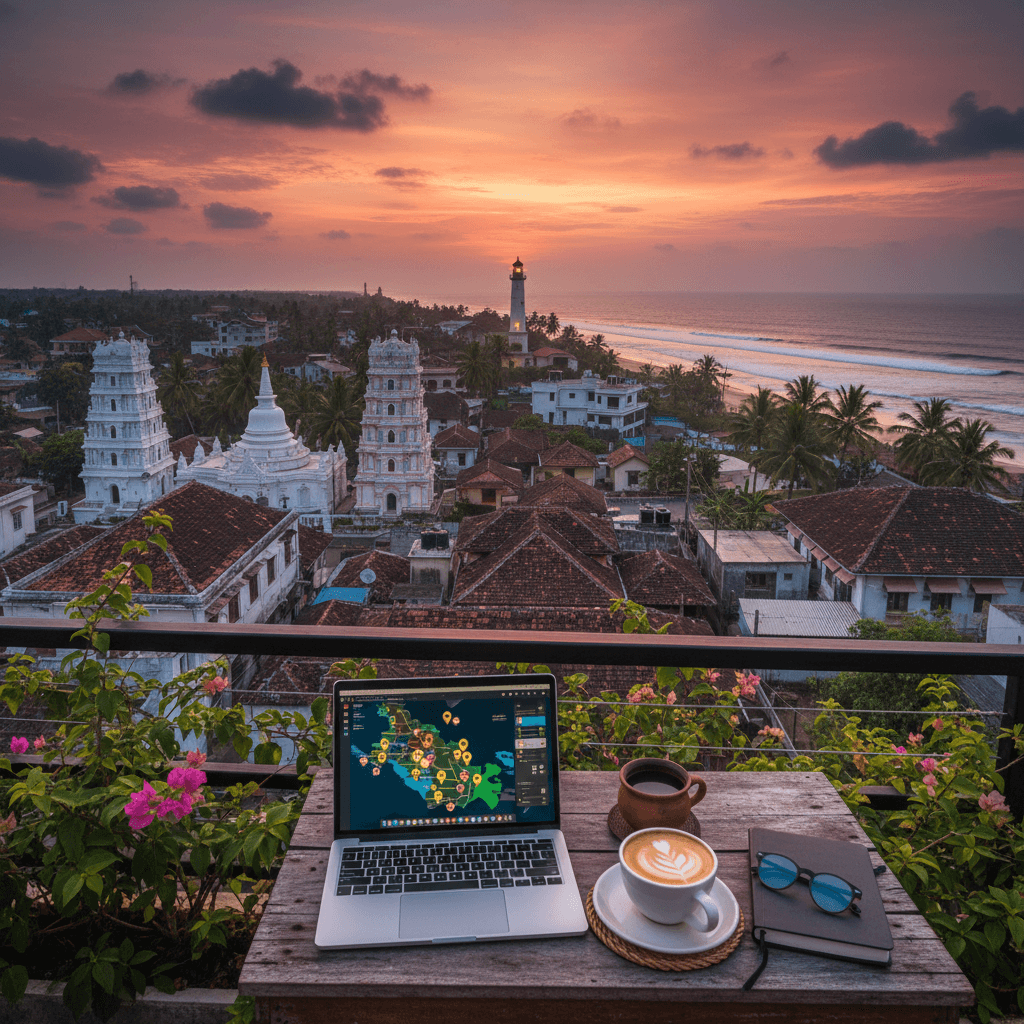
Hikkaduwa feels like a surf town that never fully grew up, in a good way. You get reef snorkels in the morning, beach cafés by lunch, then music and cheap beer after dark, with salt in the air, scooter engines buzzing past and the occasional tuk-tuk horn cutting through the heat.
It’s relaxed, but not sleepy. The main strip has enough energy to keep solo nomads from going stir-crazy, though it can tip into tourist chaos in peak season and honestly that’s the tradeoff, you’re paying for easy beach access, social nights and a place where people actually linger instead of just passing through.
Best fit: surfers, budget nomads, expats who don’t need polished infrastructure. Not ideal: anyone who needs flawless WiFi every day or hates noise, because Hikkaduwa can be patchy on power and internet and the busiest stretches near the beach get loud fast.
Why people stay
- Beach life: You can work a morning, then swim, snorkel or look for turtles by afternoon.
- Social scene: The cafés and bars along Main Beach Road make it easy to meet people, weirdly easy compared with quieter Sri Lankan towns.
- Low costs: Budget stays can land around $500 to $800 a month, with simple rooms, cheap rice and curry and bus rides that barely sting.
- Marine draw: Coral reefs and turtle spots give Hikkaduwa a real edge, because it’s not just another beach with sunbeds and cocktails.
Most nomads base themselves near Main Beach Road for walkability, WiFi cafés and nightlife, but that strip gets crowded and noisy. Go a little north if you want calmer guesthouses and fewer party sounds or head south if you care more about reef access than being near the action.
The mood shifts a lot with the season. Dry months feel breezy and bright, while monsoon weeks bring heavy rain on tin roofs, rough seas and a damp, sticky feeling that clings to everything, so if you want the smoothest stay, plan around the cooler, drier stretch and keep a backup SIM handy.
What annoys people
- Internet: Speeds can swing from decent to annoying, so backups matter.
- Crowds: Peak season fills the beach strip fast and the charm gets buried under traffic and noise.
- Infrastructure: Power cuts still happen, which, surprisingly, can wreck a workday if you’re unprepared.
Hikkaduwa works best if you like a little roughness around the edges. It’s cheaper than many coastal nomad spots, it has more personality than a resort town and it doesn’t pretend to be perfectly polished, which is exactly why some people come for a month and end up staying longer.
Hikkaduwa isn’t a cheap beach fantasy, but it’s still one of the easier Sri Lankan coastal towns to live in without bleeding cash. Budget nomads can squeak by on $500 to $800 a month, mid-range stays usually land around $800 to $1,500 and comfortable beach life starts above that, especially if you want a nicer villa and regular coworking. The tradeoff is obvious, cheap rents and food, then occasional annoyances like patchy WiFi or a power cut that leaves your fan dead in the afternoon heat.
Rent makes the biggest difference. A studio or 1BR outside the main strip can run 25,000 to 50,000 LKR, roughly $80 to $165, while beachfront places climb fast, honestly, because you’re paying for the sound of the waves and the walk-to-everything convenience. Food stays manageable if you eat like a local, street kottu and similar meals are around 1,300 LKR, while a mid-range dinner for two is closer to 8,000 LKR and touristy seafood spots can jump well past that.
Daily transport barely dents your wallet. Bus rides along the coast are about 100 LKR, tuk-tuks are cheap for short hops and scooter rentals usually sit around 500 to 1,000 LKR a day, though the roads can be chaotic and you’ll hear horns, engine buzz and the occasional angry brake squeal. For internet, budget for backup data, because café WiFi in Hikkaduwa can be solid one hour and maddening the next, especially outside the main beach road.
Typical Monthly Spend
- Budget: $500 to $800, basic room, street food, buses, minimal coworking
- Mid-range: $800 to $1,500, better apartment, café meals, scooter use, some coworking
- Comfortable: $1,500+, beach villa, regular coworking, nicer dining, more flexibility
Where Your Money Goes
- Rent: 25,000 to 50,000 LKR for a studio or 1BR outside the center
- Utilities and internet: around 20,000 LKR combined, though outages and weak signals can be annoying
- Coworking: roughly 3,000 to 6,000 LKR per day at spaces like The Eight Hikkaduwa
Most nomads find the value decent if they keep expectations realistic, you’re paying for surf-town ease, not polished infrastructure. Frankly, that’s the deal here, low costs, beach air, fresh seafood and the occasional headache when the grid coughs or a tourist crowd spills onto Main Beach Road. If you want quiet and cheaper guesthouses, head north, if you want action and don’t mind noise, stay near the main strip.
Nomads
Main Beach Road is the obvious pick if you want cafés, surf schools and people who actually stay up late enough to talk shop. It’s walkable, loud and a little scruffy and honestly that’s the point, though you’ll pay for the convenience with scooter noise, party music and more foot traffic than you’ll want by dinner.
Most nomads cluster around the central strip because the morning routine is easy, coffee, laptop, swim, repeat and then the sea breeze drags in salt, sunscreen and fried kottu from the road stalls. WiFi’s better here than elsewhere, but it still drops enough to annoy you, so keep a SIM card ready and don’t bet a client call on café internet alone.
Expats
Northern Hikkaduwa works better if you want a quieter monthly base without feeling stranded. Rent is usually lower off the beachfront, the guesthouses are calmer and you’ll hear more rain on tin roofs than bar speakers at night, which, surprisingly, some people find blissful.
This side of town suits people who care about routine more than scene, especially if you’re here for a longer stay under the Digital Nomad Visa and want fewer crowds on the beach. You’re still close enough to reach town by tuk-tuk, but you won’t be stepping over tourists for your morning tea.
Families
Families usually do best in the quieter northern pockets or farther back from the main road, where the nights are less noisy and the beach feels less chaotic. The trade-off is simple, fewer cafés and less buzz, but also fewer drunken singalongs at 11 p.m., which parents tend to appreciate.
Look for places with decent space, a water tank and backup power if you can get it, because outages still happen and kids don’t care that the inverter died during dinner. Beaches here can get rough in monsoon months, so pick a spot with easier access to calmer swimming areas and shaded rest breaks.
Solo Travelers
If you’re on your own, stick near the central beach strip or the southern edge close to the reef and turtle spots, then keep your evenings simple after dark. The area feels friendly, but isolated lanes get dark fast and a lonely walk after drinks can feel a lot less romantic once the street dogs start barking.
- Best for social time: Main Beach Road, easy for meeting people at cafés, bars and surf breaks.
- Best for quieter stays: Northern Hikkaduwa, cheaper and less chaotic.
- Best for surfers: Southern Edge, good reef access and easy turtle spotting, though the waves can be rough.
Solo travelers tend to like the mix of beach life and low prices, but the real test here is patience. Power cuts happen, internet can wobble and peak season gets crowded enough that a 10-minute tuk-tuk ride turns into a slow crawl, so pick your neighborhood based on tolerance, not fantasy.
Where to Work
Hikkaduwa’s internet is usable, not amazing. In the main beach strip, you’ll usually see 10 to 40 Mbps on decent days, but a random outage or a weirdly slow afternoon can wreck a call fast, so don’t plan anything mission-critical without a backup. Honestly, that’s the deal here.
The best setup is a mix of cafe hopping and proper coworking, because beach-town WiFi gets flaky once the lunch crowd arrives and the power blips hit. Most nomads keep a Dialog or Mobitel SIM handy and the cheap data plans, usually around 1,200 LKR a month, save you when the router starts acting up.
Coworking and Cafe Options
- The Eight Hikkaduwa: The most dedicated coworking pick, with day passes around 3,000 LKR for 4 hours or 6,000 LKR for a full day and a setup that feels more serious than the average laptop cafe.
- Bookworm Library Cafe: Free WiFi, easygoing crowd and a slower pace, though seats can disappear when people linger over one iced coffee for hours.
- Salty Swamis: Popular with surfers and nomads, decent for casual work, but it’s better for a half-day than a locked-in deadline sprint.
The scene is social without trying too hard, which, surprisingly, makes it easier to meet people than in slicker coworking hubs. You’ll hear surf talk, spoon clinks, motorbikes on the road and that constant ceiling-fan buzz while your laptop heats up on a sticky afternoon.
Neighborhood Fit
- Main Beach Road: Best for nomads who want cafes, nightlife and the easiest walk to work spots, though it gets noisy at night and crowded in peak season.
- Northern Hikkaduwa: Better for quieter stays, lower guesthouse prices and a calmer sleep, but you’ll be farther from the main cafe strip.
- Southern Edge: Good for surfers and reef access, with fewer distractions, though amenities are thinner and the road feels more spread out.
If you want to work, surf, then work again, Hikkaduwa fits that rhythm nicely. If you need flawless connectivity every day, it’ll annoy you, frankly, because the internet, power and crowds all have a habit of acting up at once, usually when you’ve got a meeting in ten minutes.
Hikkaduwa feels laid-back, but don’t mistake that for careless. The town’s friendly, beach-town rhythm is real and most nomads, solo women included, move around without drama if they keep their head on a swivel and avoid wandering lonely lanes after dark.
Street smarts matter. Keep your phone tucked away on the beach, don’t flash cash and lock up laptops and passports, because petty theft can happen when tourists get lazy. The main strip is usually fine, but isolated stretches, especially late at night, get quiet fast and that silence can feel a bit too empty.
Beach safety is the bigger issue, honestly. Rip currents can bite, especially when the sea looks calm and inviting, so ask locals before you swim and stay closer to guarded or busy sections if you’re unsure. The reef areas around Hikkaduwa are great for snorkeling, though sharp coral and sudden waves can scrape you up if you rush in barefoot.
Health Care Basics
- Clinic care: IMC Hospitals in town handles basic emergencies and routine issues and it’s usually the first stop for fever, cuts, stomach trouble or a surprise scooter scrape.
- Pharmacies: Easy to find, cheap enough and the staff often know the common fixes, though brand names can be inconsistent, so describe symptoms clearly.
- Private treatment: Better for speed and comfort, but pay on the spot and keep a card or cash backup because billing can be clunky.
Dengue is the one thing people tend to underestimate and that’s a mistake. Use repellent morning and evening, wear light long sleeves when the mosquitoes get noisy and don’t leave standing water around your room, because one bad bite can wipe out a whole week.
Medical standards are decent for minor problems, not magical for anything serious. If you need surgery, a specialist or anything complicated, many expats head to Galle or Colombo, where the hospitals are stronger and the paperwork still moves at a maddening crawl.
What locals and long-stayers actually do: keep a small first-aid kit, save the number for your guesthouse and a driver and know where the nearest pharmacy sits before you need it. That little bit of prep saves a lot of sweaty panic when the power’s out, the rain is hammering the roof and you’ve got a fever at 10 p.m.
Hikkaduwa is easy to move around, which is half the appeal. The main strip is compact, so most days you can walk to cafés, surf schools, the beach and a few decent lunch spots without thinking too hard about transport. The heat hits fast, though and by midday the pavement feels hot under your sandals, with scooter engines buzzing past and salt in the air.
Walk first. If you’re staying near Main Beach Road, you’ll probably walk more than you expect. It’s the cheapest option, obviously and honestly the nicest one when you’re just popping out for coffee, a reef snorkel or a sunset beer. The downside is the obvious one, you’ll be dodging tuk-tuks, stray dogs and the occasional wet patch after a sudden rain burst.
For anything a bit farther out, tuk-tuks are the default. Short hops usually cost around 100 LKR to 300 LKR depending on distance and your bargaining mood, though apps like PickMe can save you from the more creative tourist pricing. If you’re heading north toward quieter guesthouses or south near the park, that’s usually the easiest move and frankly it beats standing by the road in the humidity waiting for a bus that might already be full.
Best local options
- Local bus: Cheap, around 100 LKR per ride, useful for coastal runs and trips toward Galle.
- Tuk-tuk: Best for short distances, late nights and getting dropped right at your guesthouse door.
- PickMe or Uber: Handy for fixed pricing, especially when you don’t want to negotiate in the sun.
- Scooter or bike rental: About 500 LKR to 1,000 LKR a day, good if you’re confident in Sri Lankan traffic, which, surprisingly, gets chaotic fast.
Scooters make sense if you’re staying a while, but don’t take them lightly. The roads can be rough, buses overtake like they’re late for a funeral and the highway isn’t where you want to learn balance. Bikes are fine for local errands, just avoid long rides in the middle of the day unless you enjoy getting cooked.
Getting in from Colombo is straightforward. A private taxi or PickMe transfer takes about three hours and the price sits around 10,000 LKR, sometimes more if traffic snarls around the airport. If you’re landing late, that’s the move, because the last thing you want after a long flight is haggling over a cab while geckos chirp from the walls and the humidity sticks to your clothes.
Language & Communication
Sinhala is the main language in Hikkaduwa, Tamil is common too and English gets you surprisingly far in cafes, guesthouses, surf shops and tuk-tuks along the main strip. Locals on the beach road switch quickly, honestly, so a few basic phrases help more than perfect grammar.
Ayubowan means hello and people do appreciate you trying it. Kobay nisa? means how much, which comes in handy when a taxi driver quotes a price before the meter even enters the conversation.
The vibe is friendly but casual, with wave noise, scooter engines and call-and-response chatter from shops mixing into the background, so you won't feel lost for long. Still, don't assume everyone speaks fluent English outside tourist pockets, because once you drift toward quieter lanes or local food stalls, communication can get patchy fast.
Most nomads get by with a mix of English, gestures and Google Translate, which, surprisingly, works better here than a lot of people expect. Keep your sentences short, smile and repeat numbers slowly, because prices, room details and pickup times are where misunderstandings usually happen.
What Actually Works
- Use simple English: Short, direct phrases work best, especially with tuk-tuk drivers and small guesthouses.
- Learn a few Sinhala words: Ayubowan, kobay nisa and thank you go a long way.
- Keep a translation app ready: Google Translate helps with menus, rental terms and random issues at the pharmacy.
- Write numbers down: Prices and addresses are easier to show than say, frankly, when the road noise gets loud.
Menus in Hikkaduwa are usually fine in English, though names for fish, rice dishes and local snacks can still be a mess if you want the exact thing, so asking staff to point works better than guessing. In busier places, staff in surf schools and cafes tend to speak enough English for bookings, timings and internet questions, but outside that bubble you'll hit some clumsy exchanges and the occasional blank stare.
Where Language Matters Most
- Tuk-tuks: Agree on the fare first, then confirm the destination clearly.
- Guesthouses: Ask about WiFi, hot water and late check-in before you commit.
- Markets: Point, smile and check the price twice.
- Cafes: Staff are used to nomads, so ordering is easy, even when the place is packed and the fan is doing barely anything.
One small annoyance, the same word can be pronounced differently depending on who you're speaking to, so don't get flustered if your first attempt gets corrected. Hikkaduwa's communication style is easygoing, but directness still helps and if you ask clearly, you'll usually get what you need without drama.
Hikkaduwa is hot year-round, sticky-hot, with that salty beach air that clings to your skin and makes your laptop fan sound like it’s working overtime. The sweet spot is December through March, when skies stay mostly clear, the sea calms down and beach days actually feel like beach days instead of a rain gamble.
Peak season gets busy, though. Crowds thicken along Main Beach Road, prices creep up and the beach bars get louder at night, so if you hate hearing thumping music and scooter engines until late, don’t book blindly for Christmas or New Year.
Best months: December to March
Why: Dry weather, better snorkeling, easier surfing conditions and fewer surprise downpours
April can still be good, honestly, but it starts getting hotter and heavier in the afternoons, then the first proper monsoon showers show up and everyone scrambles for cover under awnings and tin roofs. May through September is the rough patch, with rough seas, choppy surf and rain that can arrive hard enough to flood lanes and flatten a whole afternoon’s plans.
When to come
- December to February: Best overall weather, clear water for snorkeling and the most social beach scene.
- March to April: Still workable, warmer and busier, but decent if you want surf-town energy without the worst rain.
- May to September: Cheaper and quieter, though the monsoon can be grim, with wet roads, moody seas and spotty beach days.
- October to November: Transitional weather, unpredictable showers, some good breaks and fewer crowds than peak season.
If you’re here to work remotely, the dry season makes life easier because power cuts feel less annoying, backups are easier to manage and you’re not trying to sit through a humid, buzzing afternoon while rain drums on the roof. Weirdly, the off-season can suit some nomads if they want lower rents and empty beaches, but you’ll need patience, a good SIM card and a flexible schedule.
My take: come in January or February if you want the cleanest mix of weather, beach time and social energy. Skip June through August unless you’re fine with gray skies, restless water and that damp smell of wet sand and mildew in your room.
Hikkaduwa is easygoing, but don’t let the beach mood fool you, a few practical things will save you money and annoyance fast. SIM cards are simple, Dialog and Mobitel both sell data at the airport and in town and a starter plan usually runs about 1,200 LKR for enough data to get you through normal workdays, unless you’re pushing heavy uploads or video calls.
Internet is the main gripe here, honestly. Tourist cafes can be fine in the morning, then crawl by late afternoon when everyone’s uploading reels, so most nomads keep a hotspot ready and use a backup SIM, because a power cut plus spotty WiFi is the kind of combo that kills a workday.
- Best SIMs: Dialog, Mobitel
- Backup data: Keep a second SIM, just in case
- Workaround: Use The Eight Hikkaduwa or CoCo Space when you need stable internet
- Cafe fallback: Bookworm Library Café and Salty Swamis for light work and coffee
Getting around stays cheap and simple. Buses along the coast cost around 100 LKR, tuk-tuks are fine for short hops and PickMe or Uber can save you from haggling when the sun’s dropping and you’re sweaty from walking on hot pavement.
For housing, most people book through Facebook groups, Airbnb or direct guesthouse chats and the better deals usually sit a little off the main beach strip. Beachfront places look dreamy, but they can be noisy, pricier and weirdly exposed to scooter traffic, so if you want sleep, look north of the center.
Everyday Costs
- Budget stay: 25,000 to 50,000 LKR for a studio or 1BR outside the center
- Meal: Street kottu around 1,300 LKR
- Dinner for two: About 8,000 LKR at a mid-range spot
- Coworking: Roughly 3,000 to 6,000 LKR per day
Banking is straightforward, ATM access is decent and Wise gets used a lot by expats who don’t want to rely on local card systems every day. Bring cash for tuk-tuks, small guesthouses and the beach stalls, because a surprising number of places still prefer notes over cards and frankly, that’s just how it works here.
For day trips, Galle Fort is the easy one and whale watching in Mirissa is a longer but popular outing. Dress modestly at temples, take shoes off when you’re asked and don’t treat the reef like a trash can, locals notice that stuff and they’ll remember who left plastic behind.
Travelers who stay a while usually settle into a rhythm, work early, swim later, then eat seafood with salt still on their skin and the sound of scooters buzzing past outside. That rhythm works here, as long as you’re okay with the odd outage, the humidity and the fact that peak season can get loud fast.
Need visa and immigration info for Sri Lanka?
🇱🇰 View Sri Lanka Country GuideEasy Landing
Settle in, no stress
Monthly Budget Estimates
More cities in Sri Lanka
Negombo
🇱🇰 Sri Lanka
Galle
🇱🇰 Sri Lanka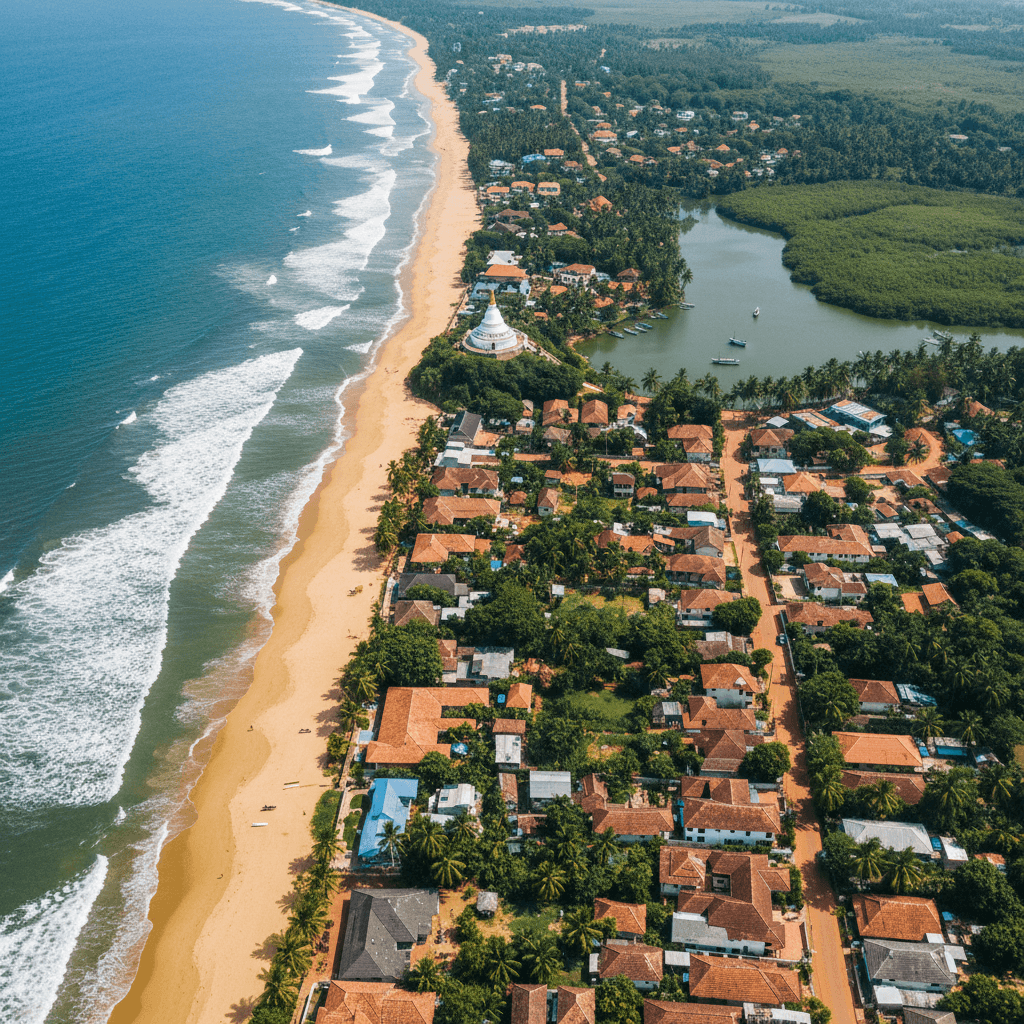
Arugam Bay
🇱🇰 Sri Lanka