Hengchun
🇹🇼 Taiwan
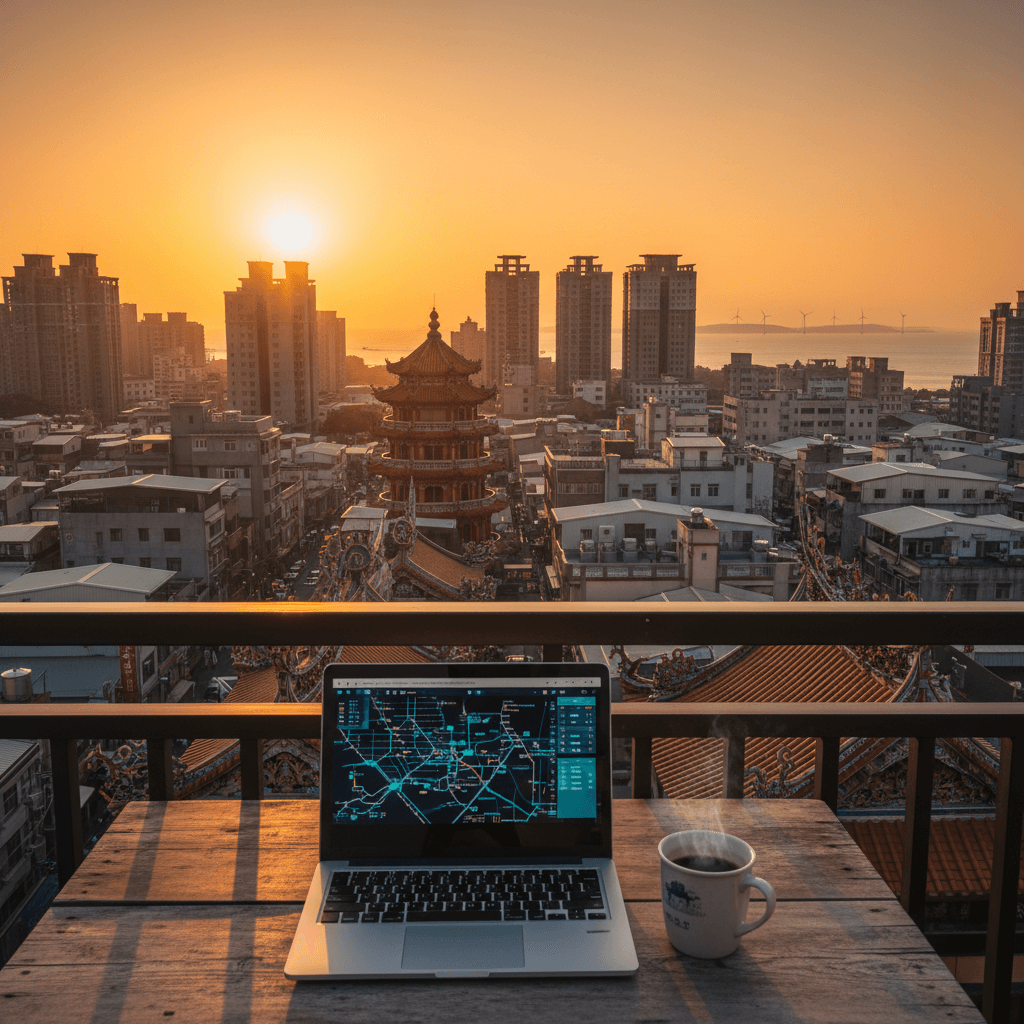
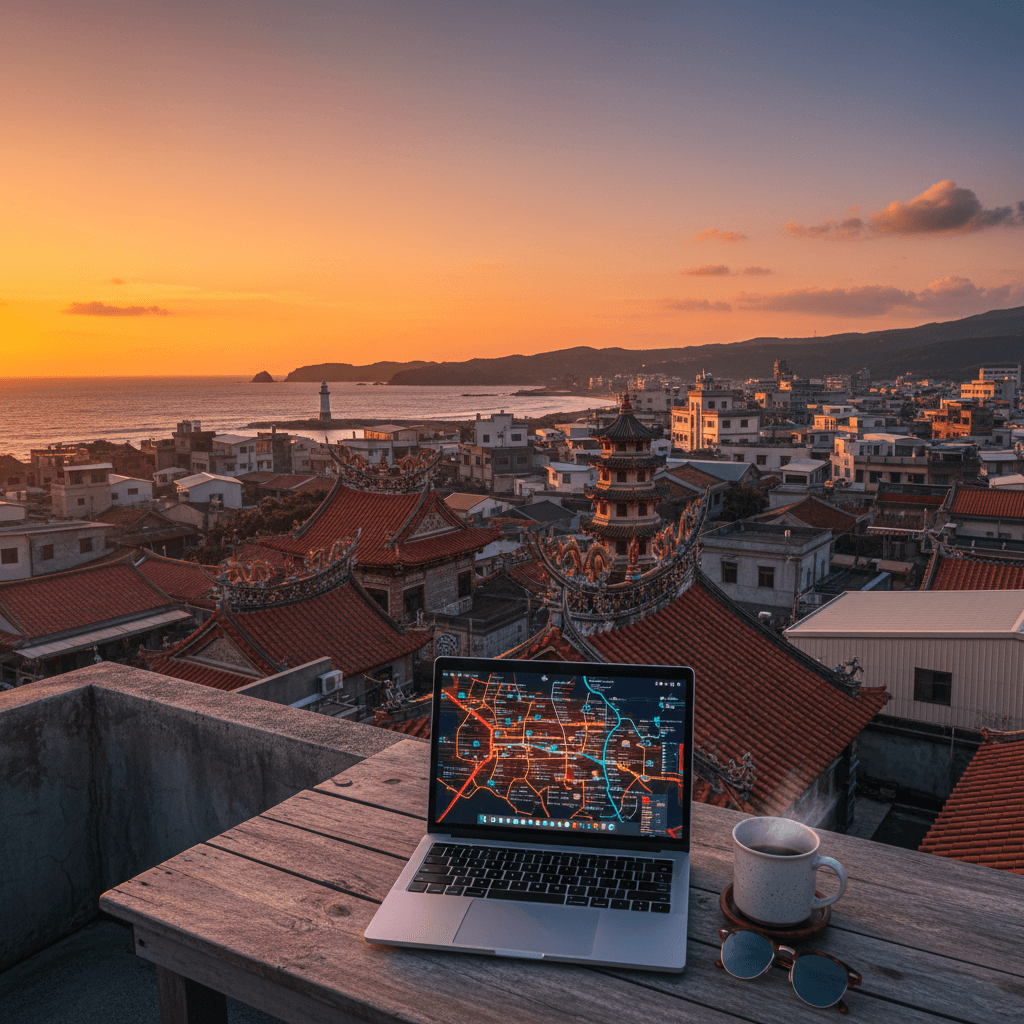
While most travelers rush through to the neon lights and crowded beaches of Kenting, the smart crowd stops ten minutes north. Hengchun is the soul of Taiwan's southern tip. It is one of the few places where you can live inside a piece of history, as it remains the most well preserved walled city in the country. Walking through the ancient city gates feels less like a tourist trap and more like entering a lived in museum where the pace of life slows down to a crawl.
The Coastal Cowboy Energy
There is a specific grit and charm to Hengchun that sets it apart from the polished streets of Taipei or the industrial hum of Kaohsiung. It feels like a frontier town that decided to swap its spurs for surfboards. You will see grandmothers drying herbs on the sidewalk next to custom motorbike shops and minimalist coffee roasters. It is a place where the local heritage is fiercely protected, but the community is open to anyone who respects the slow rhythm of the south.
The vibe is dictated by the "Lushan" or the strong downslope winds that occasionally sweep through. It keeps the air fresh and the sky an impossible shade of blue. Nomads here usually trade their dress shirts for linen and their cars for electric scooters. It is the kind of town where you recognize the same faces at the breakfast stand every morning, and by day three, the owner knows you want your soy milk cold.
Why Nomads are Moving South
The draw here is the balance of utility and adventure. You get the infrastructure of a functional Taiwanese town, meaning reliable 5G and 7-Elevens on every corner, paired with immediate access to the ocean. Most people spent their mornings working from a quiet cafe in the old town before heading out for a sunset surf or a dive. It is significantly more affordable and authentic than the resort heavy strip of Kenting, making it the logical base for anyone staying longer than a weekend.
- The History: You are living within 19th century fortifications that have survived earthquakes and typhoons.
- The Access: You are 10 to 15 minutes away from world class snorkeling, diving, and surfing spots.
- The Community: A growing pocket of remote workers and creatives who prefer the "slow life" over the big city grind.
- The Outdoors: Beyond the beach, you have easy access to river tracing, hiking, and the wilder landscapes of the east coast.
The Emotional Landscape
Living in Hengchun feels like a deep exhale. There is no pressure to be "productive" in the traditional, frantic sense. Instead, the town encourages a different kind of focus. You will find yourself more attuned to the weather and the tides than your inbox. It is a place that rewards curiosity, whether that is poking into a back alley to find a hidden noodle shop or driving out to Houbihu for the freshest sashimi you have ever tasted.
It is not a place for those who need high end shopping malls or a different nightclub for every day of the week. It is for the person who wants to work hard for four hours and then spend the rest of the day in the water or exploring the rugged hills of Kenting National Park. Hengchun is where the modern digital nomad lifestyle meets traditional Taiwanese hospitality, all wrapped in a salty sea breeze.
The Southern Discount
Living in Hengchun feels like you have discovered a loophole in the Taiwanese economy. While Taipei prices continue to climb toward Tokyo levels, this southern walled city remains remarkably affordable. Most nomads find that their monthly budget stretches nearly 30% to 40% further here than in the capital. You are essentially paying small town prices while enjoying access to some of the best beaches in East Asia just ten minutes down the road.
A comfortable life here typically costs between $1,200 and $1,800 USD per month. This range covers a private studio, eating out for almost every meal, scooter rental, and plenty of weekend diving trips. If you are living like a local and sticking to the night markets, you can easily get by on the lower end of that spectrum.
Housing and Accommodation
Rent is your biggest saving. Unlike the cramped, windowless studios common in Taipei, Hengchun offers more space for your money. Many digital nomads opt for monthly rentals in local guesthouses or "minsus" which often include utilities and high speed internet in the base price.
- Studio Apartment: $400 to $650 USD per month for a modern, furnished space near the West Gate.
- Guesthouse Monthly Rate: $500 to $800 USD depending on the season and proximity to the Old Street.
- Shared House/Coliving: $300 to $450 USD for a private room in a house shared with other surfers or remote workers.
Keep in mind that prices can fluctuate during the peak summer months and around Lunar New Year. If you plan to stay for three months or more, you have significant leverage to negotiate a lower "long stay" rate with landlords who would otherwise rely on weekend tourists.
Food and Daily Expenses
The food scene in Hengchun is a mix of traditional Taiwanese stalls and trendy cafes catering to the surf crowd. You can grab a filling breakfast of danbing and soy milk for under $3 USD. A solid dinner at the Hengchun Night Market or a local stir fry joint usually runs between $5 and $8 USD.
- Local Meal: $3 to $6 USD for braised pork rice, noodles, or a bento box.
- Western Style Cafe Meal: $10 to $15 USD for brunch or a burger at spots like Spoon in Pocket.
- Craft Beer or Cocktail: $6 to $9 USD at the bars near the South Gate.
- Monthly Grocery Bill: $200 to $300 USD if you prefer cooking, though most expats find eating out is nearly the same price.
Transport and Connectivity
Public transport in the far south is sparse, so a scooter is a non negotiable expense for most. It is the only way to get between the town center and the surf breaks at Nanwan or Jialeshui. Electric scooters like Gogoro are increasingly popular and can be rented by the month.
- Scooter Rental: $150 to $250 USD per month including maintenance.
- Gasoline: $15 to $25 USD per month; it is incredibly cheap in Taiwan.
- Coworking Space: $120 to $180 USD for a monthly hot desk, though many nomads just work from laptop friendly cafes for the price of a coffee.
- High Speed SIM Card: $20 USD for a monthly unlimited data plan with Chunghwa Telecom.
The overall value proposition in Hengchun is hard to beat. You get the safety and infrastructure of Taiwan with a tropical, laid back cost of living that rivals parts of Southeast Asia.
For Digital Nomads: The Old Town (Walled City)
Living inside or immediately adjacent to the ancient city walls is the standard move if you need to get work done. This area feels like a living museum because it is home to the best preserved city gates in Taiwan. You can literally walk the perimeter of the 130 year old walls during your lunch break. It is the most walkable part of town, which is a massive plus since public transport in the south is sparse.
Most nomads gravitate toward the area near the West Gate. This is where you will find the highest concentration of cafes with reliable Wi Fi and power outlets. While there are not many formal coworking spaces yet, the local coffee shops act as unofficial hubs. You are close to the main bus station, making it easy to hop on the 9188 or 9189 express buses to Kaohsiung when you need a city fix.
- Rent: expect to pay $450 to $700 USD for a decent studio or a room in a modern guesthouse.
- Vibe: historic, convenient, and social.
- Best for: those who do not want to rent a scooter and need to be near caffeine.
For Expats and Long Termers: North Hengchun (Xinsheng Road Area)
If you are planning to stay for several months, look slightly north of the historical center. This area is more residential and less touristy than the streets lined with souvenir shops. It is where the locals actually live and shop. You will find larger supermarkets here and more affordable local eateries that do not have English menus.
The streets are wider and it feels a bit more open than the cramped quarters of the Old Town. You will definitely need a scooter if you stay out here, but the trade off is a quieter environment and better value for your money. It is also closer to the main road leading out of town, which makes weekend trips to the mountains or the east coast much faster.
- Rent: $350 to $550 USD for larger, older apartments.
- Vibe: local, quiet, and practical.
- Best for: people who want a "real life" feel and have their own transport.
For Solo Travelers and Surfers: South Gate to Kenting Road
Solo travelers usually want to be south of the city center, closer to the road that leads down to the beaches. This strip is dotted with surf hostels and dive shops. It is the best place to meet people because everyone is there for the same thing: the water. You are roughly 10 minutes north of Kenting proper, which gives you easy access to the surf breaks at South Bay without the constant noise of the Kenting night market.
The community here is tight knit and centers around the ocean. You will find plenty of people willing to share a ride to the beach or grab a beer at a roadside shack. It is less about "office vibes" and more about the outdoor lifestyle. If your priority is snorkeling, diving, or SUPing before your first meeting of the day, this is your spot.
- Rent: $20 to $40 USD per night for high end hostels; monthly deals are often negotiable.
- Vibe: active, beachy, and laid back.
- Best for: ocean lovers and people looking to join a social circle quickly.
For Families: The Eastern Suburbs
The eastern side of the valley, heading toward the Chuhuo Special Scenic Area, offers more space and modern housing developments. It is further from the noise of the main tourist drags and offers a bit more safety for kids to run around. You are closer to the hills here, which means slightly better air quality and easier access to hiking trails and river tracing spots.
While you won't find many "western" amenities, the proximity to nature is the big draw for families. The pace is slow, the traffic is minimal, and the views of the surrounding mountains are fantastic. Just be prepared to do all your grocery shopping in the center of town, as convenience stores are the only thing within walking distance out here.
- Rent: $600 to $900 USD for a small house or modern three bedroom apartment.
- Vibe: peaceful, scenic, and family oriented.
- Best for: those prioritizing space and quiet over nightlife.
Connectivity and Speeds
Hengchun might feel like a sleepy outpost, but the internet infrastructure is surprisingly robust. Most guesthouses and cafes in the old town center offer stable fiber connections. You can generally expect download speeds between 60 Mbps and 100 Mbps, which is more than enough for video calls or uploading large files from a day of diving.
Mobile data is the real hero here. Taiwan has some of the best 5G coverage in Asia, and even in the rural outskirts of the Hengchun Peninsula, you will rarely see your bars drop. If you are staying for more than a week, grab a local SIM card from Chunghwa Telecom or Taiwan Mobile. Unlimited data plans are standard and usually cost around $15 to $25 USD per month. Most nomads use their phones as a hotspot when the power flickers during a heavy summer storm.
Dedicated Coworking Spaces
The coworking scene in Hengchun is still finding its feet, but there are a few reliable spots where you won't be the only person with a laptop. Nomad Explore has started organizing seasonal events in the area, signaling that the town is becoming a legitimate hub for remote workers. While you won't find the massive, corporate office blocks of Taipei, the local spaces are social and relaxed.
- Coliving Spaces: Many nomads choose to stay at spots like O'Glamping or specialized surf hostels that bake "work from home" desks into their common areas.
The Cafe Office Culture
Since dedicated desks can be scarce, the cafe culture fills the gap. Hengchun is famous for its renovated historical buildings turned into coffee shops. Most owners are happy to let you work for a few hours as long as you keep the lattes coming. Just be aware that many places have a two hour time limit during busy weekends when tourists flood in from Kaohsiung.
Spoon in Pocket is a staple for the digital crowd. It is tucked into a beautiful old stone house with plenty of power outlets and reliable Wi-Fi. Expect to pay about $4 to $6 USD for a high quality pour over or a meal.
Practical Tips for Remote Work
The midday heat in southern Taiwan is no joke. Most nomads schedule their deep work between 11:00 AM and 4:00 PM to stay in the air conditioning, leaving the mornings and evenings free for surfing or exploring the night market. If you are planning to work from a cafe, try to arrive right when they open, usually around 10:00 AM or 11:00 AM, to snag a seat near a power outlet.
Keep an eye on the calendar for the Nomad Explore Hengchun event in October 2025. This is expected to bring a surge of remote workers to the area, which usually means better networking and more pop up work spaces. Outside of these events, the community is small but tight. You will likely run into the same five people at the coffee shop and the local 7-Eleven, which makes it easy to find a "work buddy" within a few days of arriving.
Peace of Mind in the Deep South
Hengchun is one of those rare places where you can leave your surfboard on your scooter rack and find it exactly where you left it hours later. It feels more like a slow paced village than a city, and that carries over into the safety culture. You'll often see locals leaving their keys in the ignition while they pop into a 7-Eleven. While I wouldn't suggest you do the same, it gives you an idea of the low stress environment here.
Walking home alone at night through the historic walled city or the narrow alleys near the South Gate is generally a non issue. The biggest physical threats you'll face aren't people; they're the elements. The "Downhill Wind" or Luo Shan Feng can be incredibly powerful from October through April, sometimes strong enough to knock a light scooter off balance. If the wind is howling, slow down and keep a firm grip on your handlebars.
Healthcare and Emergencies
For a town of its size, Hengchun is surprisingly well equipped for medical issues, largely because it serves as the gateway to Kenting National Park. There are facilities in town that handle everything from minor infections to emergency trauma. Most nomads head to Hengchun Christian Hospital for general checkups or surf related injuries.
- Hengchun Christian Hospital: Known for having a friendly staff and a straightforward registration process for foreigners.
- Hengchun Christian Hospital: This facility is a primary stop for emergency services and medical needs in the region.
A standard visit for a minor ailment like a cold or a skin rash usually costs between $15 and $30 USD if you don't have local insurance. Most doctors speak decent English, though the nursing and administrative staff might rely on translation apps. If you have a serious or specialized medical need, most expats recommend taking the two hour bus ride north to Kaohsiung, where international hospitals like KMUH offer world class care.
Staying Safe in the Water
Since most people come here for the ocean, the real safety talk happens at the beach. Hengchun is the hub for Taiwan's best diving and surfing, but the currents at spots like Jialeshui or South Bay can be deceptive. Always check the local conditions before heading out, especially during typhoon season from July to September.
If you're renting a scooter to get to the surf breaks, make sure you have an International Driving Permit. Local police occasionally set up checkpoints on the main road between Hengchun and Kenting. They are generally polite, but they will fine you if your paperwork isn't in order. A standard fine for driving without the correct permit is around $180 USD, which is a quick way to ruin your weekly budget.
Pharmacies and Daily Needs
For everyday health items, you'll find several pharmacies along Zhongzheng Road. Look for the green cross sign. Most over the counter medications for allergies, pain relief, or stomach issues are easily available without a prescription. If you need something specific, show the pharmacist a photo of the chemical name rather than the brand name, as brands differ in Taiwan.
- Emergency Number: Dial 110 for police and 119 for ambulance or fire services.
- English Support: The Foreigner Affairs Police can be reached at 08-889-2040 for local assistance in English.
- Water Safety: Stick to bottled or filtered water. Most rentals provide a water dispenser, as the tap water in the south is quite "hard" and not recommended for drinking.
Scooters: The Local Lifeblood
If you want to live like a local in Hengchun, you'll need two wheels. The town itself is walkable, but the best surf spots, hidden beaches, and night markets are spread out across the peninsula. Most nomads rent a 125cc scooter for around $400 to $500 TWD per day, though you can usually negotiate a monthly rate of $4,000 to $6,000 TWD if you're staying for a while.
You'll need an International Driving Permit (IDP) to rent a gas scooter legally. If you don't have one, electric scooters are a solid alternative. They're quieter and don't require a license, though they struggle a bit with the steep hills leading toward the East Coast. Expect to swap batteries at stations around town, which is a quick and easy process once you get the hang of it.
The Kenting Express and Local Buses
Getting to Hengchun from the rest of Taiwan is straightforward. Most people take the High Speed Rail (HSR) to Zuoying Station in Kaohsiung. From there, look for the Kenting Express (Bus 9189). It leaves every 15 to 30 minutes and gets you to the Hengchun Transit Station in about two hours. A one way ticket costs roughly $350 TWD.
Once you're in town, the Kenting Shuttle runs several lines that connect the historic walled city to major points like Nanwan Beach and the National Museum of Marine Biology. It's affordable and reliable during the day, but the schedule thins out significantly after 6:00 PM. If you're planning a late dinner in Kenting Street, don't count on the bus to get you back to your apartment in Hengchun.
Walking the Walled City
Hengchun is famous for having the best preserved city walls in Taiwan. The Old Town area is compact and incredibly easy to navigate on foot. You can walk from the West Gate to the South Gate in about 15 minutes. Most of the best cafes, laundromats, and grocery stores are clustered within this central grid.
Expats often recommend choosing a place to stay inside or just outside the old walls so you can handle your daily errands without needing a vehicle. The streets are narrow and full of character, but keep your wits about you. Sidewalks are rare, so you'll be sharing the asphalt with cars and scooters. It's a bit chaotic at first, but there's a predictable rhythm to the traffic that you'll pick up after a day or two.
Ride Hailing and Taxis
Uber doesn't really operate down here like it does in Taipei or Kaohsiung. You might find a stray driver occasionally, but it's not something you can rely on for a morning meeting. Local taxis are available, usually hanging out near the Hengchun Transit Station. They don't always use the meter for longer trips, so it's smart to agree on a price before you get in. A trip from Hengchun to the beaches at Nanwan usually runs about $200 to $300 TWD.
Cycling and E-Bikes
For those who prefer a slower pace, bicycles are a great way to explore the flat lands around the city. Many hostels and guesthouses provide them for free or a small daily fee. If you're heading out to the Chuhuo Special Scenic Area to see the natural fires, an e-bike is a better bet. The wind in Hengchun can be notoriously strong, especially during the winter months when the down-slope winds kick up. Pedaling against those gusts on a standard bike is a workout you probably didn't sign up for.
- Kenting Express Bus: $350 TWD from Kaohsiung
- Monthly Scooter Rental: $4,000 to $6,000 TWD
- Daily Electric Bike: $600 to $800 TWD
- Local Bus Fare: $25 to $50 TWD depending on distance
The Language Mix
In Hengchun, you will hear a different rhythm than in Taipei. While Mandarin is the official language, Taiwanese Hokkien is the soul of the south. You will hear it in the morning markets and among the older residents sitting by the West Gate. If you speak some Mandarin, you will get by fine, but locals will light up if you know even a few words of Hokkien like Gau-za for good morning or Lo-lat for thank you.
Because Hengchun is the gateway to Kenting, many younger shop owners and staff at dive shops speak functional English. It is not a city where you can expect everyone to be fluent, but the hospitality culture here is strong. People are patient and will usually stick with you until the point is made, often using translation apps to bridge the gap.
Digital Communication and Connectivity
Reliable internet is the backbone of the nomad life here. Most cafes in the old town have stable Wi-Fi, though it is always smart to have a local SIM card as a backup. The big three providers are Chunghwa Telecom, Taiwan Mobile, and FarEasTone. Chunghwa generally has the best coverage if you plan on heading into the hills or down to the more remote beaches.
- Prepaid SIMs: You can grab these at the airport when you land or at larger shops in Kaohsiung before heading south. A 30-day unlimited data plan usually costs around $20-30 USD.
- eSIMs: Many nomads now prefer using Airalo or Holafly, but keep in mind these are often data only and won't give you a local phone number, which you might need for certain delivery apps.
- Speeds: You can expect average download speeds of 50 to 100 Mbps in most modern guesthouses and cafes near the city center.
Must-Have Apps
Living in Hengchun is much easier if you let technology do the heavy lifting. You should download these before you arrive to make your daily life smoother.
- Line: This is non-negotiable. Everyone from your landlord to your surfing instructor will want to communicate via Line. It is the primary way to book tours or ask if a cafe has a free table.
- Google Translate: The camera feature is a lifesaver for reading menus at small noodle shops that don't have English translations.
- Uber Eats or Foodpanda: Even in a smaller town like Hengchun, these services are active. They are great for those days when you are deep in a work sprint and cannot leave your desk.
- Bus+ or Google Maps: While Google Maps is decent for navigation, the Bus+ app is often more accurate for the timing of the Kenting Express or local shuttles.
Social Etiquette and Body Language
Communication in southern Taiwan is often more direct but also more relaxed than in the north. A smile goes a long way. When paying for things, it is polite to hand over your cash or card with both hands. It is a small gesture that shows respect and is noticed by the locals.
If you find yourself in a situation where English isn't working, do not raise your voice. Instead, stay calm and use simple gestures. Many nomads find that the "point and nod" method works perfectly at the night market stalls. Most menus have pictures, so you can just point to what looks good and hold up fingers for the quantity. It is a low-stress environment where people are used to travelers passing through.
For those staying longer than a month, joining a local Facebook group like Hengchun/Kenting Expats can be helpful. It is a good place to ask for specific recommendations or find out about local meetups and events, like the Nomad Explore gatherings that occasionally pop up in the area.
The Tropical Rhythm
Hengchun lives by a different clock than the rest of Taiwan. While Taipei deals with gray drizzles and Kaohsiung swelters in humidity, this southern tip stays predictably warm. You can expect temperatures to hover between 20°C and 30°C for most of the year. It's the only place in the country where you'll see people surfing in shorts while the rest of the island is pulling out their puffer jackets.
The town sits in a unique tropical savanna zone. This means the sun is intense, especially between June and September. During these months, the heat can be heavy, often reaching 33°C with high humidity. Most nomads here structure their day around the sun; they get their deep work done in air-conditioned cafes during the midday peak and head to the water once the light starts to soften.
The "Long-Haired" Winds
If you're planning a stay between October and April, you need to know about the Katabatic winds, locally called the Luo Di Feng. These aren't just light breezes. They are powerful, dry gusts that sweep down from the mountains. They can be strong enough to rattle windows and make scooter rides a bit of a balancing act.
The upside to these winds is that they keep the air incredibly clear and blow away the humidity. This is the prime season for the "Nomad Explore Hengchun" event, which usually lands in early October. The weather during this window is arguably the best for digital nomads. The sky is a deep blue, the air is crisp, and the temperatures sit at a comfortable 24°C.
When to Book Your Stay
Timing your arrival is everything if you want to avoid the crowds and the high prices. Hengchun is the gateway to Kenting, which is the most popular vacation spot for domestic tourists. This means weekends and public holidays see a massive influx of people and a spike in scooter rental prices.
- The Sweet Spot (October to December): This is the golden window. The summer crowds have vanished, the typhoon season has ended, and the weather is perfect for outdoor work sessions. You'll find better deals on monthly rentals and a more relaxed vibe in the local bars.
- The Low Season (January to March): It's still warm enough for a t-shirt during the day, but the winds are at their peak. It's the quietest time in town, perfect if you're looking for deep focus and empty beaches.
- The Peak (June to August): It's hot, crowded, and expensive. This is also typhoon season. While a direct hit is rare, the heavy rains can wash out your plans for days at a time. If you do come now, make sure your accommodation has a solid backup power plan and great Wi-Fi.
Practical Survival Tips
The sun in Southern Taiwan doesn't play around. Even on overcast days, the UV index is high. Locals often wear light, long-sleeved linen shirts to stay cool while protecting their skin. If you're riding a scooter, follow their lead; it's more effective than constantly reapplying sunscreen.
Keep an eye on the lunar calendar. The Lunar New Year (usually in late January or February) is a time when the town essentially shuts down for a few days, and then explodes with domestic travelers. Prices for everything from a bowl of noodles to a boutique hotel room will double or triple. If you're on a budget, plan to be somewhere else during that week.
Getting Around
Hengchun is compact enough that you can walk the historic center, but you'll need wheels to reach the coast. Most nomads rent a scooter for the duration of their stay. You can find rental shops near the Hengchun Transfer Station for about $400 to $600 TWD per day, though you can usually negotiate a monthly rate around $4,000 to $6,000 TWD if you're sticking around. If you don't have an international motorcycle license, look for electric scooters; they're slower but legal for everyone.
For those who don't drive, the Kenting Shuttle (bus 9188 or 9189) is your lifeline. It runs frequently between the town center and the beaches of Kenting. Download the Bus+ app to track arrival times in real time, as the humidity makes waiting at a bus stop for twenty minutes pretty brutal.
Connectivity and Coworking
Don't expect the massive coworking hubs you'd find in Taipei. In Hengchun, the "office" is usually a locally owned cafe. Internet speeds are generally reliable across town, often hitting 60 to 100 Mbps in modern guesthouses. If you need a dedicated desk, keep an eye out for popup nomad events or community spaces that cater to the growing remote work crowd during the winter months.
For a steady connection, grab a Chunghwa Telecom SIM card at the airport before you head south. Their coverage is the strongest once you start heading into the hills or down toward the more remote surf breaks. A monthly unlimited data plan will set you back about $1,000 TWD.
Money and Costs
Cash is still king here. While 7-Eleven and FamilyMart take cards and Apple Pay, most of the best noodle shops and night market stalls only take bills. There are several ATMs inside the historic city walls that accept international cards; look for Cathay United or Bank of Taiwan for the best compatibility.
- Monthly Rent (Studio): $12,000 to $18,000 TWD
- Local Meal: $80 to $150 TWD
- Craft Beer: $150 to $250 TWD
- Scooter Rental (Monthly): $5,000 TWD
Language and Community
English isn't as widely spoken here as it is in the north. You'll get by with Google Translate and a few basic Mandarin phrases. The local community is incredibly welcoming, especially if you show interest in the surf scene or the town's history as Taiwan's best preserved walled city. Most expats and nomads hang out at the bars near the West Gate or at the surf shops in nearby Nanwan.
Visa Logistics
Most Western passport holders get a 90-day visa-exempt entry. If you're planning to stay longer, you'll need to look into the Taiwan Gold Card, which is a combined visa and work permit for skilled remote workers. Since there is no immigration office in Hengchun, any major paperwork requires a trip to Kaohsiung, which is about two hours away by express bus.
Safety and Health
Hengchun is remarkably safe, even late at night. The biggest risks are usually sunburn and scooters. For medical needs, the Hengchun Tourism Hospital handles most general issues and has an emergency room. If you have a serious condition, most people head north to the larger hospitals in Kaohsiung. Always carry your National Health Insurance card if you have one; otherwise, expect to pay cash upfront for a consultation, which usually costs around $500 to $1,000 TWD.
Need visa and immigration info for Taiwan?
🇹🇼 View Taiwan Country GuideHidden Gem
Worth the effort
Monthly Budget Estimates
More cities in Taiwan
Zhubei
🇹🇼 Taiwan
Hualien City
🇹🇼 Taiwan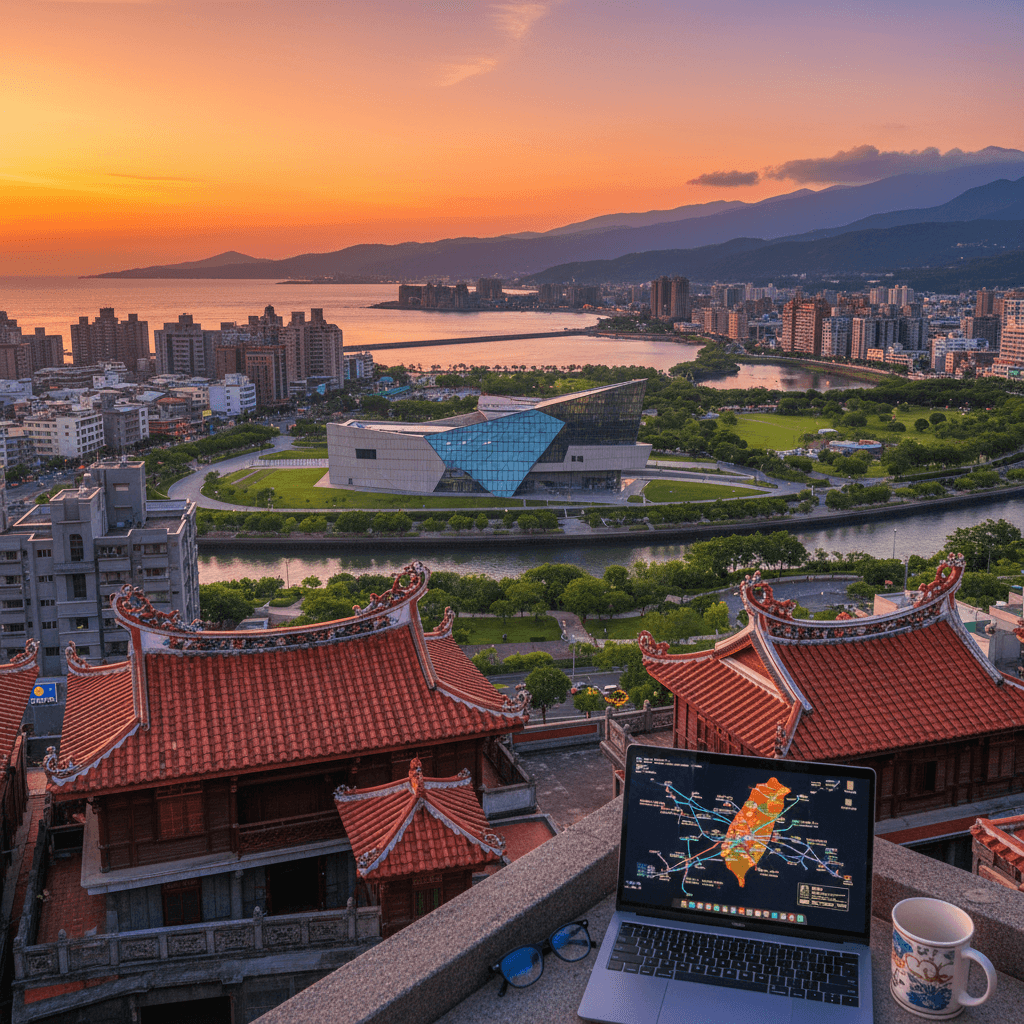
Yilan City
🇹🇼 Taiwan