Hamburg
🇩🇪 Germany
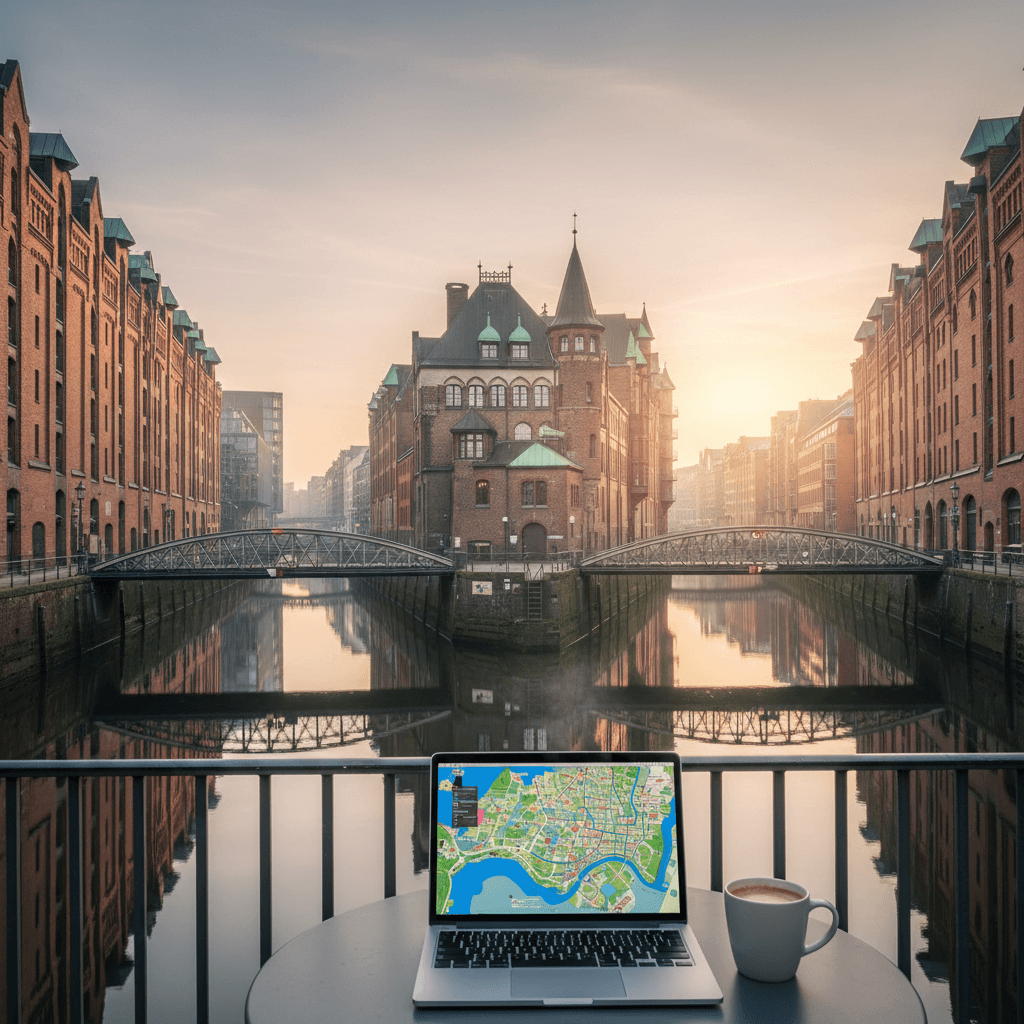
The Maritime Soul of Northern Germany
Hamburg doesn't scream for your attention like Berlin does. It has a grounded, confident energy that comes from centuries as a global port power. While other cities feel like they're trying to reinvent themselves every week, Hamburg remains steady, blending its gritty industrial roots with a polished, media-driven creative class. It’s a place where massive container ships glide past ultra-modern glass concert halls, and where you can transition from a high-stakes business meeting to a dive bar in a matter of minutes.
The vibe here is calm but undeniably urban. Most nomads describe it as a "grown-up" version of a creative hub. You get the world-class infrastructure and fast internet you need for a productive Tuesday, but the city is softened by massive green spaces and the constant presence of water. Whether you’re riding the public ferries instead of a bus or jogging around the Alster lake, the maritime influence keeps the atmosphere from feeling claustrophobic.
The Local Mood
Living here means embracing the Schietwetter, the infamous gray, drizzly weather that locals wear like a badge of honor. It’s the city’s only real drawback, and it’s why the cafe culture and coworking scenes are so robust. When the sun finally does come out, the entire city drops what they’re doing to head to the Elbe river banks or the park. That contrast creates a "work hard, play hard" rhythm that feels more balanced than the frantic pace of London or New York.
Expats often find the locals a bit reserved at first, a classic Northern German trait. However, once you’re in, you’re in. The integration is easier than in smaller towns because English proficiency is exceptionally high, especially in the tech and design sectors. You’ll find a community that values punctuality and directness, which makes getting things done remarkably efficient.
Neighborhood Fast Facts
Where you park your laptop matters. Hamburg is a collection of distinct "villages," each offering a different version of the city experience.
Sternschanze
- Vibe: The heart of nomad life. Hipster, counter-cultural, and packed with specialty coffee shops and boutiques.
- Monthly Rent: €900 to €1,400 for a studio.
- Best For: Solo travelers and creatives who want to be steps away from betahaus or Mindspace.
Eppendorf
- Vibe: Upscale, leafy, and architecturally stunning. It’s where you go for a high quality of life and quiet nights.
- Monthly Rent: €1,200 to €1,800.
- Best For: Expats and families who prioritize safety and proximity to high-end boutiques and the University Medical Center.
Hafencity
- Vibe: The future of Hamburg. It’s a massive urban regeneration project on the waterfront with striking modern architecture.
- Monthly Rent: €1,100 to €1,600.
- Best For: Those who want brand-new apartments and a front-row seat to the harbor’s industrial ballet.
St. Pauli
- Vibe: Loud, raw, and legendary. Home to the Reeperbahn, this is the nightlife capital.
- Monthly Rent: €800 to €1,200.
- Best For: Party-goers and those who don't mind a bit of grit and noise in exchange for being in the center of the action.
The Cost of the Lifestyle
Hamburg isn't a budget destination. You’re paying for some of the best infrastructure in Europe. A comfortable monthly budget usually sits between $3,450 and $4,353. If you’re on a tighter budget of around $2,000, you’ll likely be looking at coliving setups and sticking to the legendary local street food like Fischbrötchen or Currywurst, which costs about €5 to €8.
Transport is a highlight. For €50 to €80 a month, an HVV pass gives you access to the U-Bahn, S-Bahn, and the harbor ferries. Most nomads find they never need a car. For quick hops, the city is littered with Tier e-scooters and Nextbike rentals that cost just a few cents per minute. It’s a city built for movement, even when the clouds are rolling in.
The Cost of Being a Hamburger
Living in Hamburg isn't exactly a bargain, but you get what you pay for. It’s a city where high taxes and rent buy you a level of efficiency and infrastructure that makes life remarkably smooth. Most digital nomads find they need between $3,450 and $4,353 per month to live comfortably here. If you're coming from Berlin or Leipzig, the sticker shock is real. If you're coming from London or New York, it might actually feel like a slight relief.
The city's wealth is centered around the port and media industries, which keeps prices high. However, if you're smart about where you grocery shop and how you get around, you can manage a tighter budget. A bare bones lifestyle can be done for around $2,000 a month if you stick to coliving and street food, while the high rollers easily spend $4,500 or more on waterfront apartments and fine dining.
Monthly Rent by Neighborhood
Rent will be your biggest hurdle. The market is competitive, so travelers often recommend using platforms like Digital Nomad Hub or specialized furnished apartment sites to skip the bureaucracy of a traditional German lease. Prices vary wildly depending on whether you want a view of the Elbe or a flat in a gritty, creative hub.
Eppendorf (Upscale and Quiet)
- Average Rent: €1,200 to €1,800
- Vibe: High quality of life, green spaces, and very safe. It's the go-to for expats with families or those who want a peaceful home base.
Sternschanze (Trendy and Central)
- Average Rent: €900 to €1,400
- Vibe: The heart of the creative scene. It's noisy and graffiti-covered, but you're steps away from the best cafes and coworking spots.
Hafencity (Modern Waterfront)
- Average Rent: €1,100 to €1,600
- Vibe: Brand new buildings and fast internet. It feels a bit like a construction site in parts, but it's the future of the city.
The Daily Grind: Food and Drinks
Eating out is a mix of cheap harbor snacks and expensive white-tablecloth seafood. You'll likely find yourself grabbing a Currywurst or a Fischbrötchen for €5 to €8 when you're in a rush. A proper sit-down dinner at a mid-range spot in Sternschanze usually lands between €15 and €25, while a high-end meal overlooking the port will start at €40 plus drinks.
Groceries are reasonable if you stick to discounters like Aldi or Lidl. If you prefer organic shops, your bill will double. Most nomads budget around €300 to €450 a month for food if they cook at home half the time.
Coworking and Connectivity
Hamburg is a powerhouse for remote work, so you aren't stuck in your apartment. Fast internet is the standard here, with broadband speeds generally exceeding 100 Mbps. You have plenty of options for professional spaces:
- Betahaus: A central, community-focused favorite; check current pricing, approximately €250-€400 per month.
- Mindspace: A more polished, upscale option popular with networking-heavy nomads.
- Day Passes: Most spaces offer a desk for €10 to €25 per day if you just need a change of scenery.
Getting Around for Less
Don't even think about renting a car. The HVV public transport system is legendary, covering buses, U-Bahn, S-Bahn, and even the harbor ferries. A monthly pass costs between €50 and €80 and is worth every cent. For short hops, travelers use apps like Nextbike or Tier scooters, which usually cost €1 to unlock and €0.20 per minute. If you need a car for a specific trip, Uber is reliable and readily available across the central districts.
Sternschanze: The Nomad Hub
If you're looking for that specific hipster energy where graffiti meets high end espresso, Sternschanze (or simply "Schanze") is your base. It's the counter-cultural heart of the city, packed with independent boutiques, record stores, and more laptop friendly cafes than you can count. Most nomads gravitate here for the proximity to betahaus, one of the most affordable and community focused coworking spaces in town.
The vibe is creative and energetic, but it's not the place for peace and quiet. Expect a bit of noise on weekends when the bars overflow onto the sidewalks. While it's one of the most desirable spots, it's also competitive. Expect to pay between €900 and €1,400 for a studio or a room in a shared flat. You'll save on transport, though, as everything is walkable or a quick bike ride away.
- Rent: €900 to €1,400 for a furnished studio
- Vibe: Gritty, creative, and highly social
- Best for: Networking, nightlife, and quick access to coworking
Eppendorf: The Expat Standard
Expats who want a polished, high quality lifestyle usually head straight for Eppendorf. It’s upscale, green, and feels significantly more "grown up" than the central districts. You’ll find beautiful Art Nouveau architecture, boutiques that close early, and plenty of wine bars. It is home to the University Medical Center Hamburg-Eppendorf, making it a top choice for medical professionals and corporate expats.
Living here feels safe and established. You're close to the Alster Lake for morning runs and the weekly Isemarkt, one of Europe's longest open air markets. The downside is the price tag. Rents typically range from €1,200 to €1,800, and finding a vacancy can be a full time job in itself. It’s a neighborhood that demands a higher budget but rewards you with a very high standard of living.
- Rent: €1,200 to €1,800
- Vibe: Sophisticated, quiet, and affluent
- Best for: Long term stays, professionals, and those who prioritize safety
Hafencity: Modernity for Families
Hafencity is Europe’s largest urban regeneration project, and it feels like a glimpse into the future. For families, this area is a breath of fresh air because it was designed with modern living in mind. The sidewalks are wide, the playgrounds are innovative, and the public transport links via the U4 line are incredibly efficient. You’re right on the water, which provides a sense of openness often missing in older European cities.
Everything here is new, from the apartment buildings to the schools. While some complain it lacks the "soul" of older districts, families appreciate the fast internet, modern amenities, and the lack of grit. Budget between €1,100 and €1,600 for modern apartments. It’s still developing, so while it has great grocery stores and a few high end restaurants, you might find yourself heading to nearby areas for a more traditional "Hamburg" evening.
- Rent: €1,100 to €1,600
- Vibe: Clean, maritime, and architectural
- Best for: Families, modernists, and those who want waterfront views
St. Pauli: The Solo Traveler’s Playground
Solo travelers looking to dive into Hamburg's legendary nightlife should look no further than St. Pauli. Home to the Reeperbahn, this district is famous for its red light history and its current status as a party mecca. It’s loud, it’s rowdy, and it’s never boring. During the day, it’s surprisingly charming with small cafes and the iconic Millerntor Stadium, home to the cult favorite FC St. Pauli football club.
Living here means you’re always in the thick of the action. It’s one of the more affordable central options, with rooms often going for €800 to €1,200. However, solo travelers should stay alert at night, especially around the main drag where pickpockets operate. If you want to meet people quickly and don't mind a bit of chaos outside your window, this is your spot.
- Rent: €800 to €1,200
- Vibe: Intense, rebellious, and fun
- Best for: Social butterflies, football fans, and night owls
Connectivity and Speeds
Hamburg is a powerhouse for remote work, largely because the infrastructure just works. You aren't going to spend your morning hunting for a stable signal. Most nomads find broadband speeds averaging 100-120 Mbps, though many modern apartments and coworking hubs easily crack the 100 Mbps mark. Whether you are uploading video or running back to back Zoom calls, the city's fiber and 5G networks are rock solid.
For mobile data, expats generally recommend grabbing an eSIM like Jetpac for immediate connectivity. It's particularly handy because it offers unlimited hotspots and keeps apps like WhatsApp and Google Maps running even if your primary data runs low. If you're staying longer, local providers like O2 or Vodafone offer competitive prepaid plans. You'll find free Wi-Fi in most public squares and on the HVV transport network, but for deep work, you'll want a dedicated desk.
Top Coworking Spaces
The coworking scene here is less about the frantic "hustle" culture of Berlin and more about structured productivity and high end design. Spaces are professional, well lit, and usually come with a community of media professionals and tech founders.
- betahaus Hamburg: Located in the heart of the creative Schanzenviertel, this is the go to for nomads on a budget. It's affordable and unpretentious, with day passes starting around €10 to €20. It’s the best place to meet local freelancers over a coffee.
- Mindspace: If you prefer a more "boutique hotel" vibe, Mindspace is the heavy hitter. It’s centrally located, beautifully designed, and very community focused. Monthly memberships here typically range from €200 to €400, but the networking opportunities often justify the premium price.
- Hafencity Hubs: In the newer waterfront districts, you'll find sleek, glass fronted offices that cater to the corporate nomad. These spots often boast the fastest internet in the city and provide a quiet, high focus environment away from the Reeperbahn noise.
Cafe Culture and Public Spaces
Working from cafes is a standard part of the Hamburg lifestyle, especially in Sternschanze and Eppendorf. The local etiquette is simple: order a coffee and a pastry every couple of hours, and if you need to take a long call, step outside. Most cafes are laptop friendly on weekdays, but some "digital detox" spots in the hipster districts might ask you to put the screen away on weekends.
If you need a zero cost environment, the Zentralbibliothek (Central Library) near the main station is a fantastic resource. It’s quiet, free, and offers plenty of desk space. For a more scenic "office," grab a seat on one of the harbor ferries. They have decent mobile reception, and there is nothing quite like answering emails with a view of the Elbphilharmonie passing by.
Practical Costs and Access
Budgeting for your workspace is straightforward since prices are transparent. Most nomads choose a hybrid approach, mixing home office days with a few days a week in a coworking space.
- Day Pass: Expect to pay €15 to €25 at premium spots.
- Hot Desk (Monthly): Usually sits between €200 and €300.
- Fixed Desk: Can go up to €400 in high demand areas like Hafencity.
- Coffee: A standard flat white in a nomad friendly cafe will run you about €4.50.
Most spaces are open 9:00 AM to 6:00 PM for drop ins, while monthly members usually get 24/7 keycard access. This is a lifesaver if you are working for North American clients and need to stay online late into the Hamburg night.
Safety Standards and Street Smart Advice
Hamburg is consistently ranked as one of Germany's safest cities, maintaining a calm urban environment that feels significantly less chaotic than Berlin. Most nomads feel perfectly comfortable walking through neighborhoods like Eppendorf or Hafencity at any hour. The city’s infrastructure is designed for safety, with well lit streets and a constant flow of public transport that ensures you're never truly isolated.
The main exception to the city's quiet reputation is St. Pauli, specifically around the Reeperbahn. While it's the heart of Hamburg’s nightlife and a must visit for the music scene, it can get rowdy. Pickpockets operate in these crowded areas, targeting distracted tourists and party goers. Expats generally recommend staying alert in the "edgy" parts of St. Pauli after dark and avoiding solo walks through the deeper side streets of the red light district late at night. If you're heading home after a long night at the clubs, Uber is reliable and widely used by the local nomad community to get back to quieter districts safely.
One unique safety factor to consider is the weather. The maritime climate means frequent rain and gray skies, particularly from October to March. Long term travelers often mention "weather related mood dips" or seasonal blues. It sounds minor, but the lack of sunlight can impact your productivity and mental health. Locals combat this by leaning into "Gemütlichkeit" (coziness) in cafes and staying active in the city's many indoor fitness studios.
World Class Healthcare Access
If you get sick in Hamburg, you’re in excellent hands. The city is home to some of Europe’s most advanced medical facilities, most notably the University Medical Center Hamburg-Eppendorf (UKE). This hospital is a massive, high tech complex known for specialized care and is easily accessible from the central districts. For everyday issues, you'll find an Apotheke (pharmacy) on nearly every major street corner, recognizable by the big red "A" sign. Pharmacists in Hamburg are highly trained and often speak fluent English, making them a great first stop for minor ailments.
For emergencies, the number is 112, which works across the EU for ambulance or fire services. If you need a non emergency doctor (Hausarzt), many nomads use apps like Doctolib to book appointments. This is a lifesaver because it allows you to filter for English speaking doctors and see real time availability, avoiding the frustration of calling around to clinics that might be at capacity.
Insurance and Practicalities
Germany has strict health insurance requirements, and you won't be able to secure a long term residence permit without proof of coverage. For digital nomads on shorter stays, a robust travel insurance policy is usually enough. However, if you’re looking to stay for several months or apply for a freelancer visa, you’ll need "BaFin" compliant insurance. Many expats recommend providers like Feather or Ottonova because they offer digital first interfaces and English language support, which simplifies the bureaucratic process significantly.
- Emergency Number: Dial 112 for medical emergencies.
- Pharmacies: Look for the Apotheke sign; most close by 6:00 PM or 8:00 PM, but there is always a rotating "Notdienst" pharmacy open 24/7 in every district.
- Doctor Visits: Expect to pay between €50 and €100 for a standard private consultation if you don't have German public insurance.
- Water Quality: The tap water in Hamburg is some of the best in the world. It’s perfectly safe and often tastes better than bottled water.
Overall, the biggest "danger" you’ll likely face in Hamburg is a sudden downpour when you've forgotten your umbrella. The city is orderly, the police are generally approachable, and the healthcare system is a benchmark for efficiency. As long as you keep your phone tucked away while wandering the Reeperbahn at 2:00 AM, you're unlikely to encounter any major trouble.
The Maritime Transit Network
Hamburg is a city shaped by water, and its transport system follows suit. Most nomads find the public transit here to be some of the most reliable in Europe. The network, managed by HVV, is a seamless blend of U-Bahn (underground), S-Bahn (suburban trains), buses, and the iconic yellow ferries. Unlike many cities where you're stuck in a metal tube, here you can commute across the Elbe River on a boat using a standard transit pass.
A monthly HVV pass typically costs between €80 to €90 depending on zones. If you're staying centrally in areas like Sternschanze or St. Pauli, you might not even need a monthly pass, as these neighborhoods are incredibly walkable. For occasional trips, most expats recommend downloading the HVV app to buy digital tickets, which are slightly cheaper than using the kiosks at the stations.
Life on Two Wheels
While it isn't quite Amsterdam, Hamburg is a serious cycling city. The terrain is mostly flat, making it easy to zip from a morning coffee in Eppendorf to a coworking session in Hafencity. Travelers often use StadtRAD, the city's red bike-sharing scheme. It's incredibly popular because the first 30 minutes of every ride are free. After that, it's just a few cents per minute.
If you prefer something with a motor, e-scooters are everywhere. Apps like Tier and Voi dominate the streets. You'll usually pay €1 to unlock them and about €0.20 per minute. Just be careful with the cobblestones in the older parts of town; they can be a bit of a kidney-shaker on a scooter.
Ferries: The Best Commute in Germany
One of the coolest perks of living here is the HADAG ferry system. These aren't tourist cruises; they're legitimate public transport. Line 62 is the local favorite, running from Landungsbrücken out towards Finkenwerder. It passes the massive container terminals and the Elbe beach. It’s a great way to clear your head after a long day of deep work, and it's included in your standard transit ticket.
Ride-Hailing and Taxis
If it's pouring rain, which happens often in Hamburg, you'll likely want a car. Uber is reliable and widely used here. A typical 15 minute ride across the city center will set you back about €15 to €25. Free Now is another essential app, as it allows you to hail official taxis and often integrated e-scooters or car-sharing options like Share Now into a single interface.
Getting to the City Center
The airport (HAM) is remarkably close to the action. The S1 S-Bahn line runs every 10 minutes and takes you directly to the Central Station (Hauptbahnhof) in about 25 minutes. A one-way ticket is roughly €4 to €5. If you're hauling heavy luggage and prefer a car, a ride-share or taxi to the city center takes about 20 minutes and costs around €30 to €40 depending on traffic.
Practical Transit Tips
- Validation: Unlike some other German cities, you don't usually need to "stamp" your ticket before boarding if you bought it from a machine on the platform, but always check if it says "Hier entwerten" (validate here).
- Night Owls: On weekends, the U-Bahn and S-Bahn run all night. During the week, they stop around 1:00 AM, but a network of night buses (Nachtbus) takes over.
- The Elbe Tunnel: If you're on foot or a bike, use the Old Elbe Tunnel at Landungsbrücken. It's a historic tiled tunnel running under the river, and it's completely free for pedestrians.
- Punctuality: Trains generally run on time, but the S-Bahn can occasionally have delays due to construction. Always give yourself a 10 minute buffer if you have a meeting at betahaus or Mindspace.
The Language Barrier (Or Lack Thereof)
If you're worried about landing in Hamburg without a lick of German, take a breath. As a global port city and a major hub for media and tech, Hamburg is incredibly English-friendly. Most nomads find that they can get through their entire workday, order a coffee in Sternschanze, and even negotiate a lease in English without much friction. In the tech and creative sectors, English is often the default office language.
That said, don't expect the local culture to bend completely to your needs. While younger Germans and service staff at trendy spots like betahaus or Mindspace speak near-perfect English, official business is a different story. If you're dealing with the local government (the Behörde) or signing a long-term utility contract, the documents will be in German, and the clerks might be hesitant to speak English for legal reasons. For these moments, having a translation app or a local friend is a lifesaver.
Communication Style
Hamburgers have a reputation for being slightly more reserved than people in the south of Germany. They practice a brand of northern politeness that can feel a bit cool at first. Don't take it personally; it's just their way of respecting your space. Once you break the ice, they're fiercely loyal and direct. They value honesty and punctuality above all else. If you're meeting a local for a coffee at 2:00 PM, being five minutes late is considered quite rude.
Expats often mention the "Directness Shock." If a Hamburger thinks your idea is bad or you're standing on the wrong side of the escalator, they'll tell you. It isn't an insult; it's just efficiency. Embracing this directness actually makes life easier because you never have to guess what someone is thinking.
Essential Phrases to Know
While you can survive on "Hello," making an effort goes a long way in building rapport with the locals. Start with these basics:
- Moin: The ultimate Hamburg greeting. You can use it 24 hours a day, morning or night. It's the local way of saying hello.
- Danke: Thanks.
- Entschuldigung: Excuse me. Useful for when you're trying to squeeze past someone on the U-Bahn.
- Tschüss: Bye. You'll hear this everywhere as people leave shops or cafes.
- Die Rechnung, bitte: The bill, please.
Tools for Staying Connected
For navigating the city and translating menus on the fly, your smartphone is your best friend. Most travelers recommend picking up an eSIM before you even land. Jetpac is a popular choice for nomads because it offers unlimited hotspots, which is a lifesaver if you're trying to work from a ferry or a park near Hafencity. It also keeps apps like WhatsApp and Google Maps running even if you hit your data cap.
For more nuanced communication, DeepL is widely considered superior to Google Translate for German. It handles the formal and informal nuances of the language much better. If you're planning to stay for more than a month, look into local SIM providers like O2 or Vodafone, but be prepared for a bit of paperwork if you don't have a permanent address yet.
Social Etiquette and Integration
Integration happens in the "Third Places" here. Join a local Facebook group like Digital Nomad Hub or attend the community events at your coworking space. Hamburgers love their hobbies, so joining a club (a Verein) for sailing, running, or even board games is the fastest way to turn acquaintances into friends. When you do get invited out, a firm handshake and direct eye contact are the standard way to greet everyone in the group. It might feel formal, but it's the local gold standard for showing respect.
The Maritime Reality: What to Expect
If you're planning a stint in Hamburg, you need to make peace with the sky. Locals have a saying that there's no such thing as bad weather, only bad clothing. It's a philosophy you'll adopt quickly. The city averages about 130 rainy days a year, but it's rarely a monsoon. Instead, expect a persistent, misty drizzle that the North Germans call "Schietwetter."
Temperatures typically hover between 7°C and 12°C (45°F to 54°F), though it often feels a bit nippier due to the wind whipping off the Elbe. Most nomads find the gray backdrop actually helps with productivity. When the sun isn't beckoning you to the park, it's much easier to hunker down at betahaus or Mindspace and crush your to-do list.
When to Touch Down
The sweet spot for a Hamburg residency is May through September. This is when the city sheds its raincoat and transforms. The days are incredibly long, with light lingering well past 9:00 PM, and the mercury sits comfortably between 15°C and 22°C. This is the prime window for riding the HVV ferries just for the breeze or grabbing a €5 fish roll at the harbor without shivering.
If you arrive in May or June, you'll catch the city at its greenest. Expats recommend this timing because the outdoor flea markets in Sternschanze and the canal-side cafes in Eppendorf are in full swing. It's the best time to build a social circle before the winter hibernation kicks in.
The Season to Skip (Unless You Love Coziness)
Most travelers suggest avoiding November through February if you can help it. These months are notoriously dark, wet, and biting. While the Christmas markets in December provide a temporary sparkle, January and February can feel like a marathon of 2°C to 6°C days and very little sunlight. If you're prone to the winter blues, you'll want to ensure your apartment has plenty of light and a solid heating system.
Seasonal Breakdown for Nomads
- Spring (March to May): Unpredictable but beautiful. You'll see the first blossoms in Planten un Blomen park. Prices are mid-range, and the city starts waking up.
- Summer (June to August): Peak season. Expect higher rents for short-term furnished flats, sometimes hitting €1,800 in prime spots like Hafencity. It's the best time for networking at rooftop events.
- Autumn (September to November): September is often "Old Wives' Summer," featuring crisp, clear days. By October, the rainy season intensifies, and outdoor life moves indoors to the cozy cafes of St. Pauli.
- Winter (December to February): The cheapest time for rentals, but the hardest on your mood. Great for focus, bad for tan lines.
Packing Essentials
Don't bother with a flimsy umbrella; the Hamburg wind will turn it inside out in seconds. Invest in a high-quality, windproof raincoat and waterproof boots. You'll see everyone from corporate lawyers to creative freelancers wearing functional maritime gear. If you're coming during the October to March stretch, a "daylight lamp" for your desk is a pro tip many long-term nomads swear by to keep their energy up during the gloomier weeks.
Getting Connected and Staying Productive
Hamburg is a powerhouse for connectivity. You can expect broadband speeds averaging over 100 Mbps, making video calls and large uploads seamless. For mobile data, most nomads opt for an eSIM like Jetpac, which provides unlimited hotspots and keeps basic apps like Maps and WhatsApp running even if your data low. If you are staying longer than a month, local SIMs from O2 or Vodafone are easy to grab.
The coworking scene is well established. Betahaus is the go to for those on a budget, offering a central location and a gritty, creative energy for around €200 to €400 a month. If you want something more polished with a built in community, Mindspace is the local favorite. It is pricier, but the networking events are top tier. If you prefer cafes, the "work from anywhere" culture is accepted in most neighborhoods as long as you keep the coffee flowing and take your calls outside.
Navigating the City
You won't need a car here. The HVV public transport system is legendary, covering the U-Bahn, S-Bahn, and buses. A monthly pass usually runs between €50 and €80. One of the best perks of living in a port city is that your transit pass also works on the public ferries. It is arguably the most scenic commute in Europe.
- S-Bahn: Best for getting to the airport (HAM) in about 25 minutes for roughly €5.
- City Bikes: Use the Nextbike app for quick hops between neighborhoods.
- E-Scooters: Tier scooters are everywhere, costing about €1 to unlock and €0.20 per minute.
- Ride-Hailing: Uber is reliable and plentiful when the trains stop running late at night.
Budgeting for the Hanseatic Life
Hamburg isn't cheap. It is creeping toward Munich price levels, so you should budget between $3,450 and $4,350 per month for a comfortable lifestyle. A mid range meal will set you back €15 to €25, while quick street food like a Currywurst or a fish roll at the port costs between €5 and €8.
Where to Plant Your Flag
Choosing a neighborhood defines your experience. Most nomads find Sternschanze to be the sweet spot. It is the counter cultural heart of the city, packed with cafes and grit, though rent for a studio can hit €1,400. If you have a higher budget and want peace and quiet, Eppendorf is beautiful and green, with rents reaching €1,800.
Safety and Local Etiquette
Hamburg is generally very safe, but use common sense in St. Pauli. The Reeperbahn is a world famous nightlife hub, but it gets rowdy. Avoid walking alone deep in the red light district late at night to sidestep pickpockets. For health needs, the University Medical Center Hamburg-Eppendorf is world class. If you need a pharmacy, look for the red "A" sign for an Apotheke.
Locals value directness and punctuality. If you meet a contact at a coworking space, show up on time and expect a firm handshake. Also, take recycling seriously. Germans have a strict system for sorting waste, and your neighbors will likely correct you if you get it wrong. It is just part of the local charm.
Dealing with the Weather
The "Schietwetter" (shitty weather) is the city's only major downside. It rains frequently and the sky stays gray for much of the winter. Most expats recommend visiting or moving between May and September when the days are long and the waterfront parks come alive. If you are here in the winter, invest in a high quality raincoat and a SAD lamp; you'll need both.
Need visa and immigration info for Germany?
🇩🇪 View Germany Country GuideEasy Landing
Settle in, no stress
Monthly Budget Estimates
More cities in Germany
Cologne
🇩🇪 Germany
Berlin
🇩🇪 Germany
Heidelberg
🇩🇪 Germany