Hakodate
🇯🇵 Japan
Hakodate is the kind of place that catches you off guard. While Tokyo is a relentless neon sprint and Sapporo feels like a sprawling winter playground, Hakodate is a slow exhale. It is a salty, romantic port town where the morning air smells like the Pacific and the streets feel like a hybrid of 19th-century Europe and traditional Japan. For nomads tired of the "hustle culture" in larger hubs, this city offers a rare sense of breathing room without sacrificing the high-speed 5G connectivity and convenience Japan is known for.
The Daily Rhythm
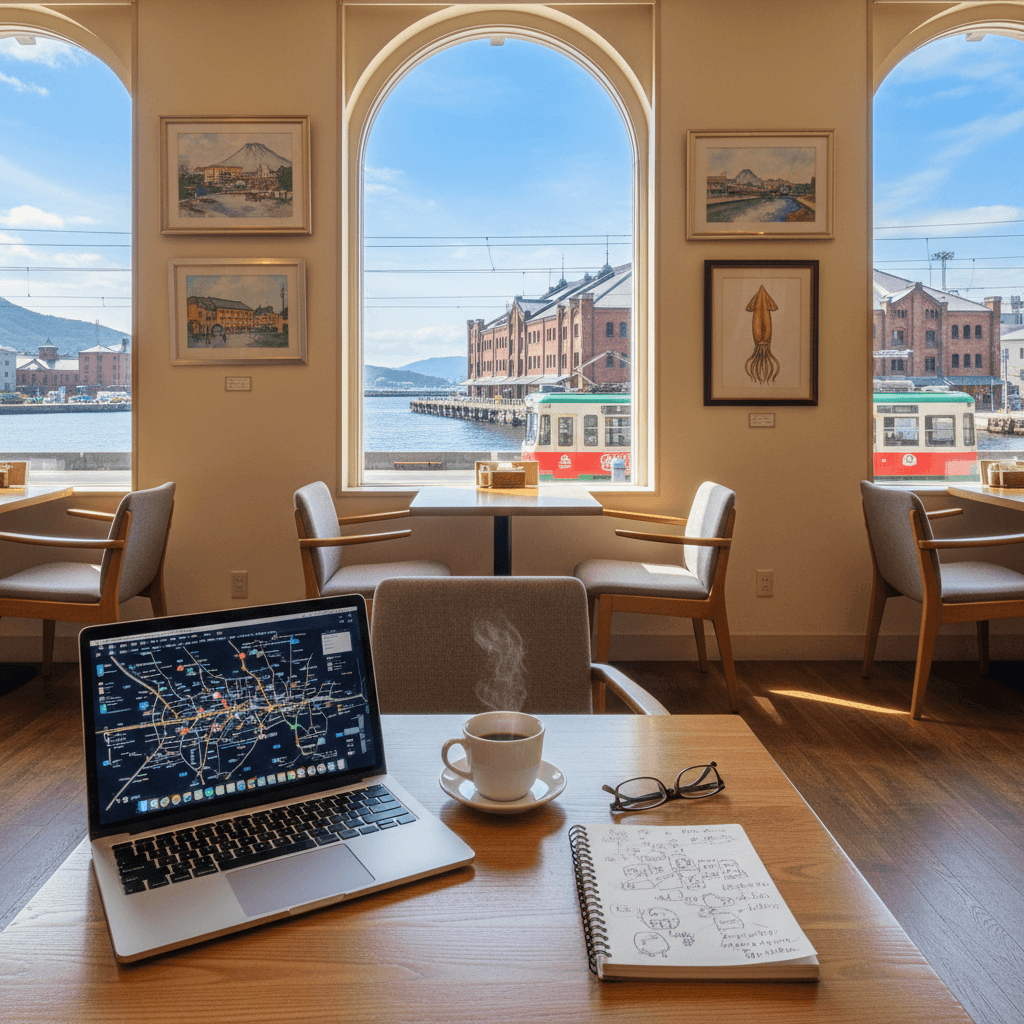
Living here feels distinct from the rest of Hokkaido. You'll spend your mornings in quiet, wood-paneled cafes in Motomachi, watching the trams rattle past steep hills that drop straight into the sea. The pace is deliberate. Most nomads find the city’s "workation" appeal lies in its balance; you can crush a few hours of deep work on a laptop, then walk five minutes to a morning market for some of the freshest seafood on the planet. By the time the sun sets, you're likely heading up Mount Hakodate to see the famous "million dollar view," a shimmering waist of light between two bays that makes the evening commute feel a lot more poetic.
What You'll Love (and What You Won't)
The city is remarkably affordable compared to the mainland. You can secure a comfortable lifestyle for about ¥250,000 per month, which is a steal for the quality of life you get. Expats often rave about the safety and the lack of crowds, even during peak season. It’s a place where the locals might not speak much English, but they’ll go out of their way to help you find the right bus or explain how to eat a dancing squid bowl at the Asaichi Morning Market.
However, Hakodate isn't without its friction. The language barrier is real. Outside of the main tourist zones, you’ll be leaning heavily on Google Translate and Jasumo for everything from doctor’s appointments to understanding your utility bill. There is also the "local phone number" hurdle. Japan still loves its bureaucracy, and trying to rent a long-term apartment or sign up for certain services without a Japanese SIM and a local contact can be a headache. Most short-term nomads bypass this by sticking to Airbnbs or monthly "social houses" that cater to foreigners.
The Neighborhood Breakdown
Where you plant your flag depends on whether you want historic charm or modern convenience.
- Motomachi: This is the soul of the city. It’s filled with old consulates, churches, and sloping streets. It’s the most "nomad-friendly" in terms of vibes and aesthetics, though the hills will give your calves a workout. Rent for a decent 1BR here usually sits between ¥80,000 and ¥120,000.
- Goryokaku: If you prefer being near parks and a more "local" residential feel, this is it. It’s centered around a massive star-shaped fort. It’s quieter and flatter than Motomachi, making it better for cyclists. Expect to pay around ¥60,000 to ¥90,000 for a standard apartment.
- Bay Area: This is the commercial heart, famous for the Red Brick Warehouses. It’s great for a afternoon of cafe-hopping or souvenir shopping, but it can feel a bit "touristy" for a permanent base.
The Emotional Experience
There is a specific nostalgia to Hakodate that is hard to find elsewhere. In the winter, the city turns into a silent, snowy dreamscape where the orange glow of streetlamps reflects off the icy harbor. In the summer, it’s a cool refuge from the sweltering heat of Osaka or Kyoto. It doesn't try too hard to be "cool," and that’s exactly why people stay longer than they planned. It’s a city for the nomad who wants to actually live in Japan, not just pass through it.
The Bottom Line
Living in Hakodate feels like a well kept secret for nomads who find Sapporo too busy and Tokyo too expensive. It is one of the most budget friendly gateways to Hokkaido, where your yen stretches significantly further than in the Kanto region. Expect to spend about ¥250,000 per month for a mid range lifestyle that includes a comfortable apartment in a historic neighborhood and plenty of fresh seafood dinners.
Monthly Budget Breakdowns
Your total spend depends heavily on how much you value a sea view and how often you frequent the local izakayas. Most expats find that even a "comfortable" lifestyle here costs less than a "budget" existence in London or New York.
The Budget Tier: ¥150,000 per month
- Housing: ¥50,000 to ¥70,000. This usually gets you a studio on the outskirts or a room in a shared house. You'll likely be a bit further from the tram lines, so factor in a bike.
- Food: ¥40,000. You'll be shopping at local supermarkets and grabbing ¥600 seafood bowls at the morning market stalls.
- Transport & Data: ¥10,000. A basic bus pass and a local eSIM from Jasumo or Docomo.
- Extras: ¥30,000 for the occasional hot spring visit or cafe work session.
The Mid-Range Tier: ¥250,000 per month
- Housing: ¥80,000 to ¥120,000. This is the sweet spot for a nice 1BR in Motomachi or near the Goryokaku fort. You'll have modern amenities and likely be within walking distance of a tram stop.
- Food: ¥70,000. This allows for daily ¥1,000 cafe lunches and several nights out at local izakayas where a meal and drinks run about ¥4,000.
- Coworking & Transport: ¥30,000. Includes a dedicated desk at a local space and a combination of tram rides and bike rentals.
- Lifestyle: ¥30,000 for weekend trips to nearby nature spots or skiing.
The Comfortable Tier: ¥400,000+ per month
- Housing: ¥150,000+. High end apartments overlooking the bay or spacious homes with traditional Japanese aesthetics.
- Food: ¥120,000. You're frequenting upscale Kaiseki restaurants where dinner starts at ¥10,000 and never checking the price of seasonal fruit at the market.
- Transport: ¥50,000. Frequent use of the JapanTaxi app and perhaps a car rental for exploring the Hokkaido coastline.
- Premium Services: ¥80,000 for premium coworking memberships, gym passes, and private language tutors.
Daily Costs to Keep in Mind
While monthly rent is your biggest variable, daily "pocket money" expenses are remarkably consistent. Travelers usually plan for these standard rates:
- Coffee at a local cafe: ¥500 to ¥700. Many nomads use spots like Doutor for a cheap "office" for the afternoon.
- Tram Fare: ¥210 to ¥260 per ride depending on the distance. It is the most charming way to get across town.
- Quick Lunch: ¥1,000 for a bowl of Hakodate's famous salt ramen.
- Mobile Data: ¥3,000 for a monthly unlimited 5G plan, though you'll need to use a provider like Jasumo to bypass the need for a local bank account.
Practical Money Tips
Cash is still more common here than in Tokyo. While most major retailers and "tourist" restaurants take cards, many of the best local seafood stalls and smaller bars are cash only. Use 7-Eleven ATMs with your Wise or Revolut card for the best exchange rates. If you're staying long term, nomads recommend using Suumo to browse apartments, but be prepared to pay "key money" and agent fees, which can double your initial move in cost. For shorter stays, Airbnb remains the most friction free option, even if the daily rate is higher.
For Digital Nomads: Motomachi
If you want that classic Hakodate aesthetic, Motomachi is where you'll settle. It is a hilly, coastal district famous for its 19th-century Western-style architecture and steep streets that lead straight down to the harbor. Nomads flock here for the atmosphere; it feels more like a European seaside village than a typical Japanese urban center.
The neighborhood is packed with quiet, independent cafes that are surprisingly friendly to laptop users. You will find yourself working from spots like Tea Shop Yuhiga or local coffee houses where a latte runs about ¥600. While there aren't many dedicated coworking hubs yet, the 5G coverage is rock solid, often hitting 200 Mbps. Most nomads opt for monthly rentals in older, renovated buildings. Expect to pay between ¥80,000 and ¥120,000 for a decent mid-range apartment with a view.
- Vibe: Historic, quiet, and incredibly photogenic.
- Pros: High walkability, great sea views, and a high concentration of "workable" cafes.
- Cons: The hills are steep and can be brutal in the winter snow; prices are slightly higher than the outskirts.
For Expats and Long-Term Residents: Goryokaku
Expats looking for a more "lived-in" feel usually head toward Goryokaku. This area surrounds the massive star-shaped fort and park, serving as the city's secondary commercial hub. It feels more modern and functional than the tourist-heavy port area. You'll have easier access to larger supermarkets, government offices, and the Share Star Hakodate building, which offers community spaces and local events.
Rent here is more affordable for those staying six months or longer. A comfortable studio or one-bedroom typically costs between ¥60,000 and ¥90,000. It is also the best spot for social life outside of the seafood markets, as the streets near the Goryokaku-Koen-Mae tram stop are lined with izakayas where a meal and a few drinks cost around ¥3,500.
- Vibe: Practical, residential, and green.
- Pros: Near the city's best park, better shopping, and more "local" prices.
- Cons: It is a 15-minute tram ride to the waterfront and lacks the historic charm of the hills.
For Solo Travelers: Daimon (Near Hakodate Station)
If you are in town for a few weeks and want to be in the thick of the action, stay near the station in the Daimon district. This is the city's traditional entertainment zone. Solo travelers love it because everything is accessible by foot or the ¥210 tram. You are steps away from the Morning Market, where you can grab a fresh seafood bowl for ¥1,500 before starting your day.
The nightlife here is concentrated in tiny "Yokocho" alleys. It is easy to meet locals and other travelers over a bowl of Hakodate's signature salt ramen. For accommodation, you will find plenty of modern "business hotels" and guesthouses that offer monthly discounts, usually averaging ¥100,000 for a private room with high-speed internet.
- Vibe: Energetic, convenient, and a bit gritty in a charming way.
- Pros: Best transport links, endless food options, and easy to meet people.
- Cons: Can be noisy at night; lacks the serene nature found in other districts.
For Families: Yunokawa Onsen
Families often prefer the eastern edge of the city in Yunokawa. It is one of Hokkaido's oldest hot spring districts, offering a much slower pace and larger living spaces. It is right by the ocean and features the Hakodate Tropical Botanical Garden, where kids can watch macaques soak in hot springs during the winter.
While it feels like a resort area, there are plenty of houses and larger apartments available for mid-term stays. A family-sized unit can be found for ¥150,000 or more. The area is safe, quiet, and has a very high quality of life, though you will likely want to use the JapanTaxi app or rent a car for ¥7,000 a day to get around comfortably.
- Vibe: Relaxed, traditional, and family-oriented.
- Pros: Access to public foot baths, beach views, and larger properties.
- Cons: Far from the main nomad "scene" and requires more travel time for sightseeing.
Connectivity in the Port City
You won't have to worry about dropping a Zoom call while overlooking the Tsugaru Strait. By 2026, 5G coverage has blanketed 99% of the city, and the infrastructure is rock solid. Most nomads skip the hassle of physical SIMs and opt for an eSIM through providers like Jasumo or local carriers like Docomo. Expect to pay around ¥3,000 per month for a reliable unlimited data plan. If you're staying in a traditional Machiya or an older rental in Motomachi that lacks fiber, 5G home routers are a plug and play lifesaver with no installation fees.
Speeds are impressive, often hitting 200 Mbps even in more residential areas. For those venturing into the nearby mountains or rural Hokkaido outskirts, Starlink has become a popular backup for remote workers who need a guaranteed connection away from the city center.
Where to Get Work Done
Hakodate doesn't have the massive, corporate coworking hubs you'll find in Tokyo, but it makes up for it with a cozy, intentional work culture. The scene is centered around local "workation" spots and cafes that are remarkably welcoming to laptop users, especially during the quiet winter months.
- Mirai University Hub: While primarily academic, the surrounding area has birthed several small, quiet tech-friendly spaces. It's a favorite for those who need a library-like silence.
- Motomachi Cafe Culture: This is the heart of the nomad scene. Hakodate Moto-Machi Coffee and Tea Shop Yuhiga are popular for their reliable Wi-Fi and historic atmosphere. You'll find plenty of spots in historic Western-style buildings where a ¥500 to ¥1,000 spend on coffee and a light lunch buys you a seat for the afternoon.
- Chain Favorites: When you just need a reliable desk and a power outlet without any social pressure, Doutor and Starbucks near the morning market are the old reliables. They're consistent, fast, and anonymous.
The Cafe Etiquette
Working from cafes is a common sight here, but there's a local rhythm to it. Most nomads find that as long as they aren't taking loud calls in small shops, owners are happy to let them linger. If you're planning an eight-hour marathon, it's polite to buy a second drink or a meal around the three-hour mark. During the peak of the Snow Festival in February, these spots get crowded, so arriving early is the only way to snag a window seat with a view of the harbor.
Practical Tech Tips
Navigating the city and staying connected requires a few specific tools. English proficiency is still quite low, so keep Google Translate or a similar AI translation app pinned to your home screen. For getting around, the JapanTaxi app is the local standard for ride-hailing when the trams stop running.
- Power: Japan uses Type A and B plugs (two flat pins). Most cafes have outlets, but carrying a slim power bank is smart for long days spent exploring the Goryokaku area.
- Public WiFi: While available at Hakodate Station and major tourist spots, it's often throttled or requires a tedious login process. A personal hotspot or eSIM is much more efficient for actual work.
- Digital Nomad Visa: If you're staying long-term on the new nomad visa, remember that you'll still need a local phone number for many official services and long-term apartment rentals. Many expats use a combination of a data-only eSIM and a cheap local VoIP number to bypass this.
Overall, Hakodate offers a high-speed digital experience wrapped in a slow-paced, coastal package. It’s the kind of place where you can finish a project by 4:00 PM and be at the top of Mount Hakodate for the sunset thirty minutes later without ever losing your signal.
Safety in the Port City
Hakodate is remarkably safe, even by Japan's high standards. You'll often see locals leaving their bags unattended in cafes or walking alone through the Motomachi district well after sunset. While bigger hubs like Sapporo have more active nightlife districts like Susukino that require a bit more awareness, Hakodate maintains a sleepy, respectful atmosphere where violent crime is almost non-existent.
The biggest risks here aren't people; they're environmental. If you're visiting between December and February, the real danger is the "black ice" on the city's famous sloping streets. Nomads often underestimate how slick the hills can get. Locals recommend buying "slip-stoppers" (detachable ice cleats) for your shoes at any convenience store for about ¥1,000 to ¥2,000.
For petty theft or lost items, the Koban (police box) system is your best friend. There are several located near Hakodate Station and the Goryokaku area. If you lose your wallet, there's a surprisingly high chance it will be turned in with the cash intact.
Healthcare Infrastructure
The quality of medical care in Hakodate is excellent, but you should prepare for a significant language barrier. Most doctors at major facilities like Hakodate Municipal Hospital or Hakodate Goryokaku Hospital have a high level of medical knowledge, yet their English fluency varies. Expats living here often use translation apps or services like Jasumo to book appointments and bridge the communication gap.
If you're on the new Digital Nomad Visa or a long-term resident, you'll likely be enrolled in the National Health Insurance (NHI). This covers 70% of your costs, making even complex procedures quite affordable. If you're on a shorter stay, ensure your private travel insurance is robust, as hospitals may ask for proof of coverage or a credit card upfront.
Emergency Services & Pharmacies
In a pinch, you can find a pharmacy (drugstore) on almost every major corner. Chain stores like Tsuruha Drug or Sapporo Drug Store are ubiquitous. They carry everything from basic cold medicine to high-end skincare, though "stronger" Western-style painkillers like high-dose Ibuprofen can be harder to find over the counter. Check labels for "acetaminophen" if you need a standard fever reducer.
- Emergency Ambulance/Fire: Dial 119
- Police: Dial 110
- Medical Help Line: The Japan Visitors Hotline (050-3816-2787) provides 24/7 assistance in English.
Practical Health Tips for Nomads
The tap water in Hakodate is perfectly safe to drink and actually tastes better than the water in Tokyo due to the mountain runoff. You don't need to waste money on bottled water; just refill your flask at your rental or coworking space.
If you need a specialist, try to head toward the Goryokaku district. It serves as the city's modern center and has a higher concentration of clinics compared to the historic port area. Most clinics operate on a walk-in basis, but it's always smarter to arrive 30 minutes before they open to avoid a long wait in the lobby.
Finally, keep a digital copy of your blood type and any allergies on your phone. In the rare event of an emergency, having this info ready in Japanese (using a simple translation tool) can save precious time when the paramedics arrive.
The Logistics of Life in Motion
Hakodate is a city built for slow, deliberate exploration. Unlike the frantic pace of Tokyo or Osaka, the transit system here reflects the city's laid-back port atmosphere. You won't find a labyrinth of subway lines; instead, you get a charming, efficient network of vintage streetcars and reliable buses that make the city remarkably easy to navigate without a car.
The Iconic Tram System
The Hakodate City Tram is the soul of the local commute. It’s the preferred way for nomads to hop between the historic Motomachi district and the business hub near Goryokaku. The two main lines cover most areas you'll actually need to visit.
- Pricing: Fares range from ¥210 to ¥260 depending on the distance.
- Payment: Most nomads use an IC card like Suica or Pasmo. You just tap when you get on and tap when you get off. If you're planning a heavy day of site-scouting, a one-day pass costs ¥600 and pays for itself quickly.
- The Vibe: These streetcars are photogenic and nostalgic, but they can get cramped during the morning rush. If you're carrying a laptop bag, try to avoid the 8:00 AM to 9:00 AM window.
Two Wheels and Two Feet
If you choose to live in Motomachi, you'll find that your own two feet are your best asset. The area is incredibly walkable, though the "slope" streets like Hachiman-zaka are steep enough to give your calves a serious workout. For those staying in flatter areas like near the morning market, a bicycle is the ultimate freedom tool.
- Bike Rentals: You can find daily rentals at local shops near the station for about ¥1,000. Electric bikes are highly recommended if you plan on tackling the hills toward the mountain.
- Walking: The bay area and the Red Brick Warehouses are pedestrian-friendly. Most expats find that a 20-minute walk covers the distance between their favorite cafe and the grocery store.
Apps and On-Demand Rides
Ride-hailing hasn't completely taken over Japan the way it has in the West, but it's gaining ground. Uber works here primarily as a way to hail licensed taxis rather than private cars. The JapanTaxi app is the local favorite and is generally more reliable for getting a ride in the quieter residential pockets.
- Taxi Costs: Expect to pay around ¥600 to ¥700 for the base fare. A cross-town trip from the station to Goryokaku usually runs about ¥2,000.
- Language Tip: While the apps handle the destination, it’s smart to have your address written in Japanese characters on your phone just in case the driver needs a visual.
Arrival and Departure
Getting into the city from Hakodate Airport is refreshingly painless. You won't need an expensive private car. The shuttle bus is the standard choice for travelers and locals alike. It takes about 20 minutes to reach the city center and costs ¥500. If you're arriving via the Shinkansen, remember that the high-speed trains arrive at Shin-Hakodate-Hokuto Station, which is about 15 to 20 minutes north of the city. You'll need to hop on the "Hakodate Liner" access train to get to the main downtown terminal.
Winter Considerations
From December through March, the transit game changes. The streets become icy and the sidewalks can be treacherous. The trams continue to run reliably, but walking times will double. Most nomads shift toward using the bus network more heavily in winter to avoid the biting wind off the water. If you're cycling, park the bike for the season; the snow makes the narrow side streets difficult for anything on two wheels.
The Language Gap
Expect a bit of a reality check when you step off the train. Unlike the multilingual bubble of Tokyo or Kyoto, Hakodate is a place where Japanese remains the undisputed primary language. While the major tourist spots like the Goryokaku Tower or the Bay Area red brick warehouses have English signage, the local izakayas and neighborhood grocers in Motomachi generally don't. Most nomads find that English proficiency among locals is low, but the residents are famously patient and helpful if you're trying to communicate.
You'll quickly realize that your phone is your most valuable tool for survival. Google Translate with the camera feature is a lifesaver for deciphering menus at the Hakodate Morning Market. For anything more complex, like setting up a gym membership or visiting a clinic, expats recommend using the Jasumo app to get bilingual assistance or book appointments. It saves a lot of miming and awkward silences.
Survival Phrases for Daily Life
Learning a handful of phrases goes a long way here. The locals appreciate the effort, even if your pronunciation isn't perfect. Start with these basics to get through your workday and social outings:
- Sumimasen: Use this for "Excuse me" or "Sorry." It's the most versatile word in your vocabulary for getting a waiter's attention or navigating a crowded tram.
- Eigo o hanashimasu ka?: "Do you speak English?" It's better to ask this upfront than to dive into a long sentence they might not follow.
- Kore o onegaishimasu: "This one, please." Perfect for pointing at that specific bowl of seafood donburi you want.
- Wi-Fi wa arimasu ka?: "Is there Wi-Fi?" You'll use this constantly when scouting new cafes in the Motomachi hills.
Digital Communication and Connectivity
While the spoken language might be a hurdle, the digital infrastructure is seamless. By 2026, 5G coverage is expected to be nearly universal across the city center. You won't have trouble finding high speed connections in local chains like Doutor Coffee or independent spots near the port. Most nomads skip the expensive roaming fees and opt for a local eSIM or a physical SIM card from providers like Docomo or SoftBank, which usually cost around ¥3,000 per month for a solid data plan.
If you're planning a longer stay and need to rent a proper apartment via platforms like Suumo, be prepared for a linguistic and bureaucratic challenge. These services often require a local phone number, which can be a "chicken and egg" situation for new arrivals. Having a translation app or a Japanese speaking friend on standby is pretty much mandatory for these deeper administrative tasks.
Social Etiquette and Non-Verbal Cues
Communication in Hakodate isn't just about what you say; it's about how you act. The culture is polite and somewhat reserved. A simple bow goes further than a loud "hello" in many social settings. Remember to lower your voice when working in cafes or riding the tram, as loud phone calls are generally frowned upon in public spaces. If you're looking to meet people, don't expect many English language nomad meetups. Instead, try joining local hobby groups or frequenting the same neighborhood izakaya. Once you become a "regular," the language barrier tends to melt away over a few drinks and some fresh sashimi.
The Seasonal Sweet Spot
Timing your stay in Hakodate is all about what you can tolerate. If you're coming for the deep work vibes and world class seafood, the window from July to September is your best bet. While the rest of Japan swelters in 35°C humidity, Hakodate stays a breezy 20°C to 25°C. It's the only time of year you can truly utilize the outdoor terraces in Motomachi without a parka.
Most nomads find the shoulder seasons, specifically May and October, to be the most aesthetic. May brings the late cherry blossoms to Goryokaku Park, while October offers crisp 12°C air and autumn colors that make the hike up Mount Hakodate far more comfortable than in the humid summer. If you're planning a "workation," these months offer the best balance of reliable weather and lower accommodation prices.
Surviving the Hokkaido Winter
Winter here is no joke. From December through February, temperatures hover between -5°C and 5°C. You'll see heavy snowfall that transforms the city into a scenic postcard, but it also makes getting around via the streetcar a bit of a slog. Expats recommend investing in solid boots with grip; the hills in the historic district turn into ice rinks by January.
The payoff for the cold is the food and the festivals. The local squid is at its prime in winter, and the Hakodate Christmas Fantasy event lights up the red brick warehouses in the bay area. If you're a skier, you're only a short trip away from some of the best powder in the world, making it a great base for weekend trips to nearby slopes.
Climate Breakdown for Planning
- January to March: Deep winter. Expect heavy snow and lows of -3°C. Great for cozying up in cafes like Doutor with high speed WiFi while the wind howls outside.
- April to June: The transition. April is still chilly, but June brings the rainy season. It’s less intense than Tokyo’s rain, but you’ll want a sturdy umbrella for your walks to the morning market.
- July to September: Peak nomad season. Temperatures are perfect for exploring. Expect highs of 25°C and plenty of sunlight for those sunset views from the mountain.
- October to December: The cooling. October is brisk and beautiful. By December, the first real snow usually hits, and the city settles into its quiet, winter rhythm.
The Logistics of Timing
Travelers often say that Hakodate feels like a different city depending on the month. If you're on a budget, avoid the Golden Week holidays in early May and the Obon week in mid-August. Prices for Airbnbs and hotels in the Motomachi area can double during these windows. For a long-term stay, arriving in September allows you to catch the end of the warmth before settling into a productive, snow-covered winter grind.
Keep in mind that while the 5G infrastructure is solid year-round, the physical act of "cafe hopping" becomes much harder in the winter. Most nomads tend to pick a home base with a view of the bay and stick to it when the snow piles up. If you're someone who needs constant movement and outdoor socialization, stick to the June through September window.
Connectivity and Tech Setup
Expect blistering internet speeds across the city. With 5G coverage hitting 99 percent, you can tether your laptop at a park or a pier without missing a Zoom call. Most nomads skip the pricey airport rentals and grab an eSIM from Jasumo or a local carrier like Docomo. You will likely pay around ¥3,000 per month for a solid unlimited plan.
If you are planning a longer stay, look into plug and play 5G home routers. They don't require an installation fee or a technician visit, which is a massive win when you're dealing with a language barrier. For those working in rural spots on the outskirts, Starlink is now a reliable backup, often hitting 200 Mbps in the Hokkaido wilderness.
Money and Banking
While Japan is slowly embracing plastic, Hakodate still has a soft spot for cash, especially at the seafood stalls in the morning market. Digital nomads usually rely on Wise or Revolut for the best exchange rates. When you need physical yen, head to any 7-Eleven. Their ATMs are open 24/7, have English menus, and rarely reject international cards.
For apartment hunting, platforms like Suumo are the gold standard, but be prepared for a hurdle. Most traditional rentals require a local phone number. If you are only here for a few months, Airbnb or monthly "leopalace" style serviced apartments are much easier to secure without the bureaucratic headache.
Getting Around
Hakodate is a walkable city, particularly if you base yourself in Motomachi. For everything else, the vintage trams are your best friend. A single ride costs between ¥200 and ¥300, and they are incredibly charming. If you're in a rush, download the JapanTaxi app; it is the most reliable way to hail a ride since Uber hasn't quite taken over here yet.
- Airport Transfer: The shuttle bus from Hakodate Airport takes about 20 minutes and costs ¥500.
- Cycling: Local shops rent out bikes for roughly ¥1,000 a day. It is the best way to explore the bay area in the summer.
- Walking: Stick to the flat areas near the port if you want to save your calves. The hills in the historic district are no joke.
Language and Local Customs
English proficiency is quite low here compared to Tokyo or Osaka. You will want Google Translate pinned to your home screen. Expats recommend learning a few basics like Sumimasen (excuse me) to get a waiter's attention. If you run into complex paperwork or need a doctor, use Jasumo for bilingual support services.
Social etiquette is straightforward but strict. Always remove your shoes when entering a home or certain traditional guesthouses. Tipping is not a thing here; in fact, it can sometimes cause confusion or offense. A simple bow is the standard way to say hello or thank you.
Health and Safety
This is one of the safest cities you will ever visit. You can walk home alone at 3 AM without a second thought. If you do get sick, the healthcare quality is world class, though finding an English speaking doctor can be a challenge. In an emergency, dial 119 for an ambulance. Before you arrive, make sure to set up your Visit Japan Web QR code; it makes clearing customs and immigration about 40 percent faster.
Seasonal Planning
Timing your stay is everything in Hokkaido. Most nomads find the window from June to September to be the sweet spot, with temperatures hovering between 20 and 25 degrees Celsius. It is perfect for hiking and outdoor work sessions.
- Winter (December to February): Expect heavy snow and temps between -5 and 5 degrees. It is magical but requires serious gear.
- Spring (April to May): The cherry blossoms at Goryokaku Fort are a must see, usually peaking in late April.
- Rainy Season: June and July can be damp, so keep a sturdy umbrella and a waterproof laptop bag handy.
Need visa and immigration info for Japan?
🇯🇵 View Japan Country GuideEasy Landing
Settle in, no stress