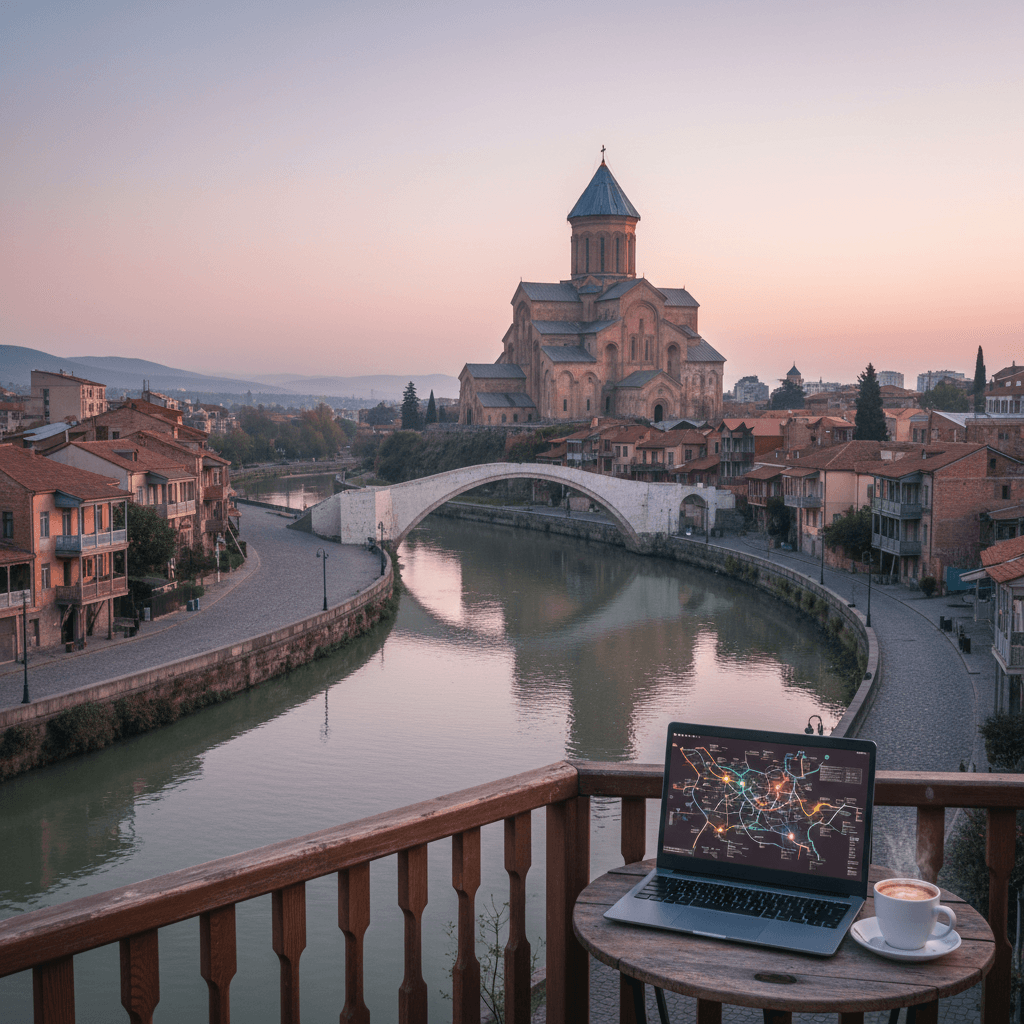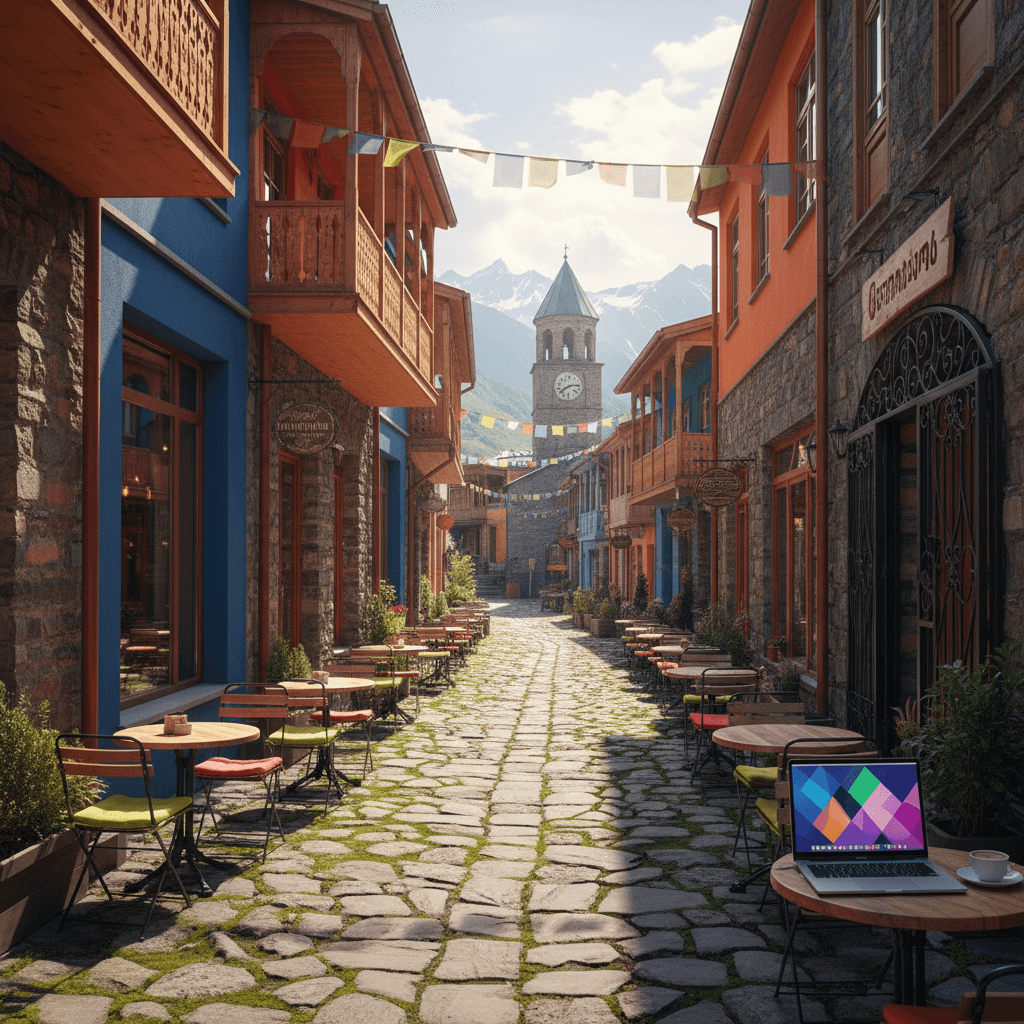
Gudauri
🇬🇪 Georgia
The Alpine Office
Perched high in the Caucasus Mountains, Gudauri is a different breed of nomad destination. It isn't a city; it's a high altitude sanctuary that trades urban chaos for absolute silence and crisp mountain air. While most remote workers flock to the coffee shops of Tbilisi, those in the know head two hours north to find a level of productivity that's hard to replicate anywhere else. Many nomads claim they get more done in a single week here than in an entire month in a traditional office environment.
The vibe is defined by its seasons. In the winter, it's a high energy ski hub where your morning stand up happens before you hit the gondola. In the summer, the resort transforms into a tranquil, green expanse perfect for deep work, hiking, and yoga. It’s the kind of place where your "office view" is a jagged horizon of snow capped peaks and the only distraction is the occasional hawk circling overhead.
The Emotional Experience
Living in Gudauri feels like pressing a giant reset button. There is a specific type of stillness here, especially during the shoulder seasons, that forces you to slow down. You'll find yourself swapping late night bar crawls for wine on a balcony and morning commutes for a quick trek up the slopes. It's a place for the "slow nomad" who wants to escape the digital grind while staying connected to world class infrastructure.
What You'll Love (and What You Won't)
- The Focus Factor: The lack of city distractions means your output will likely skyrocket.
- The Hospitality: Georgian culture is legendary, and in the mountains, it feels even more intimate. Expect local wine, heavy food, and genuine warmth.
- The Value: You can live an alpine lifestyle for $800 to $1,500 per month, a fraction of what you'd spend in the Alps or the Rockies.
- The Isolation: If you thrive on "city energy" or need a different restaurant every night, Gudauri might feel too quiet after a few weeks.
- Seasonal Shifts: The town can feel like a ghost town in the late spring or late autumn when the lifts stop and the summer hikers haven't arrived yet.
Cost of Living Breakdown
While prices fluctuate based on the ski season, Georgia remains one of the most affordable spots for expats in 2025 and 2026. Most nomads find that a mid range budget provides a very high quality of life.
- Budget Tier ($800 to $1,000): Staying in a basic studio or a budget hotel, eating local street food like 5 GEL lobiani, and sticking to cafe WiFi.
- Mid Range Tier ($1,000 to $1,300): A nice 1BR apartment in the resort core, regular meals at spots like Carpe Diem, and occasional coworking access.
- Comfortable Tier ($1,300 to $1,500+): High end hotel stays with mountain views, frequent 30+ GEL upscale dinners, and using Yandex Go for all local trips.
The Daily Grind
The "Resort Core" near the main gondolas is where most nomads settle. It’s the most walkable part of town and offers the most reliable connectivity. Carpe Diem Gudauri has become the de facto hub for the remote crowd, offering a cozy, professional space that supports heavy lifting like Zoom calls and large file uploads. When you need a break, you aren't just stepping out for a coffee; you're stepping into one of the most dramatic landscapes on the planet.
For getting around, the town is compact enough to navigate on foot, but the Yandex Go app is your best friend for short hops, usually costing around 5 GEL. If you need a taste of the city, the 20 to 30 GEL marshrutka ride back to Tbilisi is a wild, scenic adventure in itself. Most expats recommend Gudauri as a base for at least a month to truly soak in the mountain rhythm.
Living in Gudauri feels like a strategic move for your bank account and your mental health. While it's a premier ski resort, it doesn't carry the eye watering price tag of the French Alps or Aspen. You can maintain a high quality of life here for $1,000 to $1,500 per month, depending on how much you value a balcony view and whether you're eating out every night.
The local economy runs on the Georgian Lari (GEL). While prices can fluctuate during the peak winter ski season, the general cost of living remains significantly lower than in Western Europe or North America. Most nomads find that their biggest expense is accommodation, as the town is essentially a resort strip rather than a traditional residential city.
Monthly Budget Tiers
- The Budget Nomad ($800 to $1,000): This covers a basic studio apartment or a long term room in a budget guesthouse, mostly cooking at home with groceries from the local Smart supermarket, and sticking to free outdoor activities like hiking.
- The Mid Range Professional ($1,000 to $1,300): This gets you a modern one bedroom apartment in the resort core, regular meals at local taverns, and a few days a week at a coworking space like Carpe Diem.
- The Comfortable Expat ($1,300 to $1,500+): At this level, you’re looking at a high end hotel suite or luxury apartment, daily restaurant dining, frequent Yandex rides, and weekend trips to Kazbegi or Tbilisi.
Housing and Utilities
Expect to pay between 300 and 500 GEL for a basic studio if you're lucky enough to find a long term local rate, though most nomads opt for resort apartments which can be higher. Utilities like electricity and water are usually included in short term rentals, but if you're on a separate contract, they're quite affordable. A major perk is the 1% tax rate available for registered individual entrepreneurs, which is a massive draw for those earning a foreign salary while living in the mountains.
Food and Dining
Georgian food is famously affordable and filling. You can grab quick street food like a fresh lobiani or khachapuri for about 5 GEL. If you're sitting down at a mid range restaurant, a solid meal with a glass of local wine will typically run you 10 to 20 GEL. For those special nights out at upscale resort hotels, expect to pay 30 GEL or more. If you prefer cooking, the prices at the local markets are low, though the variety of international ingredients can be limited compared to Tbilisi.
Transport and Connectivity
Gudauri is compact enough that you'll do most of your daily movement on foot. For everything else, there's Yandex Go. Short trips around the resort usually cost around 5 GEL. If you need to head down to the capital, a seat on a marshrutka (minibus) is only about 20 to 30 GEL, making it easy to reset in the city for a weekend.
- Mobile Data (Magti or Silknet): Roughly 10 to 20 GEL per month for a generous data plan.
- Coworking: Prices vary, but spots like Carpe Diem are positioned as budget friendly for those who need a professional desk and stable Zoom connection.
- Gym/Pool: Many nomads use the facilities at the larger hotels, often paying a daily or monthly drop in fee.
Keep in mind that while the cost of living is low, the infrastructure is mountain based. You're paying for the peace and the proximity to the slopes. Most expats recommend keeping a bit of a buffer in your budget for those days when the snow is too good to pass up and you end up spending a bit extra on lift passes and mountain side coffee.
For Digital Nomads
If you're coming to Gudauri to crush a project while staring at the Caucasus peaks, you'll want to plant yourself in the Resort Core. This area is clustered around the main gondolas and the Georgian Military Highway. It's the only part of town where you'll find a consistent "work from anywhere" infrastructure. Most nomads head straight for Carpe Diem Gudauri, which serves as the unofficial headquarters for remote workers. It has reliable, high speed WiFi that handles Zoom calls and large uploads without the typical mountain lag.
Living here means you're within walking distance of the few grocery stores and cafes that stay open year round. During the winter, it's high energy and social, but the summer months (June to September) are when the productivity magic happens. You'll get the silence you need to focus, punctuated by mid day hikes. Expect to pay between $1,000 and $1,300 for a mid range monthly setup that includes a desk and a view. The biggest drawback is the lack of "city" amenities; if you need a specialized electronics shop or a massive variety of gyms, you'll be taking a 20 to 30 GEL minibus ride back to Tbilisi.
For Expats and Long Term Residents
Expats looking for a more permanent mountain lifestyle often look toward the New Gudauri development or the established apartments near the GoodAura lift. This area feels a bit more like a neighborhood and less like a transit stop. It's where you'll find modern apartment blocks with kitchens, which is vital because eating out every night at resort prices gets old fast. Local expats recommend using platforms like myhome.ge or specific Facebook groups to find long term rentals, which can drop as low as $500 to $800 per month if you sign a six month lease outside the peak ski season.
The community here is small but tight. You'll likely spend your evenings at local hotel bars or sharing wine with neighbors. Life moves slowly here. You'll need the Yandex Go app for quick trips across the strip, but most of your daily routine will be on foot. Be prepared for the "off season" reality: many businesses close in May and October, so having a car or a solid pantry stock is a must for anyone staying year round.
For Solo Travelers
If you're traveling solo, the Lower Gudauri area offers a more authentic, slightly rugged experience. It's often cheaper, with budget guesthouses and hostels where you're more likely to meet backpackers and hikers than corporate remote workers. You can find basic rooms for $800 a month or less. It's a bit further from the "posh" coworking spots, but the local cafes are usually happy to let you linger over a 5 GEL coffee if you're respectful.
Safety is a non issue here. Georgia is famously hospitable, and Gudauri is no exception. Solo travelers often find it easy to link up with groups for day trips to Kazbegi or paragliding sessions. Just keep in mind that English proficiency is higher in the big hotels; in the smaller guesthouses of Lower Gudauri, having a translation app with a Georgian offline pack is a lifesaver.
For Families
Families usually gravitate toward the Upper Slopes or the outskirts where the noise of the "apres ski" crowd doesn't reach. These areas offer more space and direct access to gentle hiking trails. Some of the larger resort hotels in this zone provide more "home like" amenities and buffet dining which simplifies life with kids. However, the lack of dedicated international schools or large playgrounds makes Gudauri better for a "workation" than a permanent family relocation.
Logistics can be tricky for families. The nearest high quality hospitals are in Tbilisi, about three hours away, so most parents keep a well stocked first aid kit and ensure their health insurance is up to date. For a comfortable family stay with two bedrooms and decent kitchen facilities, budget at least $1,500 per month. The payoff is the environment; your kids will have the cleanest air in the country and endless space to explore safely.
Connectivity in the Clouds
In the past, working from Georgia's high altitudes meant crossing your fingers and hoping the signal held. That's changed. Gudauri now offers surprisingly stable fiber optic connections that rival what you'll find in Tbilisi. Most modern hotels and apartment complexes in the resort core provide speeds capable of handling Zoom calls and large file uploads without a hitch. While the national average sits around 100-150 Mbps, expect mountain speeds to vary slightly based on your proximity to the main hubs.
Most nomads find that the biggest hurdle isn't the speed, but the occasional power flicker during heavy winter storms. If you're planning a deep work sprint, it's smart to have a backup. Local 4G coverage is excellent even on the slopes, so a mobile hotspot will usually get you through any brief outages.
Top Coworking Spots
Gudauri doesn't have the dozens of dedicated coworking spaces you'll find in the capital, but it makes up for it with quality over quantity. The scene is centered around professional environments that understand the remote work lifestyle.
- Hotel Carpe Diem: This is the undisputed headquarters for the digital nomad community in Gudauri. It features a cozy, professional lounge specifically designed for remote work. You'll find plenty of outlets, ergonomic seating, and a quiet atmosphere that encourages productivity. The staff is used to nomads staying for weeks at a time, and the transition from the "office" to the outdoor terrace for a sunset drink is seamless.
- The Gudauri Lodge: While technically a hotel, their common areas are frequently used by expats and travelers looking for a more upscale, quiet environment. The WiFi is robust, and the mountain views from the floor to ceiling windows are hard to beat for inspiration.
- Apartment Work-from-Home: Many nomads choose to rent studios in the New Gudauri area. These buildings are newer and almost always come with private, high speed routers, allowing you to skip the commute to a cafe entirely.
Mobile Data and SIM Cards
Don't rely solely on hotel WiFi. You'll want a local SIM card as soon as you land. Georgia has three main providers: Magti, Silknet, and Cellfie (formerly Beeline). Expats almost universally recommend Magti for mountain regions because they have the most reliable coverage in the Caucasus.
- Magti: Best overall coverage. You can get an unlimited weekly data pack for about 9 GEL or a monthly plan for 30 GEL.
- Silknet: Good speeds, often used as a home internet provider, but mobile coverage can be spotty in the deeper valleys.
- Cellfie: Usually the cheapest option, though the signal might drop once you head off the main resort trails.
You can pick up a SIM card at the airport or in any major city before heading up the mountain. You'll just need your passport. Most nomads use the Magti app to top up their balance using a credit card, which is much easier than hunting for a payment terminal in the snow.
Cafe Culture and Etiquette
Working from cafes is common here, especially during the summer months when the resort is quieter. During the peak winter ski season, cafes near the gondolas can get loud and crowded between 12:00 PM and 2:00 PM. If you need to focus, time your cafe sessions for the early morning or late afternoon.
Most local spots are happy to let you sit with a laptop for a few hours if you're ordering coffee or food. Just keep an eye out for "no laptop" signs during busy weekend lunch rushes. The vibe is generally relaxed, and you'll often see other remote workers tucked into corners with their headphones on, taking advantage of the fresh air and the 5 GEL Americanos.
Personal Safety in the Mountains
Gudauri is remarkably safe, even by Georgia's high standards. Crime against foreigners is almost unheard of here, and you'll likely feel comfortable walking the resort strip at any hour. The vibe is communal, mostly made up of seasonal workers, digital nomads, and outdoor enthusiasts who are more interested in the next snowfall than anything else.
The primary safety concerns aren't human, they're environmental. If you're heading out for a solo hike or a backcountry ski session, tell someone your route. The Caucasus weather can flip in minutes, and while the 112 emergency service is responsive, you don't want to be caught on a ridge in a whiteout. Keep Yandex Go on your phone; it's the most reliable way to get back to your base if you've wandered too far down the Military Highway and don't want to wait for a passing marshrutka.
- Emergency Number: Dial 112 for police, fire, or ambulance.
- Night Safety: Very high. Stick to the main road areas near the Carpe Diem or the gondola stations if you're worried about lighting.
- Wildlife: While rare near the resort core, stray dogs are common. Most are friendly and tagged by the municipality, but it's best not to feed them if you don't want a permanent shadow for the rest of your stay.
Healthcare and Medical Facilities
Healthcare in Gudauri is geared toward trauma and immediate stabilization. There are medical clinics at the base of the lifts designed to handle ski injuries, and pharmacies (known locally as "Apteka") are stocked with the basics. However, for anything beyond a sprain or a cold, you'll need to head to Tbilisi.
The capital is about 2 to 3 hours away and houses high quality private hospitals like MediClubGeorgia or American Hospital Tbilisi. Most expats and long term nomads keep a "Tbilisi trip" list for dental checkups or specialist appointments. If you have a specific prescription, bring a supply with you. While Georgian pharmacies are quite liberal, specific mountain stock can be hit or miss.
- Local Clinics: Best for minor injuries or immediate first aid.
- Pharmacies: Look for PSP, Aversi, or GPC signs. They usually have someone who speaks basic English or Russian.
- Medical Evacuation: If you're skiing off-piste, ensure your insurance specifically covers mountain rescue. A helicopter ride out of a gorge is a $3,000+ mistake without it.
Insurance and Residency Requirements
Health insurance is recommended and required for the Remotely from Georgia digital nomad program and for those looking to establish Individual Entrepreneur status. You'll need to show proof of coverage that is valid within Georgian territory.
Most nomads find that international providers like SafetyWing or World Nomads work perfectly here. If you're staying long term and want something local, Ardi or TBC Insurance offer affordable packages for residents. These local plans often cost between $30 and $60 per month and provide much smoother billing at the top tier hospitals in Tbilisi.
Staying Healthy in the Altitude
Gudauri sits at over 2,000 meters. If you're arriving directly from a sea-level city like Batumi, give yourself forty eight hours to adjust before hitting a heavy gym session or a long hike. Dehydration happens faster in the thin mountain air, so double your water intake. Luckily, the tap water in Gudauri is generally safe and comes straight from mountain springs, though many travelers prefer bottled water for the first week while their system adjusts to the local mineral content.
Getting Around the Mountain
Gudauri is a compact resort town stretched along the Georgian Military Highway. It isn't a sprawling metropolis, so your own two feet will be your primary mode of transport. Most nomads find the "Resort Core" near the gondolas and hotels like Carpe Diem perfectly walkable for daily errands, coffee runs, and getting to the slopes.
The town is essentially one long mountain strip. If you're staying in the upper reaches or outskirts for the peace and quiet, be prepared for some steep inclines. It's a great workout, but if you're carrying a laptop or groceries, you'll likely want a motorized backup plan.
Ride-Hailing and Taxis
While you won't find a subway or a complex bus network here, technology has made its way into the Caucasus. Yandex Go is the local equivalent of Uber or Lyft, and it works surprisingly well in the resort area. It's the go-to app for expats who need to zip between the lower and upper parts of town without breaking a sweat.
- Short trips: Expect to pay around 5 GEL for a quick ride within the resort.
- Reliability: Drivers are usually available during the peak winter season, though wait times can increase during the quiet summer months.
- Payment: You can link your card in the app, which avoids the awkwardness of negotiating prices in Georgian or Russian.
The Marshrutka Experience
For longer distances, you'll encounter the marshrutka, Georgia's ubiquitous yellow or white minibuses. These are the lifeblood of regional travel. They don't follow a strict, down-to-the-minute schedule, but they're incredibly affordable and provide a truly local experience.
To catch one, you'll usually head to the main road. If you're heading toward Tbilisi, just flag one down. A one-way trip to the capital typically costs between 10 and 15 GEL. It's a bumpy, two to three-hour ride with stunning views, but it's the most authentic way to travel like a local.
Airport Transfers and Regional Travel
Gudauri is about 90 kilometers from Tbilisi International Airport. Since there are no direct trains or commercial flights into the mountains, you have a few specific options for making the trek:
- Private Transfer: Many nomads book a private car via Yandex or local transfer services. It's the most comfortable way to haul ski gear and tech setups.
- Shared Vans: Common during the winter season, these depart from the Didube bus station in Tbilisi.
- Car Rentals: Only recommended if you're comfortable with mountain driving and potential snow. Most travelers find they don't need a car once they actually arrive in Gudauri.
Practical Navigation Tips
Because English proficiency can be hit-or-miss once you leave the main hotel lobbies, keep Google Translate handy with the Georgian offline pack downloaded. Most street signs in the resort area are bilingual, but once you head toward Kazbegi for a day trip, you'll appreciate having a digital map.
Travelers often say that the best way to see Gudauri is simply to wander. Since the town is safe and the crime rate is negligible, you can explore the mountain paths without much worry. Just keep an eye on the weather; an easy afternoon stroll can turn into a chilly trek quickly if the clouds roll in over the peaks.
The Linguistic Landscape
In the high altitudes of Gudauri, language is a mix of ancient tradition and modern tourism. Georgian is the primary tongue, a unique language with its own script that looks like beautiful, looping calligraphy. While it's one of the oldest living languages in the world, you don't need to be a linguist to get by here. Most nomads find that the resort's international crowd makes communication relatively straightforward, even if you haven't mastered the local alphabet.
English proficiency is quite strong within the resort core, especially at hubs like Carpe Diem Gudauri and the larger hotel chains. Staff at the ski lifts, instructors, and younger hospitality workers usually speak enough English to handle everything from tech issues to dinner orders. However, as you move toward the outskirts or interact with the older generation of mountain residents, Russian remains the dominant second language. If you have a baseline in Russian, you'll find it incredibly useful for chatting with taxi drivers or vendors at smaller roadside stalls.
Navigating Daily Life
For your day to day errands, Google Translate is your best friend. Expats recommend downloading the offline Georgian pack immediately, as mountain signals can occasionally dip when you're out on a trail. The app's camera feature is particularly helpful for translating menus or labels at the local grocery stores where English signage might be sparse.
When it comes to digital communication, the local apps are surprisingly intuitive. Yandex Go is the go to for getting around, and the interface is entirely in English. You won't need to negotiate prices or explain directions to your driver verbally; just pin your location and go. Most service interactions, from booking a coworking desk to ordering a late night khachapuri, are handled through English friendly interfaces or via WhatsApp and Telegram, which are the preferred messaging tools for local businesses.
Essential Phrases for Your Stay
Georgians are famously hospitable, and making an effort with the local language goes a long way in building rapport. Travelers often say that a simple greeting in Georgian changes the entire energy of an interaction. Here are the basics to keep in your back pocket:
- Gamarjoba (ga-mar-jo-ba): Hello. You'll use this dozens of times a day.
- Madloba (mad-lo-ba): Thank you. It's polite and always appreciated.
- Ra ghiris? (ra ghi-ris): How much does it cost? Use this at the local markets.
- Ki / Ara (kee / a-ra): Yes / No.
- Gah-mar-jos!: Cheers! You'll need this one for the inevitable wine toasts.
Communication for Remote Work
For the working nomad, the language of business in Gudauri's coworking spaces is almost exclusively English. You'll likely be surrounded by a mix of Europeans, North Americans, and tech savvy Georgians. If you're planning to stay for a full season, you won't feel isolated. Most expats suggest joining local Facebook groups or Discord channels for Georgia based nomads. These communities are active and provide a great safety net if you need help translating a rental agreement or finding a specific service in the mountains.
While the language barrier is low in the resort, remember that Georgian culture is high context. A smile and a nod go a long way. If you find yourself in a situation where English fails, patience is key. The locals are used to tourists and are generally very helpful, often using a mix of broken English, hand gestures, and translation apps to make sure you get what you need.
The Seasonal Rhythm of the Caucasus
Gudauri doesn't do "middle of the road." Because of its high altitude in the Greater Caucasus, you're either looking at a winter wonderland or a lush, emerald green mountain escape. Most nomads find that their experience here is dictated entirely by the snow line. If you're coming for the skiing, aim for late December through March. If you're coming to get deep work done in total silence, the summer months are your best bet.
Winter: The High Season
From December to April, Gudauri is a different beast. It’s the premier ski destination in Georgia, meaning the "Resort Core" area near the gondolas fills up with travelers from across Eastern Europe. While the atmosphere is lively, it’s also the most expensive time to visit. Short-term rentals get snapped up fast, and prices for studios can double compared to the off-season.
- January and February: These are the peak powder months. Expect the best skiing conditions but also the most crowded lift lines and cafes.
- March: This is the sweet spot for many expats. The days get longer, the sun starts to feel warmer on the balconies at Carpe Diem, but the snow base is still solid.
- April: Spring skiing is a thing here, though the lower slopes start to get slushy. It's a quieter time to snag a deal on a room with a view.
Summer and Shoulder Seasons: The Productivity Sweet Spot
Travelers often say that June through September is Gudauri’s best kept secret. While Tbilisi swelters in 35°C heat, Gudauri stays a comfortable 20°C to 25°C (68°F to 77°F). This is the prime window for digital nomads who want to hike in the mornings and work in the afternoons. The air is crisp, the wildflowers are out, and the silence is absolute. It’s the ultimate environment for a "deep work" retreat.
Be careful with the shoulder months of May and October. These are transitional periods where the resort can feel like a ghost town. Many restaurants close for a break, and the weather is unpredictable. You might get a week of rain or an early dusting of snow that makes hiking trails muddy and difficult to navigate. If you choose these months, make sure your accommodation, like the Carpe Diem hotel, has a reliable kitchen since dining options will be limited.
When to Avoid the Mountains
Most nomads recommend avoiding late November and early December. The landscape is often gray and brown, the ski lifts aren't running yet, and the summer hiking season is long gone. It’s the least photogenic time of year and can feel a bit isolating if you aren't prepared for the solitude. If you're looking for that famous Georgian mountain magic, wait until the first heavy snowfall covers the peaks in late December.
Quick Climate Snapshot
- Warmest Months: July and August (Average 22°C). Perfect for escaping the city heat and using outdoor workspaces.
- Coldest Months: January and February (Average -5°C to -10°C). Essential for ski enthusiasts but requires heavy winter layers.
- Rainiest Period: May and June. Expect afternoon thunderstorms; always keep a rain jacket in your daypack if you're heading out on a trail.
- Top Recommendation: Visit in September for the best balance of stable weather, lower prices, and clear mountain views.
Connecting in the Clouds
Staying connected in a mountain resort can be hit or miss, but Gudauri is surprisingly reliable. Most nomads head straight for Hotel Carpe Diem. It functions as the unofficial coworking hub of the village, offering stable WiFi that handles Zoom calls and heavy uploads without breaking a sweat. If you're planning to work from your balcony, grab a local SIM card as a backup. Magti is the gold standard for mountain coverage, followed by Silknet. You can pick these up at the airport or in Tbilisi for about 10 to 20 GEL per month for a generous data plan.
Money and Residency
Georgia is famous for its one-year visa-free stay for over 95 nationalities, making it one of the easiest places to settle for a season. If you want to make it official and pay less tax, look into the Individual Entrepreneur status. It often allows for a 1% tax rate on your turnover if you earn under a certain threshold. For daily spending, TBC Bank and Bank of Georgia are the big players. ATMs are available in the resort core, but they occasionally run out of cash during peak ski weekends, so keep some GEL on hand for smaller guesthouses or mountain cafes.
Getting Around
Gudauri is a linear town built along the Georgian Military Highway. If you stay near the Resort Core or the main gondolas, you can walk almost everywhere. For longer stretches or when you're carrying groceries, use Yandex Go. It's the local version of Uber and works well here, with short trips usually costing around 5 GEL.
- Tbilisi to Gudauri: A private transfer or Yandex from the capital costs roughly 150 to 200 GEL and takes about 2 to 3 hours.
- Marshrutkas: These yellow or white minibuses are the budget choice at 20 to 30 GEL, leaving from Tbilisi's Didube station.
- Day Trips: The spectacular mountain town of Kazbegi is just an hour north. You can easily hire a driver for a day trip to see the Gergeti Trinity Church.
Health and Wellness
The air is thin and the sun is sharp at 2,200 meters, so hydration and sunscreen are your best friends. While there are basic medical clinics in the resort for ski injuries, they aren't equipped for complex issues. For anything serious, you'll need to head back to Tbilisi. Make sure your health insurance is active, as it's technically a requirement for your stay. For everyday needs, pharmacies in the resort core stock the basics, but specific prescriptions are easier to fill in the city before you head up the mountain.
Language and Local Life
You'll hear a mix of Georgian and Russian in the mountains. In nomad-friendly spots like Carpe Diem, English is common, but learning a few Georgian phrases goes a long way with the locals.
- Gamarjoba: Hello
- Madloba: Thank you
- Ra ghiris?: How much does it cost?
Download the Google Translate offline pack for Georgian. The script is beautiful but impossible to read without help, and the offline feature is a lifesaver when you're hiking in areas with spotty reception.
Housing and Logistics
Finding a long term spot in a ski resort requires some strategy. While Airbnb works for short stays, expats often use myhome.ge or local Facebook groups to find better monthly rates.
Typical Monthly Budget
- Budget ($800 to $1,000): A basic studio, cooking most meals, and using cafe WiFi.
- Mid-range ($1,000 to $1,300): A modern apartment in the resort area and frequent dinners out.
- Comfortable ($1,300 to $1,500+): Staying at premium hotels like Carpe Diem, regular taxi use, and weekend excursions.
If you're looking for peace, aim for the Upper Slopes. If you need to be near the action and the best WiFi, stick to the central resort strip near the main lifts.
Need visa and immigration info for Georgia?
🇬🇪 View Georgia Country GuideEasy Landing
Settle in, no stress
Monthly Budget Estimates
More cities in Georgia
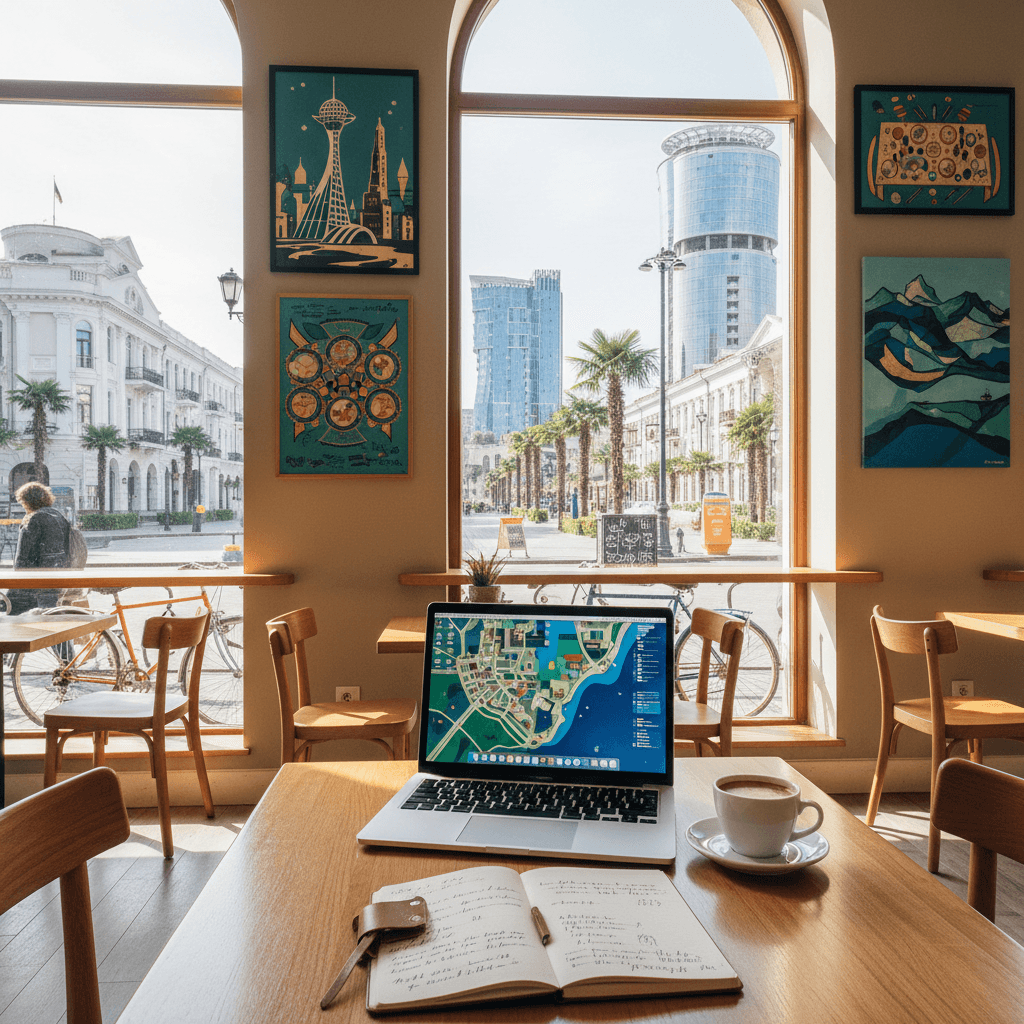
Batumi
🇬🇪 Georgia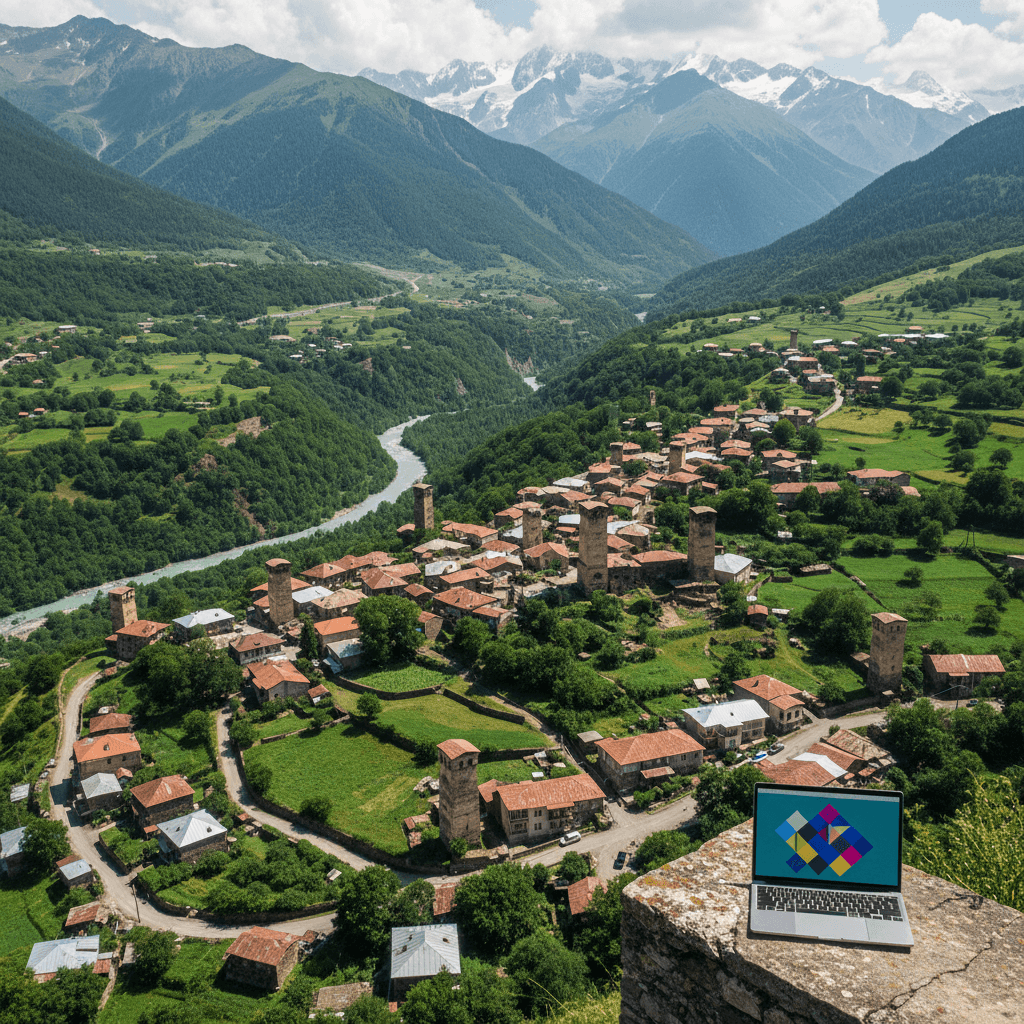
Mestia
🇬🇪 Georgia
Telavi
🇬🇪 Georgia