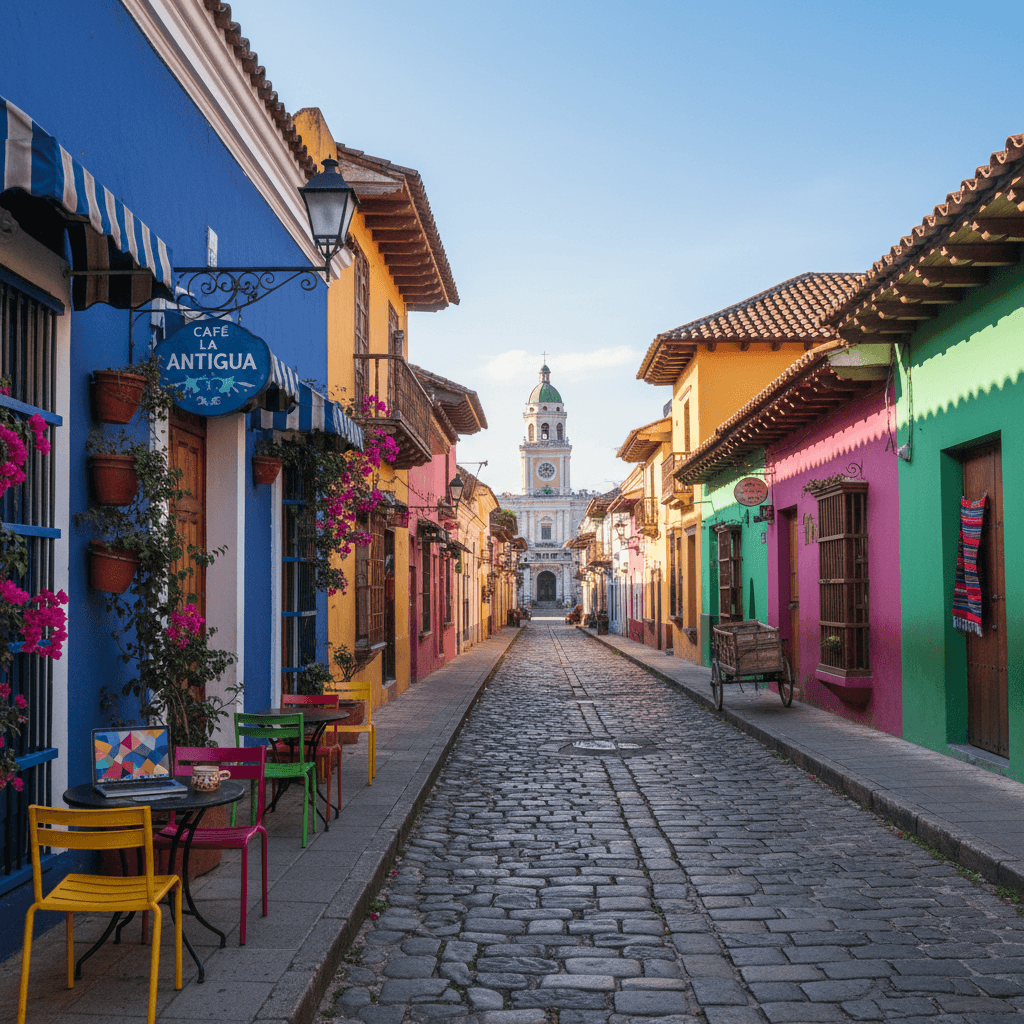
Guatemala City
🇬🇹 Guatemala
The Urban Heart of Central America
Guatemala City is the massive, high-altitude engine of the country. While most travelers treat the airport as a mere pitstop on the way to the cobblestoned streets of Antigua or the shores of Lake Atitlán, staying here reveals a side of Guatemala that is gritty, modern, and surprisingly sophisticated. It is a city of sharp contrasts where street vendors selling $2 pupusas stand in the shadow of sleek glass skyscrapers and luxury shopping malls.
The energy here is fast. Unlike the sleepy, colonial pace of the highlands, the capital is about movement. You will feel the pulse of the city in the constant hum of traffic and the ambitious drive of its local entrepreneurs. It is not always pretty, and the air can be heavy with exhaust, but the rewards are found in the hyper-local coffee culture and a creative scene that is arguably the most exciting in the region.
A Tale of Two Zones
Life for nomads and expats mostly revolves around three distinct pockets, known as Zones. Each has a completely different personality, so where you plant your flag dictates your entire experience.
- Zone 4: This is the creative soul of the city. It feels like a slice of Brooklyn or East Berlin dropped into Central America. It is walkable, filled with murals, and home to the best third-wave coffee shops. Most solo nomads head here for the community, though you need to keep your wits about you regarding petty theft after dark.
- Zone 10: Locally called "Zona Viva," this is the upscale business and entertainment hub. It is polished, safe, and packed with international restaurants and high-end apartments. It is the most convenient place to live if you want familiar comforts and reliable infrastructure.
- Zone 15: This is the quiet, residential choice. It is green, affluent, and popular with expat families who want proximity to international schools and private hospitals without the noise of the nightlife districts.
The Digital Nomad Setup
Working from Guatemala City is a breeze compared to the more remote beach towns like El Paredón. You can expect fiber optic speeds in most modern apartments in Zone 10 or 14. For those seeking a dedicated workspace, El Cubo Center offers a professional, quiet environment with speeds reaching 80 Mbps for about $160 a month.
Mobile data is cheap and reliable. You can grab a SIM card from Tigo or Claro at any corner store. A plan with 10GB to 25GB of data will usually set you back between $10 and $25. It is a good idea to have a backup hotspot, as the occasional power flicker can happen during the heavy afternoon rains of the wet season.
Cost of Living Breakdown
The city is more expensive than the rural highlands but remains very affordable for those earning in dollars or euros. Your budget will depend heavily on how much "local" life you are willing to embrace.
Solo Monthly Budget
- Budget Tier ($800 to $1,200): You will likely stay in a basic apartment or a shared house in Zone 1 or the edges of Zone 4. You will eat mostly at local mercados and use public transport.
- Mid-range Tier ($1,500 to $2,000): This covers a nice furnished 1BR in Zone 10 or 4, regular coworking memberships, and plenty of meals at mid-range fusion restaurants.
- Comfortable Tier ($2,200+): You are looking at luxury high-rise living, frequent Uber rides, and fine dining in the city's best steakhouses.
Family of 4 Monthly Budget
- Budget Tier ($1,800 to $2,000): Local-style housing in quieter residential areas and a focus on home cooking.
- Mid-range Tier ($2,200 to $2,500): A comfortable house or large apartment in Zone 15, private transport options, and some weekend trips.
- Comfortable Tier ($2,500+): High-end gated community living, international school fees, and private healthcare access.
Safety and Movement
Safety is the primary concern for most newcomers. The reality is nuanced. While Zones 4, 10, and 15 are generally safe for walking during the day, you should never walk between zones at night. Use Uber for everything after sunset; rides are plentiful and usually cost between $3 and $5. Avoid the red "chicken buses" for daily commuting unless you are looking for an intense local experience, as they are often targets for transit crime. Stick to ride-hailing apps for a stress-free experience.
The Social Fabric
Guatemalans are incredibly polite and formal. A "buenos días" goes a long way here. While English is spoken in the business hotels of Zone 10, you will need a baseline of Spanish to navigate daily life, especially with Uber drivers and market vendors. The social scene is centered around food and drink. Whether it is a late-night mezcal in a Zone 4 bar or a Sunday brunch in a leafy Zone 10 courtyard, people here love to gather. Joining local Facebook groups for expats or attending events at local coworking spaces are the fastest ways to find your tribe.
The Price of Modernity
Guatemala City is the pulse of the country. While tourists flock to the cobblestones of Antigua, the capital is where the infrastructure lives. It is a city of distinct zones, and your budget will largely depend on which number you call home. For most nomads and expats, the sweet spot lies in a monthly spend between $1,500 and $2,000 for a mid range lifestyle that includes a modern apartment and regular dining out.
If you are on a tighter budget, you can get by on $800 to $1,200. This usually means living in Zone 1 or the edges of Zone 4, sticking to $2 pupusas from street vendors, and using public transport during the day. Families should plan for $2,200 to $2,500 to cover larger homes in gated communities and international school fees.
Housing by Zone
Rent is your biggest variable. Most expats gravitate toward three specific areas, each with its own price tag and personality.
- Zone 10 (The Design District): This is the safest and most polished area. You will find high rise apartments, luxury shopping, and the best hospitals. Expect to pay $600 to $1,000 for a furnished one bedroom. It is walkable, convenient, and feels very international.
- Zone 4 (The Creative Hub): This is the Brooklyn of Guatemala City. It is filled with coffee shops, murals, and coworking spaces. Rents are slightly lower than Zone 10, typically $500 to $800, but the vibe is much more energetic and youth focused.
- Zone 15: This is the go to for families. It is green, quiet, and residential. Prices for larger homes start around $900 and go up quickly depending on the level of security and modern finishes.
Daily Expenses and Dining
Eating out is a highlight here because the range is so wide. You can grab a quick lunch at a local mercado for $5 or sit down for a high end fusion dinner in Zone 10 for $25. Groceries are affordable if you stick to local produce like avocados, beans, and tropical fruits, which are significantly cheaper than in North America or Europe.
- Coffee: $3 to $4 for a high quality pour over in a specialty cafe.
- Mid-range dinner: $12 to $18 per person including a drink.
- Beer: $2 to $4 depending on whether you are drinking a Gallo at a local bar or a craft brew in Zone 4.
Staying Connected
Internet is generally reliable in the expat hubs. Most apartments come with 10 to 20 Mbps, but if you need more serious bandwidth, coworking spaces like El Cubo Center offer speeds up to 80 Mbps for about $160 a month. Impact Hub in Zone 4 is another popular choice at $110 a month, though it can get a bit loud during peak hours.
For your phone, don't rely on roaming. Pick up a SIM card from Tigo or Claro at the airport or any small tienda. You can get 10GB to 25GB of data for $10 to $25, and the coverage is excellent throughout the city.
Transport and Logistics
Avoid the red city buses for safety reasons. Most nomads rely exclusively on Uber, which is efficient and cheap. A cross town ride usually costs between $3 and $5. If you are heading to the airport, an Uber from Zone 10 will run you about $10 to $15 and takes 20 to 40 minutes depending on the notorious Guatemala City traffic.
When it comes to paperwork, there is no specific digital nomad visa. Most travelers enter on a 90 day tourist stamp as part of the CA 4 agreement. If you want to stay longer, you can usually apply for an extension or do a quick border run to Mexico or Belize. Just remember to keep some cash on hand for the 10 percent tip that is standard in most restaurants.
Guatemala City is a massive, sprawling metropolis organized into numbered zones. While the city gets a bad rap for traffic and safety, the reality for most nomads and expats is concentrated in just a few highly developed, walkable pockets. Choosing the right zone is the difference between feeling stuck in a concrete jungle and enjoying a sophisticated urban lifestyle with world class coffee and creative energy.
Best for Nomads and Creatives: Zone 4
If you want to be where the action is, head to Zone 4. Specifically, the area known as Cantón Exposición has transformed into the city's tech and art hub. It's the most walkable neighborhood, filled with colorful murals, industrial style lofts, and third wave coffee shops. It feels more like Brooklyn or Berlin than Central America.
- The Vibe: Young, artistic, and loud. You'll find people working on laptops in every cafe and live music on the weekends.
- Living Costs: Furnished studios and one bedroom apartments typically run between $500 and $900 per month.
- Coworking: Impact Hub is the main community anchor here, with monthly memberships around $110.
- The Tradeoff: It’s noisier than other zones, and petty theft can be an issue if you wander too far off the main strips at night.
Best for Expats and Professionals: Zone 10
Known as "Zona Viva," this is the city's upscale business and entertainment district. It's where you'll find the best infrastructure, high end malls like Oakland Mall, and the highest concentration of English speakers. Most expats choose this area because it’s convenient and feels the most secure.
- The Vibe: Polished and corporate but fun. It’s packed with luxury hotels, steak houses, and cocktail bars.
- Living Costs: This is one of the pricier areas. Expect to pay $600 to $1,200 for a modern apartment.
- Work and Health: You're close to top tier private hospitals and quiet workspaces like El Cubo Center, which offers high speeds of 80 Mbps for about $160 a month.
- The Tradeoff: It can feel a bit sterile or "bubbly" compared to the grit and character of the historic center.
Best for Families: Zone 15
For those traveling with kids or looking for a long term home, Zone 15 is the gold standard. It’s a residential powerhouse characterized by green spaces, gated communities, and proximity to the city's best international schools. It’s much quieter than Zone 4 or 10, making it ideal if you need to escape the city’s constant hum.
- The Vibe: Suburban, safe, and affluent. It’s where you go for jogging paths and family weekend brunches.
- Living Costs: Large family homes or modern condos start at $1,000 and can easily climb above $2,200 for premium spots.
- Amenities: You’ll have easy access to high end grocery stores and the best pediatricians in the country.
- The Tradeoff: You’ll definitely need to rely on Uber or a private car to get anywhere, as it’s not designed for wandering on foot.
Best for Budget Travelers and History Buffs: Zone 1
Zone 1 is the historic heart of the city. It’s where you’ll find the National Palace, the Central Market, and beautiful but aging architecture. It’s undergoing a slow revitalization, with old buildings being turned into breweries and galleries, but it remains rough around the edges.
- The Vibe: Authentic, chaotic, and historic. It’s perfect for those who want to save money and don't mind a bit of urban grit.
- Living Costs: You can find basic apartments here for $400 or less, and street food like pupusas will only set you back $2 to $5.
- The Tradeoff: Safety is a significant concern here once the sun goes down. Most travelers avoid walking these streets at night and stick to Ubers even for short distances.
Practical Transit Tips
No matter which neighborhood you choose, download Uber immediately. Rides across town usually cost between $3 and $5 and are significantly safer than the public "chicken buses" that cost less than $1. If you're heading out of the city, shuttles to Antigua are easy to find for about $10 to $15, making it a popular weekend escape for everyone living in the capital.
Guatemala City is the digital heartbeat of the country, providing a high speed urban contrast to the slower pace of Antigua. While you might find spotty connections in the highlands, the capital is where you come for reliable infrastructure. You can expect average speeds between 10 and 20 Mbps across the city, but if you're willing to pay for a dedicated workspace, those numbers jump significantly.
Top Coworking Spots
Most nomads gravitate toward Zone 4 or Zone 10. Zone 4 is the city's creative hub, filled with murals and startups, while Zone 10 is the polished business district. Your choice usually depends on whether you prefer a gritty, artistic vibe or a corporate, high security environment.
- El Cubo Center: This is the gold standard for serious work. It costs about $160 per month, but the 80 Mbps speeds and quiet atmosphere are hard to beat. It's the best option if you have frequent video calls.
- Cafe Culture: If you don't need a full office, Zone 10 is packed with work friendly cafes. Look for spots with visible power outlets; most baristas are happy to let you linger for a few hours if you're buying coffee.
Connectivity and SIM Cards
Don't rely solely on your accommodation's WiFi. Power outages or local provider hiccups happen, so having a solid data backup is smart. You can pick up a SIM card at the airport or any "tienda" (small corner store) throughout the city. Most expats recommend Tigo or Claro for the best coverage.
- Budget: Expect to pay between $10 and $25 for a data plan.
- Data Allowance: These plans usually net you 10GB to 25GB of data, which is plenty for tethering in a pinch.
- Setup: You'll need your passport to register the SIM at an official store, but "tiendas" can often sell you quick top up cards for a few dollars.
Technical Realities
Zones 4, 10, and 15 are the most reliable areas for remote work. Most modern apartments in these neighborhoods come with fiber optic connections, but always ask for a speed test screenshot before signing a lease. If you're staying in Zone 1, the infrastructure is older and speeds can be hit or miss.
For payments and banking, nomads here swear by Wise or Revolut. ATMs are everywhere, but stick to the ones inside malls or supermarkets for better security. If you're planning to stay long term, Facebook groups are the most active way to find apartment rentals or local networking events. While there isn't a specific digital nomad visa, the standard 90 day tourist entry is easy to manage, and many travelers simply head to the border for a "visa run" or apply for an extension in the city.
Keeping Your Wits and Staying Well
Guatemala City has a reputation that often precedes it, but for most nomads, the reality is a lot more nuanced. If you stick to the right pockets, the city feels like any other major Latin American metro. The golden rule here is staying zone-conscious. Zones 4, 10, and 15 are the primary hubs where you can comfortably walk the streets during the day, grab a coffee at a sidewalk cafe, and feel relatively relaxed.
Safety is a game of logistics. While the trendy areas are safe for a stroll when the sun is up, you should avoid walking between zones or wandering into Zones 1, 3, or 18, especially after dark. Locals and expats alike rely heavily on Uber. It is cheap, usually costing between $3 and $5 for a cross-town trip, and it removes the guesswork of navigating the city's complex bus system. Avoid the red city buses and the famous "chicken buses" for urban transit; they are fine for a daylight adventure to Antigua, but they aren't the safest choice for getting around the city center at night.
Healthcare and Medical Standards
One of the biggest perks of living in the capital is the access to high-quality healthcare. If you are coming from a place with long wait times or exorbitant costs, you will find the private hospitals in Zone 10 and Zone 15 a breath of fresh air. Many specialists here trained in the US or Europe and speak excellent English. For anything urgent, Hospital Herrera Llerandi and Hospital Universitario Esperanza are the top choices for expats.
Pharmacies are on almost every corner, with Farmacia Universal being a reliable chain. You can get most maintenance medications over the counter without a hassle, though it is always smart to bring your specific prescriptions from home just in case. For minor issues like the "Guate belly" that sometimes hits newcomers, pharmacists can usually recommend a quick fix on the spot.
- Police Emergency: Dial 110
- Ambulance/Red Cross: Dial 125
- Private Consultation: Usually costs $40 to $80 out of pocket
- Travel Insurance: Most nomads recommend a plan that covers medical evacuation, just for peace of mind when heading into the more remote volcanic regions
Street Smarts and Daily Habits
Living here requires a bit of "situational awareness." Most travelers find that keeping their phone tucked away while walking and leaving the expensive jewelry in their apartment goes a long way. If you are working from a cafe in Zone 4, like Impact Hub, it is perfectly fine to have your laptop out, but don't leave your gear unattended if you get up to grab a second latte.
When it comes to money, ATMs are everywhere, but try to use the ones located inside malls or grocery stores rather than on the street. It is a small habit that significantly cuts down your risk. Most upscale restaurants in Zone 10 take cards, but you will want Quetzales for the smaller shops and street food vendors selling $2 pupusas.
Quick Reference: Neighborhood Safety
- Zone 10 (Zona Viva): The safest and most modern area. Great for solo travelers and families. Expect to see plenty of private security.
- Zone 4: The creative heart. Very safe during the day, but stay on the main pedestrian strips at night.
- Zone 15: Residential and very secure. This is where most long-term expat families settle down.
- Zone 1: The historic center. Fascinating for a day trip to see the architecture, but it gets dicey quickly after sunset.
The Uber Standard
In Guatemala City, your phone is your best friend for getting around. Most expats and nomads rely almost exclusively on Uber. It is reliable, safe, and surprisingly affordable. You can expect to pay between $3 and $5 for most trips between Zone 4 and Zone 10. If you are heading from the airport (GUA) to the main hotel or residential districts, the ride usually takes 20 to 40 minutes and costs roughly $10 to $15. It is best to skip the traditional taxis at the arrivals gate; they are often overpriced and harder to track.
Public Transport and the Chicken Bus
The local public transport system is a mix of the modern Transmetro and the infamous "chicken buses." The Transmetro is a bus rapid transit system with dedicated lanes that works well for getting through heavy traffic, but it can get incredibly crowded during rush hour. Chicken buses are brightly painted, retired school buses that cost between $0.50 and $1. While they are a staple of Guatemalan life, most travelers avoid them within the city due to safety concerns and a lack of clear routes. If you do use them, keep your valuables out of sight and stick to daylight hours.
Walking and Micromobility
Guatemala City is not a place where you can walk from one end to the other. The city is divided into zones, and while some are very walkable, the areas between them often lack sidewalks or safe crossings. Zone 10 and Zone 4 are the exceptions. These areas are pedestrian-friendly with plenty of cafes and shops within a few blocks of each other. For a quicker trip, look for bike or scooter rental apps that operate specifically within the Zone 10 limits. Just keep in mind that once you leave these specific hubs, you will want to jump back into an Uber.
Heading Out of Town
If you are looking to escape the city for the weekend, you have a few solid options. Antigua is the most popular destination and is only about an hour away, depending on the notorious city traffic. You can book a shared shuttle for $10 to $15, which is a common choice for nomads who want a stress-free ride. For longer hauls to Lake Atitlán, private shuttles are the way to go, though budget-conscious travelers sometimes opt for the larger pullman buses that depart from the city terminals.
Navigation Tips for Nomads
- Avoid the night bus: Even in safer zones like 4 or 10, stop walking or using public buses after dark. Stick to ride-hailing apps for any movement after the sun goes down.
- Traffic is real: Guatemala City has some of the most intense traffic in Central America. A trip that takes 15 minutes at noon might take 90 minutes at 5:00 PM. Plan your meetings and coworking sessions accordingly.
- Waze is king: While Google Maps works, most locals and Uber drivers use Waze because it is more accurate with real-time traffic updates and local shortcuts.
- Cash for buses: If you decide to try the local buses, carry small denominations of Quetzales. Drivers rarely have change for large bills.
Typical Transport Costs
- Uber (City Trip): $3 to $5
- Uber (Airport to Zone 10): $10 to $15
- Chicken Bus: $0.50 to $1
- Shuttle to Antigua: $10 to $15
- Monthly Transport Budget: $100 to $150 for frequent Uber users
The Language Barrier
Spanish is the heartbeat of Guatemala City. While you might find English speakers in high end hotels or the corporate offices of Zone 10, the reality on the ground is different. Outside of these bubbles, English proficiency is low. You will need a survival level of Spanish to handle daily interactions like ordering at a street stall in Zone 4 or directing an Uber driver through traffic.
Expats recommend downloading Google Translate with the offline Spanish pack immediately. It is a lifesaver when you are trying to decipher a menu at a local mercado or communicating with a landlord. Most nomads find that locals are incredibly patient and appreciative if you try to speak the language, even if you are just stumbling through the basics.
Communication and Connectivity
Staying connected is relatively easy and affordable. You have two main choices for mobile service: Tigo and Claro. Most travelers favor Tigo for its slightly better coverage in rural areas if you plan on weekend trips to Lake Atitlán, but both work perfectly within the city limits.
- SIM Cards: You can pick these up at the airport or any small tienda. Expect to pay between $13 and $20 for a prepaid plan that includes 25GB to 60GB of data.
- Messaging: WhatsApp is the primary way everyone communicates here. From booking a dentist appointment in Zone 15 to chatting with your coworking community, you will use it for everything.
- Data Speeds: You will usually see 4G or LTE in the city, which is reliable enough for tethering if your home WiFi dips.
Digital Nomad Workspaces
If your job involves heavy video calls, do not rely on the basic WiFi in budget rentals. While the city average is 10 to 20 Mbps, specialized coworking spaces offer much more robust fiber connections. Offirent in Zone 4 or Ubiquo Labs are excellent options for those who need high speed stability and professional environments.
If you prefer working from cafes, Zone 10 is packed with spots that have reliable outlets and strong coffee, though it is polite to keep your stay to a few hours.
Social Etiquette and Local Phrases
Guatemalan culture is polite and formal. It is standard to greet people with a "buenos días" or "buenas tardes" when entering a shop or getting into an Uber. A little politeness goes a long way in making connections. Here are a few phrases you will use daily:
- ¿Cuánto cuesta?: How much does it cost? Use this at the markets for pupusas or fruit.
- La cuenta, por favor: The bill, please. Remember that a 10% tip is usually expected in sit down restaurants.
- Con permiso: Excuse me. Use this when moving through a crowded bus or market.
If you are staying long term, many expats suggest taking a week of intensive Spanish classes. While the most famous schools are in Antigua, there are plenty of private tutors in the city who can help you bridge the gap between being a tourist and feeling like a local.
The Eternal Spring
Guatemala City is nicknamed the Land of Eternal Spring for a reason. You will find daytime temperatures hovering between 20°C and 28°C (68°F to 82°F) almost every day of the year. It rarely gets sweltering, and it rarely gets freezing, making it one of the most comfortable climates for remote work in Central America. You can leave the heavy coats at home; a light jacket for the evenings is usually all you need.
Dry Season: The Peak Window
The best time to plant your flag in Zone 4 or Zone 10 is from November to April. This is the dry season, characterized by clear blue skies and crisp air. Most nomads prefer December through April because the sun is out nearly every day, which is perfect if you plan on taking weekend trips to hike Volcán Pacaya or explore the ruins at Tikal.
- January to April: Expect highs of 25°C to 28°C. These are the driest months with only 5 to 10 rainy days on average.
- Atmosphere: The city feels energetic, and outdoor seating at cafes like 12 Onzas in Zone 4 is at its best.
- Crowds: While the city is a business hub, you might see a slight uptick in prices and crowds during Semana Santa (Holy Week), though the biggest festivities happen in nearby Antigua.
Rainy Season: What to Expect
The rainy season runs from May to October. Don't let the term scare you off; it doesn't usually rain all day. Normally, you’ll have bright, sunny mornings followed by heavy, predictable downpours in the mid to late afternoon. It’s the perfect excuse to hunker down at a coworking space like Impact Hub or El Cubo Center to finish your deep work for the day.
- May to October: Highs sit around 22°C to 26°C. Expect 15 to 25 rainy days per month.
- The "Canícula": Usually in July or August, there is a brief break in the rain for a week or two where the weather turns dry and sunny again.
- Flood Risks: Heavy rains in June and September can cause significant traffic delays and localized flooding. If you’re commuting between zones, give yourself double the time during a storm.
Seasonal Planning for Nomads
If you're trying to balance budget and weather, November and early December are the sweet spots. The landscape is still lush and green from the rains, but the storms have mostly tapered off. Prices for mid range apartments in Zone 10 haven't hit their peak holiday surge yet, and the air is noticeably cooler and fresher.
Expats often recommend avoiding the height of the rainy season in September if you hate being indoors. While the rain keeps the dust down and the city green, the humidity can make the 22°C days feel a bit heavier, and the afternoon traffic jams during a downpour are legendary. If you do visit during the wet months, make sure your apartment has reliable drainage and that you’ve downloaded the Uber app, as walking between blocks becomes a sport once the clouds burst.
Quick Weather Breakdown
- Best Weather: December to April (Sunny, dry, and mild).
- Most Rain: June, September, and October (Heavy afternoon storms).
- Average Highs: 24°C to 27°C during the transition months of November and December.
- Packing Tip: Bring an umbrella and a waterproof shell regardless of when you visit. Even in the dry season, a random mountain shower isn't impossible.
Getting Settled and Staying Connected
Setting up shop in Guatemala City is relatively straightforward if you stick to the right pockets. For your phone, grab a SIM card from Tigo or Claro at the airport or any local tienda. You can get 10GB of data for about $10, and coverage is solid across the city. Most nomads use Wise or Revolut for daily spending, though you will want to keep cash on hand for street food and smaller shops.
WiFi is generally reliable in the expat hubs, averaging 10 to 20 Mbps in most cafes. If you need serious bandwidth, head to a dedicated workspace. Impact Hub in the orbit of Zone 4 is a popular choice at around $110 a month, while El Cubo Center offers faster speeds up to 80 Mbps for about $160 a month. The cafe culture is strong here; just look for spots with visible power outlets and you are usually good to work for a few hours.
The Cost of Living
Your budget will depend heavily on which Zone you call home. While the city is cheaper than North American hubs, the upscale areas carry a premium for the convenience and security they provide.
- Budget Tier ($800 to $1,200/month): Best for solo travelers staying in Zone 1 or modest studios, eating mostly street food like $2 pupusas.
- Mid-Range ($1,500 to $2,000/month): This covers a nice 1-bedroom in Zone 10, frequent Uber rides, and dining out at mid-range restaurants where meals run $8 to $15.
- Comfortable ($2,200+/month): Ideal for families or those wanting luxury apartments in Zone 15, private schooling, and high-end dining.
Choosing Your Neighborhood
Each neighborhood has a distinct personality. Most digital nomads gravitate toward Zone 4 for its creative, walkable vibe or Zone 10 for its modern amenities and safety.
- Zone 4: The "cool" neighborhood. It is filled with coffee shops and street art. It is walkable and trendy, though you should keep an eye on your phone to avoid petty theft.
- Zone 10: Known as the "Zona Viva." It is the safest and most polished area, home to high-end shopping and the best private hospitals. Expect to pay $600 or more for a 1-bedroom here.
- Zone 15: A quiet, residential choice popular with expat families. It is green and calm but lacks the nightlife found in other areas.
- Zone 1: The historic center. It is great for a daytime walk to see the architecture, but it gets edgy at night. Most expats avoid living here long term.
Safety and Health
Safety is a common conversation topic among locals and expats alike. In Zones 4, 10, and 15, you can generally walk around during the day without worry. However, you should avoid Zones 1, 3, and 18 after dark. Always use Uber instead of public buses at night; rides are cheap, usually $3 to $5, and much safer.
If you get sick, the healthcare in the city is excellent, especially in Zone 10. Private hospitals like Farmacia Universal have English speaking specialists. For emergencies, dial 125 for an ambulance or 110 for the police.
Weather and Logistics
The city enjoys a "perpetual spring" with temperatures hovering between 20°C and 28°C all year. The dry season from November to April is the best time to visit. If you arrive during the rainy season between May and October, expect heavy downpours in the afternoons that can occasionally cause localized flooding.
Guatemala does not currently have a specific digital nomad visa. Most visitors enter on a CA-4 tourist permit which is good for 90 days. You can often extend this or do a quick border run to reset it. When interacting with locals, a polite "buenos días" goes a long way, and a 10% tip is standard at most restaurants.
Need visa and immigration info for Guatemala?
🇬🇹 View Guatemala Country GuideOff the Radar
Pioneer territory