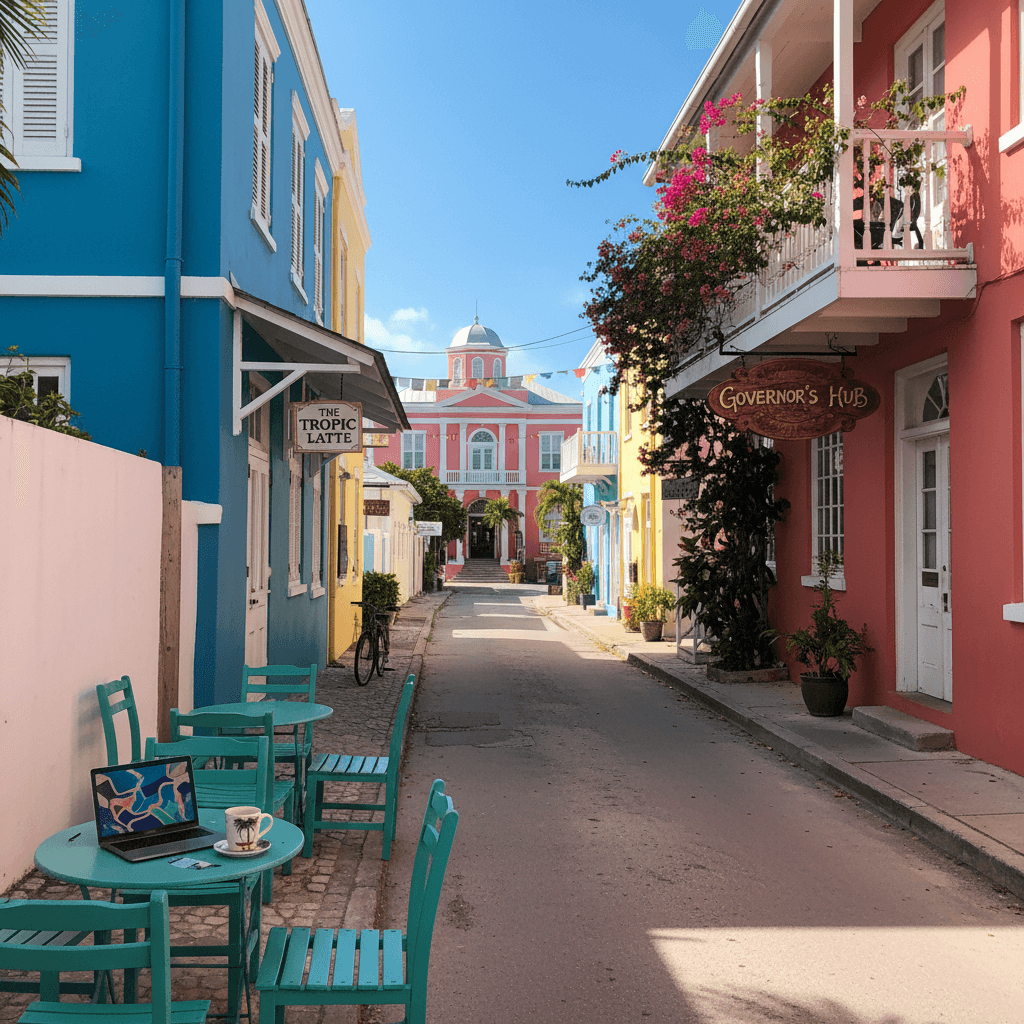
Governor's Harbour
🇧🇸 Bahamas
The Timeless Rhythm of Central Eleuthera
Governor’s Harbour isn't your typical digital nomad hub. It doesn't have the high-octane energy of Nassau or the polished infrastructure of a European tech city. Instead, it feels like a place where time decided to take a permanent vacation. As the historic heart of Eleuthera, this settlement is defined by its 110-mile stretch of slender island life, colonial architecture painted in pastel hues, and the famous pink sand beaches that look better in person than they do on Instagram.
The vibe here is deeply rural and unapologetically slow. You’ll find yourself trading your morning commute for a walk past 19th-century Victorian houses or a quick dip in the Atlantic before your first Zoom call. Most nomads who land here are looking for a "digital detox" while still staying connected. It’s the kind of place where you’ll get to know the locals by name at the grocery store within a week, and the biggest "traffic jam" you’ll encounter is a stray goat or a slow-moving golf cart.
A Premium Price for Peace
Living the dream in Governor’s Harbour isn’t cheap. Because almost everything is imported, you’ll notice your grocery bill and dining expenses are significantly higher than in the US or Europe. Most travelers classify this as a $$$ tier destination. You aren't just paying for the food; you're paying for the privilege of eating it on a remote, pristine island.
- Budget Nomad ($2,500 to $3,500/month): This usually involves sharing a cottage slightly inland and sticking to local "takeaway" spots or cooking at home.
- Mid-range Nomad ($4,000 to $6,000/month): This is the sweet spot for most. It covers a private 1-bedroom rental, a consistent car rental, and dining out a few times a week at places like the Buccaneer Club.
- Comfortable Living ($7,000+ /month): At this level, you’re looking at beachfront villas, frequent dinners at Pascal’s at Sky Beach Club, and plenty of guided ocean excursions.
The Infrastructure Reality Check
While the scenery is world-class, the infrastructure requires a bit of patience. There are no dedicated coworking spaces in town. You’ll be relying on your rental’s WiFi or setting up shop at Da Perk Café or the Haynes Library. Internet speeds generally hover between 56 and 66 Mbps, which is plenty for video calls but might feel sluggish if you’re uploading massive video files all day.
Mobility is another factor to consider. There is no public transport or Uber here. If you want to see the island, you need a car. Rentals usually run between $50 and $80 per day. Most nomads find that while the town core is walkable, the true magic of Eleuthera lies in the hidden coves and "secret" beaches that are only accessible by four wheels.
Why Nomads Choose Governor's Harbour
What sets this place apart is the lack of pretension. Despite the high price tag, it doesn't feel like a flashy resort. It feels like a community. Expats often mention the sense of safety and the warmth of the Bahamian people as the primary reasons they stay. It’s a destination for the self-sufficient professional who doesn't need a curated "nomad scene" to feel at home.
The emotional experience of being here is one of profound quiet. When the sun goes down, the island gets dark and still. There’s no neon glow or city hum. It’s just you, the sound of the waves, and a sky full of stars. For many, that’s exactly the "office" they’ve been searching for.
The Price of Paradise
Living in Governor's Harbour is a luxury experience, even if you're staying in a rustic cottage. Because almost everything on Eleuthera is imported, you'll feel the pinch at the grocery store and the gas pump. Most nomads find that while the lifestyle is priceless, the monthly overhead is significantly higher than in mainland hubs or even parts of Nassau.
The local currency is the Bahamian Dollar, which is pegged 1:1 with the USD. You can use both interchangeably throughout the island, so there's no need to constantly check exchange rates. Expect to pay a premium for the tranquility and the "pink sand" views that define this central hub.
Monthly Budget Tiers
- The Budget Nomad ($2,500 to $3,500): This tier requires a bit of hustle. You'll likely be sharing a cottage or renting a small studio further from the beach. You'll stick to local "takeaway" spots, cook most meals at home, and perhaps skip the daily car rental in favor of walking within the town core.
- The Mid-Range Resident ($4,000 to $6,000): This is the sweet spot for most digital nomads. It covers a private 1-bedroom rental, a consistent car rental for island exploration, and dining out at places like Buccaneer Club a few times a week.
- The Comfortable Expat ($7,000+): If you want a beachfront villa near French Leave Beach, frequent upscale dinners at Pascal’s at Sky Beach Club, and a premium SUV, your costs will easily scale into the five-figure range.
Housing and Utilities
Rent is your biggest hurdle. In the heart of Governor's Harbour, a studio or modest house starts around $1,500 to $3,000 per month. If you're looking for luxury villas via the Governors Harbour Collection, prices climb much higher, especially during the peak winter season from December to April.
Electricity can be expensive due to the reliance on air conditioning. Most rentals include basic utilities, but if you're signing a longer lease, clarify who pays for the power bill. High-speed internet is generally reliable in the main settlement, with speeds often hitting 60 Mbps, though it’s wise to have a backup plan.
Food and Dining
Eating like a local is the only way to keep your food budget under control. Street food and small local shacks offer meals for $10 to $15. A typical lunch at a mid-range spot will run you $20 to $30, while a high-end dinner with drinks will easily cross the $40 mark before tip.
- Island Farm: A favorite for fresh produce and artisanal bread, though prices reflect the quality.
- Local Grocery Stores: Expect to pay double what you would in the States for milk, eggs, and imported snacks.
- The Fish Fry: A Friday night staple where you can grab affordable local dishes and connect with the community.
Transportation and Connectivity
Eleuthera is 110 miles long and very rural. While the town core is walkable, you'll feel trapped without wheels. Rental cars are the standard mode of transport, costing between $50 and $80 per day. There are no ride-hailing apps here, so long-term nomads often negotiate monthly rates with local rental agencies to bring costs down.
For your phone, grab a SIM card from Aliv or BTC at their offices in town. A weekly data plan is the most common way to stay connected. Since there aren't any formal coworking spaces, you'll likely spend $10 to $20 a day on coffee and snacks at Da Perk Café or Haynes Library to use their workspace and WiFi.
For Digital Nomads
If you're landing in Governor's Harbour with a laptop in tow, you'll want to plant yourself in the Central Town Core. This is the only part of the settlement where a car-free lifestyle is even remotely possible. You'll be within walking distance of the Haynes Library, which serves as a makeshift community hub, and Da Perk Café, where the coffee is strong and the Wi-Fi is reliable enough for a morning of emails.
The town core is defined by its colonial architecture and proximity to local haunts like the Buccaneer Club. Living here means you can stroll down to the harbor for the sunset without worrying about unlit island roads. However, space is at a premium. Expect to pay between $1,500 and $3,000 for a one-bedroom apartment or a modest cottage. Most nomads find that while there aren't dedicated coworking spaces, the local cafe culture fills the gap for a few hours a day.
- Pros: High walkability to cafes, grocery stores, and the Aliv office for SIM cards.
- Cons: Can feel a bit cramped; seasonal rentals get snapped up quickly.
- Daily Spend: Budget $20 to $30 for a mid-range lunch and coffee.
For Expats and Long-Term Residents
Expats looking for a permanent slice of paradise usually drift toward the Outskirts and Rural Eleuthera. Areas just a few miles north or south of the main settlement offer the privacy and "Old Bahamas" feel that long-termers crave. You'll get more square footage for your dollar, but a rental car is a non-negotiable expense, usually costing around $50 to $80 per day if you don't buy your own vehicle.
This is where you'll find larger homes with backup generators and cisterns, which are vital for island living. You're closer to Island Farm, a local favorite for fresh produce and homemade bread, which helps offset the high cost of imported groceries. Life here is quiet; you'll be trading nightlife for star-gazing and a tight-knit community of international residents who value their peace.
- Rent: Larger villas or long-term houses start around $3,000 and go up significantly for luxury builds.
- Infrastructure: Most expats recommend investing in a Starlink kit, as local speeds can fluctuate once you leave the town center.
- Social Life: Centered around private dinner parties and community events at the library.
For Families
Families generally find their groove in the Beachfront Areas, particularly those hugging the Atlantic side near the famous pink sand stretches. These neighborhoods are safe, spacious, and offer immediate access to the water, which acts as a natural playground for kids. Living near French Leave Beach or Twin Coves provides a buffer from the main road traffic, making it much safer for children to roam.
While there aren't specific "gated communities" in the traditional sense, the beachfront pockets feel exclusive and secure. You'll be close to Pascal’s at Sky Beach Club, which is a popular spot for families to grab a meal while the kids enjoy the pool. Keep in mind that you'll be further from the basic pharmacies and the clinic in Powell Smith, so keeping a well-stocked first aid kit is a local pro-tip.
- Housing: Mostly high-end villas managed by groups like the Governors Harbour Collection.
- Environment: Purely residential with plenty of nature trails and beach access.
- Monthly Budget: Families should plan for $7,000+ to cover a large rental, SUV, and frequent dining out.
For Solo Travelers
If you're traveling solo and want to soak up the culture without feeling isolated, stick to the Harbour Side. This area puts you right in the thick of the Friday night fish fry, which is the social heartbeat of the island. It's the best place to meet locals and other travelers over a $10 plate of snapper or conch salad.
Solo travelers often opt for smaller guest rooms or shared cottages to keep costs within the $2,500 to $3,500 range. Being in the harbor area means you're close to the BTC and Aliv offices to handle any tech issues, and you can easily hitch a ride or catch a taxi to the airport, which is only about 15 minutes away. It’s the most practical choice for those who want the convenience of town life with the ocean still in sight.
- Vibe: Social, authentic, and busy by island standards.
- Safety: Very high; the community is small enough that people tend to look out for one another.
- Connectivity: Best access to the island's 56 to 66 Mbps average internet speeds.
Connectivity in the Out Islands
Working from Governor's Harbour requires a shift in expectations. You aren't going to find the high tech hubs of Nassau or Miami here. Instead, you'll find a reliable but modest infrastructure that rewards those who plan ahead. Average speeds across the Bahamas hover between 50 Mbps and 65 Mbps, which is plenty for Zoom calls and managing CMS platforms, provided you aren't sharing the bandwidth with a dozen other people in a hotel lobby.
Most rental villas and beachfront cottages come equipped with private Wi-Fi. If you're booking through local groups like the Governors Harbour Collection, always ask for a speed test screenshot before signing a lease. The connection is generally stable, but the rural nature of Eleuthera means that heavy storms can occasionally knock out service for a few hours. Having a backup plan isn't just a good idea; it's a requirement for anyone with strict deadlines.
Where to Work: The "Laptop-Friendly" Circuit
Since there are zero dedicated coworking spaces in Governor's Harbour, the local community has turned cafes and libraries into makeshift offices. You'll find a small but dedicated group of remote workers rotating between a few key spots. Most nomads find the social atmosphere at these locations helps offset the isolation of working from a private rental.
- Haynes Library: This is the heart of the town's quiet work scene. It's a beautiful historic building where you can find a peaceful corner and decent Wi-Fi for a small donation.
- Da Perk Cafe: This is the go-to morning spot. The coffee is strong, the atmosphere is bright, and the staff is used to seeing laptops. It gets busy around brunch, so arrive early if you need a table near a power outlet.
- Buccaneer Club: Great for an afternoon session. The outdoor seating is comfortable, though the island breeze can be a challenge for microphones during calls.
- Island Farm: Located just outside the main town, this is a favorite for expats. Grab a fresh cinnamon roll, use their Wi-Fi, and enjoy the garden setting.
- Pascal’s at Sky Beach Club: Best for those days when you want to work with a view. The connection is usually solid enough for emails, and you can jump in the pool once you clock out.
Mobile Data and Backups
Local SIM cards are your best friend here. Don't rely on international roaming, as it's often throttled and expensive. Head to the center of Governor's Harbour to find the Aliv or BTC offices. Most travelers recommend Aliv for better data speeds in the central part of the island. You can pick up a weekly or monthly data plan for a reasonable price, usually around $30 to $50 depending on your usage.
Pro tip: Use your phone as a mobile hotspot if the house Wi-Fi gets spotty. It's often faster than the fixed lines in older colonial buildings. If you're planning a long term stay, consider a dual-SIM setup so you can toggle between both local carriers, ensuring you're covered even if one network has an outage.
The Digital Nomad Reality
Living here means embracing the "island time" philosophy. If the internet goes down, people don't stress; they go to the beach. If your job requires 100% uptime with zero exceptions, Governor's Harbour might feel a bit risky. However, for the independent consultant or the creative who just needs a few hours of solid connectivity a day, the trade off for pink sand and a quiet life is well worth the occasional technical hiccup.
If you truly miss the amenities of a professional office, you'll need to hop a short flight to Nassau. The capital has about five dedicated coworking spaces with daily rates ranging from $15 to $25, but most nomads find that once they settle into the rhythm of Eleuthera, they'd rather work from a porch overlooking the Atlantic than a cubicle in the city.
Peace of Mind in the Out Islands
Governor’s Harbour is one of those rare places where the local vibe actually lives up to the "island time" stereotype. You won't find the frantic energy or the crime concerns often associated with Nassau. Most nomads find the settlement incredibly safe, even when walking back to a rental after a late dinner at The Buccaneer Club. It is a tight-knit community where locals know each other, and that social fabric extends a natural layer of security to visitors.
While there aren't specific "no-go" zones to worry about, the rural nature of Eleuthera means you should stay aware of your surroundings after dark, mostly because of the lack of street lighting. If you are staying in the more remote outskirts or near the Pink Sands area, having a rental car is the standard move for safety and convenience. Expats frequently mention that the biggest "danger" here is a flat tire on a quiet stretch of road or a rogue pothole during the rainy season.
Healthcare Infrastructure
If you are coming from a major metro area, the healthcare setup here will feel modest. For day-to-day needs, there are basic pharmacies in town where you can pick up over-the-counter meds or fulfill simple prescriptions. For anything beyond a minor scrape or a cold, the primary facility is the clinic in Powell Smith, located in Central Eleuthera. It is adequate for routine check-ups and basic medical issues, but it isn't a full-scale surgical hospital.
For serious emergencies or specialized care, you will likely be stabilized and then evacuated to Nassau or even Florida. Because of this, veterans of the island life strongly recommend high-quality travel insurance that specifically covers medical evacuation. It is a "hope for the best, plan for the worst" scenario that most long-term nomads find manageable as long as they have their paperwork in order.
Emergency Readiness
In a pinch, you can dial 911 for emergencies, but response times can vary depending on how far out you've tucked yourself into the bush. Since there are no ride-hailing apps, having a reliable vehicle is actually a health and safety strategy. If you don't have a car, make sure you have the direct number of a local taxi driver saved in your phone as a backup.
- Emergency Number: Dial 911 for police or ambulance services.
- Main Medical Hub: Powell Smith Clinic in Central Eleuthera.
- Health Supplies: Local pharmacies in Governor’s Harbour core for basics.
- Evacuation: Ensure your insurance covers air ambulance to Nassau or the US.
Staying Healthy in the Tropics
The biggest health hurdles for most travelers are the sun and the bugs. The Bahamian sun is intense, especially between 10:00 AM and 4:00 PM, and heat exhaustion can sneak up on you while you're distracted by the turquoise water. Hydration is key, and while tap water is generally okay for brushing teeth, most expats stick to bottled or filtered water for drinking.
If you're heading to Island Farm or trekking to secluded beaches, bring a high-DEET repellent. The "no-see-ums" (tiny biting midges) can be a nuisance around sunset, particularly on the beach. They won't land you in the clinic, but they can certainly ruin a sunset cocktail hour if you aren't prepared. Most long-term residents suggest keeping a small first-aid kit in your rental for these minor tropical annoyances.
The Reality of Getting Around
If you're planning to base yourself in Governor's Harbour, you need to adjust your expectations regarding transportation. This isn't Nassau or Grand Bahama. There are no ride-hailing apps like Uber or Lyft, and public transit is non-existent. The island of Eleuthera is 110 miles long and incredibly skinny, meaning everything is spread out along one main road.
While the historic core of Governor's Harbour is charmingly walkable, you'll find yourself restricted to a very small radius if you rely solely on your feet. You can walk from a colonial rental to Da Perk Café for your morning coffee or over to the Haynes Library, but reaching the best beaches or grocery stores requires wheels.
Car Rentals: The Island Necessity
Most expats and long-term nomads agree that a rental car is the only way to truly live here. You'll want to arrange this well in advance, especially during the peak winter months. Most local operators will meet you right at the Governor’s Harbour Airport (GHB), which is about a 10 to 15 minute drive from the center of town.
- Daily Rates: Expect to pay between $50 and $80 per day.
- Long-term Discounts: If you're staying for a month or more on a BEATS visa, negotiate a monthly rate directly with local agencies like Noel's or Arthur's.
- Road Conditions: The Queen's Highway is the main artery. It's mostly paved but can be narrow, and you'll need to stay alert for potholes and the occasional wandering goat.
Taxis and Transfers
Taxis are available but they aren't cruising the streets looking for fares. You'll usually find them waiting at the airport or parked near the Buccaneer Club. They're useful for one-off trips or if you've had a few drinks at Sky Beach Club, but the costs add up quickly. A short trip across town can easily run you $20 or $30. Always agree on the price before you get in the car, as meters aren't a thing here.
Alternative Options
For those who want to avoid a car, your options are limited. Some nomads rent bicycles to get around the immediate settlement, but the heat and humidity can make a mid-day ride pretty brutal. Scooters are occasionally available through local word-of-mouth, though they aren't as common as they are in other Caribbean hubs. If you choose to go the bike route, stick to the town core and avoid the main highway where cars tend to drive fast.
Practical Driving Tips
Driving in the Bahamas is on the left side of the road. This can be a bit of a mental hurdle if you're coming from North America, especially since many rental cars are imported from the US and have the steering wheel on the left as well. It takes a day or two to get the hang of it.
Gas stations are scattered along the island, but don't let your tank get too low. In Governor's Harbour, you'll find fuel near the center of town, but if you're heading north or south for a beach day, top up before you leave. Most stations are full-service, so a small tip for the attendant is common practice.
Navigation and Connectivity
Don't rely on being constantly connected to GPS while driving. While Google Maps generally works, the signal can drop in more rural stretches of Eleuthera. Most travelers recommend downloading offline maps or picking up a physical map from your rental agent. Since the island is essentially one long road, it's hard to get truly lost, but finding specific beach access points often requires looking for small, unmarked sandy tracks off the main highway.
The Local Vernacular
In Governor's Harbour, English is the official language, and you'll find it spoken with a melodic, rhythmic lilt that defines the Bahamian experience. For digital nomads and expats, this makes the transition incredibly smooth. You won't need to fumble with translation apps to order a coffee at Da Perk or negotiate a car rental. Everyone is proficient in English, though the local dialect has its own unique flavor and charm.
Bahamian English is a colorful creole that blends British English influences with African linguistic roots. You might notice locals dropping the "h" at the start of words or adding it where it doesn't belong, such as saying "apple" as "happle." It's a relaxed way of speaking that mirrors the island's pace. If you hear someone say they're "reachin," they simply mean they've arrived at their destination.
Useful Local Phrases
While standard English gets you everywhere, adopting a few local mannerisms goes a long way in building rapport with the community. Bahamians are famously polite, and a warm greeting is expected when entering a shop or walking past someone on the street. A simple "Good morning" or "Good day" is the standard social currency here.
- "What's the vibe?": A common way to ask how things are going or what's happening.
- "Tank you": You'll often hear the "th" sound replaced with a "t," a hallmark of the local accent.
- "Bey": Similar to "man" or "dude," used frequently in casual conversation among friends.
- "Sip sip": This refers to local gossip or rumors. If you're at the Buccaneer Club at sunset, you're bound to hear some.
Communication Tools and Connectivity
Staying connected while working remotely in Eleuthera requires a bit of planning. Most nomads recommend picking up a local SIM card immediately to avoid roaming charges. You can find Aliv or BTC offices right in Governor's Harbour. They offer weekly data plans that are easy to top up and provide decent coverage throughout the central part of the island.
For your professional life, the Haynes Library is a local staple. It's not just a beautiful historic building; it's a quiet spot where you can often find reliable WiFi and a sense of community. If you need a more social atmosphere, Pascal’s at Sky Beach Club or Island Farm are popular spots where expats gather. Most rentals and villas in the area provide internet speeds between 50 and 66 Mbps, which is usually enough for video calls, though speeds can dip during stormy weather.
Navigating Cultural Nuances
Communication here is as much about body language and tone as it is about words. The pace of life is slower, and the way people talk reflects that. Don't expect "New York minute" efficiency. If a local tells you they'll be there "just now," it could mean five minutes or an hour. Most expats find that embracing this "island time" leads to a much more enjoyable stay.
If you encounter residents from the Haitian community, you might hear Haitian Creole. While not necessary for daily life, Google Translate can be a handy tool if you find yourself in a situation where English isn't the primary language. However, for 99% of your interactions in Governor's Harbour, your native English will be your most valuable asset.
Social Etiquette
When communicating with locals, remember that the Bahamas is a relatively conservative and religious society. Politeness is paramount. Using "Sir" or "Ma'am" when addressing elders is a sign of respect that is deeply appreciated. Most travelers often say that the friendliness of the people in Eleuthera is the highlight of their trip, and a little bit of courtesy goes a long way in turning a stranger into a friend.
The Sweet Spot: December to April
If you're looking for that postcard-perfect Bahamian weather, aim for the window between December and April. This is the dry season, where the humidity drops and the trade winds keep things comfortable. Daytime temperatures usually hover around 80°F, with nights cooling down to a crisp 68°F. It's the ideal climate for setting up your laptop on a shaded patio without breaking a sweat.
Most nomads and expats flock to Governor's Harbour during these months because the island feels alive. The Haynes Library is active, local spots like Da Perk Café are humming with activity, and the water is crystal clear for afternoon swims. You'll pay a premium for rentals during this peak period, but the reliability of the sunshine makes it a worthwhile trade-off for most remote workers.
The Shoulder Season: May and June
May and June are the transition months where you can find a bit more solitude. The thermometer starts to climb toward 85°F and the water gets noticeably warmer. You'll start to see more frequent tropical showers, but they're usually short-lived bursts that clear up within an hour. This is a great time to snag a deal on a beachfront villa through the Governor's Harbour Collection before the heavy rains arrive.
The Stormy Season: August to October
The period from August through October is the most challenging time for life on Eleuthera. This is the heart of hurricane season, and the humidity can feel heavy. Temperatures peak around 89°F, and the air often feels still and thick. While the risk of a major storm is something to monitor closely, the real day-to-day hurdle is the heat.
Many local businesses and boutique hotels take their annual break during these months, so the town core can feel a bit quiet. If you're on a budget and don't mind the heat, you can find significant discounts on long-term stays. Just make sure your rental has a reliable backup generator and high-quality air conditioning, as power flickers are more common during summer storms.
Seasonal Planning at a Glance
- High Season (Dec to Apr): Best for outdoor work and socializing. Expect prices between $3,000 and $7,000 for monthly rentals.
- Rainy Season (May to Oct): Higher humidity and frequent afternoon downpours. Hurricane risk peaks in September.
- Water Temperatures: Ranges from a refreshing 75°F in January to a bathtub-warm 84°F in August.
For those planning a stay on the BEATS digital nomad visa, a November arrival is a smart move. You'll beat the holiday crowds, enjoy the tail end of the lower rates, and watch the island transition into its best weather just as you're getting settled into your workflow.
Connectivity and Workspace
You won't find a sleek, glass-walled coworking hub in Governor's Harbour. Instead, your office will likely be a breezy porch or a corner table at Da Perk Cafe. Most rentals and villas provide reliable WiFi between 50 and 66 Mbps, which is plenty for Zoom calls, though speeds can dip if you head into the more rural stretches of Eleuthera.
For a change of scenery, nomads gravitate toward Haynes Library or The Buccaneer Club. If you need a local phone number or a data backup, head to the Aliv or BTC offices right in town. They offer weekly data plans that are easy to top up. If your work requires a dedicated corporate environment, you'll need to hop over to Nassau for a few days, as the Out Islands prioritize relaxation over infrastructure.
Money and Budgeting
Living here is a premium experience. The Bahamas uses the Bahamian Dollar, but it's pegged 1:1 with the US Dollar, and both currencies are used interchangeably. Don't be surprised when your grocery bill is double what you pay back home; almost everything is imported. Most expats suggest using Wise or Revolut to manage fees, though ATMs are easy to find in the town center.
- Budget Tier ($2,500 to $3,500/month): This covers a shared cottage, cooking most of your meals from Island Farm, and limited car use.
- Mid-range Tier ($4,000 to $6,000/month): The sweet spot for most nomads. This includes a private 1-bedroom rental, a consistent car rental, and dining out a few times a week.
- Comfortable Tier ($7,000+ /month): This gets you a beachfront villa, frequent dinners at spots like Pascal’s at Sky Beach Club, and regular excursions.
Getting Around
If you don't rent a car, you're stuck. While the central town core is walkable, the island is 110 miles long and the best beaches are scattered. Expect to pay between $50 and $80 per day for a reliable vehicle. There are no ride-sharing apps like Uber or Lyft here, so your options are limited to local taxi services or your own wheels.
The Governor's Harbour Airport is just a 10 to 15 minute drive from town. Most travelers arrange for their car rental to be waiting at the airport upon arrival to avoid the initial taxi fare.
The BEATS Visa
For those staying longer than a standard vacation, check current Bahamas immigration site for digital nomad visa options, such as extended visitor stays up to 1 year with proof of funds. It’s a straightforward process, but remember that this visa strictly prohibits you from taking local employment within the Bahamas.
Health and Safety
Governor's Harbour is incredibly safe. The community is tight-knit, and the rural pace means there really aren't any "bad" neighborhoods to avoid. For medical needs, there are local pharmacies for the basics. If something serious happens, the clinic in Powell Smith handles routine issues, but major emergencies usually require a flight to Nassau. Always carry travel insurance that covers medical evacuation just in case.
Weather and Timing
The "sweet spot" for weather is December through April. You'll enjoy dry days and temperatures averaging around 80°F. If you visit between June and November, keep a close eye on the forecast. This is hurricane season, and while the island is well-prepared, the humidity and rain can put a damper on your beach office setup. August and September are the quietest months, but many local businesses take their own vacations then, so some restaurants may be closed.
Need visa and immigration info for Bahamas?
🇧🇸 View Bahamas Country GuideHidden Gem
Worth the effort