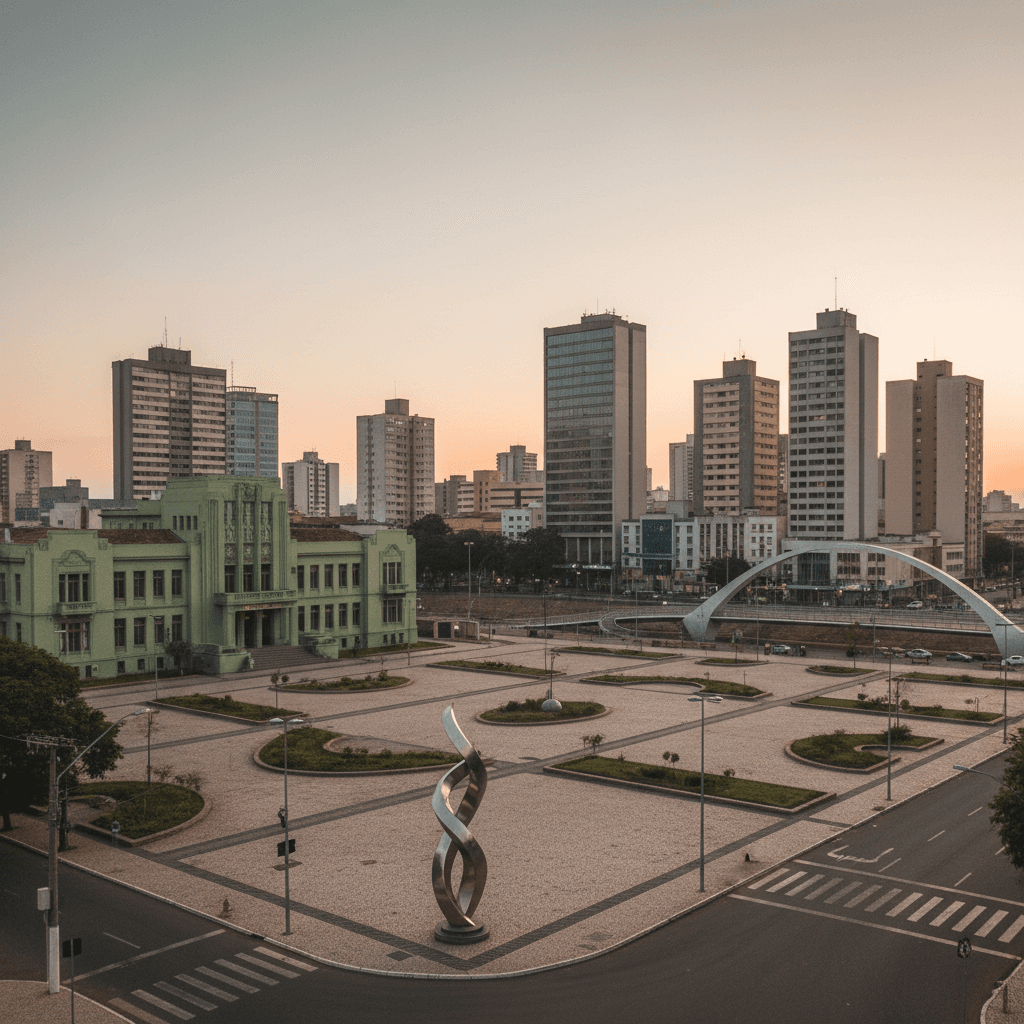
Goiânia
🇧🇷 Brazil
The Heartland's Modern Anchor
If you're looking for the high-octane chaos of São Paulo or the postcard beaches of Rio, you won't find them here. Goiânia is a different beast entirely. It’s a planned city in Brazil's agricultural heartland that feels surprisingly grounded, flat, and breezy. Founded in 1933, it’s young enough to have wide avenues but old enough to have established a deep, laid-back personality that centers around the outdoors and a burgeoning tech scene.
Nomads often land here when they want to stretch their budget without sacrificing urban comforts. It’s located about 200km from Brasília, making it a strategic base for exploring the Central-West region. The vibe is distinctly "sertanejo" (think Brazilian country culture), but it’s polished with modern infrastructure and a growing community of remote workers who prefer quiet parks over crowded tourist traps.
The Living Experience
Life here moves at a more human pace. You’ll notice the city is exceptionally flat, which makes getting around via Uber or on foot much less of a workout than in other Brazilian capitals. While the urban sprawl is pushing some of the famous green spaces toward the outskirts, the city still maintains a reputation for high air quality and a comfortable, tropical climate that usually hovers between 26°C and 29°C.
The emotional draw of Goiânia is its lack of pretension. You aren't constantly dodging "gringo prices" or tourist scams. Instead, you're living alongside locals in a city that’s economically fueled by industry and innovation. It feels like a place where you can actually get work done during the day and disappear into a local bar for a cold beer and live music by nightfall.
Nomad Essentials at a Glance
- Monthly Budget: Most digital nomads can live comfortably on roughly $1,200-$1,400 per month. This puts it well below the $2,500 cap often seen in coastal hubs.
- Connectivity: Internet speeds vary wildly depending on your setup. While some spots clock in at a modest 13 Mbps, modern apartments and dedicated workspaces frequently hit 150 Mbps or higher.
- The Work Hub: Coletivo Centopeia on Avenida Cora Coralina is the go-to spot. It’s more than just desks; it has a swimming pool, lounge, and a kitchen that helps bake you into the local professional community.
- The Bureaucracy: Brazil’s Digital Nomad Visa is a major perk. If you earn at least $1,500 monthly or have $18,000 in savings, you can secure a 1-year residency to stay legally.
Why Nomads Stay
The cost of living is the initial hook, but the welcoming atmosphere is what keeps people around. You’ll likely need a bit of Portuguese to truly thrive, as English isn't widely spoken outside of tech circles. However, the locals are famously patient and helpful. It’s the kind of city where the barista remembers your order by day three.
Safety is another highlight. While you should always keep your wits about you in any major city, Goiânia generally feels more secure and manageable than the larger coastal metropolises. It’s a place that rewards the "slow nomad" who wants to swap the frantic energy of a tourist hotspot for a genuine, affordable, and high-quality Brazilian lifestyle.
The Budget Breakdown
Goiânia is one of those rare Brazilian state capitals where your money stretches far without forcing you to sacrifice a modern lifestyle. While coastal hubs like Rio or Florianópolis command a premium for their beach views, this inland city keeps things grounded. Most nomads find they can live comfortably here on a budget of roughly $1,600 per month. If you are coming from North America or Europe, the exchange rate for the Brazilian Real usually works heavily in your favor, making high end experiences feel like mid range treats.
The city's flat geography and planned layout mean your biggest expenses are predictable. You won't find the extreme price volatility of São Paulo here. Instead, you get a stable, affordable home base in the heart of Brazil's agricultural powerhouse region, which keeps local produce prices low and the quality of life high.
Housing and Neighborhoods
While specific nomad enclaves are still forming, the city's modern infrastructure means you have plenty of sleek apartment options. Most remote workers look for stays in the central areas where the city's famous greenery is still accessible. You should expect to pay significantly less for a one bedroom apartment than you would in Brazil's larger coastal cities.
- Estimated Monthly Rent: A modern studio or one bedroom in a safe, central area typically ranges from $500 to $850, depending on building amenities like pools or gyms.
- Utilities: High speed fiber internet and basic electricity usually add another $80 to $120 to your monthly tally.
Dining and Social Life
Eating out is where Goiânia really shines for the budget conscious traveler. The city has a deep connection to the surrounding farmland, meaning the "Prato Feito" (the standard Brazilian lunch plate) is both massive and cheap. You can grab a hearty local lunch for under $7, while a dinner for two at a mid range spot will likely set you back about $35.
The social scene revolves around "botecos" and casual outdoor dining. Since the weather is consistently warm, you'll spend a lot of time at sidewalk tables. A local beer is usually around $2 to $3, making it easy to network without draining your bank account. For digital nomads, Coletivo Centopeia on Avenida Cora Coralina is the go to spot for a professional environment, offering free coffee and even a swimming pool for those afternoon breaks.
Transportation and Connectivity
Getting around is straightforward and cheap. Uber is the dominant force here and is incredibly affordable for cross city trips. Because the city is flat, it's easy to navigate, though you'll want to stick to ride hailing apps after dark or for longer hauls. A typical 15 minute Uber ride rarely exceeds $5.
Internet speeds are surprisingly competitive. While some older spots might lag, many dedicated workspaces and modern apartments offer speeds up to 154 Mbps. This makes it a reliable choice for those with heavy Zoom schedules or large file uploads.
Visa Requirements for Nomads
If you're planning to stay long term, Brazil's Digital Nomad Visa is a fantastic path. You'll need to prove a monthly income of at least $1,500 or show a bank balance of $18,000. The visa is valid for one year and can be renewed. For shorter scouting trips, travelers from the US, Canada, and Australia should keep an eye on evolving eVisa requirements, which are slated for updates in 2025.
Daily Essentials
- Coffee: $1.50 to $3.00 at a local cafe.
- Gym Membership: $25 to $45 per month for a standard local club.
- Coworking: Day passes at spots like Coletivo Centopeia are available if you need a break from your home office.
- Groceries: A weekly shop for one person usually hits around $40 to $60.
For Digital Nomads
Most remote workers gravitate toward Setor Bueno. It is the heart of the city's modern expansion and feels like a more affordable version of São Paulo's business districts. You will find high-speed fiber internet and plenty of high-rise apartments with gym access for around $600 to $800 a month. It is also home to Coletivo Centopeia, a standout coworking space on Avenida Cora Coralina that features a pool and a kitchen, making it easy to network without feeling stuck in a cubicle.
The neighborhood is exceptionally flat, which makes it one of the few places in Goiânia where you can comfortably walk to a grocery store or a pharmacy. If you need a break from the screen, Parque Vaca Brava is the central landmark here. It is surrounded by malls and cafes where you can grab a strong Brazilian coffee and watch the local pace of life. Nomads generally prefer this area because Uber wait times are under three minutes and the safety rating is consistently high.
For Expats and Long-Termers
If you are planning to stay for six months or longer, Setor Marista is the place to settle. It is widely considered the most upscale district in the city. While the rent is higher, usually starting at $900 for a premium one-bedroom, the lifestyle perks are significant. This is where the city's best gastronomy is concentrated, and you will find most of the English-speaking community at the higher-end gyms and wine bars.
Expats often choose Marista because it balances luxury with the city's signature greenery. The streets are lined with old trees, and the architecture is a mix of sleek new glass towers and sprawling older estates. It feels more "established" than the newer developments. While Portuguese is still the primary language, the staff in Marista's boutiques and bistros are more likely to have some English proficiency compared to other sectors.
For Families
Setor Oeste is the traditional choice for families moving to the Central-West. It was one of the first planned neighborhoods and sits between two major green lungs: Bosque dos Buritis and Parque Lago das Rosas. The apartments here tend to be older but much larger than the "shoebox" studios found in Bueno, giving kids more room to move. You can often find a three-bedroom unit for about $750, offering great value for the space.
The area is quieter at night compared to the party-heavy Marista, but it still maintains a high level of security. Families appreciate the proximity to the city's zoo and the various art museums located within the parks. The streets are wide and the infrastructure is reliable, with several private schools and clinics located within a ten-minute Uber ride. It provides a stable, suburban feel while remaining geographically central.
For Solo Travelers
If you are looking for character and a bit of history, Setor Central is where you should base yourself. This is the original heart of the city, dominated by Art Deco architecture and bustling street markets. It is the most budget-friendly option, with simple accommodations available for under $400 a month. Solo travelers often enjoy the proximity to the Mercado Central, where you can eat local snacks like empadão goiano for just a few dollars.
While the Central sector is safe during the day, it can get very quiet and a bit desolate after the shops close at night. Solo travelers should use Uber for door-to-door transport after dark rather than walking the empty streets. It is a great spot for those who want an authentic Brazilian experience away from the polished malls, offering easy access to the city's main bus terminals for weekend trips to nearby spots like Pirenópolis or Brasília.
Neighborhood Comparison
- Setor Bueno: Best for productivity, fast WiFi, and proximity to Coletivo Centopeia.
- Setor Marista: Best for high-end dining, social networking, and luxury living.
- Setor Oeste: Best for green space access, large floor plans, and a quiet family atmosphere.
- Setor Central: Best for budget travelers, Art Deco history, and local market culture.
Connectivity and Speed
Goiânia might not have the global tech reputation of São Paulo, but the infrastructure here is surprisingly robust for a city in the heart of Brazil. You will find a significant range in reported speeds, with some older areas averaging 100 Mbps or more, while modern hubs and coworking spaces frequently clock in at 154 Mbps or higher. Fiber optic is increasingly the standard in newer apartment buildings, so always ask for a speed test screenshot before signing a short term lease.
For mobile data, you will want to grab a local SIM card immediately. Vivo and Claro are the most reliable providers in the Central-West region. While specific 5G coverage is still rolling out across the city, 4G LTE is consistent and fast enough for tethering if your home Wi-Fi dips. You can usually pick up a SIM at the Flamboyant Shopping Center or any major mall, though you might need your passport and a bit of patience to navigate the registration process.
Top Coworking Spaces
The coworking scene in Goiânia is intimate but high quality. It is a tight-knit community where you are more likely to make actual local friends than in the massive, anonymous hubs of larger capitals.
- Coletivo Centopeia: Located on Avenida Cora Coralina, this is the gold standard for nomads in the city. It feels less like a corporate office and more like a creative campus. They offer the standard essentials like high speed Wi-Fi and air conditioning, but the real draws are the lounge areas, a kitchen for prepping your own meals, and even a swimming pool for those humid afternoons. The free coffee is decent, and the atmosphere encourages networking over a mid-afternoon break.
- Local Business Hubs: While dedicated "nomad" spaces are still emerging, many professionals use the business centers near the Marista and Bueno sectors. These areas are the commercial heart of the city and offer more traditional, quiet environments if you have back-to-back client calls.
Café Culture and Remote Work
Working from cafés is a growing trend, though Goiânia is still very much a city that values its lunch hour. Most local spots expect you to eat and move on during peak times, but during the mid-morning or late afternoon, you can find plenty of quiet corners. The "laptop friendly" label is not always advertised, so look for places with visible power outlets and Ar Condicionado (AC), which is a non-negotiable during the hotter months.
Most nomads find that the city's flat landscape makes it easy to hop between your apartment and a workspace via Uber, which is the most efficient way to get around. Since the city is modern and planned, the layout is logical, though the heat often makes walking to your favorite coffee shop a sweaty endeavor. Stick to the Setor Marista or Setor Bueno areas if you want the highest density of Wi-Fi enabled spots and trendy eateries.
Practical Considerations
Power outlets in Brazil use the Type N plug, which features three round pins in a triangular pattern. It is compatible with the two-pin Type C plugs common in Europe. The voltage in Goiânia can be a mix of 115V and 230V, so check your charger's brick before plugging in expensive gear. Most modern laptops handle both, but it is better to be safe than fry a motherboard.
If you are planning a long stay, the Brazil Digital Nomad Visa is a fantastic option. You will need to show a monthly income of at least $1,500 or have $18,000 in the bank. This gives you a year to soak in the relaxed pace of Goiás while staying legally connected to your home office. The low cost of living here, often hovering around $1,600 a month for all expenses, means your paycheck goes much further than it would in the coastal hubs.
Keeping it Safe in Goiânia
Goiânia is generally a breath of fresh air compared to the high-intensity environments of São Paulo or Rio. Nomads often find the city has a more relaxed urban pace, which translates to a lower stress level when walking the streets. The air quality is a massive plus here; with PM2.5 levels often under 20 µg/m³, it is one of the cleanest urban environments you will find in Brazil.
While the city feels modern and planned, you still need to keep your wits about you as you would in any large Brazilian hub. Petty theft can happen, especially in crowded areas or near transit centers. Most travelers recommend sticking to well-lit, populated streets at night and using Uber for door-to-door transport after dark. Since the landscape is flat, it is easy to walk during the day, but don't flash expensive tech or jewelry while you are out exploring.
If you are coming from a country that requires a visa, remember that the rules are shifting. You will likely need an eVisa if you are from the US, Canada, or Australia starting in 2025. For those staying longer, the Brazil Digital Nomad Visa is a solid path, provided you can show a monthly income of $1,500 or have $18,000 in the bank. It is a one-year permit that you can renew, making Goiânia a viable long-term base.
Healthcare and Wellness
Brazil has a dual healthcare system, and in a metro area of nearly 3 million, you are never far from medical help. While the public system (SUS) is available for emergencies, most expats and digital nomads opt for private care. The quality of private hospitals in the city is high, and costs are significantly lower than what you would pay in North America or Europe.
- Pharmacies: You will find Droasil and Drogaria Pacheco locations on almost every major corner. They are well-stocked and many stay open 24 hours.
- Health Insurance: It is best to have a policy that covers private facilities. Local providers like Unimed are popular, but international nomad insurance works just as well at the top-tier clinics.
- Emergency Numbers: Dial 192 for an ambulance (SAMU) or 190 for the police.
One thing to keep in mind is the language barrier. Outside of the high-end private hospitals, English proficiency among medical staff isn't guaranteed. It is a good idea to have a translation app ready or a local friend who can help you explain specific symptoms. For routine check-ups, many nomads find that doctors in the more affluent sectors of the city are more likely to speak some English.
Since the city is a major hub for agriculture and tech, the infrastructure is reliable. You won't have to worry about the frequent power outages or water shortages that plague some of the more remote coastal towns. It is a stable, functional place to live while you focus on your work at spots like Coletivo Centopeia, knowing that help is available if you need it.
The Uber Standard
In Goiânia, your smartphone is your best friend for getting around. While the city is modern and well-planned, most nomads find that Uber is the undisputed king of local transit. It is reliable, incredibly cheap compared to North American or European standards, and saves you the headache of trying to figure out the bus routes in a language you might still be learning. Rides across town rarely break the bank, and it is the safest way to get home after a late night out.
A Flat Landscape
One of the first things you will notice about Goiânia is how flat it is. Unlike the hilly streets of Rio or the vertical madness of São Paulo, this city was designed with a more level layout. This makes it a great candidate for walking if you are staying in a central, well-connected area. The wide streets and manageable pace of life mean you won't feel like you are constantly battling traffic just to cross the road. However, the tropical sun can be intense, so most expats save their walking for the early morning or late afternoon when the heat dips.
Public Transit and Cycling
The city does have an established bus network, but it is generally used more by locals for commuting than by the digital nomad crowd. If you are on a strict budget, it is an option, but the lack of English signage and the learning curve of the routes can be a hurdle. On the bright side, the flat terrain is a dream for cyclists. While the bike-sharing infrastructure isn't as ubiquitous as in the world's major tech hubs, the landscape itself is inviting for those who want to rent a bike and explore the local parks or the outskirts where the green spaces are more prominent.
Airport Transfers and Regional Travel
Getting into the city is straightforward. Goiânia is a strategic hub in Brazil's Central-West region, located about 200km from Brasília. Most travelers arrive via Santa Genoveva Airport (GYN). You can easily snag an Uber from the arrivals terminal to reach your accommodation. If you are looking to explore further afield, the city is well-connected by regional buses to other major Brazilian cities, though flying is almost always the preferred choice for longer distances given the country's massive scale.
Power and Connectivity for the Road
If you are planning to work from various spots around the city, keep an eye on your battery levels. The power supply here is typically 115V or 230V at 60Hz, using the Type N plug (three round pins). Most modern laptop chargers handle the voltage switch fine, but a universal adapter is a smart carry. Since you'll be relying heavily on apps like Uber to navigate, having a local SIM card is a priority. Most nomads pick one up at the airport or a local mall to ensure they have data for maps and ride-hailing while on the move.
Quick Mobility Facts
- Primary Ride-Hailing: Uber is the most reliable and popular choice.
- Terrain: Very flat, which makes for easy walking in short bursts.
- Regional Hub: Only 200km from the capital, Brasília.
- Power Outlets: Type N plugs, 115V/230V.
- Air Quality: Rated excellent, making outdoor movement pleasant.
The Linguistic Landscape
Portuguese is the heartbeat of Goiânia. Unlike the coastal hubs of Rio or São Paulo where you might stumble upon English menus in every other cafe, this city remains deeply rooted in its local tongue. You will find that the residents are incredibly welcoming and patient with foreigners, but don't expect the average person at a grocery store or pharmacy to be fluent in English. It is a city where a little effort in the local language goes a long way in building rapport.
Most nomads living here find that while they can get by with translation apps for basic tasks, learning the fundamentals of Portuguese is the key to unlocking the city. If you are coming from a Spanish-speaking background, you will have a massive head start, but be careful with "Portuñol." Locals will understand you, but the pronunciation differences are significant. If you're starting from scratch, focus on the basics of "Sertanejo" culture, which is the local country music scene; it is a great way to pick up vocabulary and understand the regional soul.
Digital Communication and Connectivity
Staying connected is rarely an issue in Goiânia. The city is a modern tech hub with infrastructure that often surprises newcomers. You will see wildly different reports on internet speeds, but the reality for a remote worker is generally positive. While some older spots might lag at 50-100 Mbps, modern apartments and dedicated workspaces like Coletivo Centopeia frequently offer fiber connections reaching 150 Mbps or higher.
- WhatsApp is King: In Brazil, if a business doesn't have a WhatsApp number, they practically don't exist. You will use it for everything from ordering water delivery to booking a hair appointment or chatting with your landlord.
- Mobile Data: You will want a local SIM card immediately. While specific 2025 data for Goiânia providers is lean, the big national players like Vivo and Claro have excellent 4G and growing 5G coverage throughout the flat urban landscape.
- Coworking Culture: Places like Coletivo Centopeia on Av. Cora Coralina serve as the primary bridge for English speakers. These spaces are where you will meet the bilingual crowd and find your footing in the local professional scene.
Navigation and Practical Interaction
Since the city is laid out on a flat, grid-like system in many areas, navigating is straightforward, but you will still rely heavily on Uber. The app is the gold standard for getting around safely and avoids the "lost in translation" moments that can happen in traditional taxis. You just input your destination, and the price is set; no haggling or complex directions required.
When it comes to paperwork and the Digital Nomad Visa, you will need to have your documents translated. The visa requires proof of a $1,500 monthly income or $18,000 in savings, and while the application process is becoming more digital, the actual interactions with local offices will almost certainly be in Portuguese. Most expats recommend hiring a local fixer or using a specialized agency to handle the bureaucracy if your Portuguese hasn't progressed past "Obrigado" yet.
Social Etiquette and Tips
Goiânia has a relaxed, inland vibe that feels less rushed than the coastal metropolises. People here value eye contact and a warm greeting. When you enter a shop, a simple "Bom dia" (Good morning) or "Boa tarde" (Good afternoon) is expected before you dive into any requests. If you find yourself in a social setting, don't be surprised if people speak quickly and use a lot of regional slang. Just smile, ask them to speak a bit slower ("Pode falar mais devagar, por favor?"), and you will find the locals are more than happy to help you practice.
For those looking to connect with other nomads, the "My Brazilian Brazil" community on Reddit is a solid starting point for advice. However, the best way to bridge the communication gap is to plant yourself in a coworking space. It is the fastest way to find the "hidden" side of the city that isn't documented in English language guides yet.
The Climate Reality
Goiânia sits in Brazil's Central-West heartland, which means you're dealing with a tropical savanna climate. It’s generally warm and comfortable, with temperatures often hovering between 26°C and 29°C. Because the city is built on a flat landscape, you won't deal with the trapped heat of a valley, though the sun can feel intense during the middle of the day. Most nomads find the air quality here surprisingly good, with PM2.5 levels often under 20 µg/m³, which is a massive perk if you're coming from the smog of São Paulo.
The year is split into two distinct phases: the wet and the dry. While specific monthly rainfall totals vary, you can expect heavy afternoon downpours from October through March. These aren't usually day-long washouts, but they can turn the streets into temporary rivers. If you're planning to work from a spot like Coletivo Centopeia, you'll want to be settled in before the 4:00 PM clouds roll in.
When to Visit
The sweet spot for a visit is between May and August. This is the dry season, where the humidity drops to a very manageable 64% and the skies stay clear. The evenings during these months can actually get a bit brisk, sometimes dipping into the high teens, so you'll want a light jacket for those outdoor dinners. It's the best time for walking the city's modern, flat layout without breaking a sweat.
Late September and October can be a bit of a gamble. This is often the hottest part of the year, with "feels like" temperatures frequently hitting 32°C or higher just before the rains break the heat. If you aren't a fan of sticky humidity, avoid the peak of the summer rainy season in December and January.
Seasonal Living for Nomads
Living in Goiânia is significantly more affordable than the coastal hubs, with a total monthly budget often sitting around $1,200-$1,400. Your experience will change based on the season:
- Dry Season (May to August): Perfect for exploring the emerging tech scene and outdoor social meetups. The lack of rain makes Uber trips across town much faster.
- Rainy Season (October to March): This is "deep work" season. You'll spend more time in coworking spaces or home offices. Make sure your accommodation has solid drainage and reliable power, as heavy storms can occasionally cause flickers.
- The Shoulder Months (April and September): These offer a mix of both worlds and often have the fewest crowds if you're looking to book short-term stays at better rates.
Practical Planning Tips
Since English proficiency is relatively low in this part of Brazil, arriving during the pleasant dry season makes the initial "logistics phase" much easier. You won't want to be struggling with a translation app while standing in a downpour. If you're applying for the Brazil Digital Nomad Visa, which requires a monthly income of $1,500 or $18,000 in savings, aim to have your approval finalized by April so you can land just as the best weather starts.
Keep in mind that while the city is modern and planned, the green spaces are moving further toward the outskirts as the city grows. If you visit during the dry months, the parks are dusty but great for exercise; during the wet season, they are lush but often too muddy for a casual stroll. Plan your gear accordingly, a sturdy umbrella and a pair of breathable shoes are non-negotiable here.
The Bottom Line on Costs
Goiânia is a breath of fresh air for your bank account, especially compared to the steep prices in São Paulo or Rio. Most digital nomads find they can live comfortably here on about $1,600 a month. If you're pushing a budget of $2,500, you'll be living at the top of the market in a modern high-rise with all the amenities.
While specific neighborhood price tags fluctuate, the general rule in Goiânia is that your money goes further. A mid-range meal won't break the bank, and the local street food scene is both cheap and high quality. Expect to pay significantly less for your daily expenses than you would in the coastal tourist hubs.
Staying Connected
Internet speeds in the city are a bit of a mixed bag, so you'll want to test your connection before committing to an apartment. While some older spots might hover around 13 Mbps, modern buildings and dedicated workspaces often clock in at a blazing 154 Mbps. For a reliable office environment, head to Coletivo Centopeia on Av. Cora Coralina. It's the local nomad favorite, featuring air conditioning, a kitchen, free coffee, and even a swimming pool for those afternoon breaks.
- Best Coworking: Coletivo Centopeia
- Average Speed: 13 to 154 Mbps
- Power: Dual voltage, 115V and 230V at 60Hz
Getting Around
The city's layout is remarkably flat, which makes it easier to navigate than the hilly streets of Minas Gerais. However, when it comes to getting from point A to point B, Uber is your best friend. It's the most reliable ride-hailing app in the city and is very affordable for daily use. Public transit exists, but most expats and remote workers stick to cars for convenience and speed. If you're flying in, the 200km trip from Brasília is a common route, though Goiânia has its own airport for domestic connections.
Safety and Health
Goiânia generally feels relaxed and safe, earning high marks from the nomad community for its livability. The air quality is excellent, which is a major plus if you're coming from more congested global capitals. While you should always use the same common sense you'd use in any large city, there aren't specific "no-go" zones that dominate the conversation. The healthcare infrastructure is solid, with plenty of pharmacies and clinics available for routine needs.
The Visa Situation
Brazil has become much more welcoming to remote workers recently. To snag the Digital Nomad Visa, you'll need to prove a monthly income of at least $1,500 or show that you have $18,000 in savings. This visa is good for one year and can be renewed. Just keep in mind that travelers from the US, Canada, and Australia will need an eVisa starting in 2025, so check your requirements before you book that flight.
Language and Social Life
Don't expect much English once you step off the plane. Portuguese is the heartbeat of the city, and while people are incredibly welcoming, you'll want a translation app handy for daily interactions. To meet people, skip the traditional expat bars and look for online communities or niche Reddit groups like My Brazilian Brazil. The coworking scene is the most natural place to find fellow nomads and build a local network.
- Currency: Brazilian Real (R$)
- Language: Portuguese (English proficiency is low)
- Visa: 12-month renewable Digital Nomad Visa
Need visa and immigration info for Brazil?
🇧🇷 View Brazil Country GuideEasy Landing
Settle in, no stress