Goiânia
🇧🇷 Brazil
The Inland Capital’s Quiet Confidence
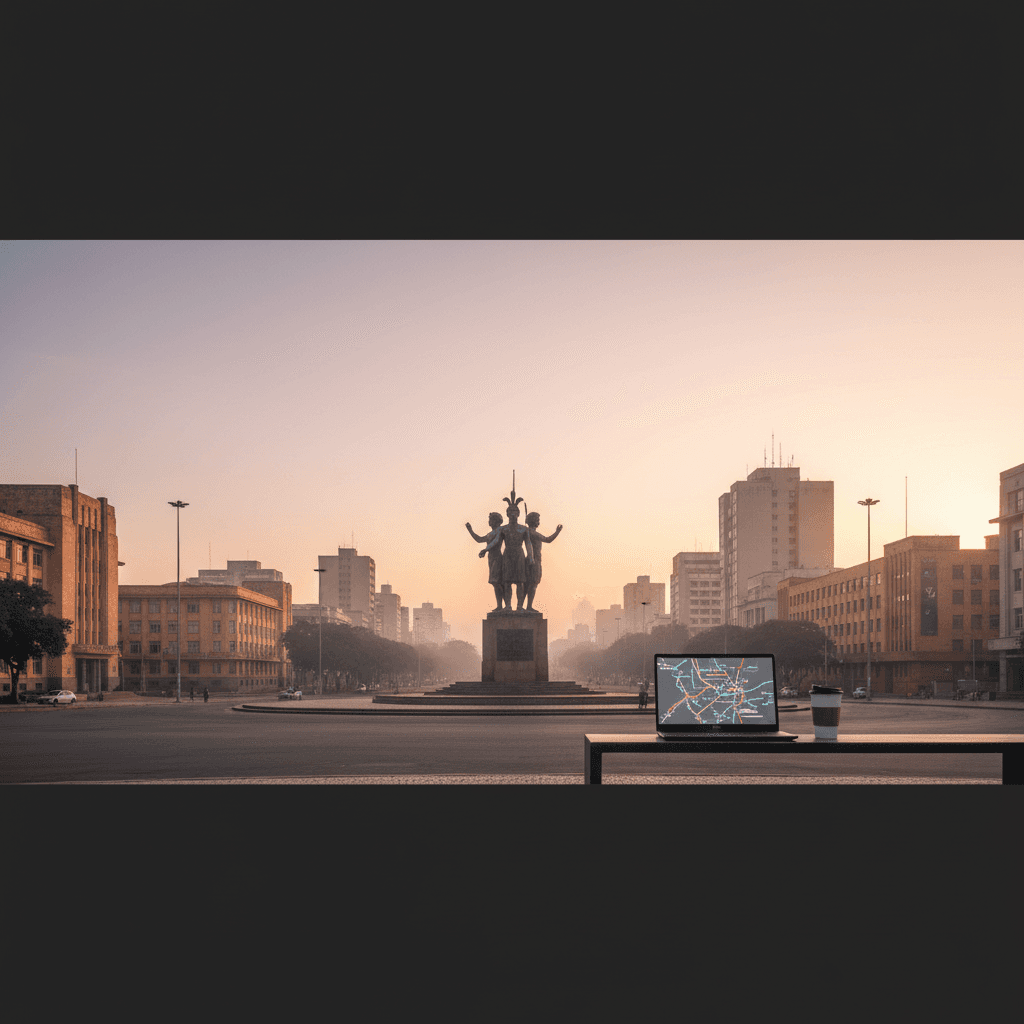
If you are looking for the chaos of Rio or the relentless hustle of São Paulo, you won't find it here. Goiânia is Brazil’s best kept secret for those who prefer wide, tree lined avenues and a pace of life that actually lets you breathe. Founded in 1933 as a planned city to help settle the country’s interior, it feels spacious and intentional. It’s a place where modernist architecture meets a deep rooted cattle country heritage, creating a vibe that is sophisticated yet unpretentious.
Most nomads who land here are struck by the lack of crowds. With a population of nearly 3 million, it has all the urban amenities you need, but it lacks the claustrophobia of other major capitals. The air is clear, the streets in neighborhoods like Setor Marista are walkable, and there is a genuine friendliness that’s harder to find in the more tourist saturated coastal hubs. You’ll feel less like a visitor and more like a local within a week.
The Emotional Landscape
Living in Goiânia feels like being part of an "in the know" community. There is a certain pride here, especially regarding the local music scene. This is the heartland of sertanejo, Brazilian country music. On any given night, the sound of acoustic guitars and soulful vocals drifts out of bars in Setor Bueno. It’s a city that values the "after work" culture; people take their leisure time seriously, filling up churrascarias and open air bars to enjoy a cold beer in the 29°C (84°F) heat.
The experience is defined by comfort. While you’ll miss the ocean, the city compensates with an abundance of green space and some of the best infrastructure in the region. It’s a soft landing spot for those who want to integrate into Brazilian culture without the high stress or high prices of the coast. You’ll find yourself slowing down, spending more time in parks, and actually talking to your neighbors.
What Sets It Apart
Goiânia stands out because of its incredible value proposition. You can maintain a high quality of life for around $2,765 a month, which is significantly lower than what you’d spend in the south. While the dedicated nomad infrastructure is still growing, the existing community is welcoming and eager to connect. It’s a "new" city, which means the layout is more logical than the colonial tangles of older Brazilian towns.
- The Weather: It is warm year round. While the humidity stays at a comfortable 64%, the sun is a constant companion. Just be prepared for the rainy season between December and March.
- The Music: If you want to understand the soul of modern Brazil, you have to experience the festivals here. It’s the Nashville of South America.
- The Space: You won't be fighting for a spot at a cafe or a seat on a bus. The "uncrowded" nature of the city is its biggest luxury.
The Trade-Offs
No city is perfect, and Goiânia requires a bit of an adventurous spirit. English isn't widely spoken outside of high end hotels or international schools, so you’ll want Google Translate at the ready. The internet is reliable but not record breaking, averaging around 14 Mbps, though you can find spots hitting 98 Mbps if you’re picky about your base. If you absolutely need a beach to be happy, the 4 hour drive to the springs of Jalapão or the 2 hour trip to Brasília are your main escapes.
For the nomad who has already done the "big three" of Brazil and wants something authentic, affordable, and relaxed, Goiânia is the logical next move. It’s a city that doesn't try too hard to impress you, which is exactly why it usually does.
The Price of the Inland Lifestyle
Goiânia is a breath of fresh air for your bank account, especially if you're coming from the high-pressure markets of São Paulo or the coastal tourist traps of Rio. Most nomads find they can live a high-quality life here for around $2,765 per month, though budget-conscious travelers often squeeze that down to $1,500 by sticking to local neighborhoods. It is a city where your dollars, euros, or pounds stretch far without forcing you to sacrifice modern comforts like high-speed internet or air-conditioned gyms.
Housing and Neighborhood Stakes
Rent will be your biggest variable, and the neighborhood you choose dictates your daily vibe. Expats and remote workers typically gravitate toward three main areas:
- Setor Marista: This is the trendy, upscale heart of the city. Expect to pay $800 or more for a modern one-bedroom apartment. You're paying for walkability, safe streets, and proximity to the best espresso bars and boutiques.
- Setor Bueno: A perfect middle ground for solo nomads. Rents here hover around $500 to $800. It is central, lively, and puts you within striking distance of most coworking hubs.
- Centro: If you are on a strict budget, the city center offers studios for $300 to $500. While it's great for cheap street food, keep in mind that it gets a bit sketchy after dark and lacks the polished feel of the southern sectors.
Local pros recommend using platforms like Zap Imóveis or QuintoAndar to get a realistic sense of the market, as Airbnb prices often carry a significant "tourist tax."
Dining and Daily Sustenance
The food scene is where Goiânia truly shines for the wallet. You can grab a quick street snack like an empanada or a pão de queijo for $2 to $3. A mid-range meal at a local churrascaria usually runs between $5 and $10, while a high-end dinner in Setor Marista will rarely top $25 per person.
Grocery shopping is equally affordable. If you prefer cooking at home, your weekly bill will be significantly lower than in North America or Europe. A standard 10GB mobile data plan from Claro or Vivo costs about $43 a month, ensuring you stay connected while you're out hunting for the best picanha in town.
Transportation and Workspace
Getting around is cheap and efficient if you use the right tools. Most nomads rely heavily on Uber, which typically costs about $6 for a 3km cross-town trip. If you're staying in the more walkable southern sectors, you might not even need a car. Public buses are available at $1 per trip, and a monthly pass goes for around $50, though the heat often makes ride-sharing a more comfortable choice.
For work, Coletivo Centopeia is the go-to spot for a professional environment. A monthly membership there ranges from $150 to $250. If you prefer the "cafe hop" lifestyle, you'll find plenty of laptop-friendly spots in Marista with no cover charge, though you should expect to spend about $2 on a high-quality coffee to keep your seat.
The Bottom Line
Living in Goiânia means you can afford a "comfortable tier" lifestyle for roughly $3,500 a month, which includes a luxury apartment, daily Uber rides, and frequent upscale dining. For those just starting out or looking to save, a $2,000 budget still provides a very respectable life in a safe, green, and welcoming Brazilian capital.
The Best Fit for Digital Nomads: Setor Marista
If you want to be where the action is, Setor Marista is the undisputed heavyweight champion for nomads. It's the trendiest part of the city, packed with upscale cafes, boutique gyms, and the kind of walkable infrastructure that makes car free living actually possible. You'll find the best concentration of laptop friendly spots here, even if dedicated coworking spaces are still catching up to the coastal cities.
- The Vibe: Sophisticated, safe, and lively. It's the heart of the city's dining scene, especially if you're into high end churrascarias or experimental fusion.
- Estimated Rent: Expect to pay $800 or more for a modern one bedroom apartment.
- Connectivity: This is where you'll find the most reliable fiber optic connections, often hitting that 98 Mbps peak.
- Pro Tip: Walk to work at Coletivo Centopeia nearby for a dedicated office environment with a pool and free coffee for around $150 to $250 a month.
The Solo Traveler Choice: Setor Bueno
Setor Bueno is the practical, bustling sibling to Marista. It's incredibly central and offers a more balanced cost of living without sacrificing the amenities you need. Many solo travelers prefer this area because it feels lived in and energetic. The traffic can get a bit heavy during peak hours, but everything you need, from grocery stores to local bars, is usually just a few blocks away.
- The Vibe: Energetic and commercial. It's great for people watching and finding quick, affordable meals.
- Estimated Rent: You can snag a decent studio or one bedroom for around $500.
- Daily Life: Use Uber to zip around for about $6 per trip, or hop on a local bus for $1 if you're feeling adventurous.
- Social Scene: The bars here are famous for live music, particularly the local sertanejo scene that defines the region's soul.
The Expat and Family Hub: Jamel Cecílio & Setor Oeste
For those staying long term or bringing the kids, these residential pockets offer a much needed breather from the city's faster pace. Setor Oeste is famous for its greenery and proximity to parks, making it the go to for morning jogs or weekend picnics. These areas feel more like traditional neighborhoods where people actually know their neighbors.
- The Vibe: Quiet, green, and spacious. It's a retreat from the nightlife heavy sectors.
- Education: If you're enrolling children, international schools in the area average around $3,754 per year.
- Healthcare: You're close to some of the city's top rated hospitals, which nomads often praise for their high standards.
- Logistics: You'll likely want to rely on ride hailing apps more often here, as it's a bit further from the main coworking hubs.
The Budget Traveler Base: Centro
Centro is the historic and commercial core of Goiânia. It's the best place to stretch a dollar, with street food like empanadas going for just $2 or $3. While it's incredibly convenient during the day for shopping and errands, it does get quite quiet and less safe after dark. It's perfect for a short stay if you want to be in the middle of the architectural history of the city.
- The Vibe: Gritty, historic, and fast paced. It's the "real" Goiânia, away from the polished glass of the newer sectors.
- Estimated Rent: Budget around $500 to $800 for mid range apartments, though cheaper older units are common.
- Practicality: It's the hub for the bus system, making it easy to reach any other part of the city for $1.
- Safety Note: Most expats recommend sticking to the busier streets at night and using Uber for door to door transport after the sun goes down.
Connectivity and Speed
Internet in Goiânia is surprisingly reliable for an inland city. While the citywide average sits around 14 Mbps, most nomads find that fiber optic connections in modern apartments easily push 90 Mbps or higher. It is stable enough for video calls and heavy uploads, though you might experience minor hiccups in older buildings in the Centro district.
For mobile data, expect to pay about $43 for a 10GB plan. Claro and Vivo are the heavy hitters here; you can pick up a SIM card at the airport or any major shopping mall like Flamboyant. If you are planning to work from parks or move around frequently, travelers often recommend renting a pocket WiFi device for about $20 per week to ensure you are never offline.
Top Coworking Spots
Goiânia does not have the massive coworking scene of São Paulo, but the spaces that do exist are high quality and community focused. Most nomads settle into the Setor Bueno or Marista areas because that is where the infrastructure is concentrated.
- Coletivo Centopeia: Located on Av. Cora Coralina, this is the gold standard for the city. It feels more like a creative hub than a sterile office. For $150 to $250 per month, you get fast WiFi, air conditioning, and access to a pool and kitchen. The free coffee is a major perk for long afternoons.
- Local Cafés: While dedicated coworking spaces are limited, the café culture in Setor Marista is laptop friendly. You will see plenty of locals working from their screens, though outlets can be competitive. Just be sure to have a backup battery if you are heading to a smaller spot.
Digital Nomad Infrastructure
The city's "new city" layout means everything is relatively spacious, but the lack of coliving spaces means you will likely be renting a traditional studio or 1BR. Expats recommend using apps like Zap Imóveis or QuintoAndar to find places with dedicated desk setups. If you are staying long term, the Brazil Digital Nomad Visa is a great route, allowing you to stay for up to two years and giving you a CRNM ID, which makes setting up local utilities much easier.
Working Costs at a Glance
- Basic Coworking Desk: Around $100 per month for part time access.
- Mid-Range Office Space: $150 to $250 per month with full amenities.
- Premium Private Office: $300+ per month in upscale areas like Marista.
- Mobile Data: $43 for a standard 10GB monthly plan.
The vibe here is much more relaxed than the coastal hubs. You won't find a massive "nomad bubble," which is exactly why some people love it. It is a place where you can actually get work done during the day and then join locals for a sertanejo set and BBQ in the evening without the tourist crowds found in Rio.
Staying Safe in the Heart of Brazil
Goiânia feels noticeably different from the high stakes energy of Rio or the chaotic density of São Paulo. Most nomads describe the vibe here as spacious and relaxed. Because it isn't a primary tourist magnet, you aren't usually targeted as a walking paycheck. However, standard Brazilian "street smarts" still apply. This means keeping your phone out of sight while walking and avoiding flashy jewelry in public spaces.
The safety profile varies significantly by neighborhood. Setor Marista and Setor Bueno are the gold standards for nomads. These areas are well lit, active, and generally safe for walking during the day. Locals suggest sticking to Uber after dark, even for short distances of just a few blocks. A typical 3km ride costs about $6, making it a cheap insurance policy for your peace of mind. Avoid Centro at night; while it's a great spot for cheap $2 street food during business hours, it becomes isolated and sketchy once the shops close.
If you find yourself in an uncomfortable situation, the emergency number for the police is 190. For medical emergencies, dial 192 for the SAMU ambulance service. Most expats recommend keeping a digital copy of your passport on your phone and carrying a local ID or a photocopy instead of the original document.
Healthcare Quality and Access
One of the biggest perks of choosing Goiânia is the quality of its medical infrastructure. The city is a regional healthcare hub, and nomads consistently rate the hospitals here as high quality. You'll find that private facilities are efficient and modern, often with shorter wait times than what you might experience in North America or Europe.
As a digital nomad on a formal visa, you can actually access the SUS (Sistema Único de Saúde), Brazil's public healthcare system, using your CRNM ID card. While the public system is great for basic needs or emergencies, most long-term travelers opt for private insurance to access premium hospitals in Setor Oeste or Setor Bueno. Out of pocket costs for a standard consultation are surprisingly affordable compared to US prices, often ranging from $40 to $80 for a specialist.
Pharmacies and Everyday Wellness
Pharmacies are everywhere in Goiânia, often staying open 24 hours. Major chains like Drogasil or Drogaria Pacheco are reliable and well stocked. You'll find that many medications that require a prescription elsewhere are available over the counter here, though pharmacists are strict about antibiotics and controlled substances.
The inland climate is warm, with temperatures frequently hitting 29°C to 32°C. Hydration is a legitimate health concern, especially during the dry season from May to September. While the air quality is generally good, the dust during the dry months can irritate those with respiratory issues. Expats recommend buying a humidifier for your apartment if you're staying through the winter months to keep the 64% humidity levels comfortable indoors.
- Hospital de Urgências de Goiânia (HUGO): The primary spot for major trauma or emergencies.
- Private Clinics: Concentrated in Setor Bueno and Setor Marista for routine checkups.
- Health Insurance: SafetyWing or World Nomads are popular, but local plans like Unimed are worth investigating for stays over six months.
- Vaccinations: Ensure your Yellow Fever vaccination is up to date, as Goiás is in a transition zone for the virus.
Getting Around Goiânia
Goiânia is a sprawling capital designed with wide avenues and plenty of green space, but your experience of getting around will depend heavily on where you plant your flag. If you're based in Setor Marista or Setor Bueno, you'll find these neighborhoods surprisingly walkable. Most nomads spend their days bouncing between local cafés and gyms on foot, enjoying the flat terrain and the city's signature modernist layout.
For trips that take you outside your immediate neighborhood, Uber is the undisputed king. It's reliable, safe, and incredibly affordable compared to North American or European standards. A typical 3km trip across town usually costs around $6, while a longer haul from the Santa Genoveva Airport (GYN) to the city center will run you between $15 and $25 depending on traffic. Most locals recommend sticking to ride-hailing apps after dark rather than wandering through less familiar areas like the Centro.
Public Transit and Two-Wheeled Options
The city's bus system is extensive and efficient enough for budget-conscious travelers. At roughly $1 per trip, it's the cheapest way to navigate the city. If you're planning to stay for a few months and want to use the bus regularly, a monthly pass costs about $50. The buses can get crowded during the late afternoon rush, so try to time your grocery runs or gym trips mid-day to avoid the squeeze.
For those who prefer a more active commute, Goiânia has a growing infrastructure for bikes and scooters. You'll see locals and expats alike using bike/scooter sharing apps if available to grab a rental for short bursts. It usually costs around $5 per day for casual use. Just keep an eye on the weather; while the city is sunny most of the year, the rainy season from December to March can turn a quick bike ride into a soak in minutes.
Logistics and Planning
If you're looking to explore beyond the city limits, Goiânia serves as a great base for regional road trips. Many nomads rent a car for the weekend to visit Brasília, which is only about a two hour drive away. For the more adventurous, the natural springs of Jalapão are reachable, though that requires a much longer trek of about four hours.
- Uber: Best for safety and convenience; average $6 for short city trips.
- Buses: Cost $1 per ride; best for daytime travel between sectors.
- Bike/Scooter Rentals: Use bike/scooter sharing apps if available; roughly $5 daily.
- Walking: Highly recommended within Setor Marista and Setor Bueno.
While the city doesn't have a subway system, the planned nature of the streets makes navigation fairly intuitive once you learn the "Setor" system. Most expats find that a combination of walking for daily errands and using Uber for nightlife or cross-town meetings provides the perfect balance of cost and comfort. Don't forget to keep Google Maps or Waze handy, as Goiânia's traffic can get surprisingly heavy during peak hours, and these apps are generally accurate for real-time updates.
The Portuguese Reality
Expect a steep learning curve if you're coming to Goiânia with zero Portuguese. Unlike the coastal hubs of Rio or Florianópolis, English proficiency here is low, even among the younger crowd in trendy areas like Setor Marista. You won't find many menus with English translations, and most service staff at local padarias or pharmacies will rely on you to bridge the gap.
Most nomads find that a basic grasp of "survival Portuguese" changes the entire experience. Locals are incredibly patient and appreciative when you try to speak their language. If you're struggling, Google Translate is your best friend for deciphering menus or chatting with Uber drivers. Getting a Brazilian SIM card from Claro or Vivo for around $25-30 ensures you have data for real time translations when you're out and about.
Essential Phrases for Daily Life
You'll hear "Tudo bem?" (How are you/Is everything good?) dozens of times a day. It's the universal greeting and response. Here are a few others that expats recommend mastering before you land:
- Bom dia / Boa tarde: Good morning / Good afternoon. Use these every time you enter a shop or elevator.
- Quanto custa?: How much does it cost? Essential for the street markets in Centro.
- Obrigado (m) / Obrigada (f): Thank you.
- A conta, por favor: The bill, please.
- Desculpe: Sorry or excuse me.
Communication Tools and Apps
In Brazil, WhatsApp isn't just an app; it's the entire infrastructure of communication. You'll use it to book a table at a churrascaria, message your landlord, or ask a coworking space like Coletivo Centopeia about their monthly rates. If a business has a phone number listed, 99% of the time they expect a WhatsApp message rather than a cold call.
For getting around, Uber is the standard. It eliminates the need to explain your destination to a driver in Portuguese, which saves a lot of stress during your first few weeks. Most nomads also suggest downloading Wise or Nubank once you have your CRNM ID, as these apps make digital payments seamless without needing to navigate complex bank Portuguese.
Social Etiquette and Body Language
Communication in Goiânia is warm and physical. When meeting someone for the first time in a social setting, a single kiss on the cheek (for women) or a firm handshake and a pat on the shoulder (for men) is common. People here value "jeitinho," a sort of creative problem solving through social friendliness. Being rigid or demanding won't get you far; a smile and a bit of patience go much further.
If you're looking to practice your skills, the Reddit community and local Facebook groups are great for finding language exchange partners. Many residents are eager to practice their English and will happily trade an hour of Portuguese conversation for some help with their English over a $2 coffee or a cold beer in Setor Bueno.
The Digital Nomad Visa Factor
If you're staying long term on the VITEM XIV Digital Nomad Visa, you'll eventually get your CRNM (National Migration Registration Card). This card is a golden ticket for communication because it allows you to get a CPF number. Having a CPF is required for almost everything, from signing up for a gym membership to getting better deals on mobile data plans, making your logistical life much easier to navigate.
The Sweet Spot: May to September
If you're looking for the absolute best time to set up your workstation in Goiânia, aim for the window between May and September. This is the dry season, and it's when the city truly shines. You'll get clear blue skies and consistent daytime temperatures hovering around 28°C (82°F). Most nomads prefer this period because the humidity drops to a comfortable 60% to 64%, making it much easier to walk between meetings in Setor Marista or grab a coffee outdoors without breaking a sweat.
The evenings during these months can actually get surprisingly crisp. While it's never "cold" by northern standards, temperatures can dip at night, so you'll want a light jacket if you're heading out to the bars in Setor Bueno. This period also coincides with the peak of the local cultural calendar, offering the best conditions for exploring the city's modernist architecture or taking weekend trips to the Jalapão springs.
The Rainy Season: December to March
The vibe shifts significantly from December through March. This is the height of the rainy season, and the humidity spikes. While the mercury stays around 29°C to 32°C (84°F to 90°F), the "feels like" temperature often hits a sweltering 33°C (91°F) or higher. If you're sensitive to heat, this is the time of year when high-quality air conditioning becomes a non-negotiable for your apartment rental.
Rain in Goiânia usually comes in heavy, tropical bursts. It might be sunny all morning, followed by a massive downpour in the afternoon that turns the streets into rivers for an hour before clearing up. Travelers often find these months frustrating for sightseeing, but if you're a "deep work" nomad who plans to spend most of your time inside Coletivo Centopeia or your home office, you can often find better deals on mid-range accommodation during this off-peak window.
What to Expect Year-Round
Goiânia is a tropical city through and through, meaning you'll never deal with a true winter. The weather is warm year-round, and the sun is intense due to the city's inland location. Local expats recommend always having a high-SPF sunscreen on hand, even on cloudy days. Because the city is less crowded and more spacious than Rio, the heat doesn't get trapped in "urban canyons" as much, but the lack of a sea breeze is definitely noticeable.
Seasonal Packing and Planning
- Dry Season (May-Sept): Pack breathable cottons and linens, but include a sweater for the evenings. This is the best time for outdoor activities and photography.
- Wet Season (Oct-April): Bring a sturdy umbrella and waterproof footwear. Expect occasional power flickers during heavy storms, though the infrastructure in neighborhoods like Setor Oeste is generally reliable.
- Air Quality: Most nomads find the air quality in Goiânia to be excellent compared to São Paulo, largely thanks to the city's massive amount of green space and parks.
If you're planning a shorter stay of three months, try to arrive in June. You'll miss the heavy rains, enjoy the most pleasant temperatures for walking, and experience the city when the social scene is at its most active. Most long-term residents agree that the transition months of April and October are hit-or-miss, often serving as a toss-up between late-summer heat and the first cooling rains of the season.
Connectivity and Data
Staying connected in Goiânia is straightforward, but you'll want to set things up as soon as you land. Most nomads recommend grabbing a SIM card from Claro or Vivo. You can find these at the airport or in shopping malls like Flamboyant. Expect to pay around $43 for a 10GB data plan. If you're moving around a lot, renting a pocket WiFi device for about $20 a week is a solid backup.
While the city average sits around 14 Mbps, many apartments in Setor Marista or Setor Bueno offer fiber connections hitting 98 Mbps. Just be sure to ask your host for a speed test screenshot before booking. If you need a professional environment, Coletivo Centopeia on Avenida Cora Coralina is the go-to spot. It feels more like a community hub than a sterile office, complete with a pool and kitchen for around $150 to $250 a month.
Money and Costs
Your dollar goes significantly further here than in the coastal hubs. A comfortable lifestyle usually rounds out to about $2,765 a month, though budget-conscious travelers can make it work on $1,500. Banking is increasingly digital; expats often use Wise or Nubank for daily transactions. You'll need your CRNM ID from your nomad visa to open a local account, which helps avoid those pesky international transaction fees.
Estimated Monthly Expenses:
- Studio Rent: $300 to $500 in Setor Bueno outskirts; $800+ for a premium spot in Setor Marista.
- Daily Meals: $2 to $3 for street food like empanadas; $15 to $25 for a high-end dinner.
- Coworking: $100 for basic access; $300+ for full-service amenities.
- Transport: Roughly $20 a day if you're relying heavily on Ubers.
Navigation and Transport
Goiânia is a sprawling city, so your feet will only get you so far. Within Setor Marista and Setor Bueno, walking is pleasant and safe during the day. For anything further, Uber is the gold standard. It's reliable, cheap, and saves you the headache of navigating the bus system. A typical 3km trip costs about $6. A ride from GYN Airport to the city center usually falls between $15 and $25 depending on traffic.
If you prefer two wheels, look for Yellow or Grin apps to rent bikes and scooters. They're perfect for ziping between meetings in the flatter parts of the city. For those on a strict budget, the city buses are $1 per trip, but they can get crowded and sweaty during the afternoon peaks.
Safety and Health
The city generally feels safer than Rio or São Paulo, but you should still keep your wits about you. Stick to well-lit areas in the Centro and avoid walking alone late at night. Most locals use Uber door-to-door after dark as a standard precaution. If you run into trouble, the police emergency number is 190.
Healthcare is a highlight here. The private hospitals are excellent and much more affordable than what you'd find in North America or Europe. Pharmacies are on almost every corner and are well-stocked. For medical emergencies, call 192 for the SAMU ambulance service. Most nomads find that their international travel insurance is widely accepted at the top-tier clinics in Setor Oeste.
Language and Culture
Don't expect much English once you leave the hotel lobby or the trendiest Marista cafés. Portuguese is the heartbeat of the city. Download Google Translate for offline use; it'll be your best friend at the grocery store. Learning basic phrases like "Quanto custa?" (How much?) and "Obrigado" (Thanks) will go a long way with the locals, who are famously friendly to foreigners.
The social scene revolves around Sertanejo music and long BBQ lunches. If you're looking to meet people, check out the "My Brazilian Brazil" subreddit or expat groups on Facebook. Brazilians are social by nature, so don't be surprised if a casual coffee turns into an invite to a weekend churrasco.
Need visa and immigration info for Brazil?
🇧🇷 View Brazil Country GuideHidden Gem
Worth the effort