Glasgow
🇬🇧 United Kingdom
The Spirit of the Dear Green Place
Glasgow doesn't try to impress you with the polished, postcard-perfect facade you find in Edinburgh. It's grittier, louder, and significantly more honest. This is a city that wears its industrial heart on its sleeve, but underneath the Victorian sandstone is a creative energy that makes it one of the most underrated nomad hubs in Europe. The local motto, People Make Glasgow, isn't just a marketing slogan; it's a warning that you'll likely end up in a three-hour conversation with a stranger in a West End pub when you only meant to pop in for a quick pint.
For anyone working remotely, the appeal lies in the balance of big-city amenities and a cost of living that doesn't feel like a punishment. You get the same high-speed infrastructure and world-class arts scene as London, but your monthly budget stretches twice as far. It's a place where you can spend your morning coding in a high-tech hub and your afternoon hiking in the Campsie Fells or wandering through the Kelvingrove Art Gallery, which, like most major museums here, won't cost you a penny to enter.
The Daily Grind
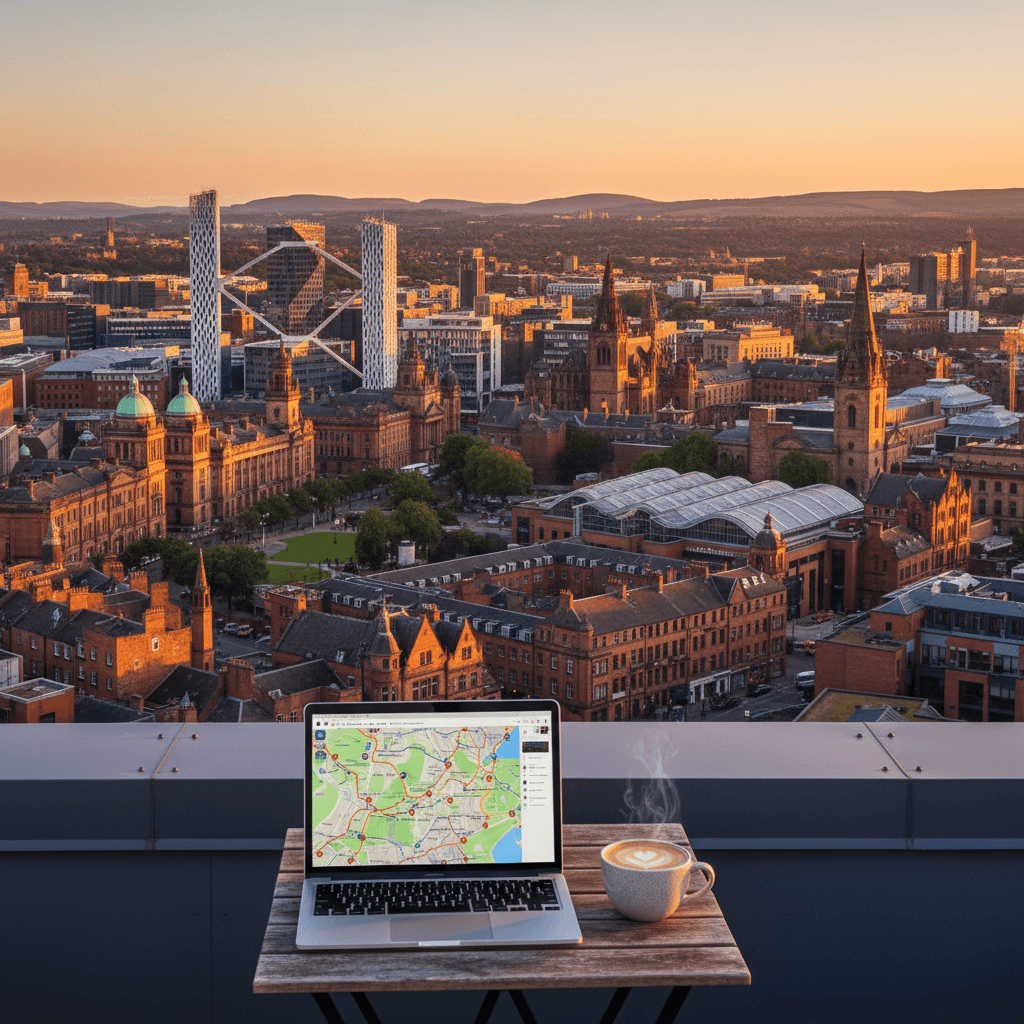
The city is famously built on a grid system, making it one of the easiest UK spots to navigate without a car. Most nomads gravitate toward the West End or Finnieston for the density of third-wave coffee shops, but the City Centre is where the heavy-duty productivity happens. If you need a dedicated desk, Clockwise at Savoy Tower is a local favorite for its sleek interior and rooftop views. For a more community-focused vibe, Collabor8te or Lift99 offer excellent networking opportunities with Scottish startups.
Internet speeds are generally excellent across the board. You'll find fiber broadband as the standard in most Victorian conversions and modern flats alike. Even the tap water is a selling point here; it comes from Loch Katrine and is widely considered some of the best in the world. You can ask for a glass in any pub for free, and it'll likely taste better than the bottled stuff you're used to buying.
Life Between the Laptops
When the sun occasionally makes an appearance, the city transforms. Glasgow has more green space per capita than almost any other European city, earning its name as the Dear Green Place. You'll see locals and expats alike flocking to Kelvingrove Park or the Botanic Gardens the moment the temperature hits 15°C. In the winter, the social life moves indoors to the city's legendary live music venues like King Tut's Wah Wah Hut or the Barrowland Ballroom.
Getting around is simple thanks to the Subway, affectionately known as the Clockwork Orange due to its bright color and circular route. It's the third-oldest underground system in the world and can whip you from the trendy bars of the West End to the traditional pubs of the Southside in under 15 minutes. If you need a change of scenery, the express train to Edinburgh takes about 50 minutes, making it easy to treat the capital as a day-trip destination while keeping your lower Glasgow rent prices.
What to Expect
- The Weather: It rains. A lot. You don't come to Glasgow for the tan; you come for the cozy cafes, the indoor culture, and the waterproof jacket shopping.
- The Language: While English is the language, the Glaswegian patter is its own beast. It's fast, melodic, and full of slang. Don't be afraid to ask someone to repeat themselves; they're used to it.
- The Vibe: Unpretentious and fiercely proud. There's a distinct lack of "influencer culture" here compared to other nomad hubs, which makes for a much more grounded living experience.
- Connectivity: Beyond the local grid, you're perfectly positioned for Highlands exploration. Loch Lomond is only a 40-minute train ride away for weekend escapes.
The Price of the Dear Green Place
Glasgow is widely considered the affordable alternative to Edinburgh and London. While it’s the largest city in Scotland, your money goes significantly further here than in the south of the UK. Most nomads find they can maintain a high quality of life on a budget that would barely cover a studio apartment in London. It’s a city where you can still find a pint for under £5 if you know where to look, particularly in the local spots around the West End or Southside.
One of the biggest perks for your wallet is the access to free culture. You can spend an entire afternoon at the Kelvingrove Art Gallery, the Riverside Museum, or the GOMA without spending a penny. Even your hydration is free. Scottish tap water comes from Loch Katrine and is some of the best in the world. You’ll see locals filling up bottles at public taps or asking for free "council juice" in pubs and restaurants.
Monthly Budget Estimates
- Budget Nomad: £1,400 to £1,800 per month. This covers a room in a shared flat, cooking most meals, and using the subway or buses for transport.
- Mid-Range Professional: £2,200 to £3,000 per month. This allows for a private one-bedroom apartment in a trendy area like Finnieston, a dedicated desk at a coworking space, and frequent dinners out.
- High-End Living: £4,000+ per month. This gets you a luxury serviced apartment in the Merchant City, high-end dining, and private transport.
Housing and Accommodation
Rent will be your largest expense, but the market is varied. The West End is the most sought-after area, known for its red sandstone tenements and proximity to the University. Prices here are higher, but you’re paying for the atmosphere and the concentration of cafes. The Southside, particularly around Shawlands, has become the go-to for many remote workers looking for better value without sacrificing the "cool" factor.
- One-bedroom apartment (City Center/West End): £950 to £1,300 per month.
- One-bedroom apartment (Southside/East End): £750 to £950 per month.
- Private room in a shared flat: £500 to £700 per month.
- Utilities (Electricity, Gas, Internet): Expect to pay around £150 to £200 per month, though this can spike in the winter months when the heating stays on.
Food and Drink
Glasgow’s food scene is massive. It’s famously vegan-friendly, and you can find incredible meals at every price point. Supermarkets like Lidl and Aldi are great for keeping grocery costs down, while Waitrose and Marks & Spencer cater to the higher end. If you’re eating out, a lunch deal in a cafe usually runs about £10 to £12.
- Dinner for two (Mid-range restaurant): £50 to £70.
- Pint of local craft beer: £5.50 to £6.50.
- Flat White or Latte: £3.20 to £3.80.
- Weekly groceries for one: £40 to £60.
Transport and Connectivity
The city is famously easy to navigate because of its grid layout and the "Clockwork Orange" subway system. The subway is a simple circle that connects the West End to the City Center. For everything else, the bus network and the First Bus app are your best bets. If you plan on exploring the Highlands or heading to Edinburgh for the day, the train prices can vary wildly, so booking in advance on the ScotRail app is a must.
- Subway Single Ticket: £1.80.
- Subway Day Ticket: £4.30.
- Monthly Bus Pass: Approximately £55.
- Coworking Hot Desk: Spaces like Clockwise or Collabor8te charge around £20 to £25 for a day pass or £150 to £250 for a monthly membership.
The West End: Best for Nomads and Creatives
If you ask any nomad where to base themselves, the West End is almost always the first recommendation. Centered around Byres Road and the University of Glasgow, this area feels like a village within a city. It is packed with independent bookstores, vintage shops, and more coffee shops than you could visit in a month. Most remote workers gravitate toward Hillhead or Finnieston, which was recently transformed from an industrial strip into the city's premier dining destination.
For work, you are never far from a laptop friendly spot. While the West End has a higher price tag than other areas, the proximity to Kelvingrove Park and the Botanic Gardens makes it worth the premium. You can expect to pay around £1,100 to £1,400 for a decent one bedroom flat here. It is the kind of place where you can spend your morning working from a booth at Artisan Roast and your evening at a traditional ceilidh or a craft beer bar.
- The Vibe: Academic, bohemian, and walkable.
- Coworking: Many nomads use the university library or local cafes, but Collabor8te is a short subway ride away.
- Transport: Excellent; the subway (the Clockwork Orange) loops through here every few minutes.
City Centre and Merchant City: Best for Solo Travelers
For those who want to be in the middle of the action, the City Centre and Merchant City are the go to spots. This is the oldest part of the city, characterized by grand Victorian architecture and a grid system that makes it impossible to get lost. It is perfect for solo travelers because everything is within a ten minute walk: the main train stations, the high street shops, and the Gallery of Modern Art.
Merchant City is slightly more upscale, known for its lofts and trendy cocktail bars. It is also home to several major coworking hubs like Clockwise and Lift99, making it the most efficient place to stay if you have a heavy meeting schedule. Living here means you don't need a car or even a subway pass. You can find modern apartments for about £1,000 to £1,200 per month, though they tend to be smaller than what you would find further out.
- The Vibe: Fast paced, urban, and convenient.
- Highlights: Easy access to Buchanan Street and the Glasgow Cathedral.
- Food: Endless options from high end seafood to quick street food in the St. Enoch Centre.
The Southside: Best for Expats and Long Termers
The Southside is currently the coolest part of Glasgow, having overtaken the West End in terms of "local" credibility. Neighborhoods like Shawlands and Strathbungo attract expats who want a more authentic, community focused lifestyle. It is less touristy and offers much better value for your money. You can often find spacious, high ceilinged tenement flats for £850 to £1,050.
The social scene here revolves around Queens Park, which hosts farmers markets and offers some of the best views of the city skyline. The bars and restaurants on Pollokshaws Road are often better and cheaper than their counterparts across the river. It feels like a real neighborhood where people actually know their neighbors, which is a big plus if you are staying for more than a few months.
- The Vibe: Leafy, community driven, and trendy.
- Parks: Pollok Country Park is nearby, home to the famous Highland cows and the Burrell Collection.
- Commute: A quick 10 minute train ride to Glasgow Central.
Dennistoun: Best for Families and Budget Seekers
Located in the East End, Dennistoun has seen a massive surge in popularity because it remains one of the most affordable places to live near the center. It is a great choice for families or those on a tighter budget who still want a sense of style. The area is famous for Duke Street, which is lined with family owned Italian cafes and newer vegan bistros. Rent here can drop as low as £750 to £900 for a well maintained flat.
The neighborhood is anchored by Alexandra Park, providing plenty of green space for kids or morning runs. While it has a grittier reputation historically, it has become a hub for young families and artists. It is a bit of a longer walk to the main sights, but the bus connections are frequent and reliable.
- The Vibe: Unpretentious, up and coming, and friendly.
- Local Tip: Grab a coffee at Tibo or a pastry at one of the many local bakeries.
- Atmosphere: More residential and quiet compared to the West End or City Centre.
The Digital Infrastructure
Glasgow is a powerhouse for connectivity, often outperforming its more expensive neighbors down south. You will find high-speed fiber is the standard across most of the city center and the West End. Most apartments come equipped with speeds ranging from 50 Mbps to 100 Mbps, which is more than enough for heavy video conferencing or uploading large files.
If you are working from a flat, check if the provider is Virgin Media or Hyperoptic, as these generally offer the most reliable uploads. For those on the move, 5G coverage is excellent throughout the central grid and extends well into the residential hubs of Finnieston and Dennistoun. You can easily tether your laptop in a park if the Scottish weather decides to cooperate for an afternoon.
Top Coworking Spots
The coworking scene here is surprisingly mature, catering to everyone from solo developers to creative teams. Unlike the stuffy corporate offices in London, Glasgow spaces tend to have a bit more character and a friendlier, "we are all in this together" vibe.
- Clockwise: Located in Savoy Tower, this is arguably the most professional setup in the city. It features a stunning roof terrace with views over the skyline and a dedicated cafe. It is a great choice if you need a prestigious address and a quiet, focused environment.
- Collabor8te: This spot in the Merchant City is a favorite for nomads who want a social element. They host regular networking events and have a very flexible "pay for what you use" model that suits travelers who might only be in town for a few weeks.
Cafes with Reliable Wi-Fi
Glasgow has a deep-rooted coffee culture, but not every shop is laptop-friendly. Some of the smaller roasteries in the West End have strict "no screens" policies on weekends to keep the tables turning. However, during the week, you will find plenty of spots where you can settle in for a few hours without getting the side-eye from the staff.
iCafe is a local staple with several locations. They are practically designed for students and remote workers, offering plenty of power outlets and stable internet. If you want something with more of a local neighborhood feel, head to Tinderbox on Byres Road. It is spacious, stays open late, and the Wi-Fi is consistently solid. For a more creative atmosphere, The Art School or the cafe inside the CCA (Centre for Contemporary Arts) on Sauchiehall Street provides a great backdrop for deep work.
Mobile Data and Backup Options
Since arriving in the UK, staying connected has become straightforward for international visitors. If you are here for more than a month, skip the international roaming fees and grab a local SIM. Providers like EE and Three offer the best data packages for heavy users. You can pick up a prepaid SIM at any "off-license" or grocery store like Tesco for a few pounds and top it up via an app.
For those who need a guaranteed secondary connection, pocket Wi-Fi rentals are available, though most nomads find that a local SIM with a generous data cap is more than sufficient. Free public Wi-Fi is available in major hubs like Central Station and Buchanan Galleries, but these are better for checking a map than hopping on a Zoom call. Stick to the encrypted networks in coworking spaces for anything involving sensitive data.
Public Libraries and Free Spaces
If you are on a budget, do not overlook the Mitchell Library. It is one of the largest public reference libraries in Europe and offers a quiet, majestic environment for work. You will need to sign up for a free membership to use the Wi-Fi, but the architecture alone makes it worth the trip. It is a perfect alternative when you need a break from the hum of a coffee shop or the cost of a daily desk pass.
Staying Safe in the Dear Green Place
Glasgow has shed its old, gritty reputation from decades ago and transformed into a friendly, welcoming hub for remote workers. Most nomads find the city center and the West End incredibly safe, even after dark. The local "People Make Glasgow" slogan isn't just marketing; you'll find that Glaswegians are some of the most helpful people in the UK if you ever look lost or need directions.
Like any major city, it pays to stay aware of your surroundings. Most locals suggest avoiding certain areas like Easterhouse or parts of Possilpark unless you have a specific reason to be there. In the city center, stick to well lit main streets like Buchanan Street or Sauchiehall Street at night. If you're heading home after a late session at a pub in Finnieston, the city's taxis and Ubers are reliable and plentiful. The subway, known affectionately as the Clockwork Orange, is very safe, though it stops running surprisingly early on Sundays, usually around 6:00 PM.
One specific thing to keep in mind is the local passion for football. On match days involving Rangers or Celtic, the atmosphere in certain pubs can get very intense. If you aren't a fan, it's usually best to avoid wearing green or blue colors in the city center to stay clear of any rowdy rivalry. Petty crime like pickpocketing is rare compared to London or Paris, but keep an eye on your laptop if you're working from a crowded cafe on Byres Road.
Healthcare and Medical Services
The healthcare system in Glasgow is excellent, anchored by the NHS Greater Glasgow and Clyde. If you're in the UK on the new digital nomad visa, you'll likely have paid the Immigration Health Surcharge, which gives you access to the National Health Service. For everyone else, emergency care at an A&E (Accident and Emergency) department is generally provided regardless of your residency status, though you might be billed later for follow up treatment.
For non-emergencies, here is how to handle your health:
- NHS 24: If you're feeling unwell but it isn't an emergency, call 111. They can give medical advice and direct you to the nearest out of hours clinic.
- Pharmacies: Boots and Superdrug are the main chains, but local independent chemists are everywhere. They can prescribe basic medication for minor ailments like coughs or skin irritation without a doctor's visit.
- Major Hospitals: The Queen Elizabeth University Hospital is the main hub, though the Glasgow Royal Infirmary is more central.
- Registering with a GP: If you're staying for several months, try to register as a temporary patient at a local General Practice clinic near your apartment.
A major perk of living in Glasgow is the water quality. You can drink the tap water everywhere, and it's actually some of the best in the world, piped in directly from Loch Katrine. It's soft, clean, and tastes better than most bottled brands. Most cafes and pubs will happily refill your reusable bottle for free, which is a small but great way to stay hydrated while you're out exploring the city.
Emergency Contacts
Keep these numbers stored in your phone just in case. The UK uses a unified system for all emergency services.
- 999: The primary emergency number for Police, Fire, and Ambulance services.
- 101: The non-emergency police number for reporting things like a stolen bike or minor incidents.
- 0141 211 4000: General contact for the Glasgow Royal Infirmary.
Navigating the Dear Green Place
Glasgow is famously built on a grid system, which makes it an anomaly in the UK. Unlike the winding, chaotic streets of London or Edinburgh, the city center here is intuitive and incredibly easy to navigate on foot. Most nomads find they can walk between their apartment, a coworking space like Clockwise, and a local pub without ever needing to check a map. If you do get turned around, just look for the slope; the city rises away from the River Clyde toward the north.
The Clockwork Orange
The city's subway system is the third oldest in the world and is affectionately known by locals as the Clockwork Orange due to its bright color and simple circular route. It consists of just two lines, the Inner and Outer circles, which essentially follow the same path in opposite directions. It is the fastest way to get from the city center to the West End, where many nomads choose to base themselves. A single journey costs £1.80, but if you are staying for more than a few days, you should get a Smartcard with pay as you go to save on all-day travel.
- Service hours: Trains run every few minutes from 06:30 until 23:30, though Sunday hours are significantly shorter, usually ending around 18:00.
- Reach: It connects major hubs like Buchanan Street and St Enoch to the university district at Hillhead and the trendy bars around Kelvinhall.
- Accessibility: Be aware that many of the older stations lack elevators, which can be a hassle if you are moving heavy luggage.
Trains and Busses
For anything outside the immediate center, the suburban rail network is your best bet. Glasgow has the largest rail network in the UK outside of London. Central Station handles trains heading south to England, while Queen Street Station is your gateway to the north and the 15 minute express service to Edinburgh. If you are heading to the East End for a gig at Barrowlands, the low level trains are often more reliable than the bus.
Busses are plentiful but can be a bit confusing because they are run by different private companies. First Bus is the primary operator. You can pay using contactless "tap on, tap off" readers, so there is no need to fumble for exact change. Most expats recommend downloading the First Bus app or Citymapper to track arrivals in real time, as traffic in the city center can cause frequent delays during rush hour.
Cycling and Taxis
Glasgow has been investing heavily in bike lanes, and the Nextbike hire scheme is a popular way to get around. You will see these bikes docked all over the city. It is a great way to ride along the Clyde Walkway or through Kelvingrove Park. For late nights when the subway has closed, Uber works well here, but the local Glasgow Taxis (the traditional black cabs) are everywhere. You can hail them on the street or use their app; they are reliable and the drivers are famously talkative, often providing better local tips than a guidebook.
Getting Further Afield
If you want to escape the screen for a weekend, the Buchanan Bus Station is the main hub for long distance coaches like Megabus and Citylink. You can reach Loch Lomond in about 40 minutes, making it one of the easiest day trips for a bit of nature. For international hops, the Glasgow Airport Express (Service 500) runs 24/7 from the city center to the airport, taking about 15 to 20 minutes and costing £10 for a single ticket.
The first thing you will notice about Glasgow is that English is technically the primary language, but the local dialect, known as Glaswegian or the "Glesga" patter, is a different beast entirely. It is fast, melodic, and thick with unique slang. If you are coming from North America or even other parts of Europe, you might find yourself nodding along while having no idea what was just said. Don't worry, locals are famously friendly and used to slowing things down for visitors.
Decoding the Local Patter
Understanding a few key terms will help you integrate into the social scene at the pub or your local coffee shop. If someone asks "How's it hingin?", they are simply asking how you are. If they describe something as "belter," it means it is excellent. You will also hear "aye" for yes and "naw" for no constantly. A "wee" bit of anything refers to something small, though in Scotland, a "wee dram" of whisky can often turn into a very long night.
One specific quirk to watch out for is the glottal stop. Many Glaswegians drop the "t" in the middle of words, so "water" sounds like "wa-er." This is especially relevant when you are out to eat, as you should definitely take advantage of the local tap water. It comes from Loch Katrine and is widely considered some of the best in the world; just ask for a jug of "council juice" or tap water at any bar.
Communication Logistics
Staying connected in Glasgow is straightforward. The city has high-speed fiber broadband throughout the center and West End, and most cafes expect you to ask for the Wi-Fi password. If you are working remotely from places like Laboratorio Espresso or iCafe, the speeds are generally reliable enough for video calls.
- Mobile Data: Pick up a local SIM card from providers like EE or Three for the best 5G coverage. If you prefer an eSim, Airalo or Holafly work perfectly here.
- Public Wi-Fi: You will find free hotspots in major transport hubs like Glasgow Central Station and Queen Street Station, as well as on the subway.
- Coworking Culture: For a more professional setup, spaces like Clockwise or Collabor8te offer community events that are great for meetups if you are struggling with the local accent and want to chat with other expats.
Social Nuances
Communication in Glasgow is often built on "the banter." This is a playful, self-deprecating brand of humor that can sometimes feel like teasing to the uninitiated. If someone makes a joke at your expense, it usually means they like you. It is a very egalitarian city; people will strike up conversations with you in line at the grocery store or while waiting for the bus. Being "gallus" (bold or cheeky) is a respected trait here.
If you find yourself in a conversation that is moving too fast, just be honest. Most Glaswegians take pride in their dialect but are happy to translate. A simple "Sorry, could you say that again?" is all you need. You will find that the city's motto, "People Make Glasgow," is actually true; the locals are the best resource you have for finding the best spots in the city that aren't on any map.
The Glasgow Climate Reality
If you're planning a stint in Glasgow, you need to embrace the grey. The city has a maritime climate, which is a polite way of saying it rains often and the wind can be biting. Locals joke that you can experience all four seasons in a single afternoon. You'll want to pack a high quality waterproof jacket; umbrellas are mostly useless here because the wind will turn them inside out within minutes.
The winter months from November to February are dark and damp. Temperatures usually hover between 2°C and 7°C. Daylight is the real challenge during this stretch, as the sun sets as early as 3:45 PM in late December. It's the perfect time to hunker down in a cozy West End cafe like Tinderbox or Ottoman Coffeehouse, but it isn't the season for scenic highland hikes.
When to Book Your Stay
The sweet spot for digital nomads is usually May, June, or September. During these shoulder months, you get the best balance of manageable "tourist" crowds and decent weather. May is historically the driest month in Scotland, and the parks like Kelvingrove and the Botanic Gardens are in full bloom. You'll enjoy long evenings where the sun doesn't set until 9:00 PM or 10:00 PM, giving you plenty of daylight for post-work exploration.
July and August bring the warmest weather, with averages around 19°C, though it can occasionally spike into the mid-twenties. While this is the peak of summer, it's also when the Edinburgh Fringe Festival happens just a 50 minute train ride away. Glasgow becomes a popular "base camp" for people attending the festival who want to avoid Edinburgh's astronomical August rent prices. If you plan to be here then, book your accommodation at least three to four months in advance.
Seasonal Breakdown for Nomads
- Spring (March to May): Expect unpredictable showers but increasing daylight. This is a great time for lower accommodation rates before the summer rush.
- Summer (June to August): The most social time of year. Beer gardens like West on the Green are packed, and the city feels alive. It's the best time for weekend trips to Loch Lomond.
- Autumn (September to October): The city looks stunning in shades of orange and gold. September is often quite mild, but by October, the "horizontal rain" begins to return.
- Winter (November to February): Expect cold, wet, and dark conditions. The Glasgow Christmas Markets at George Square provide some cheer, but this is primarily a season for indoor museum hopping and pub sessions.
The "Grey" Productivity Boost
Many nomads find that Glasgow's moody weather actually helps their productivity. When it's pouring outside, there's no guilt about staying inside Clockwise or Collabor8te for an eight hour deep-work session. You save your outdoor adventures for the "bright spells" that the local weather presenters always promise. Just remember that even on a sunny day, a cloud can roll in at any moment, so always carry a light layer.
If you're sensitive to the cold or the dark, aim for a June arrival. You'll get the maximum "white nights" experience where the sky never truly gets pitch black, which is an incredible novelty if you're used to more southern latitudes. Whenever you come, just make sure your flat has good heating; those high-ceilinged Victorian tenements in Finnieston look beautiful but can get drafty in the wind.
Connectivity and Workspace
Glasgow is a reliable hub for remote work, largely because the infrastructure doesn't get in your way. You can expect high speed fiber throughout the city center and West End. While many nomads default to the ubiquitous free Wi-Fi in cafes or shopping centers, these connections are often unsecured and sluggish. For serious deep work, most locals recommend grabbing a local SIM or an eSim to stay tethered.
The coworking scene is concentrated but high quality. Clockwise at Savoy Tower is a favorite for its professional atmosphere and central location. If you prefer a community focused vibe with a bit more soul, Collabor8te in the Merchant City offers flexible desks and a chance to actually meet the people sitting next to you. For those who want a modern, tech forward environment, Lift99 has quickly become a go to spot for the startup crowd.
Getting Around the City
The city center is built on a logical grid system, which makes it incredibly easy to navigate on foot without constantly checking Google Maps. When you need to cover more ground, the Glasgow Subway is your best friend. It is a simple double loop, affectionately known as the Clockwork Orange. It is the third oldest subway in the world and connects the city center to the West End in under 10 minutes.
For trips further afield, Glasgow is exceptionally well connected by rail. You can hop on a train at Queen Street and be in Edinburgh in about 50 minutes. Central Station handles the longer hauls, making it easy to reach London or Manchester if you need a change of scenery for the weekend.
Living Costs and Socializing
One of the biggest draws for nomads is that your money goes significantly further here than in London or even Edinburgh. You get the same level of amenities and a world class food scene at a fraction of the price. A great local tip for keeping costs down is the tap water. It comes from Loch Katrine and is some of the best in the world; you can ask for it for free in any pub or restaurant without a second thought.
The social scene revolves around a mix of traditional pubs and a massive arts community. Most of the heavy hitters in the museum world, including the Cathedral and the Gallery of Modern Art (GOMA), are free to enter. This makes it easy to soak up the local history on a lunch break without touching your budget.
Visas and Logistics
Remote workers can use the Standard Visitor Visa for stays up to 6 months while working for non-UK employers. This allows you to live and work legally while serving clients abroad. You should always verify the specific restrictions based on your nationality before booking your flight.
Quick Reference Guide
- Best Coworking: Clockwise or Collabor8te for reliable speeds and community.
- Transport: Use the Subway for West End trips; it is faster than any bus or Uber.
- Budget Tip: Stick to the free museums and drink the tap water to save for weekend trips.
- Connectivity: Look into an eSim if you plan on working from the smaller independent cafes in the Southside.
Need visa and immigration info for United Kingdom?
🇬🇧 View United Kingdom Country GuideNomad Haven
Your home away from home
Monthly Budget Estimates
More cities in United Kingdom
Oxford
🇬🇧 United Kingdom
Leeds
🇬🇧 United Kingdom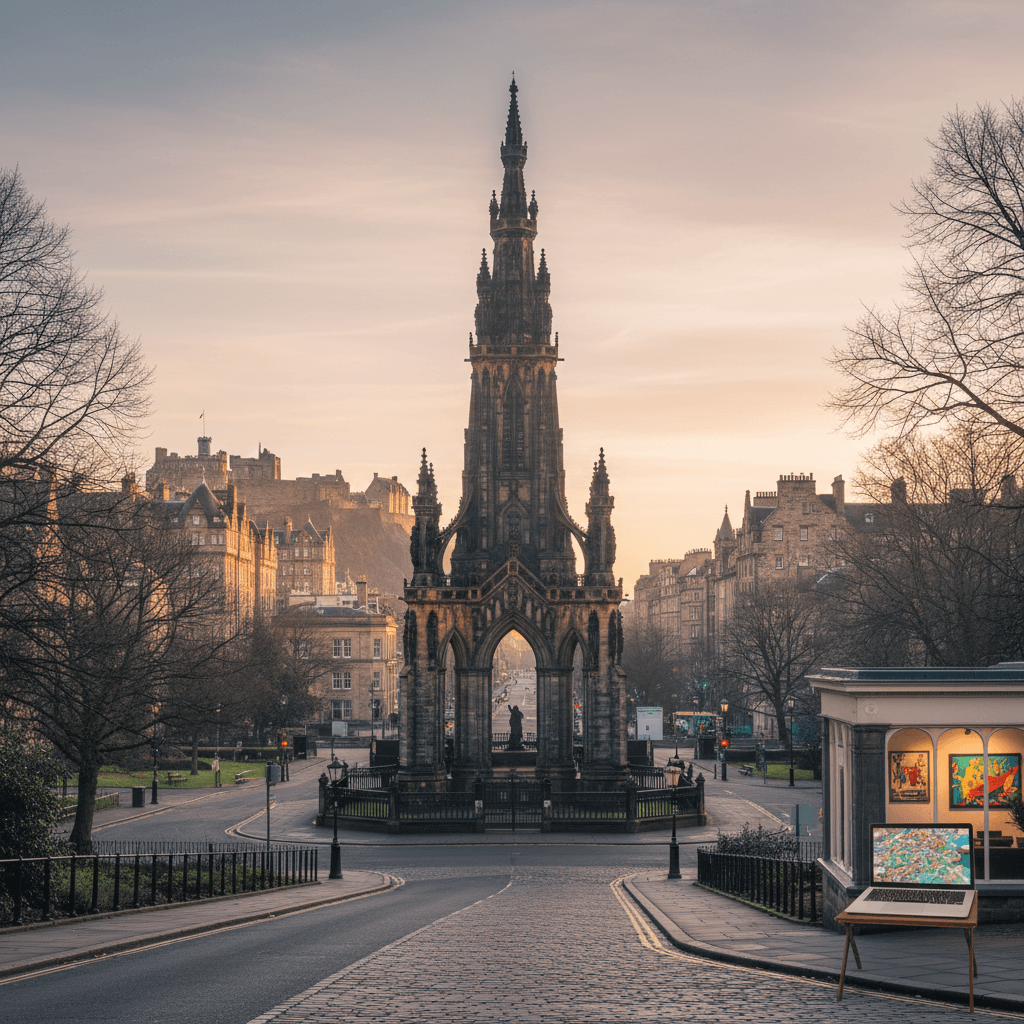
Edinburgh
🇬🇧 United Kingdom