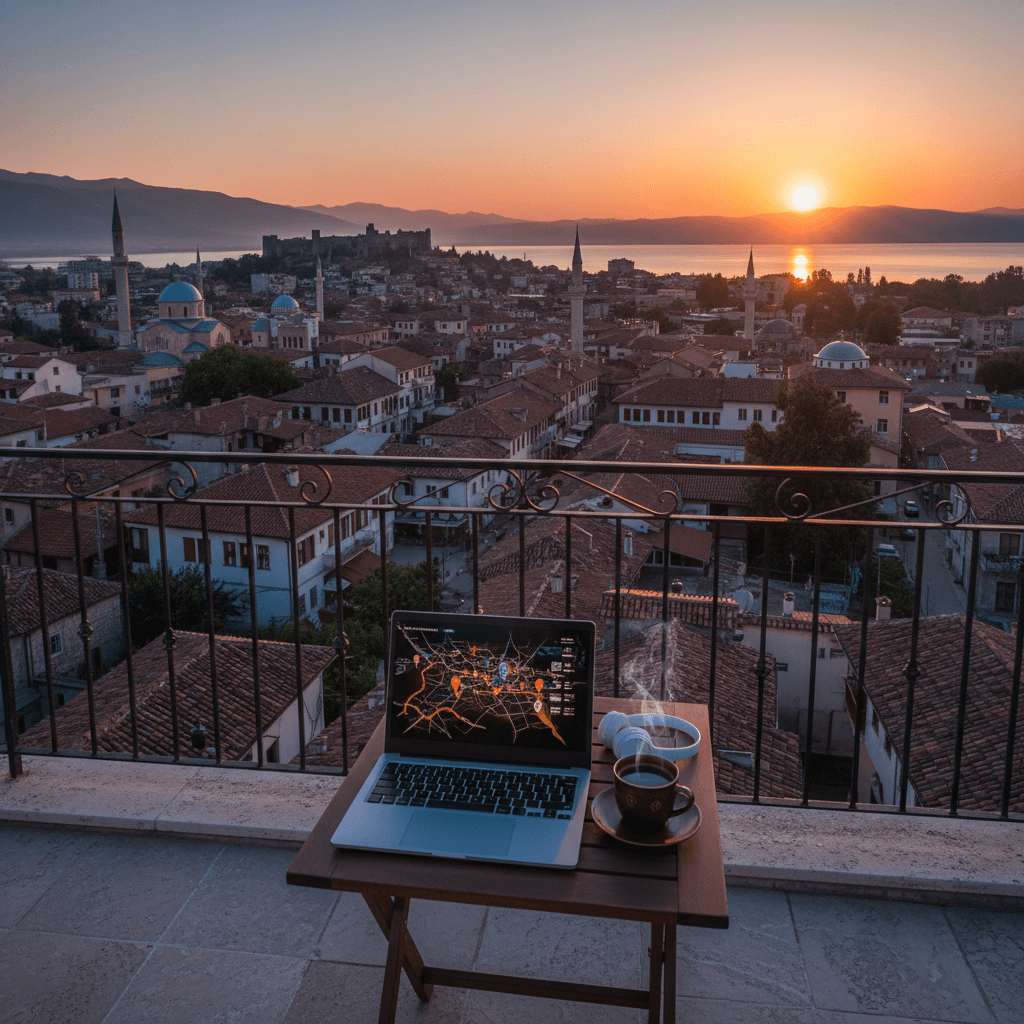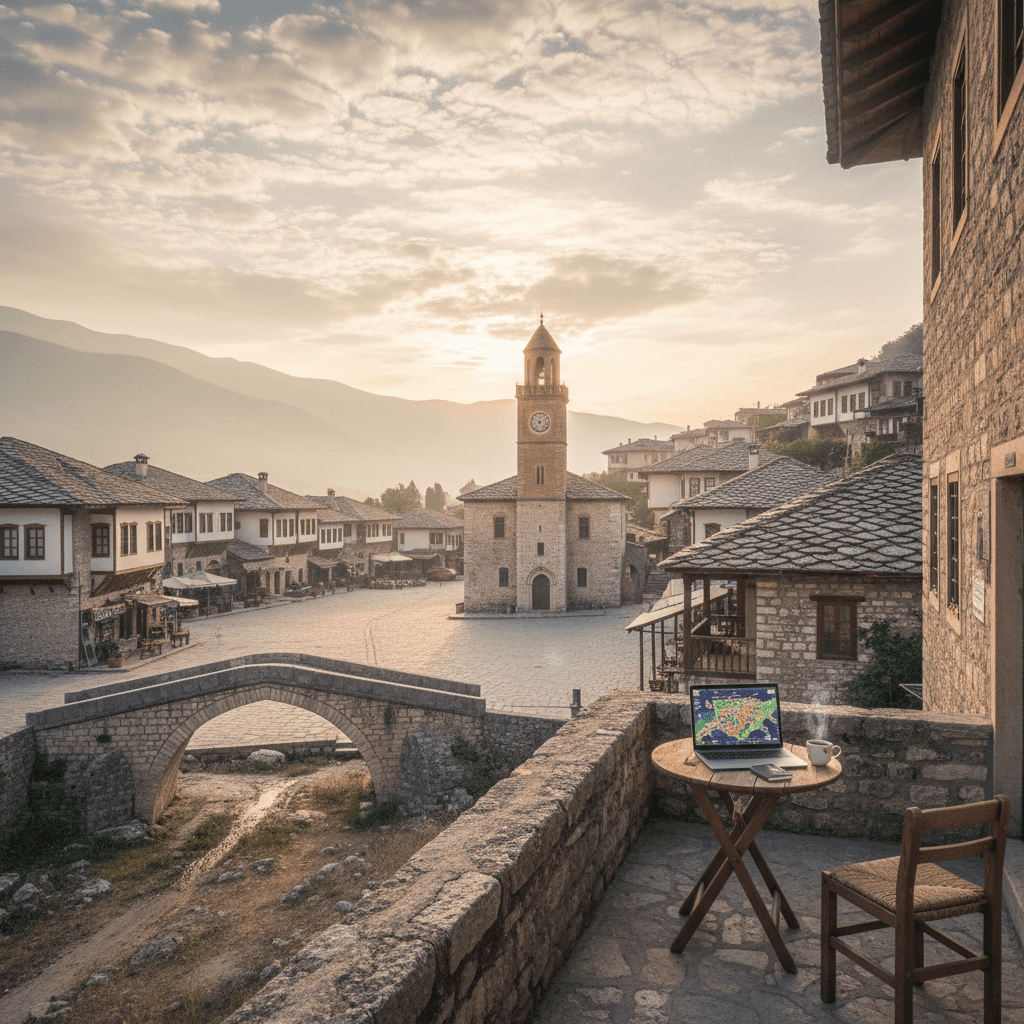
Gjirokastër
🇦🇱 Albania
The Stone City Spirit
Stepping into Gjirokastër feels like walking into a monochromatic dream. While the rest of the Mediterranean chases neon lights and beach clubs, this UNESCO world heritage site remains stubbornly, beautifully anchored in its Ottoman past. Known as the City of Stone, its skyline is defined by silver gray slate roofs that shimmer after a rainstorm, set against the dramatic backdrop of the Gjere mountains. It is a place that demands you slow down, not because the infrastructure is lacking, but because the atmosphere is so thick with history that rushing feels like an insult.
For the digital nomad, Gjirokastër is the ultimate "deep work" sanctuary. It lacks the frantic energy of Tirana and the tourist polish of Saranda. Instead, you get a quiet, creative gravity that appeals to writers, artists, and developers who are tired of the typical nomad hub circuit. You'll spend your mornings watching the fog lift off the Drino Valley and your afternoons wandering the steep, dizzying cobblestones of the Old Bazaar. It's authentic, a bit rugged, and deeply peaceful.
The Nomad Experience
Most travelers find that Gjirokastër is perfect for a focused stint of one to four weeks. While the community of expats is smaller than in the capital, the social life is intimate and centered around a few key spots. You won't find sleek glass coworking spaces here. Instead, you'll join the local "office" at Cafe Le Bon, where the espresso is €2, the WiFi is reliable for most remote work, and the staff won't nudge you if you stay for hours.
The trade off for this poetic setting is a lack of big city amenities. Large scale networking events are non existent, and you’ll need to carry cash for almost everything outside the main tourist shops. However, the sheer affordability makes up for the lack of convenience. With a monthly budget of €800 to €1,100, you can live quite comfortably, eating out at traditional tavernas and renting a character filled apartment in the historic center.
Where to Plant Your Flag
- The Old Bazaar: This is the heart of the action. You'll be steps away from the castle and the best coffee shops. It’s photogenic and lively, though the steep hills will give your calves a serious workout. Short term rentals here usually run between €250 and €400 a month.
- New Gjirokastër: Located further down the hill, this area is more functional and residential. It's where you'll find the larger supermarkets and more modern, cheaper apartments starting around .€200. It lacks the charm of the Old Town, but it’s much quieter and easier on the wallet for longer stays.
Why It’s Different
What sets Gjirokastër apart is the emotional weight of the architecture. Living in a 300 year old fortified house with thick stone walls provides a sense of permanent cooling and silence that modern apartments can't match. It’s a place where "coffee culture" isn't a trend but a lifestyle. Locals will invite you for a mountain tea or a glass of raki simply because you've walked past their door twice. If you’re looking for a spot to finish a project, escape the digital noise, and live inside a living museum, this is your base.
The Practical Reality
- Connectivity: Reliable enough for video calls in the Old Town, but always have a Vodafone SIM (around €10 for 20GB) as a hotspot backup.
- Seasonality: April to June and September to October are the sweet spots. Summer can push 35°C, making those stone hills feel like an oven, while winter is moody, rainy, and very quiet.
- Safety: Extremely high. You can walk the winding alleys at 2:00 AM without a second thought. The biggest danger is probably slipping on a polished limestone street after a light drizzle.
- Language: English is common among the younger crowd and hostel staff at spots like Stone City Hostel, but learning a few words of Albanian goes a long way with the older shopkeepers.
Economic Overview
Gjirokastër is one of the most affordable corners of Albania, especially when you compare it to the rising prices in Tirana or the summer spikes in Saranda. Most nomads can live comfortably here on a budget between €800 and €1,500 per month. Because the town is small and the lifestyle is slow, you won't find yourself bleeding money on high end entertainment or expensive transport. It is a place where your Euro goes surprisingly far, provided you're comfortable with a cash based economy.
While the Old Bazaar is the heart of the action, it's also where you'll pay a premium. If you're staying for a month or more, looking toward the newer parts of town can shave 20% off your overhead. Just keep in mind that while credit cards are becoming more common in the main tourist shops, you'll need physical Lek for almost everything else, from your morning byrek to local bus fares.
Monthly Budget Tiers
- The Backpacker Budget (approx. €800): This covers a bed in a shared space or a very basic studio in the lower town, plenty of street food like €1 byrek, and sticking to free activities like hiking to the castle.
- The Mid-Range Nomad (approx. €1,100): This is the sweet spot. You can afford a private one bedroom apartment in the Old Town, eat at local tavernas most nights for €5 to €10, and enjoy daily espressos at Cafe Le Bon.
- The High End Stay (approx. €1,500+): This gets you a premium, renovated stone house with mountain views, frequent dinners at upscale spots with castle vistas, and enough left over for private car rentals to explore the nearby Blue Eye or the coast.
Housing and Neighborhoods
Your biggest expense will be rent, and the price fluctuates based on how close you are to the cobblestones of the Bazaar. Most digital nomads prefer the Old Bazaar area for its atmosphere and proximity to cafes. You can expect to pay between €250 and €400 for a decent studio or one bedroom apartment here. It's photogenic and central, though the steep hills are a daily workout.
If you're looking for something more modern or budget friendly, New Gjirokastër on the outskirts is the better bet. Apartments here are often newer and range from €200 to €350. It's quieter and feels more like a local residential hub, though you'll be further from the historic charm and the main social spots.
Food and Daily Expenses
Eating out is a highlight of living in Gjirokastër. The local tavernas serve hearty portions of qofte and fresh meats that won't break the bank. A meal at a mid-range spot usually lands between €5 and €10. If you're looking for a splurge at a restaurant with a view, expect to pay €15 to €25 for a full dinner with wine.
Daily staples are very affordable if you shop where the locals do:
- Street food/Byrek: €1 to €2
- Local Beer: €1.50 to €2.50
- Coffee at a cafe: €1 to €2
- Loaf of bread: €0.50
- Monthly groceries: €150 to €250 depending on your diet
Connectivity and Transport
Since there are no dedicated coworking spaces in town yet, your "office" costs are usually just the price of a few coffees. Cafe Le Bon is the go to spot for remote work, where an espresso costs about €2. For internet, most nomads pick up a Vodafone SIM card. You can get roughly 20GB of data for €10, which serves as a reliable backup if your apartment WiFi gets spotty.
Getting around is mostly free because the town is highly walkable. If you need to head down the hill or across town, a local bus ride is only €0.50. Taxis are available for short trips and usually cost between €3 and €5. If you're planning a weekend trip to Saranda or Tirana, the bus will cost you anywhere from €5 to €15.
For Digital Nomads and Creatives: The Old Bazaar
If you are coming to Gjirokastër for that specific Ottoman aesthetic and a quiet place to write or code, the Old Bazaar (Qafa e Pazarit) is where you want to be. This is the heart of the UNESCO site. You will find yourself surrounded by steep, 300 year old cobblestone streets and those iconic stone roofed houses that give the city its nickname, the City of Stone.
Most nomads aim for this area because it is the only part of town with a concentrated cafe culture. You can spend your mornings at Cafe Le Bon, which is widely considered the best unofficial coworking spot in town. A solid espresso costs about €2, the WiFi is reliable enough for video calls, and the atmosphere is calm. For lunch, you are steps away from €1 byrek and local tavernas serving qofte for under €10.
- Rent: Expect to pay between €250 and €400 per month for a private apartment or a high end guesthouse suite.
- Vibe: High energy during the day, incredibly peaceful at night.
- Pros: Immediate access to the castle, the best views, and the most English speaking locals.
- Cons: The hills are no joke. Walking home means a serious calf workout every single day, and it can feel a bit touristy during the peak summer months of July and August.
For Expats and Long Term Residents: New Gjirokastër
Those planning to stay for more than a month often migrate down the hill to what locals call the "new" town. This area feels less like a museum and more like a functioning Albanian city. It is flatter, making it much easier to run errands or carry groceries without breaking a sweat.
Living here gives you a more authentic look at daily life. You will find the larger supermarkets, pharmacies, and the local bus station that connects you to Tirana or Saranda for about €5 to €15. The apartments here are typically 1990s era builds or newer, meaning better insulation and more modern appliances than the historic stone houses uphill.
- Rent: Significantly cheaper, ranging from €200 to €350 for a one bedroom apartment.
- Vibe: Residential, local, and unpretentious.
- Pros: More space for your money and closer to the main transport hubs.
- Cons: Lacks the historic charm of the Bazaar. You will have to walk 15 to 20 minutes uphill to reach the "cool" cafes.
For Families: Lower Residential Pockets
Families usually find the sweet spot in the transition zones between the Old Bazaar and the newer districts. These pockets offer a bit more quiet and safety away from the main tourist thoroughfares. Since Gjirokastër is very safe with low crime rates, parents often feel comfortable letting kids explore the pedestrian areas.
The lower part of town provides easier access to the local hospital and pharmacies. While there are no international schools here, the slow pace of life is a major draw. For weekend trips, you can grab a rental car or hop on a bus to the Blue Eye springs or the beaches of Saranda, which are close enough for a day trip.
- Rent: Around €300 to €450 for larger, multi bedroom homes.
- Vibe: Family oriented and very welcoming.
- Pros: Proximity to essential services and less noise than the central Bazaar.
- Cons: Limited playground facilities compared to Tirana.
For Solo Travelers: Near Stone City Hostel
If you are traveling alone and worried about the small expat scene, stay as close to Stone City Hostel as possible. This isn't just a place to sleep; it is the social anchor for the entire international community in Gjirokastër. They run free walking tours and are the best source for finding informal bike rentals for about €10 a day.
Solo travelers often prefer the small guesthouses tucked into the side streets near the Bazaar. It keeps you close to the action and makes it easy to meet others at the local bars. Since English proficiency is lower here, around 20% to 30%, staying in this hub ensures you are around people who can help you navigate the local "cash is king" economy.
- Rent: €15 to €25 per night for a quality guesthouse room.
- Vibe: Social, adventurous, and backpacker friendly.
- Pros: Easy to find community and walking distance to every major sight.
- Cons: Can be noisy if your room faces a popular tavern or a cobblestone street.
Connectivity and Speed
Internet in Gjirokastër is surprisingly robust for a mountain town, though you'll find the best performance in the Old Bazaar area. Most cafes and guesthouses offer speeds between 50 and 100 Mbps, which is plenty for video calls and uploading content. If you're staying in a stone house in the historic district, thick walls can sometimes interfere with the signal; it's a good idea to ask your host for a speed test before booking a long stay.
Home internet providers like Abissnet are common, offering packages that range from 20 to 100 Mbps. While outages are rare, they can happen during heavy winter rainstorms. Most nomads rely on a local SIM card as a backup. You can pick up a Vodafone or Albtelecom SIM for about €10, which usually includes 20GB of data and works well as a personal hotspot if the house WiFi dips.
Coworking Spaces
Don't expect to find a dedicated coworking hub with ergonomic chairs and standing desks here. Gjirokastër doesn't have any formal coworking spaces yet. In Gjirokastër, your "office" will be a local cafe or your own balcony overlooking the castle.
Top Nomad Cafes
The local work culture is informal, and most cafe owners don't mind if you linger with a laptop as long as you keep the coffee orders coming. The atmosphere is generally quiet during the day, making it easy to find a corner for deep work.
- Cafe Le Bon: This is the undisputed favorite for writers and remote workers. It has a calm vibe, excellent espresso for €2 to €3, and the most reliable WiFi in town. The staff is used to seeing laptops, so you won't feel out of place.
- Stone City Hostel: While primarily a hostel, their common areas are a magnet for travelers. It's the best place to find other digital nomads and get tips on the local scene. They often have the most up to date info on which cafes currently have the fastest speeds.
- Old Bazaar Cafes: Many small spots near the bazaar offer outdoor seating with mountain views. These are great for light tasks or emails, but the cobblestone streets can get noisy during the peak summer tourist hours.
Practical Work Tips
Cash is still king in Gjirokastër. While you can use a card at a few upscale hotels, most cafes and small shops only accept Lek. Keep some Wise or Revolut funds ready, but withdraw cash at the ATMs in the Bazaar to pay for your daily coffee and snacks.
If your work requires total silence, avoid the Old Bazaar during the middle of the day in July and August when day trippers arrive. The town is much quieter and more conducive to focus in the shoulder seasons of April to June or September and October. During these months, the air is crisp, the cafes are empty, and the mountain views provide the perfect backdrop for a productive workday.
A Safe Haven in the Mountains
Gjirokastër is one of those rare places where the biggest safety concern isn't pickpockets or scams, but rather the steep, polished limestone streets. These "silver" stones become incredibly slick when it rains or even in high humidity. Most nomads recommend wearing shoes with serious grip if you're staying in the Old Bazaar area. Beyond the physics of the hills, the city is remarkably peaceful. Solo travelers and female nomads consistently report feeling comfortable walking home alone at night through the historic center.
Violent crime is almost non-existent for visitors. The local culture is deeply rooted in hospitality, and you'll find that the community is self-policing in many ways. While you should still practice standard city common sense, like not leaving your laptop unattended at Cafe Le Bon, the general vibe is one of total security. There aren't any specific "no-go" zones or dangerous neighborhoods to worry about.
Healthcare Infrastructure
For day-to-day health needs, Gjirokastër is well-equipped with pharmacies (farmaci) concentrated around the Old Bazaar and the newer parts of town. Pharmacists here are often highly knowledgeable and can provide many medications over the counter that would require a prescription in the US or UK. Most basic supplies are very affordable, usually costing just a few euros.
The city has a public hospital that handles emergencies and basic medical issues. While the staff is capable, the facilities are modest and English proficiency among the medical team can be hit or miss. If you're dealing with anything complex or seeking specialized care, the standard expat move is to head to Tirana. The capital is about a 3-hour drive away and houses high-end private hospitals like American Hospital or Hygeia, where English is widely spoken and technology is top-tier.
Emergency Contacts & Insurance
You shouldn't move here without a solid international health insurance policy. While local costs are low, having coverage that includes medical evacuation to Tirana or even Greece is a smart safety net. Keep these local emergency numbers saved in your phone just in case:
- Ambulance: 127
- Police: 129
- Fire Department: 128
- General Emergencies: 112
Practical Wellness Tips
The air quality in Gjirokastër is generally excellent thanks to the mountain elevation and lack of heavy industry. However, the tap water is a bit of a gray area. While many locals drink it, most expats and short-term nomads stick to bottled water or high-quality filters to avoid stomach upsets. You can buy 5-liter jugs at small markets for about €1.50.
If you need a mental health break or a physical reset, the town's proximity to nature is its best medicine. Travelers often use Stone City Hostel as a hub for finding hiking partners or getting advice on safe trails in the surrounding hills. Just remember that the Mediterranean sun is intense between June and August; heat exhaustion is a more likely threat than any local crime, so stay hydrated and avoid the midday sun when possible.
Exploring on Foot
Gjirokastër is a city built for walking, provided you have the right footwear and a decent pair of lungs. The Old Bazaar and the surrounding historic quarters are remarkably compact. Most nomads find that once they've settled into a guesthouse or apartment near the center, their primary mode of transport is simply their own two feet. The steep, limestone cobblestone streets are beautiful but can be slick, especially after a light rain.
The walk from the Bazaar up to the Gjirokastër Castle is a bit of a climb, but it's the best way to soak in the Ottoman architecture. If you're staying in the "New Gjirokastër" area at the bottom of the hill, expect a 15 to 20 minute uphill trek to reach the cafes and historic sites. It's a daily workout that locals take in stride, but it's something to consider if you're carrying a heavy laptop bag.
Public Buses and Furgons
For trips beyond the city limits, the local bus system is your best friend. Albania relies heavily on "furgons," which are minibuses that connect towns across the south. You'll find the main bus terminal at the bottom of the hill in the newer part of town. There aren't many formal schedules posted online, so travelers often recommend showing up early and asking the drivers directly.
- Saranda: Buses run frequently for about €5, taking roughly 1 to 1.5 hours. It's an easy day trip if you need a dose of the Ionian Sea.
- Tirana: The journey takes 4-5 hours and costs €12-22.
- Local Rides: Small city buses circulate between the upper and lower towns for about €0.50 per ride, which is a lifesaver when you're tired of the incline.
Taxis and Ride-Hailing
You won't find Uber or Lyft here. While some larger cities in Albania are starting to use apps like Speedometer, Gjirokastër remains old school. Taxis are usually parked near the entrance to the Old Bazaar or by the bus station downtown. Most short trips within the city limits will run you between €3 and €5. Always agree on the price before you hop in, as meters aren't always used or reliable. If you're staying at a place like Stone City Hostel, the staff can usually call a trusted driver for you.
Two Wheels and Rentals
Cycling isn't very common within the city because of the vertical terrain and the slippery stones, which can be a nightmare for thin tires. However, if you're looking to explore the Drino Valley or nearby villages, mountain bike rentals are available through local hostels for about €10 per day. For those wanting more freedom, renting a car is the best move for day trips to the Blue Eye or Berat. Expect to pay around €30 to €45 per day for a basic manual transmission vehicle. Just be prepared for narrow, winding mountain roads that require a bit of confidence behind the wheel.
Getting to Gjirokastër
Since Gjirokastër doesn't have its own airport, most nomads arrive via Tirana International Airport (TIA). From there, you can take a bus or hire a private transfer. Another popular route is flying into Corfu, Greece, taking the 30 to 70 minute ferry over to Saranda, and then catching a quick bus up to the mountains. This "backdoor" entry is often faster and more scenic than the long drive from Tirana.
The Language Landscape
In Gjirokastër, the linguistic vibe is as old-school as the stone houses. While the capital, Tirana, is increasingly bilingual, this southern UNESCO hub remains firmly rooted in the Tosk dialect of Albanian. English proficiency is limited outside tourist spots and drops significantly once you head into the residential streets of New Gjirokastër.
Most nomads find they can get by with a smile and some pointing at menus, but don't expect the average shopkeeper or bus driver to be fluent. Younger residents and staff at spots like Stone City Hostel or Cafe Le Bon usually speak enough English to handle complex requests, but for daily life, you'll want to lean on technology and a few local basics.
Communication Tools and Connectivity
Since English isn't a given, your smartphone is your best friend. Travelers recommend downloading the Albanian language pack on Google Translate for offline use. The "Camera Translate" feature is a lifesaver for deciphering handwritten specials on taverna chalkboards or reading labels at the local market.
- Mobile Data: Reliability is key for translation apps. Pick up a local SIM from Vodafone or Albtelecom. You can get 20GB+ data plans for €20-30 from Vodafone kiosks.
- Digital Tools: While WhatsApp is standard for messaging, locals often use it for business too. If you need to book a taxi or check if a guesthouse has a desk available, a quick WhatsApp message is usually more effective than an email.
Essential Albanian Phrases
Locals in Gjirokastër are famously hospitable. Learning just five or six words in Albanian won't just help you buy bread; it changes the way people treat you. It shows you aren't just passing through but actually respect the culture.
- Faleminderit: Thank you (The most important word you'll learn).
- Përshëndetje: Hello.
- Mirë: Good / OK.
- Sa kushton?: How much does it cost?
- Ku është...?: Where is...?
- Po / Jo: Yes / No.
Social Etiquette and Non-Verbal Cues
Communication in Gjirokastër isn't just about what you say. It's a high-context culture where gestures matter. One quirk that often trips up newcomers is the head nod. In some parts of Albania, a slight shake of the head can mean "yes" while a nod can mean "no." It's less common with the younger generation, but if you're talking to an older landlord, pay close attention to their facial expressions to avoid confusion.
Coffee culture is the primary "language" of social life. If a local invites you for a coffee, it's rarely just about the caffeine. It's a gesture of welcome. Accepting these invites is the fastest way to integrate into the small expat and local community. In these settings, even if your Albanian is non-existent, the effort to sit and share a €1 espresso goes a long way. Just remember to keep your dress modest when visiting religious sites or traditional homes, as it communicates respect without you having to say a word.
The Sweet Spot: Shoulder Season
If you want the best of Gjirokastër without the sweat or the crowds, aim for April to June or September to October. During these months, the mountain air is crisp, and the temperatures hover comfortably between 20°C and 28°C. It is the ideal climate for tackling those steep, limestone-paved hills in the Old Bazaar without needing a shower the moment you reach the top.
Digital nomads usually find the shoulder season most productive. The cafes aren't overrun with day-trippers from Saranda, and the light for afternoon photography is spectacular. You'll get plenty of sunny days to work from the terrace at Cafe Le Bon, but you won't be dealing with the intense heat that can make the stone buildings feel like ovens.
Summer: High Peaks and High Heat
July and August are the hottest months, with temperatures often climbing to 32°C or 35°C. Because Gjirokastër is built into a mountain basin, the heat can feel trapped among the stone walls. While the castle offers some cool stone shade, the climb up there in the midday sun is brutal.
This is also the peak tourist window. While Gjirokastër never feels as frantic as Tirana, the narrow alleys of the Bazaar get crowded with tour groups. If you're here in the summer, do your walking before 10:00 AM and retreat to an air-conditioned room or a shaded courtyard for the afternoon. On the plus side, rain is rare, with only about 3 rainy days in July.
Winter: The Quiet, Rainy Retreat
From November through March, the city slows down significantly. Gjirokastër sees a fair amount of rain during this time, averaging about 12 rainy days in January. Temperatures stay relatively mild compared to northern Europe, usually between 5°C and 15°C, but the dampness can make the old stone houses feel quite chilly.
Expats who stay through the winter often mention that the city feels atmospheric and moody, perfect for writers or those on a deep-work sprint. However, be aware that some tourist-facing restaurants in the Old Town might close or reduce their hours. If you visit in winter, make sure your accommodation has a reliable heating system, as many traditional guesthouses rely on small electric heaters that struggle against the stone walls.
Seasonal Climate Breakdown
- Spring (April to June): Expect highs of 20°C to 25°C. This is the greenest time of year, perfect for hiking the surrounding hills.
- Summer (July to August): Highs of 32°C+. It is dry and bright, but the afternoon sun is punishing on the cobblestones.
- Autumn (September to October): Highs of 22°C to 26°C. The harvest season brings incredible local produce to the tavernas.
- Winter (November to March): Highs of 10°C. Expect frequent rain and a very quiet, local-only social scene.
Most travelers agree that May and September are the goldilocks months. You'll get the best balance of outdoor life, active social spots like Stone City Hostel, and perfect walking weather for exploring the Drino Valley.
Connectivity and Workspace
Internet speeds in Gjirokastër are surprisingly reliable for a mountain town, but you have to be picky about where you set up. Most apartments in the Old Bazaar use Abissnet, delivering 50 to 100 Mbps, which is plenty for video calls. However, stone walls in historic buildings can be a signal killer; always ask your host for a speed test before booking.
There aren't any formal coworking spaces here yet. Most nomads gravitate toward Cafe Le Bon. It has become the unofficial office for remote workers thanks to its quiet atmosphere, great espresso for about €2, and consistent WiFi. If you need a backup, grab a local SIM. Vodafone offers 20GB of data for around €10, and the 4G coverage is strong enough to hotspot through a long afternoon of work.
Budgeting for the Stone City
Your money goes much further here than in Tirana or the coastal hubs. A comfortable monthly budget sits between €1,100 and €1,500, but you can easily get by on €800 if you're frugal. Gjirokastër is roughly 20% to 30% cheaper than the capital.
- Housing: A private one bedroom apartment in the Old Bazaar averages €250 to €400 per month. If you move toward New Gjirokastër, prices drop to €200 to €350.
- Dining: A quick byrek lunch costs €1 to €2. A full dinner at a local taverna usually runs between €5 and €10, while a high end meal with castle views might hit €25.
- Transport: Local bus rides are €0.50, and a taxi across town rarely exceeds €5.
Cash is still king. While some spots in the main bazaar take cards, you'll need leks for almost everything else. Use ATMs in the Bazaar area with a Wise or Revolut card to keep fees low.
Navigating the Neighborhoods
The city is split into two distinct zones. Most short term visitors and creatives choose the Old Bazaar. It's the heart of the UNESCO site, filled with steep cobblestone alleys and historic houses. It's beautiful and central, though it gets a bit noisy and touristy during the summer months.
For a quieter, more residential experience, look at New Gjirokastër. It's at the base of the hill and offers modern apartment layouts and lower rents. It's less "Pinterest worthy" than the Old Town, but it's more practical for stays longer than a month. Families often prefer this area for the extra space and proximity to grocery stores.
Safety and Local Life
This is one of the safest places you'll visit. Violent crime is virtually non existent, and solo travelers frequently report feeling comfortable walking home late at night. The biggest physical danger is actually the cobblestones; they are incredibly slick, especially when it rains. Wear shoes with good grip.
English isn't as common here as it is in the north. Expect about 20% to 30% English proficiency in the tourist center, and significantly less elsewhere. Learning a few phrases like "Faleminderit" (thank you) goes a long way. Use Google Translate's offline mode for menus and more complex chats with landlords.
Weather and Timing
The best windows for a visit are April to June and September to October. During these months, temperatures hover between 20°C and 28°C, making the steep climbs manageable. Summer (July and August) can be punishingly hot, often hitting 35°C, while winter brings heavy rains and a much slower pace of life.
If you need a social fix, head to Stone City Hostel. They run free walking tours and are the best resource for meeting other travelers or finding leads on long term apartment rentals. For a change of scenery, the Blue Eye Springs or the beaches of Saranda are easy day trips by bus, costing around €5 to €15 depending on the destination.
Need visa and immigration info for Albania?
🇦🇱 View Albania Country GuideHidden Gem
Worth the effort
Monthly Budget Estimates
More cities in Albania
Sarandë
🇦🇱 Albania
Korçë
🇦🇱 Albania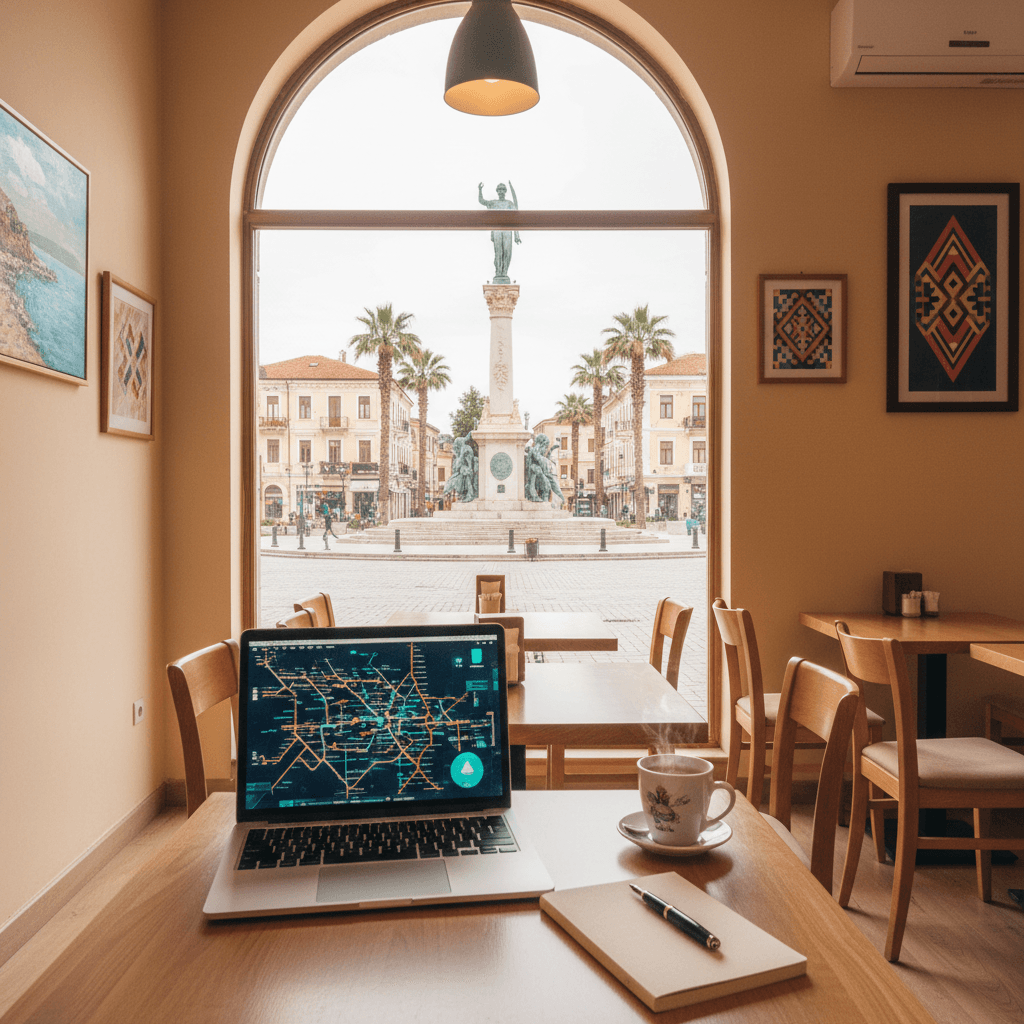
Vlorë
🇦🇱 Albania