Genoa
🇮🇹 Italy
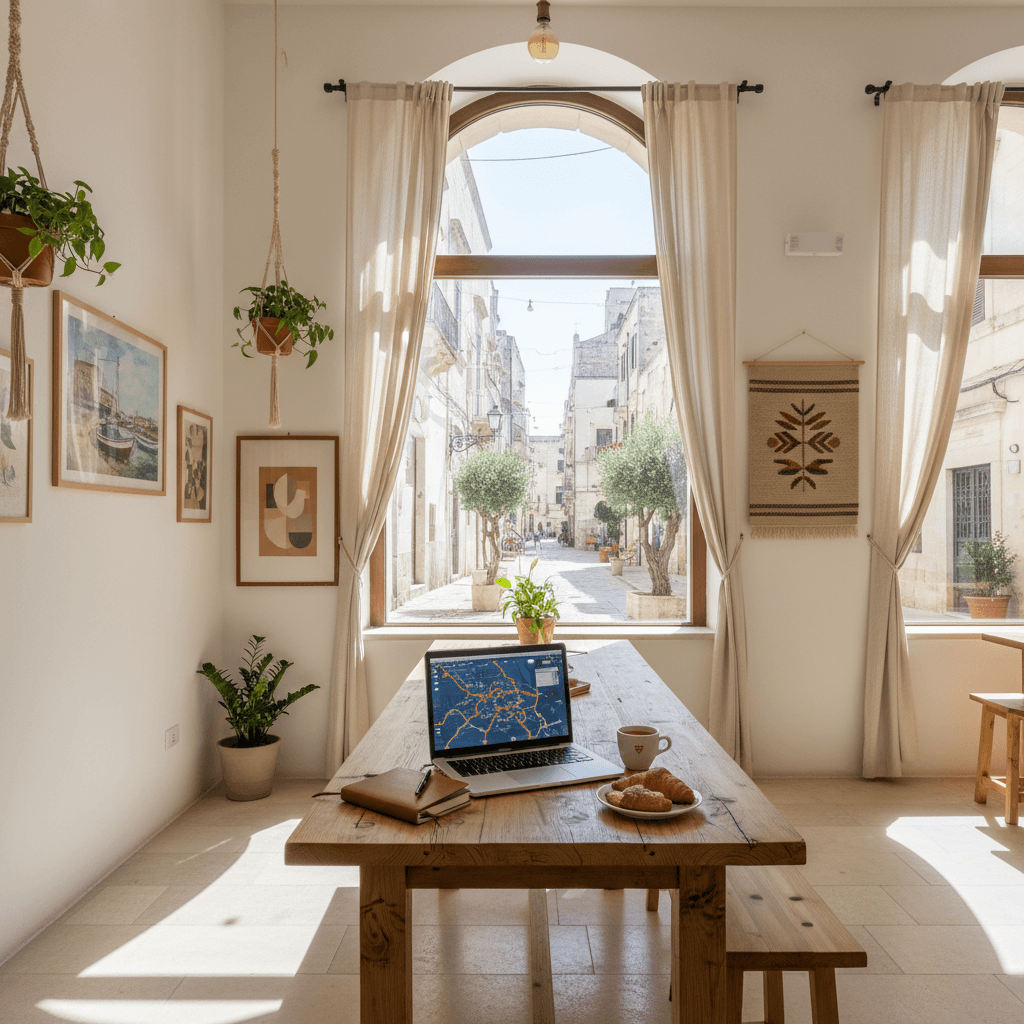
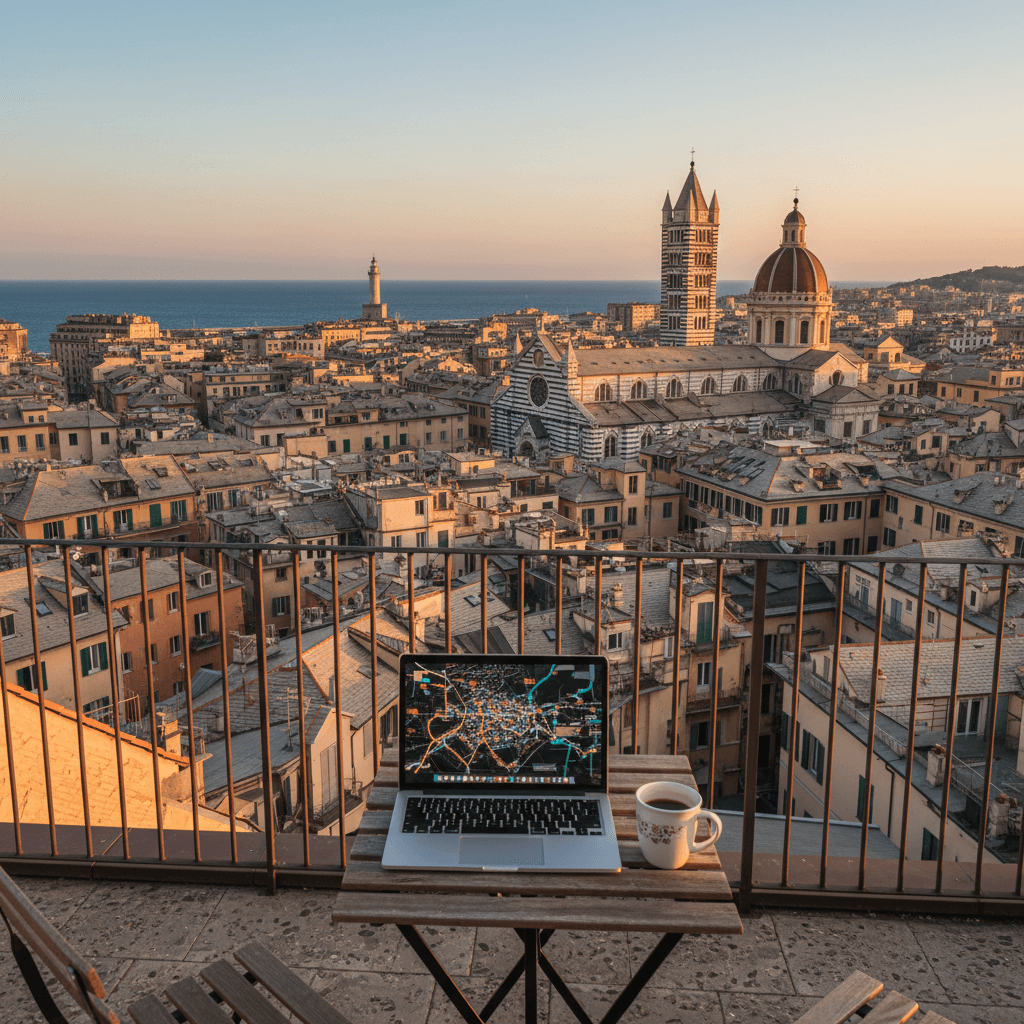
Genoa feels lived-in, not polished. The city leans into itself, with narrow caruggi, laundry lines, scooter noise and that salty mix of sea air, exhaust and fried anchovies drifting out of snack bars, so if you want glossy and easy, this probably isn't your place. If you want a city that still feels like a working port, honestly, this one gets under your skin.
Locals can be warm once you stop expecting Roman-style chatter or Milanese speed and the pace is slower than most northern Italian cities. There's a real sense of private life here, doors half shut, voices echoing off stone, shoes clicking on old pavement, then suddenly you hit a sea view and the whole place opens up. Weirdly, that contrast is the appeal, gritty in one street, elegant in the next.
The downside is real too. Some stretches of the historic center feel dirty, a little chaotic and frankly a bit neglected, especially after dark, so you need to be picky about where you base yourself. Still, most nomads find the trade-off worth it because Genoa is cheaper than a lot of Italy and it doesn't feel overrun.
Where to stay
- Centro Storico and Porto Antico: Best for first-timers, walkable and lively, but crowded and a little rough around the edges.
- Carignano: Quieter, residential, with sea views and better dinners nearby, though you'll climb hills for everything.
- San Vincenzo: More modern, near Brignole, good for shopping and food, less character but easier day to day.
- Boccadasse or Nervi: Better if you want calmer coastal mornings, fewer coworking options though and a slower social scene.
Work-wise, Genoa is fine, not dazzling. Talent Garden, Cowo and Regus cover the serious laptop crowd, while cafés around Porto Antico and Corso Italia work for a few hours if you don't mind the espresso machine hissing and chairs scraping across tile floors. Internet is decent and mobile data from TIM, Vodafone or Wind Tre is easy enough to sort out.
Safety is mixed, which, surprisingly, is pretty typical for a port city. The center is generally fine in daylight, but avoid Via Prè, Via del Campo and Via della Maddalena late at night and don't drift around the train stations too casually after dark. Keep your wallet tight in crowded spots, because pickpockets know exactly where tourists get distracted.
Genoa isn't cheap in the cheap-city sense, but it's far easier on your wallet than Milan or most of northern Europe. A single person usually spends about €1,597 a month before rent and that number feels believable once you factor in coffee, groceries, transport and the odd dinner in the old town, where the espresso is strong, the plates are simple and the sea air smells faintly of salt and diesel.
Housing is where the range really opens up. A one-bedroom outside the center usually runs €500 to €650, while a similar place in the center is more like €600 to €800 and good apartments in Carignano, Albaro or near Boccadasse can climb faster than you'd expect, honestly, because anything with light, a view or a decent elevator gets snapped up.
Typical Monthly Costs
- Coffee: about €1 at a bar
- Local dinner: around €13 for a simple meal
- Beer: about €6 for 0.5L
- Taxi: roughly €5 for a 3 km ride
- Mobile data: around €18 for 10GB
For most nomads, the sweet spot is a budget of €1,200 to €1,500 if you keep rent low and don't eat out every night, though the city has a way of tempting you into one more focaccia and one more glass of house wine. A more comfortable life lands around €1,800 to €2,200, which gets you a central flat, regular restaurant meals and a coworking pass without feeling squeezed.
Want more breathing room? Plan on €2,500 to €3,200. That covers a nicer apartment, frequent dinners in San Vincenzo or Porto Antico, dedicated coworking and weekend trips, which, surprisingly, can add up fast once you start chasing train rides along the coast.
Where Your Money Goes
- Budget life: studio outside center, groceries, transit, occasional coworking
- Mid-range life: one-bedroom in the center, mixed dining, regular coworking
- Comfortable life: better flat, more restaurants, dedicated desk, travel
Coworking isn't wildly cheap, with hot desks around €491 a month and dedicated desks often €400 to €600, so many remote workers split time between Talent Garden, Cowo and cafés near Porto Antico when they need a break from the hum of laptops and the clatter of cups. If you're on a tighter budget, that trick works, though café WiFi can be patchy and a bit slow when the room fills up.
Genoa’s best areas depend a lot on how you live. If you want cafés, trains and late dinners on your doorstep, stay central. If you want quieter nights, sea air and less chaos under your window, head out to the coast, because the center can get noisy, gritty and honestly a bit scruffy after dark.
Nomads
Centro Storico and Porto Antico are the most practical picks if you’re in Genoa for a short stay. You can walk to museums, bars, the aquarium and plenty of espresso counters, though the caruggi can feel tight, echoey and a little weirdly disorienting when scooters buzz past and laundry hangs overhead.
- Best for: Walkability, short stays, nightlife
- Good fit: First timers, remote workers who don’t mind noise
- Watch for: Pickpockets, sketchy side streets, steep lanes
For a more polished base, San Vincenzo works well, with Via XX Settembre, Brignole station and easy access to decent work cafes. The area feels cleaner and more modern and the traffic hum is constant, but you won’t get the old Genoa atmosphere people come here for.
Expats
Carignano is the sweet spot for many expats. It’s residential, calmer and close enough to the center that you’re not trapped in a hilltop suburb, with sea views, better-maintained buildings and local trattorie where you’ll hear forks clinking and neighbors arguing in the evening.
Albaro and Castelletto suit people who want space and quiet more than buzz. Albaro is elegant and pricier, Castelletto has big views and fresh air, though the hills can be punishing, frankly, if you’re dragging groceries or doing that walk home after a long day.
- Carignano: Best balance of calm and access
- Albaro: Upscale, residential, expensive
- Castelletto: Scenic, quieter, steeper
Families
Boccadasse is the most family-friendly stretch if you want a village feel, sea views and slower evenings. Kids can wander the promenade, seafood places stay relaxed and the sound of waves beats traffic any day, though you’ll be paying more and commuting farther into town.
Nervi is even better if green space matters. The parks are excellent for long walks, the air feels fresher and the neighborhood is calmer than central Genoa, but it’s far enough out that everyday errands and school runs can become a nuisance.
Solo Travelers
If you’re traveling alone, stay near Porto Antico, Via Luccoli or the better-lit parts of the historic center. You’ll be close to transit, food and people, which helps at night, though you should skip Via Prè, Via del Campo and the rougher western alleys after dark.
Solo stays work best where you can keep things simple, walk home safely and grab a quick focaccia without overthinking the route. Genoa rewards that kind of base, but it doesn’t forgive wandering blindly into quiet lanes that smell like damp stone and exhaust.
Internet & Coworking
Genoa’s internet is decent, not magical. In the center, cafés and coworking spaces usually handle normal remote work fine, but if you’ve got a full day of video calls, export-heavy design work or anything twitchy, book a proper desk instead of gambling on espresso-fueled WiFi.
The coworking scene is small, though it works and honestly that’s part of the tradeoff here, you get fewer polished spaces than Milan or Barcelona, but you also pay less and hear fewer startup buzzwords drifting over the partitions. Most nomads end up splitting time between cafés, home and a workspace, because Genoa’s café culture is easy to fall into and the coffee is cheap.
Best Coworking Spots
- Talent Garden: Best known option for remote workers, with a collaborative feel and a steady mix of freelancers and local professionals.
- Cowo: Flexible and community-driven, good if you want hot desk access without a stiff corporate vibe.
- Regus Genoa: The safest bet for calls and meetings, cleaner and more predictable, though it feels a bit generic.
- Caffè degli Specchi: Handy for casual laptop sessions, but don’t expect silent-library rules or perfect WiFi.
Prices are pretty clear, which, surprisingly, is refreshing. A hot desk runs about €180 to €250 a month, dedicated desks sit around €250 to €400 and day passes usually land near €19 to €25, so you can test a place before committing. Not cheap. Still cheaper than burning money on a bad apartment and working from your bed.
Working From Cafés
Porto Antico and Corso Italia are the easiest stretches for café work, with sea air, clattering cups and the low hum of conversations around you, though the signal can wobble when the place fills up. Don’t assume every bar wants you there all afternoon, because in Italy a single coffee can buy some time, not a whole office shift.
For mobile data, a local SIM with around 10GB costs about €18 a month and TIM, Vodafone and Wind Tre all have shops around town. If you’re landing late or hate admin, grab an eSIM before you arrive, because airport counters and phone shops can be slow and the bureaucracy, frankly, can feel like it was designed by a bored tax clerk.
If you need stable workdays, stick close to San Vincenzo, Brignole or the better parts of Centro Storico, then keep the darker alleys for wandering, not answering client calls. The city sounds like scooters, church bells and the occasional impatient horn and when the sea breeze kicks up, it helps more than any fancy desk chair.
Genoa feels safe enough for most travelers and expats, but it isn’t soft-edged. Petty theft happens, especially in crowded streets, on packed buses and around the stations and if you’re distracted with your phone out, someone may clock it fast. The city’s violent crime rate is low, but the gritty parts of town, with motorbikes buzzing past and shuttered shopfronts under yellow streetlights, can feel rough after dark.
Stay sharp in the old center. Via Prè, Via del Campo, Via della Maddalena and the western side of the historic core are the spots locals tell friends to skip at night, honestly and Brignole and Principe can feel sketchier late, with stray loiterers, loud voices and the usual station grime. Keep to Via Luccoli, Via San Lorenzo, Via Garibaldi, Via degli Orefici and the brighter waterfront streets, where people are out for dinner and the mood is calmer.
Safety basics
- Phones: Don’t flash them near station exits or on busy sidewalks.
- Cash: Carry a little, not a lot.
- Night moves: Take a taxi or rideshare after late dinners.
- Awareness: Watch bags on buses and in markets, especially when it gets crowded.
Healthcare is solid and that’s a relief when something goes wrong. Genoa has public hospitals and private clinics and most nomads find private care easier because the waiting rooms can be slow, the paperwork weirdly clunky and the front desk staff sometimes less patient than you’d hope. Pharmacies are easy to find and the green cross signs are everywhere, which is handy when you need cold medicine, bandages or advice on what to buy.
If you need help fast, go to the nearest pronto soccorso for emergencies or book a private doctor for anything non-urgent, because that saves time and a headache. Many expats use English-speaking doctors in central areas and for prescriptions or minor issues, a farmacia visit usually does the job, frankly, without much drama. Carry travel insurance, your passport copy and any prescription details, because Italian clinics will want paperwork before they move quickly.
Practical healthcare tips
- Emergencies: Use the nearest hospital emergency room.
- Non-urgent care: Book private appointments when you can.
- Pharmacies: Look for a green cross.
- Documents: Keep insurance and prescription info handy.
If you’re staying a while, register with a local doctor once your residency setup allows it. For short stays, the private route is usually faster and in Genoa, faster often means less standing around while the hallway smells faintly of disinfectant and old espresso. Not glamorous. But manageable.
Getting Around
Genoa looks compact on a map, then you hit the hills and the caruggi and suddenly the city feels twice as old and twice as awkward. The center is walkable, honestly, but the steep lanes, uneven stone and surprise staircases mean comfortable shoes beat cute ones every time.
Best move: walk for short hops, use public transport for hills or longer cross-town trips. Traffic can be a pain, scooters buzz past your elbow and parking in the historic center is a headache you really don't need.
- Walking: Best for Centro Storico, Porto Antico, Via Garibaldi and the seafront promenade.
- Bus and metro: AMT runs the city network and the metro is handy for quick east-west moves, especially between Principe, De Ferrari and Brignole.
- Funiculars and lifts: These are the secret weapons for steep neighborhoods like Castelletto and parts of the hills.
- Train: Use regional trains for Boccadasse-adjacent coastal trips, Nervi and day trips outside the city.
The metro is small but useful, the buses cover more ground and the lifts, which, surprisingly, locals use all the time, save your legs when you're climbing back up from the port. Tickets are cheap and easy to buy at kiosks, tabacchi and machines, though validation matters, because inspectors do check.
Getting from the airport
Genoa Cristoforo Colombo Airport sits close to the city, so transfers are mercifully short. The Volabus shuttle is usually the easiest option into the center, taxis are fine if you’re arriving late and rideshare is limited enough that you shouldn't count on it.
Getting around like a local
Most nomads keep a contactless card or ticket app ready, then mix walking with buses and the metro depending on the weather. In summer, the humidity sticks to your skin and the hills feel mean, while in winter the pavements can be cold, slick and a little miserable after dark.
- Taxi: Good for late nights, heavy bags or hilly arrivals, but not cheap.
- Bike: Possible along flatter stretches, though traffic and slopes make it less fun than it sounds.
- Car: Skip it unless you're leaving town often, because narrow streets and ZTL restrictions make driving a slog.
- Apps: Download AMT and a map app before you land, because offline navigation helps a lot in the old center.
If you're staying in Carignano, Albaro or Nervi, plan on more transit and fewer spontaneous walks home after dinner. For everyday life, that's fine, but if you want easy door-to-door movement without sweating through your shirt, pick a place near Brignole, De Ferrari or a major bus line.
Genoa’s day-to-day language is Italian and in the old center you’ll also hear a bit of Ligurian dialect, especially from older locals. English exists in hotels, coworking spaces and some restaurants, but don’t expect everyone to switch easily. Honestly, a few Italian phrases go a long way here and people usually warm up fast if you try.
Start with the basics, because that’s what gets you through the first week: buongiorno, grazie, per favore and scusi. In cafés, order at the counter, make eye contact, then keep it brief, the rhythm is quick and the espresso is tiny. A friendly “parlo un po’ di italiano” gets you farther than pretending you’re fluent, which, surprisingly, saves a lot of awkward back-and-forth.
Pronunciation isn’t brutal, but Genoese speech can feel fast and clipped, especially in noisy places where scooters whine past, plates clatter and people talk over each other. Locals often appreciate directness, so skip the long setup and say what you need, whether that’s a train ticket, a SIM card or help finding Via Luccoli. Bureaucracy, frankly, is still bureaucratic, so patience helps more than perfect grammar.
Useful phrases
- Where is...? Dov’è...?
- How much is it? Quanto costa?
- I don’t understand. Non capisco.
- Do you speak English? Parla inglese?
- The bill, please. Il conto, per favore.
For mobile life, TIM, Vodafone and Wind Tre all work well enough for maps, messaging and video calls, though signal can wobble inside thick old buildings. Buy a SIM at a shop or supermarket, then register with your passport and if you want less hassle, an eSIM can save you a shop visit. The connection is usually fine, but café WiFi can be weirdly patchy during lunch rush, so don’t trust a latte to carry a meeting.
Translation apps help, especially for landlords, utility bills and anything involving paperwork, but they won’t fix tone. Italians hear the difference between polite and pushy very quickly. In Genoa, a calm voice, a little Italian and some patience at the counter usually beat perfect grammar every time.
Genoa doesn’t do clean, sunny postcard weather for long. Winters are damp, gray and a bit grim, with that salty wind sneaking in off the Ligurian Sea, then summer arrives and the humidity sticks to your skin like a wet shirt. Spring and early autumn are the sweet spot, honestly, because the light’s better, the streets smell less of exhaust and you can actually sit outside without melting.
Most nomads find April to June and September to early October the best windows. You’ll get milder temperatures, fewer cruise crowds around Porto Antico and better walking weather in the caruggi, where the stone walls hold warmth long after sunset. July and August can be brutal, especially inland or in uphill neighborhoods like Castelletto and Albaro, where the air feels trapped and the climb back home is no joke.
Best Times to Visit
- April to June: Mild, bright, good for walking and day trips
- July to August: Hot, humid, crowded and a bit tiring
- September to early October: Warm sea, calmer streets, good value
- November to March: Cheaper, quieter, but gray and sometimes wet
Winter isn’t terrible if you like slower cities, but it can feel long. The sea looks steel-blue, the pavements stay slick after rain and the whole city gets a touch sleepy, which, surprisingly, some expats prefer because rents ease off and cafés aren’t packed. If you want sunshine and easier day-to-day living, don’t aim for January unless you really like drizzle.
What to Pack
- Layers: Mornings and evenings can shift fast
- Good shoes: The hills and uneven cobbles will punish bad soles
- Light jacket: Needed even in spring by the water
- Umbrella: Small, sturdy and always worth carrying
If you’re working remotely, the shoulder seasons are the easiest. Cafés are quieter, trains run smoothly enough for weekend escapes and places like Nervi or Boccadasse feel calmer without the summer crush. Summer gives you long evenings and sea swims, but it also brings sweaty trams, noisy traffic and the kind of heat that makes a hot desk feel like a punishment. Skip the peak weeks if you can, then book your stay around the weather, not the fantasy.
Genoa feels easy to live in, but it’s not friction-free. The center is walkable, the sea air comes in off the port and you’ll hear scooters, church bells and the occasional blast of ship horns, but the steep streets, patchy sidewalks and gray winter days can wear on you. Not cheap, not expensive. Just practical.
Money: a single person usually spends about €1,600 a month before rent and that number climbs fast if you want a nicer flat in Carignano, Albaro or near Corso Italia. A coffee costs about €1, dinner at a local place can be around €13 and a short taxi ride is roughly €5, so daily life stays manageable if you don’t eat out every night.
Housing: one-bed apartments outside the center often land around €500 to €650, while central places run closer to €600 to €800. If you want quieter streets, better views and fewer tourists, look at Carignano, Albaro, Nervi or Boccadasse, though the hills are real and the stairs are no joke.
Best areas for practical living
- Centro Storico: best for being close to everything, but the alleys get tight, noisy and a bit gritty after dark.
- San Vincenzo: good if you want shops, Brignole access and a more modern feel.
- Nervi: calmer, greener and better for long walks than late nights.
- Boccadasse: lovely by the water, weirdly quiet once dinner service ends.
Work: internet is decent and most cafés have WiFi, though speeds can be uneven, honestly. If you’re doing calls all day, use a coworking space like Talent Garden, Cowo or Regus, because a café near Porto Antico might be fine for email but awful for Zoom when everyone piles in for lunch.
SIM cards are easy to buy from TIM, Vodafone or Wind Tre and around 10GB of data costs about €18. That’s fair. Pick one up in town if you can, because airport setups are usually slower and more expensive than they should be.
Safety: Genoa is generally fine, but pickpocketing happens in crowded spots, especially near Principe and Brignole and in the old town after dark. Skip Via Prè, Via del Campo and Via della Maddalena late at night, then stick to well-lit streets like Via Luccoli, Via San Lorenzo and Via Garibaldi.
Healthcare is decent for a city this size, though bureaucracy can be maddening. If you’re staying a while, register early, keep copies of everything and don’t expect front-desk paperwork to move fast, because it won’t.
Frequently asked questions
How much does it cost to live in Genoa as a digital nomad?
Which neighborhoods in Genoa are best for digital nomads?
Is Genoa safe for solo travelers and remote workers?
How good is the internet in Genoa for remote work?
Where can I work from in Genoa besides my apartment?
How much does coworking cost in Genoa?
What local mobile data options are available in Genoa?
Need visa and immigration info for Italy?
🇮🇹 View Italy Country GuideEasy Landing
Settle in, no stress
Monthly Budget Estimates
More cities in Italy
Salerno
🇮🇹 Italy
Padua
🇮🇹 Italy
Lecce
🇮🇹 Italy