Geelong
🇦🇺 Australia
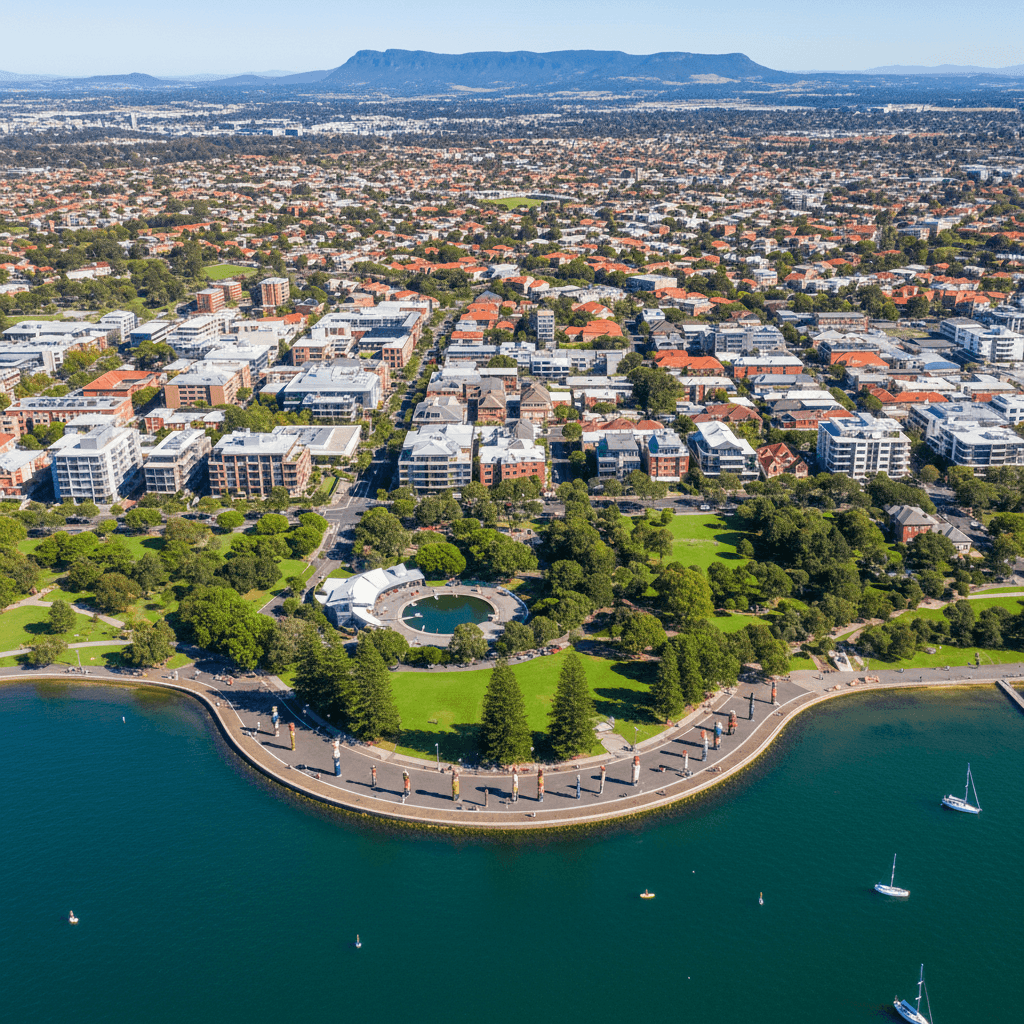
Geelong used to live in the shadow of Melbourne, dismissed as a gritty industrial hub. Those days are long gone. Today, it has reinvented itself as a sophisticated waterfront city that offers a slower, more manageable pace than its big brother to the east. It feels like a coastal town that accidentally grew into a city, keeping the friendly local energy while adding high end dining and reliable infrastructure.
The Local Atmosphere
There is a distinct salt air quality to life here. You will see people in suits grab a surfboard during their lunch break at Eastern Beach, and that pretty much sums up the vibe. It is professional but deeply relaxed. For nomads, this means you get the reliability of Australian city services, like fast NBN internet and safe public transport, without the frantic 24/7 noise of a major metro area. It is a place where people actually stop to talk to you in the local coffee shop.
The geography of the city is its biggest selling point. You are positioned at the gateway to the Great Ocean Road. On weekdays, you can work from a sleek office in the CBD, and on weekends, you are a 25 minute drive from some of the best surf breaks in the world at Torquay. Most digital nomads find that Geelong provides a better work life balance than Sydney or Melbourne because the commute to nature is almost non existent.
The Digital Nomad Experience
The remote work community here is growing, though it is more low key than the scenes in places like Canggu or Lisbon. You will mostly rub shoulders with local entrepreneurs and Melbourne expats who got tired of the city grind. This makes for a grounded networking environment. Instead of talking about crypto all day, people are more likely to discuss their latest hike or a new brewery opening in the industrial north.
- The Pace: Relaxed during the week, outdoorsy and active on weekends.
- The Community: A mix of young professionals, creative freelancers, and university students.
- The Connectivity: Excellent. 5G coverage is standard across the city and coworking spaces are modern.
- The Cost: Generally 15% to 20% cheaper than Melbourne for rent and lifestyle.
What to Expect Daily
Morning routines usually revolve around the Waterfront. You will see plenty of remote workers starting their day with a walk along the promenade before heading to a workspace. The city is very walkable, especially if you stay near the CBD or Geelong West. If you need to head into Melbourne for a meeting, the V/Line train takes about 60 minutes, making it easy to tap into a larger market without living in it.
The dining scene has exploded recently. Little Malop Street is the heart of this transformation, packed with wine bars and sourdough bakeries that wouldn't look out of place in Brooklyn or Fitzroy. It gives the city an urban edge that keeps it from feeling too sleepy. You get the benefits of a coastal lifestyle with the caffeine quality of a world class coffee destination.
Practical Realities
While the vibe is welcoming, you need to be aware of the logistics. Australia is strict about visas. Most nomads enter on a Visitor Visa (Subclass 600), which typically allows stays of up to 12 months. You can stay for 3, 6, or 12 months depending on your specific grant. Just remember that you cannot work for an Australian employer on this visa; your income must come from overseas clients.
The weather is another factor to consider. It is temperate but can be unpredictable. Locals joke about getting four seasons in one day. You will want a solid jacket even in the shoulder seasons, as the wind off Corio Bay can be biting. However, the crisp, sunny winter days are some of the most beautiful times to be in the city, with clear blue skies and empty beaches just a short drive away.
The Price of the Pivot City
Geelong used to be Melbourne's sleepy industrial cousin, but it has transformed into a legitimate hub for remote workers who want the Victorian lifestyle without the eye watering price tags of the state capital. You'll find that your dollar stretches about 15% to 20% further here than in Melbourne or Sydney. It is a middle ground city; it is not cheap by Southeast Asian standards, but for a coastal Australian city with high end infrastructure, it is surprisingly manageable.
Most nomads find that a monthly budget of $3,200 to $4,500 AUD allows for a comfortable lifestyle. This covers a private apartment, eating out a few times a week, and a dedicated desk at a local workspace. If you are willing to house share in suburbs like Belmont or Grovedale, you can easily knock $800 off that total.
Accommodation and Neighborhoods
Rent is your biggest hurdle. The market is tight, so many short term travelers stick to furnished rentals or long stay discounts on booking platforms. If you are staying for a few months, look toward the northern fringe of the CBD or the leafy streets of Geelong West.
- Central Geelong: This is where the action is. Expect to pay $550 to $700 AUD per week for a modern one bedroom apartment near the waterfront. You save on transport here because everything is walkable.
- Geelong West (Pakington Street): The local favorite. It is the heart of the cafe scene. Smaller units or older cottages usually go for $480 to $600 AUD per week.
- South Geelong: A bit quieter but right on the train line to Melbourne. Rents here hover around $450 to $550 AUD for decent sized apartments.
Coworking and Connectivity
Geelong has a surprisingly robust tech scene. You won't be stuck working from a cramped kitchen table. The city has several options for those who need a professional environment.
- Public Libraries: The Geelong Library and Heritage Centre is an architectural marvel with free high speed Wi-Fi and plenty of desks, though it is not ideal for loud Zoom calls.
Daily Expenses and Food
Groceries will cost you about $120 to $160 AUD per week if you shop at Coles or Woolworths. For better value and fresher produce, locals head to the Geelong Showgrounds Market on Sunday mornings. Eating out is a mixed bag; a flat white coffee is usually $5.00 AUD, while a standard pub meal like a chicken parma will set you back $25 to $30 AUD.
- Cheap Eats: Check out the vibe on Little Malop Street. You can grab a solid lunch at places like Mavs Greek Cookery for under $22 AUD.
- Utilities: If your rent doesn't include bills, budget about $200 AUD a month for electricity, water, and gas.
- Internet: A high speed NBN home connection costs roughly $80 to $110 AUD per month. Mobile data is cheap; a 50GB prepaid SIM from Boost or Optus is usually around $35 AUD.
Transport and Getting Around
The city is quite spread out, so unless you live in the CBD or Geelong West, you might feel the itch to buy a cheap used car. However, the bus network is decent, and the Myki card system makes it easy to tap on and off. A local bus fare is about $3.00 AUD, and a capped daily rate means you won't spend more than $10.60 AUD on public transport within the region. If you want to head into Melbourne for a weekend, a return V/Line train ticket costs about $10.00 AUD, which is a massive discount compared to previous years.
Travelers often say the real value in Geelong isn't just the lower rent, it is the proximity to the Great Ocean Road. You get world class beaches and hiking trails just 25 minutes away without paying the "tourist tax" prices of staying in Torquay or Lorne full time.
For the Urban Nomad: Central Geelong
If you want to be where the action is, stick to the CBD. It is the heart of the city's recent revitalization and puts you within walking distance of the waterfront and the train station. Most nomads here spend their mornings at Public Cafe or Cartel Coffee Roasters, which serve some of the best beans in the region and offer a reliable environment for those needing to catch up on work.
- Rent: Expect to pay around $450 to $550 per week for a modern one bedroom apartment.
- Vibe: High energy, walkable, and close to the nightlife on Little Malop Street.
- Best for: People who don't want to own a car and need proximity to the Melbourne commuter train.
For the Lifestyle Expat: Pakington Street (Geelong West)
Affectionately known as Pako by the locals, this neighborhood is the cultural hub of Geelong. It feels more like a village than a suburb, lined with independent boutiques, organic grocers, and diverse eateries. Expats often settle here because it balances a suburban feel with an incredible social scene, with dozens of cafes lining the strip that are perfect for remote work.
- Rent: Quality terrace houses or units usually go for $500 to $600 per week.
- Vibe: Trendy, community focused, and full of weekend brunch spots.
- Best for: Long term stays where you want to feel like a local rather than a tourist.
For Families: Highton and Newtown
These areas sit on the hills overlooking the Barwon River and offer a more quiet, residential atmosphere. Newtown is home to some of the most prestigious schools in the state, while Highton features the Highton Village shopping precinct which has a great neighborhood feel. It is common to see families spending their Saturday mornings walking the river trails or visiting the Buckley Falls lookout. While you will likely need a car to get around here, the peace and quiet are a fair trade.
- Rent: Family homes with three or four bedrooms typically range from $600 to $850 per week.
- Vibe: Leafy, safe, and very quiet at night.
- Best for: Digital nomad parents who need extra space and access to parks.
For Solo Travelers and Surfers: Belmont and South Geelong
If you are in Geelong to balance work with the Great Ocean Road, these southern suburbs are your best bet. They sit right on the edge of the road leading to Torquay and Jan Juc, meaning you can be at a world class surf break in 20 minutes. Solo travelers often find shared housing here easier to come by, and the South Geelong train station provides a quick link to the city center. For a quick lunch or a place to answer emails, That Place Patisserie in Belmont is a local favorite.
- Rent: Shared rooms can be found for $200 to $250, while private units average $400.
- Vibe: Unpretentious, convenient, and active.
- Best for: Budget conscious travelers and those who want easy access to the coast.
Most travelers find that Geelong offers a much better cost of living than Melbourne while maintaining a similar quality of life. The city is currently undergoing a massive transition from an industrial hub to a tech and service oriented economy, so you'll find plenty of other remote workers in the local cafes. Just keep in mind that the rental market is competitive, so have your documents ready if you are looking for a long term lease.
Connectivity and Infrastructure
Geelong has transformed from a sleepy industrial hub into a legitimate tech alternative to Melbourne. You won't struggle with speeds here; most of the city is serviced by the NBN (National Broadway Network). If you're staying in the CBD or West Geelong, you can expect download speeds averaging 50 to 100 Mbps depending on the plan your host has selected.
Mobile coverage is excellent across all major carriers. Telstra provides the best reach if you plan on heading down the Great Ocean Road for the weekend, but Optus and Vodafone are perfectly reliable within the city limits. A prepaid SIM with 50GB to 100GB of data will typically set you back between $30 and $50 AUD per month. Most nomads rely on these as a backup because public Wi-Fi, while available in the CBD, can be patchy during peak hours.
Top Coworking Spaces
The coworking scene in Geelong is concentrated around the CBD and the repurposed industrial spaces in North Geelong. These spots are popular with local entrepreneurs and Melbourne commuters who want to skip the train ride.
- Startup Geelong: Located in the heart of the city, this is the go-to for networking. It has a high energy level and attracts a lot of tech founders. A day pass is roughly $35 AUD, while monthly memberships start around $300 AUD.
- The Federal Mills: This is arguably the most impressive office conversion in regional Victoria. Based in North Geelong, it's an old woolen mill turned tech precinct. It's home to some of the city's biggest startups and offers a more corporate, polished environment. Expect to pay around $40 AUD for a casual desk.
The Café Office Culture
If you prefer the hum of a coffee machine to a formal desk, Geelong has a massive café culture. Unlike Melbourne, where some spots might give you the side-eye for staying too long, many Geelong venues are quite accommodating as long as you keep the lattes coming.
Pakington Street in Geelong West is the primary strip for this. You'll find plenty of nomads at 63 Degrees or King of the Castle. The Wi-Fi is generally stable, but it's always polite to ask before you settle in for a four-hour deep work session. Most travelers recommend bringing a power bank, as power outlets aren't always guaranteed in the older heritage buildings.
Practical Tips for Remote Workers
The time zone is the biggest hurdle if you're working for North American or European clients. During the Australian summer, you'll be 11 hours ahead of London and 16 hours ahead of New York. Most expats find that an early morning or late night shift is necessary to catch meetings.
Public libraries are a fantastic free alternative if you're on a budget. The Geelong Library and Heritage Centre is an architectural standout with fast, free Wi-Fi and dedicated quiet zones. It's a reliable spot when you need to upload large files without paying for a day pass at a coworking space. Just keep in mind that you can't take private calls in the main areas.
Digital Nomad Community
The nomad community here is smaller than in Sydney or Melbourne, but it's growing. Most social interaction happens through local Facebook groups or at the Friday afternoon drinks hosted by the coworking spaces. You'll find the crowd is a mix of creative freelancers and tech professionals who have moved out of the capital cities for a better work-life balance near the surf.
Staying Safe in the Pivot City
Geelong has transitioned from a gritty industrial hub into a polished, safe bayside city. Most nomads feel perfectly comfortable walking through the Waterfront or Little Malop Street after dark. It lacks the frantic energy of Melbourne, which generally translates to lower crime rates and a more relaxed street culture. You will occasionally see some rough sleepers or rowdy groups near the Geelong Railway Station or the Moorabool Street bus interchanges, but they rarely bother passersby.
The biggest safety concerns here aren't what you would expect. If you are heading out to the Bellarine Peninsula or down the Great Ocean Road, the local roads are the real hazard. Narrow lanes, unpredictable wildlife like kangaroos at dusk, and tourists driving on the wrong side of the road cause most of the trouble. If you are staying in the suburbs like Belmont or Geelong West, standard common sense applies. Lock your bike and don't leave your laptop visible in your car.
- Emergency Number: Dial 000 for police, fire, or ambulance.
- Police Stations: The main station is on Railway Terrace, right in the CBD.
- Non-Emergency: Use 131 444 for minor reports that don't require sirens.
Healthcare and Medical Services
Australia has a world class healthcare system, and Geelong is well equipped as a regional medical hub. The University Hospital Geelong on Ryrie Street is the primary public facility with a 24 hour emergency department. For private care, St John of God is the go to. Expect to pay around $80 to $110 for a standard GP consultation if you don't have a local Medicare card. Many clinics offer "walk in" appointments, but it's always better to call ahead in the morning.
Pharmacies, or chemists as locals call them, are everywhere. Chemist Warehouse on Malop Street usually has the best prices for prescriptions and basic supplies. If you need a doctor after hours and it isn't an emergency, look for "home doctor" services that can visit your Airbnb. These are common in the 3220 and 3218 zip codes.
Water and Sun Safety
The Australian sun is notoriously harsh. Even on a cloudy 20 degree day in Geelong, the UV index can be extreme. Locals live by the "slip, slop, slap" rule. If you are working from a cafe patio in Pakington Street, wear sunscreen. You'll burn in less than 15 minutes during the summer months.
If you head to nearby Ocean Grove or Torquay for a surf break, only swim between the red and yellow flags. The currents in the Bass Strait are incredibly strong. Eastern Beach in Geelong is a much safer, netted swimming area if you just want a quick dip without the fear of rips or sharks.
Insurance and Logistics for Nomads
Since Australia doesn't have a specific digital nomad visa, most travelers arrive on a Subclass 600 Visitor Visa. This means you aren't covered by Medicare. Private health insurance is a requirement for many visa types and a smart move for everyone else. Look for plans that specifically cover "repatriation" and "ambulance cover," as an ambulance ride in Victoria can cost over $1,200 if you aren't insured.
- Average GP Visit: $90
- Dental Checkup: $150 to $250
- After-hours Clinic: $150+
- Travel Insurance Recommendation: Ensure it covers "adventure sports" if you plan on surfing or skydiving in Barwon Heads.
Navigating the Gateway City
Geelong is laid out in a way that makes it incredibly easy to manage without a car, especially if you stick to the central business district or the inner suburbs. The city is built on a grid, so you'll find your bearings quickly. Most nomads find that the combination of a decent pair of walking shoes and the local bus network covers about 90% of their daily needs.
The city center and the Waterfront are highly walkable. You can get from a morning deep-work session at Little M Cafe on Little Malop Street to the Cunningham Pier for a break in about 10 minutes. If you're staying in West Geelong or South Geelong, the walk into the CBD is usually under 20 minutes, making it a great way to start the day before the heat kicks in.
Public Transport and Myki
To use any public transport here, you need a Myki card. You can buy these at major train stations like Geelong Station or at any 7-Eleven. It's a "touch on, touch off" system. A full day of travel within the Geelong zone will rarely set you back more than $10.00, and on weekends, it's often even cheaper thanks to the regional fare caps.
- Buses: The CDC Geelong and McHarry's Buslines cover almost every suburb. The Route 1 is particularly handy, running from Deakin University through the city out to the coast.
- Trains: The V/Line train service is the lifeline for anyone looking to head into Melbourne. It takes about 60 minutes to reach Southern Cross Station. Trains run every 20 minutes during peak times and every hour late at night.
- V/Line Fares: Expect to pay around $10.60 for a return trip to Melbourne, which is a steal compared to what it used to cost before the recent price overhauls.
Cycling and E-Scooters
The terrain is relatively flat, which is a dream for cyclists. The Bay Trail is the standout route, hugging the waterfront and providing a scenic, car-free path for several kilometers. If you don't want to buy a bike, look for the orange Neuron e-scooters scattered around the pavements. You unlock them with an app, and they're perfect for those short hops between a cafe and your Airbnb.
Safety is a big deal here, and helmets are legally required for both bikes and scooters. Local police do hand out fines, so don't risk it. Most travelers recommend using the Anywheel or Neuron apps to check for available rides before you step out the door.
Driving and Ride-Sharing
While you don't need a car for daily life, you'll definitely want one for weekend trips down the Great Ocean Road. Renting a small car from the Avalon Airport or a downtown depot like Avis usually costs around $65 to $90 per day. Parking in the CBD can be tricky, but there are large multi-story lots on Gheringhap Street where you can park all day for about $15.00.
- Uber and Didi: Both operate heavily in the area. A short trip across town usually costs between $12 and $18.
- Car Next Door: This is a popular peer-to-peer rental service that locals love. You can often find a car parked on your street for around $7 per hour plus a distance fee.
- Taxis: Geelong Taxi Network is reliable but generally more expensive than ride-sharing apps.
Getting to the Airport
You have two choices for flying in. Avalon Airport (AVV) is the closest, about 20 minutes north of the city. The SkyBus runs a dedicated shuttle service from Avalon to the Geelong railway station for about $25.00. If you fly into Melbourne Tullamarine (MEL), the Gull Airport Shuttle is the gold standard. It picks up from the terminals and drops you right at the Geelong station or your doorstep for roughly $40.00. It's a 75-minute journey, but it's much easier than lugging suitcases through multiple train transfers.
While you are technically in Australia, Geelong has a flavor all its own. You will find that the local vernacular is a blend of standard Australian English and a specific coastal, laid back slang that reflects the city's transition from an industrial hub to a creative waterfront destination. English is the primary language spoken by over 78 percent of the population, but the city is increasingly multicultural. You will hear Mandarin, Italian, and Punjabi spoken frequently in the suburbs like Grovedale and Belmont.
The Local Lingo
Geelong locals, often called Geelongites or Pivotonians, have a habit of shortening every word possible. If someone asks if you want to head to the G, they are referring to the city center or perhaps the local football stadium. You will hear arvo for afternoon, brekkie for breakfast, and no worries used as a universal response for everything from a thank you to a major apology. If you are heading out for a coffee at a spot like Cartel Roasters, just keep it casual. Overly formal language can actually make you stand out more than a thick foreign accent would.
Communication Style and Social Norms
The communication style here is direct but incredibly friendly. Most nomads find that people in Geelong are more likely to strike up a conversation in a queue than those in Melbourne. There is a strong sense of egalitarianism; people generally dislike pretension. Whether you are talking to a business owner or a barista, a simple G'day or How is it going? is the standard icebreaker. If you are invited for a drink, remember that shouting means buying a round for the group, not raising your voice.
Staying Connected
For a digital nomad, your lifeline is the data. Australia has three main networks: Telstra, Optus, and Vodafone. Telstra has the best coverage if you plan on taking weekend trips down the Great Ocean Road, but it is the most expensive. Optus is a solid middle ground for city living. Most expats recommend picking up a prepaid SIM from a grocery store like Coles or Woolworths for about $30 to $50, which usually nets you 30GB to 60GB of data. Throughout the city, you will find high speed NBN (National Broadband Network) is standard, typically hitting speeds between 50Mbps and 100Mbps.
Digital Essentials
- WhatsApp: This is the gold standard for social groups and organizing meetups with other travelers.
- Messenger: Surprisingly, many local businesses and community groups in Geelong still rely heavily on Facebook groups and Messenger for quick queries.
- Emergency+ App: A must have for any nomad in Australia, as it helps emergency services find your exact GPS coordinates if you get lost while hiking the nearby Otways.
- Wi-Fi Map: Useful for finding free hotspots around the Geelong Waterfront, though most cafes expect a purchase before handing over the password.
You will notice that Geelong is a very tap and go society. Physical cash is becoming a rarity. Most locals use Apple Pay or Google Pay for everything from a $4.50 flat white to their bus fare on the Myki system. If you are trying to communicate with a landlord or a local service provider, a phone call or a text is usually preferred over a formal email, which might sit in an inbox for days. Keep your messages brief and friendly, and you will get along just fine.
Understanding the Geelong Climate
Geelong shares a similar weather pattern with its neighbor, Melbourne, which means you should prepare for four seasons in a single day. The city sits on Corio Bay, so the coastal breeze plays a massive role in how the temperature actually feels. You might see 22°C on your phone, but if the wind is coming off the Southern Ocean, you will want a sturdy jacket.
The local climate is temperate and generally mild, but it can be unpredictable. Summers are warm and occasionally hit heatwaves above 35°C, while winters are crisp, grey, and damp. Most nomads find that the shoulder seasons offer the most consistent conditions for working from outdoor cafes or walking along the waterfront between Zoom calls.
Summer: December to February
This is peak season in Geelong. The city comes alive with the Festival of Sails in January, and the waterfront is packed with people. Expect average highs of 25°C, though the mercury frequently spikes higher. It is the best time for beach runs at Eastern Beach or taking the short drive down to Torquay for a surf.
The downside is the cost and the crowds. Short term rentals and Airbnbs see a significant price hike during these months. If you are planning to stay through the summer, book your accommodation at least three months in advance to avoid paying double the standard rate.
Autumn: March to May
Many long term travelers consider Autumn the sweet spot for Geelong. The wind dies down, the sky stays clear, and the temperatures sit comfortably between 15°C and 21°C. The parks around Geelong West and Newtown turn vibrant shades of orange and red, making it the most photogenic time of year.
Since the school holiday crowds have thinned out, you will have an easier time finding a quiet table at cafes like King of the Castle or Pavilion. It is also the start of the AFL season, which is a massive part of local life. Catching a Geelong Cats game at GMHBA Stadium is a rite of passage if you are here in April or May.
Winter: June to August
Winter in Geelong is for the focused nomad. It is cold, with overnight lows often dropping to 5°C or 6°C, and daily highs rarely passing 14°C. It is not freezing, but the dampness makes it feel bone-chilling if your rental doesn't have decent heating. Older Victorian houses in areas like South Geelong can be notoriously drafty.
The silver lining is the affordability. This is when you can negotiate better monthly rates on housing. It is also the best time to explore the indoor culture, from the Geelong Library and Heritage Centre to the various breweries in the Federal Mills precinct. Just make sure you pack a high quality waterproof coat.
Spring: September to November
Spring is a bit of a gamble. You will get glorious sunny days followed by intense rain and wind. Temperatures climb back up to an average of 19°C. The city feels fresh, and the surrounding Bellarine Peninsula starts blooming, which is perfect for weekend day trips.
Hay fever sufferers should be warned that the pollen count in Victoria can be brutal in October and November. If you are prone to allergies, come prepared with your preferred antihistamines, as the local rye grass pollen is some of the most potent in the world.
The Nomad Verdict: When to Go
- Best for Lifestyle: February to April. You get the tail end of the warm water and the start of the calm, clear autumn days.
- Best for Budget: June to August. Landlords are more likely to accept lower offers for mid term stays.
- Best for Networking: January. The city is at its most social, and the energy is high, even if the cafes are a bit louder than usual.
Most expats recommend arriving in late September. This gives you a few weeks to settle in and find a permanent base before the summer rush hits and the rental market tightens up for the holiday season.
Geelong often plays second fiddle to Melbourne, but for a nomad who wants the coastal breeze without the astronomical rent, it is a smart pivot. You get the infrastructure of a major city with a much slower, more manageable pace. Here is what you need to know to get settled without the usual trial and error.
Visas and Legalities
Australia still hasn't launched a dedicated digital nomad visa, so you will likely be entering on a Subclass 600 Visitor Visa. This allows you to stay for up to 12 months. While it technically prohibits working for an Australian employer, the general consensus among the nomad community is that working remotely for overseas clients is a gray area that most people navigate without issue. Just make sure your income stays offshore and you have health insurance sorted before you land.
Getting Around
You can survive in the city center with just a pair of sneakers and a Myki card, which is the reusable travel card used for all trains and buses. If you plan to explore the Great Ocean Road or the Bellarine Peninsula, you will want a car. Rentals at Avalon Airport can run about $60 to $90 AUD per day. For daily commutes, the bus network is reliable enough, but most locals prefer the train if they are heading into Melbourne for a day trip; the ride takes about one hour and costs roughly $15 AUD return.
Where to Work
The coffee shop culture is strong here, and while there are several professional hubs in the CBD, many nomads prefer the flexibility of the local cafe scene. Cartel Coffee Roasters is a local haunt where the baristas won't glare at you for opening a laptop, provided you keep the flat whites coming. If you do opt for a dedicated coworking space, expect to pay around $35 to $45 AUD for a day pass, or roughly $400 AUD for a monthly hot desk.
Connectivity and SIMs
Don't rely on public Wi-Fi for your Zoom calls. It is patchy at best. Pick up a Telstra or Optus SIM card as soon as you arrive. Telstra has the best coverage if you plan on heading into the bush or down the coast. You can grab a 60GB prepaid plan for about $40 AUD. Most cafes offer free Wi-Fi, but the speeds rarely exceed 20 Mbps, so a personal hotspot is a lifesaver for heavy lifting.
Cost of Living Breakdown
Geelong is cheaper than Sydney or Melbourne, but it is still Australia. You need to budget accordingly to avoid a shock at the checkout. Most nomads find that a monthly budget of $3,500 to $4,500 AUD allows for a comfortable lifestyle with a mix of eating out and weekend trips.
- Studio Apartment in CBD: $1,800 to $2,200 AUD per month
- Private Room in a Sharehouse: $900 to $1,200 AUD per month
- Average Meal at a Pub: $25 to $35 AUD
- Large Flat White: $5.50 AUD
- Weekly Groceries for one: $120 to $150 AUD
Local Etiquette and Safety
The city is generally very safe, even at night. The area around Little Malop Street is the heart of the nightlife and stays well lit and populated. One thing to remember is that Geelong is a morning town. Cafes often open at 6:30 AM and many close by 3:00 PM. If you are a late riser, you might find your options for a midday sandwich surprisingly limited. Also, tipping is not expected in Australia; the price on the menu is what you pay, which makes splitting bills with new friends much easier.
Best Times to Visit
The sweet spot is February to April. The summer crowds have thinned out, the water is still warm enough for a swim at Eastern Beach, and the weather is consistently mid-20s. Winters can get surprisingly biting with winds coming off the bay, so if you visit between June and August, bring a heavy coat and prepare for grey skies.
Need visa and immigration info for Australia?
🇦🇺 View Australia Country GuideEasy Landing
Settle in, no stress
Monthly Budget Estimates
More cities in Australia
Launceston
🇦🇺 Australia
Townsville
🇦🇺 Australia
Gold Coast
🇦🇺 Australia