Galle
🇱🇰 Sri Lanka
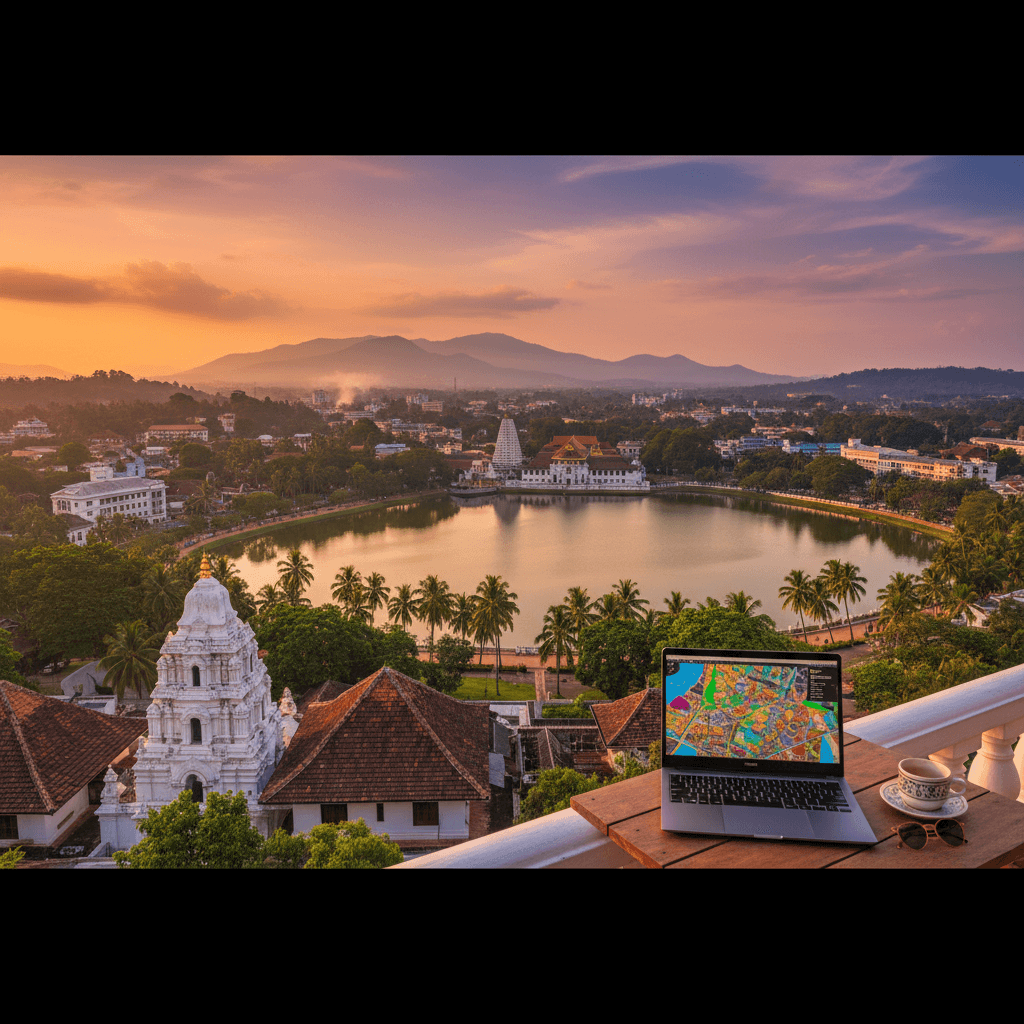
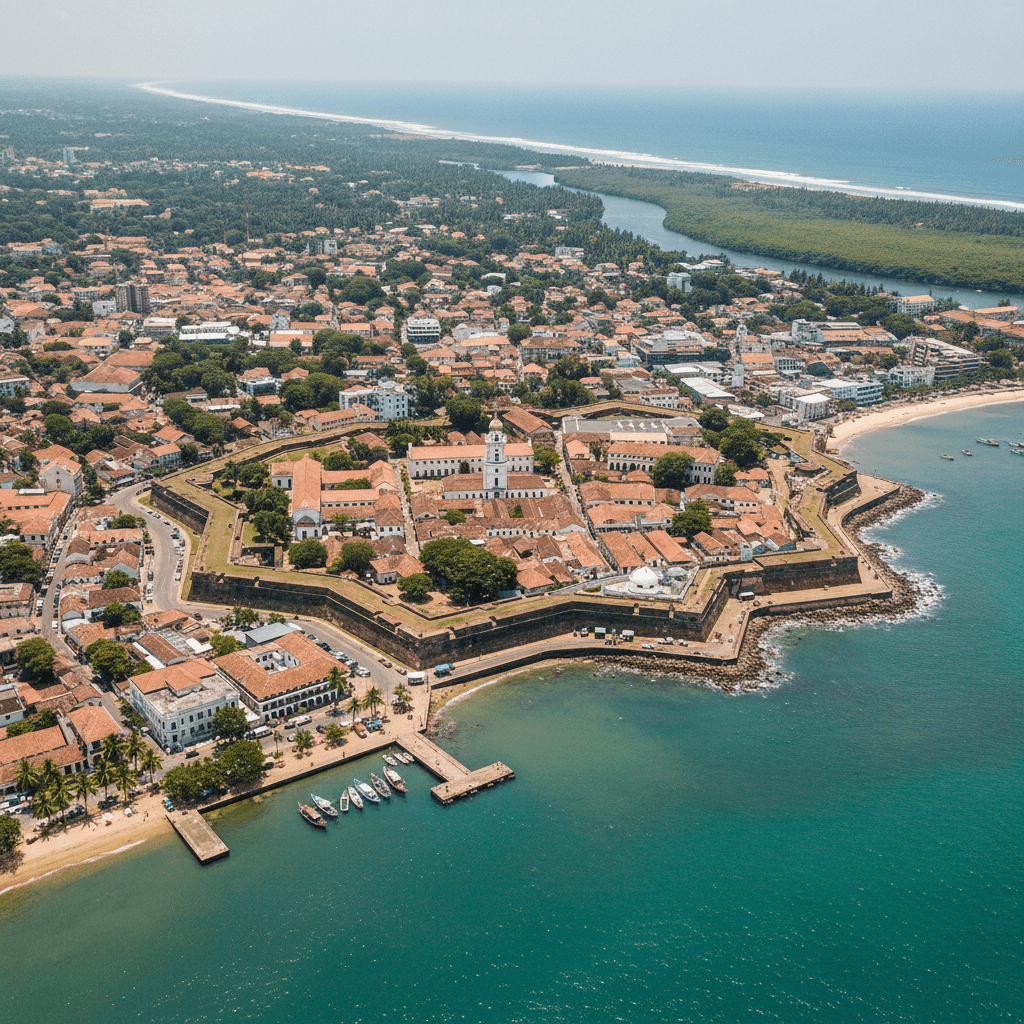
Galle feels slower than most nomad bases in Sri Lanka and that’s the appeal. The UNESCO-listed Fort has Dutch façades, art galleries, old churches, salty air and cafes where laptops sit next to seafood plates, so the whole place ends up feeling half history lesson, half beach town. It’s pretty, yes, but not polished and that rough edge is part of the charm.
Most people come for the pace. You’ll hear tuk-tuks buzzing on narrow lanes, rain drumming on tin roofs in monsoon season and fishermen hauling gear near the walls, while the humidity clings to your shirt and the sea smell hangs around all afternoon. The downside? Power cuts happen, WiFi can get flaky once you drift outside the Fort or Unawatuna and those June to August rains can wipe out any plan that depends on an outdoor table.
What it feels like
- Daily rhythm: Calm, walkable and slightly sleepy, with busy weekend spikes in the Fort.
- Best for: Nomads who like cafés, history, surf breaks and a small expat circle.
- Annoyances: Crowds in tourist pockets, patchy internet in some outer areas and monsoon interruptions.
Cost-wise, Galle is manageable if you don’t insist on a fancy setup. A solo nomad can get by on about $500 to $800 a month with a basic apartment, street food, buses and the odd coworking day, while a softer landing runs closer to $1,000 or more if you want a Fort flat, regular rideshares and better meals. Rent jumps fast inside Galle Fort, though, so don’t expect bargain prices just because you’re in Sri Lanka.
Where people actually stay
- Galle Fort: Best for solo nomads and expats, walkable and full of cafés, but pricier and crowded on weekends.
- Unawatuna: Better for beach days and longer stays, cheaper than the Fort, though the tourist crush can be annoying.
- Hikkaduwa: Good if you want nightlife and water sports, but it’s noisier and feels less centered for work.
The coworking setup is better than you’d expect. Dumbara in the Fort is the cleanest bet for fast internet, The Factory in Unawatuna is cheaper and plenty of nomads just camp at Cafe 28 with a coffee and decent WiFi, which, surprisingly, works fine most days. If you want a city that feels scenic without being frantic, Galle delivers, just don’t come expecting flawless logistics.
Galle isn’t cheap in the Fort, but it’s still easier on the wallet than Colombo if you’re sensible about where you sleep and eat. A solo nomad usually lands around $512 a month with rent or about $320 before rent and that number jumps fast if you insist on polished cafés, sea views and tuk-tuks instead of buses. Not bad. Not bargain-basement either.
Rent is the part that bites. In Galle Fort, a studio or 1BR often runs $250 to $500, Unawatuna usually sits around $150 to $350 and Hikkaduwa is somewhere in the middle, though nicer places go quickly, especially in season. If you push out toward the outskirts, you can find cheaper rooms, but then you’ll hear more scooters, more dogs, more rain hammering tin roofs and spend more time getting back to the cafés you actually like.
Typical Monthly Budget
- Budget: about $500, basic apartment, street food, buses
- Mid-range: about $1,000, 1BR in Fort, mixed dining, tuk-tuks
- Comfortable: about $1,800, nicer house in Unawatuna, scooter, better meals
Food is easy to manage if you don’t eat every meal beside the sea, where the menus quietly creep up. Street food like kottu and roti usually costs $2.50 to $5, mid-range meals run $5 to $10 and an upscale dinner for two can still stay under $20, which, surprisingly, keeps a lot of people here longer than planned. The smell of fried garlic, smoke and curry leaves drifts out of tiny kitchens at night and honestly, that’s where the real value is.
Transport stays manageable. A tuk-tuk across town is often $0.50 to $1.50, taxis sit around $5 to $10 for short hops and public buses are dirt cheap if you don’t mind the honking and the occasional hard stop. Ride-hailing apps like PickMe work well in Galle and a scooter can be worth it if you’re bouncing between Fort, Unawatuna and Hikkaduwa, though potholes and wet roads can make that feel less romantic than it sounds.
Area by Area
- Galle Fort: walkable, historic, social, but pricier and touristy
- Unawatuna: beachy, relaxed, cheaper, though weekends can get noisy
- Hikkaduwa: good for nightlife and surf, farther from the Fort
Coworking and internet are reasonable, not flawless. Day passes at spots like Dumbara can run about $7.50, The Factory in Unawatuna is around $5 and café work is fine if you’re happy buying one coffee and staying put. WiFi is usually solid in the Fort and Unawatuna, but in more rural pockets it gets flaky and during monsoon season the power can blink out just when you’re on a call, which gets old fast.
Nomads
Galle Fort is the default pick and honestly, it makes sense. You can walk to cafés, coworking spots like Dumbara and the sea wall, then duck back into Dutch-era lanes when the heat starts sticking to your skin. It’s pricier, but the tradeoff is simple, easier days and better company.
Expect rent around $250 to $500 for a studio or 1BR in the Fort, with day-to-day costs around $500 to $1,000 if you’re mixing street food, tuk-tuks and coworking. WiFi’s usually fine in the Fort, weirdly better than in some beachy outskirts, though power cuts still happen and monsoon rain can turn a quick café hop into a soggy mess.
Expats
Unawatuna is where a lot of longer-stay expats settle, because it feels looser and less trapped inside the tourist postcard. The mornings smell like salt and fried hoppers, scooters buzz past and the beach is close enough that you’ll actually use it instead of just talking about it.
Rent usually runs $150 to $350 for a 1BR, so it’s easier on the wallet than the Fort and The Factory gives you a practical backup when home internet gets flaky. It’s not quiet, though, because beach bars, party crowds and late-night tuk-tuks can make sleep annoyingly patchy, especially on weekends.
Families
Unawatuna is the clearest family choice, because kids get beach time and parents get slightly saner prices than in the Fort. You’ll find bigger houses outside the main strip and the pace is slower once you get away from the packed sand and the souvenir stalls.
Monthly costs for a family of four can land around $1,067 and that’s before you start paying for comfort, extra rides or imported groceries. If you want quieter streets, aim a little inland, because the beachfront can get loud with music, mopeds and the slap of late rain on tin roofs.
Solo Travelers
Hikkaduwa suits solo travelers who want nightlife, diving and a place that doesn’t go to sleep too early. It’s busier and a bit farther from Galle Fort, but that also means more movement, more people to meet and fewer evenings spent staring at the same wall fan.
Rent starts around $200 to $450, so it sits between the Fort and Unawatuna and you’ll still find cheap tuk-tuks, beach bars and enough food stalls to keep costs down. Skip it if you want quiet, because the soundtrack is often bass, traffic and surf crashing hard after dark.
Galle’s internet is good enough for real work, mostly, but it isn’t flawless. In Fort and Unawatuna, fiber and 4G are usually steady, with speeds around 36 to 48 Mbps, though some cafés still drop to 10 or 20 Mbps when the lunch crowd piles in and everyone’s phone starts pinging, which, surprisingly, happens a lot after 11 a.m.
For serious laptop days, a few cafés like Cafe 28 will let you sit with a coffee and work for around 500 LKR, so long as you’re not hogging a table all afternoon.
Best coworking picks:
- Cafe 28: Coffee and WiFi for roughly 500 LKR, good for a light work block, not a full day.
Buy a local SIM early, because it saves a lot of grief when the café router starts acting up. Dialog and Mobitel tourist packs are cheap, usually 20GB for about $4, 30GB for $5 and 50GB for $7 and you’ll need your passport at the airport or in a shop, honestly the whole setup takes less time than finding a good adapter.
Budget-wise, Galle can be very manageable. A solo nomad can scrape by on $500 to $800 a month, with a basic apartment, street food, buses and a few coworking days, while a mid-range setup sits closer to $1,000 if you want a one-bedroom in Fort, mixed dining and the occasional tuk-tuk. Comfortable living starts around $1,500 and that’s when you’re looking at a nicer house in Unawatuna, better meals and maybe a scooter.
What most people actually spend:
- Rent: Around $150 for budget, $300 for mid-range, $450 for comfortable.
- Meals: $10 a day on cheap food, $20 if you mix in cafés and seafood.
- Transport: Tuk-tuks are usually $0.50 to $1.50 for short hops, PickMe works well.
- Internet: Plan $50 to $150 monthly if you use coworking and don’t want drama.
My take, stay in Galle Fort if you want walkability and don’t mind weekend crowds or pick Unawatuna if you’d rather hear waves than tuk-tuk horns. Hikkaduwa’s fine if nightlife matters more than quiet focus, but it’s farther out and noisier, so it’s not my first choice for getting work done.
Galle feels pretty calm on the surface and that’s mostly true. The Fort is walkable, the beach areas are easygoing and violent crime stays low, but petty theft does happen in crowded spots, especially around weekends, markets and packed café strips where bags get left on chair backs and phones end up too close to the edge.
Stick to well-lit streets in Galle Fort after dark, keep your guard up near beaches at night and don’t drift into lonely stretches just because the sea breeze feels nice, because the humidity, the honking tuk-tuks and the smell of fried kottu can make a place feel safer than it really is. There aren’t any specific no-go zones in town, honestly, but common sense still matters and locals will tell you the same thing if you ask.
Healthcare Basics
- Government hospitals: Free or very cheap, basic standards, fine for simple issues but slow and crowded.
- Private care: Better service and cleaner rooms, with doctor visits around $15.
- Pharmacies: Easy to find around Galle, including Keells-linked outlets for common meds and basics.
- Emergency numbers: Call 119 or 1990 and the hospital line is 011-259-9999.
If you need real treatment, private care is the move. Asiri Surgical is the name people usually mention for stronger private care nearby and for most routine stuff, a clinic visit, a basic prescription or a scraped-up scooter knee, it’s straightforward enough once you find the right desk and speak clearly.
The healthcare system can feel clunky, weirdly formal and a bit slow on paperwork, though pharmacies are easy and doctors usually understand what travelers need. Bring cash for smaller clinics, keep travel insurance handy and don’t assume every place takes cards, because that’ll leave you standing under a ceiling fan while someone goes looking for change.
Neighborhood Safety Notes
- Galle Fort: Safest for most nomads, especially if you stay central and lit-up.
- Unawatuna: Generally fine, though nightlife areas can get messy and noisy.
- Hikkaduwa: Busier after dark, so keep valuables close and use a ride home.
Most expats I’ve heard from don’t worry much about day-to-day safety in Galle, they worry about boredom, rain and power cuts. That’s the real annoyance, not crime and if you’re working late, a backup battery and a decent data SIM will save you more stress than any fancy apartment security.
For healthcare and safety, Galle is pretty manageable. Not perfect, though. Keep your wits about you, avoid flashing valuables and treat rainy-night scooter rides like the bad idea they usually are.
Galle is easy to get around, mostly because you don’t need to move fast. The Fort is fully walkable, the sea air smells like salt and fried dough in the evenings and most days you’ll hear tuk-tuk engines, bus brakes and the odd scooter buzzing past the old Dutch walls. Short trips are cheap, but don’t expect perfect timing. Buses run late, drivers improvise and monsoon rain can turn a simple ride into a soggy wait under a shop awning.
Walk first, then decide. In Galle Fort, walking usually beats everything else, especially if you’re heading between cafés, galleries, coworking spots and dinner at Pedlar’s Inn or Ropewalk. Outside the Fort, that changes fast, because the heat, distance and patchy sidewalks make even a one-kilometre walk feel longer than it should.
Best ways to move around
- On foot: Best inside Galle Fort, free and honestly the nicest way to take in the lanes and colonial buildings.
- Tuk-tuks: Great for short hops, usually about $0.50 to $1.50, but agree on the price before you get in if the meter’s missing.
- PickMe or Uber: Reliable for airport runs, beach transfers and nights when you don’t want to bargain.
- Buses: Dirt cheap at around $0.17 a ride, crowded, noisy and slow, though useful if you’re on a tight budget.
If you’re staying a while, a scooter can make life easier, especially in Unawatuna or toward Hikkaduwa, where beach roads are more spread out. Rentals usually run $5 to $10 a day and bikes are handy for mellow coastal stretches, though the traffic can be weirdly chaotic if you’re not used to Sri Lankan road habits. Right-hand drive, sudden overtakes, horn blasts and dogs sleeping in the middle of the road, that’s the rhythm.
Airport transfers from Colombo take about two hours and cost roughly $30 to $50 by PickMe or taxi, so pre-book if you land late or don’t want to deal with negotiation fatigue after a flight. For day-to-day life, most nomads stick to a mix of walking, tuk-tuks and ride-hailing, because it’s cheap enough and saves you from sweating through your shirt before lunch.
Area by area
- Galle Fort: Best on foot, cafés and coworking are close together.
- Unawatuna: More bike and scooter friendly, especially for beach-to-café runs.
- Hikkaduwa: Better with a scooter or app ride, since things are more spread out.
For most people, transport here won’t wreck the budget. It just won’t always be smooth and that’s part of the deal.
English gets you pretty far in Galle Fort, Unawatuna and the cafés around them, so day-to-day life rarely feels like a language puzzle. But step a few streets inland or into a busier market and Sinhala or Tamil suddenly matters, because the English drops off fast and people switch into local shorthand without apologizing for it.
Ayubowan is the greeting you’ll hear most and it’s a good one to use back. Say it with a smile, then move on, that’s usually enough. For small errands, the local phrases help a lot, especially when you’re ordering food, asking for the bill or trying to explain a tuk-tuk drop-off near the Fort walls.
- “Ginumak karunakarala”: bill, please, in Sinhala.
- “Kanakku kudunga”: bill, please, in Tamil.
- Google Translate: handy, but don’t rely on it for everything.
- English: fine in tourist areas, patchy outside them.
Phone language gaps are manageable, honestly, because most café staff and hotel teams are used to foreign guests. The tricky bits are tuk-tuk negotiations, pharmacy runs and rural errands, where a few words and a patient smile save time and sometimes save you from paying the “foreigner price” twice.
Internet chats are easier. WiFi in Galle Fort and Unawatuna is usually good enough for calls and uploads, though weirdly it can dip in the middle of a workday, especially when the power flickers or the rain starts hammering tin roofs. If you need a reliable backup, grab a Dialog or Mobitel tourist SIM at the airport or a shop with your passport, then keep a hotspot ready.
- Dialog tourist packs: around 20GB for $4, 30GB for $5, 50GB for $7.
- Cafe 28: coffee, WiFi and a decent place to sit for a while.
People are generally helpful, though they may answer fast and move on before you’ve finished your question, so don’t be shy about repeating yourself. Speak slowly, keep your requests simple and if someone sounds abrupt, it’s often just pace, not attitude. The humidity, the generator hum, the scooter noise, all of it adds a little friction, but the communication side of Galle is still pretty easy once you settle in.
Galle sits in that sticky sweet spot between beach town and old fort city. Most days feel warm, humid and slow, with salt in the air, scooter engines buzzing past the Dutch walls and sudden afternoon rain that can turn a nice workday into a dash for cover. Summers are hot and damp. No surprise there.
Best time to visit: December to April is the clean win. You get drier weather, brighter beach days and fewer interruptions if you’re trying to work from a café in Galle Fort or out by Unawatuna. May to September is the rough patch, with the southwest monsoon bringing heavy rain, grey skies and those weirdly moody afternoons where the sea looks beautiful but the internet starts acting up.
The shoulder months, especially October and November, can be a mixed bag, honestly, with short bursts of rain, softer light and enough sunshine to keep the place pleasant without the peak-season crush. If you like quieter streets and don’t mind carrying an umbrella, that window can be a decent trade-off.
Best months
- December to April: Best for beaches, walking around the Fort and reliable outdoor time.
- May to September: Wet and windy, with June to August usually the messiest stretch.
- October to November: Transitional, so expect a mix of sunshine and downpours.
What that means for nomads: if your work depends on stable WiFi and you like sitting outside, plan around the dry season and book somewhere in Galle Fort or Unawatuna. Fort cafés, Coworking spaces like Dumbara and beachfront spots usually cope better than rural rentals, which, surprisingly, can get hit harder by outages and patchy signal.
Rain changes the mood fast here and the noise is half the story, gutters gurgling, palm leaves thrashing, tuk-tuks splashing through puddles, windows rattling on old colonial houses. The upside is cheaper stays and fewer tourists, though the downside is obvious, you’ll probably lose a few beach days and some scooter plans to the weather.
My take: come between January and March if you want the easiest version of Galle. It’s still hot, still humid and your shirt will cling to you by noon, but the sea is calmer, the streets are livelier and you’re less likely to spend a whole week listening to rain hammering on a tin roof.
Galle moves at a slower, saltier pace than Colombo and that’s part of the appeal. You’re working with sea air, Fort walls, church bells and the smell of fried kottu drifting out of side streets, not a polished business district, so your day can feel calm one minute and mildly chaotic the next.
Budget: a solo nomad can scrape by on about $500 to $800 a month if you keep to a simple apartment, street food, buses and the odd coworking day. A more comfortable setup lands closer to $1,000 to $1,800, especially if you want a decent one-bedroom in Galle Fort or Unawatuna, because rent jumps fast in the nicest spots.
Where to Stay
- Galle Fort: Best for walkability, cafés and meeting other nomads, but rents are pricier and weekends get crowded.
- Unawatuna: Easier on the wallet, beachier and good for longer stays, though the party crowd can be annoying at night.
- Hikkaduwa: Better if you want surf and nightlife, but it’s noisier and a bit farther from the Fort.
For work, the internet is decent enough for most remote jobs, with fiber and 4G holding up well in Fort and Unawatuna and places like Dumbara and The Factory are the real standby options when your guesthouse WiFi decides to wobble. Dialog and Mobitel tourist SIMs are cheap, so grab one at the airport with your passport and don’t rely on hotel WiFi alone, honestly, because power cuts and random slowdowns still happen.
Getting Around
- Walk: Galle Fort is easy on foot and that’s the nicest way to do it.
- PickMe: The most useful app for tuk-tuks and short rides.
- Bus: Cheap, crowded and fine if you’re patient.
- Scooter: Handy for beaches, but the roads can be messy and drivers are impatient.
Safety is fairly good, though petty theft can happen in busy areas, so don’t leave a phone on a café table and wander off for a long chat. At night, stick to lit streets, especially around the beach, where the air gets heavy, the generators hum and everything feels a little more deserted than it should.
For money, ATMs are easy to find and Wise or PayPal helps if you’re moving funds around. Need a day off? Jungle Beach, Hikkaduwa and the Koggala turtle hatchery make easy escapes and if you’re eating out, skip the overhyped tourist spots and head for simple local rice and curry, because that’s where the price and flavor both make sense.
Need visa and immigration info for Sri Lanka?
🇱🇰 View Sri Lanka Country GuideEasy Landing
Settle in, no stress
Monthly Budget Estimates
More cities in Sri Lanka
Negombo
🇱🇰 Sri Lanka
Hikkaduwa
🇱🇰 Sri Lanka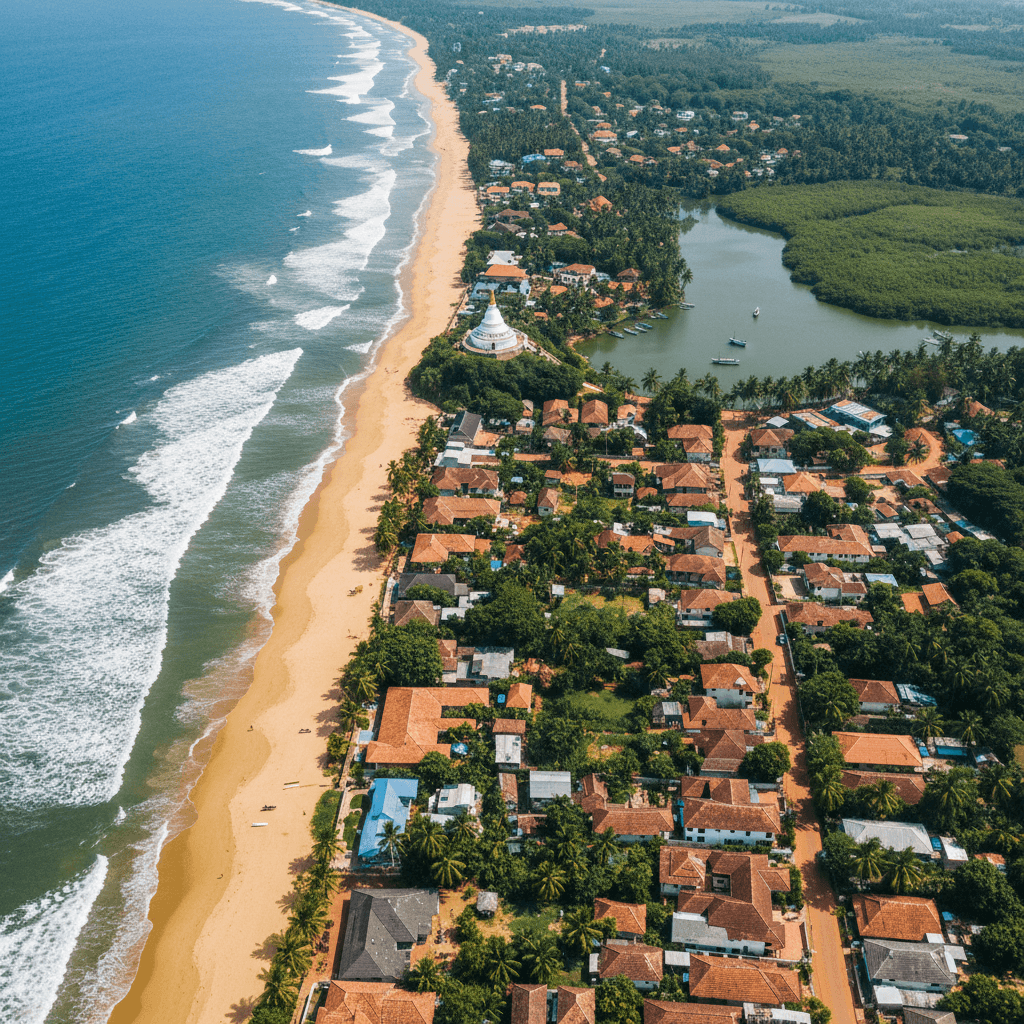
Arugam Bay
🇱🇰 Sri Lanka