Fuzhou
🇨🇳 China
The Banyan City Identity
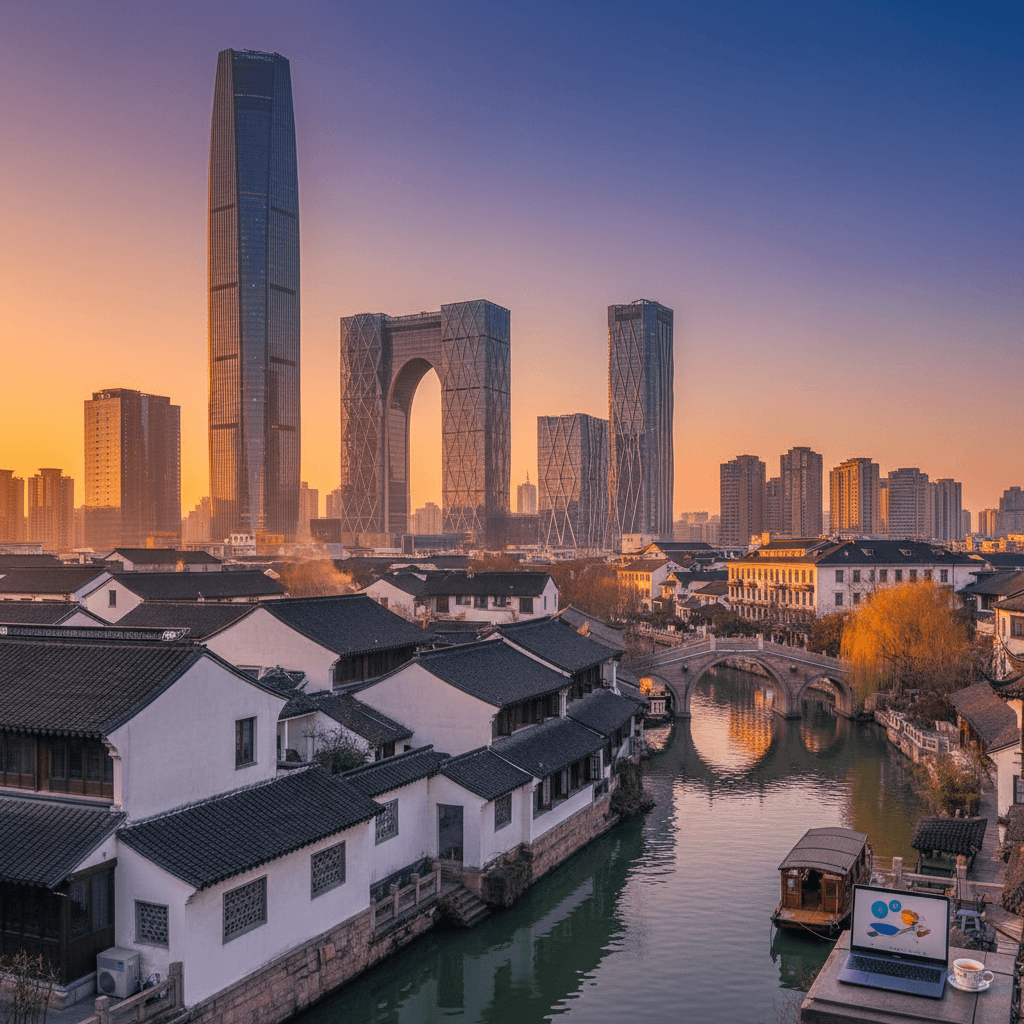
Fuzhou is the quiet achiever of the southeast coast. While nomads flock to the digital chaos of Shenzhen or the mountain vibes of Dali, Fuzhou remains a city of slow mornings and deep green canopies. It is famously known as the Banyan City, and you will feel that name the moment you step outside. Massive, centuries old trees drape their aerial roots over the sidewalks, creating a natural humidity buffer and a mood that is far more relaxed than the frantic pace of the Yangtze River Delta.
The vibe here is a mix of maritime history and emerging tech. It is the capital of Fujian province, but it feels more like a collection of interconnected villages than a monolithic megacity. You get the polish of modern China, think gleaming malls and silent electric scooters, paired with a tea culture that dictates the speed of life. People here take their jasmine tea seriously; it is the city's aromatic signature. You will often find locals lingering in parks or alleyways, far more interested in a slow brew than a fast meeting.
The Nomad Experience
Living here feels like being in on a secret. You won't find a massive Western nomad community, which means you get an authentic slice of Chinese urban life without the "expat bubble" price tag. Most nomads who land here appreciate the balance of infrastructure and cost. You have access to the high speed rail network that puts Xiamen typically 1.5 to 2 hours away, yet your daily overhead is significantly lower than in Shanghai or Beijing.
The emotional experience of Fuzhou is one of discovery. It is walking through the Sanfang Qixiang (Three Lanes and Seven Alleys) and seeing ancient Ming and Qing dynasty architecture preserved right next to a Starbucks. It is the smell of Fish Balls (Yu Wan) and Rouyan dumplings hitting you in the humid night air. It feels established and grounded. You aren't just a tourist; you're part of a city that has been a trading hub for over a thousand years.
Logistics and Connectivity
To thrive here, you need to embrace the Chinese digital ecosystem immediately. Cash is effectively dead. You will be using Alipay or WeChat Pay for everything from a 2 RMB bus ride to your monthly rent. For getting around, Didi is the go to ride hailing app, and the city's growing Metro system is spotless and easy to use. If you're working remotely, a high quality VPN is your most important tool, as the Great Firewall is very much a reality here.
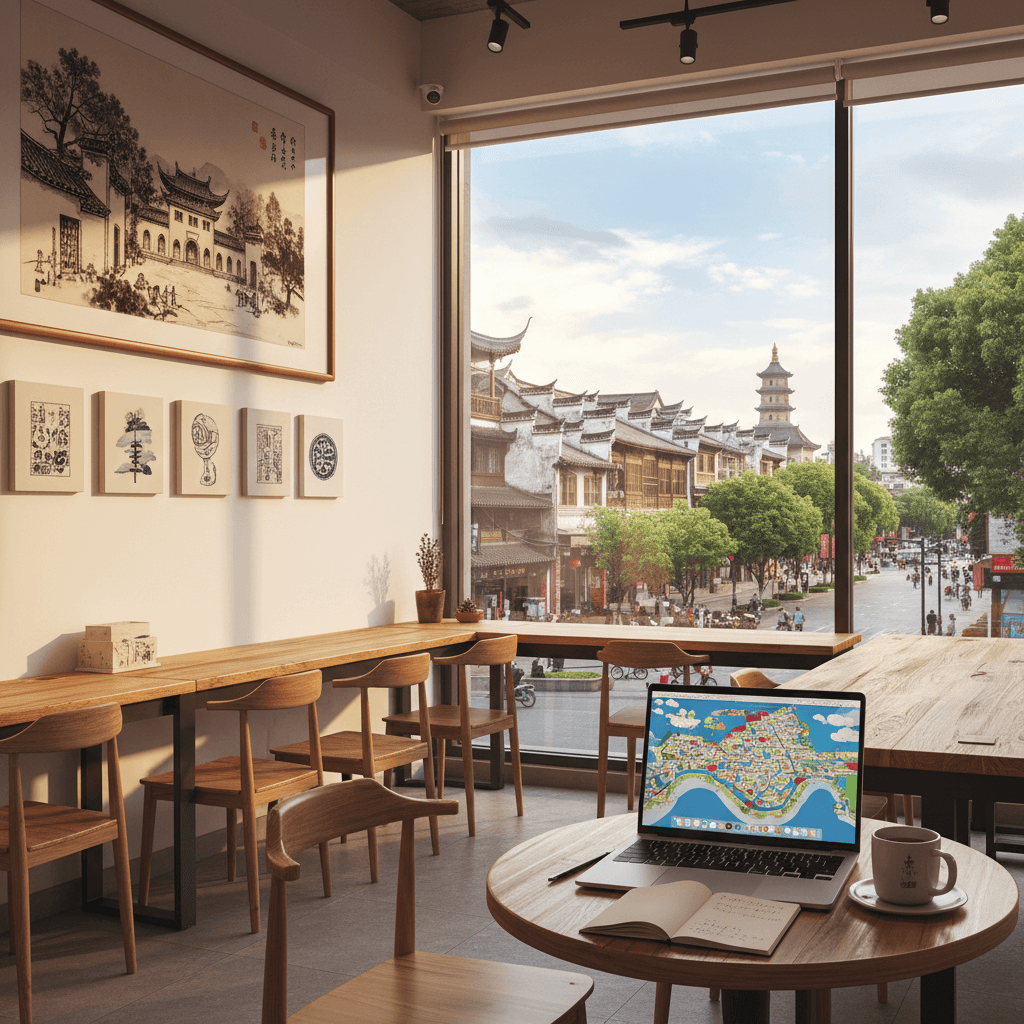
While dedicated "coworking cafes" aren't on every corner, the coffee scene is exploding. You'll find plenty of workspaces in the Gulou District, which serves as the city's functional heart. Expect to pay around 25 to 40 RMB for a decent latte. The city is also surprisingly green, with the Fuzhou Forest Walkway (Fudao) providing miles of elevated paths through the hills, perfect for clearing your head after a long stint behind the laptop.
Cost of Living Snapshot
- One Bedroom Apartment (Central): 2,500 to 4,000 RMB per month
- Local Meal: 20 to 50 RMB
- Monthly Transit Pass: 100 to 200 RMB
- High Speed Internet: 100 to 150 RMB per month
Fuzhou doesn't shout for attention. It's a place for the nomad who wants to settle into a rhythm, drink world class tea, and experience a coastal Chinese city that still feels like it belongs to its residents rather than Instagram influencers. It is comfortable, functional, and deeply green.
The Nomad Budget in Fuzhou
Fuzhou is one of those rare tier two coastal cities where your money stretches surprisingly far without sacrificing the perks of modern Chinese infrastructure. While it lacks the international prestige of Shanghai or the tech-heavy price tags of Shenzhen, it offers a balanced lifestyle that most nomads find refreshing. You can live comfortably here on a budget of $1,100 to $1,500 per month, though minimalist travelers often dip below the $950 mark by sticking to local neighborhoods.
The local currency is the Renminbi (RMB), and you'll quickly realize that cash is nearly obsolete. Everything from a 5 RMB bottle of tea to your monthly rent is handled through Alipay or WeChat Pay. Make sure your international cards are linked before you arrive, as trying to navigate the local economy without digital payments is a headache you don't want.
Monthly Living Breakdown
- Housing (One-bedroom apartment): $450 to $750
- Coworking Membership: $120 to $180
- Local Meals: $150 to $250
- Transport (Metro and Didi): $60 to $100
- Utilities and High-Speed Internet: $50 to $80
Where to Plant Your Laptop
The Gulou district is the heart of the city and carries a slightly higher price tag, but it puts you within walking distance of West Lake and the best coffee shops. If you want something more modern and don't mind a commute, the Cangshan district offers newer high-rises at a discount. Expats recommend looking at the Taijiang area if you want to be near the riverfront and the central business district.
- Gulou District: Expect to pay around 4,000 RMB ($550) for a decent, modern studio. This is the most walkable part of Fuzhou.
- Cangshan District: Prices drop to about 3,000 RMB ($415) for larger spaces. It's popular with younger locals and students.
- Jin'an District: A middle ground with plenty of new shopping malls and apartments ranging from 3,500 to 4,500 RMB.
Food and Drinks
Eating out is where Fuzhou really shines for your wallet. A bowl of local fish ball soup or ban mian at a neighborhood spot will cost you less than 20 RMB ($2.75). Even if you prefer mid-range sit-down restaurants, a solid dinner for two rarely exceeds 150 RMB ($20). Coffee culture is booming here too; a flat white at a specialty cafe like Blue Box or one of the many spots in the Three Lanes and Seven Alleys area usually runs about 25 to 35 RMB.
Grocery shopping at local wet markets is incredibly cheap, but most nomads find themselves using apps like Meituan or Ele.me for convenience. Delivery fees are often less than $1, and the speed is better than anything you've experienced in the West. If you crave imported goods, shops like Sam's Club are available, but they will quickly inflate your monthly food budget.
Getting Around
The Fuzhou Metro is clean, fast, and dirt cheap, with most rides costing between 2 and 7 RMB. For late nights or rainy days, the Didi app is your best friend. A 20 minute ride across town rarely costs more than 30 RMB ($4). Many long term residents end up buying an electric scooter for around 2,000 RMB ($275) to bypass traffic entirely, which is a one time investment that pays for itself in months.
Workspace Costs
While Fuzhou doesn't have the massive coworking hubs found in Beijing, spaces like WeWork or local alternatives in the Fuzhou Software Park offer hot desks for roughly 1,000 to 1,300 RMB per month. Many nomads prefer working from the massive libraries or the quiet cafes near Fuzhou University, where the only cost is a 30 RMB latte and the occasional snack.
For Digital Nomads: Gulou District
If you want to be where the action is, Gulou is your spot. It is the historical and political heart of the city, meaning you are never more than a short walk from a decent coffee shop or a 24 hour convenience store. Most nomads gravitate toward the area around West Lake Park, where you can find a solid concentration of laptop friendly cafes like Micro Coffee Roaster, Coffeedan, No Sugar, or Incoffee.
Expect to pay around 3,500 to 5,000 RMB for a decent one bedroom apartment here. While dedicated coworking spaces aren't as common as in Shanghai, the Fuzhou Software Park nearby has some shared office vibes if you need a professional desk. The internet speeds are generally excellent, provided you have your VPN situation sorted before you arrive. It is the best place to stay if you want to soak up the local history at Three Lanes and Seven Alleys between deep work sessions.
For Expats and Long Termers: Cangshan District
Cangshan is located on an island south of the city center and feels much more laid back. This is the traditional diplomatic quarter, so you will see plenty of old colonial architecture and leafy streets. Expats usually choose this area because it is home to several international schools and Fujian Normal University, which gives the neighborhood a younger, more international energy. It is less crowded than Gulou and the air feels a bit fresher near the river.
- Rent: 2,800 to 4,500 RMB for a modern apartment.
- Food: A mix of local stalls and western style pubs. The Student Street area is great for cheap, delicious eats.
- Vibe: Quiet, residential, and green.
You will find a lot of people hanging out at Wanda Plaza in Cangshan for shopping and groceries. It is a bit of a commute to the city center, but the metro line 1 makes it manageable. Many long termers find the slower pace here helps avoid the burnout that comes with living in a dense Chinese urban core.
For Families: Jin'an District
Jin'an has seen a lot of development lately and is perfect for families who want more space and modern amenities. The area around Dongtai Square is a massive hub with playgrounds, cinemas, and international dining options. The apartments here are generally newer and come with better management services than the older walk ups in the city center. You are also closer to Gushan Mountain, which is the go to spot for weekend family hikes and getting away from the pavement.
Living here usually requires a budget of 5,000 to 7,500 RMB for a three bedroom unit in a gated community. These complexes often have their own private gyms and gardens, which is a huge plus if you have kids. Most families find that having a Didi account is essential here, as the district is more spread out than the historical center.
For Solo Travelers: Taijiang District
If you are in Fuzhou for a shorter stint and want to be near the water, Taijiang is the place to be. It sits right along the Min River and is famous for its night markets and neon lights. The Suning Plaza area is a central point for solo travelers because it is packed with small studios and high rise hotels that are easy to book on Trip.com or Meituan. It is also the commercial hub, so if you are here for networking or business, you are in the right place.
- Local Life: The Minjiang Night Cruise starts here, and the riverside parks are perfect for evening walks.
- Budget: You can find serviced apartments for around 150 to 250 RMB per night.
- Accessibility: High, with multiple metro connections and easy access to the main Fuzhou Railway Station.
Solo travelers often say the best part of Taijiang is the food scene. From the Fuzhou fish balls at local stalls to the high end seafood restaurants overlooking the river, you won't go hungry. It is a high energy neighborhood that stays awake much later than the residential parts of Cangshan.
The Connectivity Reality
Working from Fuzhou requires a bit more preparation than your typical Southeast Asian nomad hub. You aren't going to find a massive community of remote workers here like you would in Dali or Chiang Mai, but the infrastructure is surprisingly robust for those who know how to set it up. High speed fiber is standard in most mid range apartments and hotels, often reaching speeds of 300Mbps to 500Mbps.
The Great Firewall is your biggest hurdle. You absolutely need a high quality VPN or a specialized roaming SIM before you land. Most expats in the city rely on Astrill or Shadowsocks protocols to keep Slack and Google Services running. If you're coming for a short stint, a Hong Kong based eSim is a popular workaround because it bypasses the firewall naturally without needing a separate app.
Coworking Spaces and Where to Grind
Fuzhou doesn't have a huge variety of dedicated coworking brands like WeWork, but the local scene is growing around the tech districts. Most nomads gravitate toward Gulangyu Software Park or the Taijiang District for professional setups. Prices are generally lower than what you'll find in Shanghai or Shenzhen.
- Regus: Located in the heart of the Taijiang CBD, this offers a reliable, international standard for those needing a corporate environment. It provides professional meeting rooms and high-speed internet in a central location.
- Vanke Cloud City: This is more of a creative hub near the university area. It's younger, a bit louder, and great for networking with local entrepreneurs. Monthly desks go for about 1,200 CNY.
- Local Incubation Centers: While Fuzhou lacks a flagship WeWork branch, several local centers in the Cangshan District offer hot desk setups at comparable rates to other Chinese tier-two cities.
The Cafe Culture Alternative
If you prefer the "laptop and a latte" vibe, Fuzhou has a massive tea culture that is slowly being supplemented by high end specialty coffee. The Three Lanes and Seven Alleys (Sanfang Qixiang) area has some beautiful renovated traditional houses turned into cafes, though they can get touristy and loud on weekends. For real work, head to the backstreets of Gulou District.
Most local cafes expect you to order via WeChat Mini Programs. You'll scan a QR code on the table, pay with Alipay, and your drink appears. A decent flat white will cost you between 25 CNY and 35 CNY. Look for Luckin Coffee for a cheap, fast caffeine fix, or Manner Coffee if you actually care about the bean quality. Just check for power outlets before you get settled; many newer, minimalist shops are surprisingly stingy with plugs.
Digital Essentials for Fuzhou
Survival here is impossible without a few specific apps. Since you likely won't have a local bank account immediately, make sure your Alipay is linked to your home country's Visa or Mastercard. It works for almost everything from the subway to street food stalls.
- Gaode Maps (Amap): Way more accurate than Google Maps for Fuzhou's bus routes and hidden alleyways.
- Didi: The ride hailing king. It's integrated into Alipay and has a decent English interface.
- Meituan: If you're deep in a work sprint, use this for food delivery. The sheer speed of delivery in Fuzhou is addictive.
Data plans are incredibly cheap if you get a local China Unicom or China Mobile SIM. You can get a massive 100GB data package for around 150 CNY per month. Just bring your passport to a main branch office to get it registered, as smaller kiosks often won't handle foreign IDs.
Staying Safe in the Banyan City
Fuzhou is remarkably safe, even by high Chinese standards. You'll quickly notice that walking through Gulou or the historic Sanfang Qixiang district at 2:00 AM feels no different than walking there at noon. Street crime is almost non existent, though you should still use common sense in crowded areas like the Dongjiehou metro station to avoid the rare pickpocket.
The real safety concerns are more mundane. Traffic in Fuzhou can be chaotic, especially with the swarm of silent electric scooters that frequently ignore red lights or zip onto sidewalks. Always look both ways twice before crossing, even on a green light. If you're renting a bike or scooter, wear a helmet and stay alert in the dedicated bike lanes.
Scams are rare but usually involve "tea ceremonies" or "art students" in high traffic tourist areas who invite you for a drink and leave you with a massive bill. If a stranger approaches you with overly polished English in a tourist zone, politely decline and keep moving. Stick to reputable spots like the Antithesis coffee shop or local tea houses in the old town where prices are clearly marked.
- Emergency Police: 110
- Fire Department: 119
- Medical Emergencies: 120
- Traffic Accidents: 122
Healthcare and Hospitals
If you get sick, skip the small local clinics unless you speak fluent Mandarin. Expats in Fuzhou generally head to the "International Departments" of the major public hospitals. These wings offer English speaking staff, shorter wait times, and a more streamlined experience, though you'll pay a premium for the convenience.
The Fujian Provincial Hospital in the Gulou district is the most reliable choice for nomads. Their international clinic is well equipped and handles everything from routine infections to more serious diagnostics. Another solid option is the First Affiliated Hospital of Fujian Medical University. Expect to pay between 300 RMB and 800 RMB for a standard consultation in these VIP departments.
For minor issues, local pharmacies (Yao Dian) are everywhere. Look for the green cross. You can find basic over the counter meds, but the packaging will be in Chinese. Use the Baidu Translate app to scan labels or show the pharmacist what you need. Most expats recommend bringing a supply of your specific prescription meds from home, as certain Western brands can be hard to track down or require a local prescription.
Health Insurance and Payments
Don't expect your home country's insurance to be accepted directly at the desk. You'll almost certainly have to pay upfront via Alipay or WeChat Pay and then file for reimbursement later. Make sure to ask the hospital for a "fapiao" (official tax receipt) and a medical report in English to make your claim easier.
Modern nomads usually opt for international providers like SafetyWing or Genki. These plans are designed for the lifestyle and cover the costs of these private wing visits. If you're staying for several months, ensure your policy includes medical evacuation, just in case you need specialized care in Shanghai or Hong Kong.
Environmental Wellness
Fuzhou generally enjoys better air quality than northern Chinese cities, thanks to its coastal location and "Green City" initiatives. However, the humidity can be intense during the summer months. Stay hydrated and be mindful of the heat if you're working from outdoor spots like West Lake Park. Tap water isn't drinkable, so stick to filtered water from your apartment or buy 5 liter jugs of Nongfu Spring at any 24 hour convenience store for about 10 RMB.
The Logistics of Movement
Fuzhou is a city of rivers and hills, which makes its layout a bit more winding than the grid systems you see in Beijing. Getting from your apartment in Gulou to a workspace in Taijiang is straightforward once you download the right apps. Most expats rely heavily on Alipay or WeChat to handle every part of the commute, from unlocking a bike to paying for a private car.
The city is split by the Min River, so you'll find yourself crossing bridges constantly. While it’s a large provincial capital, the central districts are surprisingly compact. You can get across the main hub in about 20 to 30 minutes if you time it outside the morning rush.
The Metro System
The Fuzhou Metro is clean, incredibly cheap, and growing fast. Line 1 is the backbone of the city, connecting the Fuzhou Railway Station in the north to the South Railway Station. If you’re staying near Dongjiekou, this line will be your primary way to get around.
- Cost: Fares start at 2 RMB and rarely exceed 7 RMB even for long hauls.
- Hours: Generally runs from 6:30 AM to 11:00 PM.
- Payment: Use the e-Fuzhou app or simply scan the transport QR code within Alipay. No need for physical tokens.
Didi and Taxis
Hailing a car is the default for most nomads here. Didi is the Chinese version of Uber and it’s integrated directly into the Alipay interface. You don't need a separate app. Most rides within the city center cost between 15 and 30 RMB. If you’re heading out to the Changle District or the airport, expect to pay closer to 150 RMB.
Standard taxis are still around, usually colored blue or green. They are metered, but drivers rarely speak English. If you use them, have your destination written in Chinese characters on your phone. Most travelers find Didi easier because the destination is set digitally, avoiding any language barriers or navigation mishaps.
Two-Wheeled Travel
Fuzhou has a massive culture of electric scooters and shared bikes. You’ll see HelloBike (blue) and Meituan (yellow) cycles parked on almost every corner. These are perfect for "the last mile" between the metro station and your favorite coffee shop.
- Shared Bikes: Usually cost about 1.5 to 2.5 RMB per 30 minutes.
- Electric Scooters: Many long term expats end up buying a used e-bike for around 1,500 to 2,500 RMB. It’s the fastest way to bypass traffic in the narrow alleys of the Three Lanes and Seven Alleys area.
- Safety: Be careful on rainy days. The painted lines on the road become incredibly slick, and Fuzhou drivers can be aggressive with their lane changes.
Walking the Greenways
One of the best parts of Fuzhou is the Fudao, a massive elevated forest walkway. It stretches over 19 kilometers and connects several urban parks. While it isn't a primary way to commute to work, it’s how locals move between neighborhoods like Jin'an and Gulou for leisure. It’s entirely pedestrian, offering a break from the constant hum of electric scooters on the street level.
Regional Connections
When you need to leave the city, the high speed rail is your best friend. Fuzhou is a major stop on the coastal line. You can reach Xiamen in about 1.5 to 2 hours for roughly 80 to 120 RMB. If you’re heading further, Shanghai is about 4.5 hours away. Always book your tickets in advance on Trip.com or 12306, especially around public holidays when seats sell out weeks in advance.
The Linguistic Landscape
Expect a steep learning curve when you land in Fuzhou. Unlike the international bubbles of Shanghai or Shenzhen, English is rarely spoken on the streets here. You might find some English speakers in the high end hotels around Gulou or among the younger crowd at Taijiang malls, but for daily life, you are going to be reliant on translation tech.
The local tongue is Fuzhou dialect, or Fuzhou Hua. It sounds completely different from Mandarin, with a unique tonal system that even native speakers from Beijing find baffling. While the older generation uses it exclusively at the wet markets in Shanghang Hangzhou, almost everyone you interact with professionally or in shops will speak standard Mandarin. Learning a few basic Mandarin phrases for "how much" (duo shao qian) and "check please" (mai dan) goes a long way with the locals.
Essential Tech and Translation Apps
Don't even think about stepping out of your apartment without a solid translation app. Pleco is the gold standard for expats in China because it works offline and has a great dictionary system. For real time conversations, Baidu Translate or Youdao often outperform Google Translate within the Chinese firewall. Most nomads use the camera feature to scan menus at local spots near Fuzhou University where English menus are non existent.
- WeChat (Weixin): This is your lifeblood. It is not just for chatting; it is how you pay for everything and communicate with landlords. The built in translation feature allows you to long press any Chinese message to see the English version, which is how you will handle 90% of your logistics.
- Waygo: This app is specifically great for foodies. It specializes in translating menu items and signs, which is helpful when you are trying to figure out if you are ordering fish balls or something much more adventurous.
- HelloTalk: If you are staying for more than a month, expats recommend this app to find local language partners in Fuzhou who want to practice English in exchange for teaching you Mandarin.
Navigating Daily Interactions
Communication in Fuzhou is often more about gestures and apps than spoken words. When you are at a hole in the wall noodle shop in Aojiang, pointing at what others are eating is a perfectly acceptable way to order. People are generally patient with foreigners because they don't see as many of us as they do in the Tier 1 cities. If you look confused, a local will often try to help by typing into their own phone to translate for you.
Digital nomads here suggest keeping a digital "business card" on your phone. This should have your home address written in Chinese characters and a screenshot of your Alipay or WeChat QR code. Since cash is almost extinct in Fuzhou, being able to communicate through your payment app is the most practical skill you can have. Most taxi drivers will use Didi, which has a built in English interface that translates your messages to the driver automatically.
Business and Coworking Etiquette
If you are heading to a coworking space like Walnut Coworking or looking for a desk in the Software Park, the vibe is professional but polite. In these environments, you will find more people who have studied English, though they might be shy about using it. A slight nod of the head is a standard greeting. Avoid being overly loud on calls in shared spaces, as Fuzhou office culture tends to be relatively quiet compared to Western hubs.
Expats often find that "saving face" is still a factor here. If someone doesn't understand your English, they might smile and nod anyway. To avoid confusion, always double check important details like meeting times or prices by writing them down or sending a follow up text on WeChat. This creates a paper trail that both parties can translate at their own pace.
The Seasonal Reality
Fuzhou is a subtropical city that lives and breathes with the humidity of the Taiwan Strait. If you're coming from a dry climate, the first thing you'll notice is the air; it's thick, lush, and often smells like the jasmine tea the city is famous for. Most expats agree that timing your stay here is the difference between a productive stint and three months of hiding in an air conditioned apartment.
The sweet spot for a nomad stay is October through December. During these months, the brutal summer heat breaks, leaving you with crisp, clear days and temperatures hovering around 18°C to 24°C. It's the perfect window for working from a patio in the Three Lanes and Seven Alleys (Sanfang Qixiang) or taking your laptop to a park without melting. You'll avoid the heavy rains, and the city feels significantly more walkable.
Survival Guide: Summer and Winter
Summer in Fuzhou is an endurance sport. From June to September, the mercury regularly hits 35°C to 38°C, but the humidity makes it feel like 45°C. This is also typhoon season. While the city is well prepared for storms, you can expect sudden downpours that turn streets into rivers. If you're here during this time, your life will revolve around the NetDragon Digital Education Town or coworking spots like Vanke Cloud where the AC is cranked to the max.
Winter is short but surprisingly biting. From January to March, temperatures drop to about 8°C to 15°C. While that sounds mild, most buildings in Fuzhou don't have central heating. You'll find yourself wearing a down jacket indoors and relying on the "heat mode" of your wall unit AC. It's a damp cold that gets into your bones, so pack layers even if you think you're heading to the "warm south."
Key Events and Disruptions
When planning your arrival, you have to account for the massive shifts in local life during holidays. The city doesn't just slow down; it transforms. Travelers often find that prices for short term rentals on apps like Meituan or 携程 (Ctrip) can triple during these peak windows.
- Spring Festival (January/February): The city empties out as people head to ancestral villages. Many smaller restaurants and shops close for 7 to 10 days. It's quiet, but finding services can be a headache.
- The Jasmine Harvest (May to August): While the weather is tough, this is when the city's floral industry peaks. You'll see the blossoms everywhere, and it's the best time to visit tea houses in the Gushan area.
- Golden Week (First week of October): Avoid traveling into or out of Fuzhou during this time. The railway station becomes a sea of people, and hotel rates in popular areas like Cangshan District skyrocket.
The Nomad Verdict on Timing
If you have the flexibility, aim for a three month residency starting in mid October. You'll get the best of the outdoor lifestyle, the most reliable internet stability (storms can occasionally mess with local grids), and the lowest utility bills since you won't be running the AC 24/7. Most nomads find that a budget of $1,200 a month goes much further in the autumn when you aren't spending a fortune on taxis to avoid the heat. Spring is a decent second choice, specifically April and May, though you'll need to keep a sturdy umbrella in your bag at all times for the frequent "plum rains."
The Digital Survival Kit
Living in Fuzhou requires a specific digital setup before you even clear customs. The Great Firewall is very much a reality here, so you need a high quality VPN or a roaming SIM card from home to access Google, Slack, or Instagram. Most expats in the Fujian province swear by Astrill or LetsVPN as the most reliable options for 2026. Set these up on both your laptop and phone before you land, because downloading them once you are inside the country is a massive headache.
Cash is basically a museum relic in Fuzhou. You will need Alipay or WeChat Pay for everything from a 2 RMB bus ride to your monthly rent. Most foreigners find it easiest to link a Visa or Mastercard to Alipay. Once that is set up, download Amap (Gaode Maps) for navigation and Meituan for food delivery. Even if you don't speak Mandarin, the icons are intuitive enough to get a bubble tea delivered to your door for about 15 RMB.
Budgeting for the City of Banyan Trees
Fuzhou is significantly more affordable than Shanghai or Shenzhen, making it a strategic choice for nomads who want a coastal lifestyle without the Tier 1 price tag. You can live a very comfortable life here on $1,000 to $1,400 USD per month. Here is a breakdown of what to expect for monthly expenses:
- Modern Studio Apartment: $450 to $700 USD
- Local Meals (Noodles/Dumplings): $3 to $6 USD
- Mid-range Dinner: $15 to $25 USD
- Coworking Hot Desk: $120 to $180 USD
- Monthly Metro Pass: $30 to $45 USD
Where to Work and Connect
While the nomad scene in Fuzhou is smaller than in places like Dali or Chengdu, the infrastructure is excellent. For a formal office environment, WeWork has a presence in the Gulou District, specifically near the Wusi Road financial hub. Expect to pay around 1,200 RMB a month for a hot desk. The internet speeds are generally blazing fast, often hitting 300 Mbps or more on local fiber lines.
If you prefer a cafe vibe, the area around Three Lanes and Seven Alleys (Sanfang Qixiang) has several quiet spots with reliable Wi-Fi. Many local remote workers frequent Costa Coffee or smaller specialty roasters in the Taijiang District near the riverside. These spots usually don't mind if you camp out for a few hours with a laptop, provided you keep the lattes coming.
Getting Around
Fuzhou is a surprisingly walkable city, especially in the older districts with heavy tree cover. For longer distances, the Fuzhou Metro is your best friend. It is clean, cheap, and the signage is all in English. Lines 1 and 2 cover most areas where you will likely live or work. For late nights, Didi is the local version of Uber. It is integrated directly into the Alipay app, so you don't need a separate login. A 20 minute cross town ride rarely costs more than 30 RMB.
Visas and Staying Legal
Most digital nomads in China operate on a Business (M) Visa or a Tourist (L) Visa, though the country has recently introduced more flexible 15 day visa free entries for several European and Asian nationalities. If you plan to stay long term, you will need to do a "visa run" or work with an agency to secure a longer stay. Always remember to register your address at the local police station within 24 hours of arriving if you are staying in an Airbnb or private apartment; hotels usually handle this for you automatically.
Health and Safety
Fuzhou is incredibly safe, even late at night. Violent crime is almost non existent, though you should always use common sense in crowded markets. For medical needs, the Fujian Provincial Hospital has an international department with English speaking staff. It is wise to have a private health insurance policy like SafetyWing or Genki, as public hospitals expect payment upfront via mobile apps before they see you.
Need visa and immigration info for China?
🇨🇳 View China Country GuideEasy Landing
Settle in, no stress
Monthly Budget Estimates
More cities in China
Zhuhai
🇨🇳 China
Xiamen
🇨🇳 China
Sanya
🇨🇳 China