Fukuoka
🇯🇵 Japan
The Gateway to Relaxed Ambition
If Tokyo is Japan's high-pressure engine and Osaka is its boisterous kitchen, Fukuoka is the country's deep, collective breath of fresh air. It is a city that has managed a rare feat: maintaining a cutting-edge startup energy while feeling like a laid-back coastal retreat. For nomads, the appeal isn't just the up to 300 Mbps fiber speeds widely available or the proximity to the beach; it's the sense of scale. Fukuoka is compact enough that you can bike from a high-tech coworking space to a 1,000 year old temple in ten minutes, and then hit a seaside park for sunset.
The vibe here is distinctly "startup-casual." You'll see founders and remote developers congregating at Fukuoka Growth Next or the Engineer Café, but the atmosphere lacks the frantic grind of other Asian hubs. There is a tangible warmth to the local community, bolstered by events like CoLive Fukuoka, which draws hundreds of international remote workers. Most nomads find the city far more approachable than Tokyo, both financially and socially, thanks to a tight-knit network that stays connected via active Telegram groups and casual beach cleanups.
What It Costs to Live Here
Fukuoka is widely regarded as one of Japan's most affordable major cities. While it won't compete with the rock-bottom prices of Chiang Mai, your yen goes significantly further here than in the capital. Most mid-range nomads find that a monthly budget of $2,000 to $3,000 allows for a very comfortable lifestyle, including a private studio and frequent dining out.
- Budget Lifestyle ($1,500 to $2,000): Expect to spend ¥50,000 to ¥80,000 on a modest studio or shared house, often slightly outside the city center. You'll rely on ¥500 to ¥1,000 meals from yatai (street stalls) and use free community workspaces.
- Mid-Range Lifestyle ($2,000 to $3,000): This covers a modern apartment in trendy neighborhoods like Daimyo for ¥80,000 to ¥120,000. You'll have plenty of room for ¥30,000 monthly coworking memberships and regular izakaya dinners.
- Comfortable Lifestyle ($3,000+): At this level, you're looking at premium 1-bedroom apartments in Tenjin, frequent taxi rides, and high-end sushi or Wagyu dinners that can easily top ¥10,000 per person.
The Neighborhood Breakdown
Fukuoka is a city of distinct pockets, each catering to a different rhythm of life. Because the city is so walkable, your choice of base dictates your daily "flavor" more than your commute time.
- Daimyo: This is the undisputed heart of the nomad scene. It's a maze of narrow streets filled with vintage clothing shops, craft beer bars, and indie cafes. It’s where you’ll find the most creative energy, though the narrow alleys can get crowded on Friday nights.
- Tenjin: The primary business and shopping hub. It's perfect if you want to be steps away from every major subway line and the biggest department stores. It feels the most "metropolitan" but comes with higher rents and more foot traffic.
- Akasaka: A favorite for those who want a bit of peace without leaving the action. It's home to Fukuoka Growth Next and sits right next to the expansive Ohori Park. It’s professional, quiet, and increasingly popular with the expat tech crowd.
- Momochi: If you need to see the water every morning, this modern waterfront area offers a suburban feel with easy beach access. It’s a longer trek to the nightlife, but the air is saltier and the pace is slower.
The "Hakata" Experience
Living here feels like being in on a secret that the rest of the world hasn't quite caught onto yet. You'll spend your evenings hunched over a bowl of tonkotsu ramen at a yatai stall, chatting with locals in broken Japanese while steam rises into the night air. The city is exceptionally safe, even by Japanese standards; it’s the kind of place where you can leave your laptop on a cafe table to grab a refill without a second thought.
While the English proficiency is lower than in Tokyo, the "Fukuoka-jin" (locals) are known for being exceptionally friendly and patient with newcomers. You’ll navigate the city using the Charichari bike-share app, pedaling past the neon lights of Nakasu and the quiet canals that thread through the city. It’s a place that invites you to work hard during the day and truly disconnect once the sun hits the Genkai Sea.
The Price of Livability
Fukuoka is often called the "sweet spot" of Japanese living. You get the polish and efficiency of a major metropolis like Tokyo or Osaka, but your yen stretches significantly further. Most nomads find they can maintain a high quality of life here for about 20% to 30% less than they would in the capital. It is a city where you can actually afford to live in the trendy center rather than commuting from a distant suburb.
For a comfortable mid-range lifestyle, expect to budget between $2,000 and $3,000 per month. This covers a modern studio in a prime spot like Daimyo, plenty of meals out, and a dedicated desk at a coworking space. If you are on a tighter budget, you can get by on $1,500 to $2,000 by staying in shared housing or slightly older apartments in the outer wards and sticking to the city's incredible array of affordable local eats.
Housing and Rent
Rent will be your biggest variable. Unlike Tokyo, where a shoe-box apartment can eat half your budget, Fukuoka offers decent square footage for the price. Short-term rentals and "monthly mansions" are the go-to for nomads, as traditional Japanese leases often require complex paperwork and upfront fees.
- Budget (Shared or Outer Areas): Expect to pay ¥50,000 to ¥80,000 ($330 to $530). Look toward the Momochi area or residential pockets near the airport for better deals.
- Mid-range (Central Studio): A modern, furnished studio in Daimyo or Akasaka typically runs ¥80,000 to ¥120,000 ($530 to $800). This puts you within walking distance of the best cafes and startup hubs.
- Comfortable (1BR/Premium): For a larger one-bedroom apartment with high-end finishes in Tenjin, budget ¥120,000+ ($800+).
Food and Dining
Fukuoka is a food city, and the pricing reflects its "gateway to Asia" status. You can eat incredibly well without breaking the bank. The famous yatai (open-air food stalls) are a staple of the social scene, where a bowl of world-class Hakata ramen or a plate of yakitori will cost you between ¥500 and ¥1,000.
If you prefer sit-down meals, a mid-range izakaya dinner with drinks usually lands between ¥2,000 and ¥4,000. For those who enjoy the higher end of the culinary scene, upscale sushi or teppanyaki starts around ¥10,000 per person. Most nomads spend about ¥50,000 ($330) a month on food if they balance cooking at home with frequent social dinners.
Transport and Tech
The city is famously compact, which keeps transport costs low. Most people in the nomad community rely on the Charichari bike-sharing app, which costs just a few yen per minute. It is often faster than the subway for short hops across the central wards.
- Public Transport: A standard monthly commute using a Hayakaken or Suica IC card averages ¥10,000 to ¥15,000 ($66 to $100).
- Coworking: A hot desk at a popular spot like Fukuoka Growth Next or a local creative hub costs between ¥20,000 and ¥40,000 ($130 to $265) per month. Many nomads save money by utilizing the Engineer Café, which offers community-focused workspaces at little to no cost.
- Connectivity: High-speed fiber is standard in most rentals, but a solid mobile data plan or eSIM from providers like Mobal will cost around ¥4,500 ($30) per month for a Japanese phone number and generous data.
While Fukuoka is pricier than Southeast Asian hubs like Chiang Mai or Bali, the trade-off is the infrastructure. You are paying for some of the world's best public safety, high-speed internet up to 300 Mbps, and a city that functions with clockwork precision. Most expats find the "Fukuoka discount" compared to Tokyo makes it the most sustainable choice for long-term stays in Japan.
For Digital Nomads: Daimyo and Akasaka
If you're coming to Fukuoka to work, Daimyo is the undisputed headquarters. This neighborhood sits right between Tenjin and Akasaka stations and acts as the city's creative engine. It's packed with vintage clothing stores, indie coffee shops, and craft beer bars that stay busy well into the night. Most nomads gravitate here because the density of high speed Wi-Fi and power outlets is higher than anywhere else in the city.
Just a short walk away is Akasaka, which offers a slightly more professional but equally nomad-friendly vibe. This is where you'll find Fukuoka Growth Next, a former elementary school turned startup hub, and the Engineer Café. These spaces are central to the local community, hosting regular meetups and providing a reliable home base for remote workers. Rent for a mid-range studio in these central spots typically runs between ¥80,000 and ¥120,000 per month.
- Vibe: High-energy, hipster, and entrepreneurial.
- Best Coworking: Startup and Artist Café, Engineer Café, and Fukuoka Growth Next.
- Getting Around: Highly walkable; use the Charichari bike-share app for quick trips.
For Expats: Tenjin
Tenjin is the heartbeat of Fukuoka. For expats who want everything within a five-minute walk, this is the place to be. It's the primary shopping and transportation hub, meaning you have direct access to the major department stores, international grocery brands, and the subway lines that get you to the airport in just 10 minutes. It's more polished and modern than Daimyo, making it a favorite for those working in corporate or tech roles.
Living here puts you at the center of the city's famous food scene. You're never more than a few blocks from a yatai (street food stall) serving up bowls of tonkotsu ramen for ¥700 to ¥1,000. While it's the most convenient area, it's also the priciest. Expect to pay ¥120,000 or more for a comfortable one-bedroom apartment with modern amenities.
- Vibe: Urban, polished, and ultra-convenient.
- Top Perk: Direct access to the airport and Nishitetsu train lines.
- Social Scene: Large international community and plenty of English-friendly izakayas.
For Families: Momochi and Outer Residential Areas
Families often find the central wards a bit too cramped and prefer the coastal breeze of Momochi. This area feels entirely different from the neon lights of Tenjin. It's home to the Fukuoka City Museum, the prefectural library, and wide, stroller-friendly sidewalks. The proximity to Momochihama Beach is a massive draw for parents who want their kids to have space to run around on weekends.
The trade-off is the commute. You'll likely rely on buses or a longer subway ride to get into the city center, but the lower cost of living often makes up for it. Larger apartments are more common here, and the atmosphere is significantly quieter. Many long-stay expats choose these outer areas to get a more authentic, residential Japanese experience while staying within reach of international schools.
- Vibe: Relaxed, coastal, and spacious.
- Rent: More affordable for larger footprints, often starting around ¥100,000 for family sized units.
- Activities: Beach days, park visits, and easy access to the Fukuoka PayPay Dome.
For Solo Travelers: Nakasu and Haruyoshi
If you're in Fukuoka for a shorter stint and want to be where the action is, look toward Nakasu and Haruyoshi. Nakasu is an island situated between the two main rivers and is famous as the city's entertainment district. It's home to the most iconic rows of yatai stalls along the water. It can be loud and neon-soaked, but for a solo traveler looking to meet people, it's perfect.
Haruyoshi, located just across the river from Nakasu, is the cooler, slightly grittier sibling. It's filled with tiny hidden bars and late-night eateries where it's easy to strike up a conversation with locals. Budget-conscious solo travelers often stick to hostels or shared housing in these areas, where a bed can cost as little as ¥3,000 to ¥5,000 per night, allowing more room in the budget for the city's incredible food.
- Vibe: Lively, nightlife-focused, and social.
- Food: Prime territory for "yatai hopping" and late-night ramen runs.
- Safety: Despite the nightlife, it remains incredibly safe for solo explorers at any hour.
Connectivity and Speeds
In Fukuoka, the internet isn't just reliable; it is blazing fast. Most short term rentals and nomad friendly apartments come standard with fiber optic connections hitting between 100 and 300 Mbps. If you are out and about, the city's 5G coverage is remarkably consistent, even when you are tucked away in a basement ramen shop. For mobile data, most nomads recommend Mobal because it provides a Japanese phone number without the typical residency hurdles, though Ubigi or Airalo eSIMs work perfectly for data only needs.
Top Coworking Spaces
The coworking scene here is deeply tied to the city's identity as Japan's "Startup City." You won't just find desks; you will find communities that actually want to help you network.
- Engineer Café: Located in a stunning red brick heritage building, this is a local favorite. It is free to use, has great Wi-Fi, and acts as a hub for developers and tech enthusiasts. It is the best place to meet local Japanese engineers who are often curious about the nomad lifestyle.
- Fukuoka Growth Next (FGN): This is a renovated elementary school turned startup incubator. It houses the Startup and Artist Café, which offers free consultations for those looking to start a business in Japan. Monthly memberships usually run between ¥20,000 and ¥40,000 ($130 to $265).
- The Company at PARCO near Tenjin: This is a more traditional, professional coworking space. It is excellent for those who need private booths for calls or a more corporate atmosphere.
- Salt: If you want to trade the city skyline for ocean views, Salt is located right on the coast in the western part of the city. It is a bit of a trek from the center, but the productivity boost from working next to the beach is hard to beat.
The Cafe Working Culture
Working from cafes is a way of life in neighborhoods like Daimyo and Akasaka. Unlike some parts of Tokyo where "no laptop" signs are common, Fukuoka is generally more relaxed. You'll see plenty of remote workers at Manly, an Australian themed spot with great vibes, or Stereo Coffee, which is famous for its standing bar and music.
Most nomads find that as long as you buy a coffee every few hours, staff are happy to let you camp out. Just keep an eye out for the Wi-Fi and Power icons on shop windows. If you need a guaranteed outlet and high speed internet without the social pressure, Starbucks in the Tsutaya bookstore at Tenjin is a reliable, if often crowded, fallback.
Community and Networking
Fukuoka feels smaller than it is because the nomad community is so tightly knit. Much of the social coordination happens through Telegram groups and the CoLive Fukuoka network. During the CoLive summits, which often draw over 800 attendees, the city transforms into a massive networking hub with pop up events and shared office days.
Expats often suggest joining the Japan Digital Nomad Association events if you are looking for more formal business connections. For casual meetups, keep an eye on the bulletin boards at Engineer Café or join one of the frequent beach cleanups, which are surprisingly popular ways to meet both locals and other remote workers.
Internet Costs at a Glance
- Pocket Wi-Fi Rental: ¥6,000 to ¥9,000 ($40 to $60) per month for unlimited data.
- Prepaid SIM/eSIM: ¥3,000 to ¥5,000 ($20 to $33) for 10GB to 20GB of data.
- Coworking Day Pass: ¥1,500 to ¥2,500 ($10 to $17) on average.
- Coffee at a Work-Friendly Cafe: ¥500 to ¥700 ($3.30 to $4.60).
A Gold Standard for Personal Safety
If you're coming from North America or Europe, Fukuoka's safety levels will likely feel surreal. It is consistently ranked among the safest cities in Japan, which is saying something for a country already famous for its low crime rates. Most nomads feel perfectly comfortable walking through Daimyo or Tenjin at 3:00 AM, and it's common to see locals leave their laptops or smartphones unattended on cafe tables while they head to the restroom.
There are no "no-go" zones here. Even the entertainment districts like Nakasu, known for its neon lights and nightlife, remain orderly and safe for solo travelers. While you should always exercise basic common sense, the general consensus among the nomad community is that Fukuoka offers a level of peace of mind that's hard to find in other global startup hubs.
Navigating the Healthcare System
The quality of medical care in Fukuoka is world class. You'll find a high density of clinics and massive research institutions like Kyushu University Hospital. Most facilities are incredibly efficient, though the paperwork can feel a bit traditional if you aren't used to Japanese administrative styles. Many nomads recommend carrying a physical copy of your insurance details, as digital versions aren't always accepted immediately at smaller clinics.
While Fukuoka is becoming more international, English proficiency among medical staff varies. In a pinch, larger hospitals usually have translation services or staff who speak English. For routine issues, expats often head to central clinics in Tenjin where international patients are more common. If you need a pharmacy, look for the Matsumoto Kiyoshi or Kokumin chains; they are everywhere and stock everything from basic cold meds to high end skincare.
- Emergency Numbers: Dial 119 for an ambulance or fire department, and 110 for the police. Both lines have English speaking operators available if you ask.
- Health Insurance: If you are on a short term stay, ensure your travel insurance covers "cashless" providers. If you're on a longer term visa, you'll likely be enrolled in the National Health Insurance (NHI) system, which typically covers 70% of medical costs.
- Pharmacies: Prescription pharmacies (yakkyoku) are separate from drugstores. You'll need your physical passport or residence card to pick up most medications.
Environmental Awareness
Safety in Japan also involves being prepared for natural elements. Fukuoka is less prone to major earthquakes than Tokyo, but it's still part of the Pacific Ring of Fire. You'll notice evacuation signs in public buildings and parks. Most nomads recommend downloading the Safety Tips app, which provides real time alerts for weather and seismic activity in English.
During the summer months, the heat and humidity can be intense. Heatstroke is a genuine concern for those not acclimated to the Japanese "sauna" season in July and August. Locals swear by the electrolyte drinks like Pocari Sweat found in the ubiquitous vending machines to stay hydrated while walking between coworking spots.
Practical Tips for Peace of Mind
- Lost and Found: If you lose your wallet or phone, check the nearest Koban (police box). The return rate for lost property in Fukuoka is incredibly high.
- Bicycle Safety: If you use the Charichari bike share app, follow the rules. Police do occasionally stop cyclists for using phones or umbrellas while riding, and fines can be steep.
- Medical Costs: A standard consultation without insurance usually runs between ¥5,000 and ¥10,000. With Japanese NHI, a typical visit might only cost you ¥1,500 to ¥3,000.
The 10 Minute City
Fukuoka is famously dubbed the 10 minute city, and for good reason. It is one of the few places on earth where you can land at an international airport, hop on a subway, and be checking into your apartment in the city center less than 15 minutes later. For nomads who hate the two hour slog from Narita to Tokyo, this is a total game changer.
The city core is remarkably compact. Most digital nomads find they can handle 90% of their daily life on foot, especially if they're based in the Daimyo or Tenjin districts. The streets are clean, flat, and remarkably safe at any hour, making walking the default option for getting to your favorite coworking space or grabbing late night ramen.
Mastering the Transit System
When you need to go further afield, the subway system is your best friend. It consists of three main lines: the Kuko (Airport) Line, the Hakozaki Line, and the Nanakuma Line. It's efficient, punctual, and easy to navigate even if your Japanese is limited to "Arigato." A typical ride within the city center costs around ¥210 to ¥300.
- IC Cards: Don't bother with paper tickets. Pick up a Hayakaken card at any station, or use a Suica or Pasmo if you're coming from Tokyo. You can tap these for subways, buses, and even at most convenience stores.
- Buses: The Nishitetsu bus network is massive. It can be a little intimidating at first because you often board through the middle door and pay based on distance, but it's the best way to reach the coastal areas or the Momochi beach district.
- Nishitetsu Trains: If you're planning a day trip to the ancient Dazaifu Tenmangu shrine, these private lines are the way to go.
The Charichari Lifestyle
If there's one thing that defines the Fukuoka commute, it's the sea of red bicycles. Charichari is the local bike-sharing app, and it's ubiquitous. You'll find docking stations on almost every street corner in the central wards. It's incredibly affordable, usually costing just a few yen per minute, and it's often faster than taking the bus for short hops.
The city is very bike-friendly, though you should keep an eye on where you park. Fukuoka is strict about illegal bicycle parking; if you leave your bike outside of a designated area, it might get impounded, and reclaiming it is a bureaucratic headache you don't want. Stick to the app's designated ports or official municipal parking lots.
Taxis and Ride-Hailing
Don't expect to use Uber or Lyft here in the way you do in the US or Europe. While the Uber app works, it generally just summons a standard local taxi and comes with a dispatch fee. Taxis are plentiful and can be hailed on the street or found at stands outside stations. They're pristine, the doors open automatically, and the drivers are professional, though few speak fluent English. Most trips within the central neighborhoods will run you between ¥800 and ¥2,000.
Regional Travel
Fukuoka's Hakata Station is the massive transit hub connecting you to the rest of Japan. This is the terminus for the Sanyo Shinkansen, meaning you can be in Hiroshima in an hour or Osaka in two and a half. For nomads looking to explore Kyushu, the Sonic express trains or local lines can take you to the hot springs of Beppu or the volcanic landscapes of Aso with ease. Pro tip: if you're staying for a while and want to see the island, look into the JR Kyushu Rail Pass to save a significant amount on bullet train fares.
The Language Barrier Reality
In Fukuoka, the language situation is a bit of a mixed bag. While the city is marketing itself as a global startup hub, English proficiency remains significantly lower than what you might find in Tokyo or Osaka. Most locals are incredibly polite and will try to help, but beyond the major hotels and tourist information centers, you will mostly be navigating in Japanese.
Expats frequently mention that while younger people in neighborhoods like Daimyo might know a few phrases, you shouldn't expect fluent conversations at your local izakaya or grocery store. That said, the city is remarkably navigable. Signs in the subway and major bus terminals are multilingual, usually featuring English, Korean, and Chinese alongside Japanese.
Tech to the Rescue
Living here as a nomad in 2025 is much easier than it was a few years ago thanks to real-time translation tools. Most travelers rely heavily on Google Lens for reading menus at yatai stalls and DeepL for more nuanced communication. If you are dealing with official paperwork or a landlord, these apps are your lifeline.
- Google Maps: Essential for transit, as it integrates perfectly with the local bus and subway schedules.
- Voice Translation: Useful for quick interactions at pharmacies like Matsumoto Kiyoshi.
- Line: This is the primary communication app in Japan. If you make local friends or join a nomad meetup, they will ask for your Line ID, not your phone number or WhatsApp.
The Local Dialect: Hakata-ben
You won't just hear standard Japanese in Fukuoka. The local dialect, Hakata-ben, is a source of great pride for residents. It sounds a bit softer and more melodic than the Japanese spoken in Tokyo. You don't need to learn it, but dropping a few words like "suito" (to like something) instead of the standard "suki" will instantly earn you smiles and better service at the food stalls.
Nomad Communities and English Hubs
If you find yourself hitting a wall with the language, head to the spots where the international community clusters. These hubs are designed to bridge the gap between locals and foreign professionals.
- Engineer Café: A beautiful historic building that serves as a free coworking space. The staff and regulars here are tech-savvy and often speak decent English.
- Startup and Artist Café: Located in the Fukuoka Growth Next building, this is the go-to spot for advice on starting a business or finding English-speaking professional services.
- CoLive Fukuoka: This community is a major reason why the city is trending. They host regular events and have active Telegram groups where you can get help in English for almost anything, from finding a dentist to understanding your utility bill.
Communication Tips for Daily Life
Most nomads find that a "point and smile" strategy works for 90% of daily interactions. When you're at a yatai in Nakasu, many menus now have photos, making it easy to order. If you're staying for more than a month, it is worth learning Katakana. Since many modern Japanese words are borrowed from English, being able to read the phonetic script allows you to recognize words like "coffee," "bus stop," and "wifi" instantly.
For healthcare, if your Japanese is non-existent, stick to the larger institutions like Kyushu University Hospital. They are better equipped to handle English-speaking patients than the smaller neighborhood clinics. Overall, while the language gap is real, the warmth of the "Fukuokan" people usually makes up for the lack of shared vocabulary.
The Seasonal Sweet Spot
Fukuoka is one of Japan's most temperate cities, but it still experiences four very distinct seasons. If you're looking for the best balance of work and play, aim for October and November. The humidity of summer finally breaks, the typhoons have passed, and you're left with crisp, sunny days perfect for working from an outdoor cafe in Daimyo or wandering the city's parks. October-November highs average 18-24°C, cooling to comfortable levels, making it pleasant to walk or use the Charichari bike-share app without breaking a sweat.
Spring is the other major contender for the top spot. Late March to early April brings the cherry blossoms, which turn the ruins of Fukuoka Castle into a stunning backdrop for a midday break. It's beautiful, but be prepared for crowds and slightly higher accommodation prices as domestic tourists flock to the city. If you want the spring weather without the "Sakura" premium, May is a fantastic alternative with lush greenery and mild temperatures before the rainy season hits.
Summer: Heat, Humidity, and Festivals
From late June through August, Fukuoka gets intense. The rainy season (tsuyu) typically occupies late June and early July, bringing grey skies and high humidity. Once the rain clears, the heat kicks in, often climbing above 32°C (90°F). This is when the city's coastal location becomes its biggest asset. Nomads often head to Momochi Beach or take a short trip to Itoshima for weekend swims and sunset coworking sessions.
July is also the time for Hakata Gion Yamakasa, one of Japan's most famous festivals. The energy in the city is electric, though the humidity can make long stretches of walking difficult. Most expats spend July and August hopping between air-conditioned spots like Engineer Café or the various modern libraries to stay productive.
Winter: Chilly but Manageable
Winter in Fukuoka is relatively mild compared to Tokyo or Sapporo, but it's not tropical. From December to February, temperatures stay between 3°C and 10°C (37°F to 50°F). You'll see occasional snow flurries, but it rarely sticks to the ground. This is the best time to lean into the city's famous food culture. There's nothing better than sitting at a yatai (street food stall) in Nakasu on a cold night, tucked under a heavy curtain with a steaming bowl of Hakata Ramen for about ¥700 to ¥1,000.
Fukuoka Seasonal Breakdown
- Spring (March-May): Highs of 15°C-23°C. Peak cherry blossom season is late March. Ideal for outdoor activities and walking.
- Summer (June-August): Highs of 27°C-33°C. Very humid. July brings the Yamakasa festival. Best for beach lovers and those who don't mind the heat.
- Autumn (September-November): Highs of 18°C-26°C. The most stable weather. Great for hiking nearby mountains or exploring the Nokonoshima Island park.
- Winter (December-February): Highs of 9°C-13°C. Brisk and dry. Lower tourist numbers mean easier seating at popular cafes and restaurants.
The Nomad Calendar
If your schedule is flexible, try to align your visit with CoLive Fukuoka. This event usually happens in the autumn, turning the city into a massive hub for remote workers. It's the easiest way to plug into the local community immediately. Most long-term travelers suggest arriving in September to settle in, enjoy the peak autumn weather, and stay through the end of the year to experience the spectacular winter light displays in Tenjin and Hakata Station.
Fukuoka is arguably the easiest entry point for remote workers looking to break into Japan. It lacks the overwhelming density of Tokyo but keeps all the high tech convenience. You can finish a deep work session in a high rise and be sitting on a beach or at a steaming ramen stall within twenty minutes. It is a city that rewards those who prefer a bike over a crowded subway car.
Budgeting for the Lifestyle
While Japan is rarely described as cheap, Fukuoka is significantly more affordable than the capital. Most nomads find they can live comfortably here on $2,000 to $3,000 per month, though you can scrape by on $1,500 if you opt for shared housing or stay in the city outskirts.
- Housing: A modern studio in central areas like Tenjin or Daimyo typically runs between ¥80,000 and ¥120,000 ($530 to $800).
- Food: You can grab a bowl of world class Hakata ramen at a Yatai street stall for ¥500 to ¥1,000. A mid range izakaya dinner usually lands between ¥2,000 and ¥4,000.
- Connectivity: Expect to pay around ¥20,000 to ¥30,000 ($130 to $200) for a dedicated monthly coworking desk, though free options exist.
Connectivity and Workspace
The internet infrastructure is flawless. Fiber connections reaching 100 to 300 Mbps are standard in most apartments, and 5G coverage is ubiquitous across the city core. For your mobile data, expats frequently recommend Mobal because it provides a Japanese phone number without the typical residency hurdles, though a simple Japan eSIM works for short stays.
Fukuoka is unique for its government backed support for startups. The Engineer Café and the Startup and Artist Café are local favorites, offering free or low cost community spaces to work. If you need a more professional environment, Fukuoka Growth Next is the heart of the city’s tech scene. It is housed in a repurposed elementary school and serves as the primary hub for the CoLive Fukuoka community.
Getting Around
This is one of the few Japanese cities where you might never need the subway. The core is incredibly walkable. For everything else, download the Charichari app. These bright red bikes are scattered on every corner and cost pennies to use. They are the most efficient way to hop between meetings in Daimyo and lunch in Akasaka.
If you do use public transport, grab a Hayakaken or Suica IC card. You can tap these on all buses and subways. A major perk for frequent travelers is the airport proximity. Fukuoka Airport (FUK) is famously just 10 minutes from the city center by subway, costing about ¥300. It is perhaps the most stress free airport commute in Asia.
Safety and Health
Fukuoka is exceptionally safe, even by Japanese standards. Solo travelers often mention feeling comfortable walking through any neighborhood at 3:00 AM. If you get sick, Kyushu University Hospital provides high quality care, and English speaking staff are usually available in emergencies. For minor issues, look for Matsumoto Kiyoshi pharmacies; they are everywhere and stay open late. In a serious pinch, dial 119 for an ambulance or 110 for the police.
Social Life and Community
The nomad scene here is tighter than Tokyo’s. Most social life revolves around the Daimyo district, which is packed with vintage shops and craft beer bars. To meet people, join the local Telegram groups or look for events hosted by the Japan Digital Nomad Association. Beyond the bars, the community is active with organized beach cleanups and weekend trips to nearby hot springs, making it easy to build a network quickly.
Need visa and immigration info for Japan?
🇯🇵 View Japan Country GuideEasy Landing
Settle in, no stress
Monthly Budget Estimates
More cities in Japan
Kumamoto
🇯🇵 Japan
Sendai
🇯🇵 Japan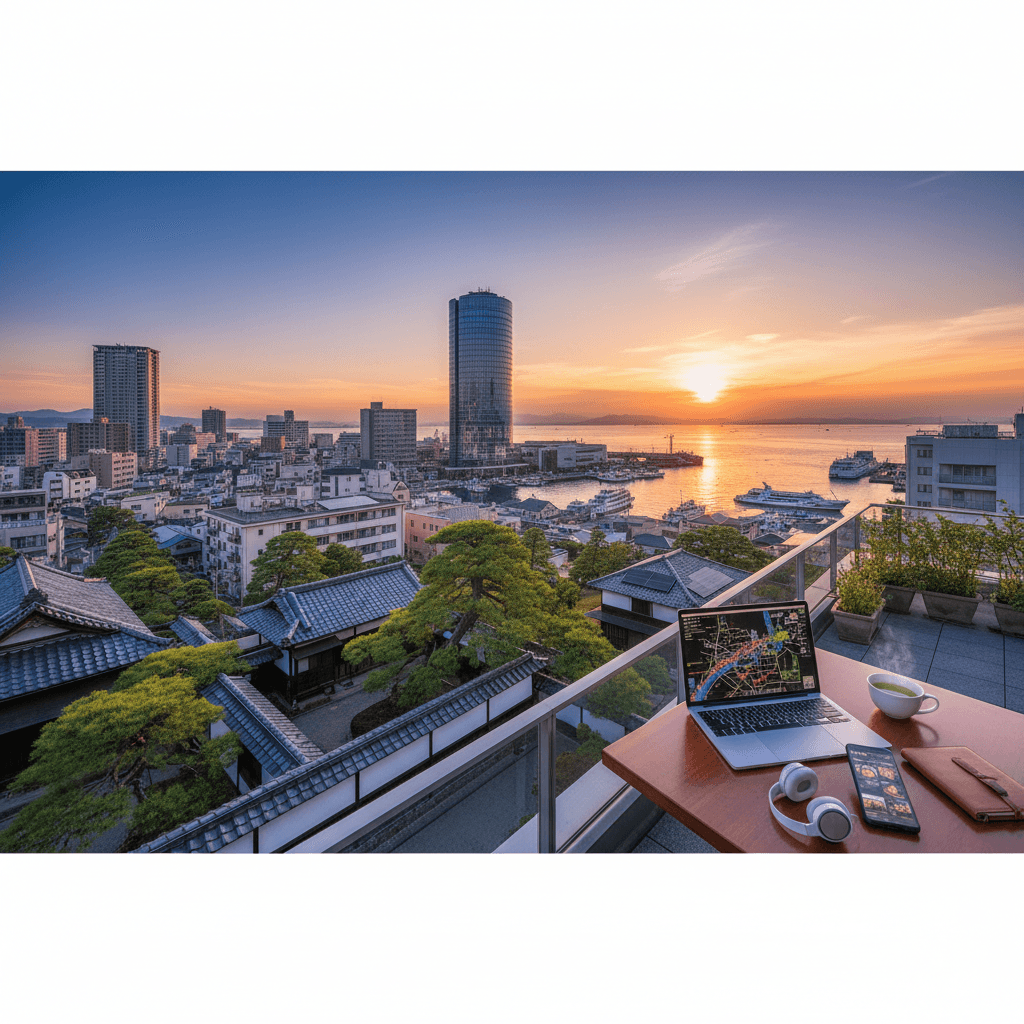
Takamatsu
🇯🇵 Japan