Freeport
🇧🇸 Bahamas
The Low-Down on Freeport
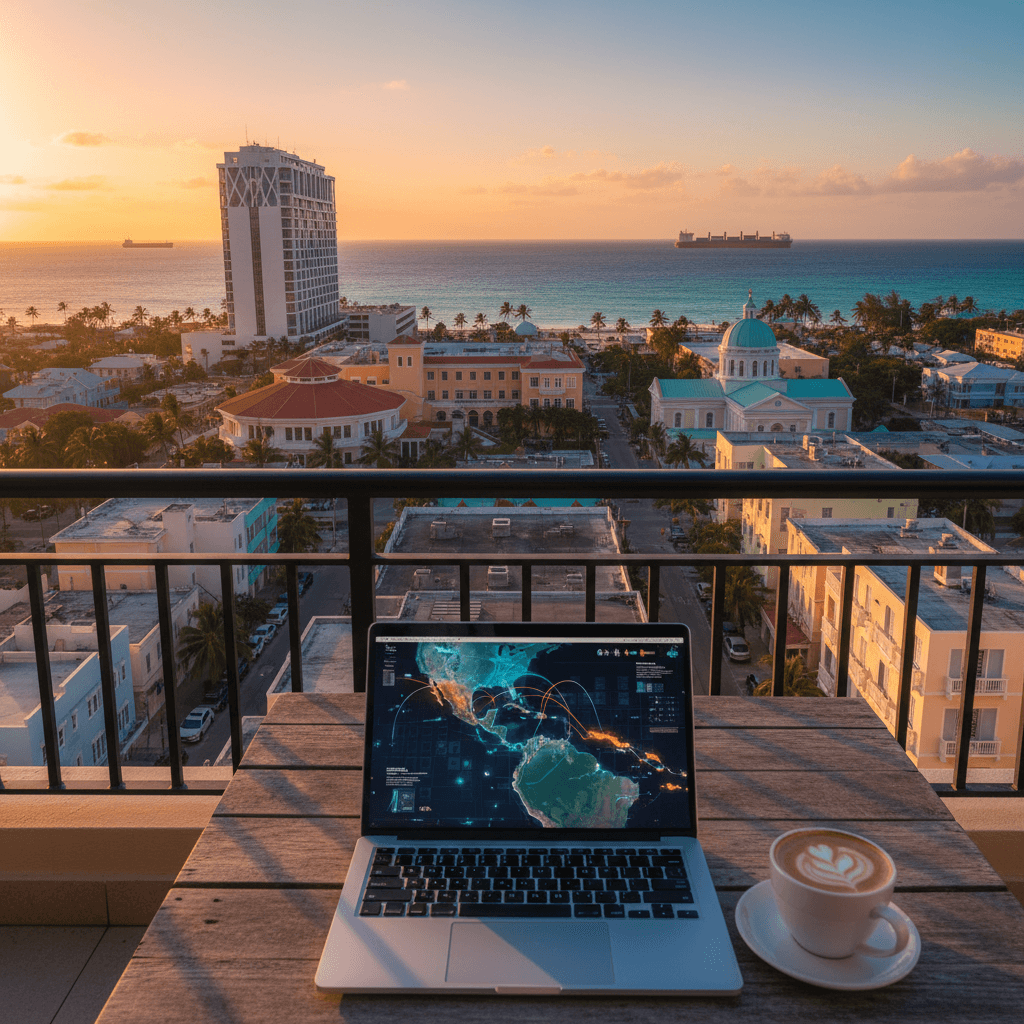
If Nassau is the Bahamas' loud, energetic older brother, Freeport is the sibling who went off to find Zen on a beach towel. Located on Grand Bahama Island, this isn't the place you go to "hustle" until 3:00 AM. It is where you go when your nervous system needs a hard reset but your boss still expects you on Zoom by 9:00 AM. The vibe is decidedly horizontal. You’ll spend your mornings watching the turquoise water turn shades you didn't know existed and your afternoons working from a breezy patio in Port Lucaya.
What makes Freeport stand out for nomads is the sheer lack of friction. It is a planned city, which means it feels more organized and spacious than other Caribbean hubs. You aren't fighting through crowds of cruise shippers every time you want a coffee. Instead, you get a multicultural, welcoming atmosphere where the locals actually have time to chat. It is a slow-burn destination; the longer you stay, the more you appreciate the quiet rhythms of the island and the easy access to some of the world's deepest blue holes and most pristine coral reefs.
The Financial Reality
Let's be real: living in paradise costs a premium. The Bahamas isn't a budget destination, and Freeport follows suit. Everything from your morning latte to your electricity bill will likely be higher than back home. Most nomads find they need a healthy monthly cushion to enjoy the island without constantly checking their banking app. You are paying for the proximity to the sand and the tax-friendly environment, not for a bargain-basement lifestyle.
- Budget Monthly Spend: Around $3,000. This covers a modest rental further from the beach and a heavy reliance on street food or home cooking.
- Mid-Range Monthly Spend: Around $5,000. This gets you a solid one-bedroom apartment, a few nights out at Port Lucaya, and perhaps a weekend car rental.
- Comfortable Monthly Spend: $8,000+. This is the "no-compromises" tier. Think beachfront villas, upscale dining at places like Flying Fish, and private boat charters.
- Typical Costs: Expect to pay $10 to $15 for a quick lunch at the marketplace, while a nice dinner for one will easily hit $40 or more.
Where to Plant Your Laptop
Choosing a neighborhood in Freeport depends entirely on how much seclusion you can handle. Most nomads gravitate toward the southern coast where the infrastructure is most reliable.
Port Lucaya
- The Vibe: The social heart of the island. It’s a 12-acre hub of shops and restaurants.
- Pros: Most walkable area, best social scene, plenty of people-watching.
- Cons: Prices are higher because it's a tourist magnet; it can get loud on live music nights.
Lucayan National Park Vicinity
- The Vibe: Pure, unadulterated nature.
- Pros: Incredible peace and quiet, direct access to Gold Rock Beach.
- Cons: You will absolutely need a car; groceries and amenities are a trek away.
Central Freeport
- The Vibe: Functional and residential.
- Pros: More stable Wi-Fi options and closer to the main business services.
- Cons: Lacks that "vacation" feeling; you'll be driving to the beach daily.
Connectivity and Logistics
Internet speeds in Freeport aren't going to break any world records. While the government is pushing for better tech infrastructure, you should expect "functional" rather than "lightning-fast" speeds. Most nomads recommend staying in established resorts or verified rentals on sites like Nomadstays to ensure the Wi-Fi isn't just a suggestion. Pick up a local SIM card from Aliv or BTC at the airport as a backup. Using a VPN is a smart move for security and to access your home streaming services.
Getting around is primarily a taxi game. There are no major ride-sharing apps like Uber here. For daily errands, many expats end up renting a scooter or a car to avoid the $20 to $40 taxi fares that add up quickly. If you're staying long-term, the BEATS visa is a game changer. It’s a one-year residency permit for remote workers that is usually approved in about five business days. Once you have that QR code in hand, the island is your office.
The Best Time to Go
The sweet spot for Freeport is December through April. The weather is a perfect 75 to 82°F, and the humidity won't melt your laptop. Things get dicey from June through November. This is hurricane season, and while the island is well-prepared, the heat and rain can be intense. August and September are particularly sweltering, so unless you love a tropical downpour, stick to the winter months.
The Price of Paradise
Living the island dream in Freeport comes with a hefty price tag. The Bahamas is consistently ranked as one of the most expensive regions for remote workers, and Grand Bahama is no exception. You aren't just paying for a roof over your head; you're paying for the proximity to turquoise waters and a tax-free environment. Most nomads find that their biggest hurdle isn't the work-life balance, it's the high cost of imported goods and housing.
Budgeting here requires a realistic look at your monthly income. If you're looking to keep it lean, expect to spend at least $3,000 a month, which usually means a basic rental further from the beach and sticking to local fish fry stands for meals. A mid-range lifestyle sits closer to $5,000, while those wanting a high-end beachfront villa and frequent upscale dining should plan for $8,000 or more.
Monthly Expenses Breakdown
- Housing: A studio or one-bedroom apartment near Port Lucaya typically starts between $1,500 and $3,000. Beachfront properties command a significant premium, especially if you're booking short-term through sites like Nomadstays.
- Food and Dining: Local street food at the Port Lucaya Marketplace is your best bet for a $10 to $15 lunch. A dinner for one at a mid-range spot will run you $20 to $40, while a high-end meal with drinks easily clears $50.
- Connectivity: While many resorts offer "work-from-paradise" packages that include office space for $200 to $500 a month, most nomads rely on local SIM cards from Aliv or BTC. Expect to pay a bit extra for a reliable portable Wi-Fi device to bypass occasional local outages.
- Transportation: There isn't a robust public bus system, so you'll likely rely on taxis. A quick trip across town usually costs between $10 and $30. Many expats recommend renting a bike or scooter if you're staying near the Lucayan National Park area.
Choosing Your Neighborhood
Where you drop your bags in Freeport changes your daily burn rate. Port Lucaya is the hub for most solo travelers because it's walkable and social, though you'll pay more for the convenience. It's a 9.5-acre stretch of shops and restaurants where the Wi-Fi is generally stable enough for a Zoom call at a cafe.
If you prefer a quieter pace, the area near Lucayan National Park offers serenity and incredible beaches, but it's less urban. You'll definitely need a vehicle here, and your grocery runs will require more planning. Central Freeport is the most practical choice for long-term stays; it's less touristy and offers better access to modern healthcare facilities and pharmacies, though it lacks the social spark of the waterfront.
Practical Money Tips
Cash is still useful, but international cards and fintech apps like Wise are widely accepted. Power surges can be a headache for your electronics, so travelers often suggest packing a high-quality surge protector for your laptop. If you're planning to stay for a full year, the BEATS visa is the way to go. The application is handled online and usually gets approved in about 5 days, giving you a legal foothold in this low-tax jurisdiction.
Keep in mind that almost everything is imported. From your morning coffee to your sunscreen, prices are higher than what you'd find on the mainland. Most people find that the trade-off, a five-minute walk to a white-sand beach after clocking out, makes the high cost of living worth every cent.
Best for Nomads and Social Butterflies: Port Lucaya
If you want to be where the action is, Port Lucaya is your best bet. This area centers around a 9.5 acre marketplace that serves as the social heartbeat of Freeport. It is one of the few places on the island where you can actually get by without a car for your daily needs, as the concentration of shops, bars, and restaurants makes it highly walkable.
Expats and remote workers gravitate here for the mix of convenience and atmosphere. You can spend your mornings working from a cafe overlooking the marina and your evenings listening to live music in the square. Most nomads find the internet here more stable than in the outskirts, though you should still budget for a local Aliv or BTC SIM card as a backup. Expect to pay a premium for the location; a 1BR apartment or studio in this vicinity typically starts between $1,500 and $3,000 per month.
- Food: Street food snacks like conch fritters cost around $10 to $15, while dinner at a mid range spot runs $20 to $40.
- Vibe: Touristy but lively. It is the easiest place to meet people and find English speaking crowds.
- Work: Several resorts in this area offer work from paradise packages with dedicated desk space for roughly $200 to $500 per month.
Best for Families and Nature Lovers: Lucayan National Park Vicinity
For those traveling with a family or anyone who needs total silence to focus, the areas near Lucayan National Park offer a much slower pace. This is where you go to trade the marketplace noise for white sand beaches and underwater caves. It feels less like a city and more like a retreat, which is ideal if you are looking to recharge between projects.
The trade off here is the lack of urban amenities. You will definitely need to rent a car or a scooter to get into town for groceries or networking. Families often prefer this area because the beaches are shallower and quieter, providing a safer environment for kids to play. While there are fewer dedicated coworking spots, the luxury villas here often come with high quality private Wi-Fi setups.
- Rent: Larger family homes or beachfront villas can easily exceed $5,000 per month.
- Transport: Taxis to the main hub cost between $20 and $40, so long term residents usually rent their own vehicles.
- Activities: Easy access to Gold Rock Beach and kayaking through the mangroves.
Best for Long-Term Expats and Practicality: Central Freeport
Central Freeport is the functional core of the island. It lacks the immediate beach access of the other neighborhoods, but it makes up for it with proximity to the Grand Bahama International Airport and better access to government offices for those handling their BEATS visa paperwork. It is a more "local" experience with fewer tourist markups.
Travelers often say this is the best place to find a stable routine. The grocery stores are larger, the pharmacies are well stocked, and the healthcare facilities are modern and reliable. It is the most affordable way to live on an expensive island, though you will still want to budget around $3,000 per month for a basic solo lifestyle including rent and modest dining.
- Pros: Most consistent power and internet infrastructure on the island.
- Cons: Very quiet at night; you will have to travel to Port Lucaya for any real nightlife.
- Safety: Generally very safe with a welcoming, multicultural community.
Best for Solo Travelers: The Resort Strip
If you are in Freeport for a shorter stint and don't want the hassle of setting up utilities or finding a private landlord, the resort corridor offers a turnkey solution. Many solo travelers utilize Nomadstays to find verified rentals with guaranteed Wi-Fi. Living here allows you to tap into the resort's social calendar, which is a great way to avoid the isolation that sometimes comes with island living.
A comfortable lifestyle in this tier, including beachfront views and frequent upscale dining, will likely cost $8,000 or more per month. It is a high price tag, but it covers the convenience of on site security, gym access, and proximity to the best coral reefs for weekend diving trips.
Connectivity Realities
Freeport is the kind of place where you trade blazing fiber speeds for a view of the turquoise horizon. While the Bahamas doesn't rank at the top of the global charts for internet performance, the infrastructure in Freeport is stable enough for most remote roles. It's plenty for Zoom calls and standard workflows, though heavy video editors might find the occasional lag frustrating.
The smartest move you can make upon landing at Grand Bahama International is grabbing a local SIM card. Both Aliv and BTC have kiosks or nearby shops. Most nomads prefer Aliv for its data reliability across the island. Since public Wi-Fi can be hit or miss once you leave the main tourist hubs, having a mobile hotspot as a backup is a necessity. Don't forget to use a VPN; it's a standard recommendation from the expat community here to ensure security on open resort networks.
Coworking and Workspaces
You won't find a sprawling, industrial-style coworking franchise in Freeport just yet. Instead, the "work from paradise" model dominates. Many of the larger resorts and boutique hotels near Port Lucaya have pivoted to accommodate the BEATS visa crowd by offering dedicated business centers or quiet lounge areas. These packages typically run between $200 and $500 per month and often include high speed access that's more reliable than standard guest Wi-Fi.
If you prefer a more social atmosphere, the cafe culture at Port Lucaya Marketplace is the heartbeat of the local nomad scene. It's a 9.5 acre hub where you can set up with a laptop and a coffee for a few hours. While it gets lively with music and shoppers in the afternoons, the mornings are relatively peaceful for focused work. Just be prepared to pay island prices; a mid-range lunch here usually lands between $20 and $40.
The Digital Nomad Setup
Power surges can happen during the rainy season from May to October. Experienced expats always recommend packing a high quality surge protector to save your hardware. If you're staying for a few months, look for verified rentals on platforms like Nomadstays, which specifically vet the Wi-Fi quality before you book.
- Local Providers: Aliv and BTC are the primary choices for mobile data.
- Hardware Tip: Bring a portable power bank and a surge protector for your laptop.
- Best Work Zone: Port Lucaya Marketplace for cafes; local resorts for dedicated desks.
- Typical Speeds: Expect 25 Mbps on average, though some high end villas reach higher.
Budgeting for Tech and Life
Living in Freeport is a premium experience. The Bahamas is a high cost destination, and your monthly burn rate will reflect that. For a comfortable lifestyle that includes a beachfront 1BR and regular dining out, you should budget at least $8,000 per month. If you're more conservative, staying in Central Freeport and sticking to street food at the marketplace can bring costs down to around $3,000, but you'll lose the convenience of being steps from the sand.
Taxis are the main way to get around, costing anywhere from $10 to $30 per trip. Since there are no major ride-hailing apps like Uber, many nomads find it more cost effective to rent a scooter or bike for local errands. For banking, most people use international cards or apps like Wise to manage their finances without getting hit by excessive local fees.
Stay Safe and Well on Grand Bahama
Freeport doesn't have the frantic energy of Nassau, and that reflects in its safety profile. Most nomads find the island incredibly welcoming, with a community that prides itself on multicultural hospitality. While it's a laid back environment, you should still use the same common sense you would in any coastal city. Keep your valuables out of sight in parked cars and stick to well lit areas of Port Lucaya if you're out late at night.
The Bahamian government has put significant weight behind supporting remote workers through the BEATS program. This isn't just a visa; it's a framework that includes online assistance and strict health protocols to keep the community stable. If you run into any trouble, the emergency number is 911. Most travelers mention that the high proficiency in English makes resolving any issues or communicating with local authorities very straightforward.
Healthcare Infrastructure
If you need medical attention, you're in good hands. Freeport is home to modern, reliable facilities, including the Rand Memorial Hospital. While it is a public facility, there are also private clinics and well stocked pharmacies scattered around the central Freeport and Lucaya areas. For anything specialized, the proximity to South Florida means medevac services are efficient, though you should ensure your travel insurance covers this.
- Healthcare Quality: High for the region, with modern equipment on Grand Bahama.
- Pharmacies: Easily found in Port Lucaya and the city center; most carry familiar international brands.
- Insurance: Highly recommended to have a policy that covers private clinics and emergency evacuation.
The BEATS Visa Advantage
One of the biggest perks for long term stays is the Bahamas Extended Access Travel Stay (BEATS) permit. It's a one year residency permit that's remarkably easy to get. The application is handled entirely online and usually gets approved in about 5 days. Once you're approved, you'll get a QR code that serves as your digital entry permit, making the customs process at Grand Bahama International much smoother.
The government support for this program means you have a bit of a safety net as a registered nomad. You'll have access to official portals for updates on health regulations or local safety advisories. It's a professional setup that removes a lot of the "wild west" anxiety people sometimes feel when moving to a Caribbean island for work.
Practical Health and Wellness
The biggest "health" risk you'll likely face is the tropical sun and the occasional mosquito. Expats recommend keeping high quality sunblock and repellent on hand, as prices for these at the Port Lucaya Marketplace can be steep. If you're staying during the rainy season from May to October, stay tuned to local weather apps. While the island is well prepared for storms, being aware of hurricane tracking between June and November is just part of the local lifestyle.
For your digital health, remember that power surges can happen during summer storms. Most nomads suggest packing a high quality surge protector for your laptop and monitors. It's a small investment to protect your gear in a country where electronics are expensive to replace due to high import costs.
The Logistics of Island Life
Freeport isn't your typical metropolitan hub where you can summon a car with a flick of your thumb. Getting around Grand Bahama requires a bit more planning than Nassau, but that's part of the appeal for nomads seeking a slower pace. You won't find Uber or Lyft here. Instead, you'll rely on a mix of traditional taxis, rental cars, and your own two feet if you're staying in the more concentrated hubs.
Most nomads find that Port Lucaya is the only truly walkable pocket of the city. If you've secured a rental near the Marketplace, you can easily reach dinner, the beach, and your morning coffee without a vehicle. However, to see the rest of the island or head into Central Freeport for errands, you'll need to budget for transport.
Taxis and Airport Transfers
Taxis are the primary way to get from Grand Bahama International (FPO) to your accommodation. The ride usually takes 15 to 30 minutes, and you can expect to pay between $20 and $40 depending on your final destination. It's a good idea to agree on the fare before the driver pulls away, as meters aren't always the standard.
For daily errands, a single taxi trip within the city limits typically runs between $10 and $30. If you're planning on staying for a month or more, these costs add up quickly. Many long term expats recommend keeping a few drivers' numbers in your phone so you can WhatsApp them directly for pickups rather than trying to hail one on the street.
Car and Bike Rentals
If you want the freedom to explore Lucayan National Park or find quiet beaches away from the tourist path, renting a car is the move. It's the most efficient way to manage island life, especially since public buses don't follow a strict, nomad friendly schedule. Expect to pay premium prices for fuel, as almost everything is imported.
- Daily Car Rental: $50 to $80
- Weekly Car Rental: $300 to $450
- Bike Rentals: $20 to $30 per day
Bicycles and scooters are popular for short hops around the beach zones. You'll find rental stands near the major resorts and the Port Lucaya area. Just keep in mind that the sun is intense and the roads aren't always designed with cyclists in mind, so stick to the coastal paths when possible.
Public Transit Realities
While there is a local bus system, it's mostly used by residents and can be confusing for newcomers. The "jitneys" are small vans that run along loosely defined routes. They're cheap, usually a few dollars per ride, but they don't run late into the evening. If you're heading out for a late dinner or live music at the Marketplace, don't count on a bus to get you home.
Estimated Transportation Costs
- The Budget Nomad: $150/month (walking, occasional jitney, and one or two taxis).
- The Mid-Range Nomad: $600/month (weekly bike rentals and frequent taxi use).
- The Comfortable Nomad: $1,200+/month (full-time car rental and gas).
Travelers often say that the lack of ride hailing apps is one of the biggest adjustments when arriving from a major city. To make life easier, try to batch your errands. Visit the supermarket, the bank, and the SIM card shop in one trip to keep your taxi or rental costs manageable. Once you're settled in, the "island time" mentality usually takes over, and you'll find you aren't in such a rush to get anywhere anyway.
The Local Lingo
You won't need a translator to get by in Freeport. English is the official language and it's spoken by everyone you'll meet. While the accent has a beautiful, rhythmic Caribbean lilt, communication is straightforward for most digital nomads. You might hear locals chatting in Bahamian Creole among themselves, which blends English with West African influences, but they'll switch to standard English the moment you join the conversation.
Most travelers find the local communication style to be warm and polite. It's common to greet people with a "Good day" or a friendly "Good morning" when walking into a shop or sitting at a bar in the Port Lucaya Marketplace. While you don't need translation apps for daily survival, having Google Translate on your phone can occasionally help with specific colloquialisms or Caribbean food terms you might find on a chalkboard menu.
Staying Connected
Internet in Freeport is a bit of a mixed bag. While the Bahamas ranks lower on global speed charts, you'll find stable connections in the main hubs. Most nomads stick to the Port Lucaya area or central Freeport to ensure they can handle Zoom calls without a hitch. If you're planning to hunker down for a deep work session, verify the Wi-Fi speeds with your host before booking a beachfront rental, as thick concrete walls and salt air can sometimes play havoc with routers.
For a reliable backup, pick up a local SIM card as soon as you land at Grand Bahama International Airport. You have two main choices:
- Aliv: Often praised by expats for better data coverage and modern LTE speeds.
- BTC (Bahamas Telecommunications Company): The legacy provider with the widest reach across the out islands.
Expect to pay around $30 to $60 for a decent monthly data package. Many remote workers also bring a portable Wi-Fi device or "puck" to stay online while working from a beach chair at Lucayan National Park. Since you'll likely be using public Wi-Fi at cafes or resorts, a VPN is a non-negotiable part of your digital kit here to keep your data secure.
Professional Spaces and Cafe Culture
Freeport doesn't have a massive selection of dedicated coworking spaces like you'd find in Lisbon or Bali. Instead, the "work from paradise" trend has taken over the local resorts. Many hotels now offer day passes or monthly memberships ranging from $200 to $500 that grant you access to quiet business centers, high speed internet, and ergonomic seating.
If you prefer a more social atmosphere, the Port Lucaya Marketplace is the heartbeat of the nomad scene. You'll see plenty of people with laptops at the outdoor cafes, fueling up on local coffee while people-watching. It's a great spot to meet other expats, though the midday heat means you'll want to scout out a table with a strong umbrella or a reliable breeze. Just keep in mind that power surges can happen during the rainy season from June to November, so using a surge protector for your expensive gear is a smart move.
Navigating the BEATS Program
If you're planning to stay longer than a standard tourist trip, the Bahamas Extended Access Travel Stay (BEATS) permit is your best friend. The application is handled entirely online and usually gets approved in about 5 business days. Once you have your digital QR code, entry is seamless. This permit is valid for one year and can be extended, making it a favorite for those who want to call Grand Bahama home for a full season without worrying about visa runs.
The Sweet Spot: December to April
If you're looking for that postcard-perfect Bahamian weather, aim for the window between December and April. This is the dry season, where the humidity drops and the breezes off the Atlantic keep things comfortable. Expect daily highs to hover between 75°F and 82°F (24°C to 28°C). It’s the ideal climate for setting up your laptop on a patio at the Port Lucaya Marketplace without breaking a sweat or worrying about a sudden downpour shorting out your charger.
This is also the peak social season. While the prices for short-term rentals near Lucayan Beach will be at their highest, the island feels most alive. You'll find more live music, active expat meetups, and a consistent hum of activity that keeps the "low-key" Freeport vibe from feeling too isolated.
The Summer Swelter and Hurricane Season
Things start to heat up significantly by May and stay hot through October. This is the rainy season, characterized by high humidity and temperatures that frequently climb into the high 80s or low 90s (30°C to 34°C). While the rain usually comes in short, intense bursts in the afternoon, this is also when hurricane risks are highest, particularly from August through October.
Nomads who choose to stay during these months often praise the "slow season" for its extreme peace and quiet. You can often negotiate better long-term rates on beachfront villas, but you’ll want to ensure your accommodation has a reliable backup generator. Power surges are common during summer storms, so a high-quality surge protector is a mandatory addition to your tech kit.
Quick Seasonal Breakdown
- High Season (December to April): Best for outdoor work and socializing. Temperatures are a steady 75°F to 82°F. Expect zero rain but higher costs for everything from food to scooters.
- Shoulder Season (May to June): The weather is still manageable, though the humidity starts to creep up. You'll find fewer crowds at Lucayan National Park and slightly better availability for mid-range rentals.
- Low Season (August to October): The hottest and wettest months. This is "deep work" season for nomads who want to save money and don't mind staying indoors with the AC cranked. Be sure to monitor local weather apps for storm tracking.
What to Pack for the Climate
Freeport is casual, but the sun is intense. Even on overcast days, the UV index is high enough to ruin a weekend. Pack breathable linen or moisture-wicking fabrics if you plan on walking around Central Freeport. Most nomads recommend a light sweater or hoodie for the evenings between January and March, as the temperature can dip into the mid-60s once the sun goes down.
Since you'll likely be spending your off-hours near the water or exploring the blue holes, bring a dedicated waterproof bag for your electronics. Even during the "dry" months, a sudden ocean spray during a boat taxi or a quick 10-minute shower can catch you off guard.
Connectivity and Workspace
Internet speeds in Freeport are a bit of a mixed bag. While the island is more relaxed than Nassau, you will find stable Wi-Fi in the main tourist hubs and modern rentals. Most nomads rely on Aliv or BTC for local SIM cards, which you can pick up right at the airport. It is smart to carry a portable Wi-Fi device as a backup, especially if you plan to work from the quieter beaches near Lucayan National Park.
Dedicated coworking spaces are scarce, so most remote workers lean on the Work From Paradise packages offered by local resorts. These usually run between $200 and $500 per month and provide a reliable desk and high speed access. If you prefer a more casual vibe, the Port Lucaya Marketplace is the go-to spot. You can grab a table at a cafe, enjoy the breeze, and get a few hours of deep work done before the live music kicks off in the afternoon.
Cost of Living
Living in the Bahamas is an expensive endeavor, and Freeport is no exception. You are paying for the proximity to the water and the easy pace of life. A solo nomad should expect a monthly budget starting around $3,000 for a modest setup, while those looking for beachfront luxury can easily spend upwards of $8,000.
- Housing: A one bedroom apartment or studio near Port Lucaya typically ranges from $1,500 to $3,000 per month.
- Dining: Expect to pay $10 to $15 for street food or local stalls. A mid range dinner for one usually lands between $20 and $40.
- Transportation: Taxis are the primary way to get around, costing between $10 and $30 per trip depending on the distance.
The BEATS Visa
The Bahamas makes it relatively easy to stay long term through the Bahamas Extended Access Travel Stay (BEATS) program. This digital nomad visa is valid for one year and can be extended. The application process is handled online and usually takes about five business days for approval. Once you are approved, you will receive a QR code that serves as your digital permit. It is a streamlined system that avoids the usual bureaucratic headaches.
Navigating the Island
Public transport is limited, so you will likely become well acquainted with the local taxi drivers. If you are staying in the Port Lucaya area, you can get around on foot quite easily. For exploring further out, like the turquoise waters of Gold Rock Beach, consider renting a bike or a scooter for the day. If you are arriving at Grand Bahama International (FPO), a taxi to the main residential areas takes about 20 minutes and costs roughly $30.
Safety and Health
Freeport is generally safe and welcoming. The island has a small town feel where people tend to look out for one another. Healthcare is modern and reliable, with quality hospitals and pharmacies located within the city center. For any emergencies, dial 911. Since power surges can happen during the summer storm season, expats recommend bringing a high quality surge protector for your laptop and gear.
Weather and Timing
The best time to set up shop in Freeport is between December and April. The weather is dry and comfortable, with temperatures hovering between 75 and 82 degrees. The rainy season kicks in from May through October. Be mindful that hurricane season runs from June through November, so if you are staying during these months, keep a close eye on the local weather reports and ensure your rental has storm shutters.
Need visa and immigration info for Bahamas?
🇧🇸 View Bahamas Country GuideOff the Radar
Pioneer territory