Francistown
🇧🇼 Botswana
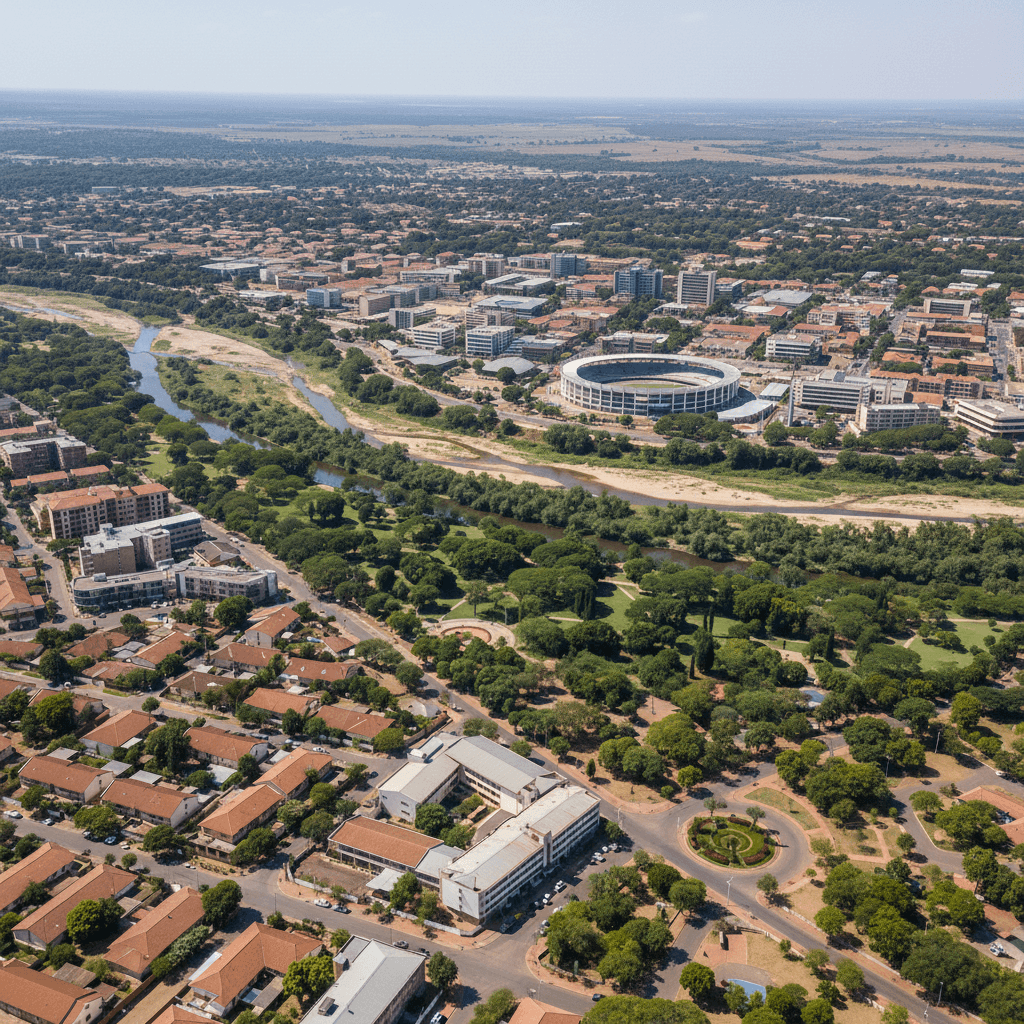
Francistown feels like a big town that never fully turned into a city and that’s part of its appeal. It’s Botswana’s second-largest place, but the mood stays plainspoken and local, with dusty streets, minibuses honking, supermarket runs at Choppies and heat that hangs on your skin by mid-morning.
It’s the old mining capital, close to the Zimbabwe border, so you get a mix of traders, expats and mining professionals, plus a steady flow of people passing through. The vibe is welcoming, honestly, but not polished and if you want big-city stimulation or a serious nomad scene, you’ll probably get bored fast.
Not a social hub. The nomad crowd is tiny, coworking is basically absent and nightlife is mostly hotel bars, a few pubs and the odd late dinner when the town is quiet enough to hear generators hum. Digital nomads who stay longer usually do it for the low costs and slower pace, not because Francistown is making life easy.
What it feels like day to day
- Cost: About $587 a month for one person with rent or roughly $359 without, which is cheap enough to make a modest budget work.
- Internet: Mobile speeds can be surprisingly decent, fixed plans run around $49 and coffee shops or hotels are the closest thing to workspaces.
- Getting around: Combis are cheap but informal and inDrive is the app people actually use when they want a taxi without the back-and-forth.
- Neighborhoods: City Centre is the easiest base, Blue Jacket has more commercial energy, Aerodrome suits airport access and Tati Siding is quieter and more residential.
The city has a dry, sun-bleached feel for much of the year, then the rainy season comes in with sudden storms on tin roofs and red mud at the edges of the roads. Food is practical, not fancy, so you’ll find Seswaa, bogobe, Indian curries, Chinese takeaways and the occasional decent steak at a hotel restaurant, weirdly enough.
Best for short stays. That’s the honest take. Francistown works if you want low costs, easy English and a base for border runs or northern Botswana travel, but if you need a lively community, constant events or seamless amenities, the town can feel a bit bare after a week or two.
Francistown is cheaper than most people expect, but it isn't dirt cheap. A solo budget can land around $587 a month with rent or roughly $359 if you're keeping housing very basic and watching every pula. That said, a few things bite harder than you'd think, like power, internet and the fact that you'll probably pay more for convenience than locals do.
For a one-bedroom in the city centre, you're looking at about $122, while a cheaper place can dip to around $88. A three-bedroom in the centre runs near $194 and outer areas like Tati Siding are usually easier on the wallet, though you'll trade that for fewer shops and less going on nearby. Rent is the biggest variable, honestly, because a decent location can save you a lot of taxi fares later.
Food is straightforward. Local meals like seswaa, bogobe and stews are affordable and lunch menus sit around $6.62, while a dinner for two at a mid-range place is about $24.90. Fast food comes in near $5.31, beer around $1.42 and if you stick to supermarkets like Choppies or Spar, you can keep the bill down without eating badly.
- Utilities: About $87.50 for one person, more like $133 for a family.
- Internet: Around $49 for a 50 Mbps+ fixed plan, mobile data is fine but can be patchy.
- Transport: A monthly pass is about $18.10 and local combis are cheap but informal.
- Taxi to airport: Roughly $14, for a short 5 km run.
Getting around doesn't cost much, though the system can feel a bit rough around the edges, with honking combis, dusty roads and drivers who'd rather talk fare than explain the route. InDrive works well enough in town and cash still matters more than you'd expect in smaller shops and markets. Gas is low at about $0.64 a litre, which helps if you're driving.
For a comfortable life, budget closer to $1,000 a month, especially if you want nicer housing, more private transport and the occasional dinner out. Francistown won't drain your bank account, but it also won't babysit you, if you want imported groceries, air conditioning and decent internet, you'll pay for the privilege. That's the real tradeoff.
Nomads
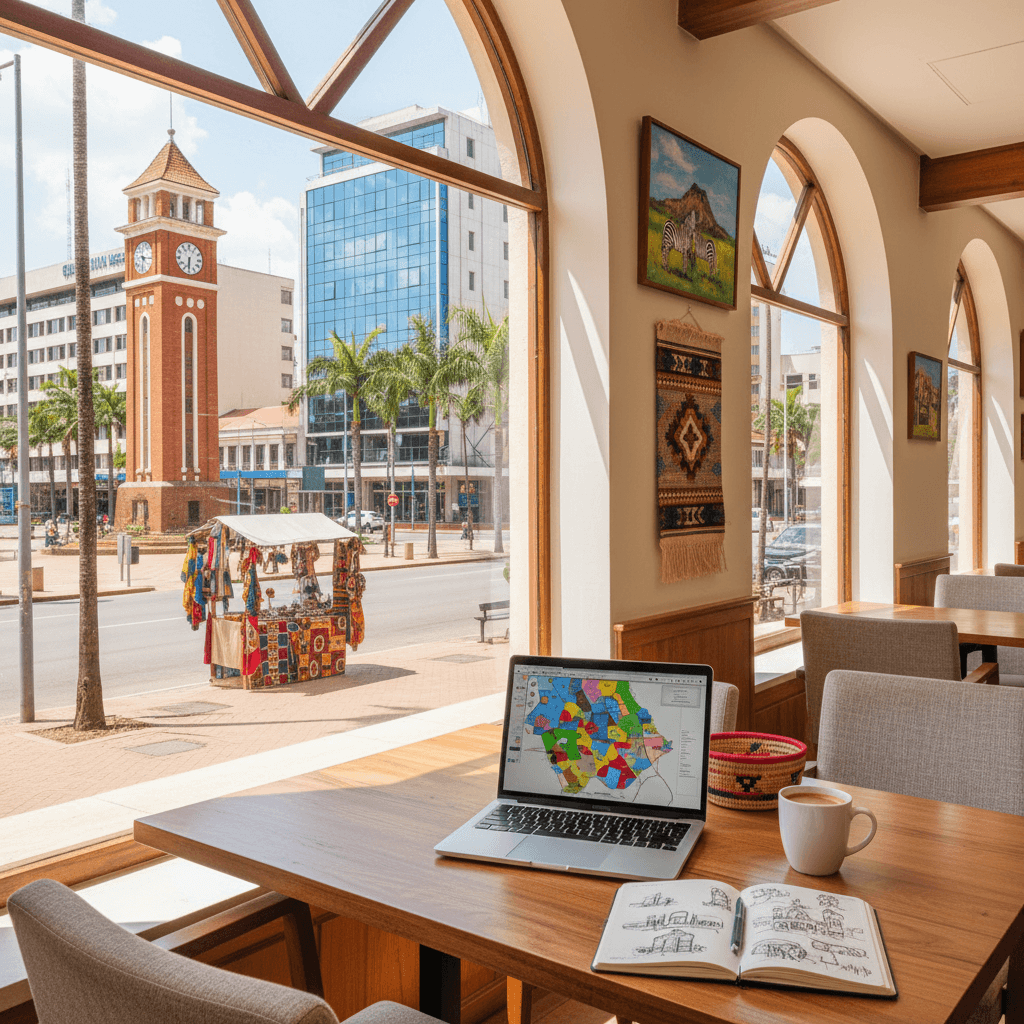
Stick to Francistown City Centre if you want to be near supermarkets, ATMs and the few places where you can actually sit with a laptop without feeling stranded. The town’s internet is decent, mobile speeds can be surprisingly fast and the center is the closest thing to a practical base, though the nomad scene is tiny and the nightlife gets quiet early.
Don’t expect a coworking district. You’ll end up working from cafes, hotel lounges or your apartment and honestly that works fine for short stays, but after a while the lack of community starts to show, especially when the only real noise is traffic, generators and the occasional burst of taxi hooting outside.
Expats
Blue Jacket is the pick if you like a bit of local energy with your daily routine. It has a commerce-heavy feel, some mining-era grit and a practical location for professionals who want to be close to the action without living in the noisiest part of town.
Aerodrome suits expats who travel in and out a lot, especially if you’re using the airport or moving around the region, since it’s only about 5km from the center. The tradeoff is real, though, there’s less green space and the area can feel a bit spare when the afternoon heat settles in and the streets go dusty and still.
Families
Tati Siding is the most sensible family choice if you want cheaper housing and a quieter day-to-day rhythm. It’s more residential, less hectic and you’ll usually get a little more space for your pula, but you’ll also deal with fewer amenities and a bit of sprawl, so errands take more planning than they should.
If you’re staying longer, look for homes near schools, clinics and main roads, because Francistown’s layout can make simple trips feel longer than they should, especially in the heat. Rents are still low by regional standards, a basic one-bedroom can run around $88 to $106 and that’s one of the few things here that feels genuinely easy.
Solo travelers
Solo travelers usually do best in the City Centre, where you can walk to shops, banks and food without needing a taxi for every little thing. It’s not fancy and petty theft does happen around busy spots and transport areas, so keep your phone tucked away and don’t wander out late through empty streets.
This isn’t a place for late-night wandering or big social plans. Meals are cheap, a lunch can cost about $6.62, beer around $1.42 and if you want Seswaa, Bogobe or a simple hotel dinner, you’ll find it, though the real surprise is how quickly the town goes quiet after dark.
Francistown’s internet is decent, honestly better than the city’s coworking scene deserves. Mobile speeds vary, typically decent for video calls per national averages (~20-50 Mbps) and fixed broadband plans around 50 Mbps run roughly $49 a month, so video calls usually work fine if the power stays on.
That said, don’t expect a proper nomad hub. There aren’t any dedicated coworking spaces people regularly recommend, so most remote workers end up in hotel lounges, café corners or their apartment with a fan humming and traffic noise drifting in from the road outside.
Getting online
- Best SIMs: Mascom, Orange and BTC beMobile all work in town.
- Starter SIM: About P10, then top up with airtime or data vouchers.
- Where to buy: Malls, Cell City-type phone shops and local retail counters.
- eSIM: Limited, so don’t count on it.
Registration is straightforward with a passport, though it’s still a small-market setup, so sometimes you’ll need to try two shops before someone knows exactly what you want. Mobile data is usually the safer bet for day-to-day work, because hotel WiFi can be fine one hour and weirdly patchy the next, especially when the place fills up with miners, traders or a conference crowd.
Where to work
- City Centre: Best for cafés, supermarkets, ATMs and easy errands.
- Blue Jacket: Good if you want a more local, business-heavy feel.
- Aerodrome: Handy for airport access and quieter stays.
- Hotels: The most reliable fallback for WiFi and a seat.
The city centre is the safest bet if you want to sit somewhere, plug in and get things done between lunch runs and bank errands. Blue Jacket has a slightly older, mining-town feel, while Aerodrome works well if you’re moving in and out fast, but neither area has the kind of polished laptop culture you’d find in bigger Southern African cities.
Bring patience. Power is generally reliable, though outages do happen and the heat can make sitting still feel sticky and tiring by mid-afternoon, especially if you’re in a place with weak air-con and the smell of dust, coffee and hot asphalt hanging in the air.
If you need a proper routine, stay near the centre, use mobile data as backup and test your accommodation before committing to a longer stay. Francistown works fine for remote work, it just doesn’t try very hard.
Safety
Francistown feels calmer than many cities in the region and that relaxed pace is part of the appeal. Petty theft happens, though, especially around malls, transport stops and nightlife spots, so don’t leave your phone on a café table and don’t walk quiet streets alone after dark.
There isn’t a hardcore no-go zone here, which is nice, but that doesn’t mean you can switch off. Bag snatching, break-ins and the odd opportunistic scam are the main complaints and honestly, most of them happen because people get casual in crowded places or around their car at night.
The city center is practical and walkable, Blue Jacket has more movement in the day and Aerodrome is handy if you want to be near the airport. Still, if you’re new in town, test a neighborhood for a few nights first, because heat, traffic noise and the sound of dogs barking after dark can wear on you faster than you’d expect.
Healthcare
Nyangabgwe Referral Hospital is the main public hospital, with a 24/7 emergency department and the city’s strongest all-round coverage. Francistown Academic Hospital or similar private options offer faster service, cleaner waiting areas and fewer delays, which, surprisingly, can make a big difference when you’re sick and sweating through a hot afternoon.
English-speaking staff are common, pharmacies are easy to find and most routine care is manageable without drama. The town’s medical setup isn’t fancy, but it works and if you need something more serious, you’ll want a backup plan and a willingness to travel.
- Emergency care: Nyangabgwe runs 24/7.
- Private care: Faster at Francistown Academic Hospital or similar private options.
- Pharmacies: Easy to find near major shops.
- Language: English is widely spoken.
Practical health tips
Tap water is generally considered safe, but most people still buy bottled water because the heat makes you drink constantly and the taste isn’t always great. Bring basic meds, sunscreen and mosquito protection, then top up locally if you run out, because the sun here is brutal and the dry air sneaks up on you.
If you’re staying longer, keep cash for small clinics and remember that power cuts can happen, so save pharmacy numbers and your hospital route before you need them. Frankly, that little bit of prep saves a lot of stress when the air feels heavy, the combi’s honking outside and you’re already not feeling great.
Francistown is easy to move around, but it isn't polished. The center is walkable if you don't mind heat, dust and the odd taxi honk cutting through the afternoon quiet and most people just mix walking with combis, taxis or inDrive when the distance gets annoying.
Combis are the cheapest option and they're the way locals move across town, though they're informal and a bit chaotic, with minibuses stopping when they feel like it and squeezing in one more passenger than seems sensible. If you're carrying a laptop or shopping, honestly, it's less hassle to grab a taxi or book inDrive and skip the elbowing.
- Combis: Cheap, local and inconsistent. Good for short hops if you don't mind waiting.
- inDrive: The best ride-hailing option, with fares negotiated in-app, which, surprisingly, makes it more useful than the usual fixed-price model here.
- Taxis: Easy to find around the center, airport and hotels, but ask the fare first because the price can jump fast.
- Walking: Fine in Francistown City Centre and parts of Blue Jacket, but the midday sun can be punishing, so plan around it.
Airport runs are simple. A taxi from the center to Francistown Airport is about 3 km and takes roughly 8 minutes, with fares around $16, though traffic, heat and driver mood can nudge that a bit.
Where to Stay for Easy Transport
- Francistown City Centre: Best if you want to walk to shops, ATMs and transport, but keep your bag close, petty theft does happen.
- Blue Jacket: Handy for business and older mining-era streets and you’ll still need wheels for longer trips.
- Aerodrome: Good for airport access and quick border runs, though it feels spread out and a bit plain.
- Tati Siding: Quieter and cheaper, but you’ll rely on transport more often because amenities are thinner.
Fuel is cheap by regional standards, about $0.64 per liter, so car hires and private drivers aren't as eye-watering as they are in many places. Still, the roads can feel hot and gritty in the dry season and when it rains, the whole town gets a bit damp, dusty and sluggish, so leave extra time.
There aren't bike lanes worth mentioning and scooter rentals are basically a non-issue, so don't bank on two wheels unless you've arranged something privately. For most visitors, the rhythm is simple, walk when it's close, use inDrive when it's not and avoid late-night solo wandering unless you really know the area.
English gets you by almost everywhere in Francistown, especially in hotels, banks, shops and anywhere expats tend to cluster. Setswana is the local language and a simple Dumela goes a long way, people warm up fast when you try, even if your accent is clumsy.
The city feels easy enough to manage, but don’t confuse that with slick service. At ATMs, inindrive pickup points or waiting for a combi, you’ll hear a mix of English, Setswana, car horns and the occasional shouted greeting and honestly that’s most of daily life here, practical and a little rough around the edges.
Most nomads get around fine with Google Translate, though you probably won’t need it much for basic errands. That said, if you’re dealing with landlords, phone shops or anything involving paperwork, slower English and a patient tone help more than perfect grammar, because people tend to respond better when you’re direct and not acting entitled.
Useful phrases
- Hello: Dumela
- Thank you: Ke a leboha
- How much is it?: Ke bokae?
- Yes: Ee
- No: Nnyaa
In the center, service staff usually switch to English without drama, but outside the main commercial areas you’ll hear more Setswana and sometimes a bit of Zimbabwean Shona or Ndebele near the border trade scene. That mix is normal, which, surprisingly, makes the city feel more regional than provincial.
Phone service is straightforward. Mascom, Orange and BTC are the main SIM options, starter packs are cheap and you can top up at shops, malls or small counters, just bring your passport when registering and keep some cash handy because card terminals still fail at the worst moments.
Communication tips
- Best language for daily use: English in town, Setswana for friendliness
- Best phrase to learn first: Dumela
- For money matters: Speak slowly, confirm totals twice
- For internet and SIMs: Buy local, don’t wait until you’re stranded
What trips people up isn’t language, it’s pace. Replies can be slower than you’d expect and people don’t always jump to answer emails or messages, so if something matters, call, follow up, then follow up again, because a missed text can turn into a wasted afternoon.
There isn’t a big nomad chatter scene here, so you won’t hear much of the usual coworking small talk. Still, locals are welcoming and if you show basic respect, keep your voice down and don’t act shocked by heat, dust or a bit of bureaucratic friction, you’ll get along just fine.
Francistown is hot, plain and simple. If you land here in January or February, expect high 30s, sticky air and that dry, dusty heat that sits on your skin by noon and doesn’t really let go. The city averages about 27°C across the year, but the feel changes fast once the rains start tapping on tin roofs.
The best window is May to October, when it’s drier, cooler and easier to actually move around without feeling wrung out. Honestly, that’s when Francistown makes the most sense for a visit, because you can walk through the center, grab lunch at a supermarket cafe and still have energy left by late afternoon, instead of hiding under a fan and waiting for the sun to ease off.
Rainy season runs from November to March, with the heaviest falls usually in January and February. Weirdly, the rain can make the city feel a little softer for a few minutes, then the humidity returns, the roads get slick and you’re back in the smell of wet dust, exhaust and warm pavement.
Best Months
- May to August: Coolest, driest stretch and the most comfortable for walking, errands and short trips.
- September to October: Still dry, but hotter, so plan mornings well and keep water on hand.
- November to March: Wet and hot, with sudden storms and heavy afternoon heat, so travel feels slower.
If you’re working remotely, the dry months are easier on internet plans, power cuts and your mood, frankly. Cafes and hotels are still the main fallback for work and when the weather turns rough, the city can feel small fast, with not much nightlife to rescue the evening.
Shoulder months can still work if you don’t mind heat, but I’d skip the peak rainy stretch unless you’ve got a reason to be here. May through October gives you the best mix of tolerable weather, easier day trips toward the border and fewer of those afternoons where even a short taxi ride feels too long.
Francistown runs on cash, cards and a bit of patience. Get a local SIM early, Mascom, Orange or BTC are the main options and a starter pack is usually around P10, with top-up vouchers easy to find at Cell City and small shops. Internet is decent for Botswana, honestly, but the nomad scene is tiny, so don’t expect a coworking space on every corner.
Banking is straightforward enough, though the ATM choices matter, especially if you’re near the center or hopping between neighborhoods. FNB, Absa and Stanbic ATMs are the ones travelers mention most and Wise transfers work well for moving money in. Cards are accepted at bigger shops and hotels, but cash still matters for markets, combis and those little errands that never seem to take cards anyway.
Day-to-day costs stay low if you keep it local. Lunch can run about $6.62, a fast-food meal around $5.31 and a beer about $1.42, so you can eat out without torching your budget, though imported groceries and hotel dining push things up fast. The heat gets real, especially from November to March, so keep water on you, use sunscreen and don’t trust your energy after noon.
Getting around is simple, if a little rough around the edges. Combis are cheap and informal, inDrive is the app most people use for ride-hailing and taxi fares to the airport can land around $14 for a short trip, which, surprisingly, feels pricey until you compare it with the convenience. Roads are okay, but crossings can be chaotic, with hooting, diesel fumes and traffic that doesn’t always care about pedestrians.
- Housing: Ask local agents, check Facebook listings and even browse supermarkets for rentals, because the best places don’t always show up online first.
- Safety: Petty theft happens around malls, transport points and at night, so don’t leave bags open and don’t wander quiet streets alone after dark.
- Customs: Tip about 10%, dress a bit conservatively outside the core areas and keep in mind that LGBTQ+ attitudes can be pretty conservative outside city circles.
- Water and power: Tap water is generally safe, though many visitors still prefer bottled water and power is reliable but outages do happen.
- Quick escapes: Use Francistown as a base for the Zimbabwe border or local mine trips, the city itself can feel small after a while.
Food is easy to sort out if you like straightforward meals. Local staples like seswaa, bogobe and beef stews are common, while hotels handle the Indian, Chinese and Western options and that’s where most late-night eating ends up too. The nightlife is subdued, a few pubs and hotel bars, then quiet streets, then the hum of air conditioners and distant barking dogs.
Frequently asked questions
How much does it cost to live in Francistown as a digital nomad?
Is the internet good enough for remote work in Francistown?
Where should I stay in Francistown as a solo traveler?
Which neighborhood is best in Francistown for expats who travel often?
Is Francistown safe for digital nomads?
What kind of healthcare is available in Francistown?
Can I get by in Francistown without speaking Setswana?
Need visa and immigration info for Botswana?
🇧🇼 View Botswana Country GuideEasy Landing
Settle in, no stress