Fortaleza
🇧🇷 Brazil
The Sun-Drenched Lowdown
Fortaleza isn't your typical high-octane Brazilian metropolis. While São Paulo grinds and Rio preens, Fortaleza just breathes. It is a city of ~2.6 million people (city proper) that somehow maintains the soul of a breezy fishing village. You'll feel it the moment you hit the 25-mile coastline; the air is thick with salt, the humidity is a warm hug, and the pace of life slows down to a rhythmic crawl.
For nomads, the draw is a specific kind of freedom. It is the ability to close your laptop at 4:00 PM and be on a surfboard at Praia do Futuro ten minutes later. It is a place where your $1,100 monthly budget buys a lifestyle that would cost triple in Europe or North America. You aren't just here to work; you're here to reclaim your afternoons in the shadow of colonial architecture and modern skyscrapers.
The Daily Rhythm
The city operates on a "beach first" philosophy. Most nomads start their day with a $3 fresh coconut or a plate of local tapioca from a street vendor before heading to a workspace. Despite the relaxed exterior, the infrastructure is surprisingly robust for remote work. You're looking at average speeds of 241 Mbps, which is plenty for those back-to-back Zoom calls.
The emotional core of the city is the Beira Mar, a massive promenade where everyone converges at sunset. It's not about being "seen" in the flashy sense; it's about the collective experience of the wind cooling the city down. You'll hear forró music drifting out of bars in Iracema and smell grilled lobster from the beach barracas. It's sensory, loud, and unapologetically Northeast Brazilian.
Where You'll Hang Your Hat
Choosing a neighborhood defines your experience here. Most remote workers stick to the coastal strip for the breeze and the safety of numbers.
- Iracema: This is the creative, slightly gritty heart of the nomad scene. It's walkable, packed with nightlife, and home to Espaço Coworking Iracema. Expect to pay $500 to $800 for a solid one-bedroom apartment.
- Meireles: If you want more polish and less noise, this is the expat favorite. It's safer, more upscale, and closer to the best dining. Rents here skew higher, often $900 or more for beachfront spots.
- Praia do Futuro: Best for the surfers and those who want a quieter, "vacation" feel. Stays are affordable, often around $400, but you'll rely heavily on Uber to get into the city center for social events.
The Real Talk
It isn't all caipirinhas and sunsets. Public transport is a bit of a headache; most nomads skip the crowded buses entirely and stick to Uber or 99, which are incredibly cheap at $3 to $8 per ride. English isn't widely spoken once you step away from the hotel lobbies, so downloading Google Translate and learning basic Portuguese phrases like "Quanto custa?" is a survival requirement, not a suggestion.
Safety is the most common question in the nomad forums. The consensus from those on the ground is simple: stay vigilant. Petty theft happens in Centro and on isolated stretches of beach after dark. Most travelers recommend sticking to well-lit areas and keeping your phone tucked away while walking. It's a city that requires your attention, but rewards it with a warmth you won't find in the more commercialized hubs of the south.
Budget Breakdown
- Budget Tier: $820 per month. Think modest studios in Praia do Futuro, local street food, and bus travel.
- Mid-Range Tier: $1,100 per month. A nice apartment in Iracema, daily Ubers, and frequent dinners at mid-range seafood spots.
- Comfortable Tier: $1,800+ per month. Luxury beachfront living in Meireles, premium coworking memberships, and weekend trips to Cumbuco.
Fortaleza feels like a city on the verge of being "discovered" by the global nomad community. For now, it remains a place where you can still find a quiet corner of sand, a fast signal, and a community that cares more about the quality of your weekend than the prestige of your job title.
The Bottom Line
Fortaleza is one of the most budget friendly coastal hubs in Brazil. While cities like Rio or São Paulo can eat through a nomad's savings, Fortaleza lets you live a high quality beach life for a fraction of the cost. Most remote workers find that $1,100 per month covers a comfortable mid range lifestyle, including a nice apartment in a prime area and plenty of dinners out.
If you're on a tighter budget, you can get by on roughly $820 by staying slightly further from the main tourist strips and sticking to local markets. On the flip side, $1,800 or more unlocks luxury beachfront penthouses and high end seafood dining every night. Prices are generally based on an exchange rate of roughly R$5.5 to $1 USD, making your foreign currency go quite far.
Housing and Neighborhoods
Your biggest expense will be rent, and prices fluctuate based on how close you are to the sand. Most nomads gravitate toward Meireles or Iracema because they're walkable and packed with amenities. Praia do Futuro is the choice for surfers and those who want a quieter, more affordable vibe, though you'll spend more on transport to get to the city center.
- Iracema & Meireles (Mid Range): Expect to pay between $500 and $800 for a modern one bedroom or studio. These areas have the best infrastructure and are safer for evening walks.
- Praia do Futuro Outskirts (Budget): You can find decent spots for $300 to $500, but keep in mind that public transport here is limited.
- Beachfront Luxury: High end apartments with ocean views in premium buildings usually start around $900 and can go much higher depending on the amenities.
Daily Sustenance
Eating out is a highlight here, especially if you love fresh seafood. Local street food like tapioca or grilled fish will only set you back $2 to $4. If you're heading to a mid range spot for ceviche or a proper sit down meal, expect to pay around $8 to $15. For a celebratory night at a place like Coco Bambu, you'll likely spend $25 or more per person.
Groceries are remarkably cheap if you shop like a local. A month's worth of supplies for two people typically runs about $200. Nomads often recommend frequenting the local markets for fruit and vegetables to keep costs down while getting the freshest produce.
Work and Connectivity
Internet is surprisingly fast in the urban core, averaging 241 Mbps. Most apartments include WiFi, but if you need a dedicated office environment, coworking spaces are the way to go. Espaço Coworking Iracema is a popular choice among the community.
- Day Pass: Roughly $10 for a quick session.
- Monthly Hot Desk: Usually around $150 to $200.
- Premium/Fixed Desk: Can reach $300 or more for 24/7 access and private lockers.
- Mobile Data: A SIM card from Claro or Vivo with a solid data plan costs about $10 to $20 per month. You'll need a CPF (local tax ID) to get the best prepaid deals.
Transport and Utilities
Fortaleza isn't the most walkable city once you leave the beach promenades, and the bus system can be crowded and confusing for newcomers. Most expats rely on ride hailing apps like Uber or 99. A typical short ride across town costs between $3 and $8. If you use Uber daily, budget about $50 a month for transport.
Basic utilities, including electricity, water, and home internet, usually total between $70 and $100. Be mindful of the air conditioning; Fortaleza is hot year round, and leaving the AC on 24/7 can cause your electric bill to spike unexpectedly. Travelers often suggest using fans during the day and saving the AC for sleeping to keep costs manageable.
For the Social Nomad: Iracema
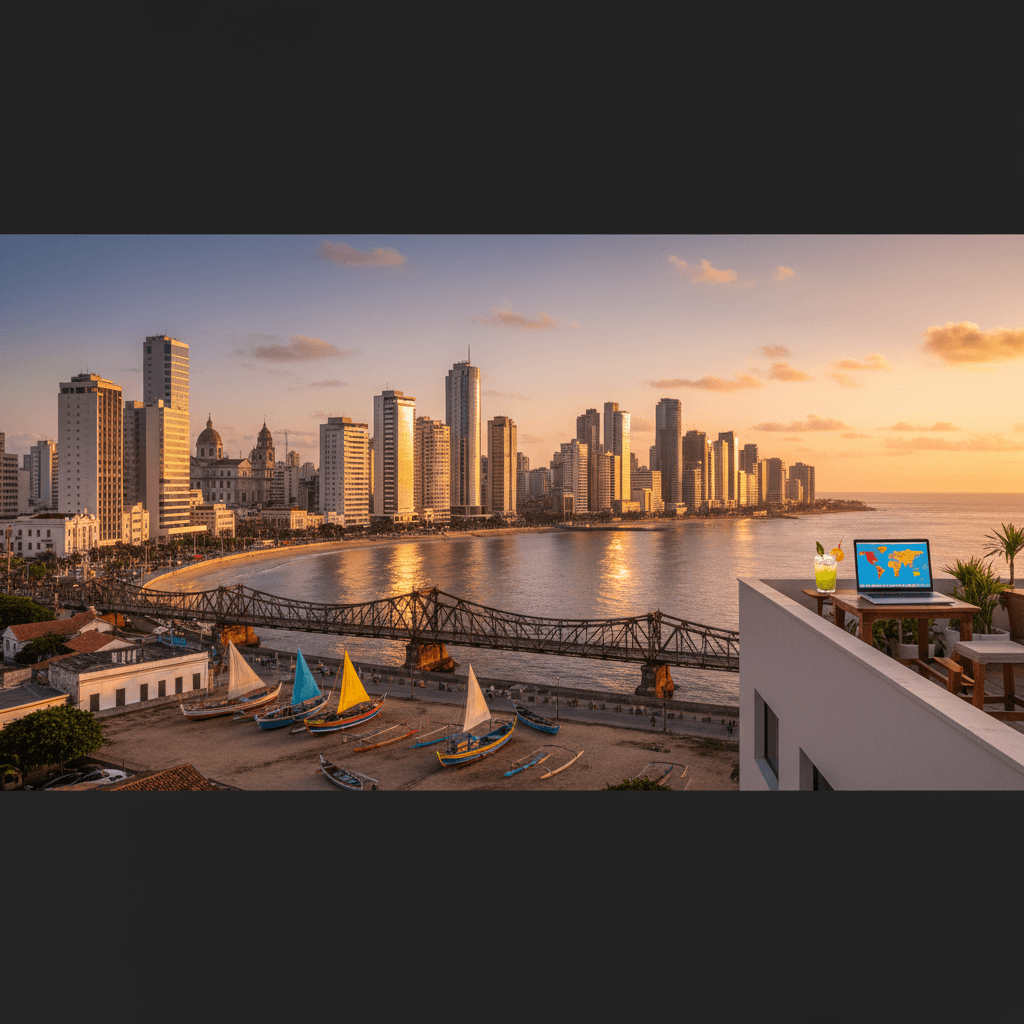
If you want to be in the thick of the action, Iracema is the place to plant your flag. It is the city's creative heart, known for its sunset views at the Ponte dos Ingleses and a nightlife scene that keeps going long after the sun drops. You'll find a younger, more international crowd here, largely drawn by the proximity to Espaço Coworking Iracema where a day pass runs about $10.
- The Setup: Most nomads opt for studio apartments or one bedroom flats ranging from $500 to $800 per month.
- The Daily Grind: You are within walking distance of the seafront promenade and plenty of cafes with 241 Mbps internet speeds.
- The Trade-off: It gets loud on weekends. Petty theft is also a reality in tourist heavy spots, so keep your phone tucked away while walking.
For Expats and Professionals: Meireles
Meireles is the upscale neighbor to Iracema and offers a more polished, secure environment. It is the preferred choice for those staying long term who don't mind paying a premium for peace of mind and better infrastructure. The neighborhood feels more like a traditional city center with high rise apartments, luxury hotels, and the famous Beira Mar handicraft market.
- Living Costs: Expect to pay $900 or more for a comfortable, modern apartment with beach views.
- Lifestyle: This area has the highest concentration of fine dining, including the massive Coco Bambu for seafood. It is much safer for evening strolls compared to other districts.
- Community: You'll find a stable expat community here, making it easier to network if you aren't fluent in Portuguese yet.
For Families and Slow Travelers: Aldeota
While not directly on the sand, Aldeota is the commercial and residential hub where local families live. It offers a more authentic Brazilian experience away from the "tourist bubble" of the coastline. You'll find better access to private hospitals like Hospital Monte Klinikum and larger supermarkets like Pague Menos.
- The Vibe: It is greener and more walkable than the beach zones, with plenty of shopping malls and parks.
- Housing: Rents are often more competitive than Meireles, though you'll likely need to use Uber or the 99 app to get to the beach, which usually costs between $3 and $8.
- Practicality: This is the best spot for those who need to be near schools or specialized medical services.
For Surfers and Budget Seekers: Praia do Futuro
If your priority is the ocean rather than the office, head east to Praia do Futuro. The water here is cleaner and the waves are better for surfing. During the day, the beach is lined with "barracas," which are massive beach clubs that offer WiFi, pools, and fresh grilled fish. Barraca do Beijupirá is a local favorite for a mid range lunch.
- Budget: You can find modest stays on the outskirts for $300 to $500 a month.
- The Atmosphere: It feels like a permanent vacation, but it is isolated. Public transport is limited, and the area can feel desolate and unsafe at night once the beach clubs close.
- Work Life: Many nomads spend their mornings working from a beach club with a $2 tapioca and a coffee before hitting the waves at noon.
For Short Term Culture Seekers: Centro
The historic center is great for a few days of exploring colonial architecture and local markets, but most expats advise against living here. It is crowded and chaotic during the day and becomes quite risky after dark. Stick to the hostels here for a weekend of sightseeing, then retreat to the safer coastal neighborhoods for your long term stay.
Connectivity and Speeds
Fortaleza surprises most newcomers with its punchy internet infrastructure. While the city feels slower than the industrial hubs of the south, the fiber optic network is robust. You can expect average urban fixed broadband speeds around 100 Mbps, which is more than enough for video calls and heavy uploads. Mobile data is equally reliable, with 5G coverage expanding across the main tourist and residential districts.
Most nomads rely on Claro or Vivo for their mobile needs. You can pick up a SIM card at the airport or local shops for about $10 to $20 a month for generous data packages. To get the best prepaid rates, you'll eventually need a CPF (a Brazilian tax ID). You can apply for this online or at a local post office; it's a bit of a bureaucratic hoop, but it makes life significantly easier for long-term stays.
Top Coworking Spots
The coworking scene in Fortaleza is concentrated around the beach areas where most remote workers congregate. It's less about sterile office blocks and more about community-driven spaces with a coastal breeze.
- A popular hub like Iracema Coworking or Elephant Coworking: These spaces feature reliable air conditioning, which you'll need in the Ceará heat, and stable WiFi. A day pass costs roughly $10, while monthly memberships run between $150 and $250.
- Beach Barracas: In Praia do Futuro, many of the massive beach clubs (barracas) have evolved into informal workspaces. While they aren't traditional offices, spots like Barraca do Beijupirá offer decent WiFi and plenty of outlets. It's the best way to work if you want to jump in the ocean between meetings.
- Hotel Hubs: The Meireles neighborhood is packed with upscale hotels that offer quiet lobby lounges or dedicated business centers. These are often quieter than the dedicated coworking spaces and provide a more professional backdrop for client calls.
The Cafe Culture
Working from cafes is a local pastime, though you'll want to choose your spots wisely to ensure they have the right "work-from-home" setup. Look for places along the Beira Mar promenade where you can catch the sea breeze while you type.
Most cafes expect you to order a "cafezinho" or a snack every few hours if you're hogging a table. Prices are very reasonable; a mid-range coffee or local treat like tapioca usually costs between $2 and $5. Just keep an eye on your gear in busier, open-air cafes. Most expats recommend keeping laptops tucked away if you're sitting right on the sidewalk in Iracema.
Practical Tech Tips
- Power Outlets: Brazil uses Type N plugs (three round pins). Most modern electronics fit, but it's smart to carry a universal adapter just in case you run into older Type C sockets.
- Backup Power: While the grid is generally stable, heavy tropical rain during the season from March to July can occasionally cause brief flickers. A small power bank for your phone is a lifesaver.
- Data Security: Use a VPN, especially when jumping between the free WiFi networks at the beach barracas or public malls.
- Digital Nomad Visa: If you're planning to stay long-term, the VITEM XIV visa requires proof of $1,500 monthly income. Having this status makes it much easier to sign up for high-speed home internet contracts if you decide to rent your own apartment.
Monthly Tech Budget
- Coworking Membership: $150 to $200 for full access.
- Mobile Data (Unlimited): $15 to $25 depending on the carrier.
- Home WiFi (if not included in rent): $30 to $50 for high-speed fiber.
- Cafe Spend: $60 to $100 if you work out of the house a few times a week.
Staying Safe in the Sun
Fortaleza has a reputation that can feel a bit contradictory. While many nomads find it more relaxed than Rio de Janeiro, you still need to keep your guard up. The general rule of thumb here is street smarts over paranoia. Most petty theft happens in high-traffic tourist zones like Iracema and the Centro district, especially after the sun goes down.
Stick to well lit areas with plenty of foot traffic. If you're heading to the beach, avoid isolated stretches of sand at night. Locals and long term expats suggest keeping your phone out of sight while walking; if you need to check Uber or a map, step into a pharmacy or cafe first. While the beach promenades in Meireles are generally safe for an evening stroll, the historic center turns into a bit of a ghost town at night and is best avoided after dark.
- Emergency Police: Dial 190
- Ambulance (SAMU): Dial 192
- Fire Department: Dial 193
If you're heading out to the favelas on the city's outskirts, do it with a local who knows the area. For most digital nomads, staying within the coastal bubble of Meireles and Praia do Futuro provides a comfortable level of security. Travelers often say that as long as you don't flash expensive jewelry or tech, you'll likely have a trouble free stay.
Healthcare and Medical Facilities
The public healthcare system in Brazil, known as SUS, is free for everyone, but it's often crowded and slow. For anything beyond a minor scrape, you'll want to head to a private hospital. Hospital Monte Klinikum is the top choice for expats and nomads, known for modern equipment and a higher likelihood of finding English speaking staff.
Pharmacies are everywhere and serve as the first line of defense for minor ailments. Look for Pague Menos or Droasil, which are open late and well stocked. You can get most basic medications over the counter, but it's always smart to have your prescriptions translated into Portuguese just in case.
Health insurance isn't just a recommendation here; it's a requirement. To snag the Brazil Digital Nomad Visa, you must show proof of health coverage that's valid in the country. Most nomads opt for international providers like SafetyWing or Genki, which satisfy the visa requirements and cover you at private facilities.
Practical Health Tips
- Tap Water: Don't drink it. Stick to bottled water or use a high quality filter. Brushing your teeth with tap water is usually fine, but sensitive stomachs should play it safe.
- Food Safety: Street food like tapioca and grilled fish is generally safe and delicious. Just look for stalls with high turnover and a clean prep area.
- Sun Protection: The equatorial sun is brutal. With temperatures averaging 27 to 32 degrees Celsius year round, heatstroke is a bigger threat than most local diseases.
- Mosquitoes: While not a constant plague, it's wise to use repellent during the rainy season from March to July to avoid Dengue or Zika.
Overall, Fortaleza is manageable if you treat it with respect. Use ride hailing apps like 99 or Uber instead of walking long distances at night, keep your CPF number handy for hospital paperwork, and you'll find the city's coastal lifestyle far outweighs the minor stresses of staying vigilant.
The Ride-Hailing Golden Rule
In Fortaleza, your smartphone is your best friend for getting around. While the city is sprawling, Uber and the local competitor 99 are the undisputed kings of transport. Most nomads rarely touch a bus schedule because rides are incredibly cheap. Expect to pay between $3 and $8 for most trips between the main hubs like Meireles and Praia do Futuro. It's safe, predictable, and saves you from the humidity of a long walk.
If you're arriving at Pinto Martins International Airport (FOR), don't feel pressured to take the official airport taxis. They'll often quote you around $20 or more. Instead, use the airport’s free Wi-Fi to summon an Uber. The 10km trip to the beach zones usually costs between $10 and $15. Just head to the designated ride-sharing pickup point outside the arrivals hall.
Pedal Power on the Promenade
The city has invested heavily in its beachfront infrastructure, particularly along the Beira Mar. This stretch is where Fortaleza actually becomes bikeable. You'll see locals and expats alike using bike-sharing like Bicicleta Integrada to cruise the coastline. Rentals are affordable, often around $5 for a full day of use. It's the best way to get from a morning coffee in Iracema to a lunch spot in Meireles without dealing with traffic.
Scooters are also scattered around the tourist zones. They're fun for a quick zip down the promenade, but keep them on the designated paths. The traffic in the city center can be aggressive, and drivers aren't always looking out for two-wheeled travelers once you move a few blocks inland.
The Bus System: Pros and Cons
Public transit consists almost entirely of a massive bus network. At roughly $1 per ride, it's the most budget-friendly way to move, but it comes with a learning curve. Buses can get incredibly crowded during rush hour, and the lack of air conditioning in older models makes for a sweaty commute.
Expats generally recommend the bus for specific daytime trips, like heading out to the Cumbuco dunes for about $20 round-trip. However, for daily life, the limited reach and lack of late-night frequency make it a secondary option for most remote workers. If you do use them, keep a close eye on your belongings, as petty theft can happen on packed routes.
Walkability and Safety
Fortaleza is a tale of two cities when it comes to walking. Within Iracema and Meireles, you'll find it quite easy to get around on foot. The sidewalks are wide, and everything from pharmacies like Pague Menos to grocery stores is within a 15-minute stroll.
The vibe changes once the sun goes down or if you wander too far from the main strips. Stick to well-lit, populated areas at night. Travelers often say that while the city feels safer than Rio, you still shouldn't walk alone on isolated beaches or through the Centro district after dark. If you're staying in Praia do Futuro, be aware that it's much more isolated; you'll almost certainly need a car or Uber to reach the coworking hubs and nightlife in the city center.
Driving Yourself
Renting a car isn't strictly necessary if you're staying in the tourist triangle, but it's a game-changer for weekend trips. Local agencies offer better rates than the big international brands if you can navigate the Portuguese paperwork. Having your own wheels allows you to explore the 25 miles of coastline at your own pace, though you'll need to get used to the assertive local driving style and the occasional "flanelinha" (informal parking attendants who expect a small tip to watch your car).
The Language Barrier
In Fortaleza, Portuguese isn't just the official language; it's the heartbeat of daily life. While you might get by with English in high end hotels in Meireles or at a few upscale seafood spots like Coco Bambu, the reality on the ground is different. Most locals, including taxi drivers, shopkeepers, and workers at the beach barracas, speak little to no English. You'll find that English proficiency is moderate at best in tourist zones and drops off significantly once you head inland or visit local markets.
Nomads who've spent time here say that while the locals are incredibly patient and will use hand gestures or smiles to help you out, relying on "Portuñol" or English can be exhausting. Learning the basics isn't just about utility; it's about respect. Showing you've put in the effort to say "Olá" (hello) or "Obrigado" (thanks) goes a long way in building rapport with the community.
Practical Tools for Communication
Since you'll likely hit a wall with English, your phone is your best friend. Most expats recommend downloading Google Translate with the Portuguese offline pack immediately. It's a lifesaver for translating menus or complex instructions at the pharmacy. For those looking to stay long term, Duolingo or Babbel are great for daily practice, but nothing beats a few face to face classes at a local language school to pick up the distinct Cearense accent.
The local dialect is famous for being fast and rhythmic. You'll hear unique slang that you won't find in a textbook. If someone calls you "macho" or "mulher," they aren't being aggressive; it's just a common way to address friends in Fortaleza. Embracing these quirks is part of the fun of living in the northeast.
Connecting and Staying Online
Communication isn't just about what you say, it's about how you stay connected. In Brazil, WhatsApp is the king of communication. You'll use it for everything: booking a hair appointment, ordering delivery, or chatting with your landlord. If a business has a phone number, they almost certainly have a WhatsApp account linked to it.
To keep the data flowing, you'll need a local SIM card. Travelers recommend Claro or Vivo for the best coverage in the city. Here is how to handle the logistics:
- The CPF Requirement: To get the best prepaid plans, which cost around $10 to $20 per month for generous data, you usually need a CPF (Brazilian tax ID). You can apply for this online or at a post office for a small fee.
- Buying a SIM: You can pick up a "chip" at the Fortaleza Airport (FOR) or at kiosks in shopping malls. If you don't have a CPF yet, some larger stores might register it with a passport, but it's hit or miss.
- Connectivity: With average speeds of ~100 Mbps fixed broadband in urban areas, you won't have trouble with video calls or Slack once you're settled in a coworking space like Espaço Coworking Iracema.
Essential Phrases for Your First Week
You don't need to be fluent to survive, but having a "cheat sheet" in your head makes the first few days much smoother. Most nomads find these four phrases cover 90% of their early interactions:
- "Quanto custa?" (How much does it cost?): Use this at the markets in the Centro where prices aren't always labeled.
- "Você fala inglês?" (Do you speak English?): Use this sparingly, but it's good to know for emergencies.
- "A conta, por favor" (The bill, please): Essential for the long, lazy lunches at Praia do Futuro.
- "Tudo bem?" (Everything good?): The universal greeting and response. It works as a question and an answer.
While the language gap is a real hurdle, the warmth of the people in Fortaleza usually makes up for it. Don't be surprised if a local spends ten minutes trying to help you find a bus stop using nothing but a translation app and a lot of heart.
The Sweet Spot: August to February
If you're planning your stint in Fortaleza, aim for the window between August and February. This is when the city really shines. You'll get consistent sunshine, dry air, and those famous coastal breezes that make the 31°C (88°F) heat feel manageable rather than oppressive. Most nomads find this the perfect time to set up shop at a beachside barraca in Praia do Futuro, where the wind keeps your laptop cool while you work.
The peak of the dry season also aligns with the best conditions for wind and kite surfing. If you're into water sports, the months of September through November are legendary. Travelers often say the vibes in Iracema during these months are unmatched, with outdoor forró dancing and sunset gatherings happening almost every night.
The Rainy Season: March to July
Things take a turn starting in March. While the temperature stays warm, hovering around 30°C (86°F), the humidity spikes and the clouds roll in. April, May, and June are the wettest months. We're talking heavy, tropical downpours that can turn streets into small rivers in minutes.
While the rain usually comes in short, intense bursts rather than a constant gray drizzle, it can mess with your plans if you're relying on walking or biking the Meireles promenade. Expats recommend having a solid indoor backup plan during this time. It's the best season to hunker down at Espaço Coworking Iracema or explore the indoor markets in the Centro district without the scorching sun.
Temperature and Packing Realities
Fortaleza is tropical to its core. You'll rarely see the thermometer dip below 24°C (75°F), even at night. Because the temperature is so stable, your packing list doesn't need much variety. Most nomads live in light linen, cotton, and flip-flops. However, don't forget a light hoodie or a long-sleeve shirt. While it's hot outside, the air conditioning in coworking spaces and upscale malls like Shopping Iguatemi is often set to "arctic," which can be a shock to the system.
- High Season (December to February): Expect higher prices for Airbnbs and more crowds as Brazilians flock to the coast for summer holidays.
- Low Season (April to June): You can snag major discounts on long-term rentals, but you'll need to carry an umbrella and deal with occasional power flickers during storms.
- Wind Season (August to December): Perfect for those who want to learn to kite surf in nearby Cumbuco on their weekends off.
Strategic Timing for Your Move
If you want the best of both worlds, try arriving in late July or early August. You'll beat the high season price hikes that kick in around Christmas, but you'll arrive just as the rains are tapering off. This gives you a few months to find your favorite cafes and get your CPF sorted before the city gets busy with the holiday crowd.
Most remote workers find that the consistent 12 hours of daylight year-round helps with productivity, especially if you're coordinating with European or North American time zones. Just remember that the sun is incredibly strong this close to the equator. Even on cloudy days in May, you'll want to keep the sunscreen handy if you're working from an outdoor terrace.
Connectivity and the CPF Factor
Getting online in Fortaleza is straightforward, but there is a local quirk you need to master: the CPF (Cadastro de Pessoas Físicas). This tax ID is your golden ticket for everything from buying a SIM card to opening a local bank account like Nubank. You can apply for one online or at a post office once you land. It's a small hurdle that makes life significantly easier.
For mobile data, Claro and Vivo are the most reliable providers. You can snag a SIM at the airport or local shops for roughly $10 to $20 a month for unlimited data. If you're working from a rental, expect average speeds around 241 Mbps in the city center. For a dedicated workspace, Espaço Coworking Iracema is a nomad favorite with day passes around $10 and monthly access for $150 to $250. If you prefer a view, the beach barracas in Praia do Futuro are great for casual emails, provided you have a fully charged laptop.
Managing Your Finances
Fortaleza is remarkably affordable compared to North American or European hubs. Mid-range nomads typically spend about $1,100 per month, while those on a tighter budget can get by on $820. Digital banking apps like Wise or Revolut work flawlessly here for daily transactions and currency conversion.
- Studio/1BR Rent: Expect to pay $500 to $800 in Iracema or Meireles. Budget options in Praia do Futuro drop to $300.
- Dining: A quick street snack like tapioca costs $2 to $4. A nice seafood dinner at a spot like Coco Bambu will run you $25 or more.
- Transport: Stick to Uber or the 99 app. Short rides usually cost between $3 and $8. Local buses are cheap at $0.90, but they can get crowded and uncomfortable in the heat.
The Digital Nomad Visa (VITEM XIV)
Brazil has become much more welcoming to remote workers with its specific nomad visa. To qualify, you will need to prove a monthly income of at least $1,500 or have $18,000 in savings. The process involves an online application and a visit to the Federal Police within 90 days of arrival to register. Make sure your health insurance policy specifically covers your stay in Brazil, as it's a mandatory requirement for the visa.
Safety and Health Logistics
Safety in Fortaleza requires a bit of common sense. Most expats recommend staying in well lit areas like Meireles and avoiding the historic Centro district after dark. Petty theft happens in tourist heavy zones, so keep your phone tucked away while walking. If you need medical care, skip the public facilities and head to private hospitals like Hospital Monte Klinikum. Pharmacies like Pague Menos are on almost every corner and are well stocked for basic needs.
Timing Your Stay
The weather is tropical and consistent, hovering between 27°C and 32°C year round. However, the rain can be intense from March to July. Most nomads find the sweet spot to be August through February, when the skies stay clear and the wind is perfect for kite surfing. If you arrive between December and February, be prepared for higher prices and bigger crowds as the high season kicks into gear.
Language and Local Customs
Don't expect much English outside of high end hotels and major tourist spots. Learning basic Portuguese phrases is a necessity, not a luxury. A simple "Quanto custa?" (How much?) or "Obrigado" (Thank you) goes a long way. Use Google Translate with the offline pack downloaded for those moments when you're navigating local markets or chatting with an Uber driver. Locals are generally patient and friendly, especially if they see you're making an effort to speak their language.
Need visa and immigration info for Brazil?
🇧🇷 View Brazil Country GuideHidden Gem
Worth the effort
Monthly Budget Estimates
More cities in Brazil
Ribeirão Preto
🇧🇷 Brazil
Brasília
🇧🇷 Brazil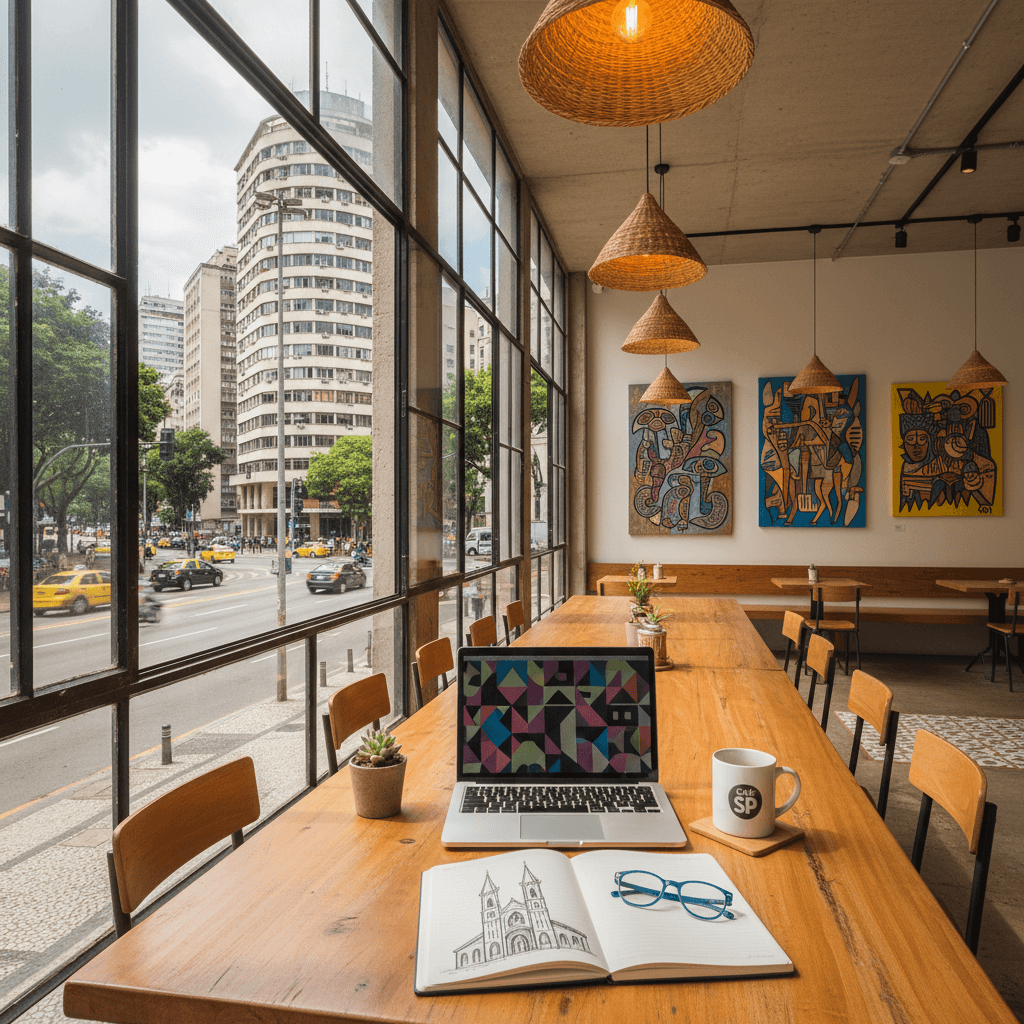
São Paulo
🇧🇷 Brazil